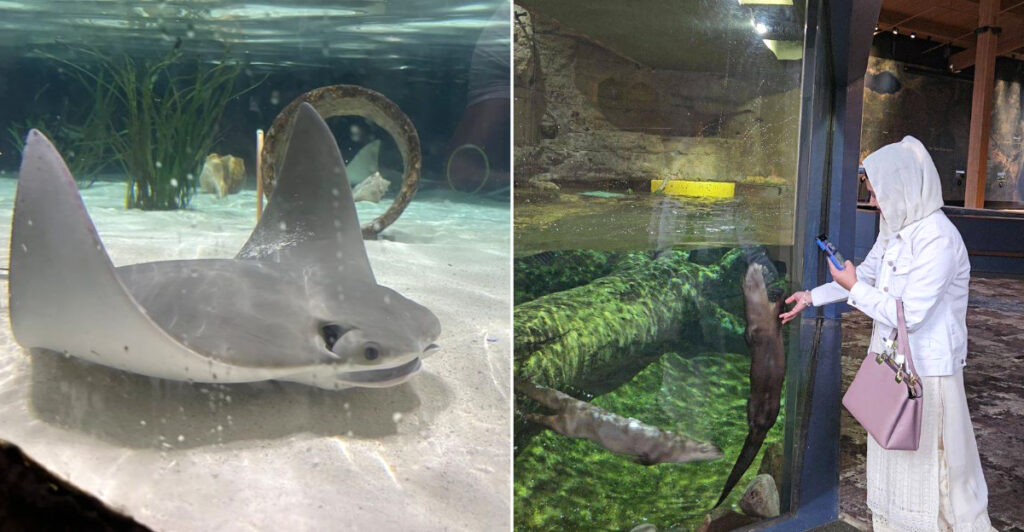
I did not expect a stingray to become the highlight of an Iowa road trip, but here we are.
That is the fun of this river museum.
You walk in thinking you will see a few aquariums, maybe some river history, and a couple of kid-friendly exhibits. Then a stingray glides up to your hand like it has been waiting for you all morning, and suddenly the whole visit feels a lot more memorable.
The place is bigger than it looks, too.
Otters zip through the water, historic boats tell their river stories, and the hands-on exhibits make learning feel suspiciously close to playing.
But the stingray experience is the moment people keep talking about, and honestly, I get it. This Iowa museum turns one small animal encounter into the kind of travel memory that follows you home.
The Star Attraction: Feeding The Stingrays
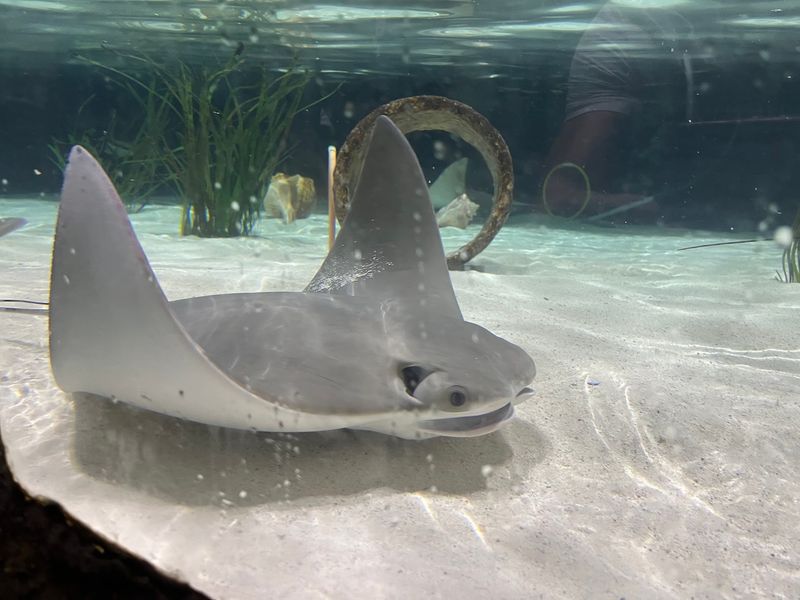
The moment you reach the shallow Delta Touch Tank, it is easy to understand why the stingrays become one of the most memorable parts of a visit.
Visitors can gently touch the stingrays as they glide through the water, while scheduled feeding experiences offer an even closer encounter.
Stingray feedings are offered daily at 11 AM and 2:30 PM for an additional $12 per person. Each session is limited to ten participants, so purchasing a ticket ahead of time is a smart move.
Staff members are there to guide participants through the feeding and answer questions about these unusual animals.
If you do not purchase a feeding ticket, you can still watch the scheduled feedings and enjoy the touch tank as part of a museum visit.
You will find this crowd-pleaser at 350 East 3rd Street in Dubuque, Iowa, right along the Mississippi River.
Meet The Adorable River Otters
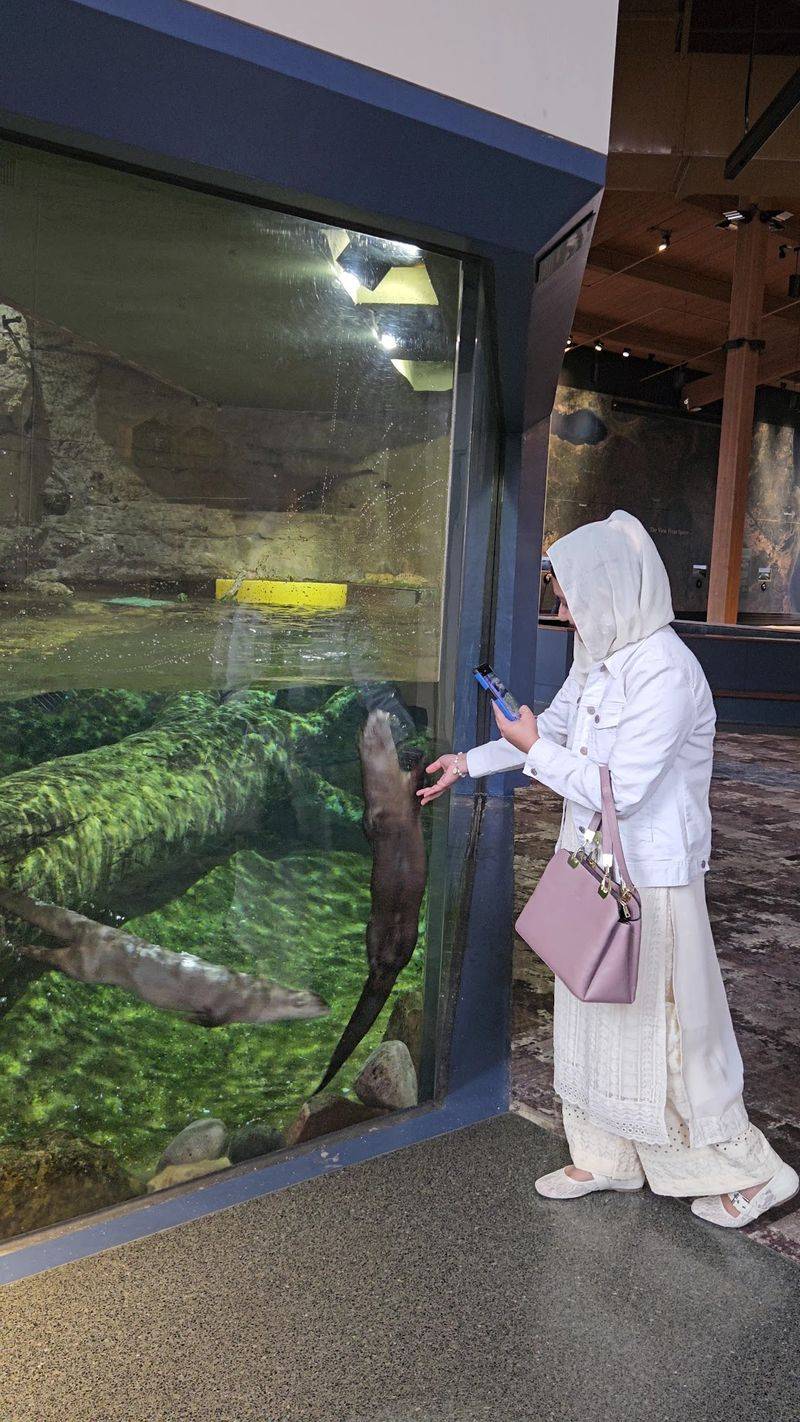
If you want to watch pure joy in animal form, park yourself in front of the otter exhibit and prepare to giggle.
These little swimmers zip, twist, and tumble through the water like they have somewhere important to be.
I lost track of time watching them slide and play. Visitors mention the otters constantly, and they truly earn every bit of that attention.
The habitat lets you see them from a few angles, including underwater views where you can catch their whiskered faces up close. Try to arrive during a keeper talk if you can, because the staff share fun details about how these creatures live along the river.
My kids pressed their noses to the glass and refused to move, and honestly I did the same. Otters spend a lot of energy, so mornings often bring the most action.
Bring your camera and a little patience, since their speed makes photos tricky. This furry crew turned out to be one of the most charming stops in the whole building, and I would happily visit them again.
Explore The Freshwater And Saltwater Aquariums
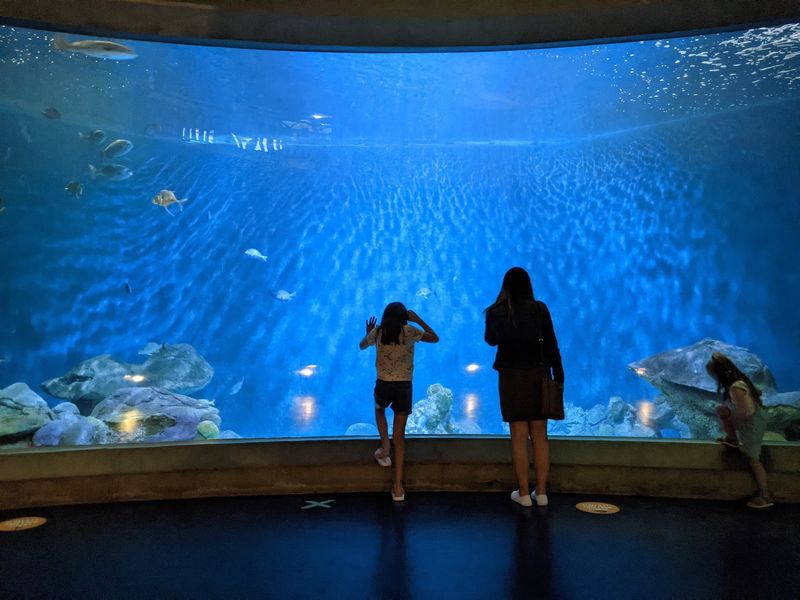
Beyond the stingrays, the tanks here hold a surprising variety of aquatic life that kept me wandering from one glass wall to the next.
Some display the fish and creatures found in the Mississippi River, while others show off colorful saltwater species.
The habitats are beautifully maintained and spotless. Watching fish drift through their environments felt both relaxing and educational at the same time.
What impressed me most was how the exhibits explain the animals without feeling like a boring lecture. You pick up facts about river ecosystems almost without noticing, which makes it easy for younger visitors to stay curious.
There is also a separate touch tank with starfish, anemones, and other gentle sea creatures you can carefully feel. My daughter loved touching the starfish almost as much as the stingrays.
Give yourself plenty of time in these rooms, because there is far more to see than you expect. The lighting, the clarity of the water, and the friendly nearby staff made this section feel polished and welcoming from start to finish.
Step Aboard The Historic William M. Black
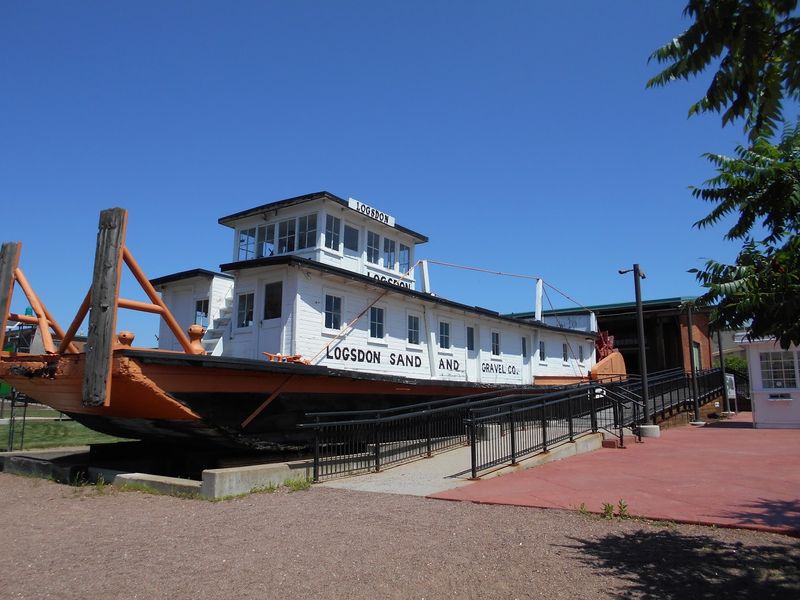
One highlight that adds real history to the aquarium experience is the William M. Black, a massive dredge boat permanently moored in the museum’s outdoor boatyard.
Built in 1934 for the U.S. Army Corps of Engineers, the vessel once helped keep major river channels navigable by removing sediment from the riverbed.
When boarding is available, visitors can explore portions of the engine room, boiler room, crew quarters, and pilot house while learning how the vessel worked.
For the 2026 season, the William M. Black is open for boarding on weekends from June through October, with access dependent on weather and temperature.
The surrounding exhibits, boat shop, river displays, and lock-and-dam models add even more context to the Mississippi’s transportation history.
Check the museum’s daily schedule before your trip if boarding the William M. Black is one of your priorities.
Catch A Show At The 4D Theater
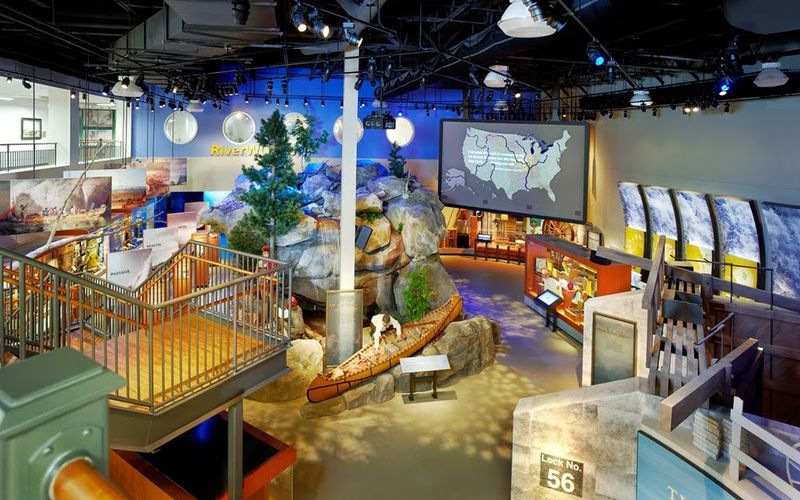
Tucked inside the museum is a 4D theater that adds motion and surprises to the movies you watch. I slipped on the special glasses and settled in, not quite sure what to expect.
The extra effects made the films feel lively and fun. My kids jumped, laughed, and pointed at the screen the entire time.
Reviews are honest that the 4D experience can feel a little quirky for some younger children, so keep that in mind if your little one is sensitive to loud sounds or sudden movement. For most families, though, it is a nice break to rest your feet while still being entertained.
The theater fits naturally into a longer visit, giving everyone a chance to sit down between exploring exhibits. I liked using it as a midday breather.
Check the daily showtimes when you arrive so you can plan around them. Whether the movie wows you or just makes you smile, it adds another layer to a place already bursting with things to do, and the friendly staff made getting seated easy.
Get Hands-On With Interactive Exhibits
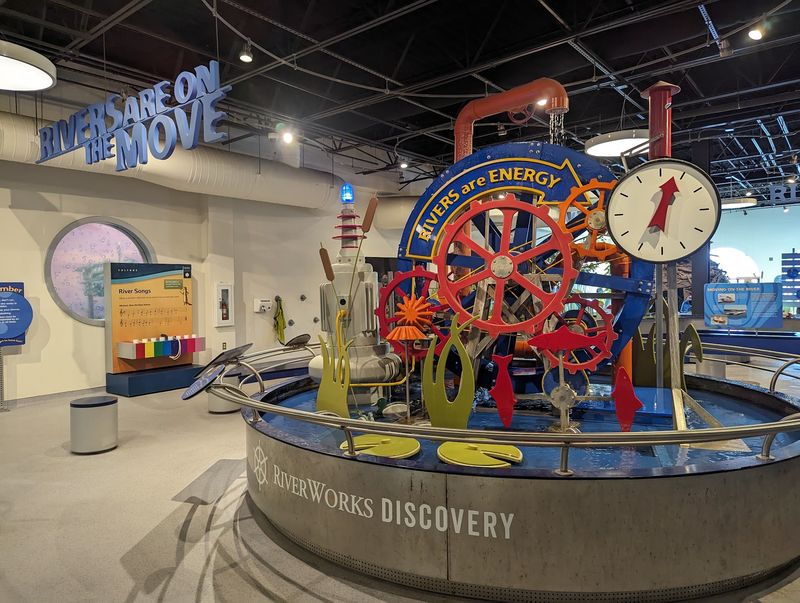
Curiosity runs wild in the hands-on areas, and I found myself playing right alongside the kids.
There are dam models, hydraulic displays, and a splash zone where you can push water around and watch how rivers really behave.
These stations make learning feel like a game. You end up understanding how locks and currents work without even trying.
The splash zone was a huge hit with my group, though I recommend bringing a small towel since little hands love to get wet. Interactive exhibits get mentioned again and again by visitors, and they truly keep children busy for a long time.
What I appreciated most was how the displays welcome all ages. Adults can explore the science while toddlers simply enjoy pressing buttons and moving parts.
Staff members often lead live demonstrations, so hang around if you see one starting. They patiently answer questions and make the science stick.
Give this zone plenty of time, because it is the kind of place where kids beg to stay just five more minutes, and you will probably want to as well.
Say Hello To Eagles And Other Wildlife
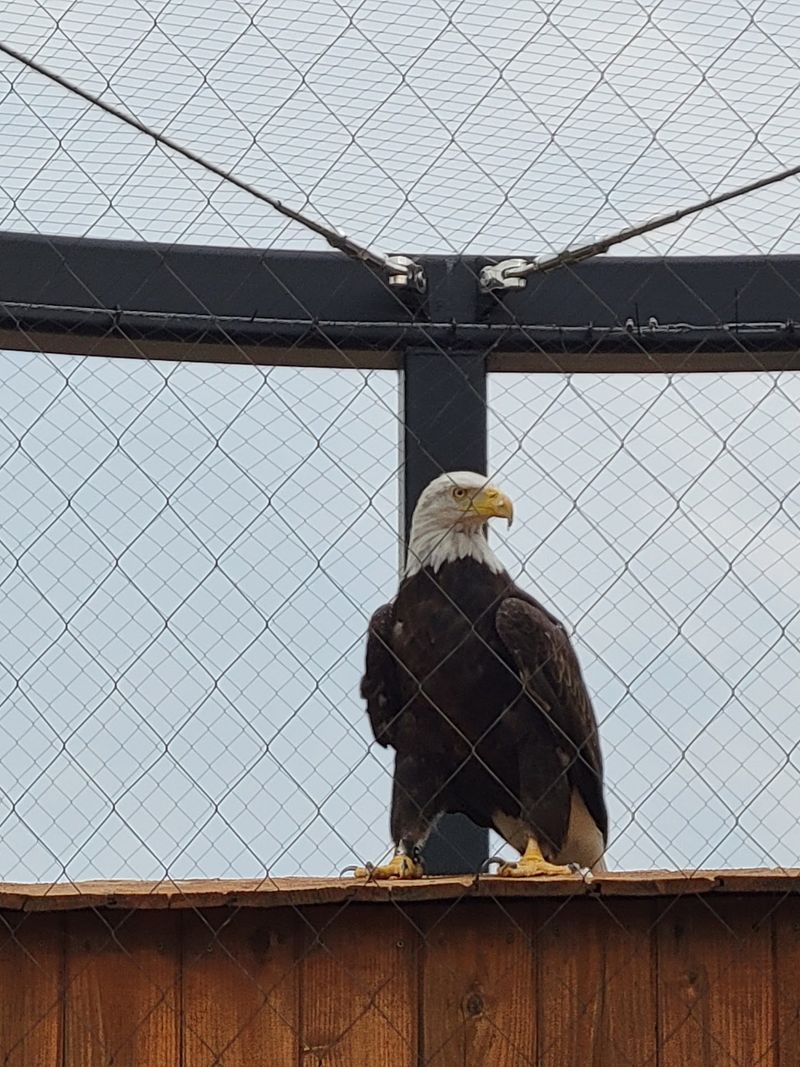
Getting close to a bald eagle was a genuine thrill I did not see coming. These birds are far more impressive in person than any photo can capture, and standing near one gave me chills of the good kind.
The wildlife exhibits go beyond fish and otters. You can also spot a red-tailed hawk and other native creatures that call the river region home.
Seeing them up close helped me connect with the animals that share the Mississippi. It is one thing to read about a bird and another to watch it perch just a few feet away.
Some outdoor animal areas may move indoors during colder months or health precautions, so a few enclosures might look empty depending on your timing. Do not worry, the animals are usually kept safe and warm nearby.
Keeper talks around these exhibits share great details about each species. I learned a bunch just by listening in.
This corner of the museum reminded me how much life thrives along America’s rivers, and it left me with a deeper respect for these winged neighbors.
Refuel At The Cafe And Browse The Gift Shop
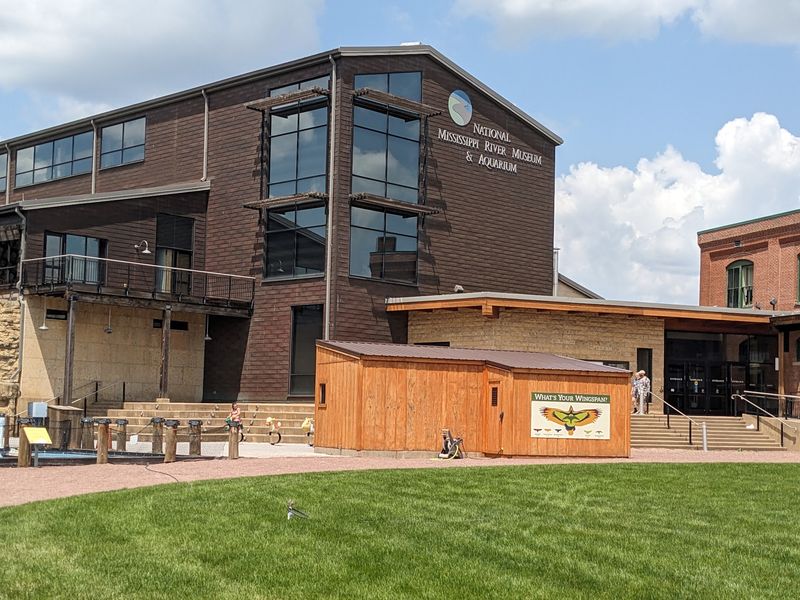
All that exploring worked up an appetite, so I was glad to find a cafe right inside the building. The food is fairly priced and tasty, which is not always the case at busy attractions.
Grabbing a bite let us recharge without leaving the fun behind. Clean restrooms and friendly staff made the whole stop stress-free.
The gift shop surprised me with how reasonable the prices were. Instead of overpriced trinkets, you find fun souvenirs, toys, and river-themed keepsakes that kids actually want to take home.
My children each picked something small, and I did not feel my wallet groan. That balance is rare and worth mentioning.
Plan your meal break around midday when energy dips, then use the shop as a sweet ending to your visit. It gives everyone a chance to sit, snack, and slow down before diving back in.
Little touches like affordable food and a welcoming shop made the day feel complete. When a place gets both the animals and the amenities right, you leave already planning your return trip.
Helpful Tips For Planning Your Visit
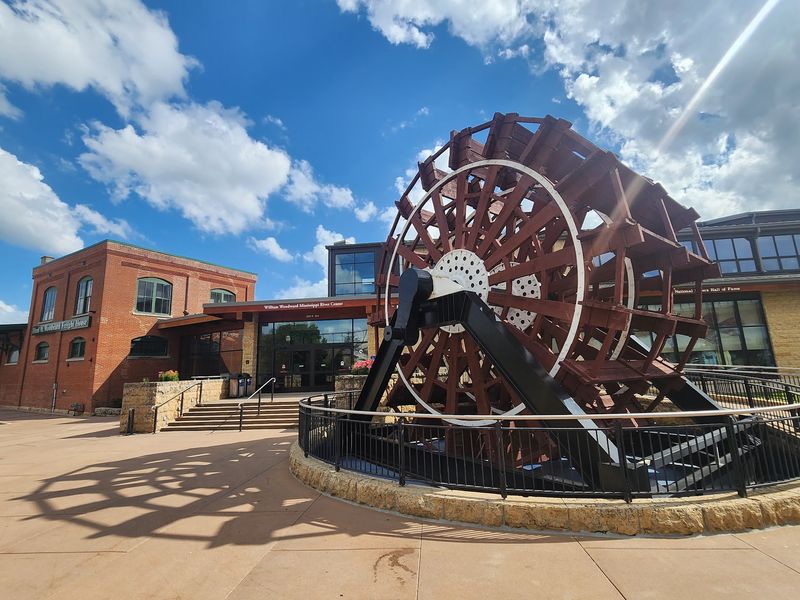
A little planning turns a good visit into a great one. The museum spreads its exhibits across multiple buildings and floors, so allow at least half a day if you want time to explore without rushing.
General admission is especially useful because every ticket works as a two-day pass, allowing visitors to return the next consecutive day with their original receipt.
During the current summer and fall season, the museum is open daily from 9 AM to 5 PM. Children age two and younger are admitted free.
College students can currently receive discounted admission at the box office by showing a valid school ID.
If stingray feeding is high on your list, reserve the experience ahead of time because each feeding session is limited to ten participants.
Wear comfortable shoes and check the daily activity schedule when you arrive, especially if you want to catch a 4D movie, animal program, or seasonal boarding of the William M. Black.
With so much spread across the campus, giving yourself extra time is one of the easiest ways to make the visit more enjoyable.