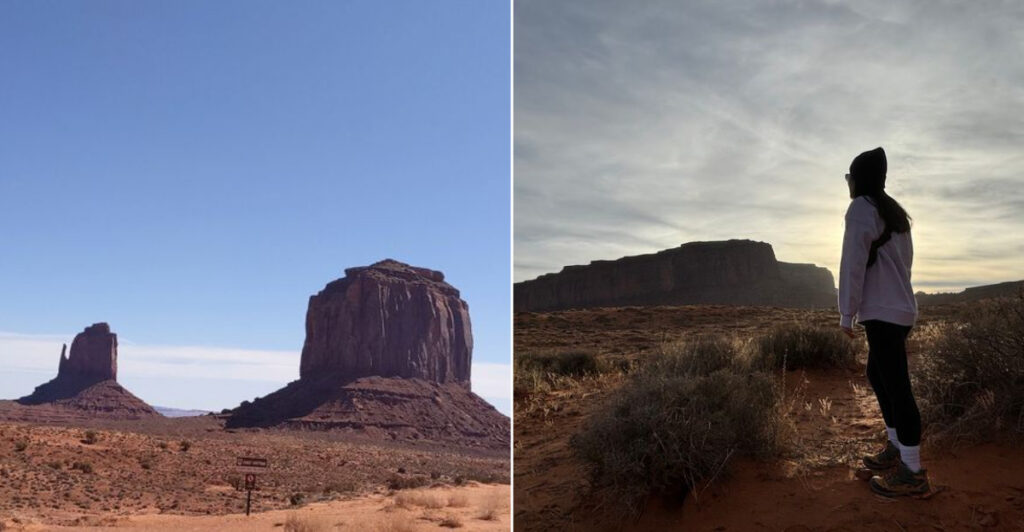
Some views impress through a windshield. Others wait for you to meet them on foot.
In Utah, this nearly four-mile desert loop turns a famous landscape into something personal, circling massive sandstone formations that feel even larger when you are walking beneath them. The trail is not just about distance.
It is about perspective, silence, red earth, and the steady realization that the highway only gives you the preview. Every bend changes the scene.
Shadows stretch across the rock, the open sky seems impossibly wide, and those iconic buttes stop feeling like postcard images and start feeling alive with scale. Utah’s desert trails are powerful because they make you slow down long enough to notice what driving past could never show you.
Bring water, respect the land, and take your time. This is the kind of hike that stays with you.
The Only Self-Guided Trail in the Valley and Why That Matters

There’s a quiet thrill in knowing you don’t need a permission slip to have one of the best experiences in the park. This place holds a genuinely rare distinction: it is the only hiking trail in Monument Valley that visitors can complete without a licensed guide.
That freedom changes everything about how you experience the landscape.
Most of Monument Valley’s interior is accessible only through guided tours, where you’re ushered from viewpoint to viewpoint with barely five minutes at each stop. It sidesteps all of that.
You sign in at the visitor center clipboard, lace up your boots, and go at whatever pace your legs and curiosity allow.
Families with kids who need extra time to collect interesting rocks, couples who want to linger at a particular angle of light, solo hikers who prefer the sound of wind over small talk: everyone fits here. The trail starts from the parking lot off Indian Rte 42 in Oljato-Monument Valley, UT 84536, making the logistics refreshingly uncomplicated.
No booking windows, no group minimums, just open desert and one of the most iconic backdrops on earth waiting at your own pace.
Pro Tip: Sign in at the visitor center before heading to the trailhead. It takes two minutes and keeps the process smooth for everyone.
What the Nearly Four-Mile Loop Actually Feels Like Underfoot
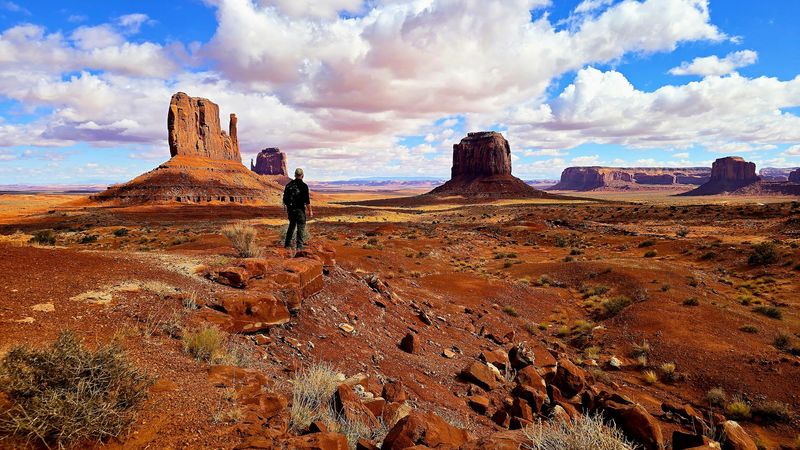
The trail runs just under four miles as a loop, and the terrain does most of the storytelling. The first stretch drops downhill through soft, shifting sand, which feels effortless going in and considerably more persuasive on the return.
Think of it as the trail’s way of reminding you to pace yourself early.
Once past that initial descent, the path levels out considerably. The majority of the loop travels on hard-packed ground, well-marked and easy to follow, with the buttes keeping steady company on your left.
Several shade shelters appear at irregular intervals along the route, which sounds modest until you’re standing in full desert sun and suddenly appreciate every square foot of shadow available.
There is also a primitive restroom near the two-mile mark, a detail that sounds unremarkable until you need it and it becomes the single greatest thing you’ve ever seen. The final mile climbs back uphill through sand, and that section earns its reputation as the workout portion of an otherwise approachable hike.
Most visitors complete the full loop in roughly two to two and a half hours.
Best For: Hikers of moderate fitness who want genuine immersion without technical difficulty. The sandy uphill return is the only real challenge.
Getting Up Close to the Mittens: Views That No Car Window Can Match
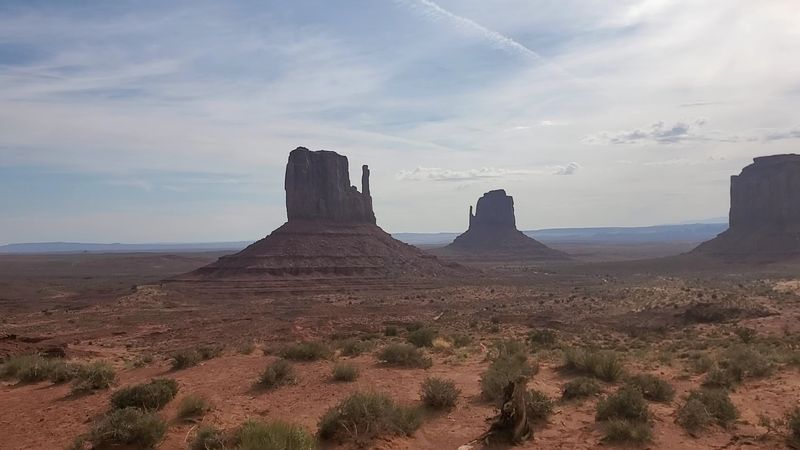
Driving the scenic valley road gives you a version of Monument Valley that looks exactly like every postcard you’ve already seen. It’s beautiful, but it keeps the landscape at arm’s length, framed through glass and enjoyed from a seat.
The Wildcat Trail removes that distance entirely.
From the loop, you circle the base of West Mitten Butte and gain views of both Mitten formations from angles that no road stop can replicate. You see the geology from the side, from beneath the towering walls, and from positions where the scale of these structures stops feeling like a photograph and starts feeling genuinely physical.
The red and orange tones shift noticeably depending on the time of day, with afternoon light pulling particularly vivid color from the rock faces.
Visitors who have done both the scenic drive and the hike consistently describe the trail as the more affecting experience. Being on foot, breathing the same desert air, standing on the same red earth as those formations, changes the relationship between viewer and landscape in a way that’s hard to articulate but easy to feel.
Binoculars are worth bringing if you have them.
Why It Matters: No other access point in the park puts you this physically close to the Mitten Buttes without a guide requirement.
Wildlife, Wild Horses, and the Unexpected Rewards of Slowing Down
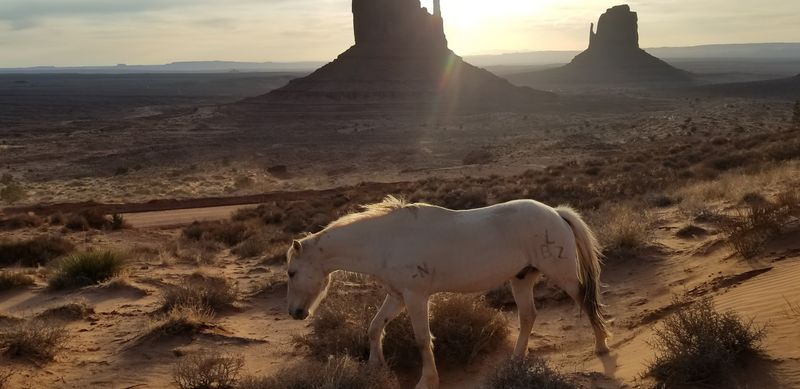
Nobody books a hiking trip to Monument Valley specifically hoping to spot a wild horse, and yet the trail has a reliable habit of delivering exactly that. Multiple visitors have reported seeing free-roaming horses along the Wildcat Trail route, the kind of sighting that makes you stop mid-stride and quietly reach for your phone camera.
Beyond the horses, the desert floor along the loop holds its own smaller surprises. Desert plants push up through red sand in ways that seem improbable until you’re crouching beside them.
Rattlesnake tracks have been spotted in the sand by sharp-eyed hikers, which sounds alarming but mostly just confirms that this is a genuine working ecosystem rather than a theme park recreation of one. Stay on the marked trail and you’re doing your part for both safety and land stewardship.
The pace of walking rather than driving creates the conditions for these encounters. You’re quieter, slower, and lower to the ground than any vehicle.
The landscape responds accordingly by showing you things that pass unnoticed from a car window. Bring binoculars if wildlife spotting is your thing, and keep expectations flexible because the desert operates on its own schedule.
Insider Tip: Go anti-clockwise and start at sunrise for the coolest temperatures and the best chance of spotting wildlife before midday foot traffic picks up.
Planning Your Visit: Seasons, Sun, and What to Pack Without Overthinking It
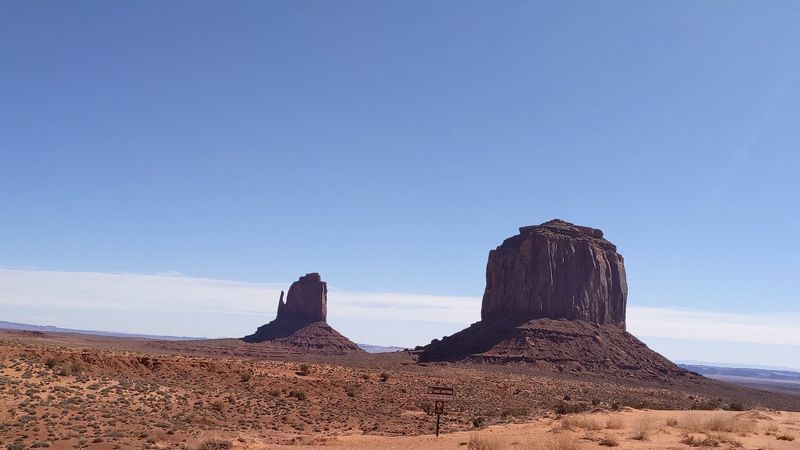
Monument Valley sits in the high desert of southeastern Utah, which means the weather has strong opinions regardless of the calendar. Summer temperatures push well into the eighties and beyond, with almost no shade along most of the trail.
Winter visits are genuinely pleasant for hiking, though the air carries a chill that earns respect, particularly in the morning hours.
February, December, and early spring are frequently cited as ideal windows. The light in winter months hits the rock formations at lower angles, producing richer color and longer shadow play across the valley floor.
Afternoon sun in any season illuminates the Mittens with particular drama, making a mid-to-late start worthwhile if you’re chasing photography.
Water is non-negotiable. The trail offers no water sources, and the desert sun works efficiently regardless of how mild the air feels.
Sturdy footwear with ankle support handles the sandy sections far better than sneakers, which tend to fill with sand on the descent and become annoying quickly. Cold drinks are available for purchase near the midpoint of the trail, a small but genuinely appreciated detail.
Pack snacks, apply sunscreen before you leave the car, and give yourself a minimum of two and a half hours.
Common Mistakes to Avoid: Starting too late in the day, underestimating the sandy return climb, and wearing low-cut shoes that collect sand on every step.
How Families, Couples, and Solo Hikers All Find Their Version of This Trail
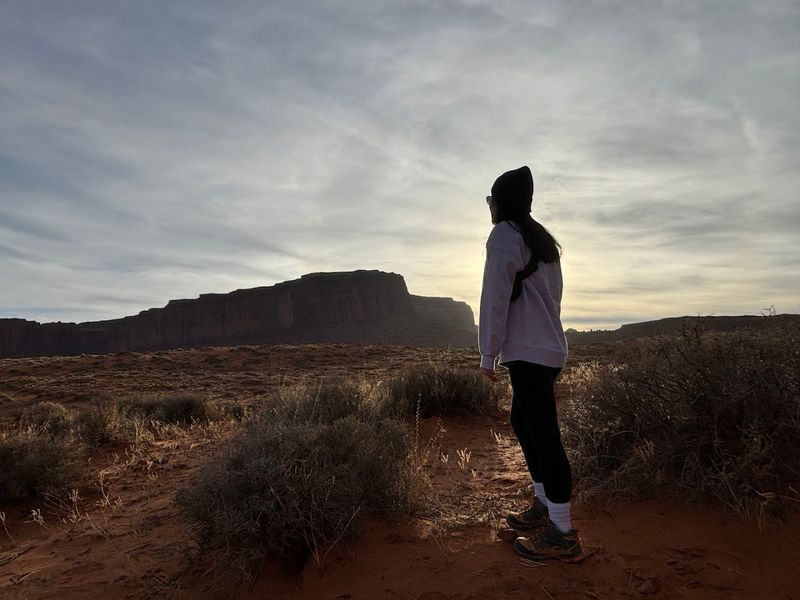
The Wildcat Trail has an unusual talent for suiting almost everyone without feeling like it was designed by committee. Families with young children have completed it successfully, with kids handling the terrain well when given enough time and snack breaks.
The trail’s clear markings and loop structure mean there are no confusing junctions where someone can wander off in the wrong direction.
Couples find it particularly rewarding because the pace is entirely self-determined. There’s no tour guide counting heads or moving the group along before you’ve finished looking at something.
You can spend twenty minutes at one spot and nobody is waiting. That kind of unhurried access to a landscape this dramatic is rarer than it sounds.
Solo hikers report the trail getting noticeably quieter past the first kilometer, as many visitors turn back early rather than completing the full loop. Push past that point and you’ll often have long stretches of the trail nearly to yourself, which in a landscape this vast and silent is a genuinely different experience than the busy viewpoints near the visitor center.
Dogs are welcome on leash, which is a detail that makes a surprising number of trip planners very happy.
Who This Is For: Moderately active adults, families with kids old enough to manage four miles, couples seeking unhurried exploration, and solo hikers who want solitude without remoteness.
Making It a Full Day: Pairing the Trail With the Scenic Drive for Maximum Monument Valley
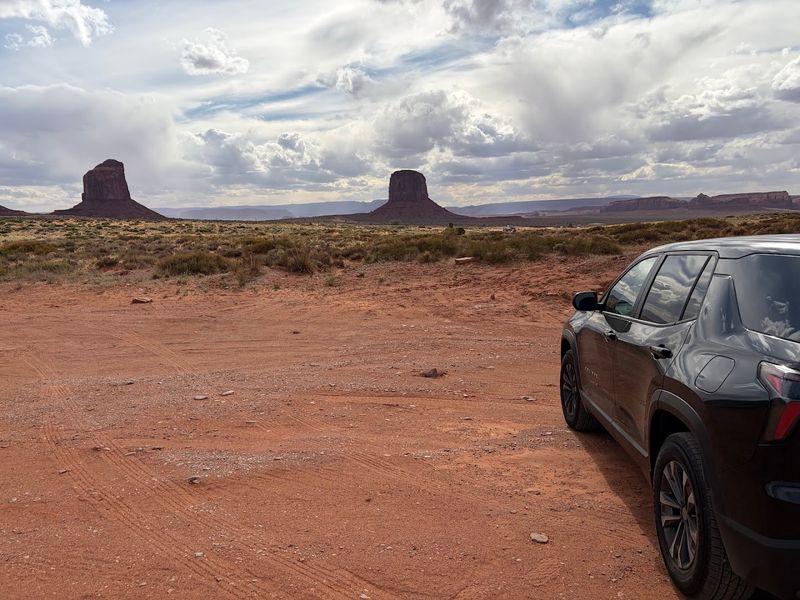
The most satisfying Monument Valley visit tends to follow a simple two-part structure that many visitors land on naturally. Drive the scenic valley road first to get your bearings and the wide-angle view of the formations, then follow it with the Wildcat Trail to close the distance and see what you were just photographing from the road.
The scenic drive gives context. The trail gives connection.
Together they cover the full range of what Monument Valley offers to someone arriving without a guide. Visitors who do both in a single day consistently describe the experience as complete in a way that either activity alone doesn’t quite achieve.
Plan to arrive early enough to finish the drive before midday, then tackle the trail in the afternoon when the light on the Mittens reaches its most photogenic angle.
The visitor center near the trailhead is worth a stop before or after the hike. It’s where you sign in for the trail, and it sits at the top of the descent, making it a natural bookend to the outing.
Post-hike, a cold drink from the midpoint vendor stand sounds modest but lands with the satisfaction of a small, well-earned reward after a morning spent in the open desert sun.
Best Strategy: Scenic drive in the morning, trail in the afternoon, and leave at least two and a half hours for the full loop before sunset.