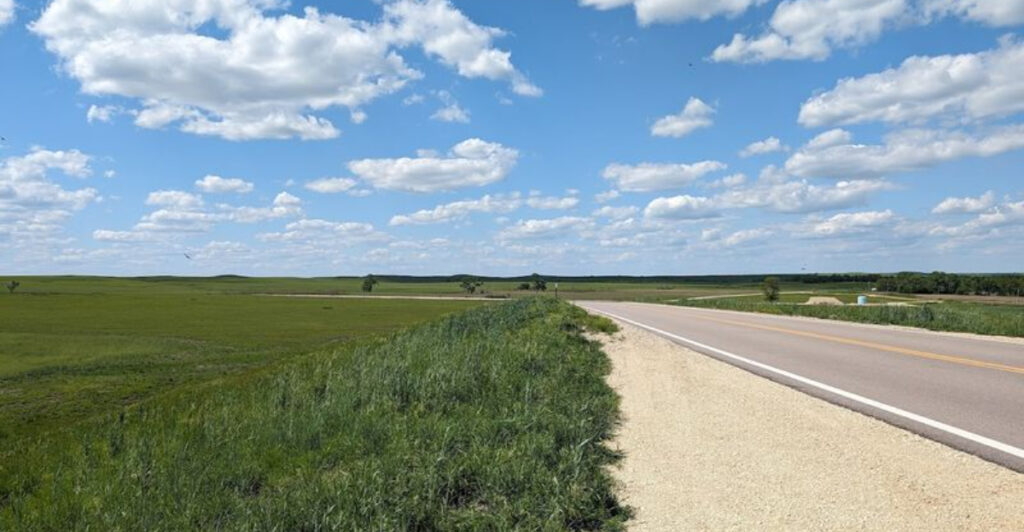
Some drives feel less like a route and more like a reset button. This scenic Kansas stretch has that rare old-soul quality, where rolling prairie, open sky, and quiet miles make the modern world feel a little farther away.
It is the kind of road that does not rush you toward the next stop. It asks you to ease up, look around, and let the landscape tell its own story.
The beauty here feels simple but powerful, like a reminder of what travel was before every moment had to be scheduled, posted, and optimized.
A drive like this turns the car into the best seat in the house. I have always liked roads that make me lower the music and pay attention, because that is usually when the trip starts feeling bigger than the destination.
Tallgrass Prairie National Preserve: Where The Grass Grows Taller Than You Think
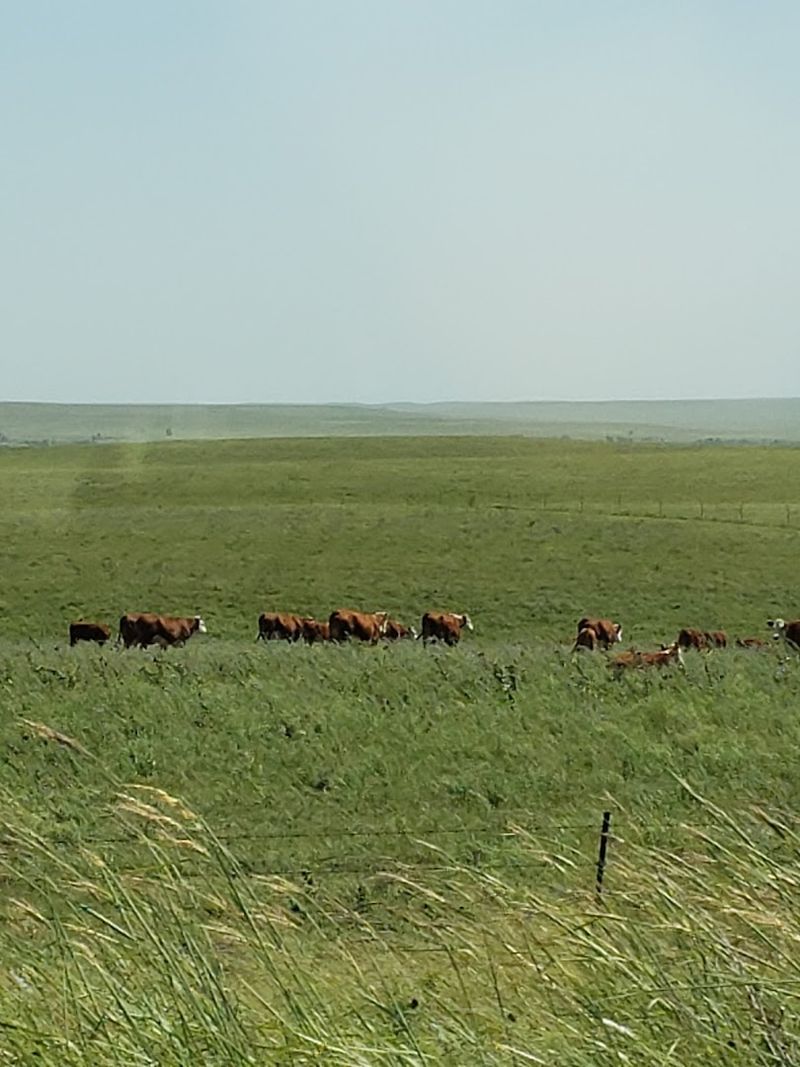
Most people picture short, scrubby plains when they think of Kansas, so the first time you see big bluestem grass towering above your waist, it genuinely catches you off guard.
Tallgrass Prairie National Preserve, located near Strong City, Kansas, protects one of the last large expanses of tallgrass prairie in North America.
At its peak growing season, big bluestem and indiangrass can reach heights of six feet or more, creating a living, breathing sea of green and gold that moves with every breeze.
The preserve covers roughly 11,000 acres and is managed jointly by the National Park Service and The Nature Conservancy.
Walking through the preserve, you quickly realize that this ecosystem is far more complex than it looks from the road.
Dozens of plant species, hundreds of insect types, and a surprising variety of wildlife all call this place home, making every step a small discovery.
The Route Itself: A Highway That Feels Like A Time Machine
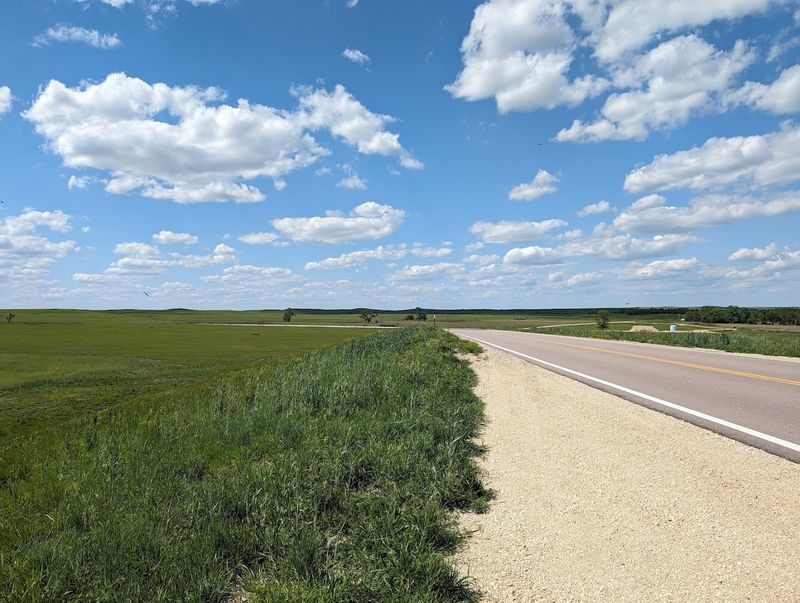
There is something almost surreal about driving Kansas Highway 177 and realizing the landscape around you has barely changed in thousands of years.
The Flint Hills Scenic Byway runs approximately 47 miles through the heart of the Flint Hills region, connecting Cassoday in the south to Council Grove in the north.
The road itself is smooth and well-maintained, making it easy to cruise at a comfortable pace while soaking in the scenery.
Unlike the busy interstates that cut across Kansas, this byway feels deliberately slow, like it was designed for people who actually want to pay attention.
Pull over at any of the scenic overlooks and you will understand why travelers come from across the country just to stand here.
The prairie stretches in every direction, unbroken and unapologetic, reminding you that wide open space is its own kind of luxury.
The Geology Under Your Feet: Why Flint Hills Exist at All
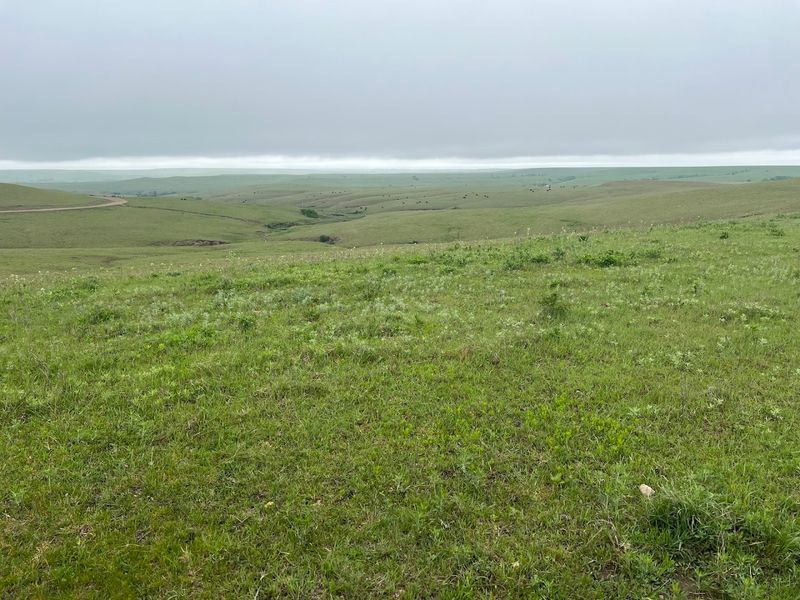
The Flint Hills did not just appear by accident.
This region exists because of a specific geological story that goes back roughly 250 million years, when a shallow inland sea covered what is now Kansas during the Permian Period.
Over time, layers of limestone and chert, commonly called flint, were deposited across the region.
When the sea retreated, erosion wore away the softer rock, but the hard flint and limestone remained, forming the rocky, rolling hills we see today.
That same rocky soil is actually the reason the tallgrass prairie survived here when it disappeared almost everywhere else.
The flint-rich ground made farming by plow nearly impossible, so settlers moved on and left the land alone. In a very real sense, the geology itself is the reason this landscape still exists for us to appreciate today.
Bison At The Preserve: A Living Connection To The Past
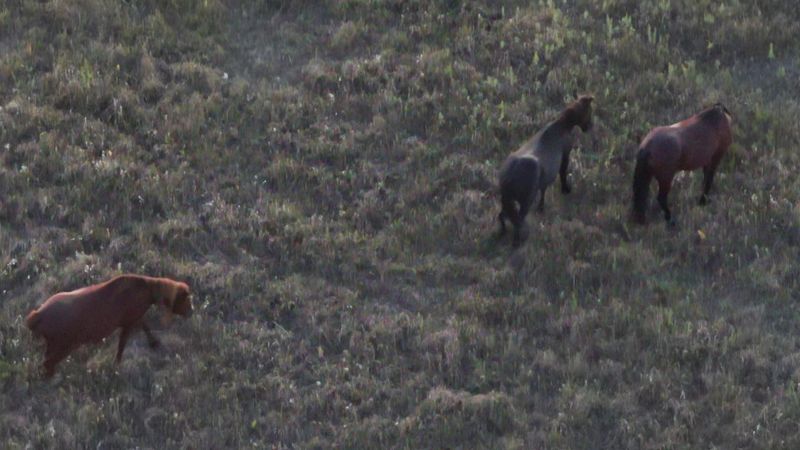
Few experiences on the Flint Hills Scenic Byway compare to the moment you spot a bison grazing in the open prairie.
Tallgrass Prairie National Preserve reintroduced a bison herd to the property in 2009, and today about 85 animals roam the land in a managed conservation program.
Bison once numbered in the tens of millions across North America, and seeing even a small herd moving through native grasses gives you a genuine sense of what this continent looked like centuries ago.
These animals are not part of a zoo experience. They move within preserve pasture, which means sightings are real and unpredictable.
Visitors are reminded to keep a safe distance, as bison are wild animals with impressive speed and unpredictable temperament.
Still, watching them graze against a backdrop of rolling Kansas hills is one of those quiet, powerful moments that stays with you long after the drive is over.
Council Grove: The Town At The End Of The Road With A Lot To Say
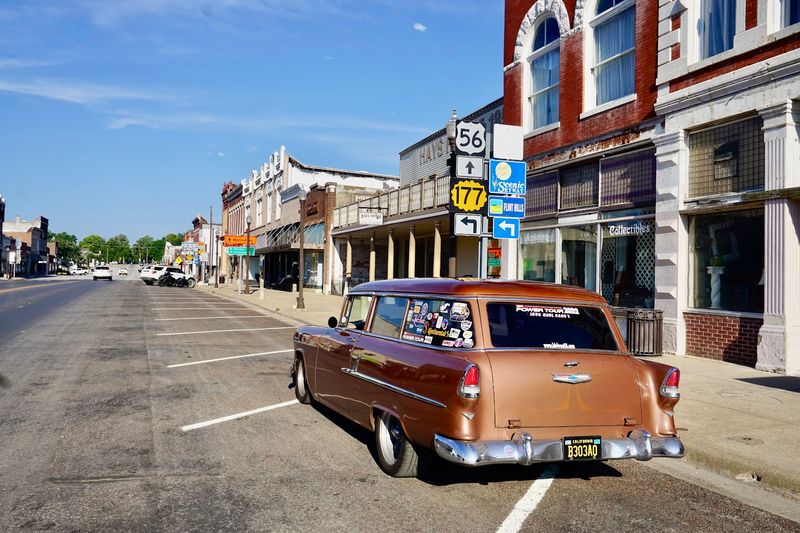
Council Grove sits at the northern end of the Flint Hills Scenic Byway, and it earns its place on the map with a history that goes far beyond its small-town size.
This community, located along U.S. 56 and K-177 in Morris County, served as a key resupply point for wagon trains heading west on the Santa Fe Trail in the 1800s.
Traders, scouts, and settlers gathered here to stock up on food, water, and supplies before facing the long journey ahead.
That history is still visible in the town’s stone buildings, historical markers, and the Kaw Methodist Mission, which stands as one of the oldest structures in this part of Kansas.
Walking through Council Grove feels like flipping through a history book, except the pages are made of limestone and the stories are carved into the landscape.
It is a fitting endpoint for a drive that has been rewinding the clock since the first mile.
Guided AM Radio Tour: The Byway Has Its Own Soundtrack
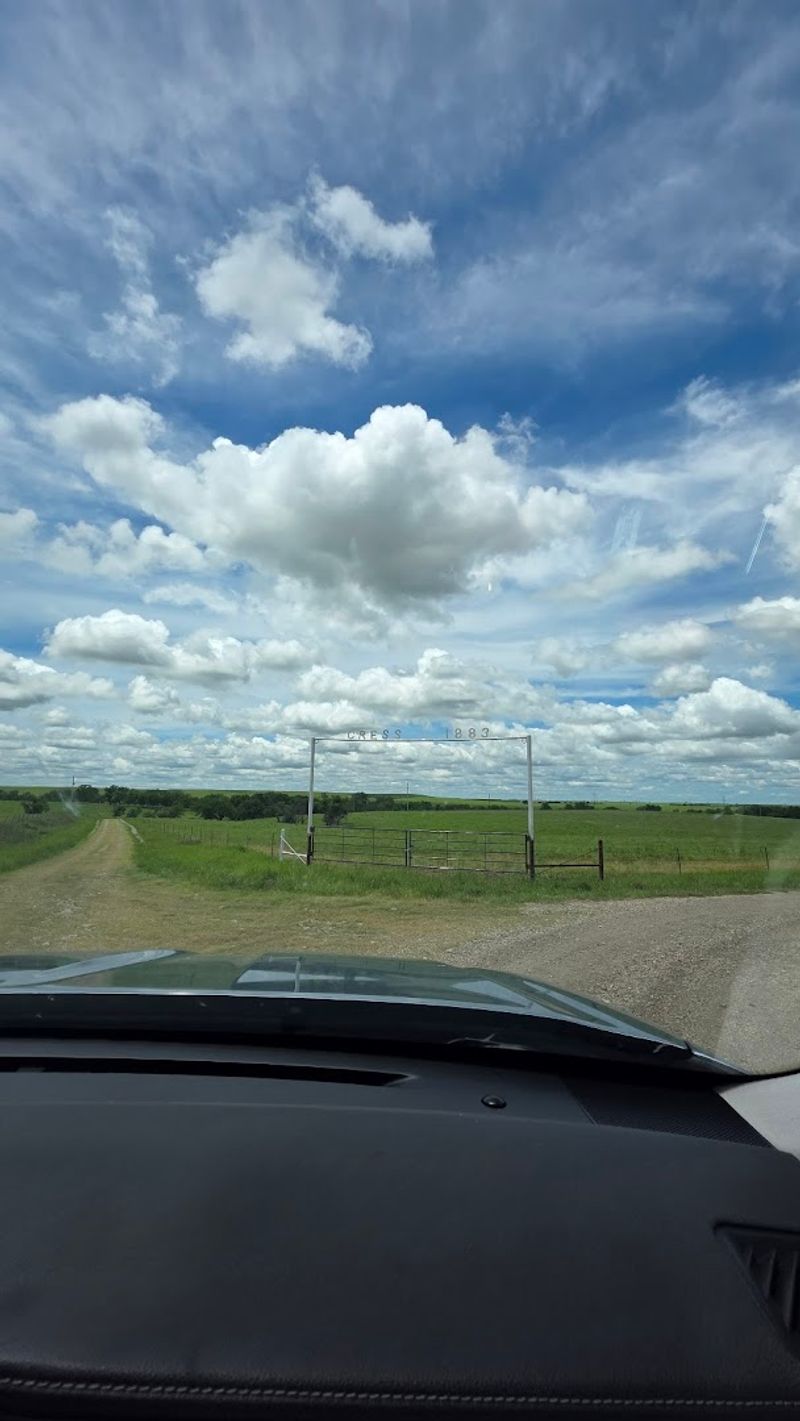
Here is a detail that surprises almost every first-time visitor: the Flint Hills Scenic Byway offers a free guided audio tour broadcast on AM 1680.
As you drive along the route, the radio signal picks up narration that corresponds to specific landmarks and pullouts along the highway.
The broadcast covers history, geology, ecology, and local culture, giving you context for everything you are seeing out the window.
It transforms a beautiful drive into an actual learning experience without requiring a tour guide or a smartphone app.
This kind of low-tech, high-value feature is exactly what makes the byway feel special. Not every scenic road takes the time to educate its visitors, but this one clearly does.
Tune in before you leave Council Grove or as soon as you hit the highway heading south, and let the prairie tell its own story in its own words.
Prairie Burning Season: When The Sky Turns Orange And The Land Comes Back To Life
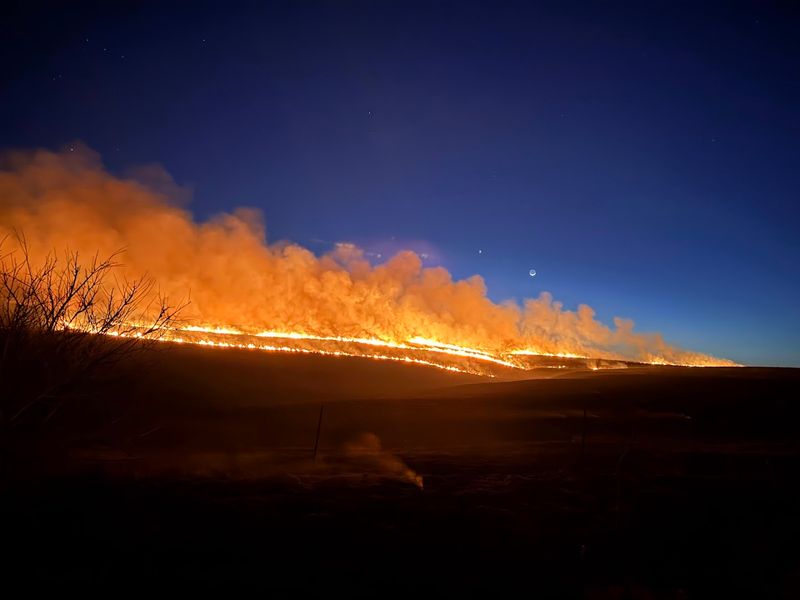
Every spring, the Flint Hills become the site of one of the most dramatic managed land practices in the country.
Ranchers and land managers conduct controlled burns across thousands of acres of tallgrass prairie, a practice that has been used for centuries to manage the land and encourage new growth.
The burns typically happen in March and April, with many occurring in early to mid-April, and during peak burning days, smoke can affect downwind air quality.
The sky above the Flint Hills turns shades of orange and gray that no photographer can fully capture, though many try.
Far from being simply destructive, these burns are essential to the health of the prairie ecosystem.
Fire helps control invasive plants, reduces woody encroachment, and supports native grasses that thrive in post-burn conditions.
Visiting during burning season means witnessing a landscape in active renewal, raw, smoky, and completely unforgettable.
Wildlife Beyond Bison: What Else Lives In The Tallgrass
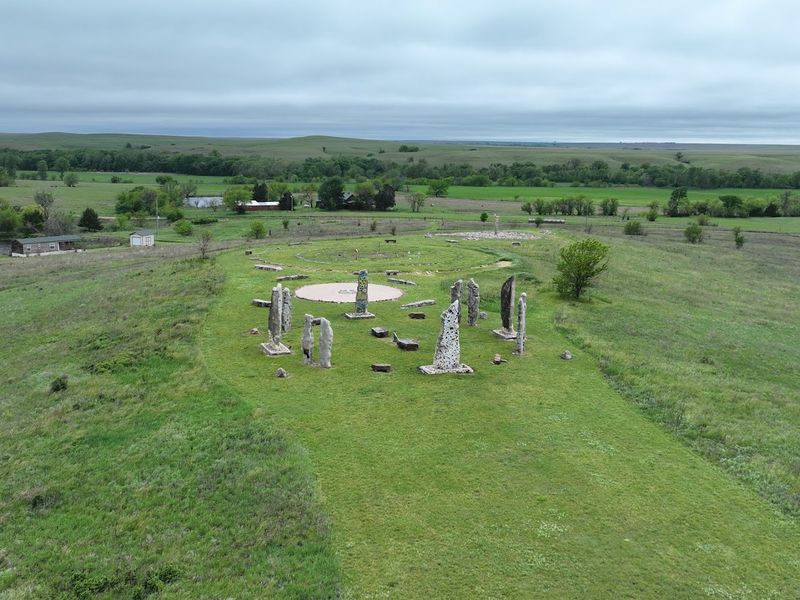
Bison get most of the attention, but the wildlife at Tallgrass Prairie National Preserve and along the Flint Hills Scenic Byway goes well beyond those iconic animals.
The greater prairie-chicken, a bird once common across the central plains, still performs its elaborate courtship display in the Flint Hills each spring, drawing birdwatchers from as far away as Ohio.
Coyotes, white-tailed deer, ornate box turtles, and northern harriers are all regular sightings for patient observers.
The preserve also hosts an impressive variety of grassland songbirds, many of which have declined sharply in other parts of the country due to habitat loss.
The Flint Hills represents one of the last strongholds for these species, which makes every sighting here feel meaningful rather than routine.
Bring binoculars and slow down at the scenic pullouts. The prairie rewards patience in ways that moving at highway speed simply cannot.
Best Times To Visit: Seasons Change Everything On The Prairie
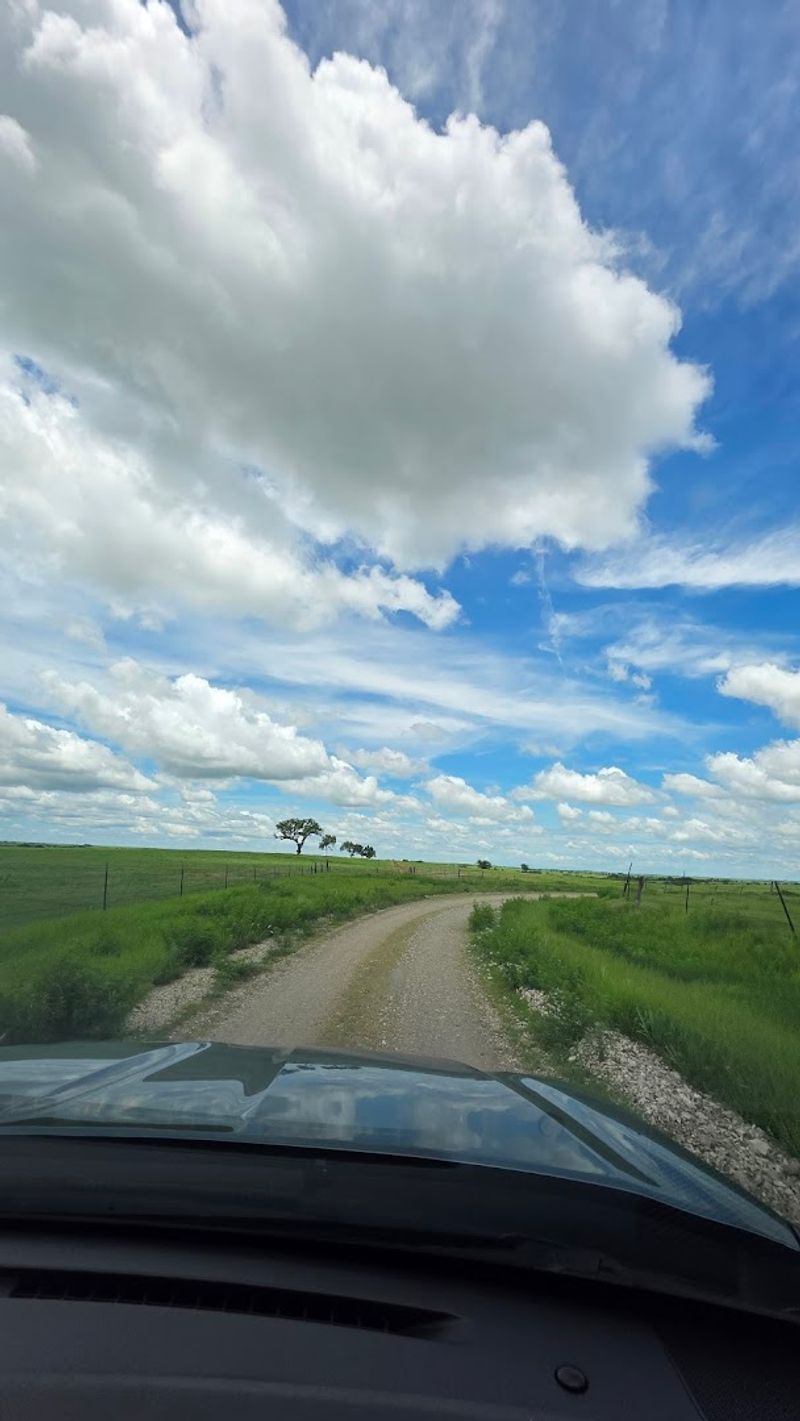
The Flint Hills Scenic Byway is open year-round, but the experience shifts dramatically depending on when you show up.
Spring brings the controlled burns, followed quickly by an explosion of green growth that makes the hills look almost artificially vivid.
Summer turns the prairie into a golden sea of tall grasses swaying under a relentless Kansas sun, and the heat is real, so bring water.
Fall is arguably the most photogenic season, when big bluestem grass shifts to shades of copper and burgundy and the light hits the hills at angles that make everything glow.
Winter is quieter and colder, but the open landscape takes on a stark, minimalist beauty that has its own appeal for those who enjoy solitude.
No matter the season, the byway delivers something worth seeing. The prairie does not have an off-season so much as it has different moods.
Practical Tips For The Drive: What To Know Before You Go
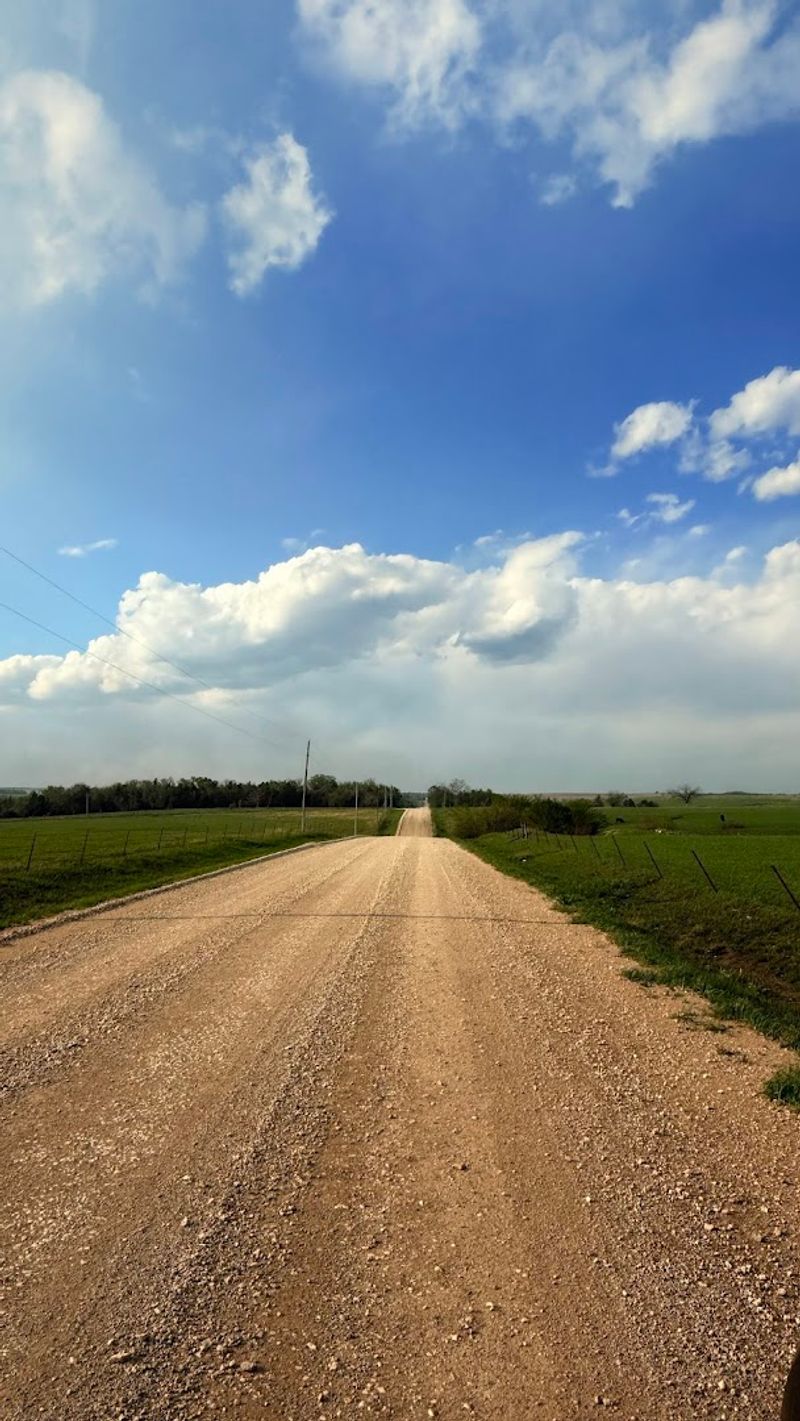
A few practical details can make the difference between a smooth trip and a frustrating one. The Flint Hills Scenic Byway starts in Council Grove, Kansas.
The byway itself is open 24 hours a day, seven days a week, with no admission fee to drive the route.
Tallgrass Prairie National Preserve has its own visitor center near Strong City with restrooms, trail maps, and ranger-led programs on select days.
If you plan to hike the trails, tick spray is strongly recommended, especially during warmer months when ticks are active in the tall grasses.
Cell service along parts of the route can be limited, so download offline maps before leaving.
Visitors from Ohio and other distant states often combine this drive with a stop in the Flint Hills town of Emporia, which offers food, fuel, and a few local shops worth exploring.