
Big-name museums usually get all the attention.
So what happens when a smaller aviation stop turns out to have the aircraft, the history, and the kind of atmosphere that makes people stay longer than planned?
In Ohio, that is exactly what gives this place its appeal.
The setting feels focused and straightforward, but the collection has real depth once you get inside.
Planes pull you in first.
Then come the engines, artifacts, uniforms, and stories that give the visit more shape.
Ohio has strong aviation roots, and this museum adds another layer to that story without making the experience feel too technical or too heavy.
It is the kind of stop that quietly earns more of your time than you expected to give it.
A Hangar Full Of Surprises
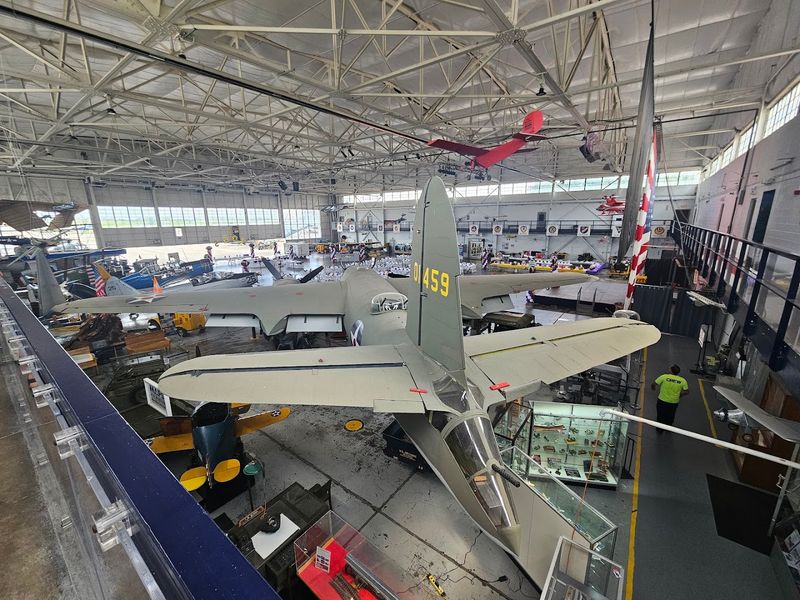
The first impression lands fast here.
MAPS Air Museum looks approachable, then opens into a space packed with aircraft, engines, uniforms, models, and carefully arranged displays that immediately signal serious ambition.
Instead of feeling cold or overly technical, the museum feels human.
Every corner suggests effort, pride, and curiosity, which makes the collection easier to connect with even for visitors who do not arrive speaking fluent aviation jargon.
That balance is what gives the place its appeal.
It respects enthusiasts, welcomes families, and gives casual travelers enough context to enjoy the machines without feeling buried under details.
There is also a satisfying sense of density here.
The exhibits keep attention moving, yet the museum never feels rushed, because each section offers something new to notice just a few steps later.
For anyone road tripping through Ohio or exploring around Canton, this is the kind of stop that can quietly become the highlight of the day.
One doorway in, the museum already starts proving it deserves more attention.
Where To Find It

The location fits the subject better than you might expect.
MAPS Air Museum sits in North Canton, Ohio, close to the regional airport, which gives the visit an immediate aviation mood before the first exhibit even appears.
The full address is 2260 International Pkwy, North Canton, OH 44720.
That practical detail makes trip planning simple, and the setting adds a nice touch because planes and runways never feel far away.
There is something fitting about seeing a museum like this in a place where aviation still feels active.
The surroundings reinforce the subject without turning the visit into a theme park version of flight history.
For travelers exploring northeastern Ohio, the museum works well as either a planned destination or a smart detour.
It is easy to pair with a larger day around Canton while still feeling worthy of dedicated time.
Most importantly, the location does not distract from the collection.
It frames the visit, sets the tone, and then lets the aircraft do the talking in a way that feels grounded and satisfying.
The Story Behind The Collection

This museum has a clear reason for being here.
MAPS Air Museum was built around preservation, education, and the desire to keep aviation history visible rather than boxed away.
That purpose comes through in the way the collection is presented.
Aircraft are not treated like random trophies, and the supporting artifacts help explain why the machines mattered in the first place.
Visitors get a broader picture of service, engineering, training, and technological change.
The museum connects those threads clearly, which makes the experience feel more like a story unfolding than a warehouse tour.
It also helps that the institution does not seem interested in showy shortcuts.
There is a steady, respectful tone in the galleries, and that gives the exhibits more weight than flashy effects ever could.
Ohio appears often in aviation conversations for good reason, and this museum adds another layer to that reputation.
By the time this section of the visit settles in, the collection feels less like static history and more like a living record.
Aircraft That Hold Attention

Your eyes do not know where to land first.
The aircraft at MAPS Air Museum are the obvious stars, but what makes them memorable is the range of shapes, eras, and personalities gathered under one roof.
Some planes feel sleek and purposeful, while others look almost stubbornly mechanical.
Together, they show how aviation design changed over time without needing a textbook to explain every leap.
The museum does a good job of letting visitors appreciate scale.
Standing near these machines makes wingspans, cockpits, and fuselages feel real in a way that photos rarely capture.
There is also pleasure in the details.
Rivets, paint schemes, landing gear, and instrument layouts reward slow looking, which means even people who arrive with modest interest often stay engaged longer than expected.
Because the setting is manageable, the planes never blur into one long metallic parade.
Each one gets room to register, and that keeps the experience lively.
In Ohio, where aviation heritage runs deep, this lineup feels especially fitting and quietly impressive.
More Than Just Planes
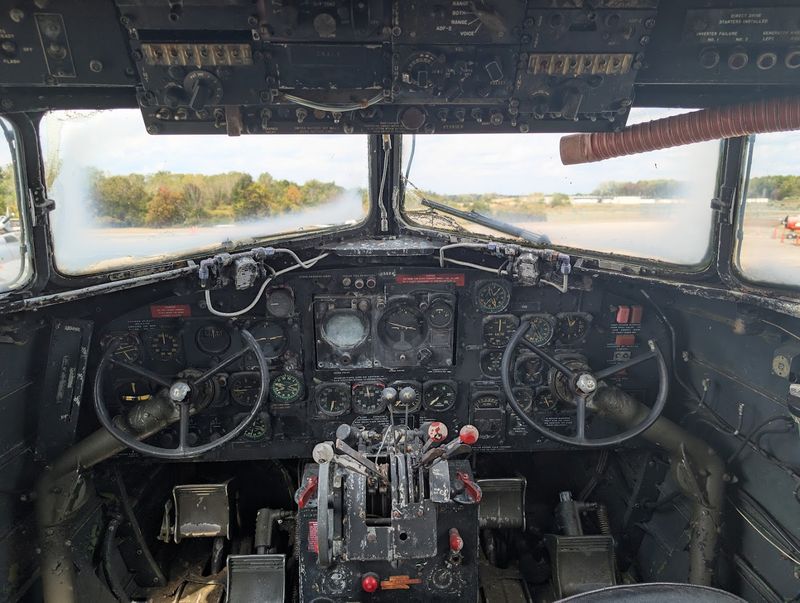
The smartest thing this museum does may be refusing to stop at airplanes.
Alongside the major aircraft displays, MAPS Air Museum includes artifacts that widen the story and keep the visit from becoming visually repetitive.
Uniforms, photographs, engines, models, equipment, and interpretive panels add texture.
They show how aviation depends on design, maintenance, communication, training, and everyday work that visitors might otherwise overlook.
That variety keeps different kinds of travelers interested.
One person might lock onto cockpits and wings, while another spends extra time reading personal histories or studying the smaller objects in glass cases.
The effect is cumulative and surprisingly effective.
Instead of one note repeated again and again, the museum creates a fuller atmosphere where machines and human effort stay connected.
This is also where the place feels especially welcoming to newcomers.
No advanced aviation vocabulary is required to enjoy the exhibits, because the supporting material gives enough context to make each area approachable.
The result is a museum experience that feels broad, thoughtful, and consistently rewarding.
A Strong Sense Of Service
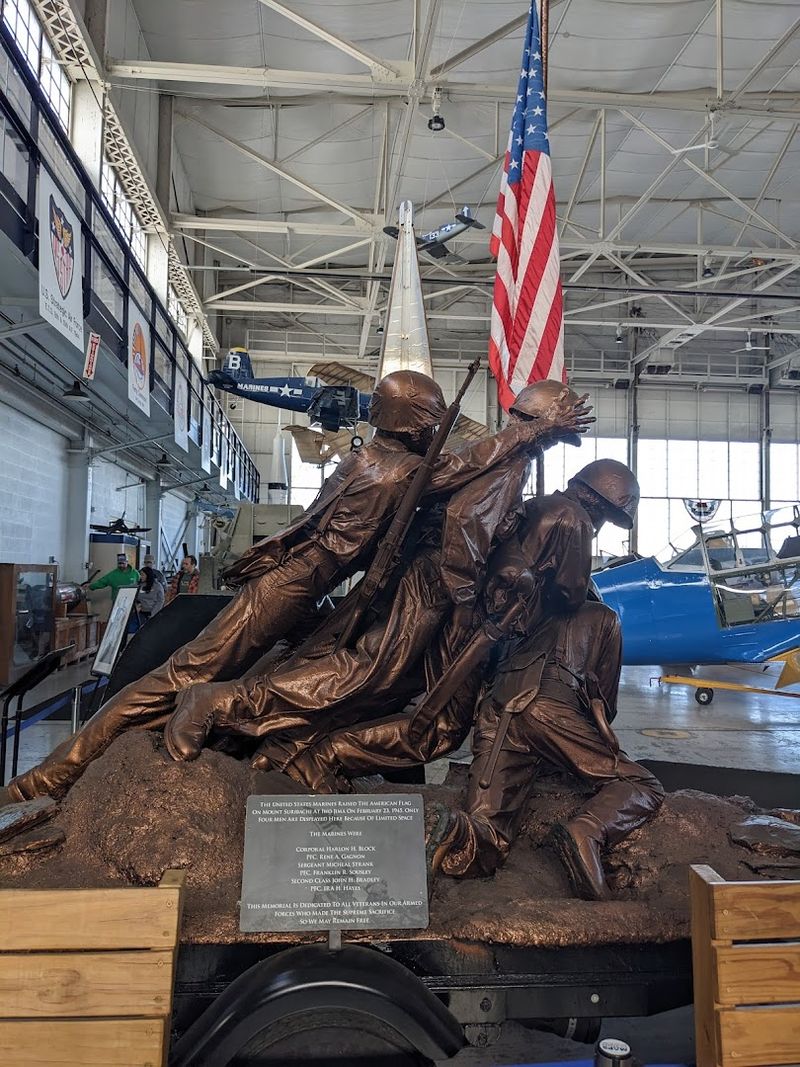
Some museums impress with scale, while others resonate through tone.
MAPS Air Museum stands out because it presents military aviation with respect, clarity, and enough context to feel informative without becoming heavy handed.
The exhibits acknowledge service and technology together.
That pairing matters, because it helps visitors understand that aircraft history is not only about hardware but also about discipline, teamwork, and training.
There is a quiet dignity in the way the displays are arranged.
The museum avoids sensationalism, which allows the objects and stories to carry meaning on their own terms.
That approach makes the galleries accessible for many age groups.
Adults can appreciate the historical layers, while younger visitors can still stay engaged through the visual power of the aircraft and equipment.
In Ohio, where military and aviation history often intersect, this section of the museum feels particularly grounded.
It reminds visitors that preservation is not simply about keeping old machines polished.
It is also about explaining the systems, roles, and responsibilities that gave those machines a purpose.
Why The Atmosphere Works

The setting helps the whole visit feel more natural.
MAPS Air Museum does not come across as a polished spectacle built to rush visitors toward a gift counter and out the door.
Instead, the place encourages unhurried attention.
The hangar setting, the close view of aircraft, and the layered exhibits create a rhythm that makes people slow down and actually notice things.
That matters more than it sounds.
A museum can own remarkable objects and still feel flat, but this one has enough personality to keep the visit pleasant even between the obvious highlights.
There is room for curiosity here.
Families can move at their own pace, enthusiasts can linger over technical details, and travelers with only a basic interest can still enjoy the setting without feeling left behind.
It helps that the museum does not try too hard to be trendy.
The appeal comes from substance, not gimmicks, and that gives the entire experience a steadier kind of charm.
By the end of a slow loop through the galleries, the atmosphere becomes part of the memory.
A Smart Stop For Families

Need a family outing that does not dissolve into boredom after twenty minutes?
This museum has a strong advantage because the aircraft provide instant visual appeal while the supporting exhibits keep curiosity alive.
Children tend to respond to size, shape, and the simple thrill of seeing real planes up close.
Adults get enough context and historical detail to feel that the trip was substantial, not just a quick distraction.
The layout also helps.
Because the museum offers many points of interest in a contained space, it is easier to manage attention spans without feeling like the day has turned into a logistical exercise.
That blend makes the visit useful for mixed groups.
Aviation buffs can look closely, grandparents can enjoy the historical side, and younger visitors can stay engaged through visual variety and memorable scale.
For families traveling through Ohio, that flexibility is valuable.
The museum teaches without sounding like homework and entertains without slipping into nonsense.
That is a rare balance, and it gives MAPS Air Museum a practical kind of appeal that goes well beyond hobbyist interest.
The Restoration Factor

Nothing sharpens appreciation like seeing how much care preservation requires.
MAPS Air Museum benefits from that truth because restoration and maintenance are part of the larger story, not hidden backstage as an afterthought.
Even when visitors are not watching active work, the museum still communicates effort.
Clean presentation, thoughtful labeling, and well kept aircraft suggest ongoing attention rather than one successful project completed long ago.
That adds depth to the visit.
Instead of simply admiring finished machines, people start thinking about the labor, skill, patience, and technical knowledge needed to keep aviation history presentable and understandable.
It also makes the museum feel alive.
Preservation is not passive, and the institution quietly demonstrates that history survives because somebody keeps choosing to protect it carefully.
This aspect is especially compelling for travelers who enjoy craft and engineering.
The planes are impressive, but the work behind them can be just as interesting once it comes into view.
In a state like Ohio, where making and maintaining things matters, that message lands particularly well.
An Ohio Aviation Detour Worth Making
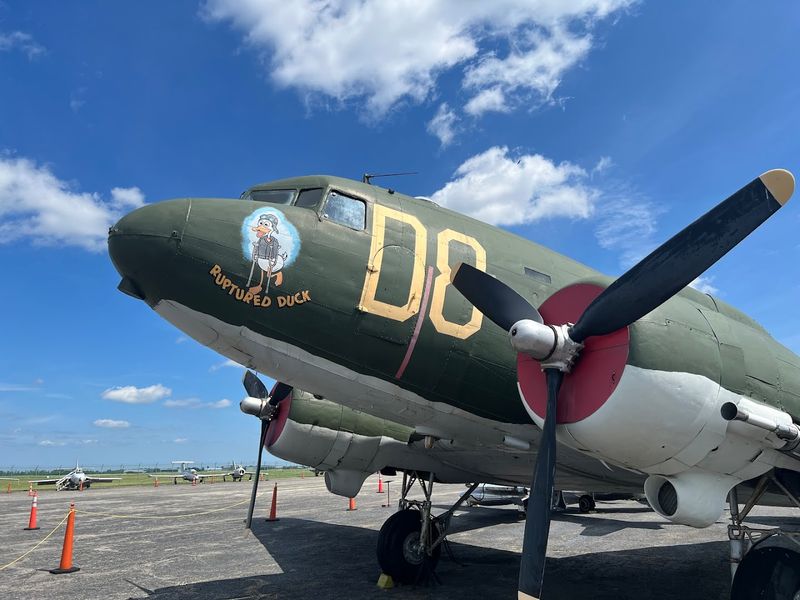
Some attractions demand a whole vacation, while others elevate a weekend with almost no fuss.
MAPS Air Museum fits beautifully into the second category, which is part of why it deserves more attention.
Travelers moving through Ohio often build itineraries around larger names, yet this museum offers a richer stop than many quick roadside diversions.
It has enough substance for dedicated visitors and enough convenience for flexible planners.
That makes it ideal for a regional day trip.
North Canton is easy to work into a broader route, and the museum rewards even a few focused hours with plenty to see and discuss.
Importantly, the experience does not feel disposable.
The collection has enough depth to leave a lasting impression, especially for visitors who appreciate places that are serious about their subject without becoming stiff.
Ohio has no shortage of aviation associations, but not every stop feels this approachable.
MAPS Air Museum manages to be informative, manageable, and distinctive all at once.
For travelers who like discovering places before everyone else starts talking about them, that is excellent news.
Tips For A Better Visit

A little strategy goes a long way here.
The museum is best enjoyed slowly, with enough time to circle back, read labels that catch the eye, and pause when a particular aircraft starts stealing attention.
Comfortable shoes are a smart idea because even a compact museum can involve more standing than expected.
Visitors who like photography should also allow extra moments, since polished metal and hangar light can produce striking views.
It helps to arrive curious rather than overly scheduled.
This is the kind of place where one display can lead naturally to the next, and rigid pacing can trim away some of the fun.
Families may want to point out favorite aircraft as they go, turning the visit into a conversation instead of a checklist.
Casual travelers can focus on a few sections rather than trying to absorb every detail at once.
Most of all, give the museum proper attention.
In Ohio, smaller attractions sometimes get underestimated, and this is one of those spots that improves when visitors stop treating it like a quick errand and start treating it like a real destination.
Why It Stays With You

Not every museum lingers after the parking lot disappears in the mirror.
MAPS Air Museum does, because it combines machinery, memory, and place in a way that feels focused and sincerely cared for.
The aircraft are memorable, of course, but the lasting impression comes from the whole composition.
The setting, the variety, the historical context, and the clear sense of stewardship all work together.
That is why the visit feels bigger than its footprint.
It offers enough visual drama for aviation fans and enough human texture for travelers who simply want a meaningful stop with character.
There is also satisfaction in finding a place that does not oversell itself.
The museum simply presents what it has with confidence, and that confidence turns out to be justified.
For anyone curious about aviation, regional history, or distinctive museums in Ohio, this destination earns its place on the list.
It does not need flashy marketing or exaggerated claims to make its case.
A few hours inside MAPS Air Museum are usually enough to understand why it is worth knowing and easy to recommend.