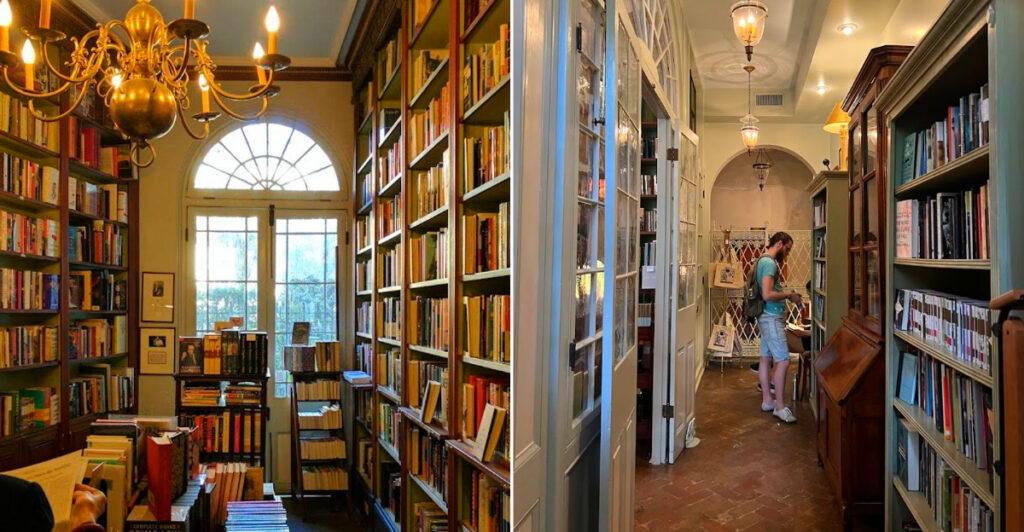
Walking into a bookstore that has been open since the 1940s means walking into rooms that were never designed for retail. The aisles here are narrow, the shelves go from floor to ceiling, plus the layout forces you to turn corners without knowing what section waits on the other side.
Maps and prints share space with first editions that cost more than a plane ticket, while paperbacks in the upstairs room sit in stacks that have clearly been accumulating for decades.
The cats hold court on piles of magazines, seem completely uninterested in whether you find what you are truly looking for, plus the staff recommends titles with the kind of confidence that only comes from having read every single one.
Browsing through floor after floor of stacked volumes turns into an expedition, plus getting lost inside is half the reason to visit in Louisiana.
Quiet Intimate Vibe
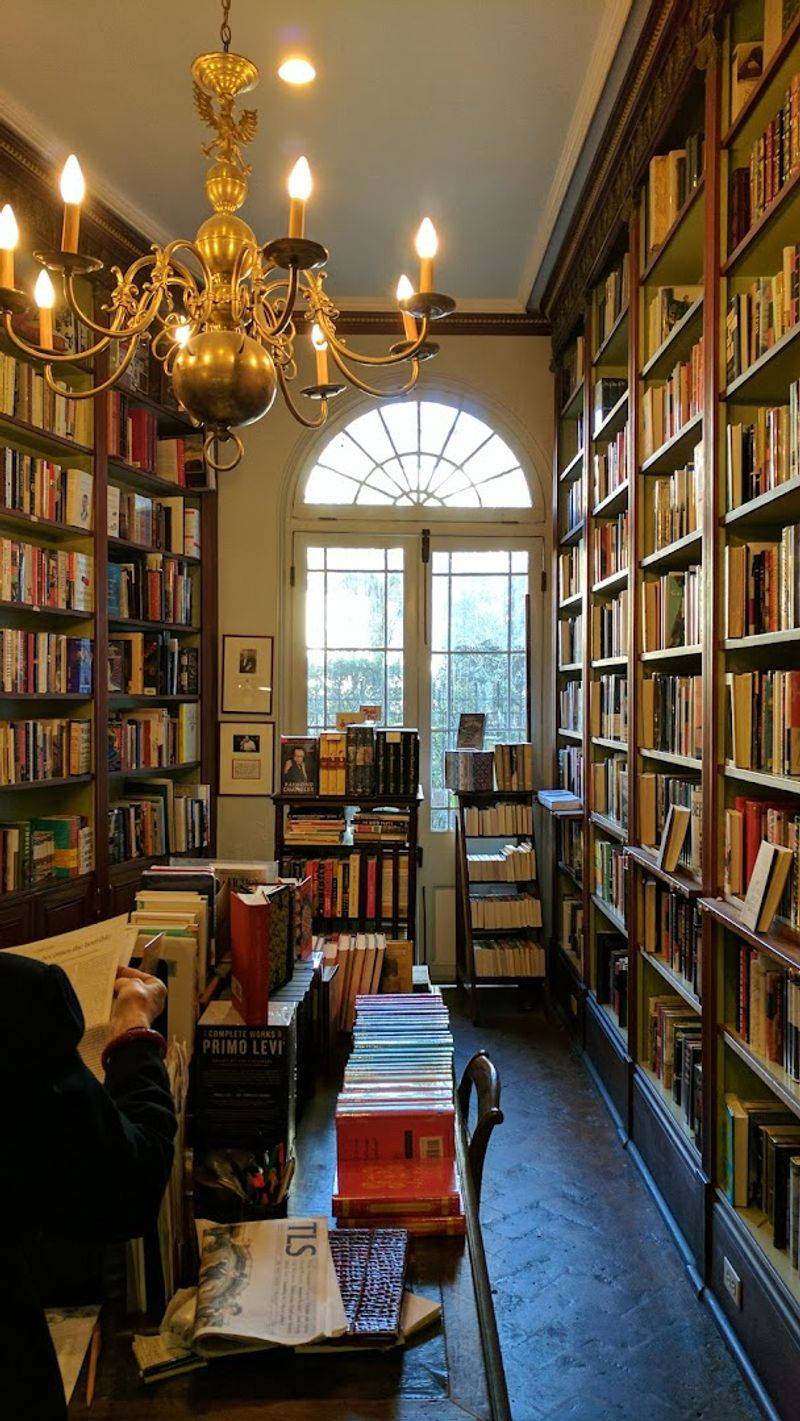
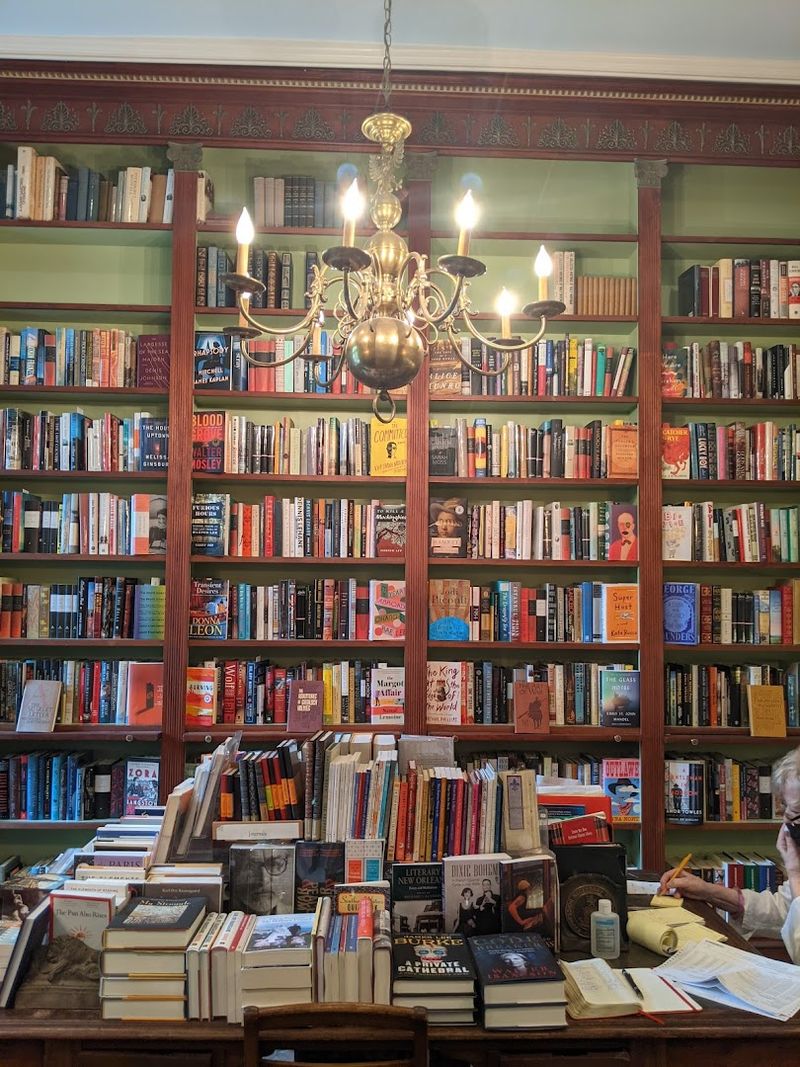
Stepping from the noise of the French Quarter into Faulkner House Books is like folding yourself into a well-loved armchair. The shop feels intentionally small and quietly curated, with books packed into every reachable corner and a chandelier that gives the room a gentle, private glow.
You almost expect conversations to lower to whispers because the place rewards quiet attention.
The cat, when present, amplifies that hush without interrupting it; the animal moves through stacks as if checking provenance. Because the store limits visitors, the experience rarely feels rushed, and the staff seem to prefer that you linger and discover without pressure.
It’s a sanctuary for readers who like to move slowly and let books find them rather than the other way around.
The Bookshop Is Hiding Behind The Cathedral
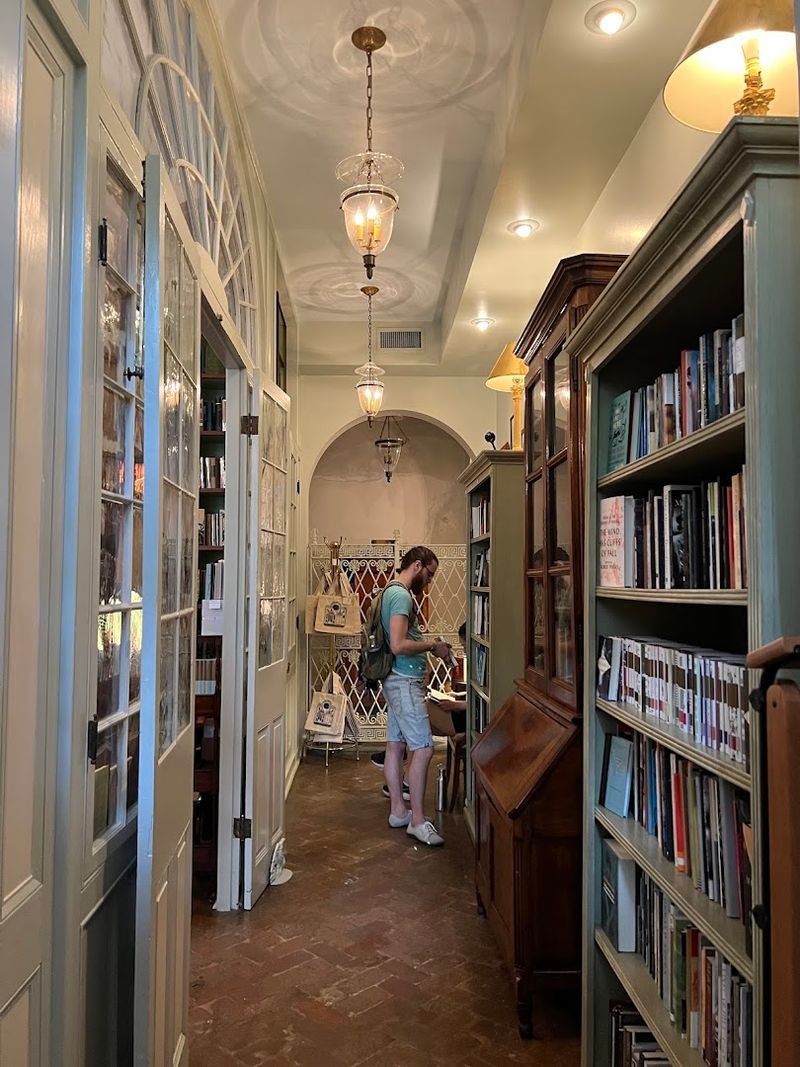
Faulkner House Books sits at 624 Pirate’s Alley in New Orleans, Louisiana, just off Jackson Square in the French Quarter. Do not treat it like a normal drive-up bookstore, because Pirate’s Alley is part of the old pedestrian maze around St. Louis Cathedral.
The easiest approach is to get yourself to Jackson Square, then walk around the cathedral side toward the narrow alley behind the Cabildo. The shop is tucked into the historic row, so the hanging sign is more useful than any big storefront reveal.
Park elsewhere in the French Quarter or arrive by foot from a nearby hotel, streetcar stop, or rideshare drop-off. Once Pirate’s Alley narrows around you, slow down, the bookstore is small enough to miss, but close enough to feel like a secret once you find it.
Choosing The Right Time To Visit
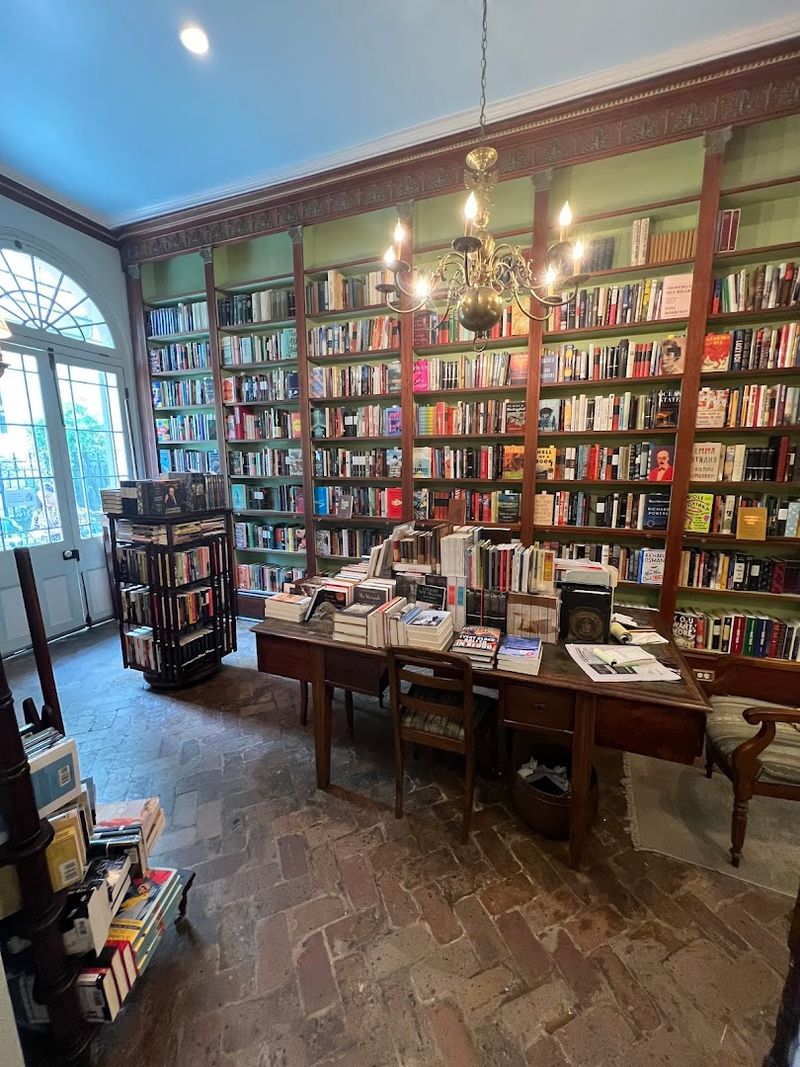
If you want the coziest experience, timing matters because the shop limits the number of people inside to preserve intimacy. Weekday mornings soon after opening are ideal for avoiding a line and having the shop to yourself; weekends can bring steady trickles of visitors who linger.
Expect a short wait during busier hours and use it as a primer to slow down and read a few titles through the window.
Staff are thoughtful about flow, so patience often pays off with a leisurely browsing session and personal recommendations. The front space fits only a handful of people comfortably, which is part of the charm and the reason many visitors say it feels like a private library.
Bring cash or card; receipts are handwritten and the payment setup is intentionally discreet to match the old-world mood.
Curated Southern Selection
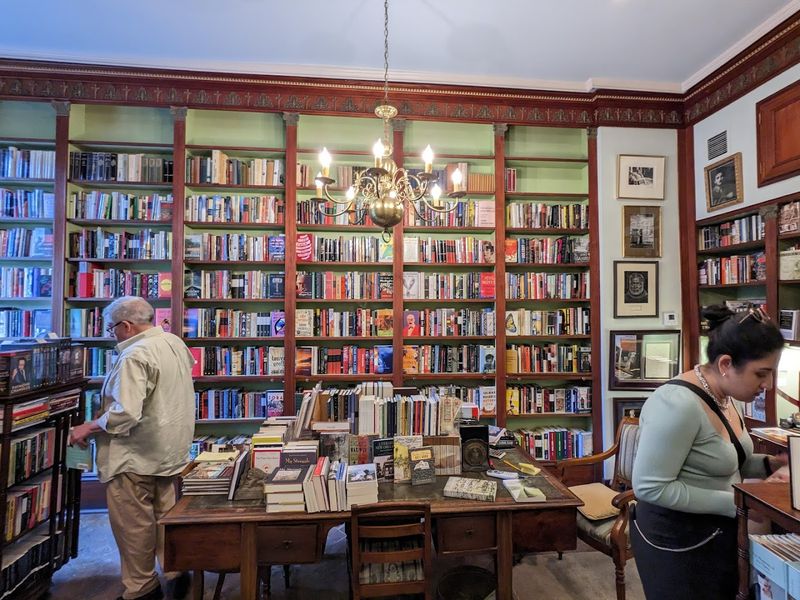
The collection at Faulkner House Books reads like a focused love letter to Southern literature and serious collectors. Expect to find authors such as Faulkner, Tennessee Williams, Walker Percy, Eudora Welty, and Flannery O’Connor alongside modern first editions and poetry selections.
Editions vary from readable hardbacks to rarer prints, and the shop leans toward hand-selected titles rather than mass-market bestsellers.
Because the owner and staff curate with intent, recommendations often feel personal and precise. In my visits, the staff matched tastes by listening rather than pitching, which helped uncover titles I wouldn’t have noticed on a casual stroll through the Quarter.
It’s a place to find a meaningful addition for your shelf or a new lens on Southern voices.
The Bookshop Cat Presence
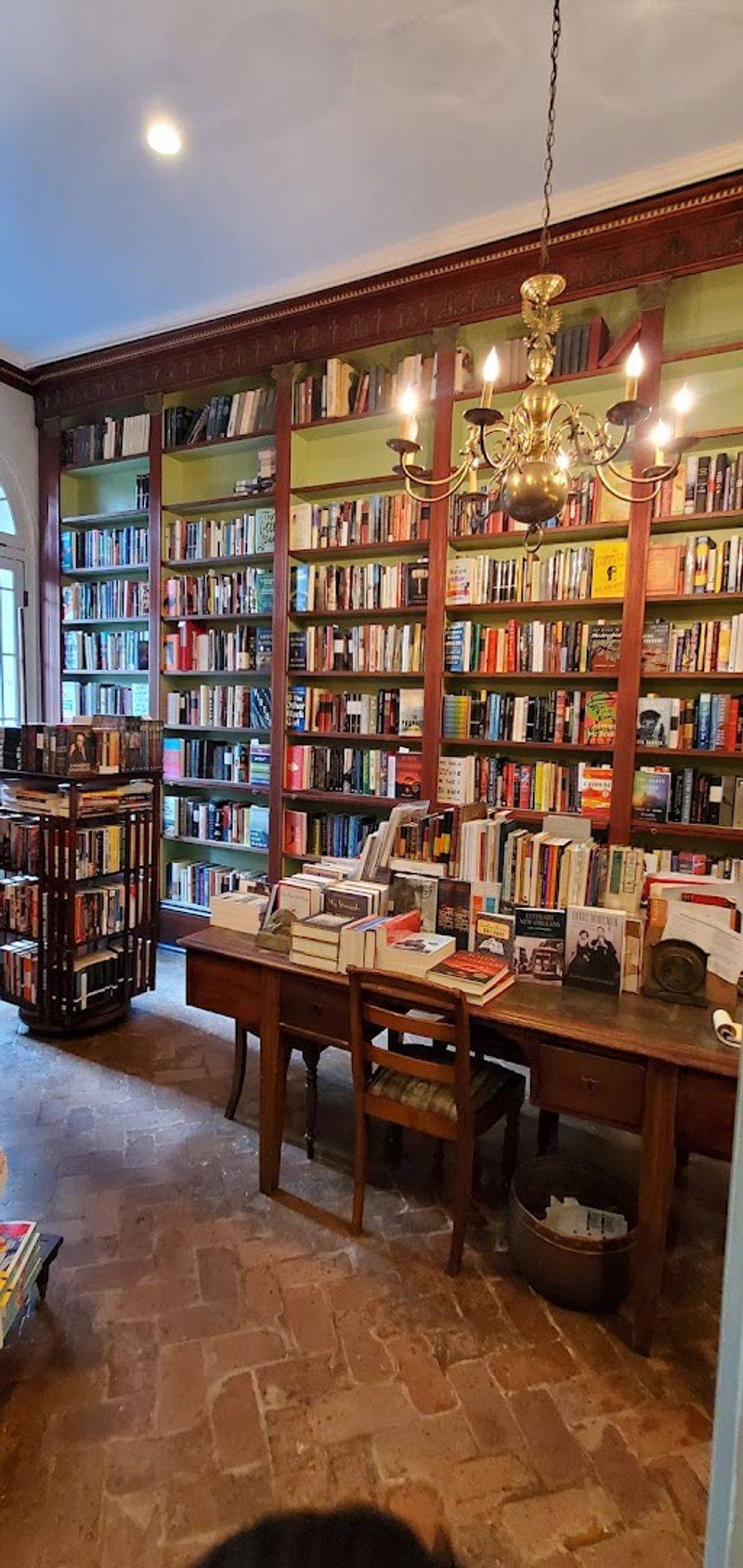
There is indeed a resident bookshop cat who completes the atmosphere and often roams the shelves with quiet assurance. The feline has become part of the shop’s personality and sometimes even appears on an Instagram account devoted to the store, reflecting how visitors warm to its easy confidence.
The cat never feels staged; it moves through the room like a small, approving roommate.
Visitors should respect the cat’s boundaries and allow it to approach on its own terms. If you’re allergic or uncertain, mention it to the staff before stepping inside; they’re accommodating and cognizant of guests’ comfort.
In my quieter moments in the shop, the cat’s presence makes the space feel even more like a private library someone forgot to lock.
Staff Knowledge And Service
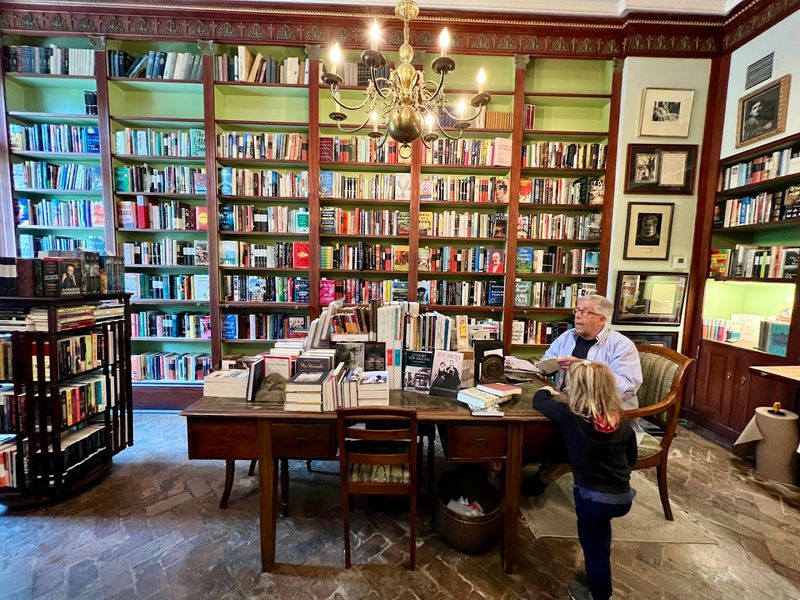
The staff at Faulkner House Books are known for being knowledgeable, hospitable, and genuinely helpful without being overbearing. Conversations with the shopkeeper often feel like a mini consultation, give a few details about what you enjoy and expect thoughtful recommendations tailored to your taste.
Many visitors remark on how the staff can quickly locate obscure editions or suggest authors that expand a reader’s horizon.
Hands-on service extends to the shop’s small rituals: handwritten receipts and a discreet payment setup add to the personal touch. Staff frequently balance warmth with preservation, treating rare books with care while welcoming curious readers.
If you have a specific book in mind, ask directly; chances are good they’ll know where to look or how to help you find it elsewhere in the city.
Architectural Features To Notice
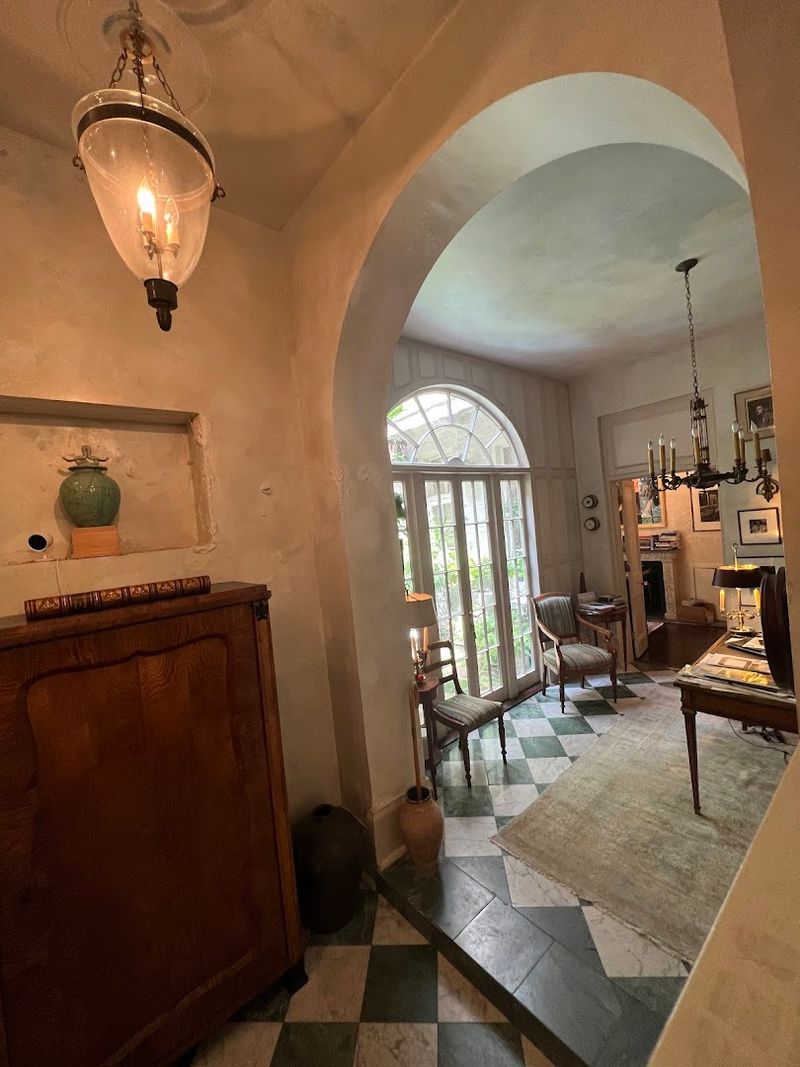
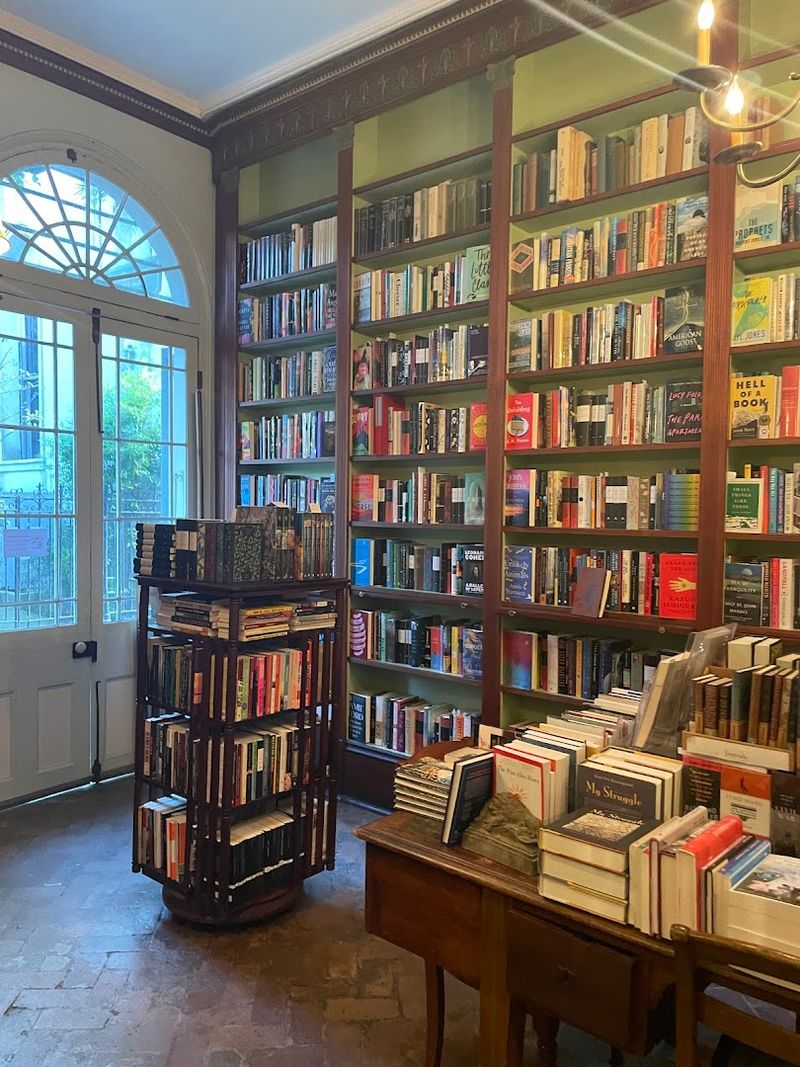
Look up when you enter; the shop’s architectural flourishes are subtle but rewarding. Ceiling height and transoms create a sense of vertical space that keeps the compact rooms from feeling cramped, while recycled millwork and original details reveal a careful approach to preservation.
The winding cypress staircase and the basketweave brick floor point to the building’s layered history and offer tactile connections to the past.
A French walnut secretary dedicated to Faulkner first editions anchors the room like a focal piece of furniture rather than a museum case. Lighting via a modest chandelier and natural transom light complements the dark wood rather than overpowering it.
These details create a domestic, lived-in feeling that aligns perfectly with the shop’s role as a neighborhood literary refuge.
Faulkner Connection And Plaques
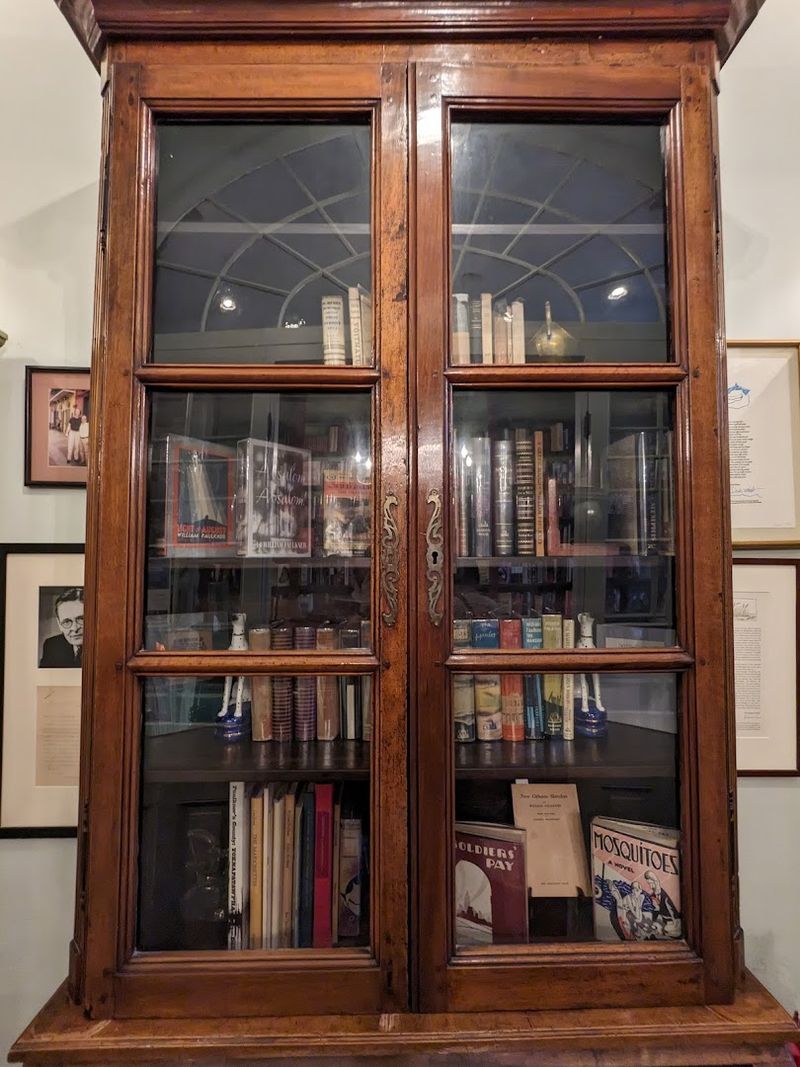
The shop maintains a clear, factual connection to William Faulkner: he lived on the ground floor in 1925 and began drafting his first novel, Soldiers’ Pay, during his stay.
That literary lineage is acknowledged without turning the space into a shrine; instead, the store weaves Faulkner’s history into its identity through curated displays and the presence of relevant editions.
National Literary Landmark designation and historical acknowledgments reinforce the building’s significance.
Rumors and local lore about Faulkner’s lingering presence exist, but the shop focuses on tangible artifacts like letters, first editions, and the secretary that houses Faulkner volumes. The balance between history and hospitality keeps the narrative grounded and welcoming.
For lovers of Faulkner, this is a meaningful stop that respects the writer’s past while serving present readers.
Preservation And Display Techniques
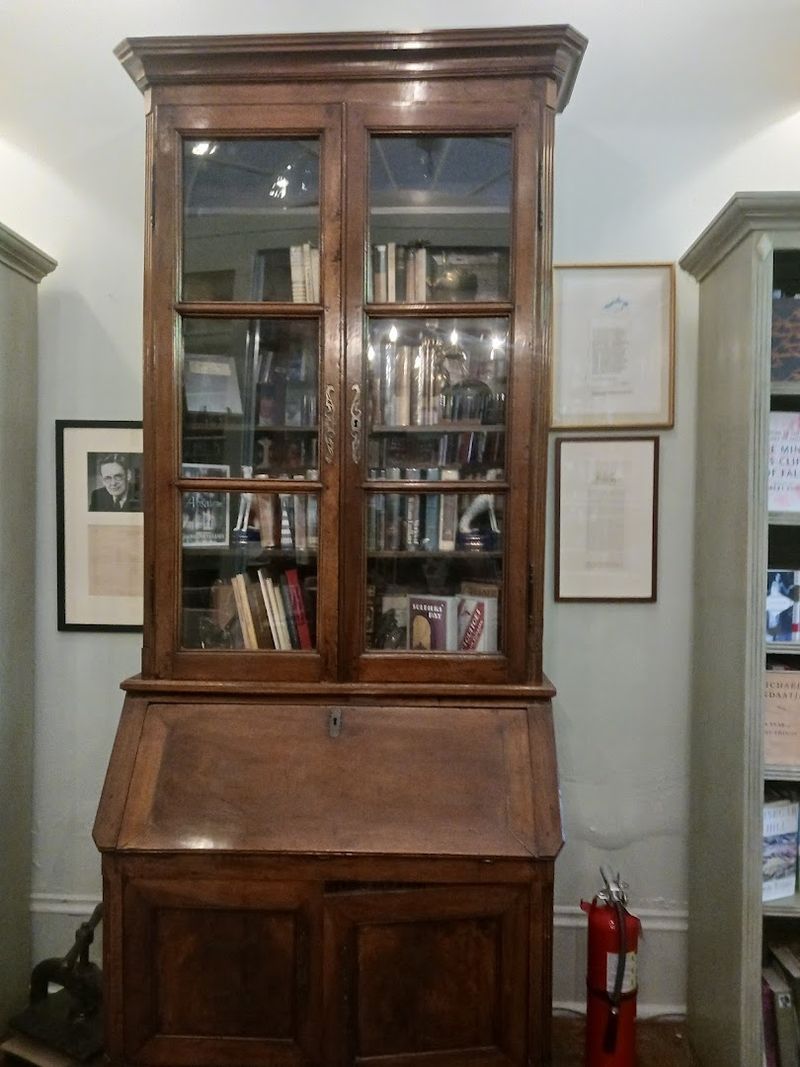
The shop strikes a practical line between accessibility and care when it comes to rare books. First editions and valuable items are displayed thoughtfully, often centralized in the walnut secretary or placed where handling can be supervised.
Staff are careful about how books are handled and often offer guidance on viewing fragile volumes, which helps preserve them for future readers while still allowing patrons to appreciate physical details.
Lighting and shelving are chosen to minimize damage: warm, indirect light and solid mahogany cases rather than glassed-in vitrines. That approach makes the books feel part of an active collection rather than locked artifacts.
If you plan to inspect a rare volume, ask the staff for assistance so the material stays protected and you get to experience the book fully.
Local Cultural Context
Faulkner House Books sits in a dense cultural pocket of New Orleans where history and tourism intersect daily. The shop’s location, steps from Jackson Square and St. Louis Cathedral, means it absorbs a parade of visitors passing through Pirate Alley.
Yet inside, the atmosphere resists becoming performative, the shop preserves a quieter, literature-first ethos even amid a bustling neighborhood.
Local traditions around storytelling and music float nearby, but the bookstore remains firmly dedicated to literary heritage and thoughtful curation. This makes it a different kind of stop in the Quarter: reflective rather than raucous, inviting conversation about books instead of serving as a backdrop for spectacle.
Expect to step out of the city’s hum and return with a book that feels like a souvenir with real substance.
Practical Visiting Tips
When planning a visit, keep a few practical details in mind to make the most of your time. The shop opens daily at 10 AM and closes at 5 PM, and because space is limited you may encounter a brief wait, so wear comfortable shoes and be ready to step aside if the line forms.
The phone number is +1 504-524-2940, and the website lists current hours and occasional updates.
Handwritten receipts and a discreet card reader are part of the charm, so expect a personal touch at checkout. If you have particular collecting goals, call ahead to see if staff can pull items or advise on availability.
Bring curiosity and patience; the reward is a measured, intimate browsing experience distinct from larger stores.