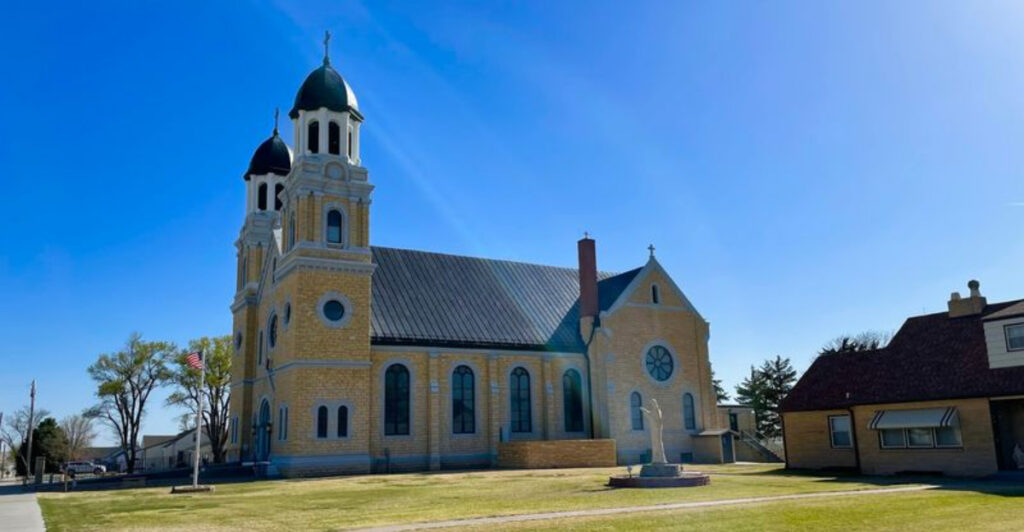
Some places make you lower your voice the moment you walk in.
This hidden Kansas church has that quiet power, with Romanesque design that feels thoughtful, graceful, and far more striking than many travelers would expect from a small-town stop.
It is the kind of landmark that reminds you beauty does not always need a big city address or a crowded tour group to feel impressive.
A simple visit can turn into a pause, a closer look, and a new appreciation for the care built into historic spaces.
The appeal is calm but strong, perfect for anyone who loves architecture, small-town history, or places that feel meaningful without making a scene.
I have always been drawn to stops that surprise me with their stillness, because sometimes the quietest places leave the clearest memory.
The French Canadian Founders Who Built a Prairie Legacy
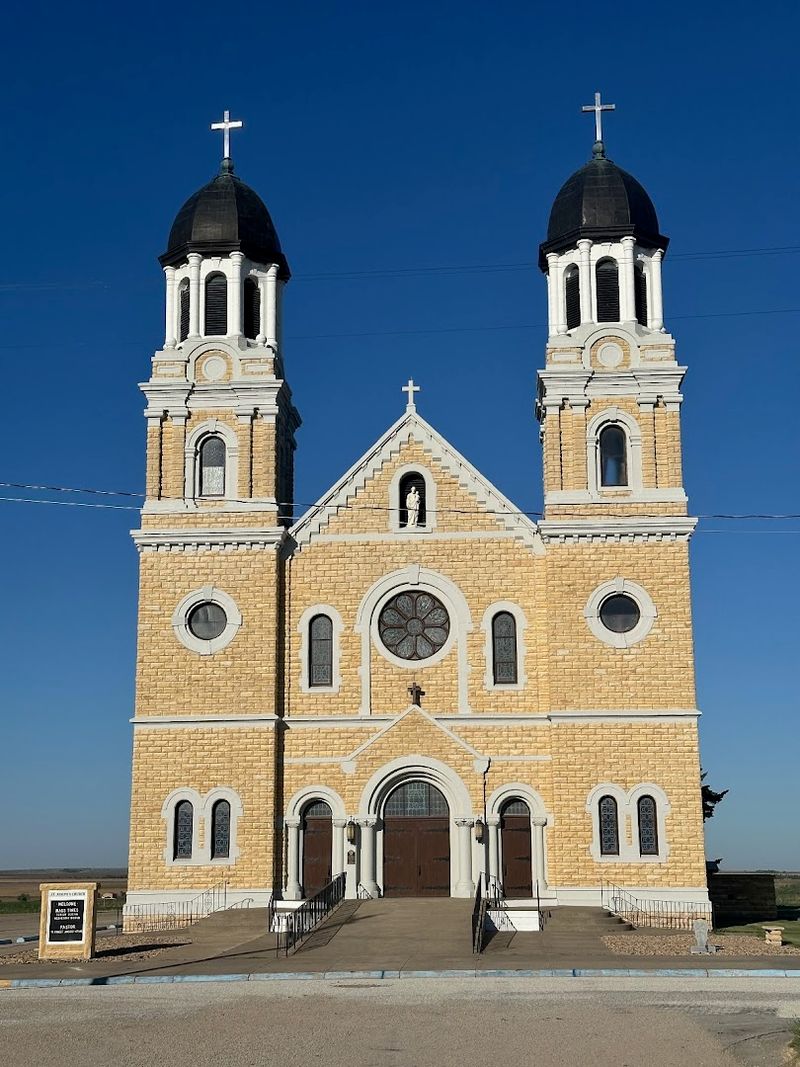
Long before the church’s cornerstone was ever laid, a determined group of French Canadians set out to build something lasting on the Kansas plains.
The town of Damar, Kansas was established in 1888, when these settlers staked their claim in western Rooks County and began shaping a community rooted in both Catholic faith and French Canadian heritage.
Their cultural identity ran deep, and it showed in everything they built, including the way local businesses and gathering spots later adopted French names to honor their origins.
This founding spirit gave St. Joseph Catholic Church a distinct character that set it apart from the Volga German churches common across the surrounding region.
The French Canadian influence was not just cultural decoration. It was a genuine architectural and spiritual blueprint that guided the community’s vision for what their parish church should look and feel like for generations to come.
A Church Born in 1912 With Serious Architectural Ambition
Not every small town in Kansas decides to build a full Romanesque-style stone church, but Damar did exactly that in 1912, and the result is still turning heads today.
St. Joseph Catholic Church was constructed with a level of architectural ambition that felt almost bold for a rural prairie community of its size.
The Romanesque design tradition, known for its thick stone walls, rounded arches, and sturdy towers, was typically associated with grand European cathedrals rather than small American farming towns.
Yet the congregation at St. Joseph Catholic Church committed fully to the vision, producing a structure that commands attention from a remarkable distance across the flat Kansas landscape.
Standing here, it becomes clear that the builders were not simply constructing a place of worship.
They were making a statement about permanence, pride, and the kind of faith that does not fade quietly into the prairie wind.
The Romanesque Style That Makes This Building Instantly Recognizable
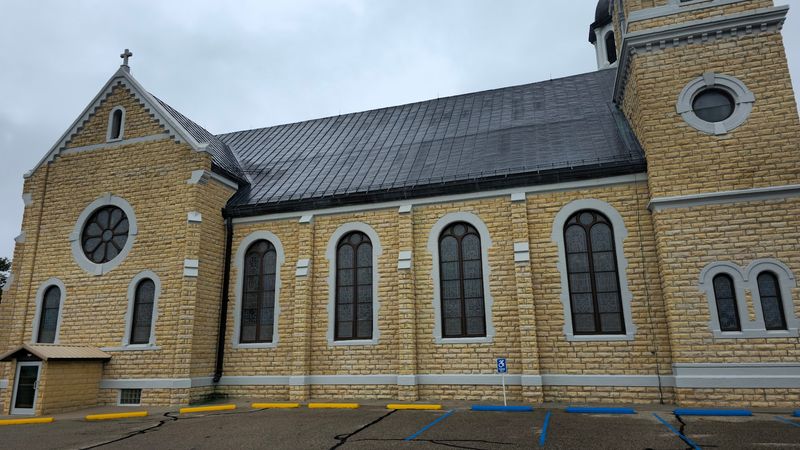
Romanesque architecture has a way of looking both ancient and timeless at once, and that quality comes through powerfully at St. Joseph Catholic Church.
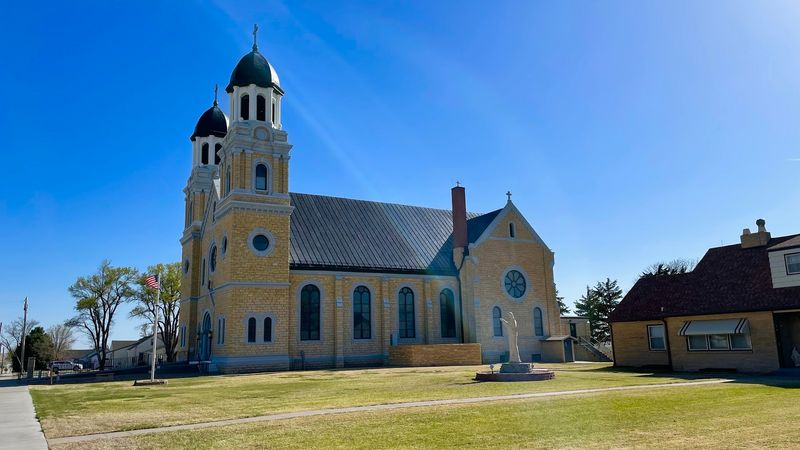
The style is defined by its use of rounded arches, thick load-bearing stone walls, and a sense of solid, grounded weight that makes buildings feel like they have always been part of the earth beneath them.
At this church in Damar, those design principles translate into a structure that looks almost cathedral-like against the wide Kansas sky.
The arched windows, the symmetrical tower, and the careful stone detailing all work together to create a visual harmony that feels intentional and deeply considered.
For anyone who has spent time studying architecture, spotting a genuine Romanesque building in a rural Kansas town feels like finding an unexpected masterpiece in a place you did not expect to look, which is honestly part of what makes this stop so memorable.
The Penny-Thickness Copper Roof Installed In 1947
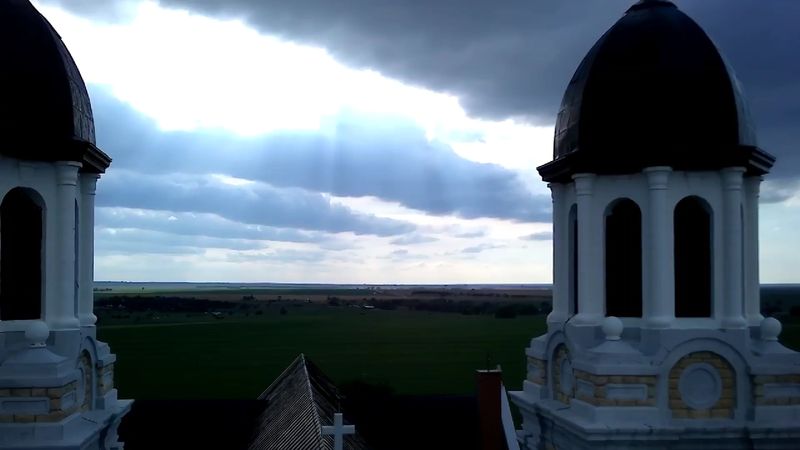
One of the most fascinating construction details at St. Joseph Catholic Church is something most visitors do not immediately notice: the copper roof.
Added in the late 1940s, this roof was described as penny-thickness copper, meaning the sheets of copper used were roughly as thick as a penny coin, yet still strong enough to protect the building for decades.
Copper roofing was a premium material choice, and installing it on a small-town Kansas church reflected the congregation’s serious commitment to quality and long-term preservation.
Over time, copper roofs develop their blue-green patina, an oxidation process that gives aged copper its distinctive color and actually helps protect the metal underneath.
That patina has become part of the church’s visual identity, giving it a color palette that feels almost painterly against the Kansas prairie. It is the kind of detail that rewards a second look and a slower pace.
National Register Of Historic Places Recognition In 2005
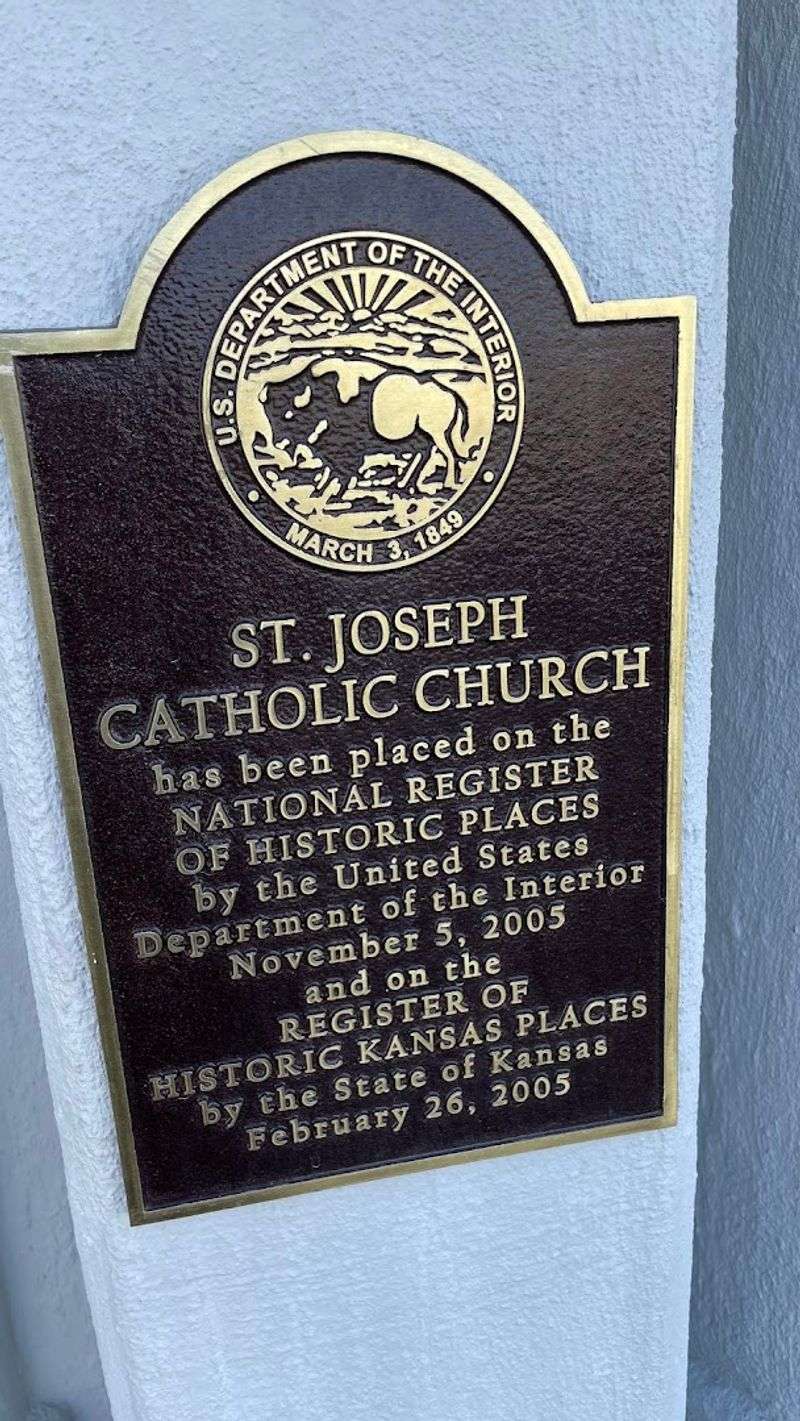
In 2005, St. Joseph Catholic Church received one of the most meaningful honors a historic American building can earn: a listing on the National Register of Historic Places.
This designation is not handed out casually. The National Register recognizes properties that carry genuine significance in American history, architecture, archaeology, engineering, or culture.
For a small church in Damar, Kansas, earning this status was a formal acknowledgment that its story and its structure matter beyond the boundaries of Rooks County.
The listing means the building’s historical and architectural integrity can be considered in preservation planning and certain future federally involved renovation or development decisions.
It also puts St. Joseph Catholic Church on the map for heritage travelers and architecture enthusiasts who actively seek out listed properties on their road trips through Kansas.
Recognition like this transforms a local treasure into a destination that people plan their routes around, which is a remarkable thing for a town of Damar’s size.
The Hilltop Cemetery With A Sweeping View Of The Church
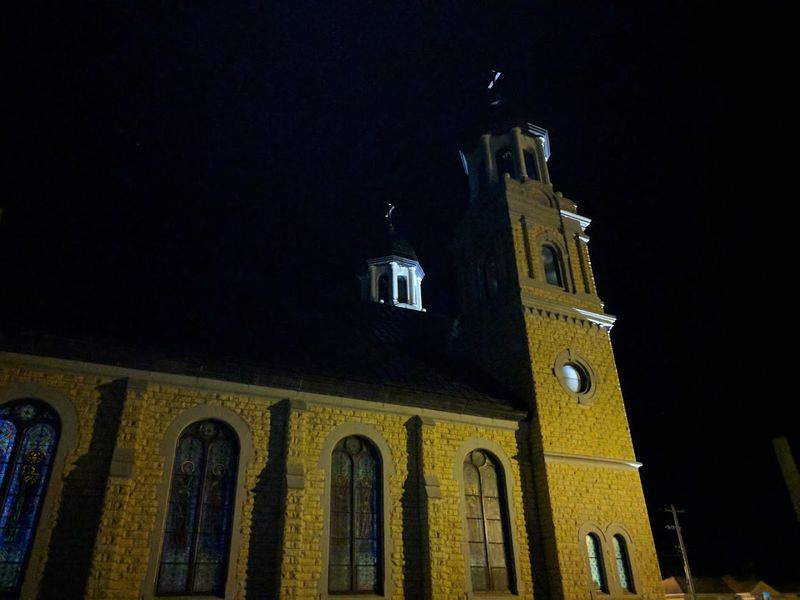
Just outside of town, near the open farmland that shaped the community, sits the cemetery associated with St. Joseph Catholic Church, and the site carries a genuinely striking sense of continuity.
Looking back from the cemetery area, you can see the church’s tower rising cleanly above the rooftops of Damar, framed by the enormous Kansas sky in a way that feels almost cinematic.
The cemetery connection reaches back to the parish’s earliest years.
Historical records say Francois St. Pierre donated land for both a cemetery and a small wooden church before the present limestone church was built.
Many of the families buried there trace their roots directly back to the original French Canadian settlers, giving the site a layered sense of history that connects the land to the people who shaped it.
Standing near that ground, the church nearby looks exactly like what it is: the enduring heart of a community that built something meant to last.
How The Interior Surprises First-Time Visitors
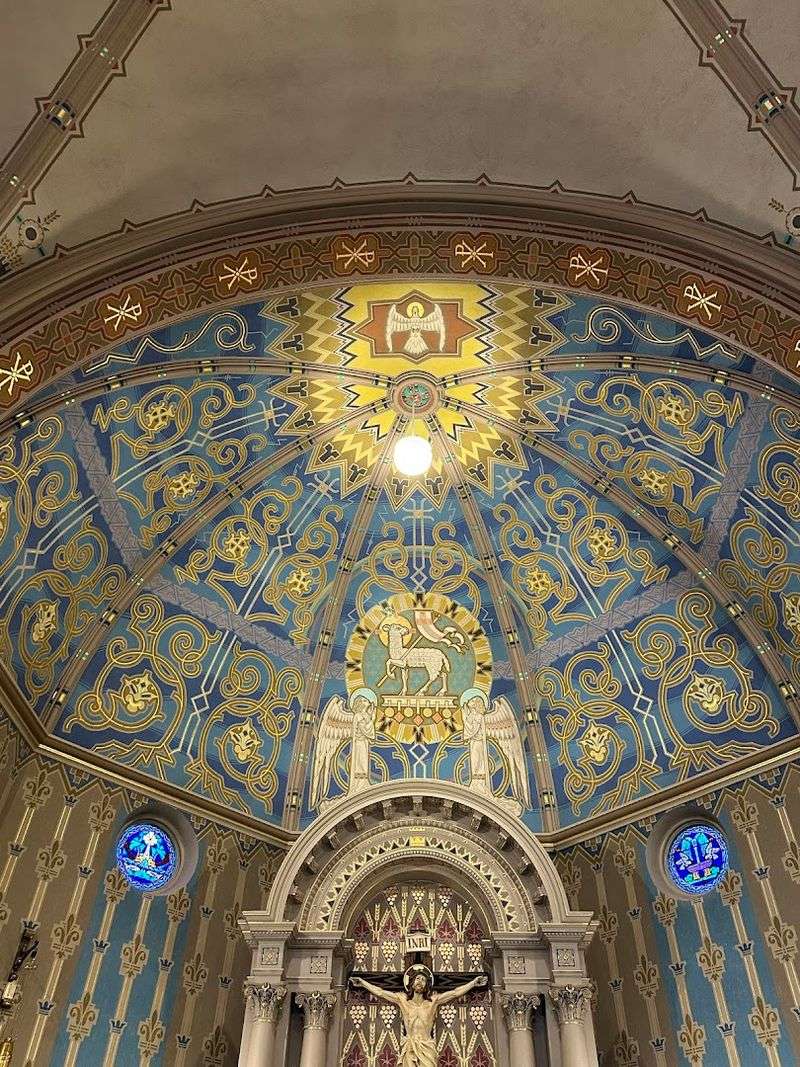
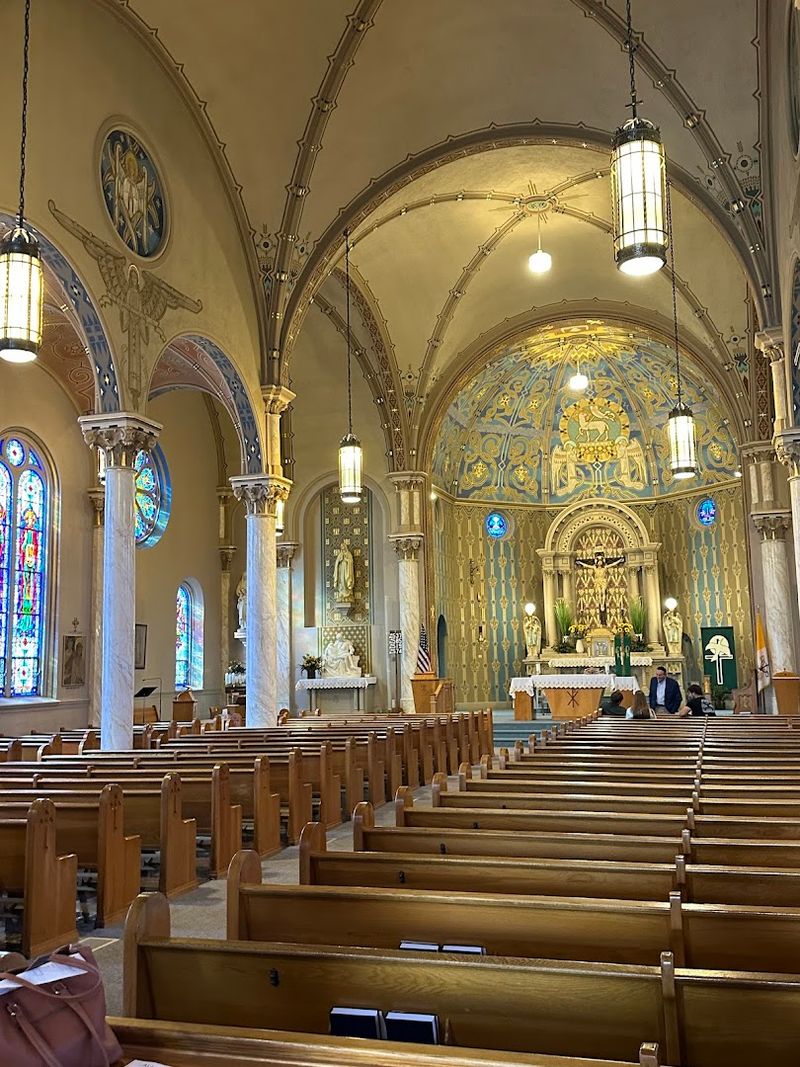
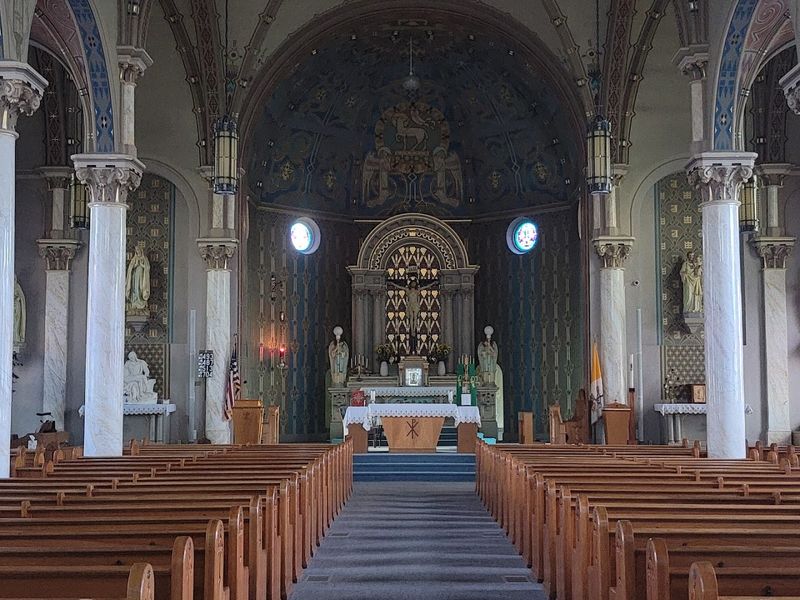
Walking through the doors of St. Joseph Catholic Church for the first time, the interior immediately delivers something the exterior only hints at: a carefully crafted sacred space that feels far larger and more detailed than the modest town outside would suggest.
The high ceilings, the rows of wooden pews, and the quality of the altar work all reflect the same commitment to craftsmanship that shaped the exterior stone walls and copper roof.
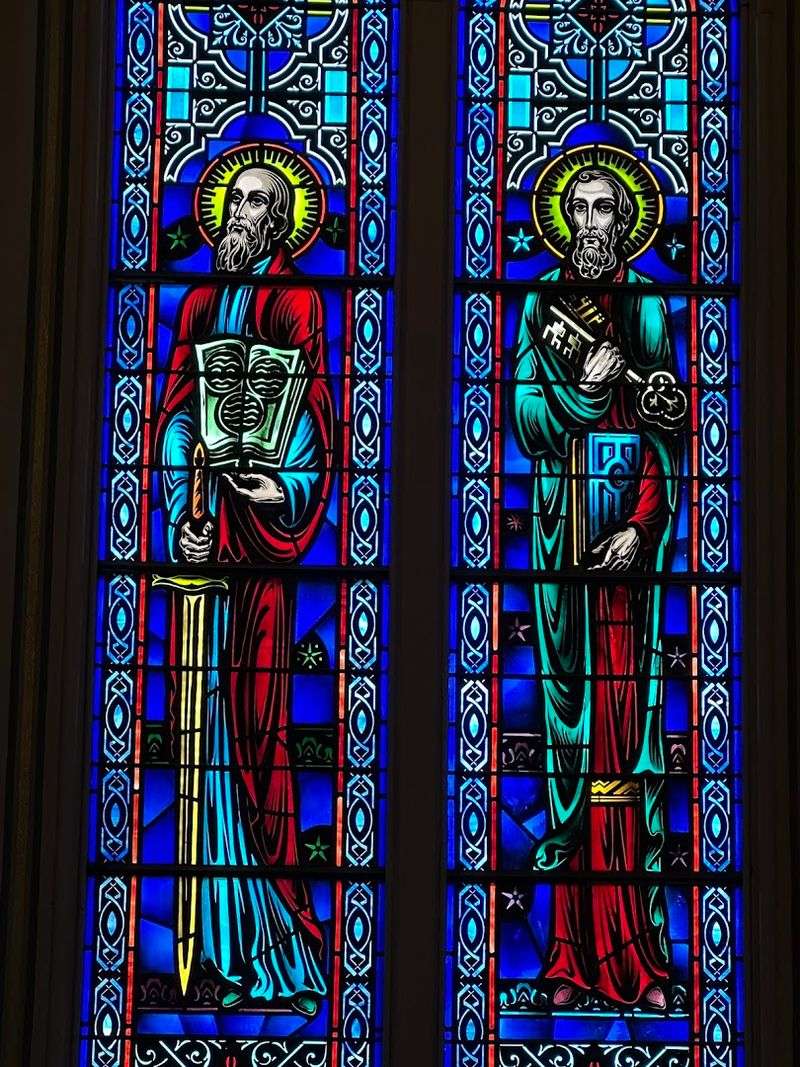
Stained glass windows filter the Kansas sunlight into pools of color that shift across the interior throughout the day, giving the space a quiet, living quality that changes depending on when you arrive.
On at least one occasion, a visitor reportedly arrived to find someone practicing the organ inside, filling the church with music that echoed beautifully through the stone walls.
That kind of unexpected, unscripted moment is exactly what makes historic churches like this one worth seeking out rather than simply passing by on the highway.
Damar’s French Cultural Identity Still Visible Around Town
One of the more delightful surprises about visiting St. Joseph Catholic Church is discovering that the French Canadian cultural thread does not stop at the church doors.
The town of Damar itself carries that heritage through its streets, with local businesses and community spaces reflecting French naming traditions that have persisted for well over a century.
For a town founded in 1888 in the middle of Kansas, that kind of cultural continuity is genuinely rare and worth appreciating.
The town is described by those who have passed through as well-maintained and clearly proud of its roots, with a sense of community identity that feels authentic rather than performed for tourists.
Wandering through Damar after visiting the church adds real context to the building itself.
The church did not appear out of nowhere. It grew from a specific community with specific values, and those values are still visible in the way the town presents itself to the world today.
Why This Church Stands Apart From Other Kansas Catholic Churches
Kansas has a remarkable concentration of historic Catholic churches, many of them built by Volga German immigrant communities who settled the central and western parts of the state in the late 1800s.
Those Volga German churches tend to share certain architectural characteristics rooted in the traditions those settlers brought from Russia and Eastern Europe.
St. Joseph Catholic Church in Damar stands apart from that group in a meaningful way, because its French Canadian founders gave the parish a different cultural story on the Kansas plains.
The Romanesque Revival design, the twin towers, and the overall aesthetic language of the building reflect Henry Brinkman’s church architecture as much as the community’s deep Catholic identity.
For anyone exploring Kansas’s rich church architecture, this distinction makes St. Joseph Catholic Church an essential stop.
It adds a different chapter to the story of immigrant faith communities in Kansas, one that is easy to overlook if you stick only to the well-traveled routes near Interstate 70.
Planning Your Visit To This Remarkable Kansas Landmark
Getting to St. Joseph Catholic Church takes a little intentional planning, and that is actually part of the appeal.
Located at 107 North Oak Street, Damar, Kansas 67632, the church sits north of Hays, Kansas, and is not directly along Interstate 70, which means it rewards travelers who are willing to take a deliberate detour.
The drive through northwestern Kansas farmland leading into Damar is part of the experience, with the church tower becoming visible from a distance as you approach town.
Access to the interior is not guaranteed, so arriving with the possibility that you might only see the exterior is a reasonable expectation. That said, the exterior alone is worth the trip.
For those interested in combining the visit with nearby history, the Nicodemus National Historic Site is also in the general region, making this part of Kansas a genuinely rewarding stretch of road for anyone who appreciates places that carry real stories within their walls.