Retirement budgets have a rude habit of turning beautiful plans into very serious calculator sessions.
Then a small Kentucky city makes the numbers behave.
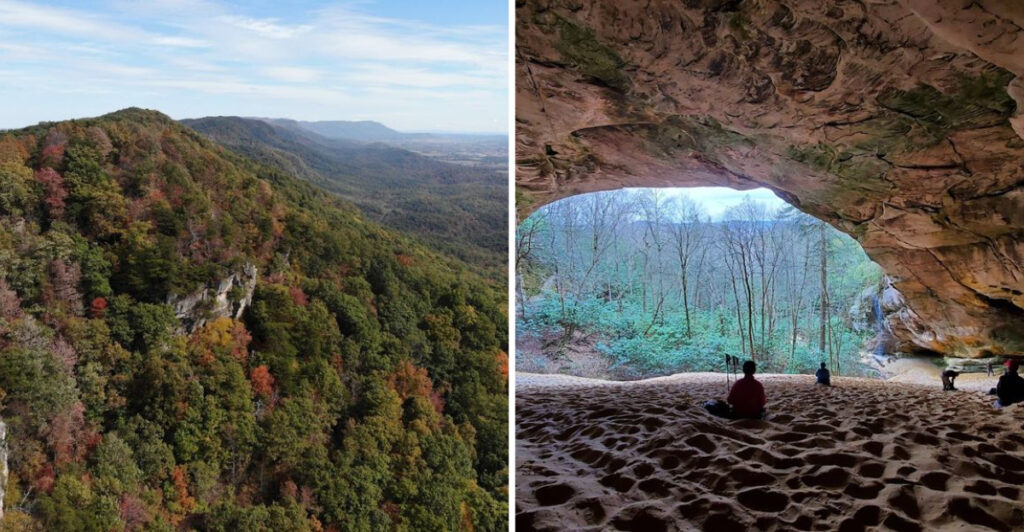
Housing costs sit far below national norms, mountain ridges surround the streets, and a national park waits close enough to become part of an ordinary weekday.
The scenery looks expensive. Surprisingly, the lifestyle does not have to be. That combination matters when every dollar has already been assigned a job.
Lower housing costs can leave more room for healthcare, hobbies, road trips, and the radical retirement luxury of not checking the bank account after every grocery run.
Kentucky has quietly created a place where a modest budget can still come with long trails, green views, and enough breathing room to enjoy both.
A Mountain Basin Keeps Middlesboro Wrapped In Green
Most towns get a skyline. Middlesboro has an ancient impact crater and somehow decided to build inside it.
The city sits within a meteorite impact basin, making it one of the few communities in the United States built entirely inside such a formation.
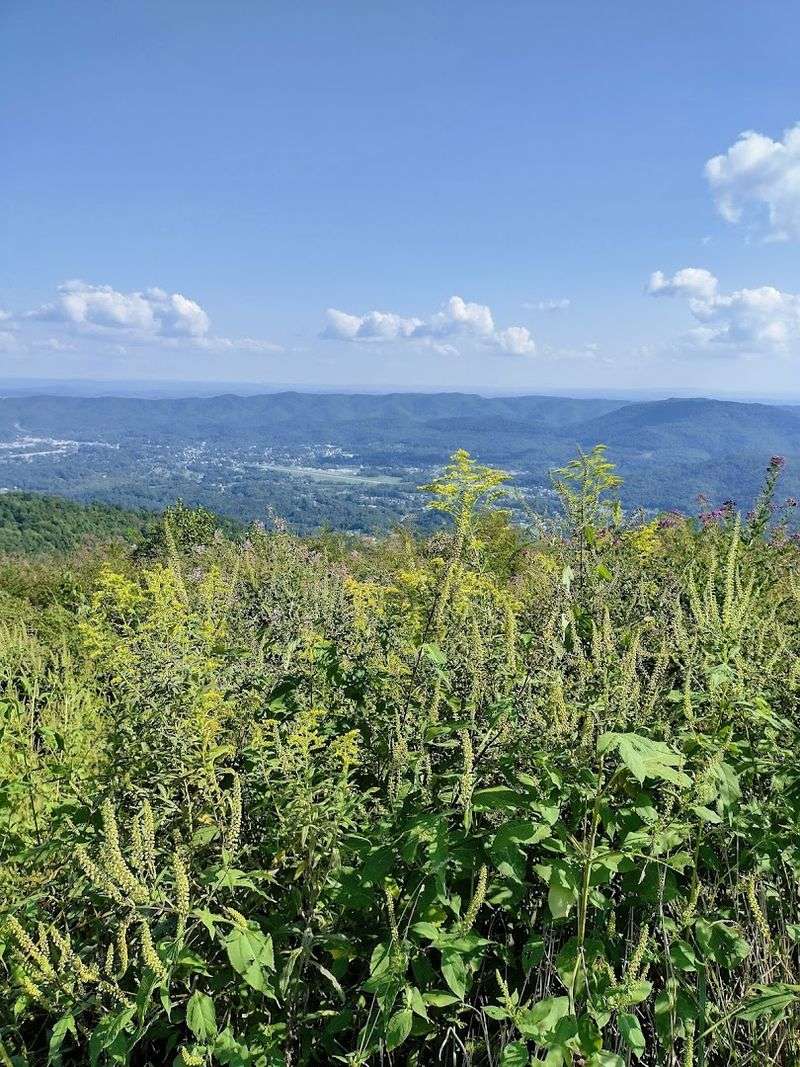
The circular valley created by that ancient event is now ringed by Appalachian ridges that hold the town in a natural green bowl. Every direction you look, the mountains frame the view.
Bell County sits in the far southeastern corner of Kentucky, sharing borders with Tennessee and Virginia. That tri-state position gives Middlesboro a geographic personality that most small towns simply cannot match.
The city covers about 7.38 square miles, which keeps everything close and the commute from bedroom to trailhead refreshingly short.
Seasons shift dramatically here, painting the ridges in gold and red each autumn. Spring brings wildflowers along the creek banks and fresh green growth across every hillside.
Summers stay cooler than many lower-elevation communities, while winters bring occasional snow that makes the surrounding mountains look especially dramatic.
You do not have to budget separately for the view. Middlesboro includes mountains in every direction, with geology handling the landscaping.
Housing Costs Leave More Room In The Budget
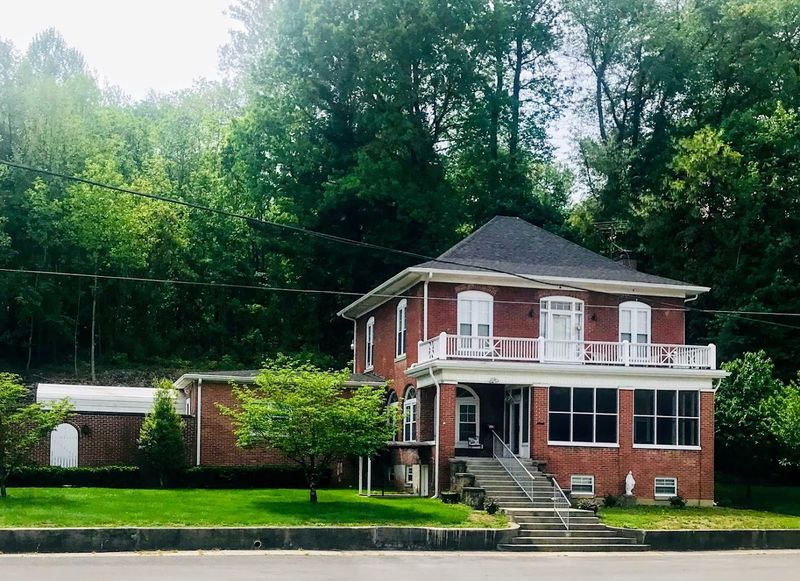
A retirement home should support the next chapter, not consume the entire plot. Middlesboro’s housing market remains notably more accessible than many larger cities and better-known retirement destinations.
That difference can matter when income is fixed and every monthly decision needs to leave room for real life.
Homes vary widely in condition, location, and upkeep, so the first listing never tells the whole story. County records, insurance details, repair history, and a careful inspection help reveal what a property may require after move-in day.
That extra homework is worth doing. An affordable purchase can lose its appeal quickly when deferred maintenance begins introducing itself room by room.
The broader advantage is flexibility. Choosing a less expensive housing market may leave more space in the retirement plan for healthcare, hobbies, travel, and the occasional drive through the mountains simply because the weather looks too good to stay home.
The real luxury is not an oversized kitchen or fashionable finishes. It is having a comfortable place to live without letting the house become the only thing retirement can afford to enjoy.
Cumberland Gap Puts A National Park Close To Home
How many retirement towns can put a national park on the same mental map as the grocery store?
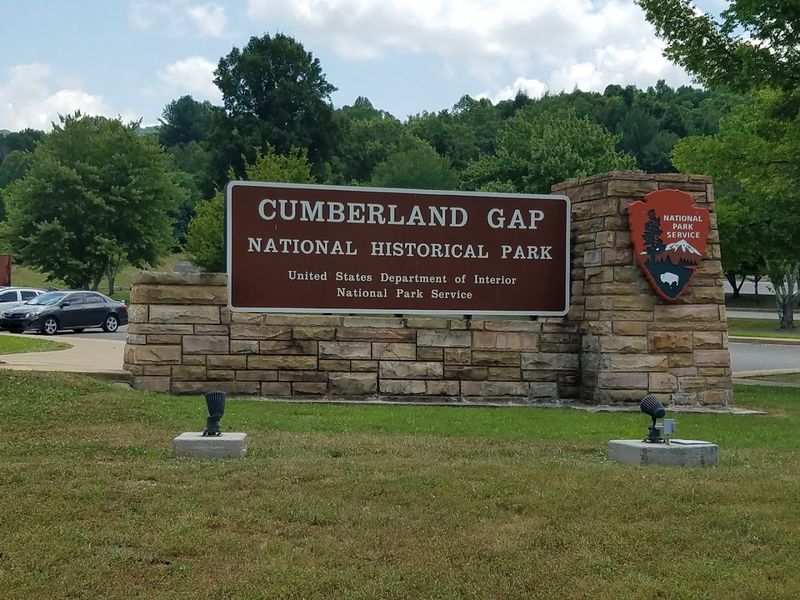
Cumberland Gap National Historical Park protects roughly 14,000 acres of wilderness spread across Kentucky, Tennessee, and Virginia.
The park’s visitor center sits at 91 Bartlett Park Road in Middlesboro, making it one of the most accessible national park entrances in the region.
The park tells the story of one of America’s most important migration corridors. Millions of settlers passed through Cumberland Gap on their way west, and the landscape still carries that history in its stone cliffs and forested ridgelines.
Gap Cave offers an underground adventure that differs sharply from the wooded trails above it. Hensley Settlement, a restored mountaintop community, shows how Appalachian families lived in relative isolation generations ago.
Pinnacle Overlook rewards visitors with sweeping views across three states from a drive above town.
Anyone who values history, scenery, and easy outdoor access may find that having this resource nearby changes the rhythm of everyday life. A free afternoon no longer needs a complicated plan or a long highway drive.
Coffee in the morning, a three-state view before lunch, and home again without packing an overnight bag. That is a fairly persuasive retirement schedule.
Local Healthcare Keeps Practical Needs Within Reach
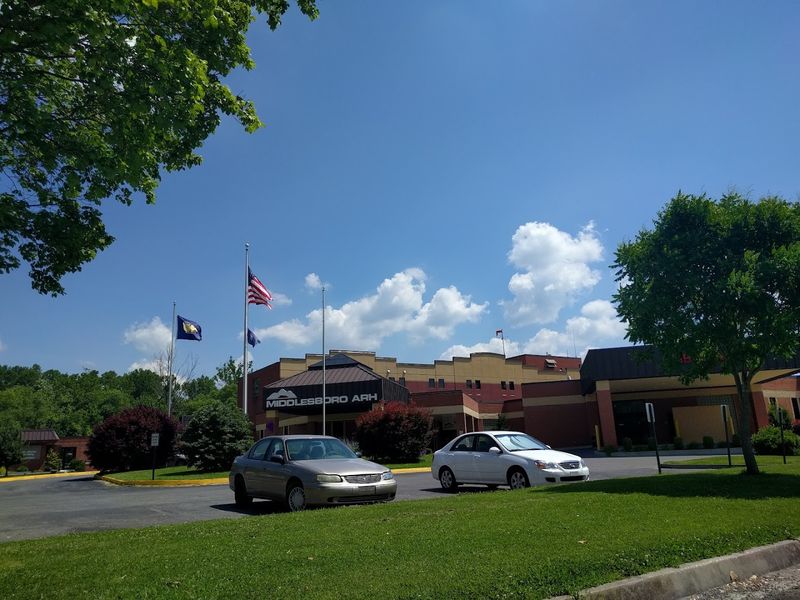
Mountain views are lovely, but nobody should select a retirement town while politely ignoring the emergency room.
Middlesboro ARH Hospital operates as a 96-bed facility offering a meaningful range of services for a community its size. Emergency care, cardiology, diagnostic imaging, diabetes management, home health, and intensive care are available without leaving town.
This represents the town’s ability to respond to time-sensitive situations when distance and delays can matter far more than scenic surroundings.
People moving from a larger metro area may be pleasantly surprised to find specialist care available locally.
The hospital serves Middlesboro and the wider Bell County area. It gives it a regional role that supports continued investment in services.
No single facility can cover every possible medical need, so prospective residents should still compare their physicians, prescriptions, specialists, insurance networks, and transportation requirements with the care available locally.
Reliable healthcare nearby removes one of the biggest concerns attached to small-town retirement. It allows the mountain setting to remain a practical home rather than merely a beautiful place to visit.
The History Found In Every Ridge And Road
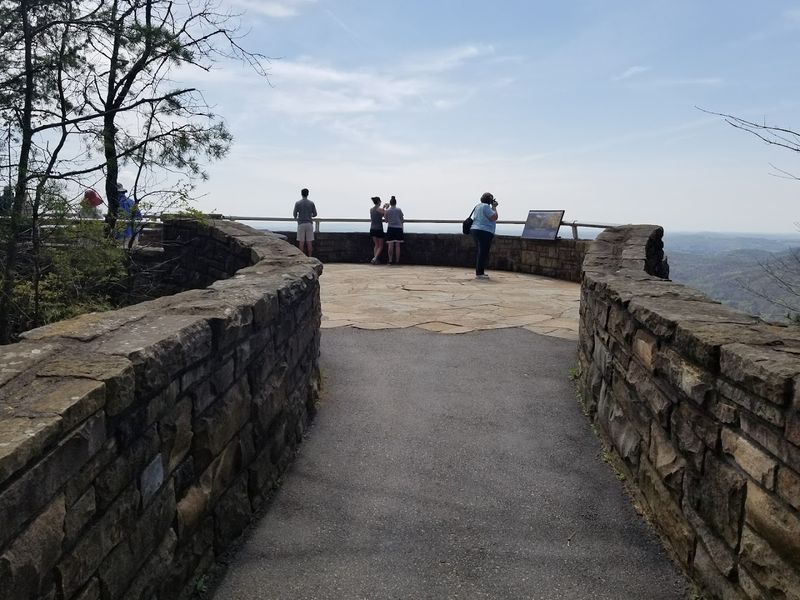
History has poor boundaries here. It refuses to remain inside museums and keeps wandering onto trails, roads, and mountain passes.
Cumberland Gap served as a primary passage through the Appalachian Mountains for generations of settlers moving westward. The gap is a natural break in the mountain wall, and its strategic importance shaped the development of the American interior.
Hensley Settlement inside the national park preserves a mountaintop farming community that operated in relative isolation for decades. Walking among the restored structures provides a clearer sense of how Appalachian families built lives from the surrounding land.
Middlesboro carries its own layered history. Its unusual circular setting reflects the ancient meteorite impact, while its development as a planned industrial town in the late 1800s left architectural traces still visible around downtown.
For retirees who enjoy learning through exploration, that historical depth gives ordinary outings more substance. A short drive can connect geology, migration, settlement, industry, and Appalachian culture without requiring a formal tour itinerary.
Around Middlesboro, “taking the scenic route” has a habit of becoming a history lesson before anyone notices.
Seasons In The Mountains Run On Their Own Schedule
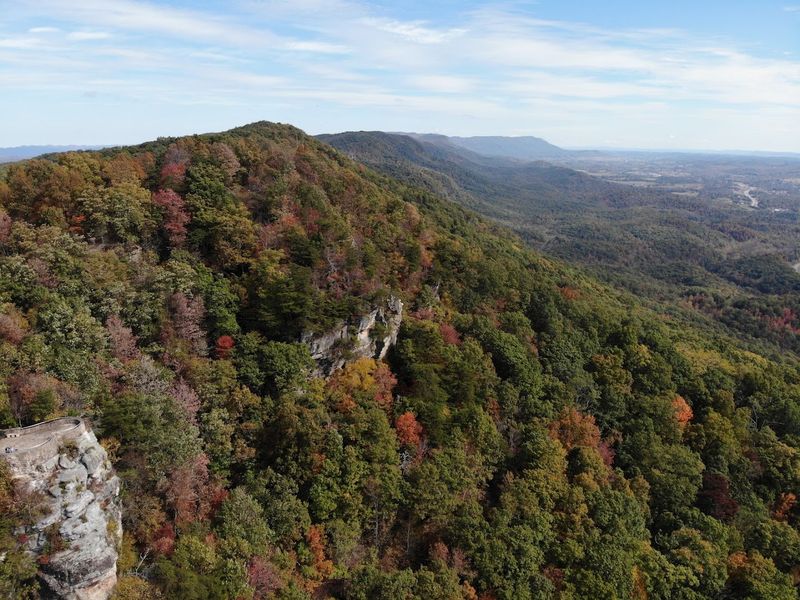
The calendar does not whisper in this mountain basin. It changes the entire backdrop.
Autumn draws attention first because the surrounding Appalachian forests shift through layers of red, orange, and gold. The progression lasts for weeks and steadily alters the appearance of the valley.
Spring arrives with wildflowers pushing through the forest floor and creek levels rising after winter. Mornings carry a cool dampness that fades as the sun clears the ridgelines.
Summer in the basin stays cooler than many surrounding lowland areas, which becomes a meaningful comfort advantage during the hottest months. July evenings on a porch can feel noticeably different from the humid flatlands farther west.
Winter brings occasional snow that quiets the town and sharpens the contrast between the mountains and gray sky. Trails remain accessible during many winter days, giving outdoor-minded residents reasons to keep moving through the colder months.
Each season affects driving, home maintenance, utility costs, recreation, and daily routines differently. A prospective retiree should experience more than one before deciding whether mountain life fits.
Choose a favorite season if you can. The next one is already backstage changing the scenery.
Wildlife And Wild Places Share The Same Zip Code
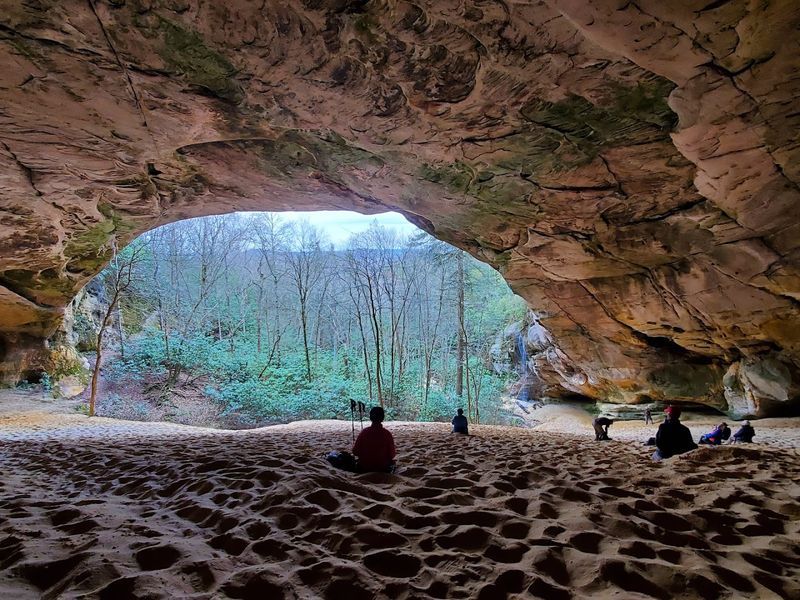
Some neighborhoods advertise quiet neighbors. This one includes deer that ignore property lines and wild turkeys with very little respect for traffic etiquette.
The proximity to thousands of acres of protected parkland makes wildlife sightings part of ordinary life rather than an occasional event.
White-tailed deer move along the edges of town at dusk. Wild turkeys cross roads near the park boundary, while hawks and other raptors circle the ridgelines on thermal currents during warmer months.
Gap Cave inside Cumberland Gap National Historical Park supports bat populations that play an important role in the ecosystem. Guided cave experiences introduce visitors to the area’s geology and biology beneath the surface.
Fishing in Bell County’s mountain streams and waterways creates another way to interact with the surrounding environment. The water offers a quieter alternative on days when hiking sounds too ambitious.
Living near active wildlife also requires practical awareness. Food, garbage, pets, gardens, and outdoor spaces need to be managed with the surrounding ecosystem in mind.
You do not have to schedule nature here. It may cross the road ahead of you, circle above the ridge, or wander past the window before breakfast.