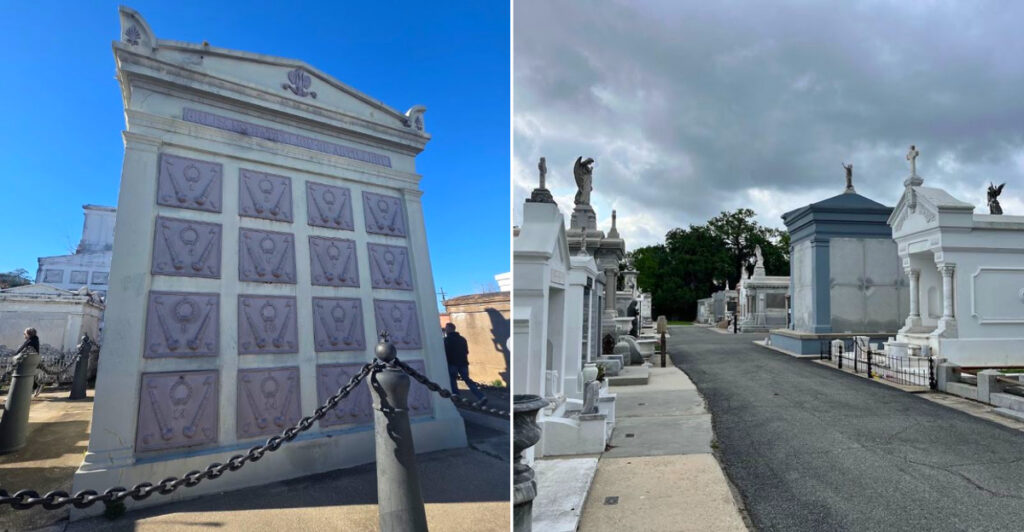
Through the iron gate, past the lock that keeps casual visitors out, the tombs rise in tight rows like a city built for the dead, with street names, addresses, the kind of architectural detail that makes you forget you are standing in a cemetery at all.
The guide leads you through narrow passages where the plaster is peeling, where the X marks on certain tombs tell their own story about visitors who came looking for favors from spirits who may or may not be listening.
The most famous tomb belongs to a woman whose name has been whispered in this city for over a century, a voodoo queen whose influence shaped everything from courtrooms to kitchen remedies.
Her grave draws more flowers, coins, offerings than any other plot in the cemetery, a tradition that shows no sign of stopping. Louisiana holds a locked cemetery with a tomb the world has never quite stopped visiting.
Book The Official Guided Tour
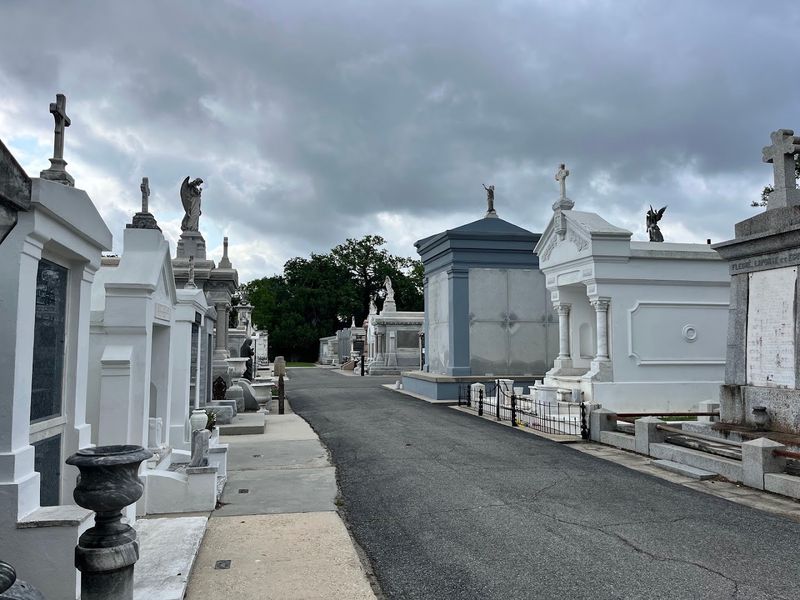
Access begins with a reservation, not with wandering up to the gate. St. Louis Cemetery No. 1 is closed to casual public entry, and visitors are admitted only with authorized guides, a rule that protects fragile tombs, family spaces, and one of New Orleans’ most famous burial grounds.
That limitation actually improves the experience, because the cemetery is too layered for a silent walk-through anyway.
A guide gives the rows of whitewashed vaults, ironwork, cracked plaster, and famous names enough context to breathe. Without that narration, it would be easy to stare at the architecture and miss the burial customs, preservation problems, and living religious history around you.
Book before arrival, especially during busy travel periods, because same-day spaces are not guaranteed. A confirmed ticket is more than a convenience here.
It is the key that opens a locked place without treating it like a casual shortcut. The gate stays closed for a reason, and the official tour is the respectful way through even on a busy New Orleans day.
The Locked Gates Open From Across Basin Street
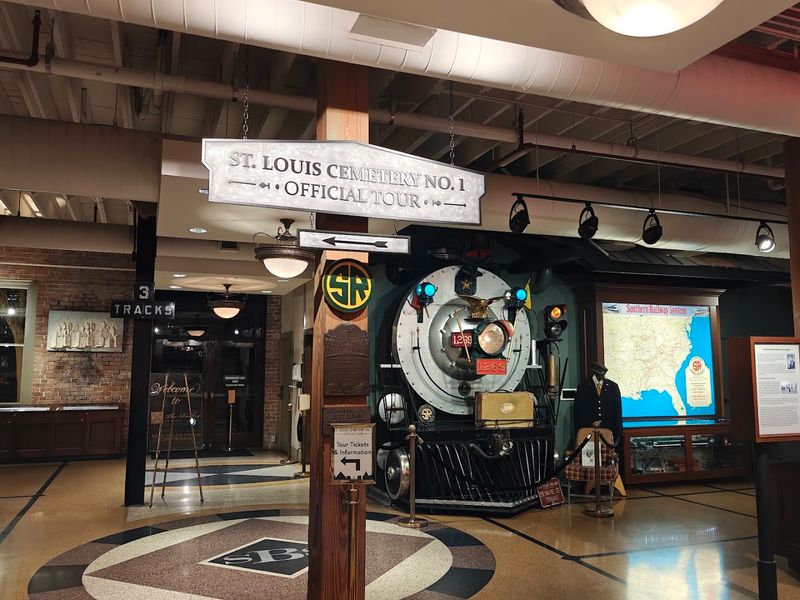
Finding the tour desk matters more than finding the cemetery gate first. The Official St. Louis Cemetery No. 1 Tour departs from Basin St. Station at 501 Basin Street in New Orleans, directly across from the cemetery walls at 425 Basin Street.
Use the visitor center as your navigation target, then let the guide handle the locked entry. The final approach places you at the edge of the French Quarter, where traffic, sidewalks, tour groups, and cemetery walls all meet quickly.
Arriving at least 15 minutes early gives enough time to park, check in, collect any required wristband or ticket confirmation, and get oriented before the group crosses Basin Street together.
That organized beginning helps preserve the mood. Instead of lingering uncertainly outside a locked gate, visitors start inside a visitor center, then enter as a guided group.
The transition from street noise to above-ground tombs feels sharper because of it, like New Orleans briefly opening a private city within the city for a few unforgettable minutes longer.
Understand The Cemetery Rules
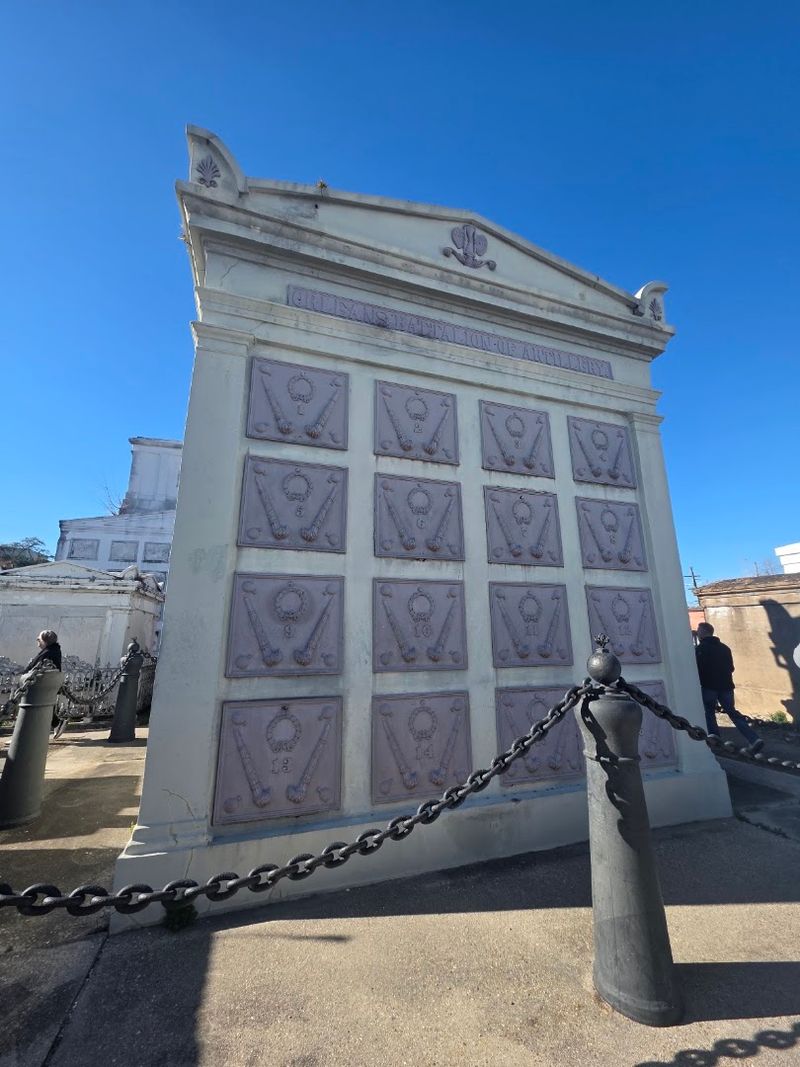
Respect is not decorative here; it is the condition of entry. The tombs inside St. Louis Cemetery No. 1 are fragile, historic, and connected to families, religious practice, and ongoing remembrance.
Visitors should not touch, lean on, sit on, write on, or mark any tomb, fence, monument, or wall, no matter how tempting the weathered surfaces may look in photographs.
The famous triple X markings are especially important to avoid. They have often been treated as folklore by visitors, but in practice they damage the tombs and create conservation problems.
The guide will explain why hands-off observation matters and how small individual actions can add up over time.
Food, careless posing, disruptive behavior, and wandering away from the group all work against the site’s dignity. The rules are not there to drain mystery from the cemetery. They keep the place visitable, legible, and protected.
Locate Marie Laveau With Respect
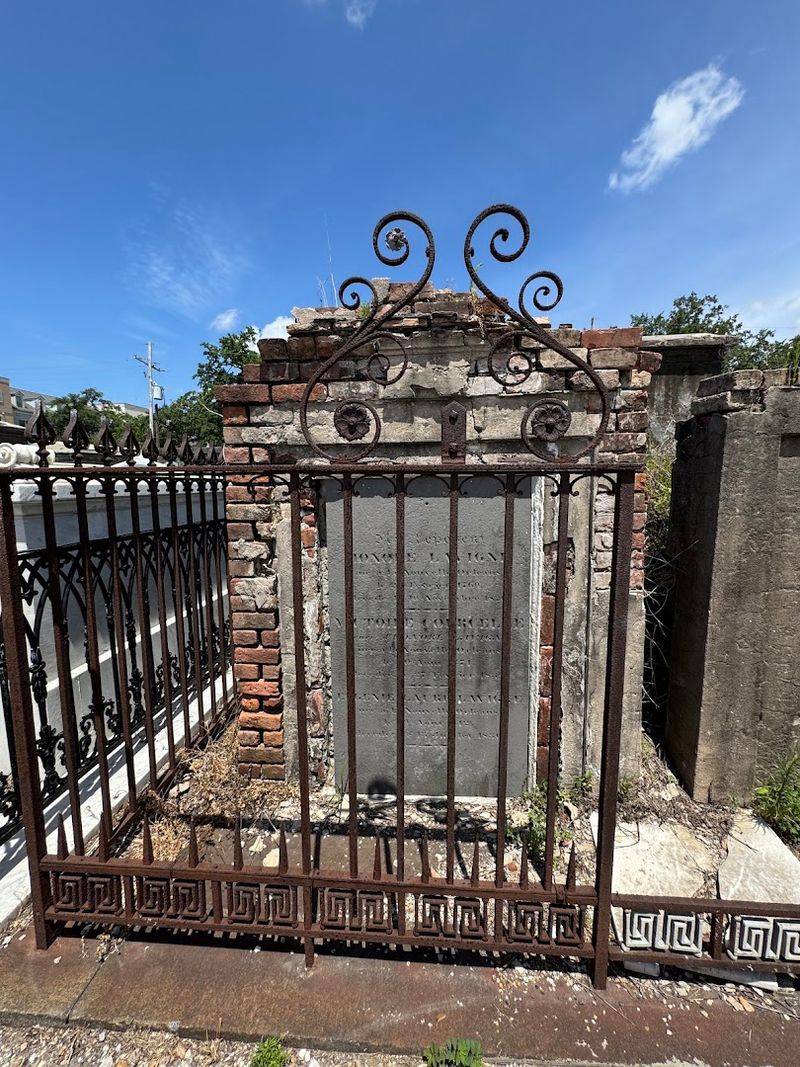
Marie Laveau’s tomb is the emotional center for many visitors, but it should not be treated like a prop or a challenge. The legendary Voodoo Queen of New Orleans has become one of the city’s most famous figures, surrounded by documented history, oral tradition, spiritual meaning, and a heavy layer of tourism mythology.
A good guide helps separate what can be supported from what has grown through repetition. That distinction matters because Laveau’s legacy is richer than the simplified image often sold to visitors.
She was tied to religion, community, healing traditions, politics, and the complex social world of nineteenth-century New Orleans.
Approach the tomb quietly. Do not scratch marks, leave unauthorized objects, stage disrespectful photos, or treat the site as a place to test a superstition.
Listening is the better gesture. The tomb’s power comes from how many stories gather around it, not from anything a visitor can add in a hurry.
Respect keeps the encounter from becoming empty spectacle. That restraint leaves more room for her actual complexity.
Wear Comfortable Shoes And Sun Protection
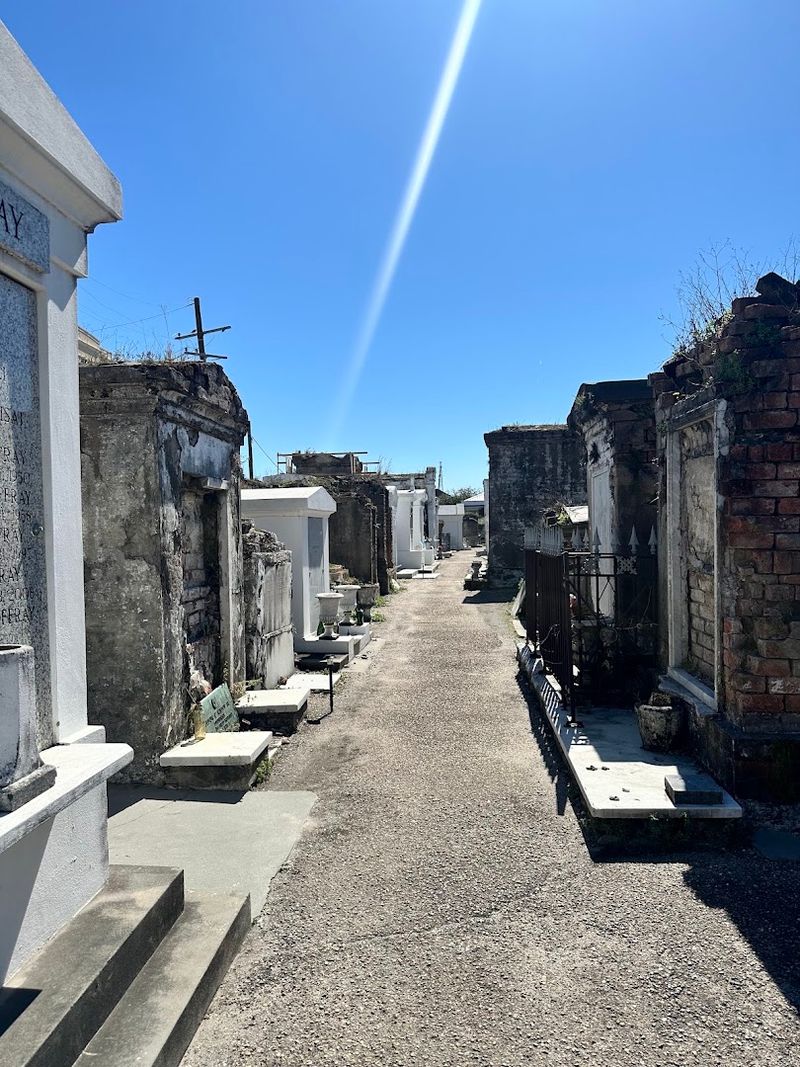
The cemetery may be small enough to tour on foot, but it is not smooth, shaded, or built for modern comfort. Uneven paths, narrow aisles, old masonry, and crowded pauses make sensible shoes more important than a polished outfit.
A stumble here would be awkward for you and risky for the historic setting around you.
Sun is another practical issue. Many parts of the cemetery offer limited shade, and New Orleans heat can feel more intense when white tombs, stone, and pavement reflect the light back upward.
A hat, sunscreen, breathable clothing, and water before the tour can make the difference between listening carefully and simply surviving the walk.
Travel light, because the route does not reward bulky bags or extra gear. A small bottle of water, sunglasses, and a secure camera or phone are enough for most visitors.
Comfort helps attention.
Expect A Guided Narrative
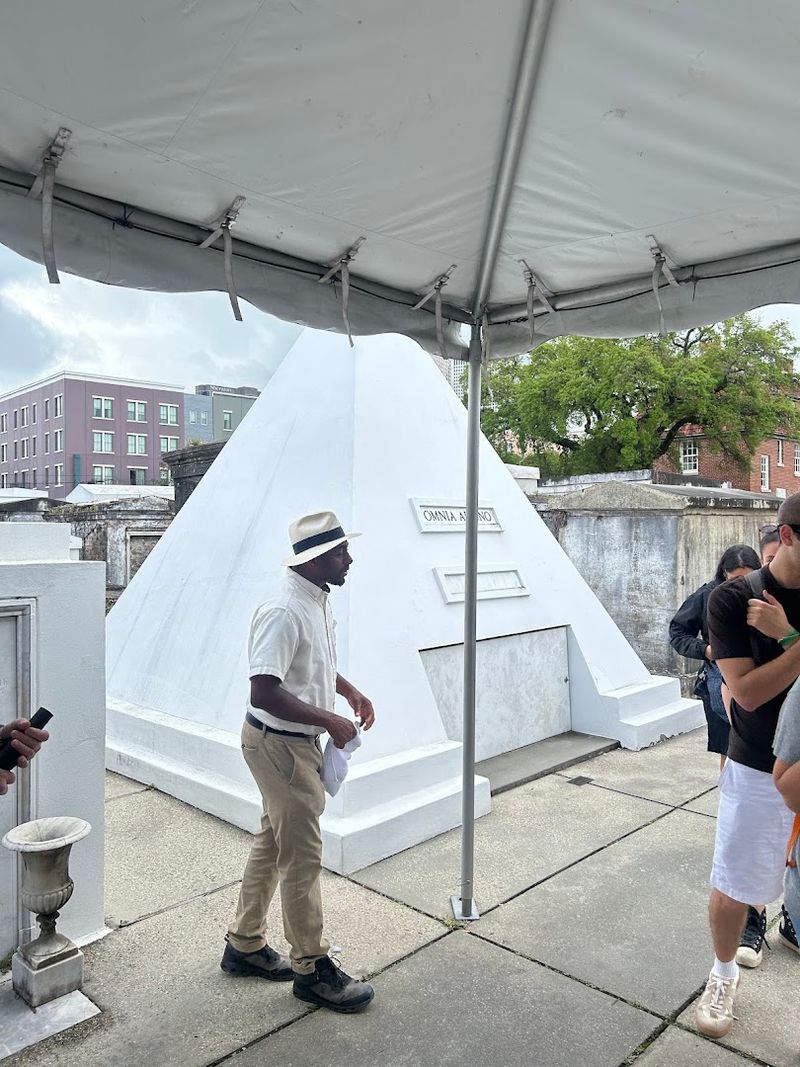
A guided tour turns the cemetery from a maze of tombs into a readable city of memory. The guide usually moves through a selected route, stopping at notable vaults, explaining burial customs, pointing out architecture, and connecting famous names to broader New Orleans history.
That structure keeps the visit focused without making it feel rushed.
The best narration balances reverence with clarity. St. Louis Cemetery No. 1 contains beauty, grief, folklore, family pride, religious practice, social hierarchy, decay, repair, and tourism pressure all in one compact space.
A guide who can hold those layers together makes the cemetery feel more human and less like a haunted postcard.
Questions are useful, especially about above-ground burial traditions, society tombs, restoration, or the people buried there. Brief quiet moments matter too.
Not every passage needs a dramatic story. Sometimes the strongest part of the tour is simply standing between the tombs and realizing how much of the city’s past is arranged along those narrow lanes.
Respect Photography Protocols
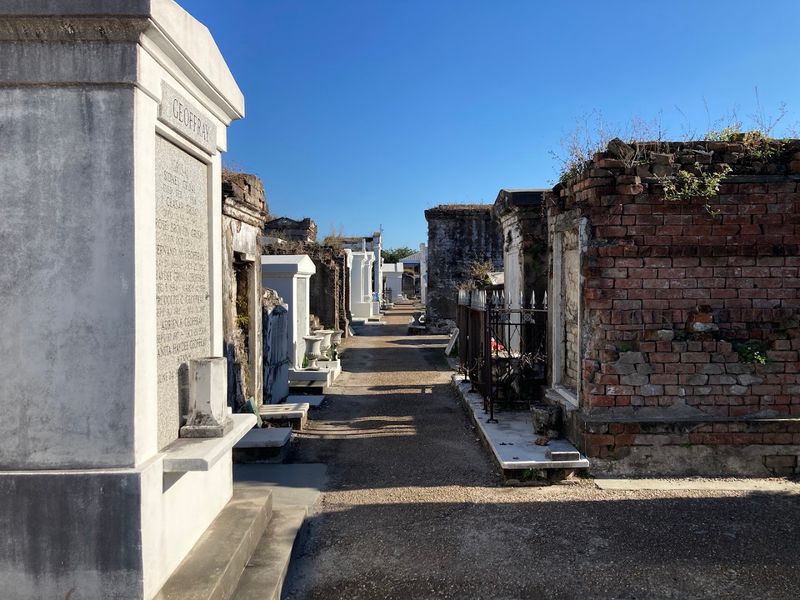
Photography is permitted but governed by etiquette: treat tombs like monuments and avoid staging poses that trivialize the setting. Guides request that visitors refrain from recording the tour in a way that distracts others or from stepping onto tombs for a dramatic shot, keeping imagery respectful and documentary-minded.
Still images that capture architectural detail and the play of light across marble are encouraged, provided they do not interfere with the guide’s narration or the privacy of family members visiting graves. Maintain awareness of the active burial nature of the site.
Thoughtful photos can be a way to remember, not to disturb.
Consider Weather And Tour Continuity
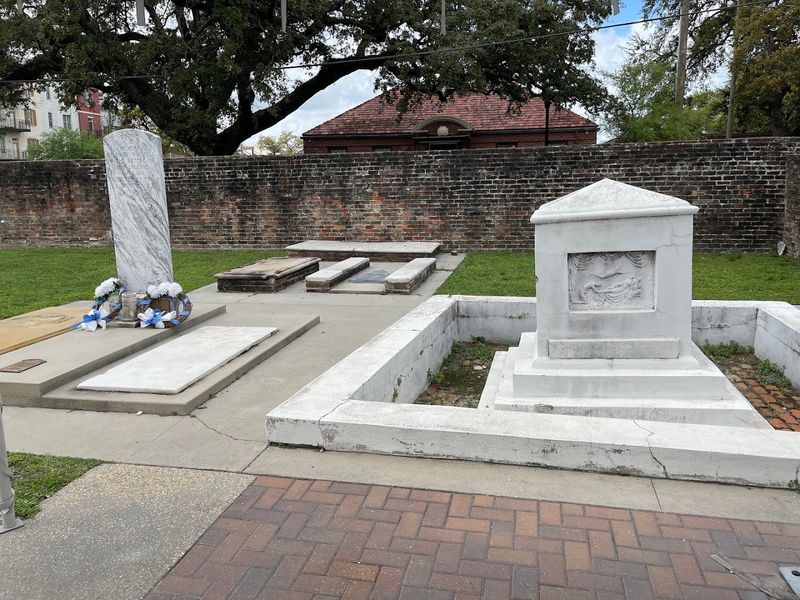
Tours generally proceed rain or shine, so prepare for New Orleans weather by bringing a compact umbrella or lightweight rain jacket when forecasts suggest showers. The cemetery offers little shelter, and guides will adapt the route as needed, though severe storms may prompt cancellations for safety reasons.
Checking the tour operator’s website or calling ahead can clarify weather policies, and staff at Basin St Station are helpful with last-minute adjustments. Flexible planning reduces stress and keeps the day enjoyable even with unpredictable elements.
A modest readiness for weather makes the visit smoother and more comfortable.
Ask About Family Passes If Necessary
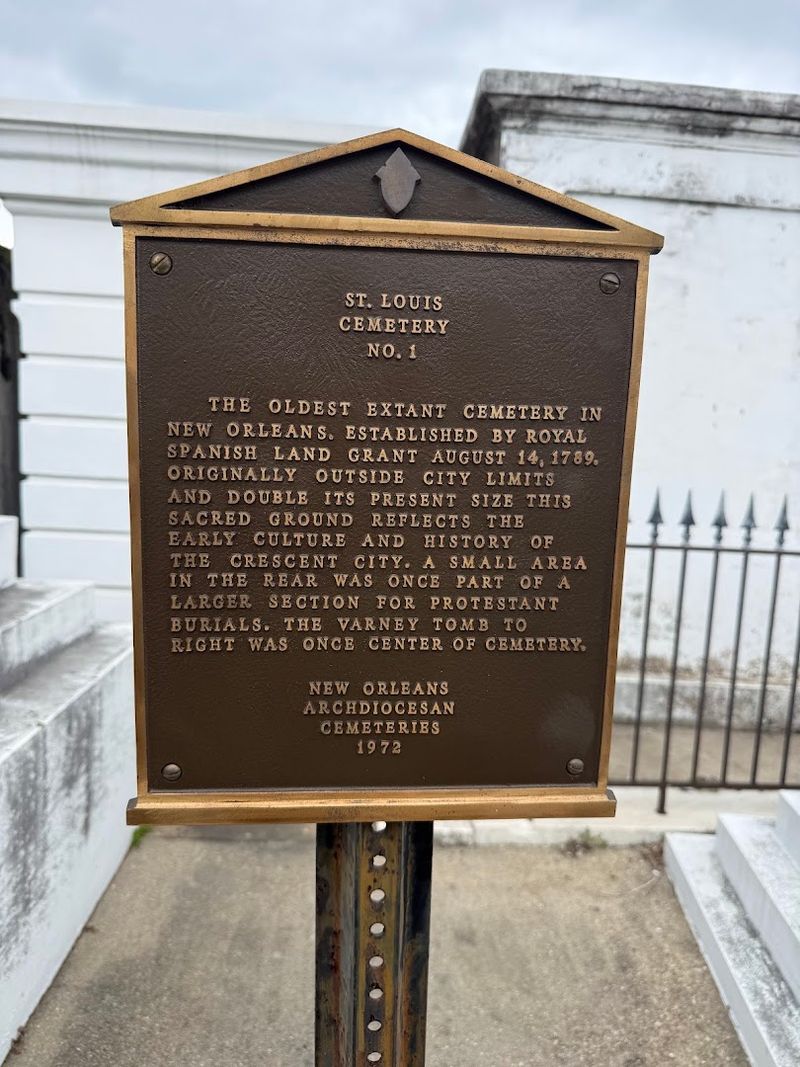
For relatives of those interred or for tomb owners, the Archdiocese issues special passes allowing private access outside public tour times; contacting the New Orleans Catholic Cemeteries Office initiates that process. These passes help balance private remembrance with site preservation and ensure that genealogists or family members can visit without joining a public tour.
Documentation and clear communication with cemetery staff streamline the request, and office personnel can explain any restrictions. The system preserves both privacy and the historic fabric by regulating additional visits.
If you have a personal connection, start with the diocesan office well ahead of your trip.
Plan For Group Size Limits
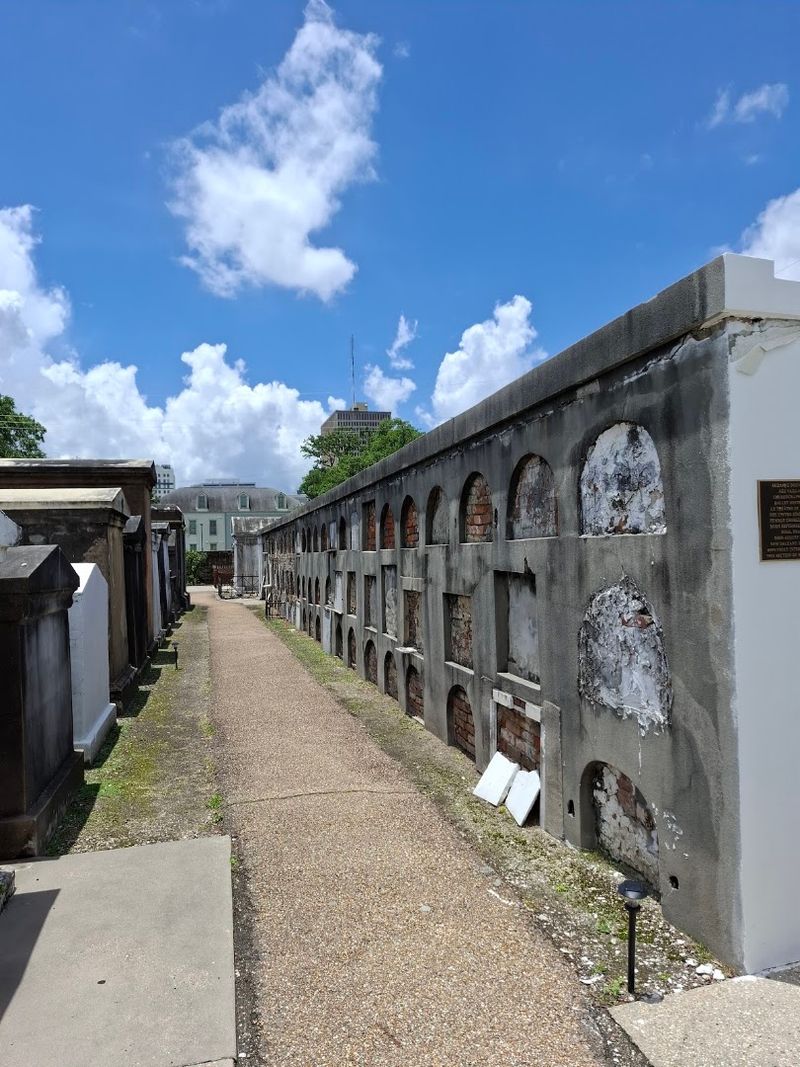
Group sizes for official tours are capped to protect the cemetery’s narrow corridors and fragile vaults, commonly limiting departures to twenty people per guide. Larger parties must split into multiple bookings and staggered times to comply with capacity rules, so organizing ahead is key for family groups or school visits.
Reserving tickets in advance helps secure contiguous slots and avoids disappointment at the visitor center. If traveling with children, note that the guides adapt pacing and content, and seating is not part of the route, so plan accordingly.
Smaller groups make for calmer movement and a more intimate learning experience.
Appreciate The Unique Above Ground Architecture
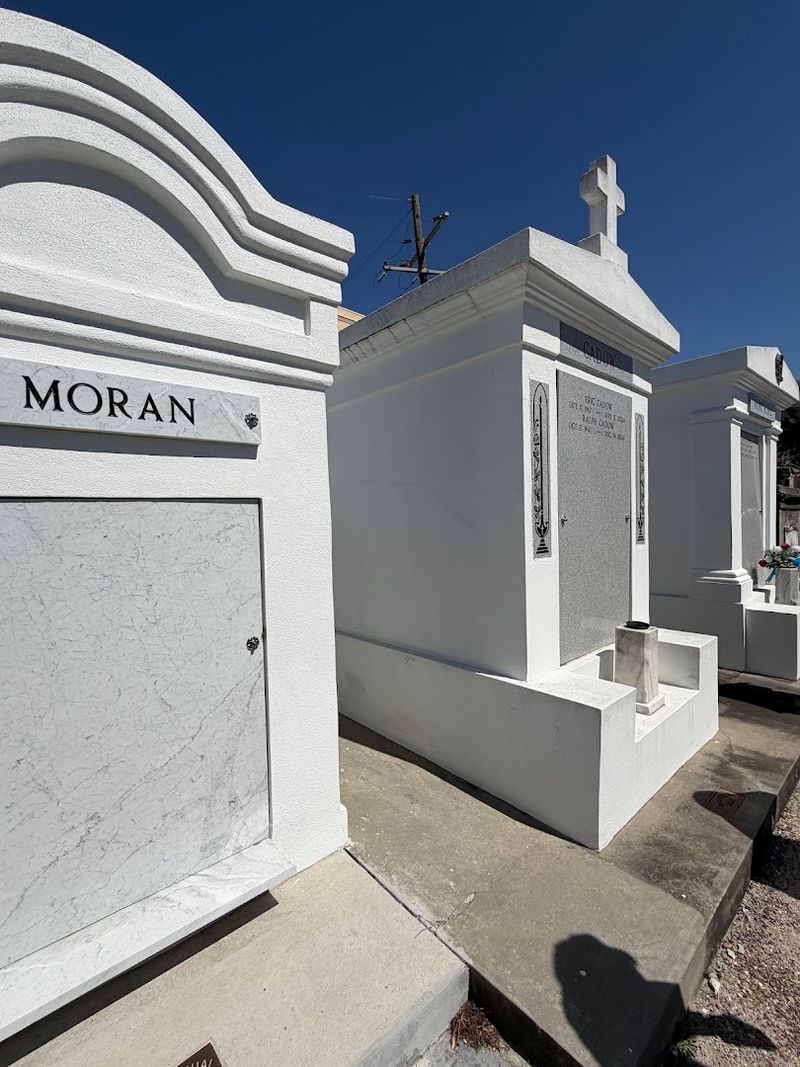
The cemetery’s above-ground vaults evolved from pragmatic responses to New Orleans’ high water table and an 1803 ordinance, and the result is a layered architectural landscape reflecting French and Spanish influences. Walking through reveals family vaults, society tombs, and ornate markers that chart changing tastes and materials over centuries.
Guides identify stylistic features and explain entombment practices, giving context to why certain families clustered or built taller monuments. Observing masonry, inscriptions, and repair techniques offers insight into conservation challenges and the community’s evolving ways of commemorating the dead.
Allow time to let the architecture tell its quiet, layered stories.