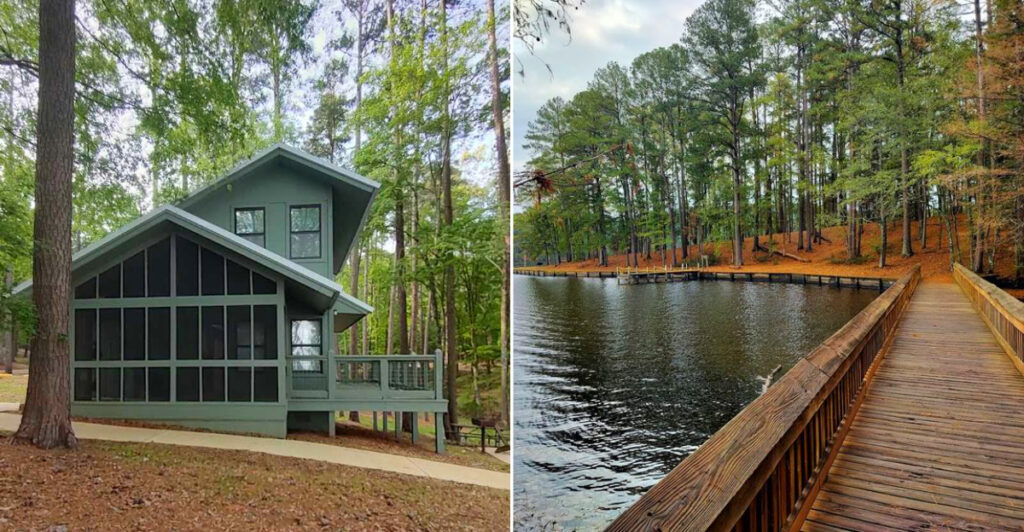
My friend told me about a lake park with disc golf. I nodded politely and expected nothing special. Then I arrived and realized I had completely underestimated what was waiting here. The sandy beach alone would have been enough to make the drive worthwhile.
Clean water. Soft shoreline. Hardly anyone around. But then I found the cabins tucked into the trees and started doing mental math about how soon I could come back and stay overnight.
And the disc golf courses. I am not even a regular player, yet I somehow spent two hours throwing plastic at metal baskets with a ridiculous grin on my face. Both courses are ranked among the best in the entire state.
I should have brought more discs. I should have packed a cooler. I should have planned a longer trip. Next time I will.
If you want a spot that delivers way more than you expect, this park deserves a spot at the top of your list.
Woodland Retreats
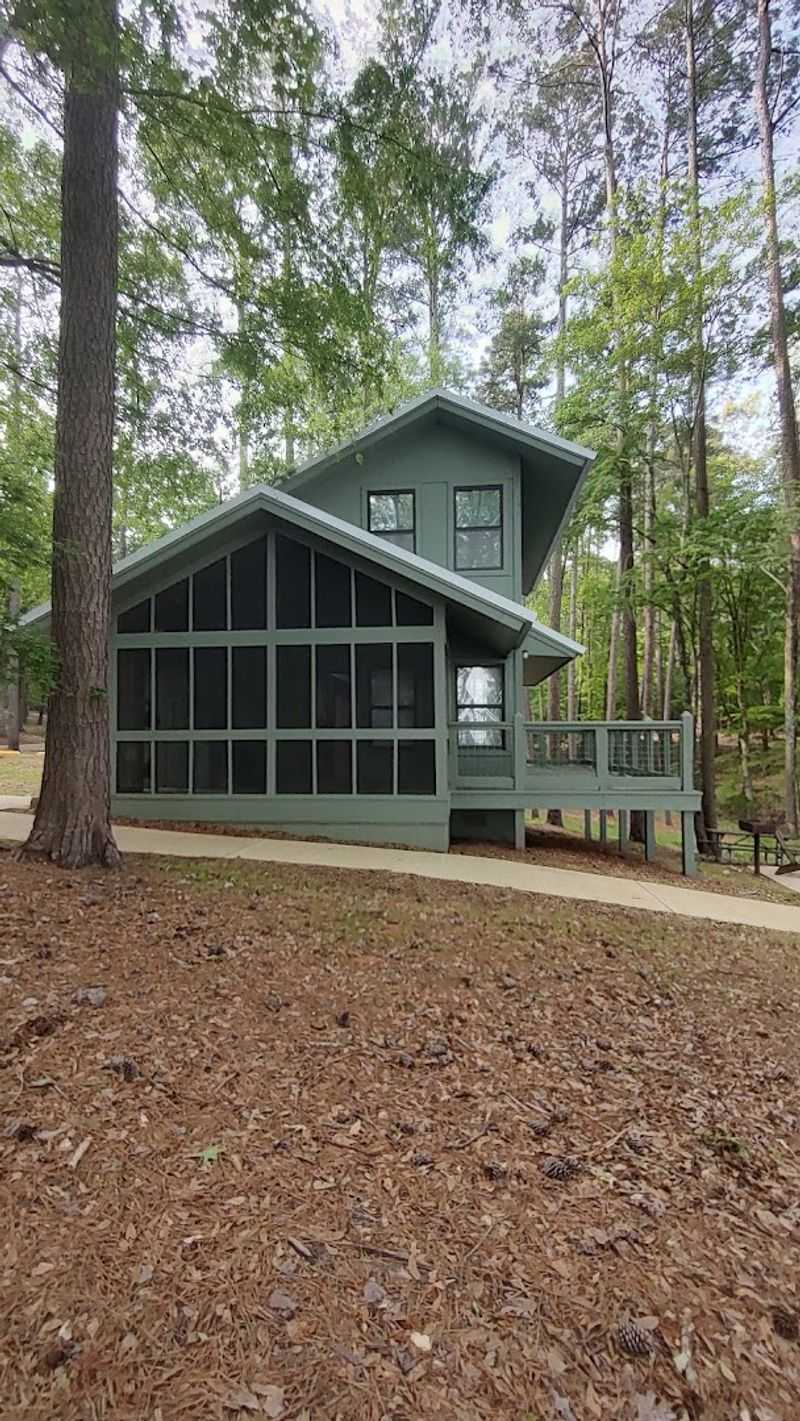
The cabins at Lake Claiborne are small, practical retreats that emphasize comfort over flash, with screened porches, full kitchens, and climate control to handle Louisiana humidity. Many sit close enough to the water to hear the lake lap at night, and the decks make for easy coffee-watching as the morning light slips through pines.
Interiors are simple and clean, with the predictable state-park utilitarian charm that travelers appreciate for longer stays.
Booking early is helpful during peak weekends, and pets are allowed with rules and a deposit, so plan accordingly. Expect basic linens and a quiet neighborhood of campsites and nature sounds; these cabins feel like a private pocket of the park where a calm night comes easily.
The Beach Is Waiting Beyond Homer’s Last Turn
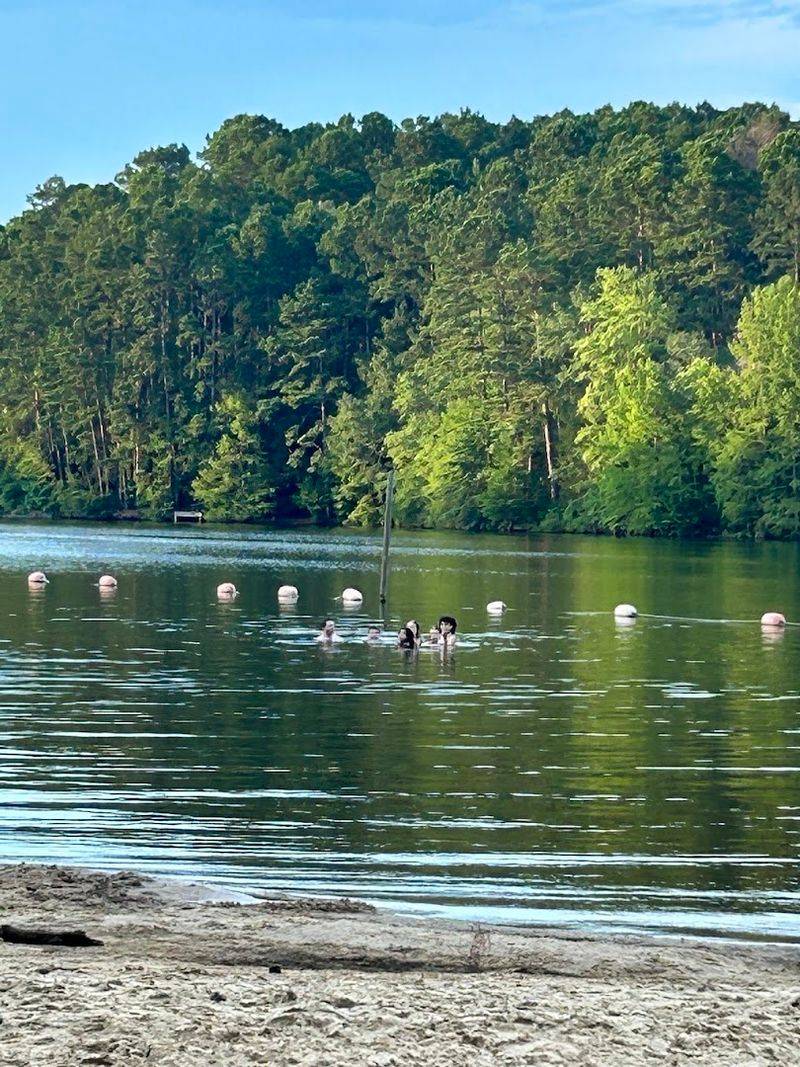
Lake Claiborne State Park is at 225 State Park Road near Homer, Louisiana, on the southern shore of Lake Claiborne. Approach through Homer, then follow the local highways and park signs north toward State Park Road.
The final stretch leaves town for a quieter run through pine woods and scattered lakeside properties. Continue to the signed state park entrance, where the access road leads toward the entrance station and separates into routes for the beach, campground, boat launch, and day-use areas.
After checking in, follow the internal signs to the parking area nearest your destination. The park gates open daily at 6 a.m., while swimming is limited to the designated beach area from sunrise to sunset and is not supervised by lifeguards.
Unexpected Fairways
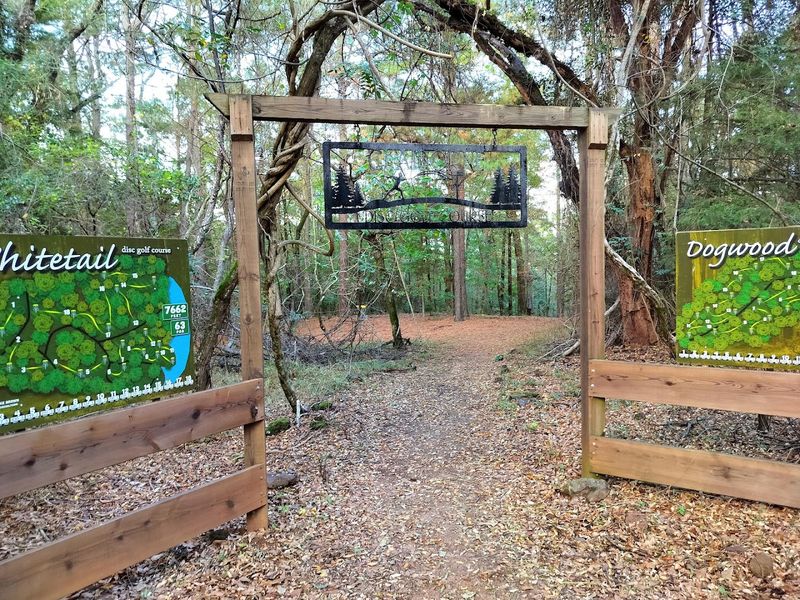
Two 18-hole disc golf courses at Lake Claiborne surprise many first-time visitors by their quality and variety, with Dogwood offering tighter, technical holes and Whitetail giving longer, scenic drives toward the lake.
Both courses were thoughtfully routed through mature pines and rolling ground, where elevation changes make each hole feel distinct and strategic.
Local players rate these among the best in the state for a reason: the routing and upkeep keep rounds engaging.
On weekend mornings there’s a steady trickle of walk-up players; check the park fee station for disc rentals and course maps. Shoes with traction help on leaf-covered fairways, and bring a reusable water bottle, some tee boxes are a good walk from parking.
Navigating The Lake
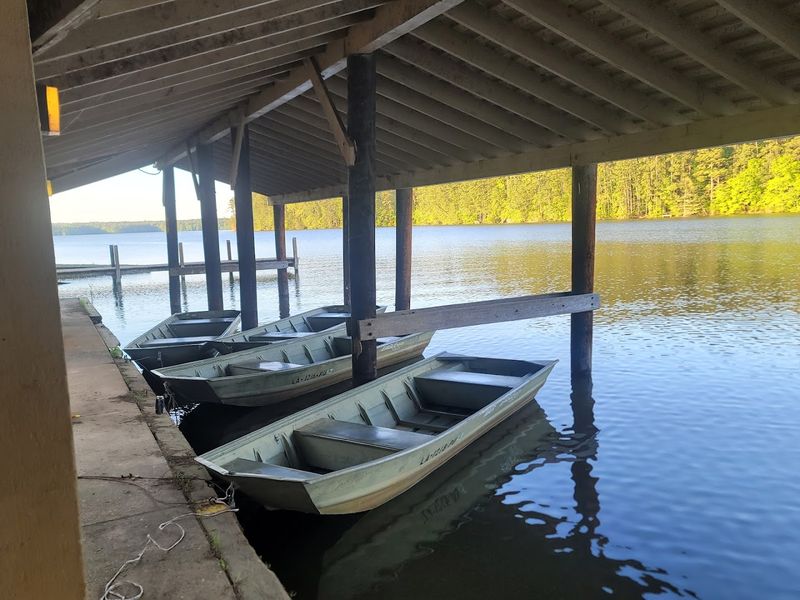
Lake Claiborne’s 6,400 acres offer a lake experience that ranges from gentle paddling to powered boating, formed when Bayou D’Arbonne was dammed in 1970. The park provides rentals for kayaks, canoes, and flat-bottom boats if you arrive without gear, and several launch points make exploration straightforward.
Anglers find largemouth bass, crappie, and catfish commonly; the lake’s stocking and clear water create reliable fishing opportunities.
I noticed boat traffic concentrates on main basins while coves stay quiet, so pick a launch time to match your mood. Life jackets are required for some rentals, and shallow docks plus ramps help with both fishing and launching small craft.
Expect to check in at the park office for rental details and lake regulations.
Trails Through Timber
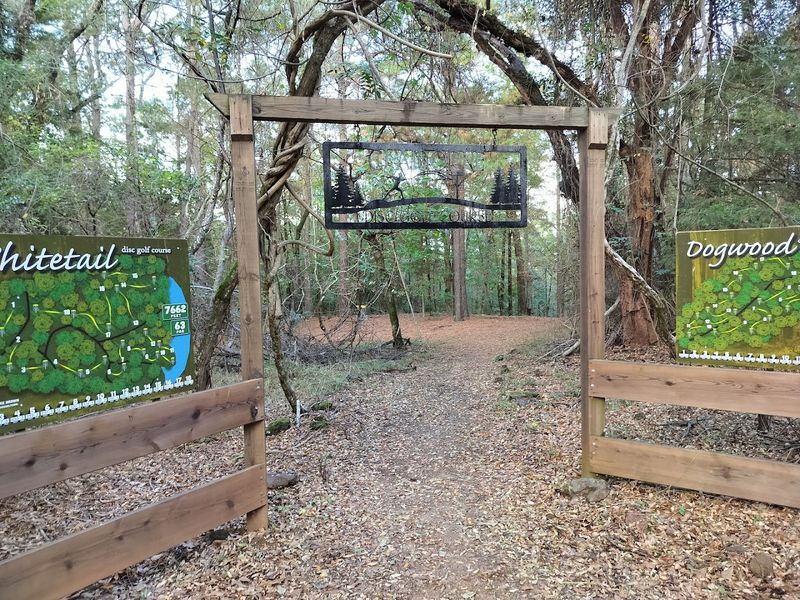
The park’s trails move through mixed hardwoods and pines, from the short Dogwood Nature Trail to the more ambitious White Tail Hiking Trail that runs about six miles. Each path has its own feel: tight, tree-lined singletrack that thrills on a brisk morning, or open ridgelines where birdsong and wind become the lead actors.
Trailheads are well marked and often tie into interpretive panels that explain local flora and fauna.
Guided hikes occasionally run with the park naturalist, which is an excellent way to learn migration patterns or plant ID. Wear layered clothing for variable shade, and bring insect repellent in warmer months.
Leave no trace by staying on marked routes to protect sensitive understory plants and nesting sites.
Planning Your Visit
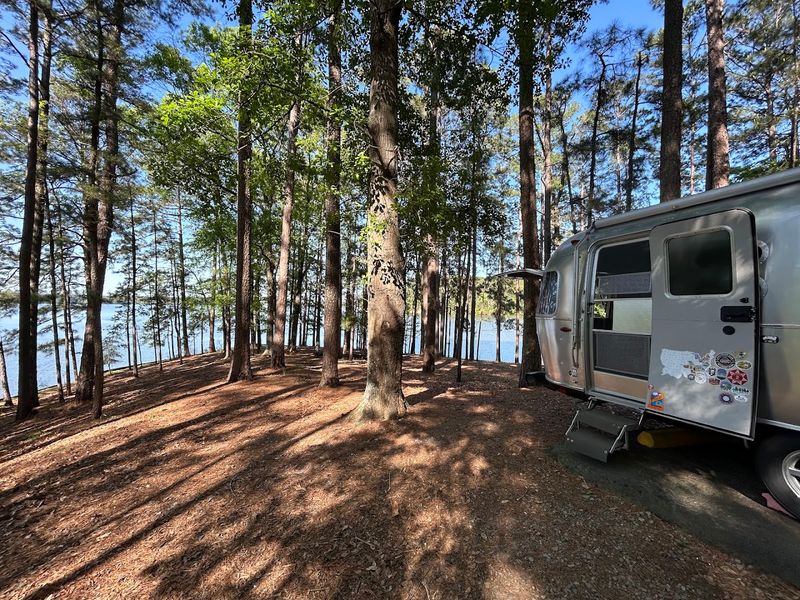
Planning a stay at Lake Claiborne is straightforward: the park offers tent sites, RV hookups, cabins, and primitive options, with modern restrooms and a laundry facility noted for cleanliness. Entrance fees apply per person, though seniors and young children sometimes receive discounts, and reservation windows fill on popular summer weekends.
The RV loops are shaded and often back into lake views, but shore spots are limited so reserve early for a waterside experience.
Gatehouse staff are typically helpful with directions and local tips if you need them. Roads in the park can be narrow and occasionally bumpy, so take care with larger rigs.
Pack layers, sunscreen, and a printed map in case of spotty cell service in some areas of the park.
Wildlife And Birding
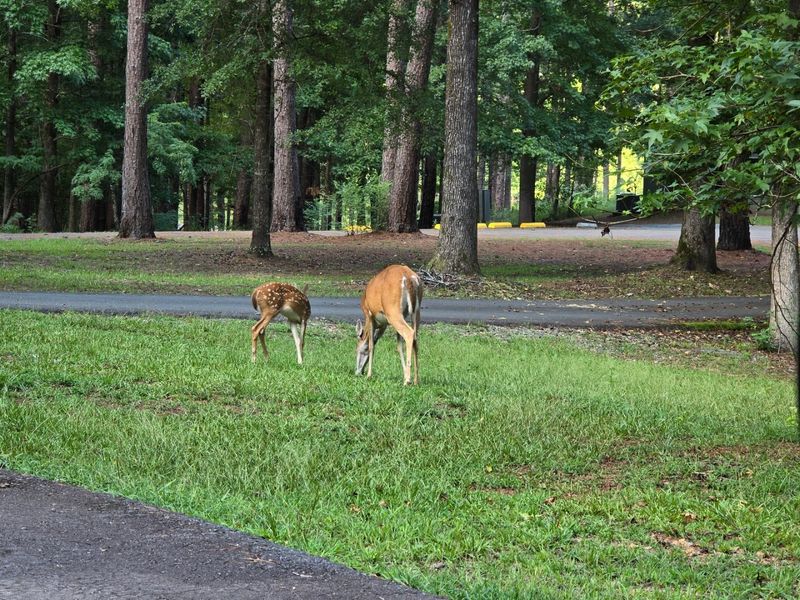
Wildlife is a quiet highlight at Lake Claiborne: white-tailed deer browse near campsites, songbirds move through the canopy, and waterfowl visit protected inlets. Birding here can be rewarding during migration windows, and I often carried binoculars just to catch quick flashes of color among the pines.
The park’s varied habitats, shoreline, forest, and scrub, support a surprising range of species in a compact footprint.
Early mornings and late afternoons maximize sighting chances; slow, quiet movement increases success. Stay on trails to avoid disturbing nests and use marked viewing areas where provided.
A field guide or a birding app helps confirm species in the moment and adds a layer of discovery to routine walks.
Family Friendly Amenities

The park leans family friendly with a sizable beach, picnic shelters, a playground, and accessible restrooms that keep group days manageable. Parents appreciate shaded tables and clean shower facilities with reliable hot water, while kids have safe swim areas and open lawns for games.
Weekends can get lively, but the park’s layout spreads activity out, so families can find quieter pockets when they need small respites.
Bring a picnic and a shade tarp if you plan a full day, and consider arriving early to claim a preferred shelter. The park enforces quiet hours at night so campers get rest, and staff at the gatehouse can recommend family-oriented loops or lower-traffic picnic spots.
Seasonal Notes
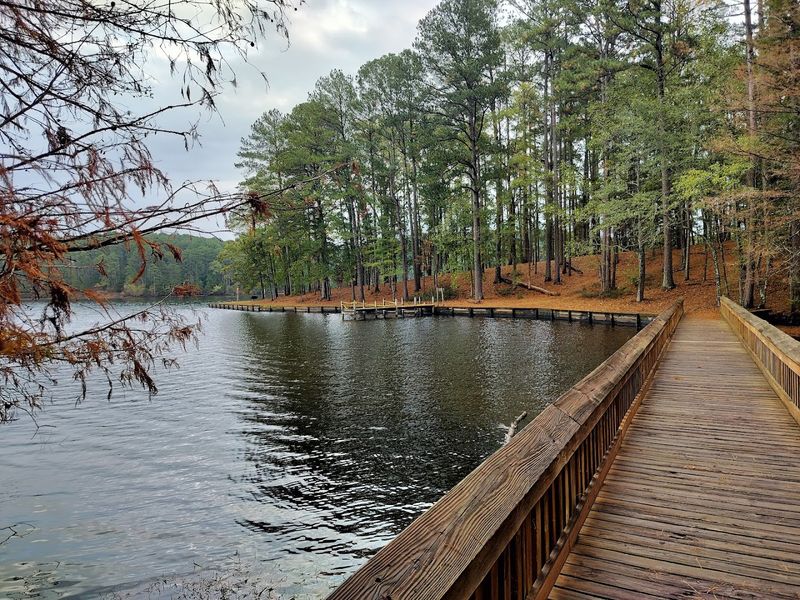
Seasons shift Lake Claiborne’s personality: summer delivers full beaches and boating energy, while fall cools the air and fills the trails with rustling leaves and quieter campsites. Winter brings stillness and long sightlines across the water, and spring teems with wildflower edges and bird migration activity.
Each season has its practical effects on amenities and crowds, so timing your visit matters more than you might expect.
In summer, reserve early and plan shade; in cooler months, pack warm layers for evening by the lake. Fall and spring are ideal for disc golf and hiking with milder temperatures and clearer tee shots among the pines.
Check the park calendar for any scheduled programs or trail closures before arrival.
Preservation Practices
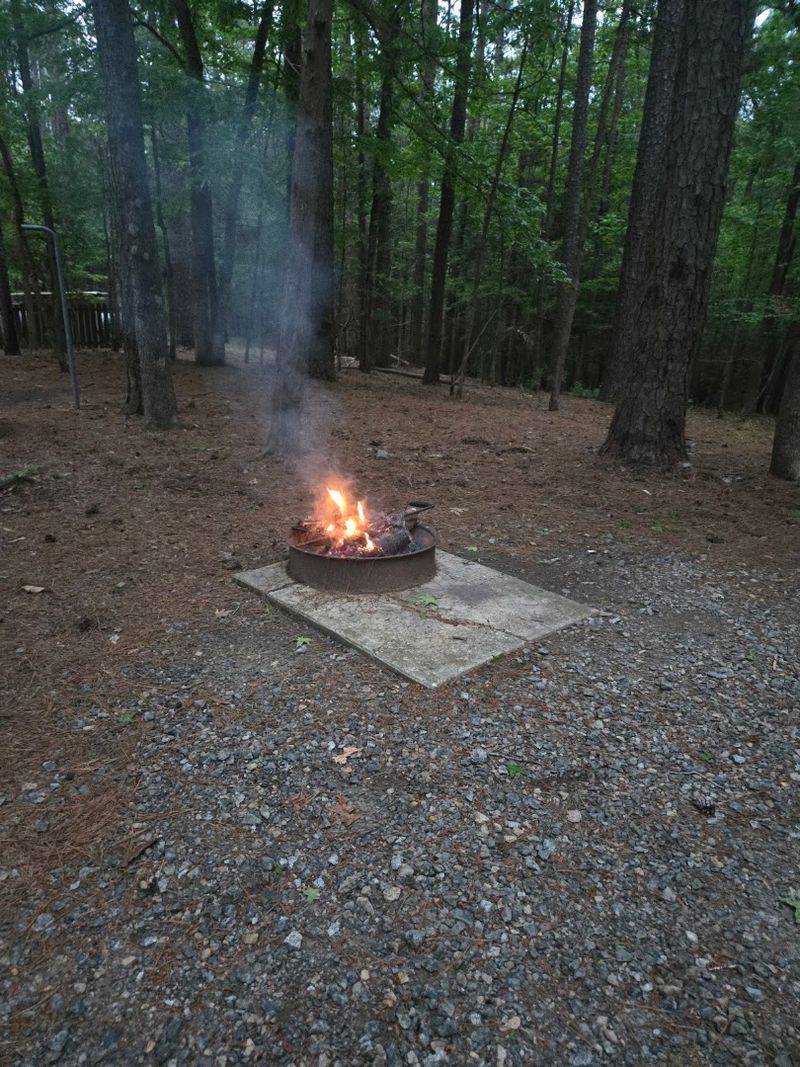
The park balances recreation with stewardship through visible preservation practices: clear signage asks visitors to pack out trash, designated fire rings limit impact, and trails are routed to protect sensitive understory. Rangers and volunteers periodically run cleanups, and the park naturalist offers guidance on minimizing disturbance to nesting birds and bank erosion.
These small measures keep the lake water clear and the beach pleasant year after year.
Do your part by using marked trails, disposing of waste properly, and avoiding feeding wildlife. If you notice maintenance issues or hazards, report them to the office so staff can respond quickly.
These everyday decisions help the park stay welcoming for the next family or solo traveler.
Local Logistics
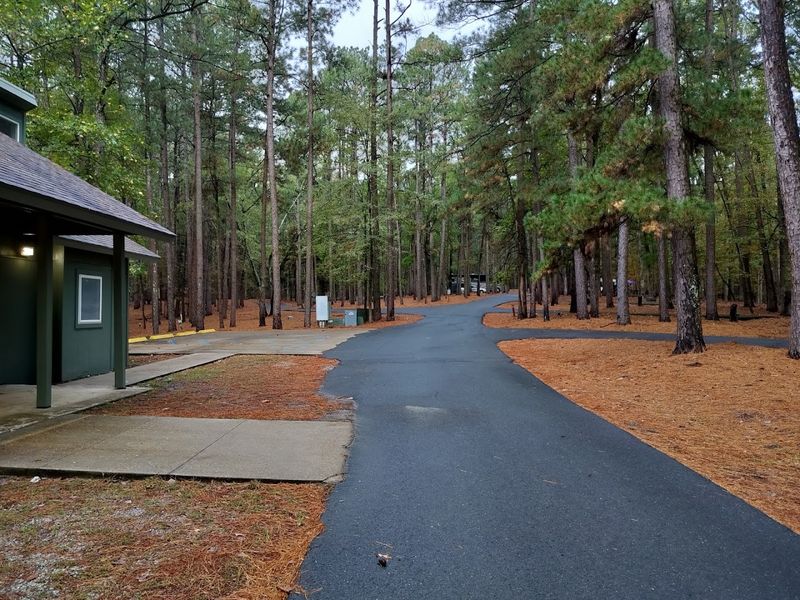
The gatehouse at Lake Claiborne is your first good resource: staff can explain fee structure, cabin check-in, and current conditions like road maintenance or site availability.
Cell service is generally good near the developed areas but can be spotty on remote trails, so download maps or print directions if heading into less trafficked corners.
Payment options and reservation systems follow standard state-park protocols, and onsite signage clarifies quiet hours and pet policies.
Plan drives to Homer or other nearby towns for supplies, as the park has limited retail offerings. Arrive with fuel for larger rigs, and be mindful of narrow park roads when towing.
If you need local tips, ask at check-in for recommended loops or current trail conditions.