Michigan food does not always explain itself politely.
A pastry may arrive with rutabaga inside. A burger can wear green olives instead of pickles. Pizza sauce appears after the cheese, and a drink named for Boston belongs entirely to Detroit.
Confused yet? Good. The menu is working.
These foods grew from mining communities, neighborhood diners, and Detroit counters that had little interest in following national rules.
Some began as practical meals for workers. Others combined ingredients that looked questionable until the first bite settled the argument.
You may approach with caution, but Michigan has converted plenty of skeptics.
Learn the pronunciation and do not fight over the final pizza corner unless you are prepared to defend your claim.
1. Upper Peninsula Pasties
Say “paste-ee” in the Upper Peninsula, and lunch may begin with a pronunciation lesson.
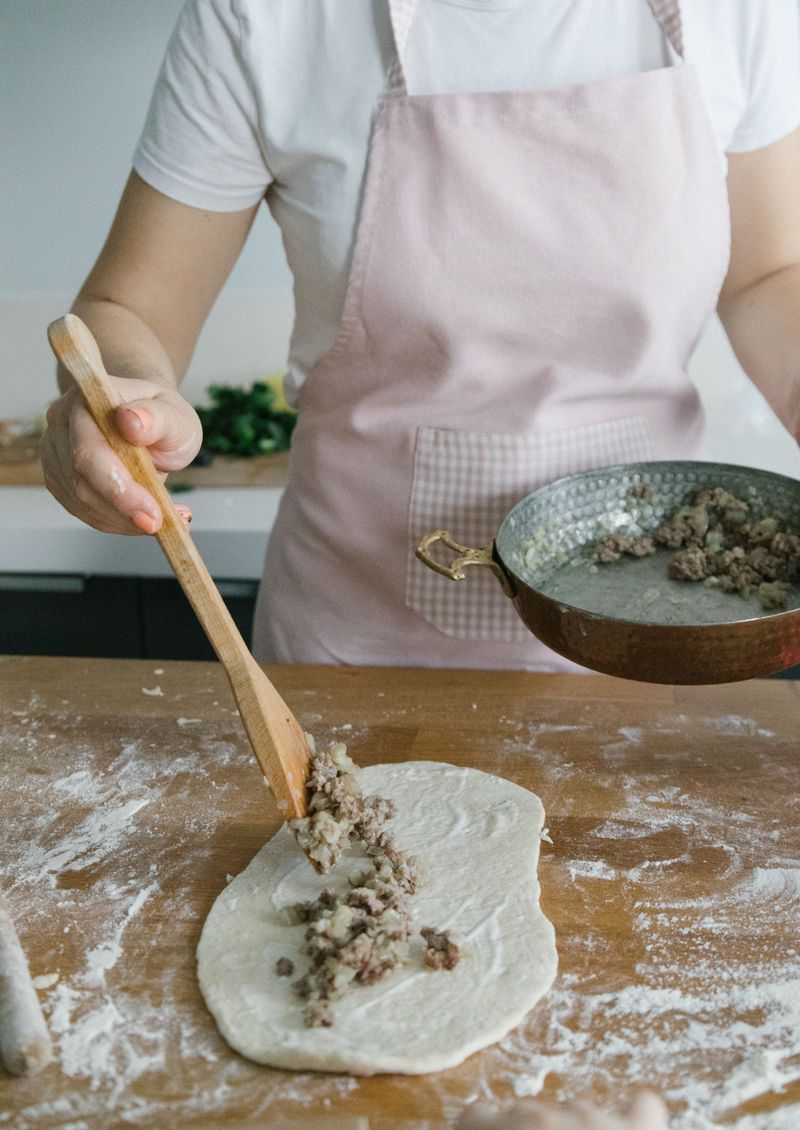
The local pronunciation is closer to “PASS-tee.” Once you get that sorted, the food becomes easier to understand: a sturdy pastry shell packed with meat, potatoes, onions, and usually rutabaga.
Cornish miners brought pasties to Michigan’s Upper Peninsula during the mining era. The enclosed hand pie gave workers a portable meal that could travel underground without plates, forks, or loose side dishes.
The filling changes between shops. Some versions use diced beef, while others include ground beef or a mixture of meats. Rutabaga brings a mild sweetness that visitors do not always expect from a savory pie.
Then comes the question that can divide a table faster than politics: gravy or ketchup?
You are allowed to choose, but do not expect the person beside you to remain neutral. Some pasty shops serve gravy automatically, while others leave the pastry untouched.
One warm pasty may look modest inside its paper wrapper. Halfway through, you will understand why miners trusted it to carry an entire meal.
2. Detroit Coney Dogs
New York can keep the amusement park. Detroit has its own plans for the word “Coney.”
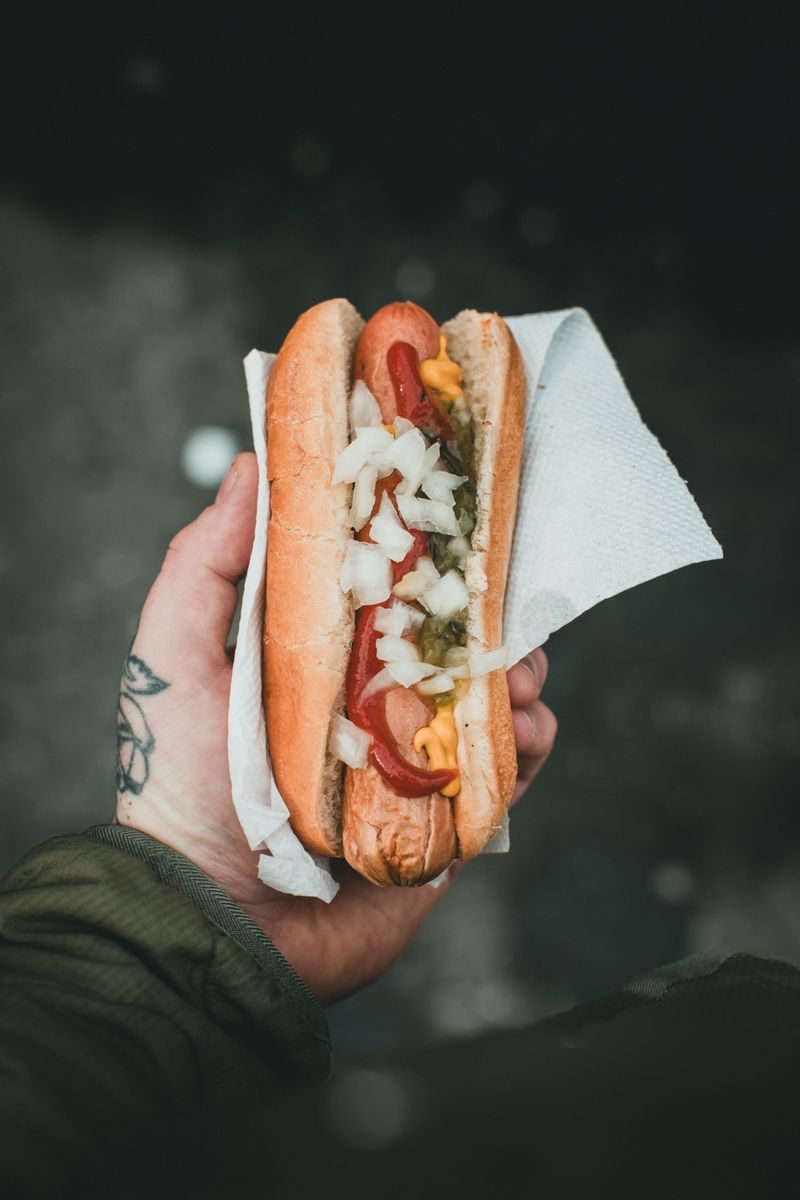
A Detroit coney dog begins with a beef frankfurter in a natural casing, placed inside a steamed bun. Beanless meat sauce covers the dog before yellow mustard and finely diced onions finish the order.
The name carries immigrant history instead of a direct connection to a New York recipe. Greek and Macedonian restaurant owners helped establish Michigan’s coney tradition during the early twentieth century.
Downtown Detroit gives you one of the state’s most famous taste tests. American Coney Island opened in 1917, and Lafayette Coney Island later opened next door. Both continue serving their versions on West Lafayette Boulevard.
Which one is better?
That question has launched decades of arguments and serious discussions about sauce texture. Ordering one from each counter lets you conduct your own research, though the experiment usually ends with mustard on at least one sleeve.
The casing snaps, the sauce adds richness, the mustard cuts through it, and the onions bring a sharp finish.
By the final bite, “just a hot dog” will sound like an insult.
3. Michigan Olive Burgers
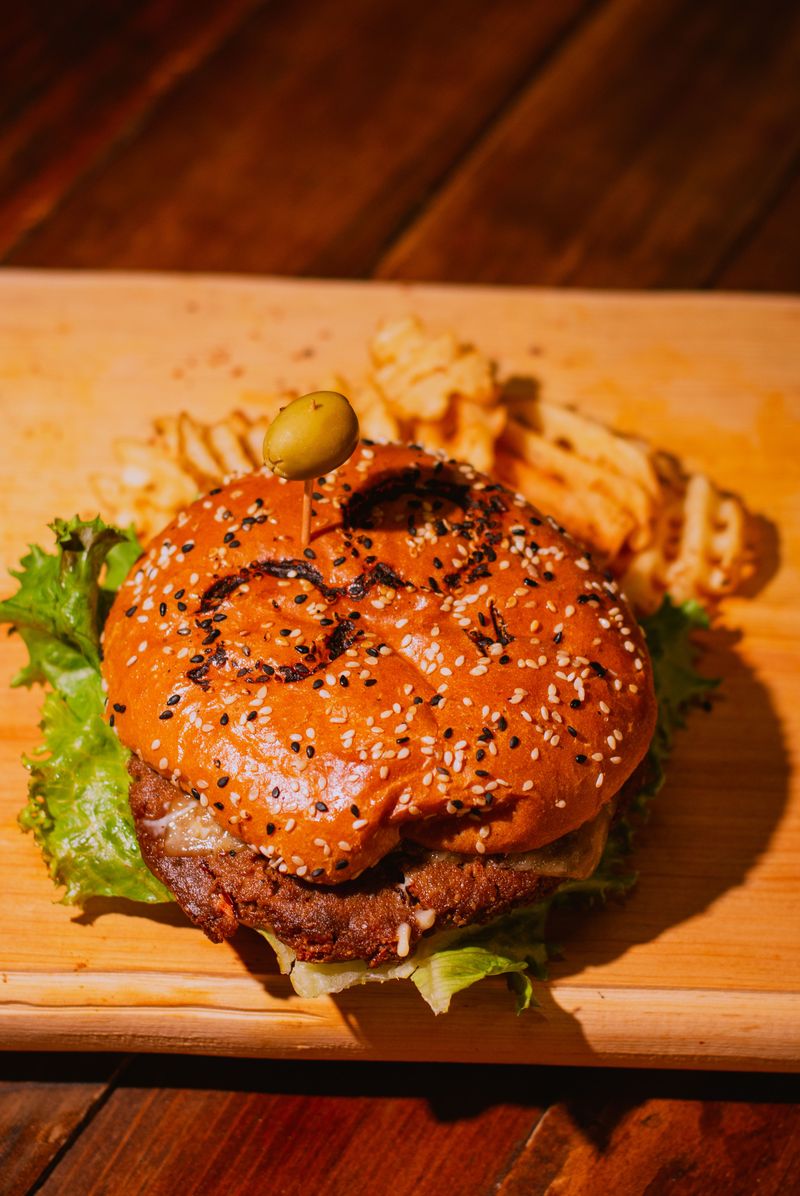
Green olives on beef may sound like the refrigerator made a desperate decision. Michigan diners know better.
The olive burger has especially deep roots around Lansing, where chopped green olives are commonly combined with mayonnaise or a creamy dressing and piled over a grilled burger.
Weston’s Kewpee Sandwich Shop in downtown Lansing has served burgers since 1923. Its olive burger joined the menu in the 1920s, helping establish a combination that would become closely associated with mid-Michigan.
Your first reaction may be suspicion. The sauce looks pale, the olives are unapologetically green, and the topping does not stay neatly inside the bun.
Take the full bite anyway.
The briny olives cut through the beef and creamy sauce, creating a combination that makes more sense in your mouth than it ever did in your imagination.
Restaurants across the region serve versions with different olive sizes, mayonnaise ratios, and extra toppings. One burger cannot settle which interpretation is best.
Fortunately, Michigan has never asked anyone to stop after one olive burger.
4. West Michigan Wet Burritos
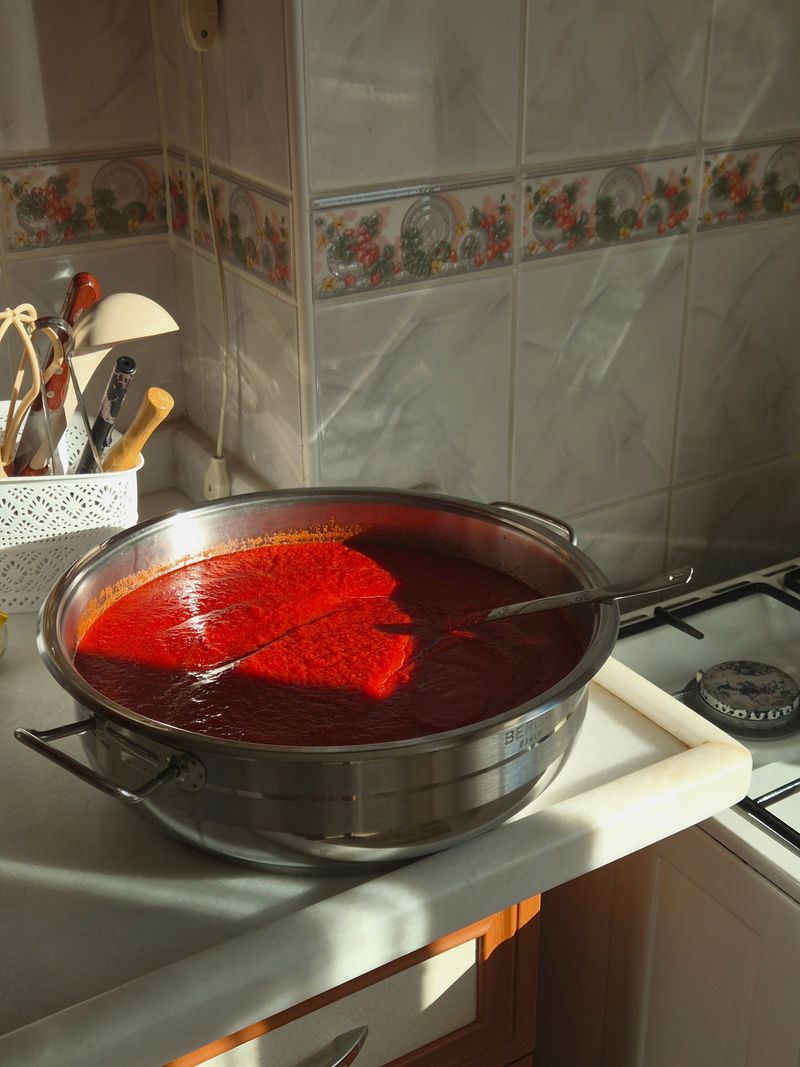
The word “wet” rarely improves a menu description. West Michigan found the exception.
A wet burrito arrives on a plate instead of in your hands. A large flour tortilla surrounds seasoned meat, beans, and other fillings before red sauce and melted cheese cover the entire surface.
The Beltline Bar in Grand Rapids has long promoted itself as the creator of the West Michigan wet burrito. Other area restaurants also helped turn the saucy dish into a regional fixture.
Do not attempt to lift it unless you enjoy wearing dinner.
A knife and fork let you cut through the sauce, soft tortilla, cheese, and filling in one pass. The tortilla absorbs enough sauce to become tender while still holding everything together.
The portion often occupies nearly the entire plate, creating a moment of false confidence when it first arrives. Halfway through, negotiations may begin.
Could you save the rest?
Of course. Unfortunately, the next bite is already covered in melted cheese, so the discussion has been postponed.
5. Detroit-Style Pizza
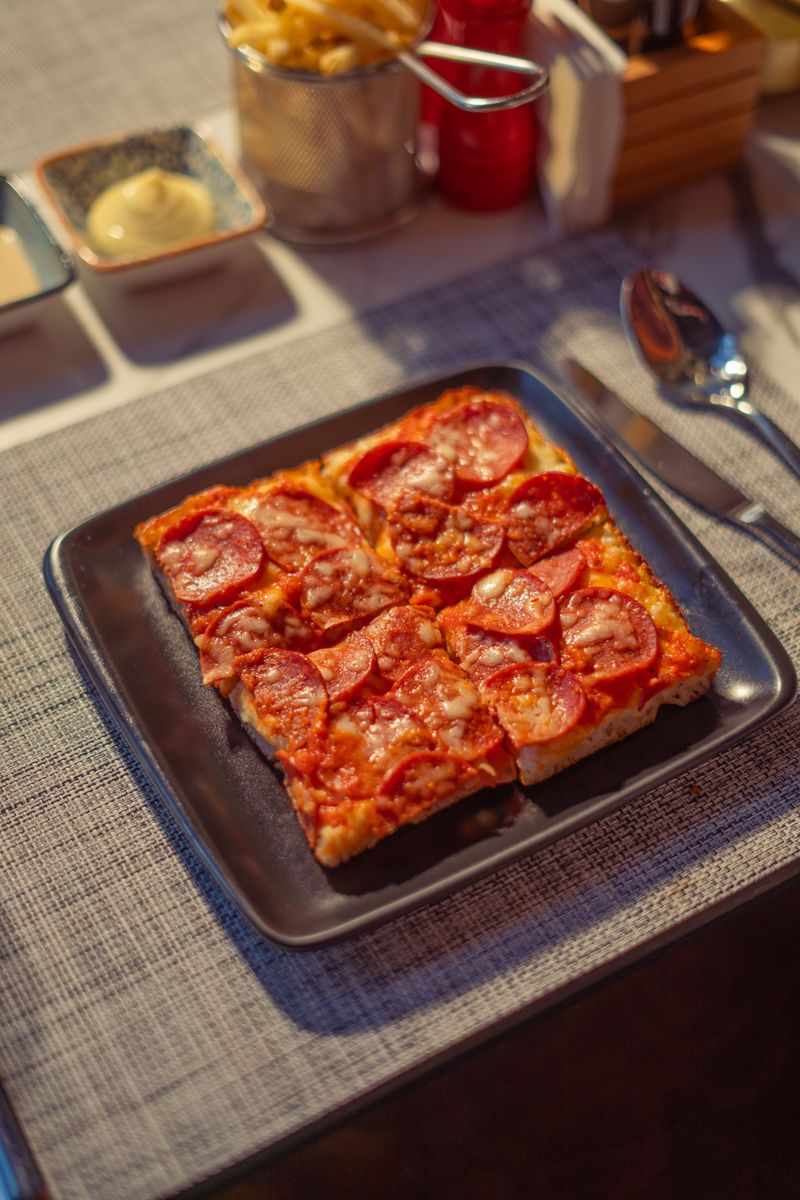
Detroit-style pizza puts sauce on top and dares you to call it backward.
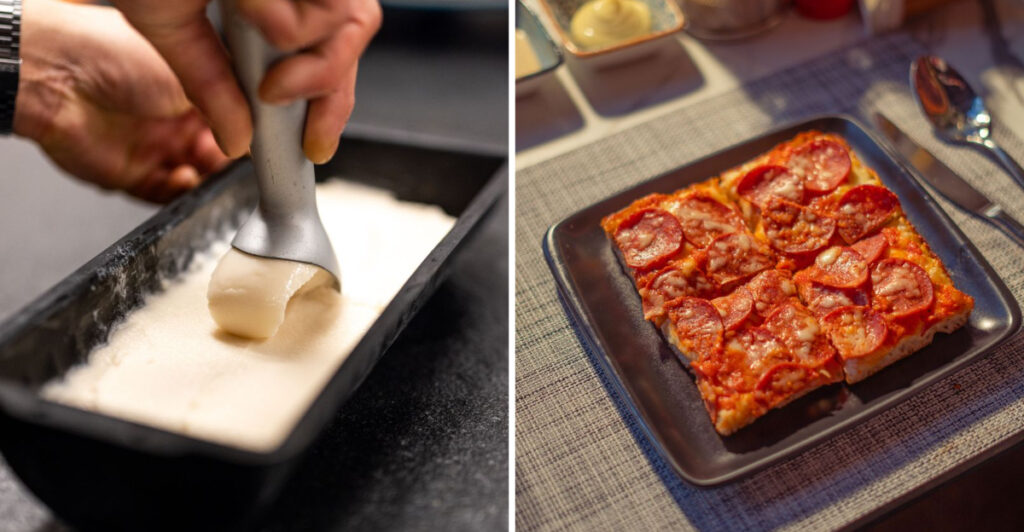
The pizza bakes in a rectangular steel pan with a thick, airy crust. Cheese reaches the edges, where it melts against the hot metal and forms a dark, crisp border. Tomato sauce is commonly placed in stripes over the cheese.
The style traces its history to Buddy’s Rendezvous in Detroit, where Gus Guerra introduced the pizza in 1946 using a Sicilian-inspired dough recipe.
Stories often connect the early pans to industrial trays used around Detroit’s automotive plants. The Motor City connection has become inseparable from the pizza’s identity.
Corners are the prize.
Each corner piece receives two caramelized cheese edges, giving it more crunch than a center slice. You can pretend the table is sharing fairly, but everyone noticed who reached first.
The bottom carries a crisp texture from the oiled pan. Above it, the interior stays soft and bread-like beneath the cheese and sauce.
It is square, layered in the supposedly wrong order, and shaped like it was engineered instead of baked.
In Detroit, that counts as a compliment.
6. Cudighi Sandwiches
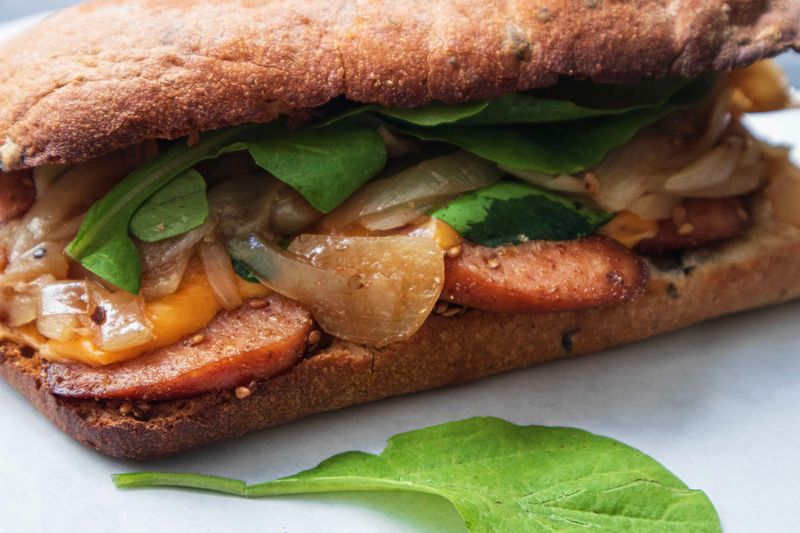
“Cudighi” sounds like a password. In Marquette, it is lunch.
This Upper Peninsula specialty centers on a spiced Italian sausage patty served on a firm roll. Seasonings can include garlic, pepper, nutmeg, cinnamon, or allspice, giving the meat a warmer flavor than standard Italian sausage.
Cudighi developed through Italian immigrant communities in the Upper Peninsula and became especially associated with Marquette.
Some restaurants add tomato sauce and melted cheese. Others focus on the seasoned meat, onions, and peppers. The exact build depends on where you order.
That first aroma may confuse you before the sandwich reaches the table. Garlic belongs there, but then a sweeter spice moves through and changes the direction.
Take a bite, and the mystery clears.
The dense sausage patty brings savory richness, while the spice blend creates a character you will not get from an ordinary meatball sub or grilled sausage link.
Locals usually have a preferred butcher, diner, or family recipe. Asking who serves the best version may produce a list longer than your drive across the Upper Peninsula.
Cudighi may be difficult to spell after lunch, but remembering the flavor will not be a problem.
7. Pączki
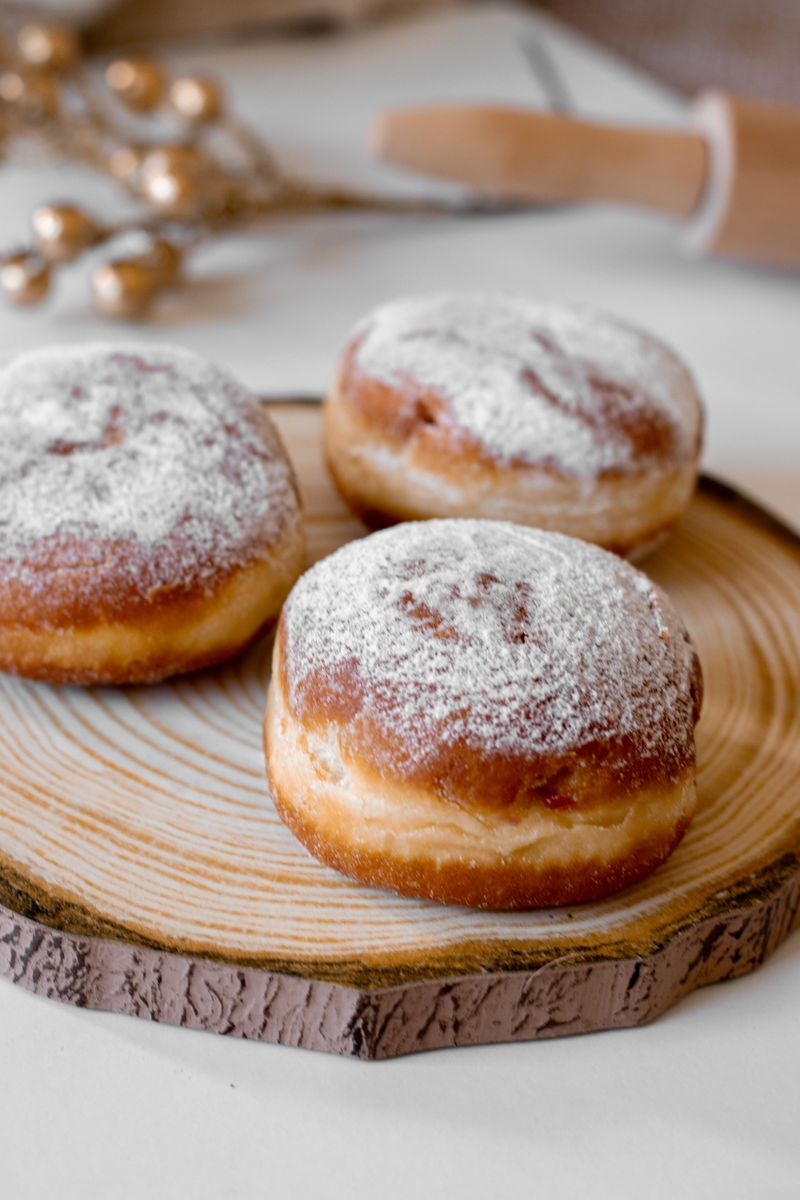
Before you earn the pastry, you must survive the pronunciation.
“POONCH-kee” gets you close to the plural form, while one pastry is a pączek. Michigan’s Polish communities have turned these pastries into the center of one of the state’s biggest Fat Tuesday traditions.
Pączki use rich yeast dough and are filled with jam, preserves, custard, or cream. Powdered sugar, glaze, or other finishes cover the outside.
They may resemble ordinary filled doughnuts across the bakery case, but the dough traditionally contains more eggs and fat, producing a richer and heavier pastry.
Hamtramck becomes especially busy on Fat Tuesday. Polish bakeries prepare enormous quantities, customers order ahead, and early lines form for flavors such as raspberry, prune, custard, lemon, and apricot.
You will tell yourself that one is sufficient.
That is sensible. It is also information you should have considered before buying a mixed box.
Powdered sugar reaches your coat, filling escapes from the opposite side, and every attempt to eat neatly becomes less realistic.
Pączki Day comes once a year. Your napkin can recover tomorrow.
8. Superman Ice Cream
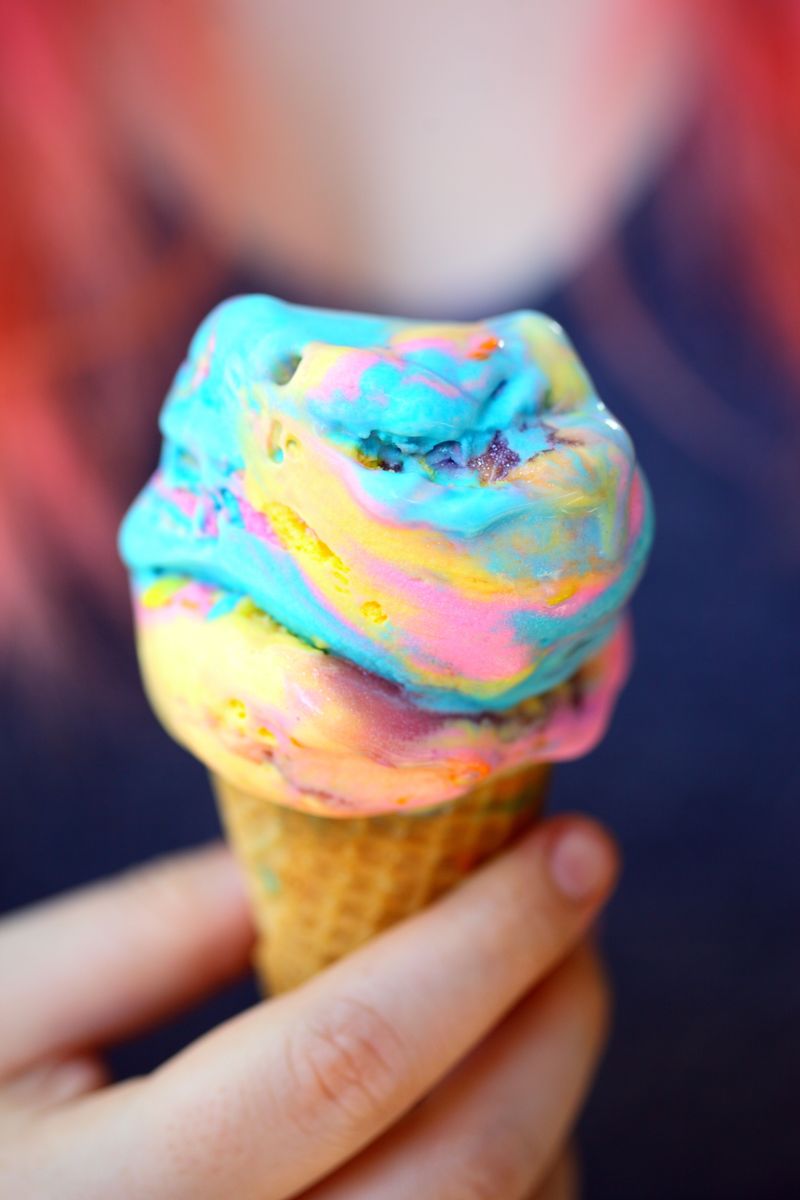
Red, yellow, and blue swirl through the tub like a superhero costume lost a fight with a scoop.
Superman ice cream is closely associated with Michigan, though its exact origin remains uncertain. Stroh’s Ice Cream is commonly linked to the combination’s popularity in Detroit.
The colors stay fairly consistent. The flavors do not.
Yellow may taste like lemon or banana. Red can lean toward cherry, strawberry, or fruit punch. Blue often contains Blue Moon, another Midwestern flavor compared to almond, citrus, cereal, marshmallow, and several answers that contradict one another.
What exactly are you tasting?
That question is part of the experience. Two Michigan dairies can sell nearly identical striped scoops with noticeably different flavor combinations.
Children usually accept the colors without demanding an explanation. Adults tend to analyze each bite as though the cone contains evidence.
Where the colors meet, they blend into new combinations. Red joins yellow, blue melts into both, and certainty disappears before the final scoop softens.
Superman ice cream does not need to make perfect sense. It only needs to survive long enough for a photo.
9. Boston Coolers
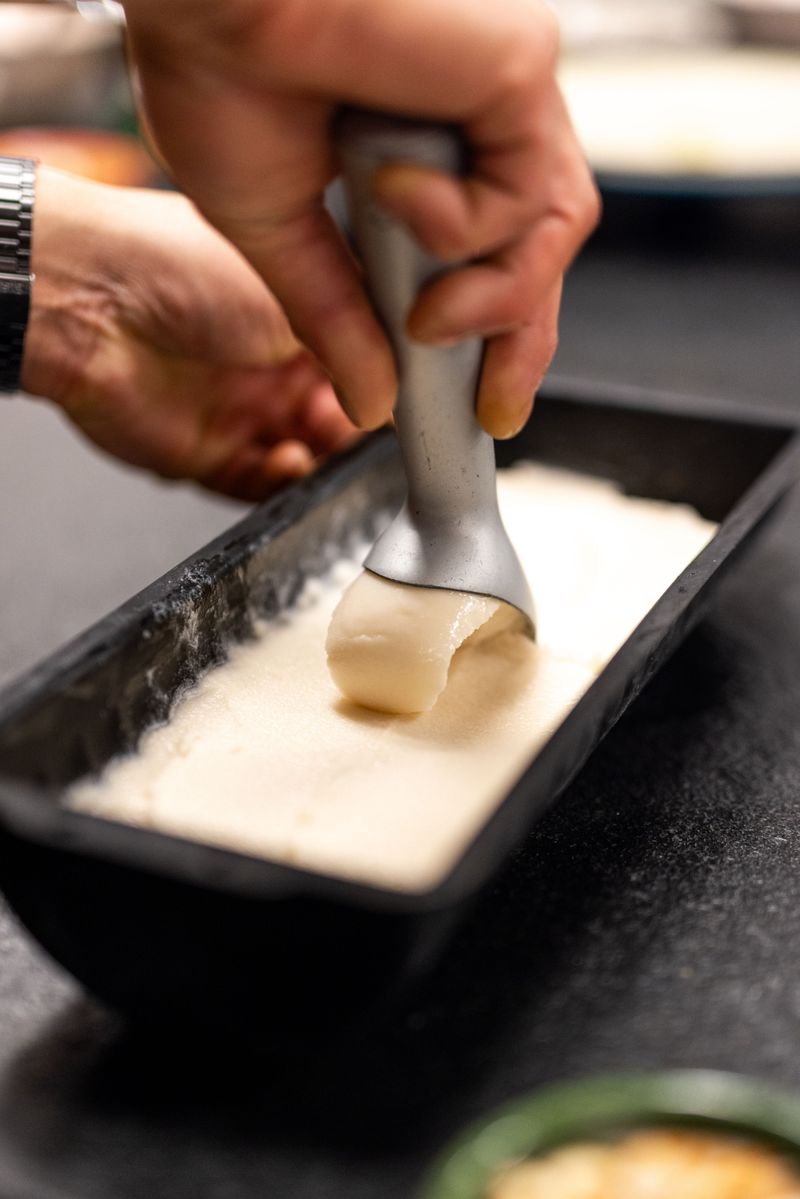
The name says Boston. The ginger ale says Detroit. Geography has left the chat.
A Boston Cooler combines vanilla ice cream with Vernors, Michigan’s famous ginger soda. The drink is commonly blended into a shake-like consistency, though some versions are assembled more like a float.
James Vernor began serving his ginger ale in Detroit during the nineteenth century. Its stronger ginger flavor allows it to remain noticeable after the vanilla ice cream enters the glass.
The Boston Cooler name does not come from Massachusetts. Historical accounts connect it to an early term for ice cream and soda combinations, and Vernors later used the name commercially.
The drink works because the soda does not disappear beneath the ice cream. Its ginger bite cuts into the vanilla sweetness, while the carbonation creates a foamy top.
Sip too quickly, and the bubbles may answer through your nose.
Why “Boston”? Why Detroit? Why call it a cooler when it resembles a shake?
None of those questions will matter after the first creamy, gingery mouthful. Michigan has already moved on to the refill.
10. Detroit-Style Corned Beef Egg Rolls
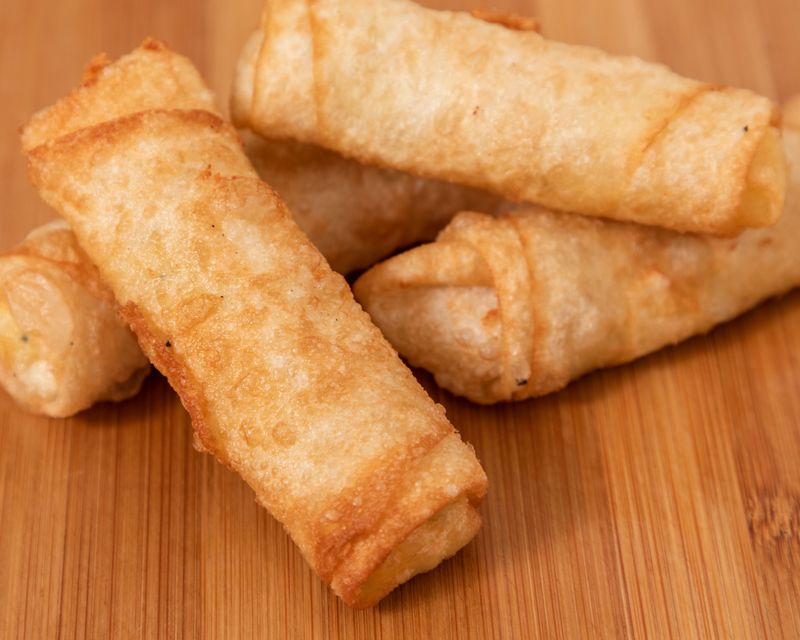
Corned beef, melted cheese, and a crisp egg-roll wrapper may sound like three separate cravings. Detroit decided they belonged in one bite.
Vietnamese immigrant Kim White is widely credited with creating the city’s corned beef egg roll in 1978. Her Asian Corned Beef restaurants helped turn the combination into a Detroit specialty.
The basic version wraps thinly sliced corned beef and cheese inside an egg-roll shell before frying it until golden and crisp. Some restaurants add cabbage, sauerkraut, or dressing for a version closer to a Reuben.
The first bite delivers a sharp crunch, followed by salty beef and melted cheese. Give the filling a moment to cool because the steam inside may arrive before the flavor does.
You will find versions at delis, carryout counters, and neighborhood restaurants across Detroit. Sizes and fillings vary, but the contrast between the crispy wrapper and rich center remains the main attraction.
It may sound like a late-night experiment, but one bite explains why Detroit kept it.