One blurry trail-camera photo can turn a Michigan neighborhood into CSI: Bear Edition.
Up north, that reaction would be a little dramatic. Black bears are well established across the Upper Peninsula. Farther south, though, one wandering bear can become everybody’s favorite piece of local gossip.
That contrast is especially interesting in 2026.
Recent sightings and reports show bears turning up well beyond the places most people automatically associate with them.
Some are simply passing through. Others may be following wooded corridors into areas where seeing one still earns a very enthusiastic group text.
The goal is not to start checking every shrub.
It is to understand why a bear might wander close to people in the first place, and why birdseed or an easy meal can suddenly make your backyard much more interesting than you intended.
Let’s see just how far Michigan’s bears are roaming.
1. Grand Traverse County Leads The Lower Peninsula
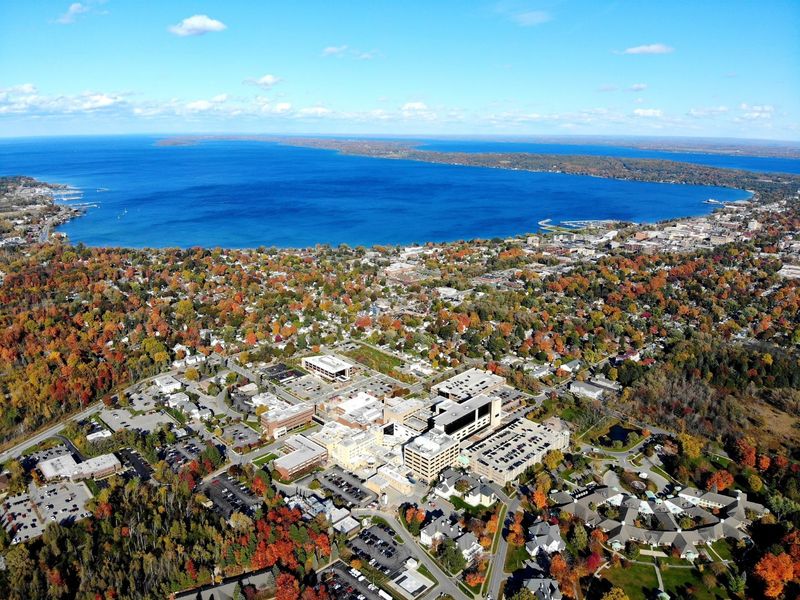
Grand Traverse County stands out in the northern Lower Peninsula for one very concrete reason: Michigan DNR records include 178 bear complaint reports from the county over the past six years, more than any other county in that part of the state.
Roughly half of those reports involved bird feeders as the attractant.
That does not mean every trail, orchard, or Traverse City neighborhood has a bear nearby. It does show how quickly a food source can create repeat activity in a county where people, tourism, wooded land, and bear habitat overlap.
A backyard feeder can be especially tempting because seed and suet pack plenty of calories into one easy stop. The DNR recommends removing feeders for at least two weeks after bear activity so the animal has time to move on.
Grease left on grills, outdoor pet food, and unsecured garbage can create the same problem.
For visitors, the practical routine is simple. Keep food controlled at camp, do not leave snacks or pet food outside overnight, and treat a bear sighting as something to watch from a generous distance rather than an invitation to get closer.
Grand Traverse County may have the northern Lower Peninsula’s highest recent complaint count, but most prevention still comes down to one ordinary question: what food is available around the house, campsite, or cabin?
The county is also a good reminder that complaints and population estimates are not the same thing.
Reports rise when bears and people overlap around food sources, so a high complaint total can tell you as much about attractants and development as it does about the animals themselves.
2. Monroe County Marks A Rare Southeast Sighting
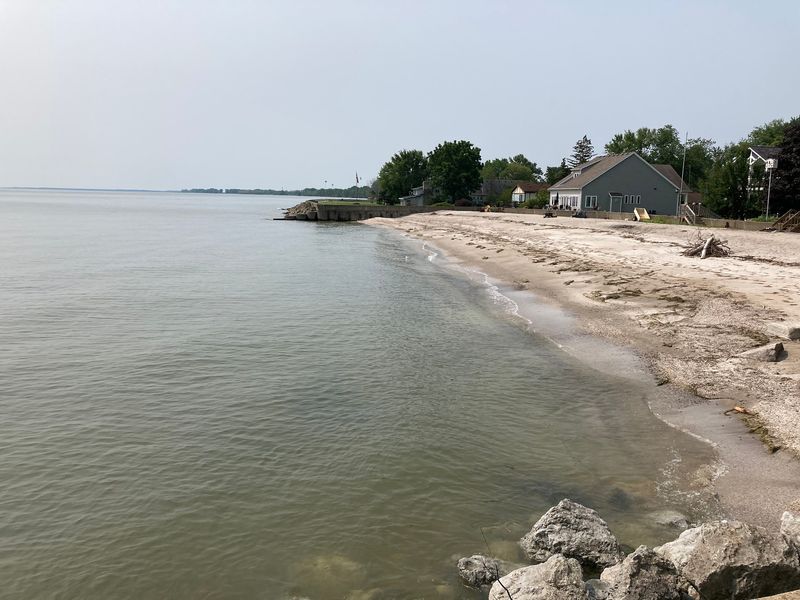
Monroe County made statewide bear news on May 10, 2026, when a black bear was captured on a trail camera near Carleton. A Michigan DNR wildlife biologist said the sighting may have been the farthest southeast confirmed black bear appearance in Michigan.
The location is what made the event notable. Southeast Michigan has much less of the large, connected forest habitat associated with established bear populations farther north.
The DNR described the animal as probably a young male wandering through unfamiliar territory rather than evidence of a new group of bears settling around Carleton.
Young male black bears can disperse long distances as they search for unoccupied territory. The DNR notes that some can travel up to 100 miles, which helps explain how a bear can appear well outside the places where residents expect to see one.
For homeowners, there is no reason to turn a rare sighting into a backyard wildlife event. Bring pet food inside, secure garbage, clean food residue from grills, and remove tempting feeders if a bear begins returning.
For drivers and walkers, the same rule applies: give the animal room to choose its own exit.
tMonroe County’s 2026 sighting is interesting precisely because it was unusual, and the safest response is to keep it that way rather than encouraging the bear to linger around human food.
3. Wayne County Gets An Unexpected Visitor
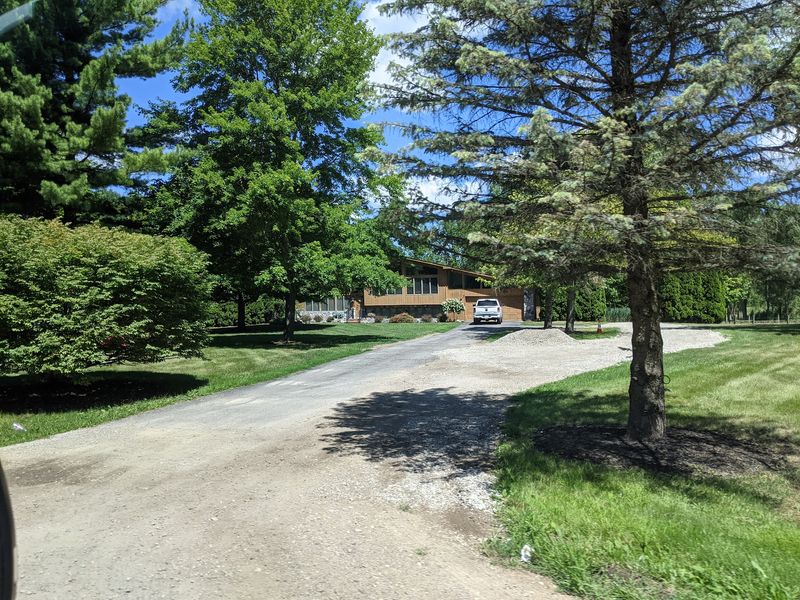
The same bear first documented near Carleton did not stop at the Monroe County line. It was caught on a security camera in Flat Rock the following night and later appeared in South Rockwood, where it raided beehives on May 17.
That sequence gives Wayne County one of the clearest examples of how a single wandering bear can create sightings across several communities in a short period. It also shows why it is easy to overread a cluster of reports. Several photos do not necessarily mean several bears.
Beehives are a particularly strong attraction because they offer multiple food rewards in one place. For people keeping bees, the Michigan DNR recommends properly installed electric fencing around apiaries.
The same approach can also protect chicken coops, fruit trees, compost, and garbage areas where bear activity is possible.
Wayne County is heavily developed compared with Michigan’s core bear range, and the DNR still considers southeast Michigan relatively poor bear habitat.
That makes food management even more important when a wandering animal does appear. A bear that finds nothing easy to eat has less reason to stick around.
The practical lesson is less dramatic than the trail-camera photos: one bear can cover a lot of ground. Keep hives protected, make garbage difficult to access, and let a passing animal keep passing.
4. Isabella County Has A Tree-Climbing Surprise
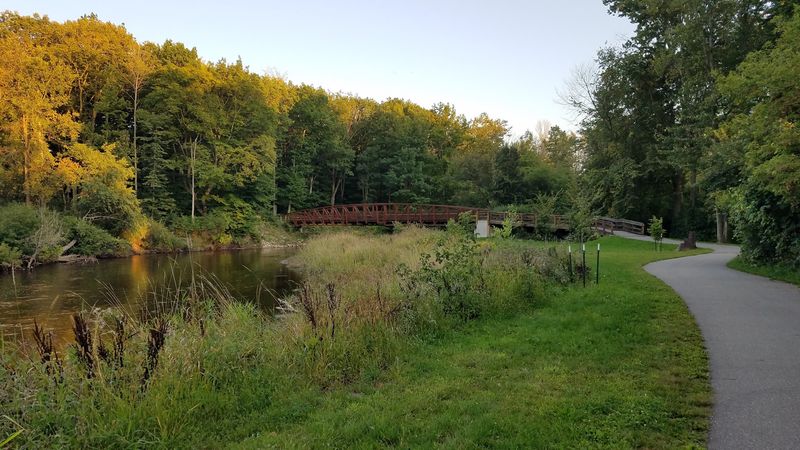
Mount Pleasant had a very different kind of encounter on June 2, 2026. A roughly 150-pound male black bear wandered into a residential neighborhood north of Central Michigan University and climbed a tree near Fancher and Mosher streets.
Because the bear was well inside the city, the Michigan DNR worked with local police, firefighters, and city crews to remove it from the neighborhood.
Wildlife staff safely captured, examined, tagged, and relocated the animal about 60 miles north to the Houghton Lake area.
The bear’s exact starting point was unknown.
Wildlife staff thought it may have approached through the Chippewa River corridor, which lies about a mile and a half west of the neighborhood.
That possibility fits a broader pattern seen elsewhere in Michigan: wooded river corridors can give bears cover while moving through areas that otherwise look surprisingly developed.
A bear in a tree is not a reason to gather underneath it. Give the animal space, keep pets away, and avoid creating a crowd that blocks an easy route out. In most situations, bears naturally prefer to move away from people.
Isabella County’s encounter was unusual enough to require direct intervention, but it also shows why river edges and connected vegetation matter. Wildlife does not need an endless forest to move through a community. Sometimes a narrow green route is enough.
5. Marquette County Tops The Density Charts
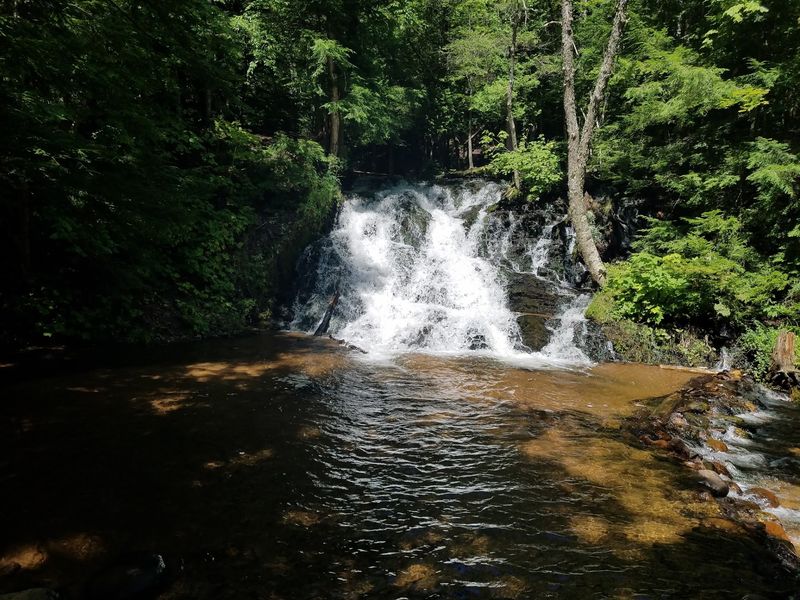
Marquette County sits in the part of Michigan where bear presence needs the least explanation. More than 85% of the state’s black bears live in the Upper Peninsula, where the average density is estimated at roughly one bear for every two square miles.
A 2026 Michigan DNR feature even used a Marquette County image of a black bear visiting a bird-feeding station as an example of a familiar problem: bears finding easy calories near homes.
The county also includes extensive forest and wetland habitat, including part of the Michigamme Highlands landscape where black bears are among the native wildlife.
That does not make backyard visits something to encourage. The DNR’s advice is consistent even in places where bears are common. Remove food rewards, especially birdseed, suet, pet food, garbage, and grill residue.
Once those attractions are gone, give the bear time to stop checking the property.
For hikers and campers, established bear country calls for ordinary food discipline rather than panic. Keep food and scented items secured, keep campsites clean, and give any bear plenty of room.
The biggest difference in Marquette County is familiarity. A sighting here is less geographically surprising than one near Detroit or Monroe.
The basic responsibility, however, stays exactly the same: enjoy the wildlife without teaching it that houses, campsites, or picnic areas are reliable places to eat.
That distinction matters for visitors coming north for the first time. Seeing bear habitat does not mean you should expect a close encounter. Most outings remain uneventful when food is secured and wildlife gets enough space.
6. Kent County Sees Bears Settling In Near Grand Rapids
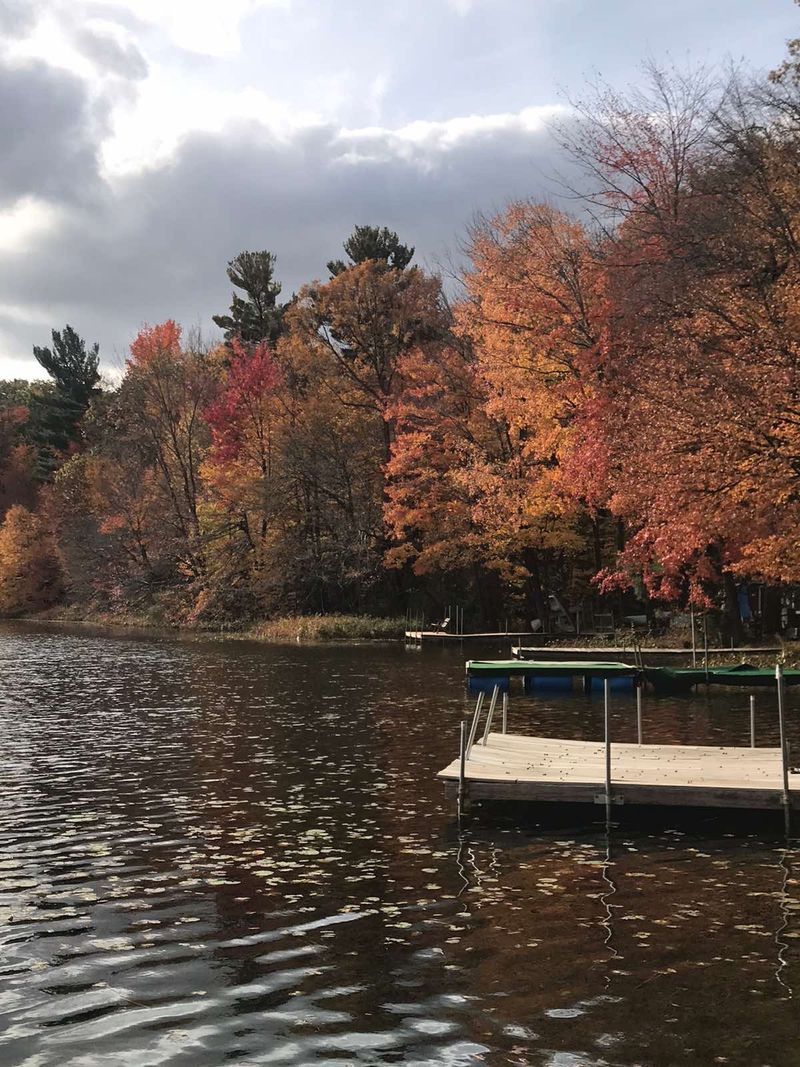
Around Grand Rapids, Michigan wildlife staff have seen signs that bear activity is becoming more than an occasional photograph from a wandering animal. The DNR reported in August 2026 that a few bears appear to have denned over winter in the Grand Rapids area.
That wording matters. It does not mean Kent County suddenly has bear numbers comparable with northern Michigan. It means at least a few animals appear capable of staying in the broader area through winter rather than simply passing through once.
Forested river corridors are part of the explanation. Connected strips of trees and cover along waterways can give bears routes through landscapes broken up by roads, neighborhoods, businesses, and farmland.
For people around Grand Rapids, the smartest response is to make the developed landscape less rewarding.
Keep trash contained until pickup, bring pet food indoors, and remove bird feeders for a couple of weeks if a bear begins visiting.
A bear that repeatedly finds calories around homes can become much harder to discourage.
You do not need to treat every wooded trail in Kent County like remote wilderness. You do need to remember that southern and central Michigan bear activity is not limited to animals racing straight through.
A few bears using the area through winter is enough reason to make good food-storage habits routine rather than something saved for vacations farther north.
The same habits help whether a bear appears once or becomes a repeat visitor. Remove the reward first. That is usually more useful than trying to predict exactly where the animal will travel next.
7. Ingham County Sees Bears Moving Along River Corridors
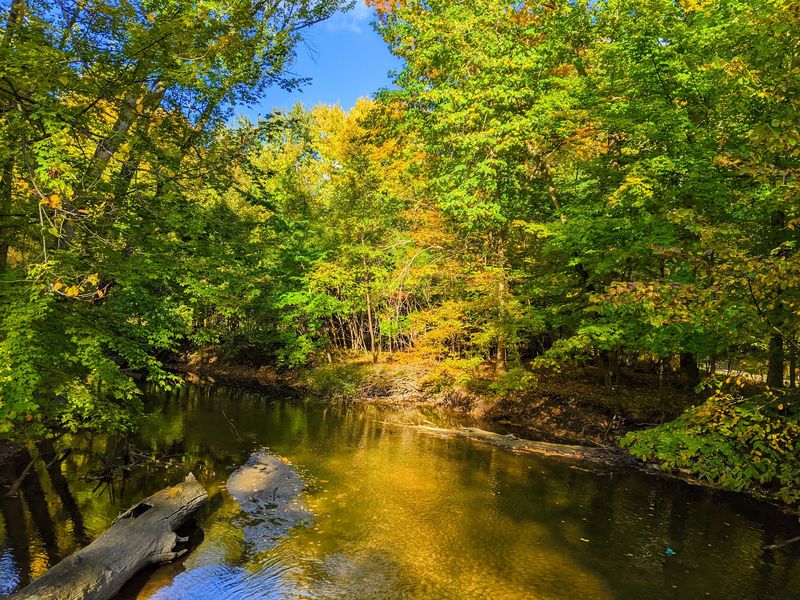
Lansing shares an important detail with Grand Rapids: Michigan DNR staff say a few bears appear to have denned around the area, and forested river corridors offer the kind of travel routes bears can use.
In Ingham County, that makes the landscape more interesting than a simple city-versus-wilderness picture.
The Lansing area contains developed neighborhoods and major roads, but it also has wooded stretches along rivers and connected green spaces that can help wildlife move between patches of cover.
Bears are adaptable generalists. Michigan wildlife staff have documented them persisting in places with fewer trees than people might expect, including small woodlots beside agricultural land. A continuous wall of forest is not always required.
For people using riverside trails, bear awareness can stay refreshingly uncomplicated. Pay attention to what is ahead, keep dogs under control, do not approach wildlife, and avoid carrying loose food in a way that turns a trail stop into a feeding opportunity.
Around homes, bird feeders and garbage remain the more likely issue. Human food sources are memorable to bears, and a location that pays off once may receive another visit.
Ingham County does not need to become “bear country” in the Upper Peninsula sense for coexistence habits to matter. A few animals using the Lansing area are enough to make clean yards, secured food, and a little extra awareness sensible.
8. Genesee County Confirms Bears Around Flint
The Flint area provides another example of what can happen when bears move through heavily developed landscapes. Michigan DNR wildlife staff have documented black bears around Flint, including animals involved in vehicle collisions.
Roads are a major challenge for wildlife moving through older urban and suburban environments.
A bear may be following food, cover, or a route between wooded patches and still have to cross multilane roads or other transportation corridors that do not leave much room for error.
For drivers, the useful response is not to expect a bear behind every tree. It is to stay alert where wooded edges, river corridors, and roads meet, particularly during lower-light periods when wildlife movement can be harder to spot.
For neighborhoods, prevention still begins before an animal arrives. Secure trash, avoid leaving pet food outside, clean grills, and remove feeders temporarily if bear activity develops nearby.
Those steps reduce the chance that a passing bear finds a reason to circle back.
Genesee County also helps put Michigan’s 2026 bear story into perspective. The state is not seeing the same level of bear activity everywhere.
tThe Upper Peninsula remains the population stronghold, the northern Lower Peninsula has established bear range, and southern counties see much less activity.
Flint-area reports matter because they show how adaptable individual bears can be, not because every suburban block is becoming regular bear habitat.
That is the pattern running through the whole list. Northern counties may have established bear presence, while southern counties can make headlines with a single animal.
The response stays grounded: keep food inaccessible, leave wildlife room, and avoid turning a brief sighting into a repeat stop.