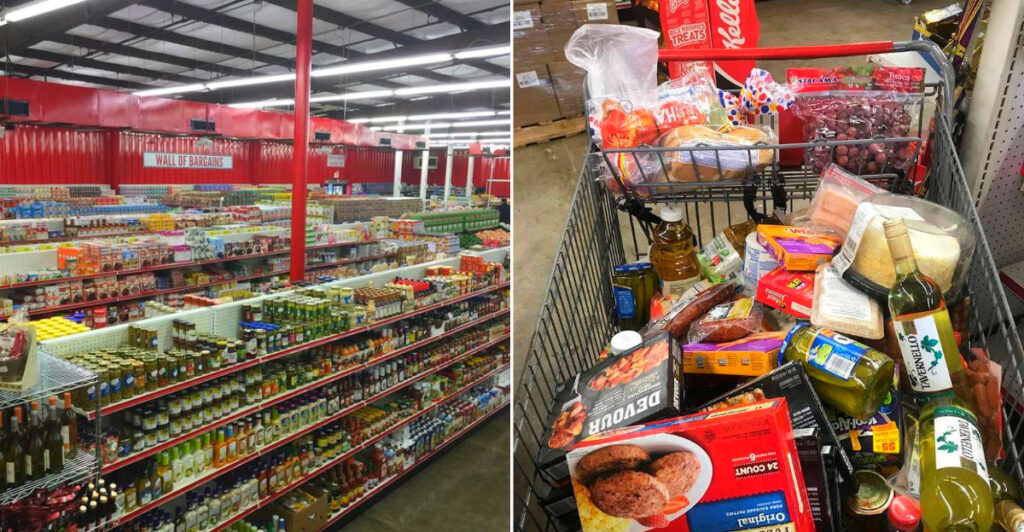
I almost drove past it. The sign looked like any other discount store on the highway.
Then I noticed the parking lot was completely full on a Tuesday morning. That told me everything I needed to know.
Inside, the warehouse opens up wider than I expected. Aisles run deep in every direction. Prices on shelf tags made me stop walking and read them twice.
Not because they were high but because they were noticeably lower than anything I had seen in months.
The inventory shifts constantly, which means every visit feels different from the last. Name brands sit beside labels I had never heard of, both priced well below what the big-box stores charge.
I left with two full bags and change from a twenty. An enormous Louisiana discount warehouse packed with surprisingly affordable finds makes bargain hunting feel less like a chore and more like a genuinely good time.
Start With The Big-Picture Mindset
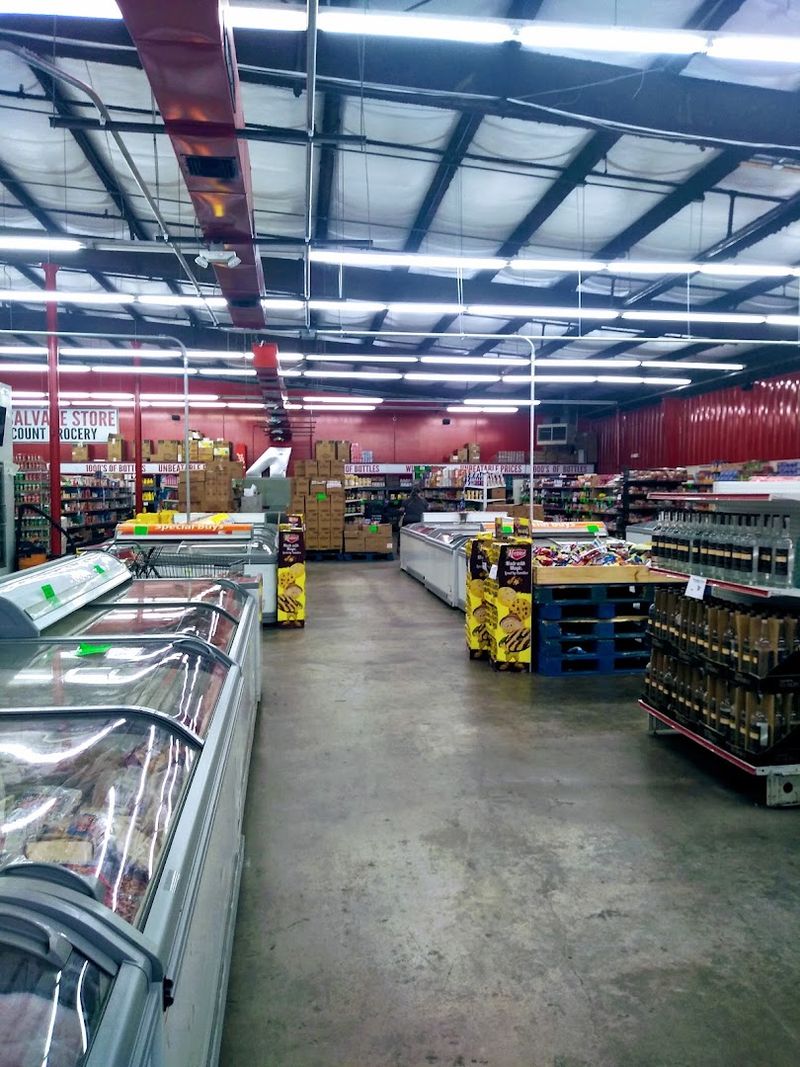
The first thing to know is that this is not a polished supermarket pretending to be a bargain store. The Salvage Store feels like what it is: a warehouse-style grocery with concrete floors, fluorescent lights, and a huge amount of inventory moving through quickly.
That honesty is part of its charm. Family-owned since 1989, the business built its reputation on distressed merchandise, including closeouts, overstocks, discontinued items, and products with cosmetic flaws. Prices are often about 30 to 40 percent below retail, which reframes the whole visit.
You are not here for perfect display aesthetics. You are here because practical shopping can still carry a little suspense, and because giving perfectly usable food a second chance is a smart local habit.
The Bargain Hunt Begins Before You Grab A Cart
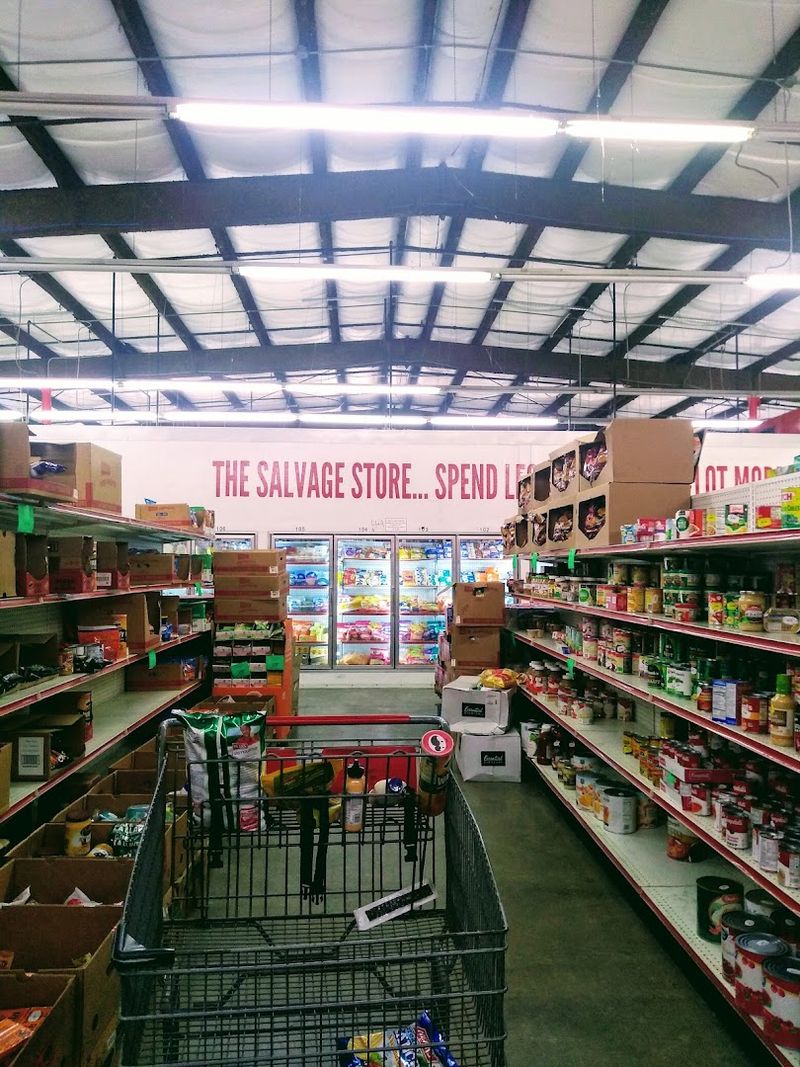
The Salvage Store Discount Grocery is at 5821 Jefferson Highway in Harahan, Louisiana, along the commercial corridor between Elmwood and River Ridge. Approach on Jefferson Highway and use the full address as nearby storefronts and shopping properties begin appearing close together.
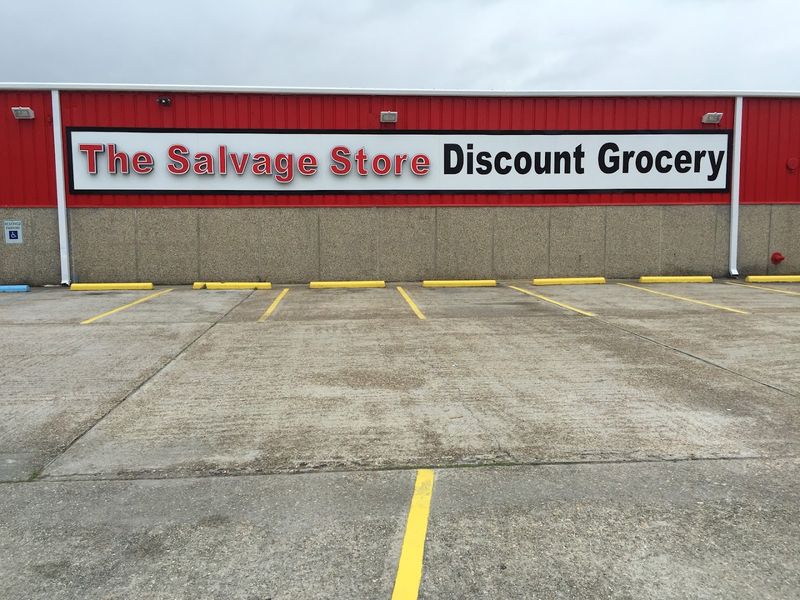
The final approach can be easy to overshoot because the store occupies a broad, low retail building rather than a polished supermarket complex. Slow down around the 5800 block and look for The Salvage Store signage before turning from Jefferson Highway.
Pull into the customer parking area directly outside the store, then walk to the main entrance facing the lot. This is the Harahan branch, separate from the company’s original Folsom location, so keep the Jefferson Highway address active until arrival.
Let The Warehouse Atmosphere Set The Pace
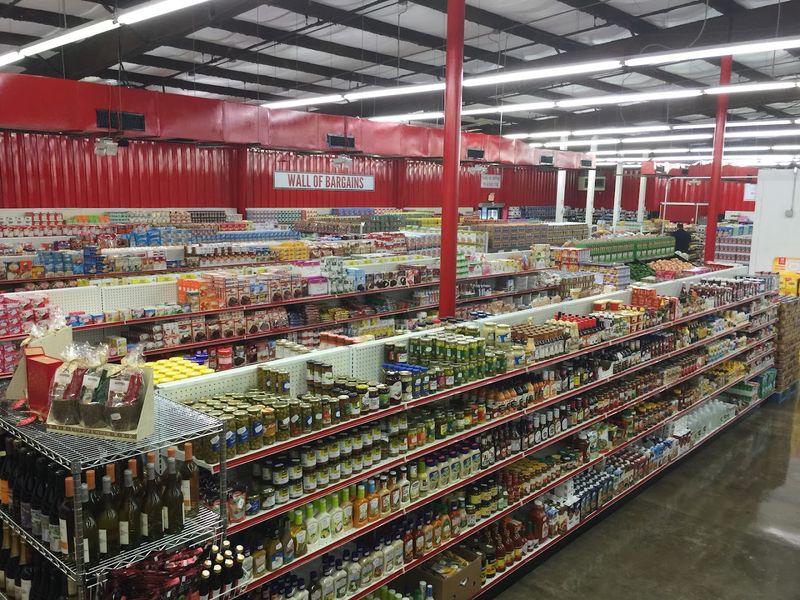
Inside the cavernous red building, the mood is less curated market and more active stockroom open to the public. Shelves can feel loosely arranged compared with a conventional grocery, and that first burst of visual noise may leave you briefly disoriented.
Give it ten minutes. Once your eyes adjust, the logic becomes clearer: value comes first, presentation second. The scale of the Harahan location, roughly 20,000 square feet, means there is room for a lot of surprises, but not always in the sequence you expect.
I found that slowing down worked better than trying to shop fast. When you stop demanding supermarket order from a salvage warehouse, the place starts to read less like chaos and more like an unusually democratic kind of abundance.
Treat It Like A Treasure Hunt
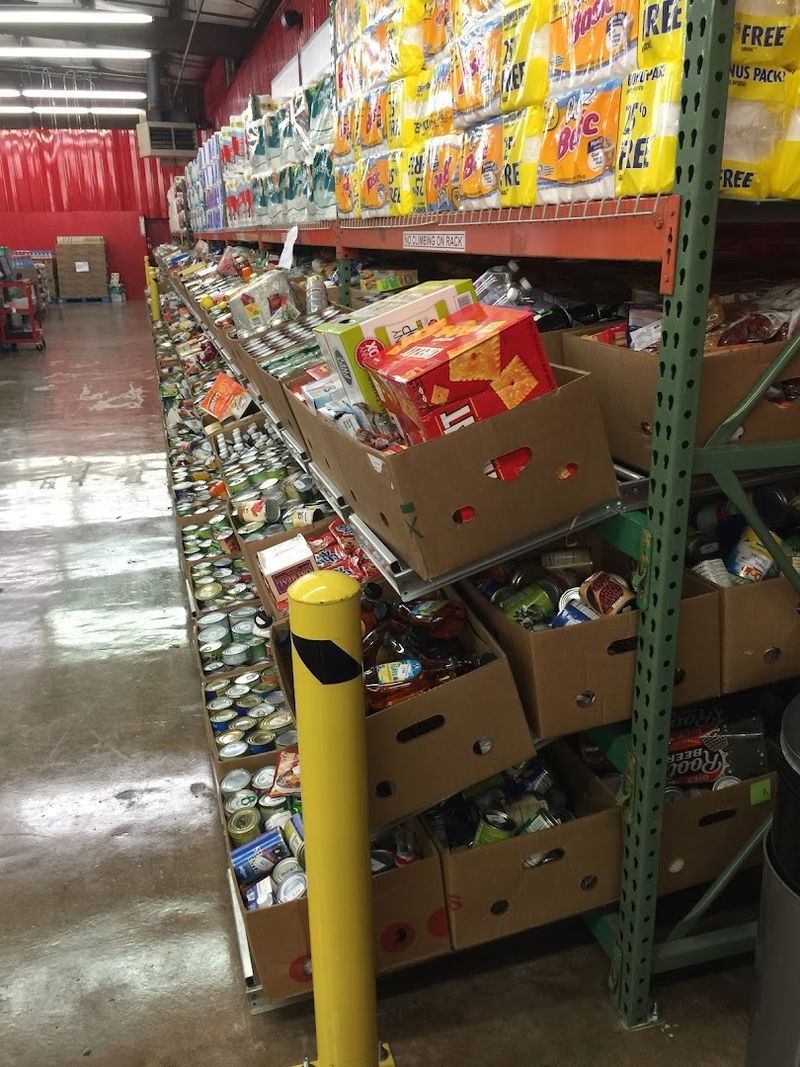
What makes this store memorable is the constant possibility of finding something oddly specific at a very good price.
The inventory can include produce, canned goods, frozen foods, baked goods, snacks, and household grocery staples, but also niche items such as organic, gluten-free, paleo, or keto products. That range gives the store its personality.
Because much of the merchandise comes from inventory clean-ups, closeouts, and discontinued lines, the shelves are never fully predictable. One visit can lean practical, another a little eccentric.
Seasonal leftovers may appear next to everyday basics, and that contrast is part of the fun. If you enjoy stores that reward curiosity rather than brand loyalty, this place feels less like routine shopping and more like a steady series of small, affordable discoveries.
Learn The Date Label Difference
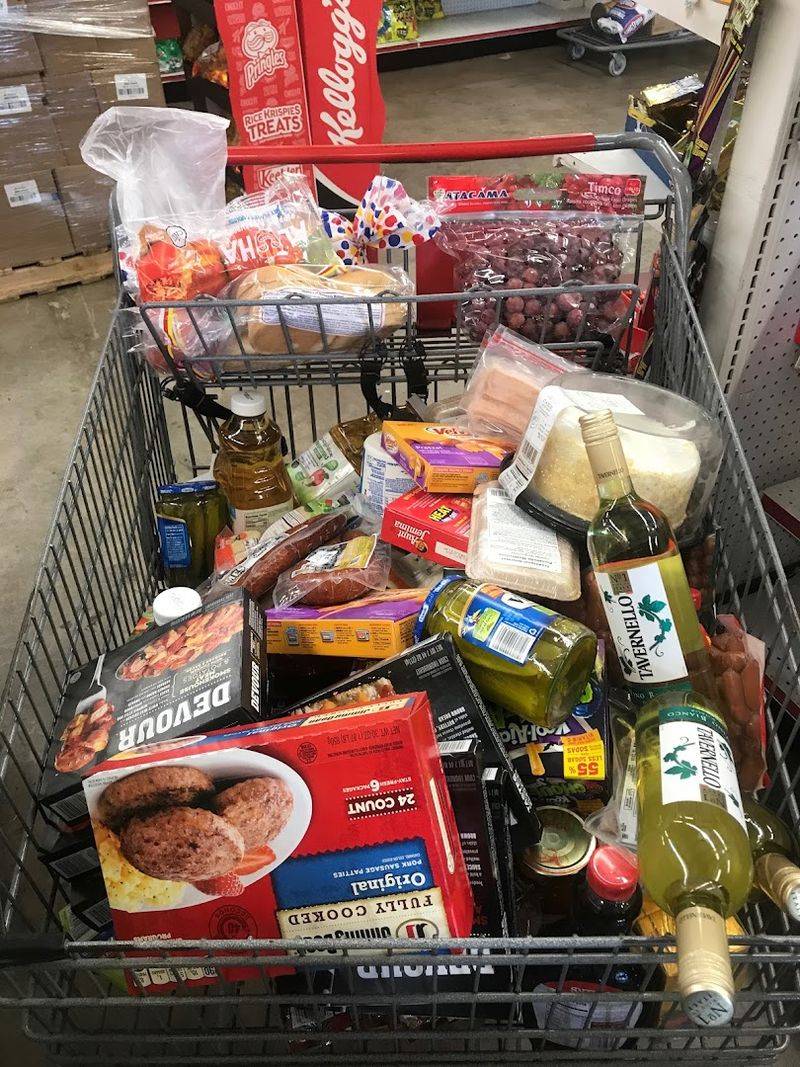
A useful skill here is reading date labels calmly rather than dramatically. Many products on these shelves are near-dated or past a best by date, which is not the same thing as a safety deadline.
For dry goods and many shelf-stable products, quality and freshness matter more than alarm.
That said, this is a place for paying attention. Check packages, inspect seals, and be more selective with damaged cans or highly perishable items.
The store’s whole purpose is to move food and goods that still have value, not to disguise what they are. I appreciate that straightforwardness because it puts the decision back in your hands.
If you know the difference between best by wording and an actual expiration concern, you can shop more confidently and much more economically.
Stock Up On Long-Shelf-Life Staples
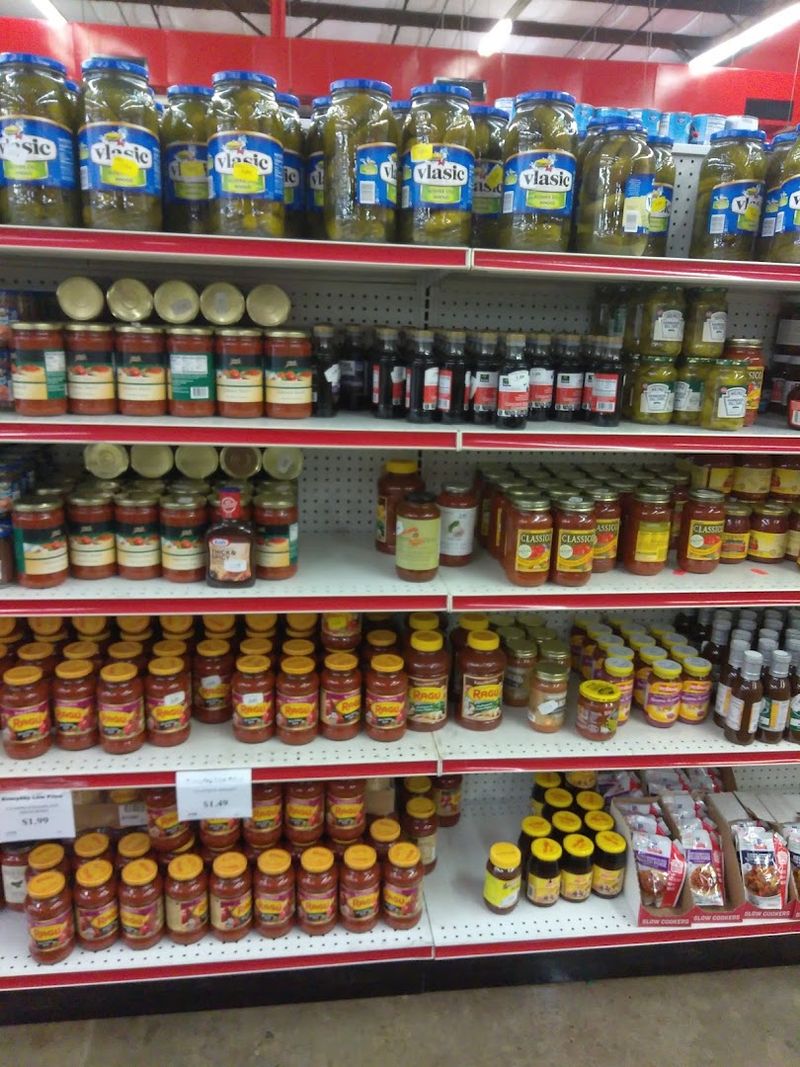
If you want the most reliable value, focus first on items that keep well. Pasta, canned goods, cake mixes, snacks, coffee, condiments, and other shelf-stable basics often make the strongest case for shopping here because they are easy to store and easy to compare against regular retail prices.
This is where the math usually gets convincing. The store is known for heavily discounted merchandise, often around 30 to 40 percent off retail, and sometimes more depending on the item. That makes it sensible to buy with a little foresight rather than urgency.
I would not come expecting a perfect one-stop weekly grocery blueprint every time. I would come ready to build a smart pantry, then let the changing inventory decide what extra advantages the day happens to offer.
Visit During Quieter Hours If You Can
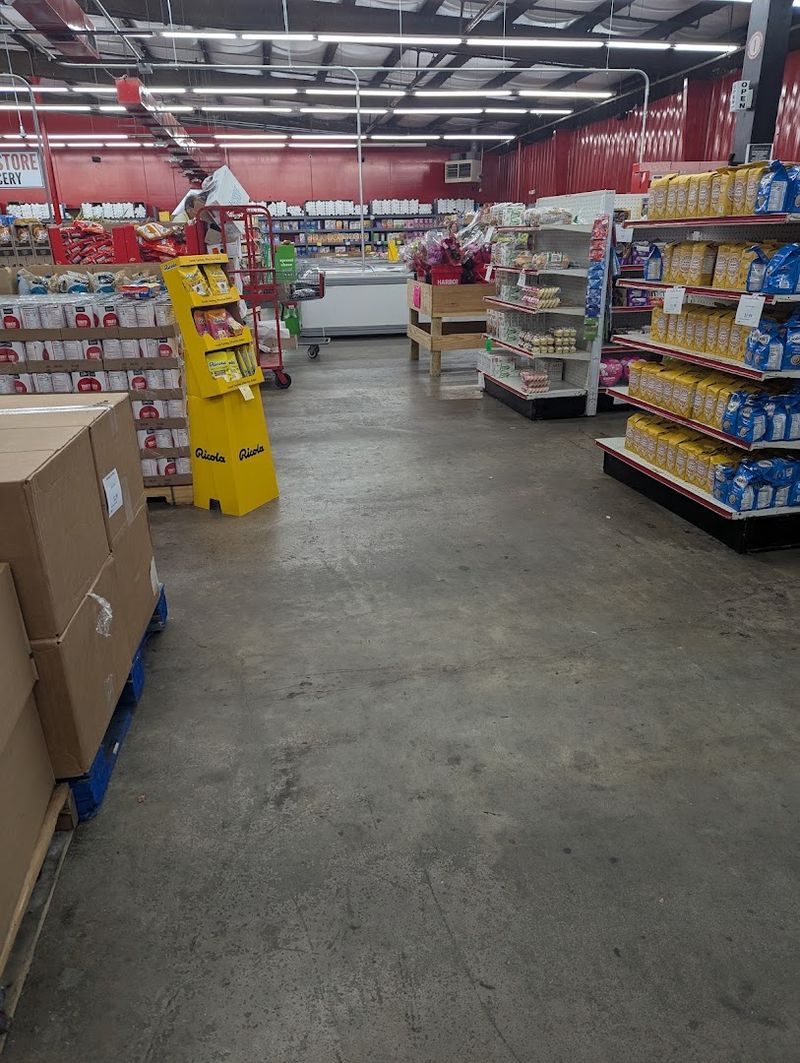
Timing affects the experience more than you might think. In a store where the inventory changes fast and aisles can invite browsing, a quieter weekday visit gives you room to look carefully, compare dates, and notice the odd little bargains tucked between more obvious staples.
Monday afternoon is often suggested as a calmer window. The practical details help too. The Harahan store is open daily, generally 8:30 AM to 6:30 PM Monday through Saturday and 10 AM to 5 PM on Sunday, and it accepts major credit cards, debit cards, checks, and Louisiana Purchase SNAP benefits.
That accessibility matters. A place centered on discount shopping works best when it is easy to use, not just inexpensive, and this one keeps the mechanics refreshingly straightforward.
Notice The Community Rhythm In The Aisles
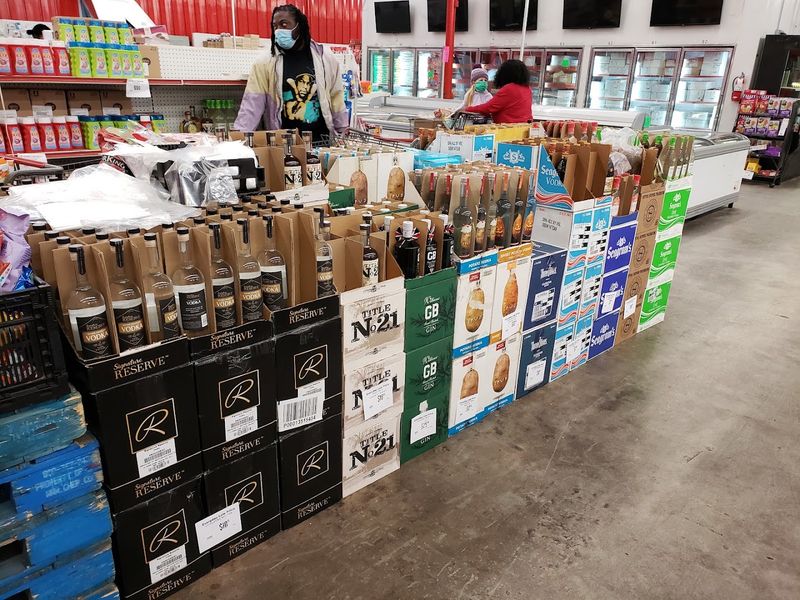
Even with its warehouse bones, the store does not feel impersonal for long. The aisles have a habit of turning into small exchanges about what is worth grabbing, what just arrived, or where someone spotted a better price on a staple item.
That social rhythm gives the room warmth. Because the format depends on surprise, shoppers tend to help one another decode the place. The conversation is less about status and more about usefulness, which feels distinctly grounded and local.
I like that the experience encourages attention rather than speed. You notice what people actually need, what they are excited to save on, and how a bargain store can become a practical community resource.
In a retail landscape built on frictionless sameness, that human texture stands out.
Appreciate The Food-Waste Mission
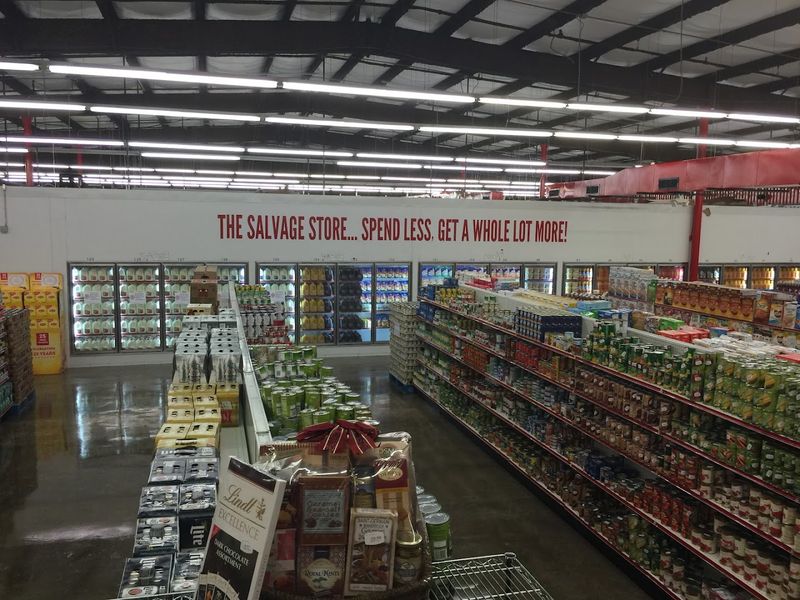
One of the most compelling things about shopping here is that the bargain is not the whole story. The salvage model also keeps usable products in circulation instead of letting closeouts, overstocks, discontinued goods, or slightly imperfect packaging push them toward waste.
That mission gives the store a practical moral clarity. It is easy to talk abstractly about sustainability, but this place turns it into ordinary behavior. You buy groceries, spend less, and help extend the life of products that still have purpose.
Since the company shifted toward dedicated salvage grocery operations in 1995, that second-chance logic has been central to what it does. The result is not glamorous, but it is deeply sensible, and in person that sensibility feels more persuasive than any polished environmental slogan.
Look For Seasonal Rotation And Oddities
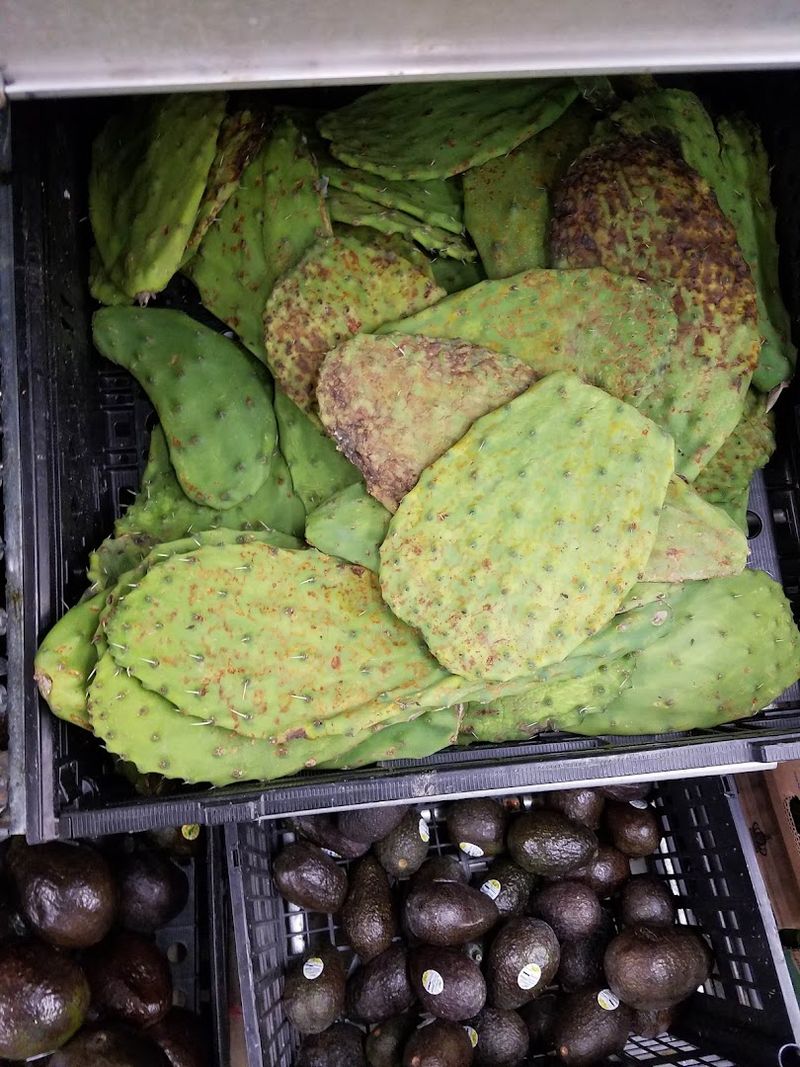
The shelves here can feel delightfully out of season in the best possible way. Because so much inventory comes from overstock and retail clean-outs, holiday-themed snacks, seasonal produce, or limited-run packaged goods may appear long after another store would have cleared them out.
That mismatch adds a certain wit to the shopping trip. Instead of seeing it as disorganized, it helps to see it as rotational. The stock changes with the calendar, but not in a neat department-store script.
Each visit becomes a snapshot of whatever the wider supply chain just shed. I find that oddly revealing.
You get a quiet look at how much perfectly usable merchandise conventional retail cycles through, and how much of it can still be useful, enjoyable, and affordable once it lands in a place willing to sell it plainly.
Know The Backstory Before You Go
Knowing a little of the store’s history makes the visit feel more rooted. The business began in 1986 when founder Ron Feske was selling general merchandise, then officially started in 1989 with Ron and his father in Covington.
The dedicated salvage grocery direction took shape in 1995, and the Harahan location opened in April 2016.
Today it is part of a small Louisiana network spanning four stores across three parishes, but the Harahan site still feels distinctly local. The bright red exterior on Jefferson Highway announces itself without any attempt at polish, which is fitting.
This is a place built around utility, adaptation, and value. By the time you leave, that plainspoken business model starts to feel less like a novelty and more like a durable regional idea.