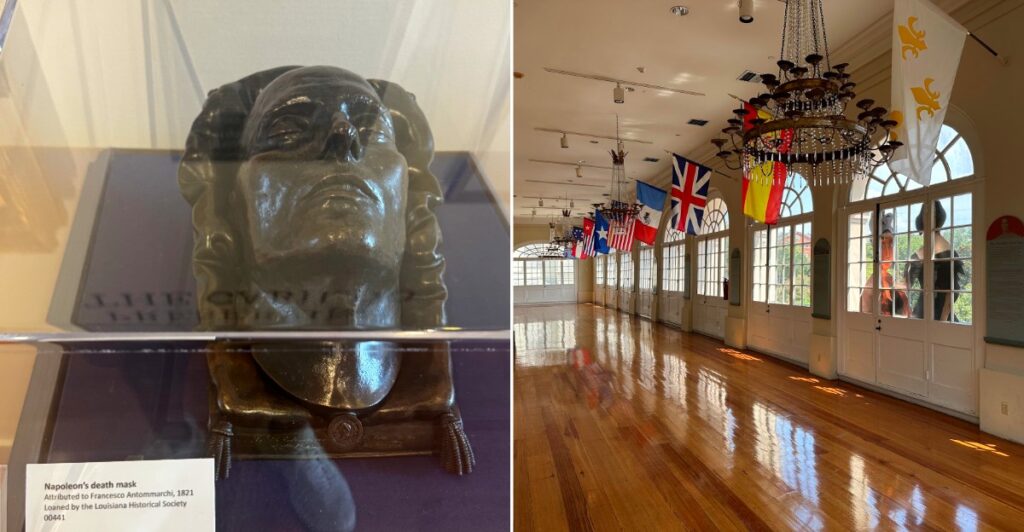
Bronze stares from a glass case in the French Quarter. Not just any face. Napoleon Bonaparte, cast from a mold taken forty hours after his passing on a remote island. The mask traveled from Saint Helena to this building.
In a room upstairs, the Louisiana Purchase transfer was signed in the final days of eighteen oh three. Then the mask vanished.
Someone tossed it in the trash during renovations. A former city treasurer rescued it from the garbage.
It passed through private hands, got donated back, disappeared again, plus resurfaced forty-three years later.
Now it sits on the third floor of a Spanish colonial building on Jackson Square.
Surrounded by exhibits about the very history it witnessed. The building survived a fire, a restoration, plus centuries of hurricanes.
Louisiana holds a Napoleon funerary mask that spent decades lost in the trash before someone rescued it.
Study The Building Before You Go Inside
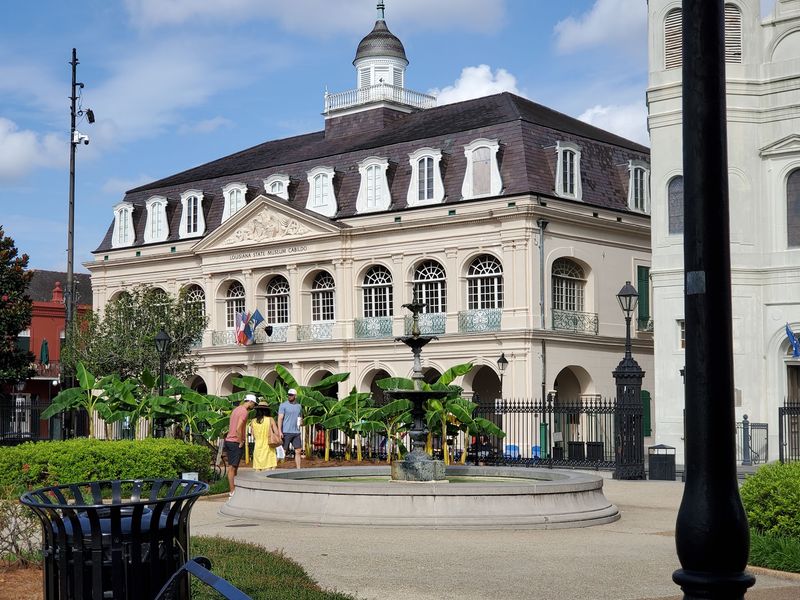
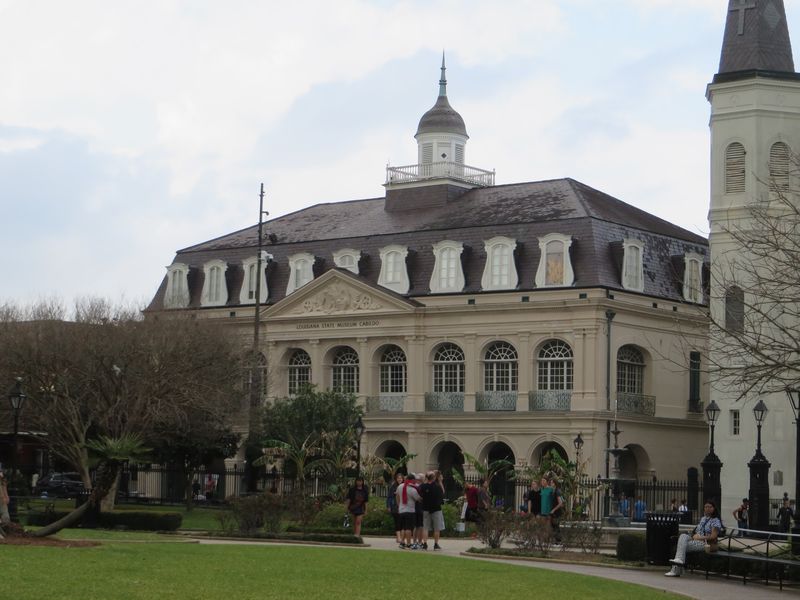
Before you even reach the galleries, the building sets the mood. The Cabildo stands beside St. Louis Cathedral on Jackson Square, with a dignified Spanish colonial front that looks calm even when the Quarter feels busy.
Pausing outside for a minute helps you understand that the mask is not floating in some random museum. It sits inside one of Louisiana’s most important public buildings.
Built in 1795 for the Spanish governing council, The Cabildo later served as the Louisiana State Supreme Court and hosted the 1803 Louisiana Purchase transfer ceremonies. Fires shaped this site more than once, and a major 1988 blaze led to a careful restoration using traditional French timber framing.
Give the architecture a look before going in. The walls are part of the story, not just the container.
That context makes the Napoleon connection feel even stranger.
Look For The Mask Early
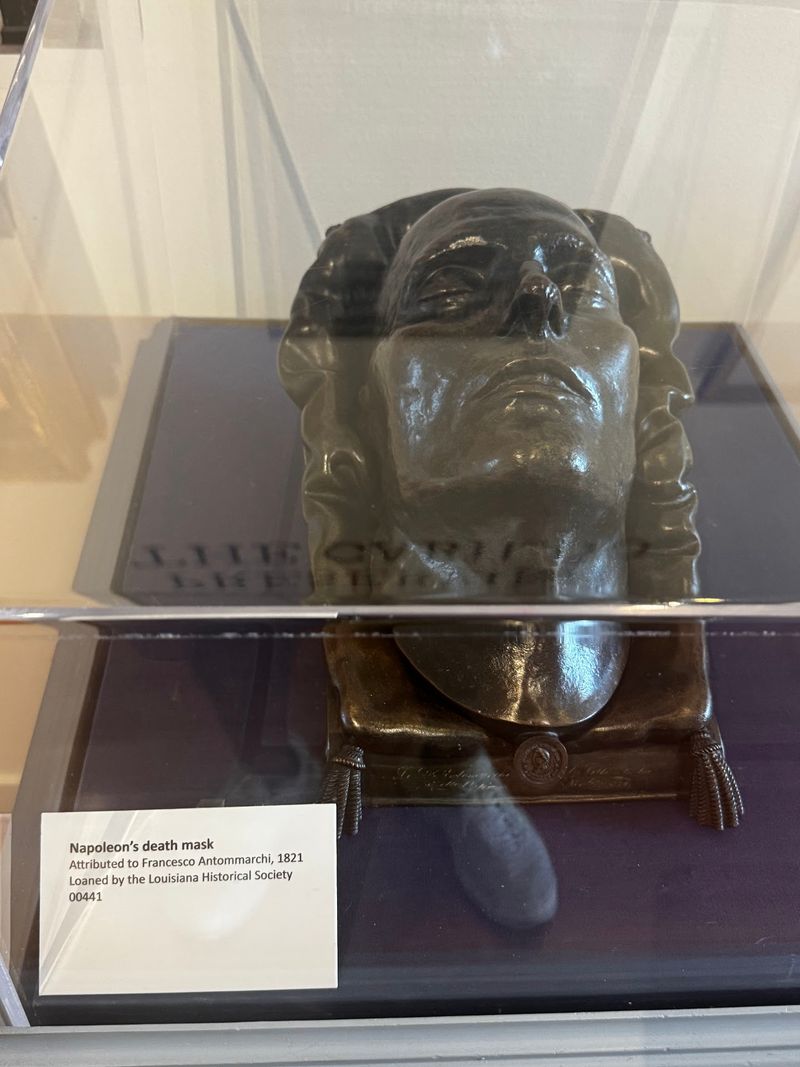
The Cabildo, 701 Chartres St, New Orleans, LA 70130
Know The Mask Has A Debated Origin Story
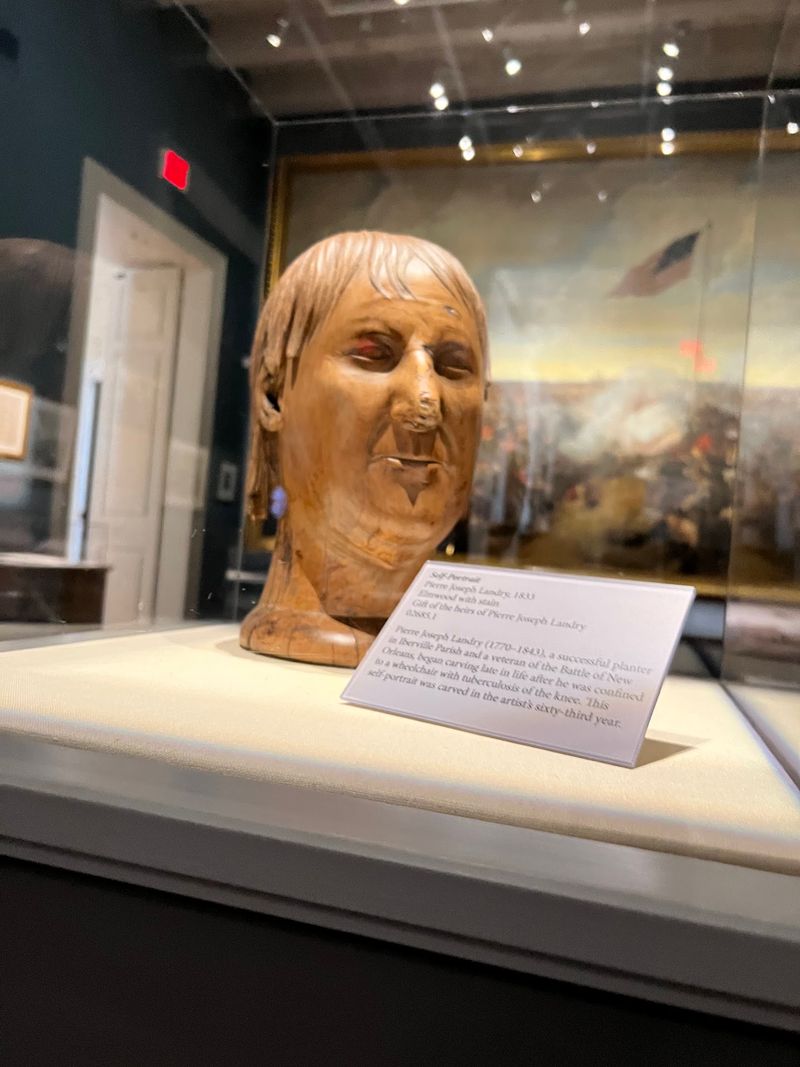
Here is the first odd turn in the story: even the mask’s beginnings are debated. Napoleon died on Saint Helena, and the parent mold was made about forty hours later on May 7, 1821.
Some accounts credit his physician, Dr. Antommarchi. Others point to British Army surgeon Francis Burton, which gives the object a little mystery before it ever reaches Louisiana.
What historians generally agree on is that Antommarchi likely got a secondary plaster mold from Burton and made copies from it. The bronze version in New Orleans comes from that chain.
Knowing the disputed origin makes the display more interesting, not less. You are looking at an artifact shaped by politics, memory, and arguments about who had the right to preserve a famous face.
Few museum objects manage to feel scholarly personal and faintly eerie at the same time.
Notice How Unheroic The Face Looks
Portraits usually make emperors look sturdy and polished. The face at The Cabildo does almost the opposite.
Visitors see sunken cheeks, high cheekbones, a slightly drooping nose, and lips parted enough to suggest the smallest smile. Because Napoleon’s head was shaven for the casting, the forehead seems narrower than many painted versions, which can be startling if you know him only from grand portraits.
That is why the mask lingers in memory. It feels human before it feels imperial.
Parts of the ears are visible, and the Adam’s apple adds a blunt physical detail that paintings often smooth away. Some people even think the face resembles Julius Caesar more than the usual image of Napoleon.
Stand there a moment and let the difference between legend and body sink in. It is a quiet lesson in how fame can hide fragility.
Remember That It Actually Went Missing
Few artifacts have a plot twist quite like this one. After arriving in New Orleans, the mask was first displayed in The Cabildo, then moved in 1852 to the new City Hall, now Gallier Hall.
During the Civil War it vanished, which sounds almost invented. Yet the next chapter is real, and it gives the object the kind of backstory novelists would borrow.
In 1866, former city treasurer Adam Griffin spotted the missing mask in a junk wagon on Canal Street and bought it. He kept it until his passing, and it later passed through family hands before Captain William G.
Raoul took it to Atlanta. Knowing all that, I could not look at the bronze calmly.
It had survived neglect, chance, and human forgetfulness, then somehow found its way back into dignity. That journey alone is worth the ticket.
Appreciate The 1909 Return To New Orleans
A museum label can look tidy, but the date 1909 carries real drama here. Captain William G.
Raoul learned from a newspaper article that New Orleans was looking for the lost Napoleon mask. He agreed to return it to the city if his gift was properly acknowledged.
After fifty seven years away, the bronze came back to The Cabildo on February 8, 1909.
That return matters because it restored more than an object. It repaired a broken thread in the city’s memory.
Today the mask is again displayed in the same historic building where it first appeared after reaching Louisiana in 1834. If you like stories with unlikely reunions, this one delivers.
The piece traveled from Saint Helena to New Orleans, disappeared into chaos, wandered to Atlanta, and still ended up where visitors can see it now without much fuss.
Connect The Mask To The Louisiana Purchase Room
The room connection is almost too good to be true. When the mask first went on display in New Orleans, it was shown in the same room where the Louisiana Purchase transfer ceremonies took place.
One object links a fallen European emperor to the deal that reshaped North America. In a city full of grand stories, that pairing still manages to raise an eyebrow.
Walking through The Cabildo, you feel how history likes to stack itself rather than stay in neat boxes. Spanish government, American expansion, French influence, and Napoleon’s afterimage all share space here.
Keep that overlap in mind when you visit the mask. It is not just a relic of one man.
It helps explain why New Orleans often feels larger than its map, as if several worlds decided to meet in one building at the end there.
Visit In The Morning For A Better Look
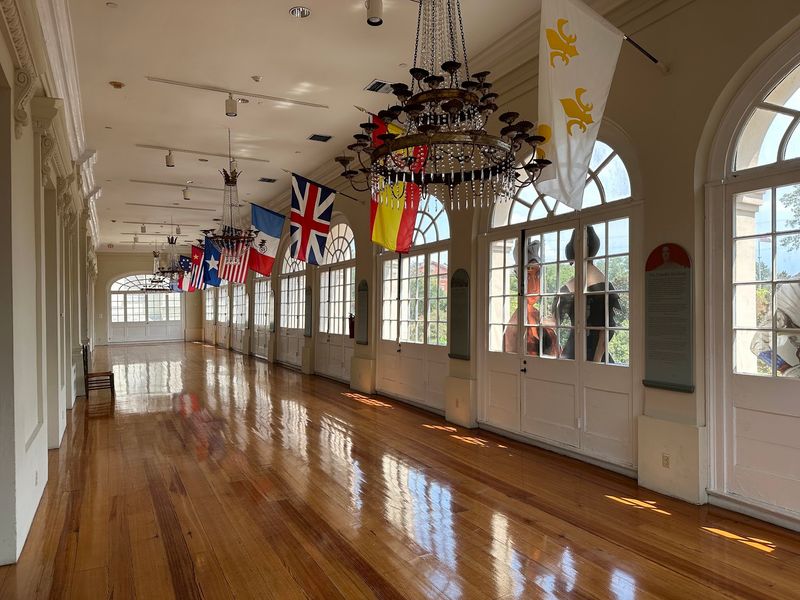
Quiet museums reward good timing, and The Cabildo is one of them. It is usually easier to concentrate in the morning, especially when you want to spend a little extra time with a small object like the funerary mask.
The museum is open Tuesday through Sunday from 9 AM to 4 PM and closed Monday, so planning ahead saves the sad little face of a locked door.
I found the mask works best when you are not rushing toward lunch or juggling too many French Quarter stops. Give yourself at least a couple of hours for the whole museum, because the Napoleon piece gains meaning from the larger Louisiana story around it.
The building also holds exhibits on war, politics, hurricanes, and culture. Arrive curious, wear comfortable shoes, and let the day unfold at a steady pace if you can.
See The Rest Of The Museum For Context
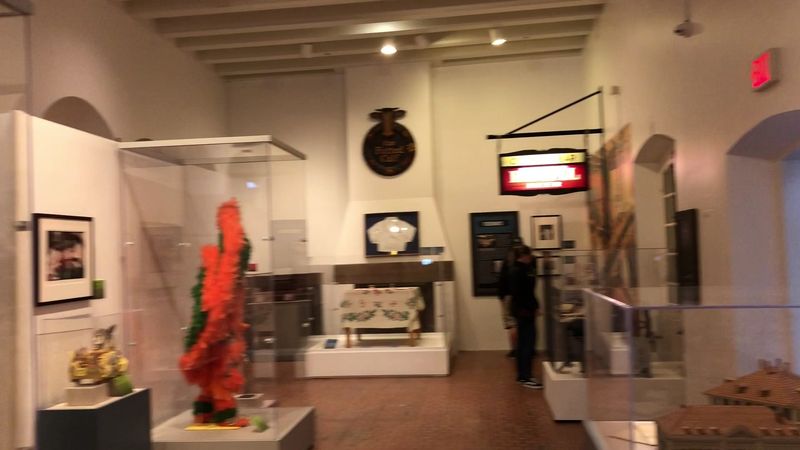
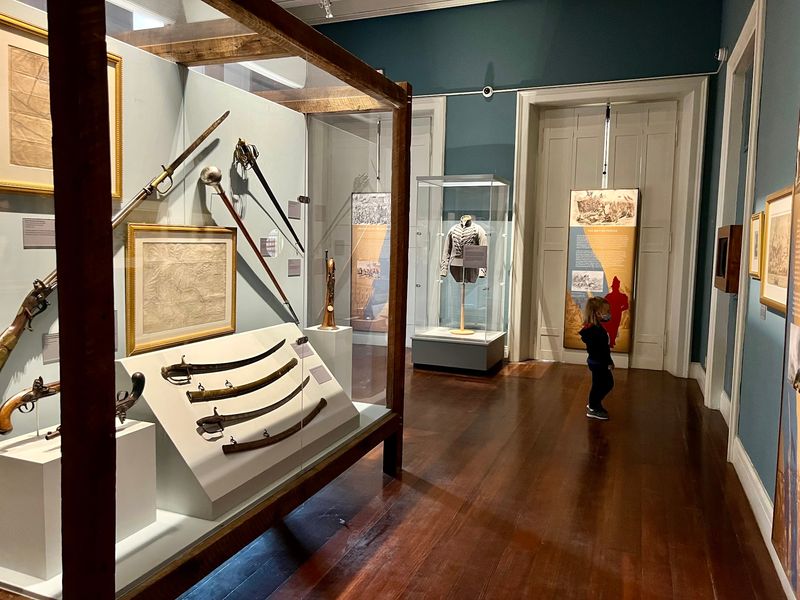
The funerary mask may be the headline curiosity, but do not treat it like a one object sprint. The Cabildo spreads Louisiana’s history across three floors, and the surrounding exhibits help explain why Napoleon belongs here at all.
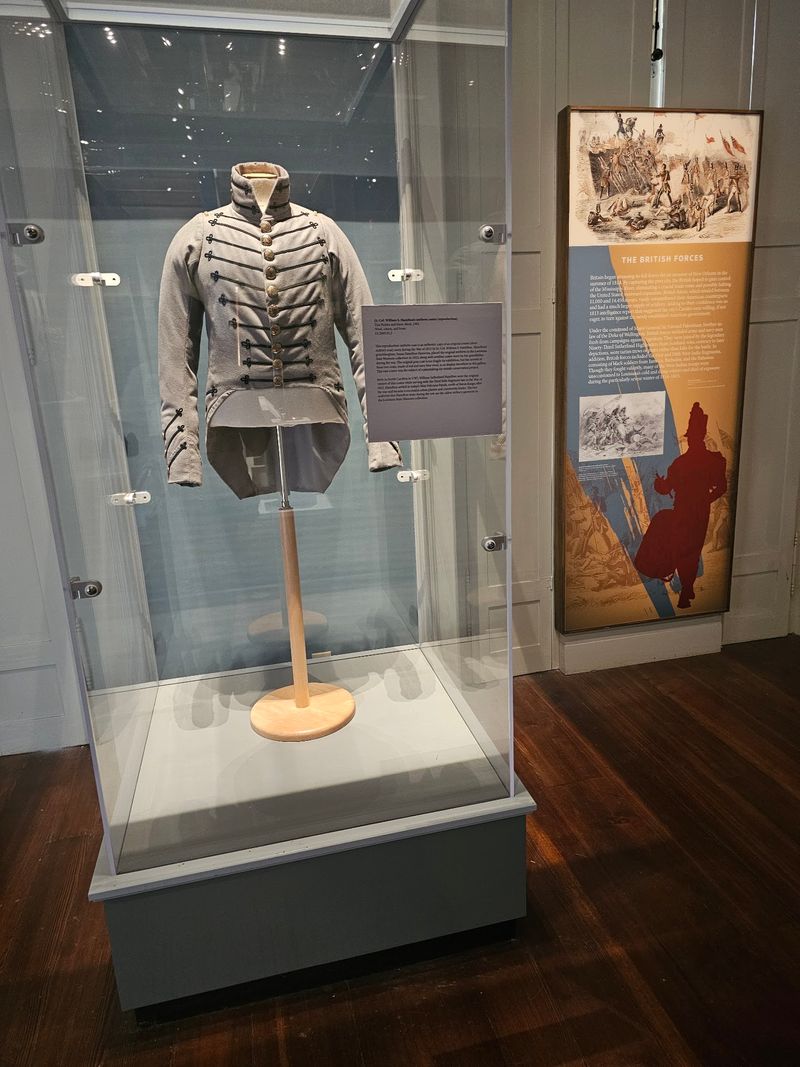
Displays on Gálvez and Louisiana in the American Revolution, the Battle of New Orleans, and Bienvenue Lafayette show how often this region touched events far beyond local streets.
That wider frame kept the mask from feeling gimmicky to me. Instead, it read like one vivid note in a larger chorus about power, empire, memory, and identity.
There are also exhibits about people, government, and hurricanes, which root the museum firmly in Louisiana experience. See the bronze face, certainly.
Then keep going, because The Cabildo is strongest when you let one surprise lead into a fuller historical conversation about the state and city.
Pay Attention To The Building’s Survival Story
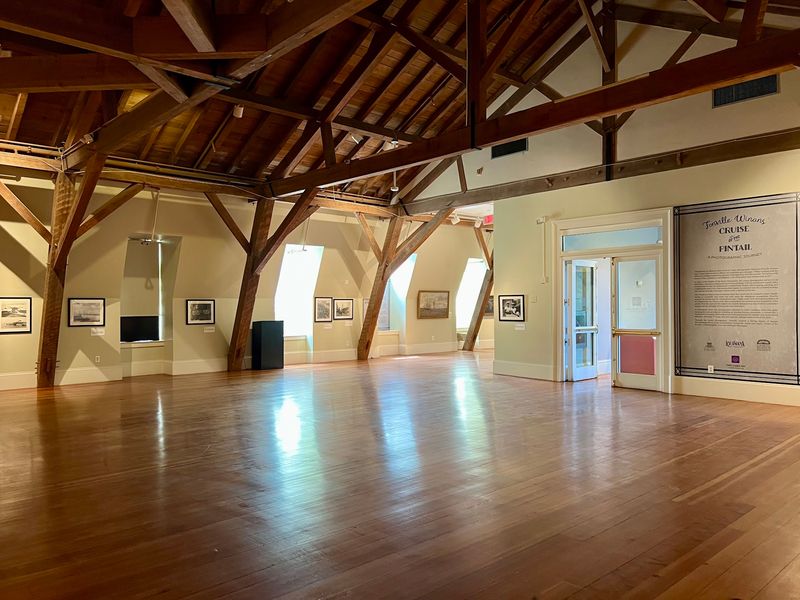
Old buildings in New Orleans carry their age with style, but survival never happens by magic. The Cabildo stands on a site where earlier government buildings were destroyed by fires in 1788 and 1794.
Then, in 1988, the museum itself suffered a major fire and needed a long restoration. Knowing that history gives every gallery a slightly tougher, more resilient feeling.
The rebuilding took five years and used traditional French timber framing techniques, which is the kind of detail architecture lovers tuck away happily. Even if you come mainly for Napoleon’s face, the preservation story deserves attention.
Museums are not just places that keep objects safe. They are objects, too, vulnerable to weather, time, and disaster.
Looking at the mask inside a restored Cabildo adds another layer of luck, labor, and continuity to the visit than you might expect there.
Stand Still Long Enough For The Weirdness To Work
Some museum objects ask for a quick glance. Napoleon’s funerary mask asks for stillness.
It is not large, flashy, or surrounded by theatrical effects, so the best approach is wonderfully simple: stand close, read carefully, and then look again. The second look is often the one that lands.
Details like the cheekbones, the lips, and the narrow seeming forehead begin to work on you slowly.
Because the piece is so tied to arguments, travel, and legend, patience helps separate myth from material. I liked seeing a few other galleries first, then circling back with better context.
That made the bronze feel less like a curiosity and more like a witness. In a city famous for spectacle, The Cabildo offers something quieter here.
A face from 1821 waits in a room and somehow holds your attention completely for a long while.