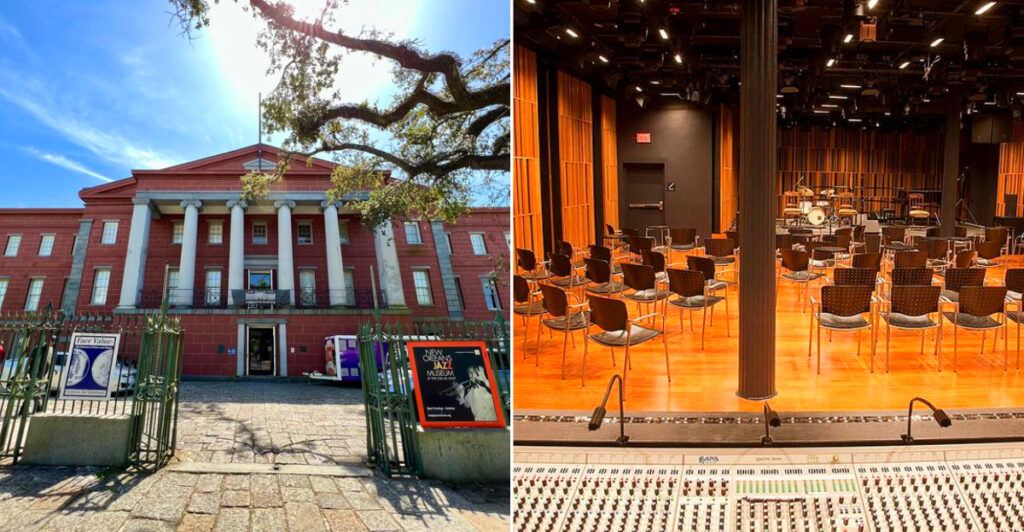
I walked past the building twice before I realized what was inside. From the outside it looks like what it used to be.
A federal mint with thick walls and a stern facade. Coins were struck here for the United States, for the Confederacy, and for Louisiana.
That alone would be enough history for one building. But walk through those doors and the story shifts.
Brass instruments line the display cases. Compositions by legends who shaped American music fill the walls.
Interactive exhibits let you hear the evolution of a sound born just blocks away.
Live music pours from the third floor on a regular schedule. I stood in a coin press room listening to a trumpet solo and felt two histories collide in one space. The building sits at the edge of the French Quarter where jazz grew up.
No better place to understand where this music comes from.
See The Mint Before The Music
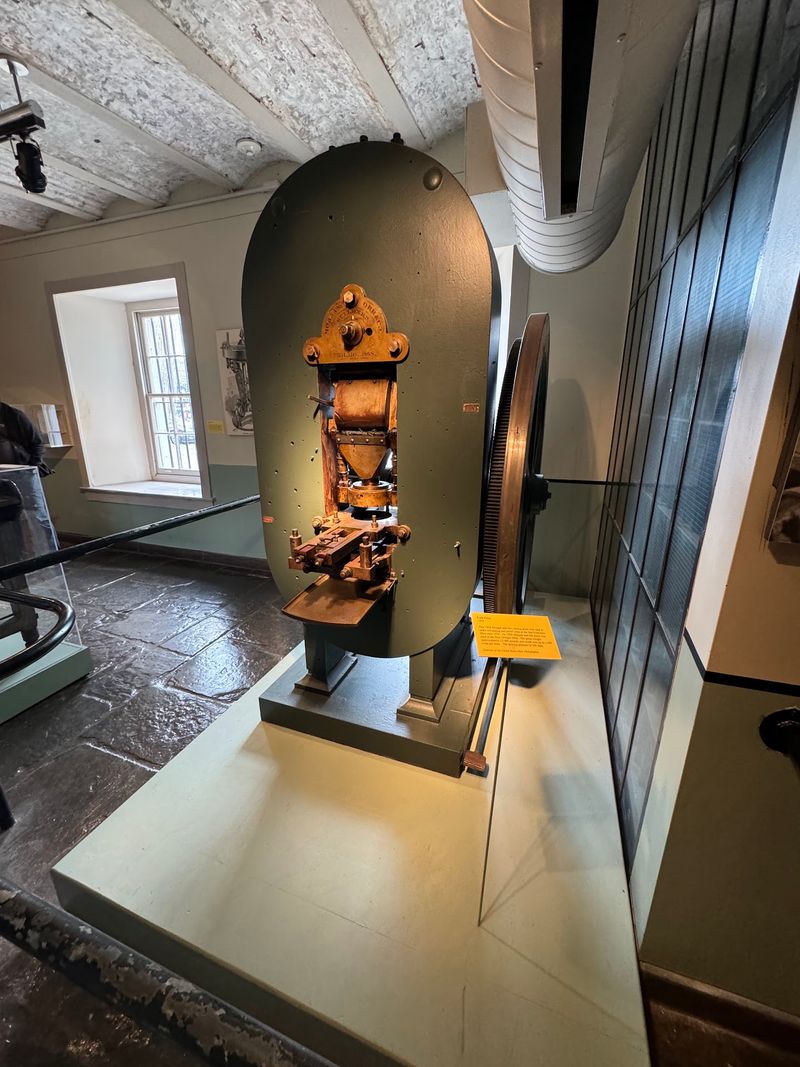
Downstairs, the coin machinery steals attention in the quietest possible way. An original Morgan and Orr press and a Troemner bullion scale sit like heavy reminders that this museum had a working life long before trumpets and clarinets took over.
Seeing those tools first helps explain why the title Old U.S. Mint is not just a poetic nickname.
Kids often expect a music museum to start with sound, yet the metal and mechanics add a different rhythm. The contrast is the fun part.
Watch for how the exhibits connect labor, trade, and the growing port city outside, then head upstairs with that picture in mind, because jazz in New Orleans did not appear in a vacuum. It grew in a busy place shaped by work, movement, and many kinds of exchange over years of change and strain for everyone involved.
The Old Mint Marks Where The French Quarter Changes Tempo
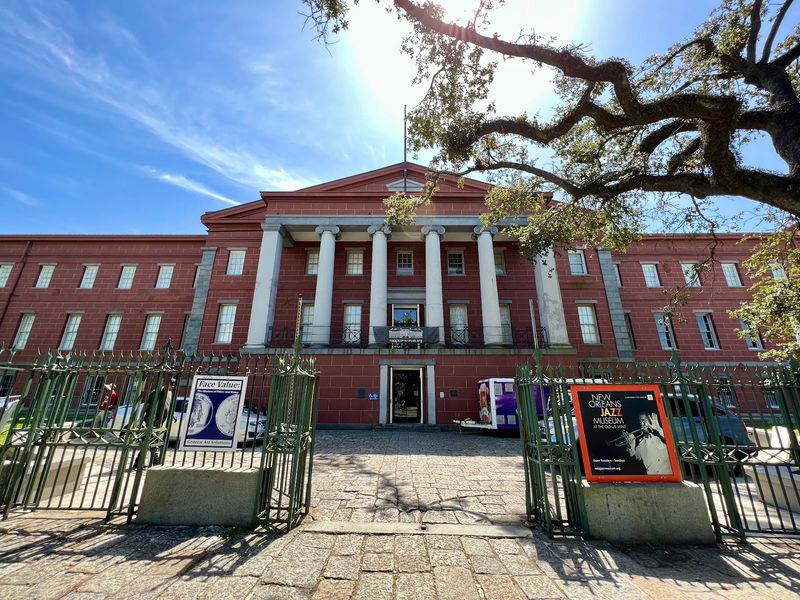
The New Orleans Jazz Museum is inside the Old U.S. Mint at 400 Esplanade Avenue in New Orleans, Louisiana, where the French Quarter meets the Frenchmen Street music corridor.
Approach along North Peters Street, Decatur Street, or Esplanade Avenue toward the large historic building near the riverfront.
The final blocks can fill with pedestrians, tour traffic, and activity around the French Market and Frenchmen Street. The museum currently recommends its Barracks Street entrances, though the Esplanade Avenue entrance provides ramp access during ongoing construction.
There is no dedicated museum parking lot, so use a nearby public garage or legal metered space and walk the remaining blocks. Follow current entrance signs around the building rather than assuming the main Esplanade doors are the only way inside.
Slow Down At The Instrument Cases
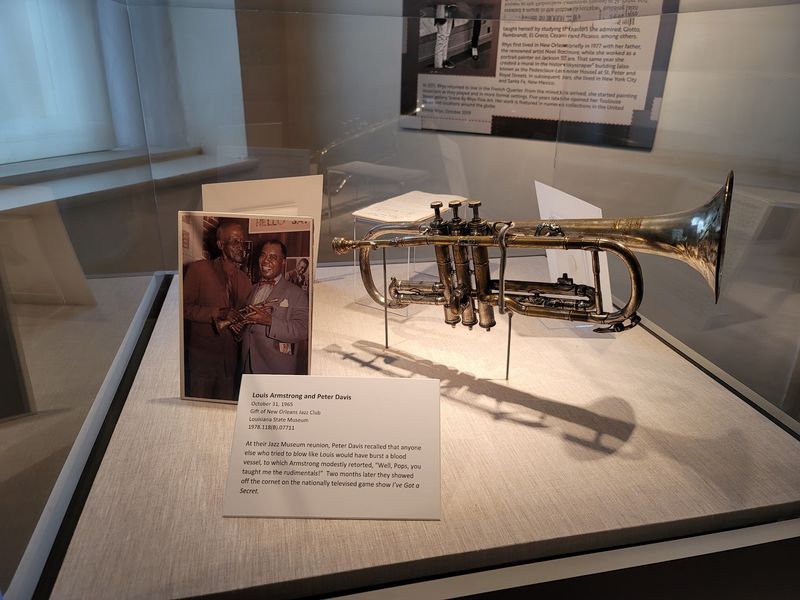
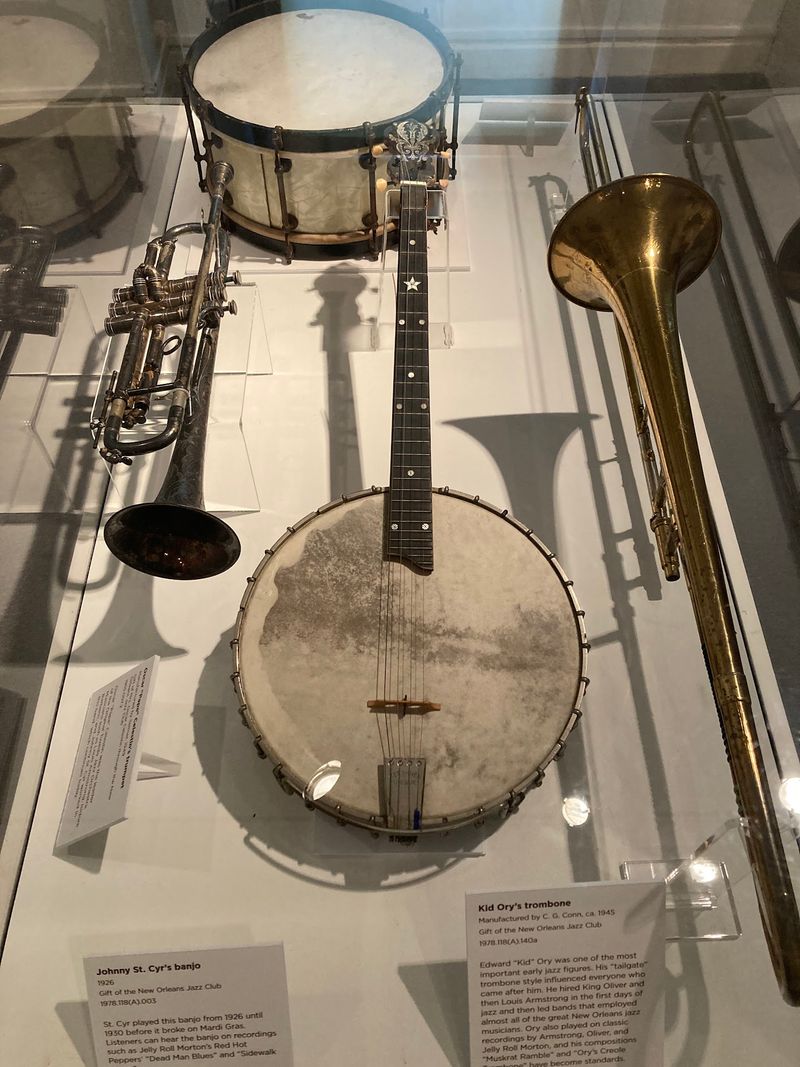
Some museum cases feel sleepy, but the instrument displays here do the opposite. Personal objects, especially Louis Armstrongs first cornet, make famous names seem suddenly human.
The small notches he carved into the mouthpiece as a boy are easy to miss, so slow down and really look instead of drifting past the label.
Nearby photos, recordings, and other horns deepen that feeling by showing jazz as craft, not myth. I liked watching people lean closer to the glass after realizing the story was not abstract history but a young musician solving a problem with his own hands.
If you arrive with only a basic knowledge of jazz, let one object guide you. Follow its story through the rooms, and the museum becomes easier to read, more personal, and much less like homework for first time visitors and kids as well.
Listen For The Archive Behind The Displays
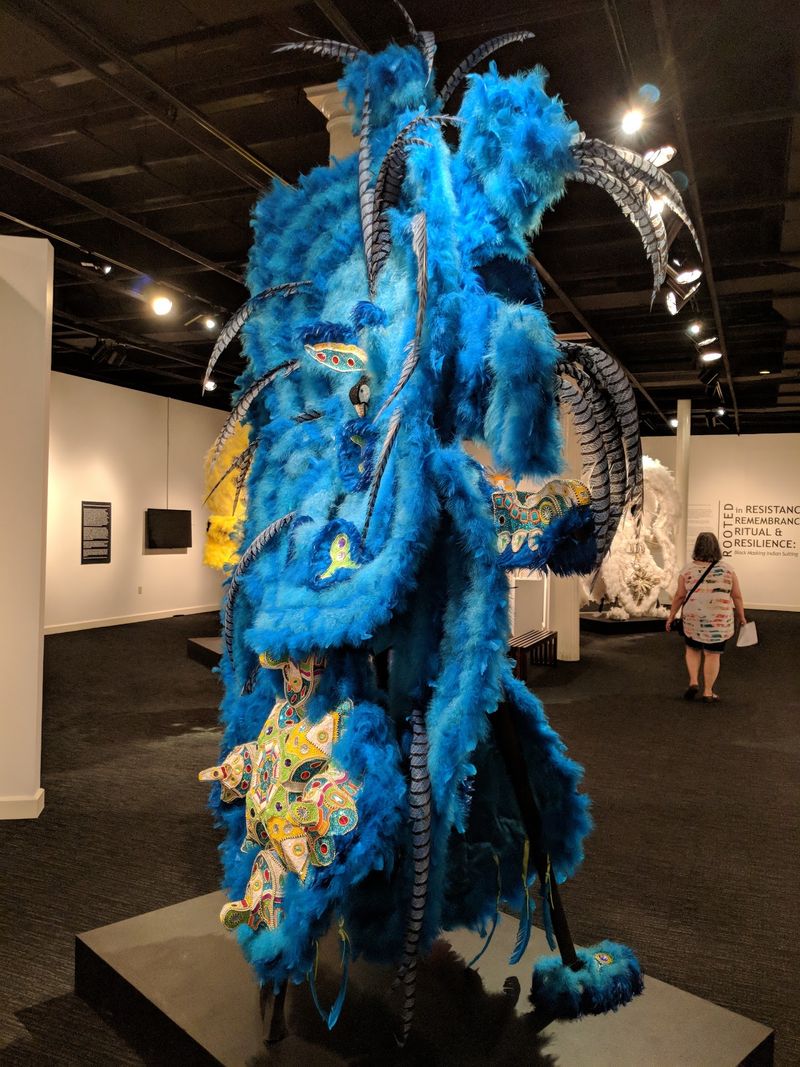
A room full of old recordings can seem still, yet this collection hums in your head. The museum preserves nearly 10,000 traditional jazz and Dixieland recordings in many formats, plus more than 2,000 pieces of sheet music tied to New Orleans music history.
Even if you never use an archive, knowing those sounds survive here changes the mood of the visit.
Instead of rushing to the flashiest display, pause at listening points and read a few dates. You start to notice how long the story is, and how carefully the museum protects fragile formats that could easily vanish.
That effort matters in a city where music lives out loud. Preservation here is not dusty or remote.
It is a practical act of memory, one that lets future musicians, students, and curious travelers hear the roots of a sound that still.
Check What Is On View Right Now
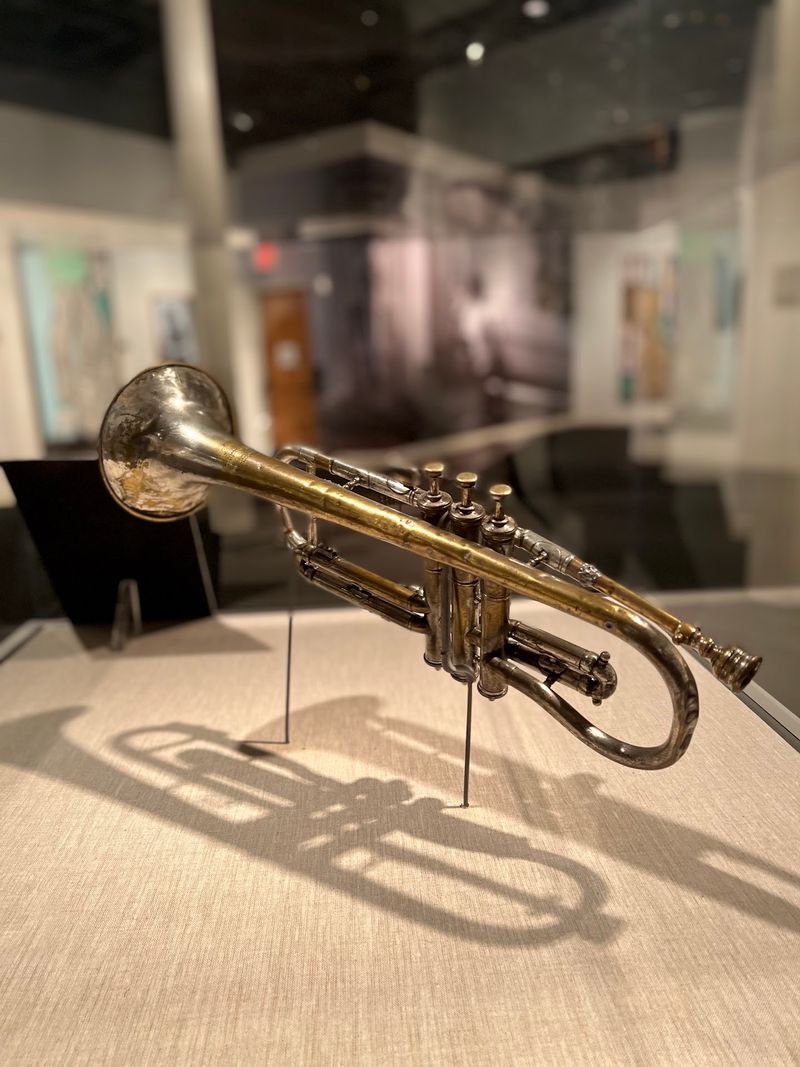
One sneaky advantage of this museum is that it rarely feels fixed in place. Rotating exhibitions mix with permanent favorites, so a return visit can land differently from your first one.
Galleries have explored Louis Armstrongs early life, New Orleans rhythm traditions, and photography that puts musicians close enough to feel like neighbors rather than monuments.
Because the shows shift, check the museum website before you go and note what is currently on view. That small bit of planning can turn a pleasant stop into a visit built around something you genuinely care about, whether that is drumming, local images, or early jazz history.
I appreciate places that leave room for surprise without becoming confusing. Here, the best strategy is simple: start broad, notice what pulls you in, and then give that section more time than you expected that day.
Match Your Visit To A Live Performance
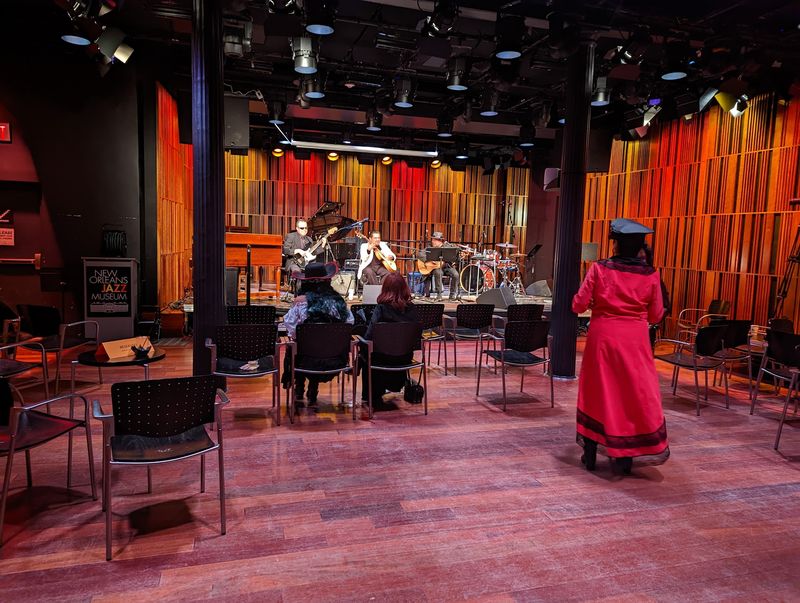
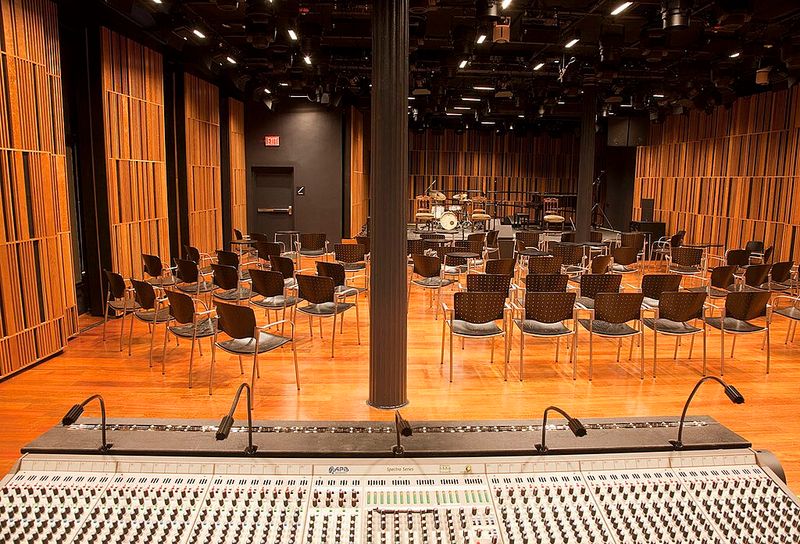
By the time a live set starts upstairs, the museum stops acting like a museum. The third floor Performance Center gives the place a second life as an active venue, and the schedule often includes concerts, talks, and special programs.
With more than 365 performances presented each year, music is not an extra here. It is part of the basic experience.
If your dates are flexible, look at the calendar before picking a morning to visit. Catching a performance after seeing the exhibits ties the whole story together in a satisfying way, because the artifacts stop being relics and start sounding alive again.
The outdoor stage can add another layer when events spill onto the grounds. I would not plan this stop as only a quick walk-through.
Give it breathing room, especially if you want history and present-day culture to meet in the same afternoon.
Use The Esplanade Location To Your Advantage
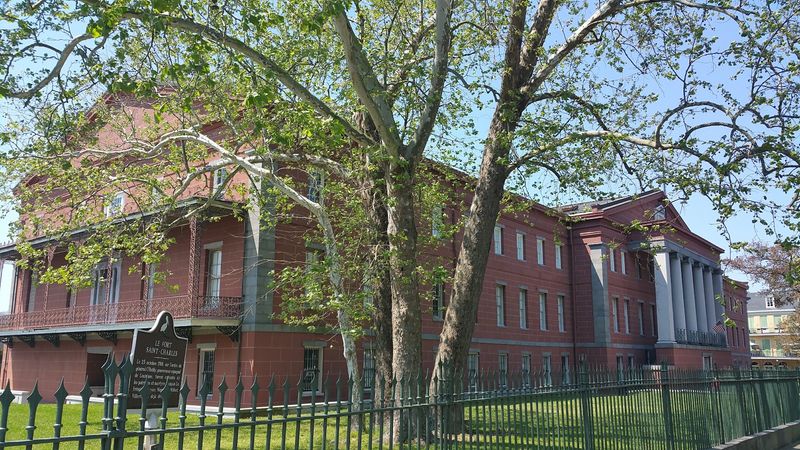
Street sounds do some of the introduction work before you ever buy a ticket. At 400 Esplanade Avenue, the museum sits where the French Quarter edges toward Frenchmen Street, and that placement matters more than it first seems.
You are not sealed off from New Orleans here. The city keeps brushing against the building from every direction.
Stand outside for a moment after your visit instead of hurrying away. The lawn, the grand front, and the nearby movement of people make the museum feel less like a container and more like a crossroads.
That setting helps explain why the subject inside never feels separate from the neighborhood outside. Music, history, architecture, and street life stay in conversation.
For travelers trying to fit a lot into one day, the location also makes this a bridge between landmarks and nearby music spots.
Remember The Reading Room Exists
Quiet corners can be the most surprising part of a lively museum. The Donald M.
Marquis Reading Room offers public access to archival material, and you do not need museum admission just to use that resource. For anyone curious about New Orleans jazz beyond the display cases, that is a generous invitation rather than a hidden perk.
If you like tracing stories, set aside extra time and arrive with a specific question in mind. You might care about early recordings, local clubs, sheet music, or a certain musician, and having a focus keeps the research feeling friendly instead of overwhelming.
I admire that the museum makes scholarship visible without turning the place stiff. The reading room adds depth to the visit by showing that jazz history is still being studied, organized, and protected.
Even casual visitors can appreciate that seriousness.
Look For The Museum In Community Mode
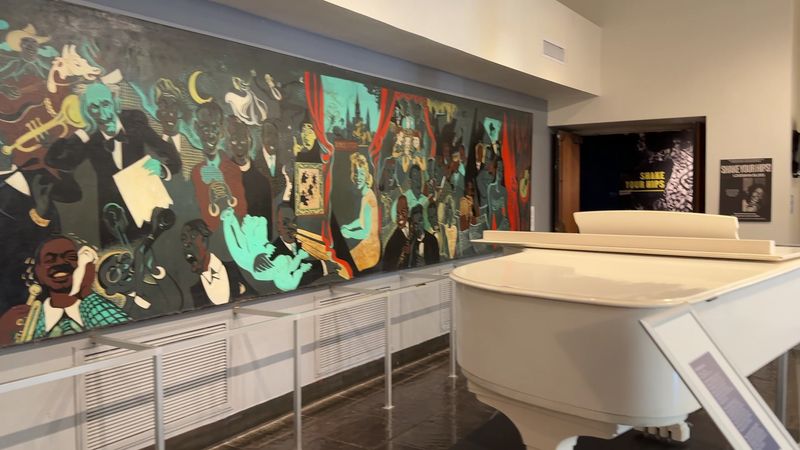
Not every museum knows how to behave like a neighbor, but this one does. Educational programs, festivals on the grounds, and regular public events make the building feel active in a very local way, not sealed behind glass.
That matters in New Orleans, where music is shared, taught, argued over, and passed along in public as much as in formal rooms.
Check whether your visit lines up with a special event, because the museum campus can change character fast when people gather outside. On a quiet morning it feels reflective and almost ceremonial.
During a program or festival, it turns into a meeting place where history and present tense stand side by side. I think that mix is one of the museums best qualities.
You can study an instrument upstairs, then step outdoors and hear tradition continuing nearby that day.
Plan Around The Short Museum Day
Hours matter more here than at some bigger museums, because the day is fairly compact. The New Orleans Jazz Museum is open Tuesday through Sunday from 9 a.m. to 4 p.m., and last tickets are sold about thirty minutes before closing.
Monday is closed, which sounds simple until a travel day gets messy and you realize you planned for the wrong morning.
Go early if you want a relaxed pace, especially when you hope to read labels, listen to audio, and see both the mint and jazz sections. Many people can cover the main exhibits in an hour or two, but a concert can stretch the stop nicely.
The building rewards slow attention more than speed. A little planning helps with parking, timing, and energy, and it leaves room to notice how each floor changes the mood for you later.
Leave Room For A Small Reset At The End
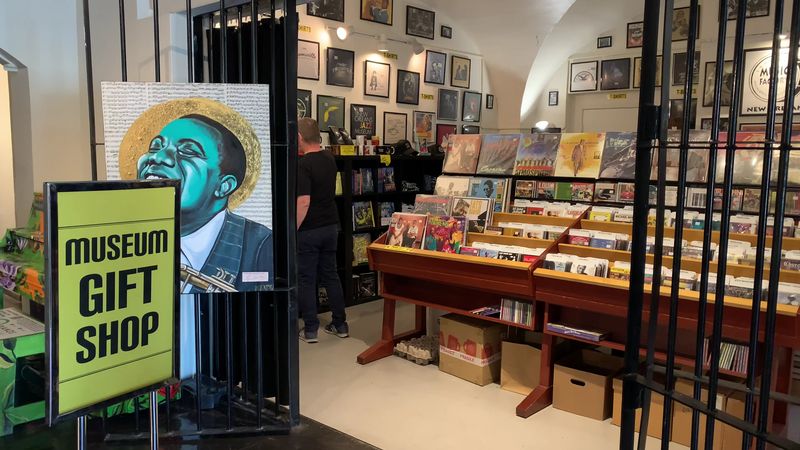
After so much history, a small practical comfort suddenly feels important. The museum has a gift shop, and recent museum information has also noted a first floor visitor cafe area for light refreshments and a casual pause.
Neither feature is the main reason to come, yet both help the place feel welcoming rather than stern.
If you travel with kids, older relatives, or anyone who tires quickly, plan a short reset near the end instead of rushing straight back outside. That break can make the visit feel smoother, especially after reading dense labels or standing through a performance.
I am fond of museums that remember people have feet, attention spans, and shopping habits along with curiosity. A postcard, a music book, or a simple rest can help the day settle before you step back into the noise outside once more.