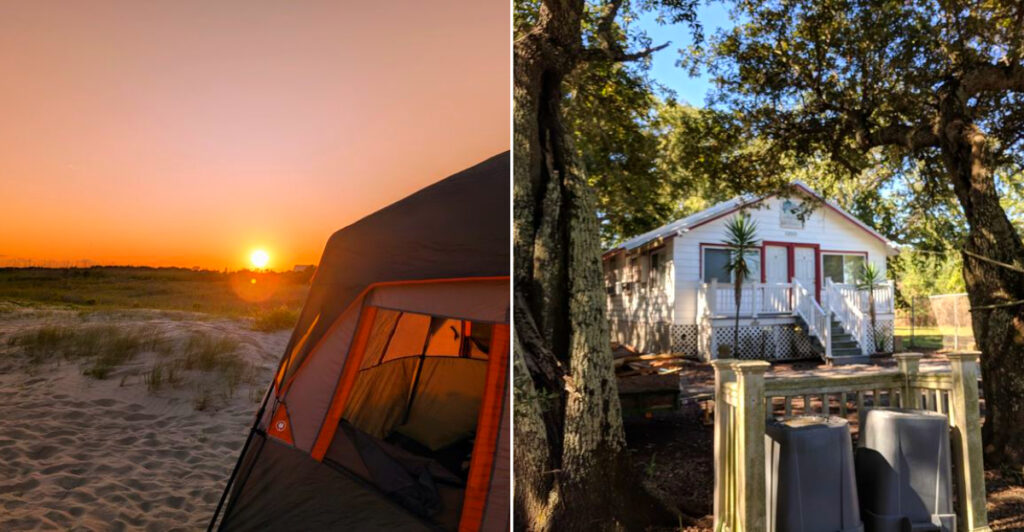
At the end of a long Louisiana highway, the land begins to feel almost optional. Marsh stretches toward the horizon, the Gulf takes over the view, and the pace drops to something dictated more by tides than clocks.
Louisiana’s only inhabited barrier island carries that feeling everywhere.
Raised cottages, weathered oaks, fishing boats, and long stretches of beach sit close together on a narrow piece of coast shaped by wind, storms, and generations of stubborn local life.
Quiet beaches, fishing traditions, birdlife, and raw Gulf Coast scenery make this Louisiana barrier island one of the state’s most distinctive coastal escapes. What surprised me most was how much character fits into such a slim strip of land.
Nothing feels overly polished, and that is exactly the point. The charm comes from weathered details, open water, and the sense that the island is always negotiating with the Gulf.
For travelers who prefer atmosphere over spectacle, that makes it unforgettable.
Time The Drive For Daylight
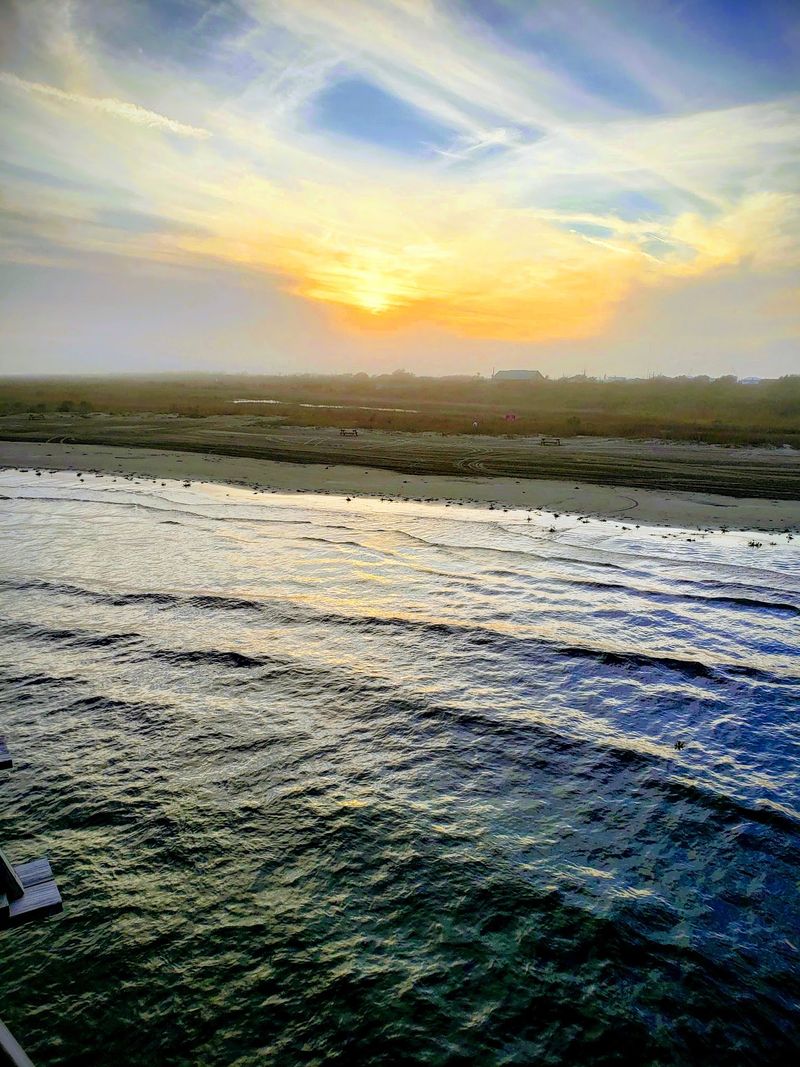
Getting here is part of the lesson. Grand Isle sits at the end of Highway 1, and the long approach across marsh makes the island feel earned instead of simply reached.
Plan your drive in daylight if you can, especially on a first visit, because the scenery tells you what kind of place waits ahead. Water, grass, shrimp boats, and open sky do half the introduction.
Once you arrive, resist the urge to rush straight to the beach. A slow loop down the main road helps you notice grocery stops, public access points, raised homes, and the practical side of island life.
Grand Isle rewards people who settle in gently. Showing up with patience, snacks, and a full gas tank starts the visit on exactly the right foot for the small, weatherwise world waiting beyond the last stretch of pavement.
Learn The Island’s Ground Story
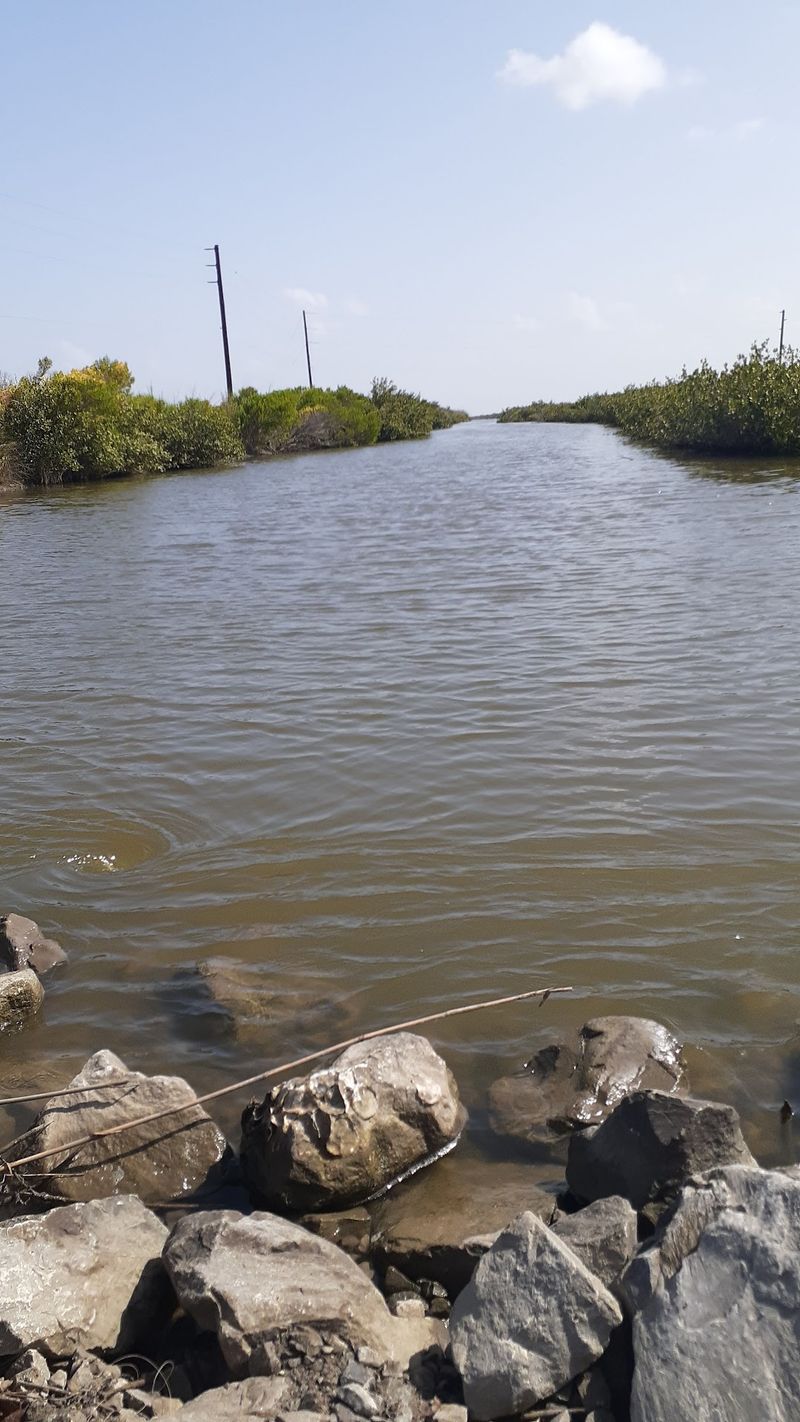
The ground under Grand Isle has a story, even if it looks modest at first glance. The island formed from Mississippi River sediments, creating a natural ridge called a chenier, a word worth learning before you come.
Knowing that detail changes the walk. You stop seeing only sand and road and start noticing how this narrow place rises slightly above the marsh around it.
That small lift helped shape settlement, trees, and daily life for generations. I found it oddly moving that a subtle change underfoot could matter so much on a barrier island.
Visit with curiosity about the land itself, not just the shoreline. Grand Isle feels richer when you understand it as working geography, still shifting, still protective, and still carrying the long fingerprint of the river south into the Gulf, season after season, storm after storm there.
Step Into Lafitte Woods Slowly
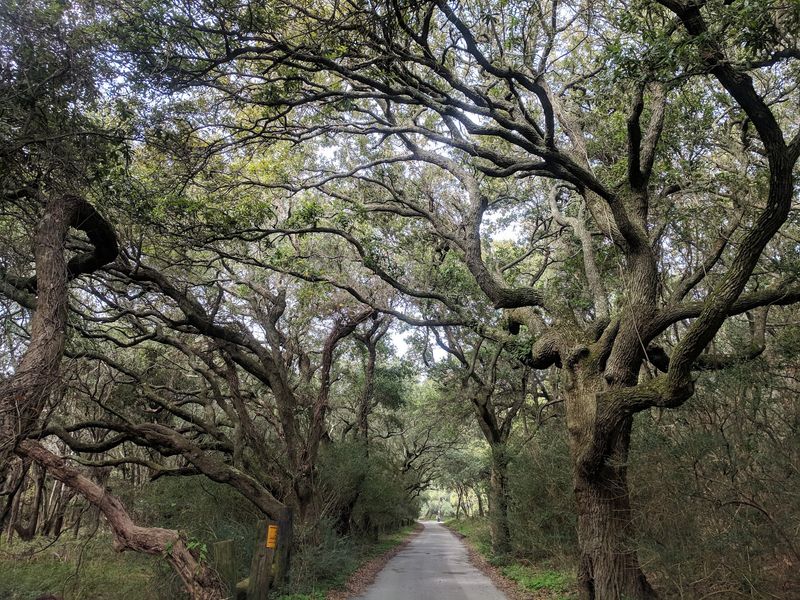
A patch of shade can feel miraculous on Grand Isle, which is why Lafitte Woods stays with you. This preserve protects rare live oak-hackberry forest, part of the chenier habitat that migrating birds depend on after crossing the Gulf.
Step inside and the island suddenly changes scale. The road noise fades, branches knit overhead, and every rustle sounds like news from another continent.
Bring binoculars, water, and more patience than you think you need. Spring gets the attention, but the woods are meaningful in quieter moments too, when light moves through leaves and the island feels older than the beach scene suggests.
The Nature Conservancy has worked to protect this habitat, and you can help by staying on paths and keeping the visit gentle. It is a small place with oversized importance for birds and anyone who likes wonder intact.
Catch The Spring Bird Rush
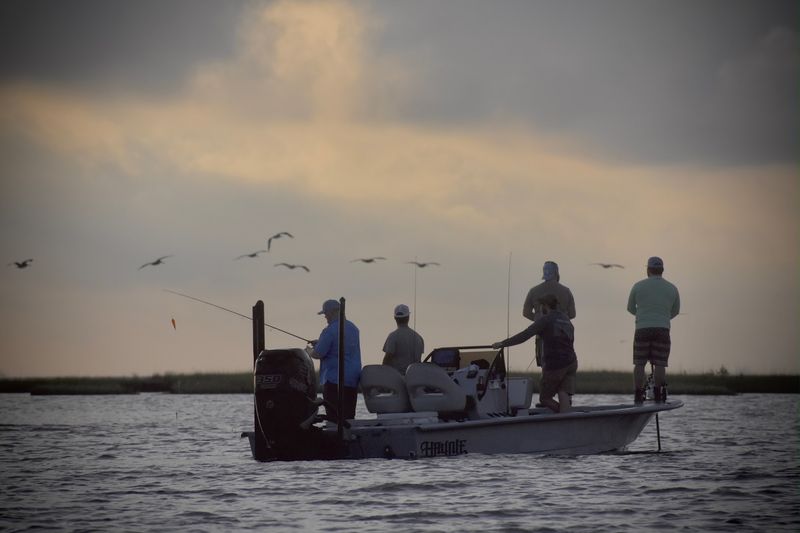
Some mornings in April feel almost busy in the trees, yet the island never loses its calm. Grand Isle is a major stopover for migratory birds that have flown across the Gulf, and the energy can be astonishing.
Warblers flick through branches, shorebirds patrol the edges, and even casual walkers start glancing upward every few steps. You do not need to be an expert to enjoy the show.
Start early, keep your voice low, and wear shoes that can handle damp ground. The Annual Migratory Bird Festival often brings guided outings and a helpful boost for beginners, but a simple self-guided walk can be memorable too.
I liked how the island made serious natural drama feel intimate. A tiny songbird catching its breath in an old oak is hard to forget once you realize how far it has traveled alone.
Read The Raised Houses
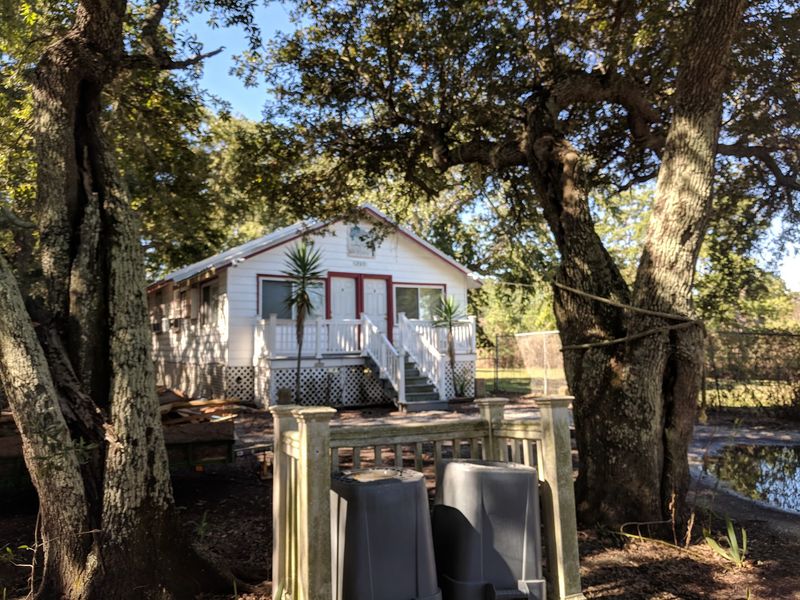
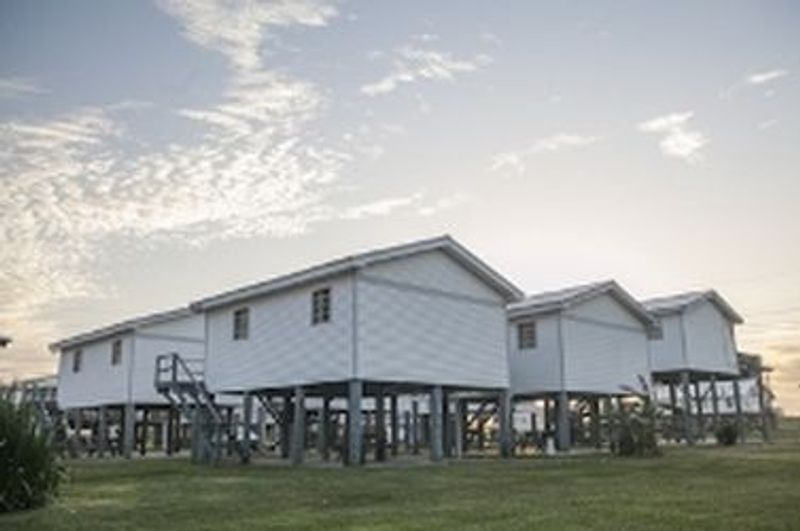
Houses on Grand Isle often stand high above the ground, and after a day there, the logic becomes obvious. Raised cottages and homes on piers are part of the island’s architectural language, shaped by flooding, storms, heat, and the need for moving air.
Look closely and practical features start reading like local style: broad porches, ample windows, steep roofs, shaded space below.
The old Oleander Hotel, built in 1931, is one of the clearest examples of this coastal vernacular and is being restored as a cultural center. Older Creole-style raised cottages also tell the story of adaptation rather than ornament alone.
Walk the neighborhoods respectfully and let the buildings teach you. On Grand Isle, architecture is not decoration first.
It is weather knowledge made visible, then made livable for families who understood beauty had to cooperate with water everyday there.
Fish Where The Island Fishes
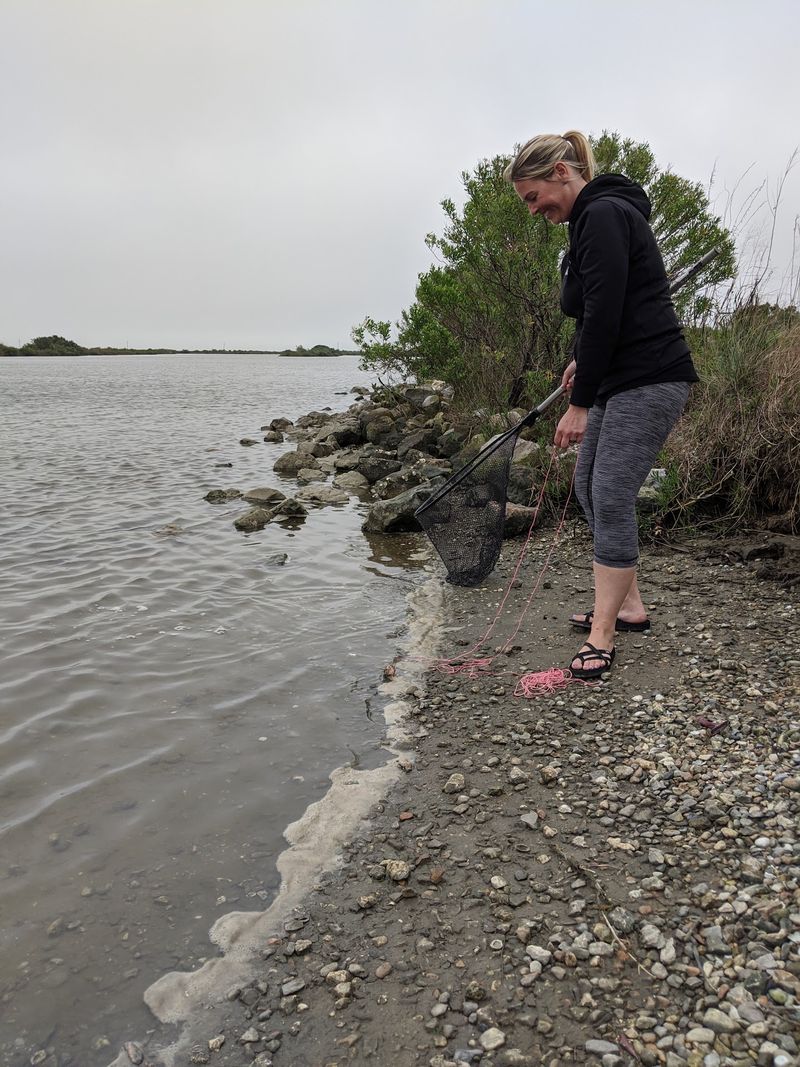
If you bring a rod, Grand Isle immediately makes sense in a different way. Fishing is stitched into daily life here, not treated like a side attraction, and the waters around the island hold remarkable variety.
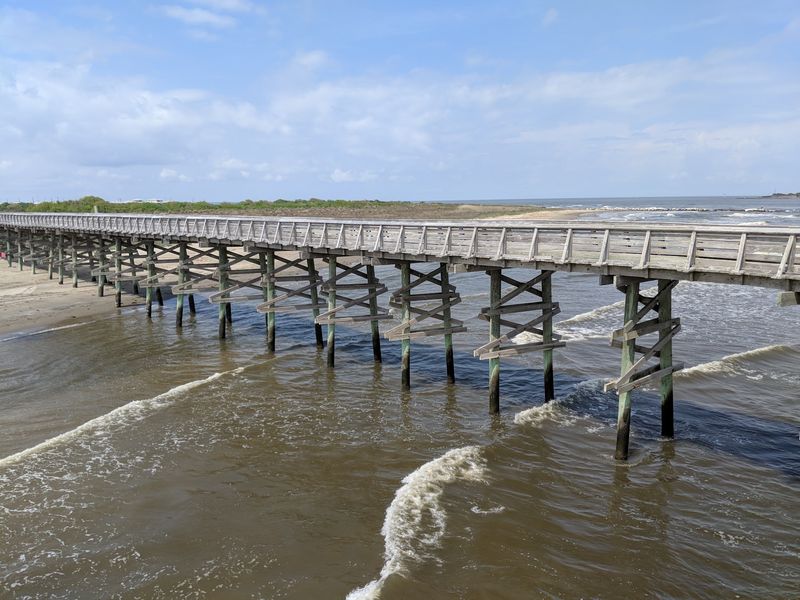
Grand Isle State Park offers a public fishing pier, while the old fishing bridge area near Caminada Bridge remains a favorite place to cast. Even watching other people fish can teach you the local rhythm.
Late July brings the International Tarpon Rodeo, the oldest fishing tournament in the United States, and you can feel the history around it. Beginners should ask simple questions, check current rules, and respect the working seriousness of the scene.
What I liked most was the lack of showiness. On Grand Isle, fishing feels less like performance and more like conversation with tide, weather, and patience before dawn or dusk.
Walk The Beach At Dawn
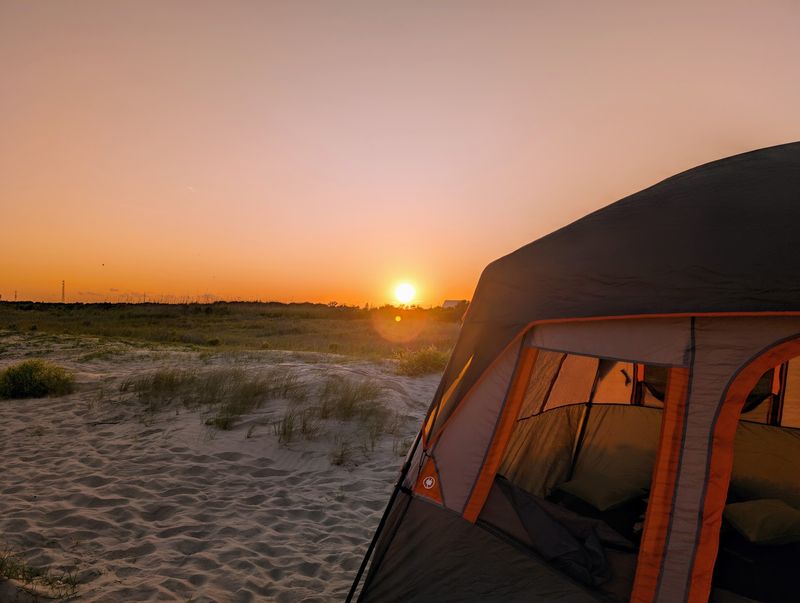
Dawn is when Grand Isle’s beach feels most honest. Before the day warms up, the sand is easier to walk, the light is softer, and the Gulf seems to speak in a lower voice.
Pelicans skim close to the water, shells show themselves more clearly, and long stretches can still look barely touched. It is the best time to understand why people come here for quiet rather than spectacle.
Go early with water, sun protection, and shoes you do not mind filling with sand. Beach conditions can change with weather and tides, so treat the shore as a living edge, not a fixed postcard.
One morning I found more bird tracks than footprints, which felt exactly right for Grand Isle. Slow walking works better than destination thinking here, especially if you like noticing small surprises between wrack lines and shells.
Use A Golf Cart With Care

A golf cart on Grand Isle can make you feel delightfully ten years old, but use the freedom sensibly. Carts are a popular way to get around the island, and with a local permit they are allowed on the beach.
That sounds carefree, yet the setting asks for attention. Sand shifts, pedestrians wander, and wildlife does not need a close encounter with your vacation mood.
Check local rules before rolling out, drive slowly, and treat the cart as a convenience, not a toy. It is best for short hops when you want more breeze than a car gives and less effort than walking demands.
I learned quickly that the island rewards people who move at a respectful pace anyway. A quiet cruise past raised homes and sea grapes feels better than tearing anywhere in a hurry on such narrow ground.
Respect The Storm-Shaped Reality
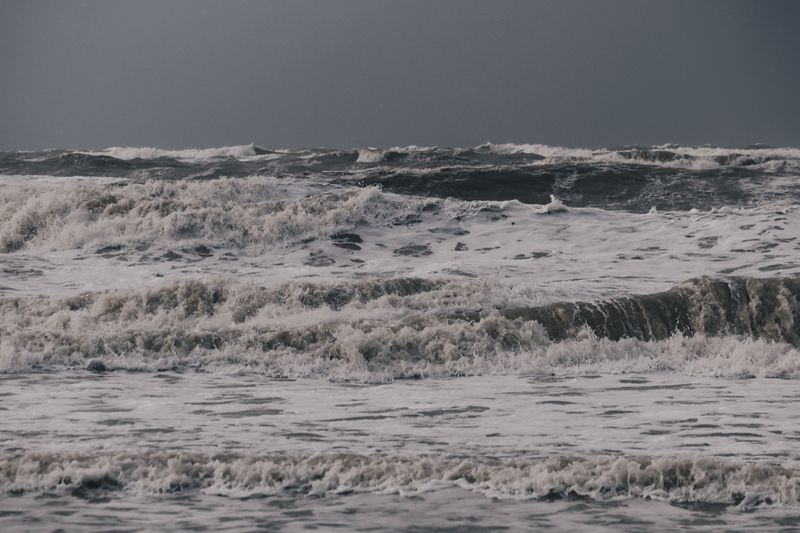
Pretty places can also be tough places, and Grand Isle never quite hides that fact. As a barrier island, it stands on the front line of Gulf weather and helps buffer inland communities from storms.
You notice the evidence in elevated homes, rebuilt structures, and the practical habits residents keep without fuss. The beauty here feels stronger because it is not naive.
Before your trip, check weather, road conditions, and any local notices from the town or state park. Pack with coastal common sense: extra water, sun gear, and a flexible plan if conditions shift.
Respecting storm reality is part of respecting Grand Isle itself. I did not find that sobering in a gloomy way.
It made the island’s calm seem earned, maintained, and deeply connected to the people who stay committed to it through each season, repair, and return.
Plan Around A Real Local Tradition
You can tell Grand Isle values tradition because its big events still feel tied to place. The International Tarpon Rodeo in late July is the most famous, but the island calendar also includes birding gatherings and kayak fishing events that reflect local habits rather than imported entertainment.
What matters is not just activity. It is the way nature, skill, and community meet on a very narrow strip of Louisiana.
If your visit lines up with an event, lean in without trying to over-schedule every hour. Watch how people talk, prepare, and move through the day.
The annual routines reveal as much as the official program. One thing I appreciated was the lack of polish in the best sense.
Grand Isle traditions feel lived in, passed along, and still connected to tides, seasons, and working knowledge instead of tourist stagecraft alone.
Leave Time For The Quiet
Silence is part of the attraction here, though it is rarely total silence. On Grand Isle, the soundtrack is usually wind, surf, birds, distant motors, and the soft clatter of a place getting on with itself.
That mix can reset your attention in a useful way. You start noticing porpoises offshore, cloud shapes over the marsh, and how often the sky becomes the main event.
Leave gaps in your plan on purpose. A barrier island this slim is better experienced with room for detours, weather changes, and stretches of doing almost nothing.
Some of my favorite moments came from stopping without a grand reason, then realizing the island had already given me one. Grand Isle is not trying to impress every minute.
Its charm works through accumulation, until the quiet starts feeling surprisingly full with memory, texture, and small daily theater.