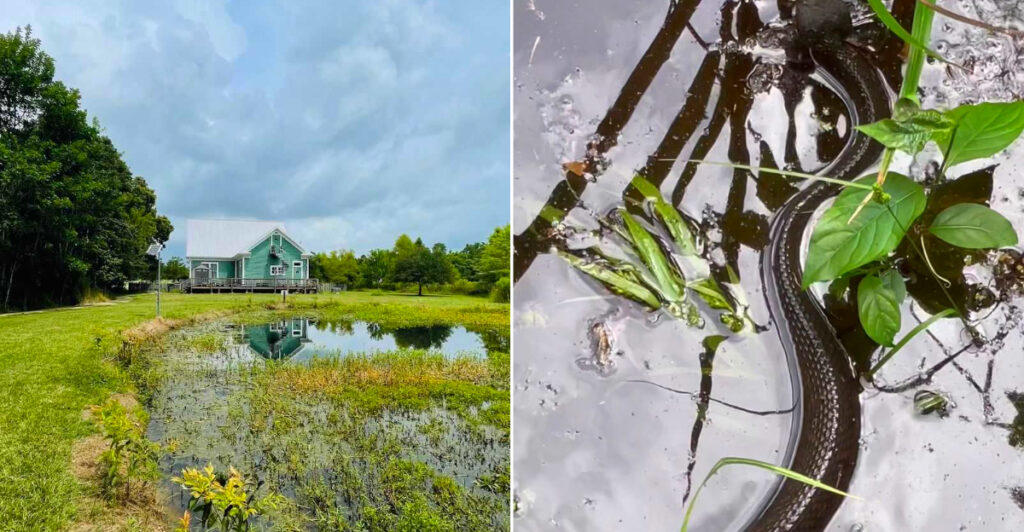
Herons were what I expected. Herons, plus three cottonmouths coiled on the path within the first quarter mile.
My hiking companion counted four more before we reached the observation deck. The refuge itself is beautiful.
Cypress trees rise out of dark water, plus the canopy filters light in a way that makes everything look painted.
But snakes have claimed this territory with a confidence that surprised me. A park volunteer told me the population spikes every summer, plus she recommended staying on the elevated paths rather than the ground trails. I took that advice.
The experience stays with you. I have never watched my step so carefully, plus I have never been so aware of how quickly a peaceful walk can change when the wildlife owns the territory. Closer snake encounters than most visitors expect await on the boardwalk trails of a wildlife refuge in Louisiana.
Pick Long Pants And Closed Shoes
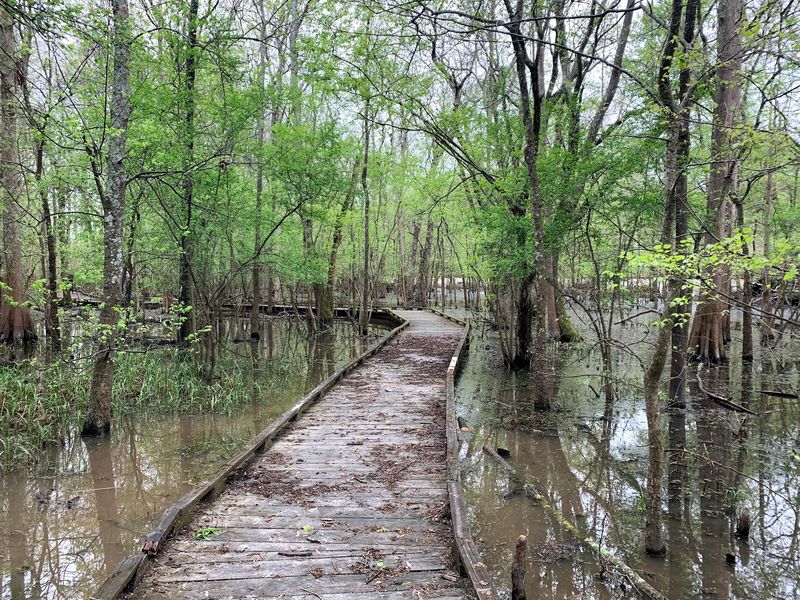
Fashion loses badly to common sense in a bayou. Long pants, high socks, and closed shoes help protect your legs from surprise brush contact, muddy edges, and the kind of quick flinch that happens when something slender slips away beside your foot.
Even nonvenomous snakes can startle people into bad stumbles.
Black Bayou’s trails range from concrete paths to grassy stretches like Edgewater Trail, and some areas stay damp after rain. That means low vegetation, puddled margins, and fewer chances to see what is tucked near the ground.
Lightweight pants are more comfortable than they sound in Louisiana if they also block sun and bugs. I would skip sandals entirely here.
Better footing lets you watch birds, trees, and water instead of worrying about every rustle under the next patch of grass when the path turns shady and narrow.
US-165 Gives Way To The Bayou
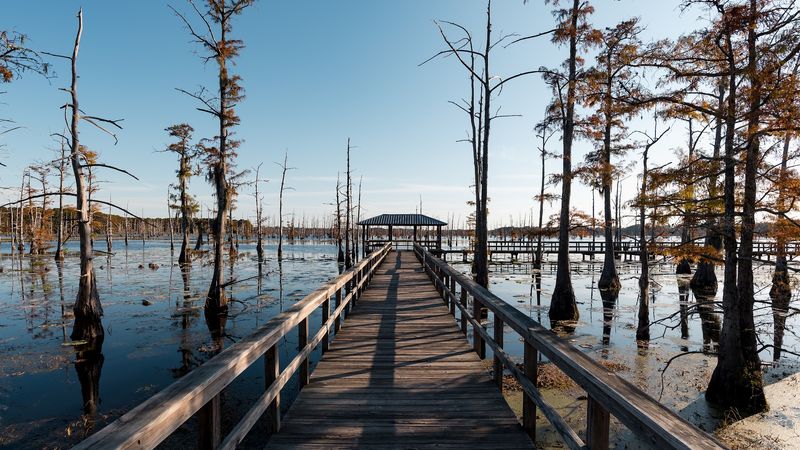
Black Bayou Lake National Wildlife Refuge sits north of Monroe, Louisiana, at 480 Richland Place. From I-20, take Exit 118B onto US-165 North toward Bastrop and stay on the highway as you leave central Monroe behind.
Turn right from US-165 onto Richland Place, then take the first right to remain on Richland Place as it leads into the refuge. The paved approach carries you away from the highway and toward the visitor center beside the lake.
Follow Richland Place to the visitor center parking area, which is the most practical starting point for a first visit. From there, continue on foot toward the accessible trails, Nature Trail Boardwalk, and Wildlife Pier.
Bring Water And Bug Spray
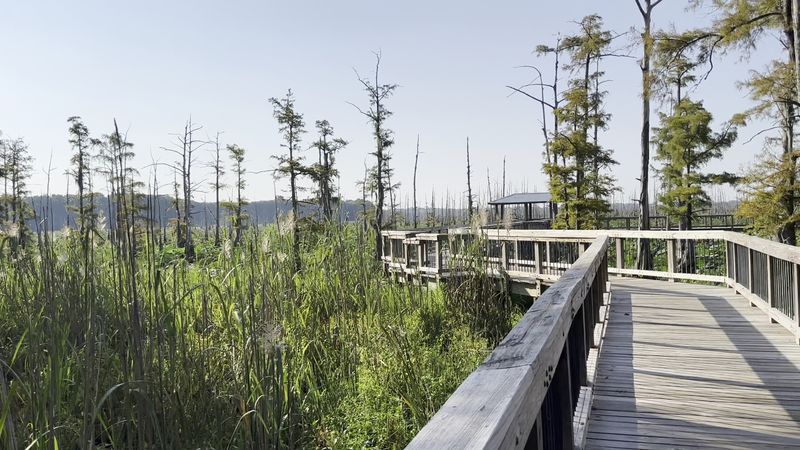
Heat and insects can make people careless faster than snakes do. When the air turns heavy around Black Bayou Lake, visitors start swatting, rushing, and stepping without looking, which is exactly how a safe walk becomes clumsy.
A bottle of water and bug spray are not extras here. They are trail manners.
The refuge advises visitors to carry water, and that advice feels especially smart on warm days near swamps and bottomland woods. Mosquitoes and other biting insects gather in the same lush places where snakes may rest under cover.
Staying hydrated keeps your head clear, while bug spray cuts down on the dance of sudden arm waving. I noticed that once the buzzing eased off, it became much easier to scan the path calmly.
Calm eyes catch movement sooner, and calmer feet usually make better decisions near the water.
Watch The Waterline
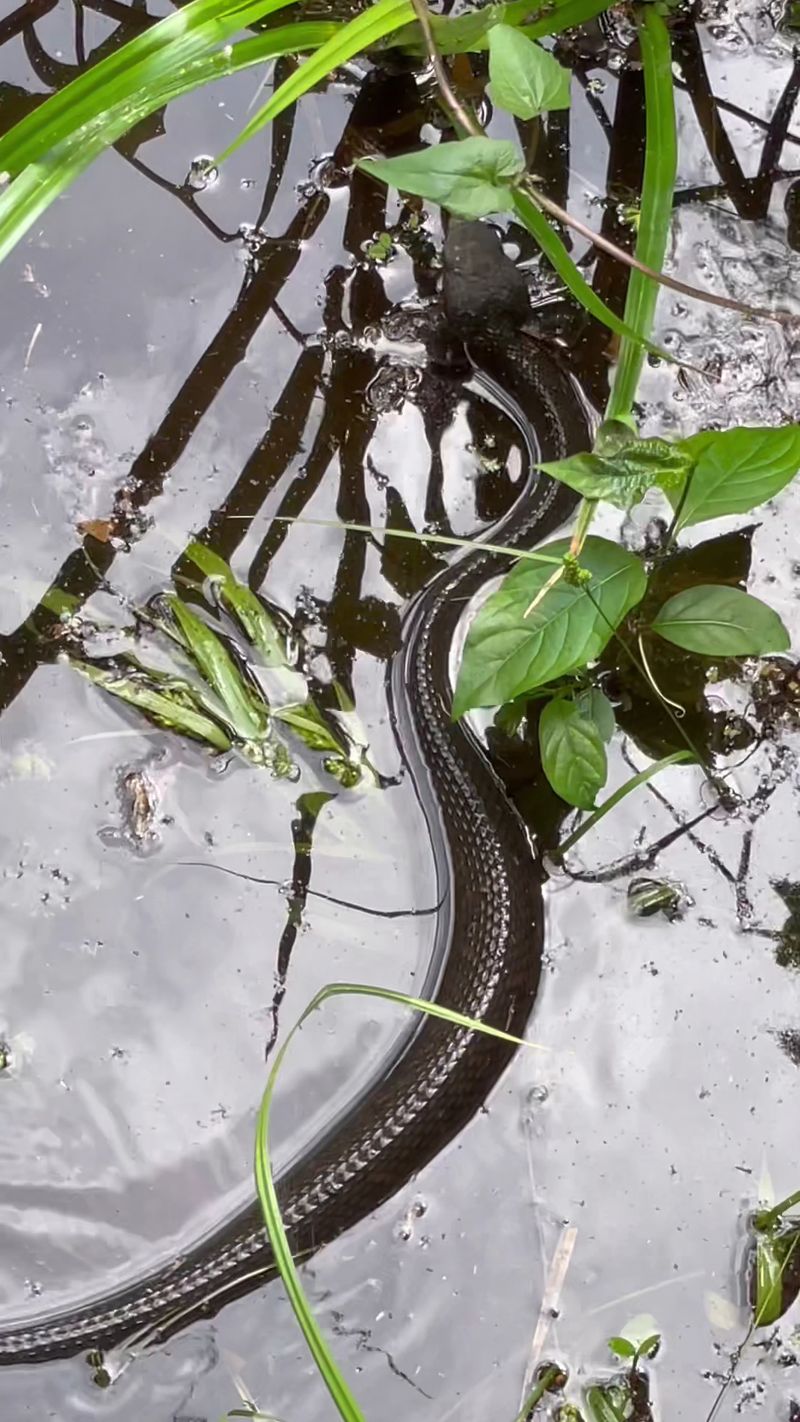
The prettiest edge of the refuge can also be the trickiest. Snakes often travel along shorelines, float with only part of the body showing, or rest where roots meet shallow water.
Because Black Bayou Lake is ringed with cypress and tupelo, the margins are full of hiding places that reward patient wildlife watching and punish distracted wandering.
Keep a wider buffer when you stop near the lake, especially around fishing spots, boat launches, and soggy banks. Cottonmouths live in North Louisiana, and harmless water snakes can look alarming when they pop up close.
A little space solves a lot. Scan before kneeling, setting down a bag, or helping a child peer over the edge.
The wildlife pier is excellent for views because it puts open water between you and whatever is cruising below, beside, or under nearby vegetation at times.
Skip Tall Grass At Dawn
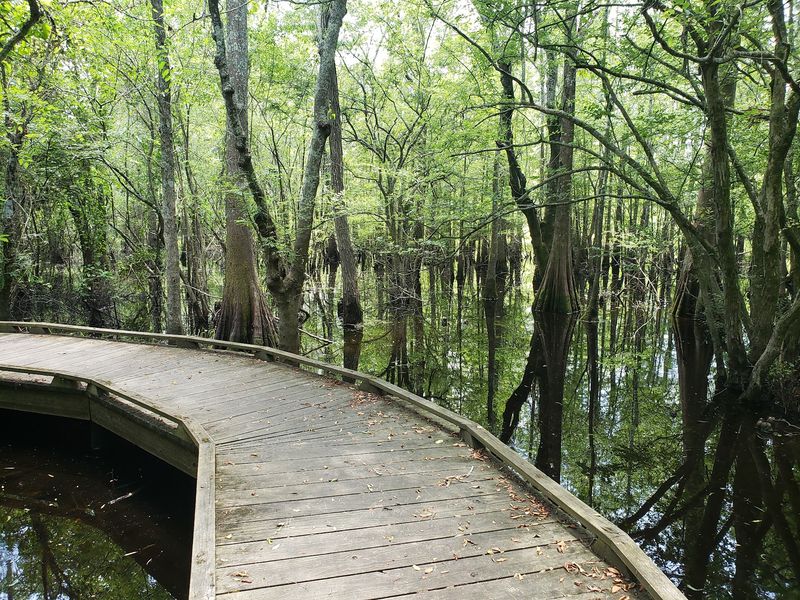
Early and late light are wonderful for birds, but they can also be active times for reptiles. Cooler temperatures pull wildlife into open edges, and tall grass near wet ground becomes a busy hallway.
At Black Bayou, that matters most on longer grassy routes where the view at ankle level disappears under stems and seed heads.
If you want the gentlest start, choose the concrete Arboretum Trail or Prairie Trail first, then decide whether to tackle rougher ground. Dawn is lovely, yet it asks more attention from your feet.
I like morning visits here for the frog calls and soft mist, but not for brushing through uncut edges. Snakes do not need much room to vanish from sight.
A clear path gives you time to notice shape, color, or movement before you are sharing the same narrow strip of ground.
Use The Learning Center First
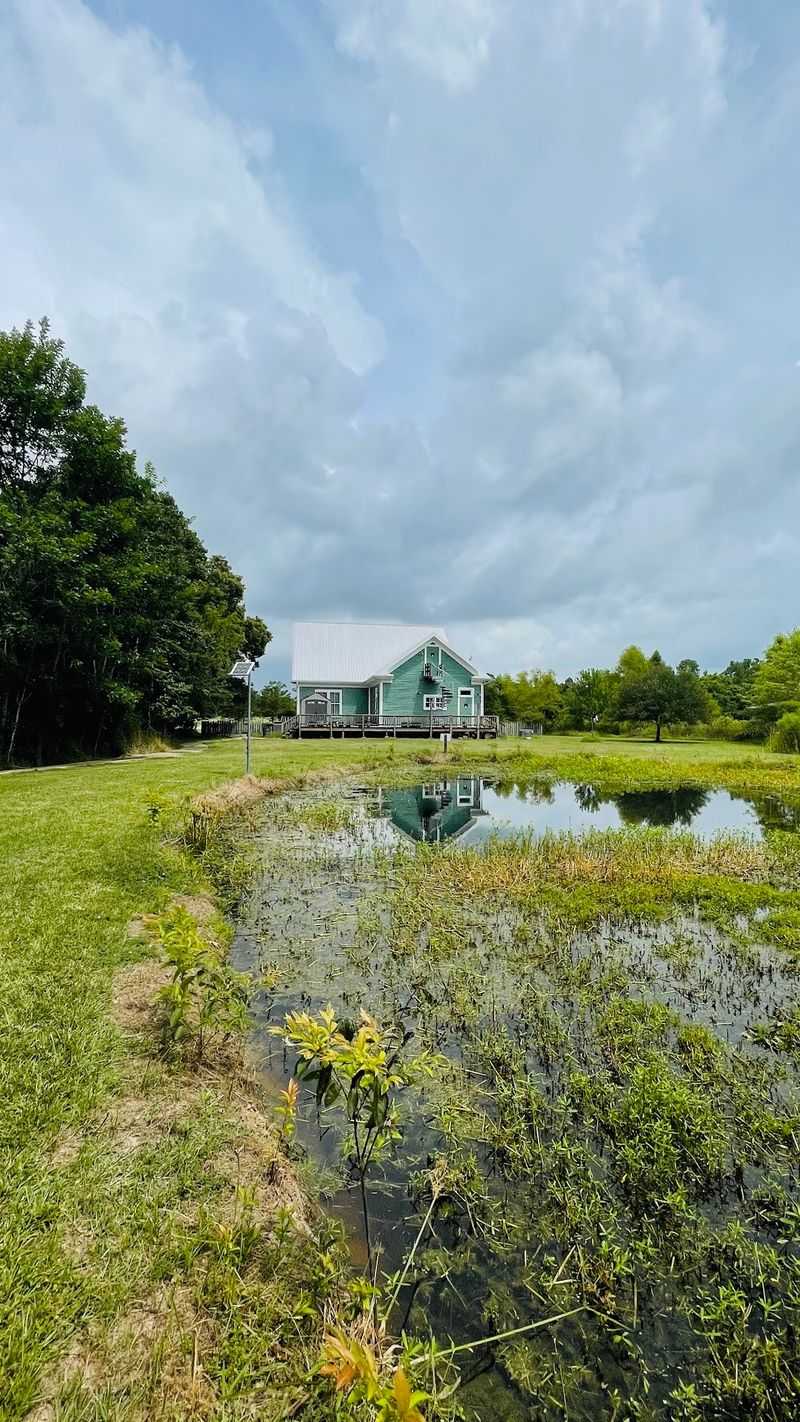
A smart bayou walk sometimes starts indoors. The Conservation Learning Center beside the visitor center helps visitors learn what lives here before they head onto trails, and that small bit of context changes everything.
When you have seen native reptiles in exhibits and read the habitat signs, the refuge feels less like a mystery and more like a living system.
Black Bayou supports remarkable biodiversity, and snakes are just one part of that crowded cast. Knowing the difference between panic and caution is useful when you step outside.
The center also sits near the accessible arboretum and prairie areas, which makes it a good place to ease into the landscape. I appreciated that order on a first visit.
Start with names, shapes, and habitats, then move to boardwalk and lake. Curiosity tends to crowd out fear when information arrives first.
Give Dogs Short Leashes
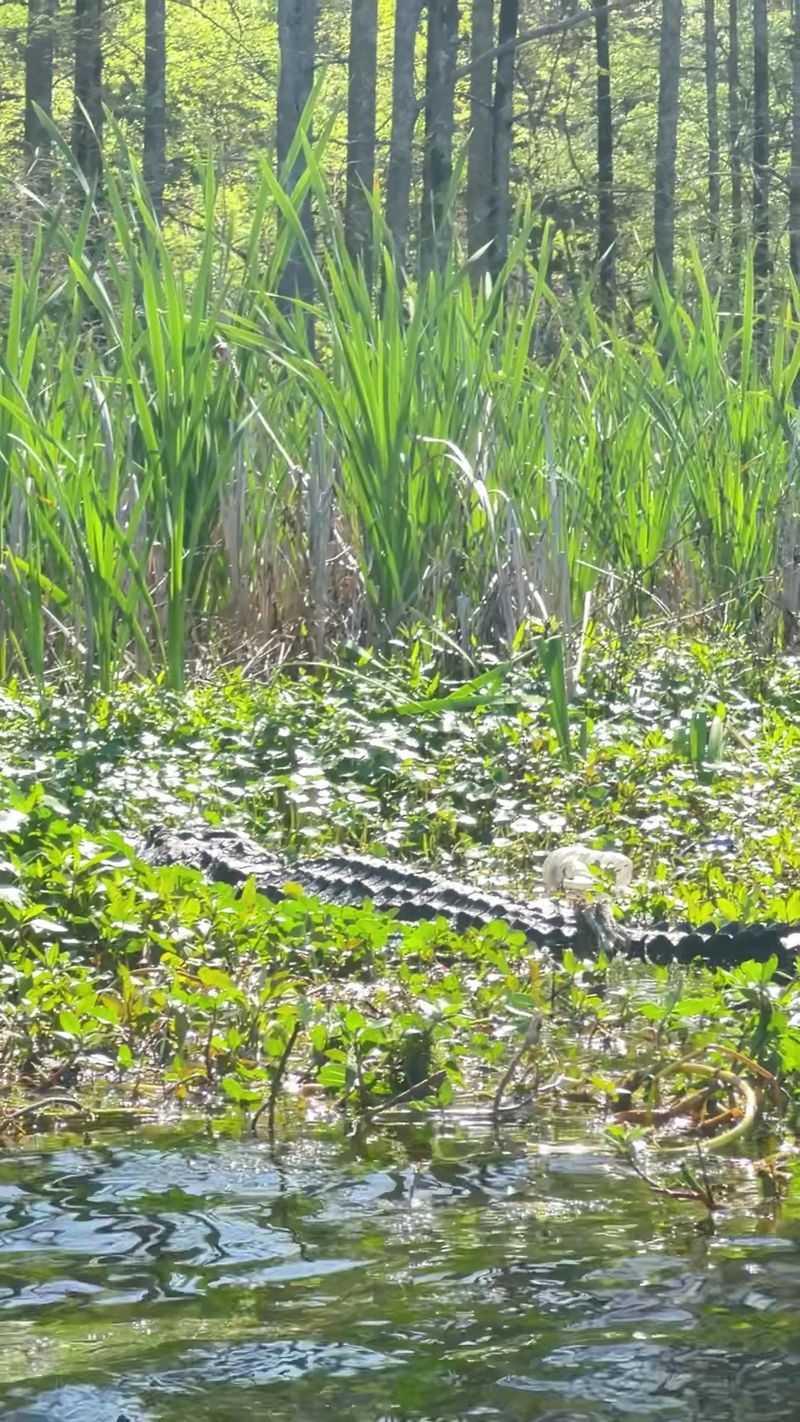
Dogs are allowed on most trails at Black Bayou, but the leash rule is not just polite formality. A curious nose reaches brush and water edges long before a person does, and that can create a tense moment with snakes or alligators.
Short leashes keep everyone honest, including owners who get distracted by birds or photos.
The refuge notes that dogs are not permitted on the Challenge Trail, and that restriction makes sense in a place with sensitive wildlife and tight spaces. On the trails where pets are welcome, keep them close and out of shoreline tangles.
A long retractable lead is a bad idea here. Your dog does not know which rustle is a lizard and which one deserves distance.
Good leash control also helps visitors stay relaxed, especially families whose attention is split between water, insects, and shadows.
Pause Before Every Photo Stop
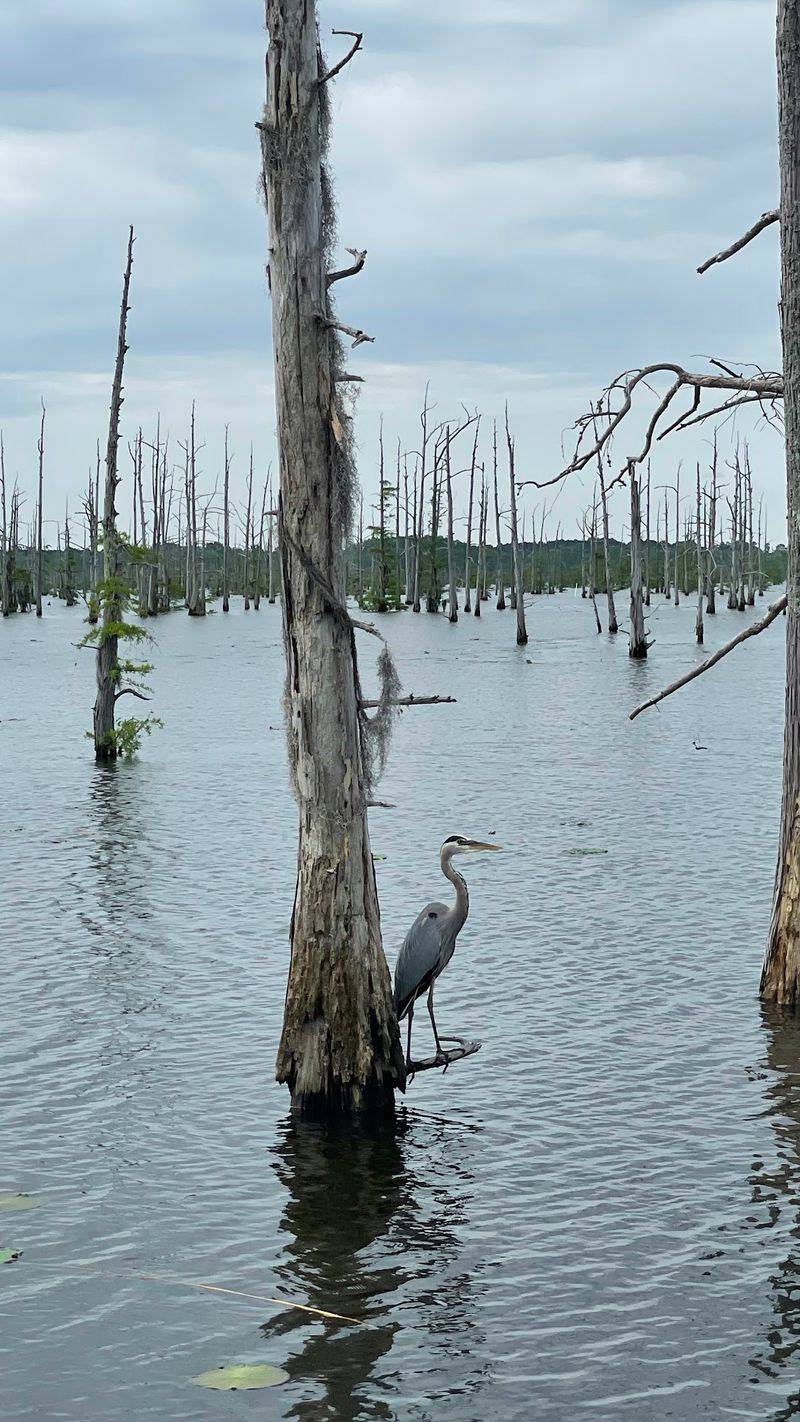
The refuge is full of scenes that make people wander toward the edge without thinking. A heron lifts off, lily pads catch the light, and suddenly one more step seems harmless.
That is exactly when a snake hidden beside roots or tucked under a low rail becomes part of the picture in a way nobody wanted.
Before you frame a shot, stop your feet and scan the ground, the rail, and the waterline. Black Bayou rewards patience anyway.
The best wildlife views often come when you stand still on the boardwalk or pier and let the place settle around you. I have had better luck spotting anhingas, frogs, and basking reptiles by waiting than by creeping closer.
Photography here works better like quiet fishing. Let the scene come to you, rather than pushing yourself into a patch of uncertain cover.
Expect Snakes To Be Part Of The Day
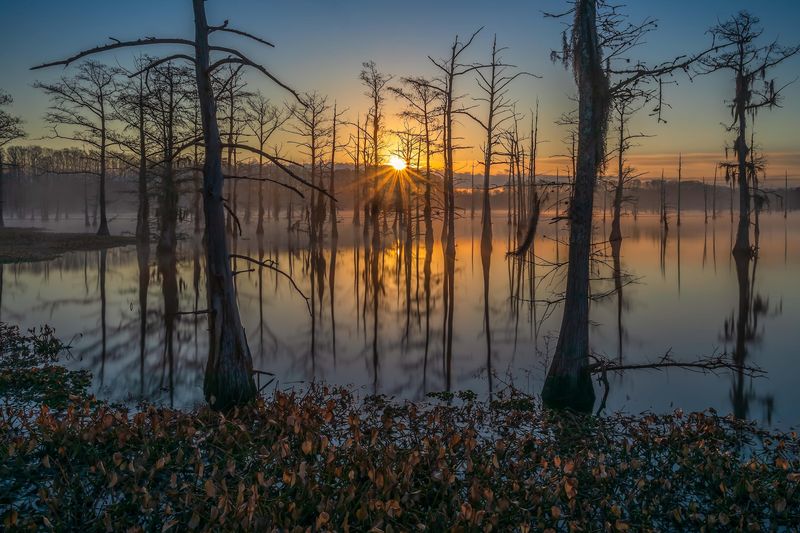
One oddly calming truth about Black Bayou is that snakes belong here. The refuge protects wetlands, swamps, hardwoods, prairie patches, and reforested fields, so abundant wildlife is the whole point.
With more than a thousand species observed on iNaturalist, seeing reptiles in a place like this is not a warning that something is wrong. It means the habitat is working.
That said, acceptance should not slide into carelessness. Water snakes, racers, rough greens, rat snakes, and cottonmouths all call this region home, though you may see none on a short visit.
Treat every sighting as a reminder to give wild animals room. I think the trick is mental, not athletic.
Once you stop expecting a petting-zoo version of nature, you move more thoughtfully. The bayou becomes richer, stranger, and honestly more memorable when you respect what is living in it.
Check Conditions Before You Go
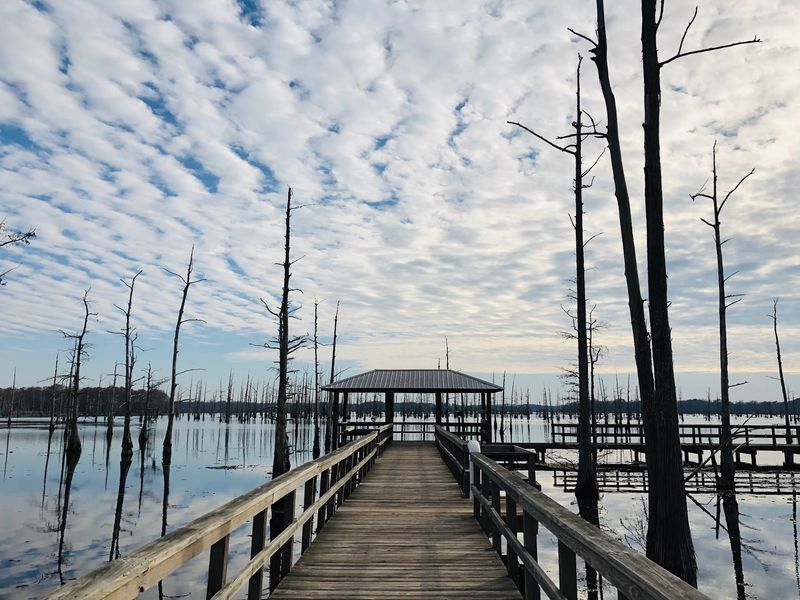
Black Bayou changes with weather, water level, and season, and the safest plan starts before the car door opens. Some trail sections can stay wet after rain, the lake depth shifts through the year, and visitor center hours are specific.
A quick check of current conditions can keep a simple outing from turning into a rushed, muddy guessing game.
The refuge trails are open during daylight hours, while the visitor center keeps posted operating hours that are narrower. Knowing what is open helps you choose between indoor exhibits, accessible concrete paths, longer grass trails, or a paddle outing.
Weather matters for wildlife too. Warm, still days can make reptiles easier to notice near shore, while flooding changes where you can comfortably walk.
Call ahead if timing matters, especially for first visits. Good planning leaves space for cypress reflections and footing.
Leave The Bayou Cleaner And Calmer
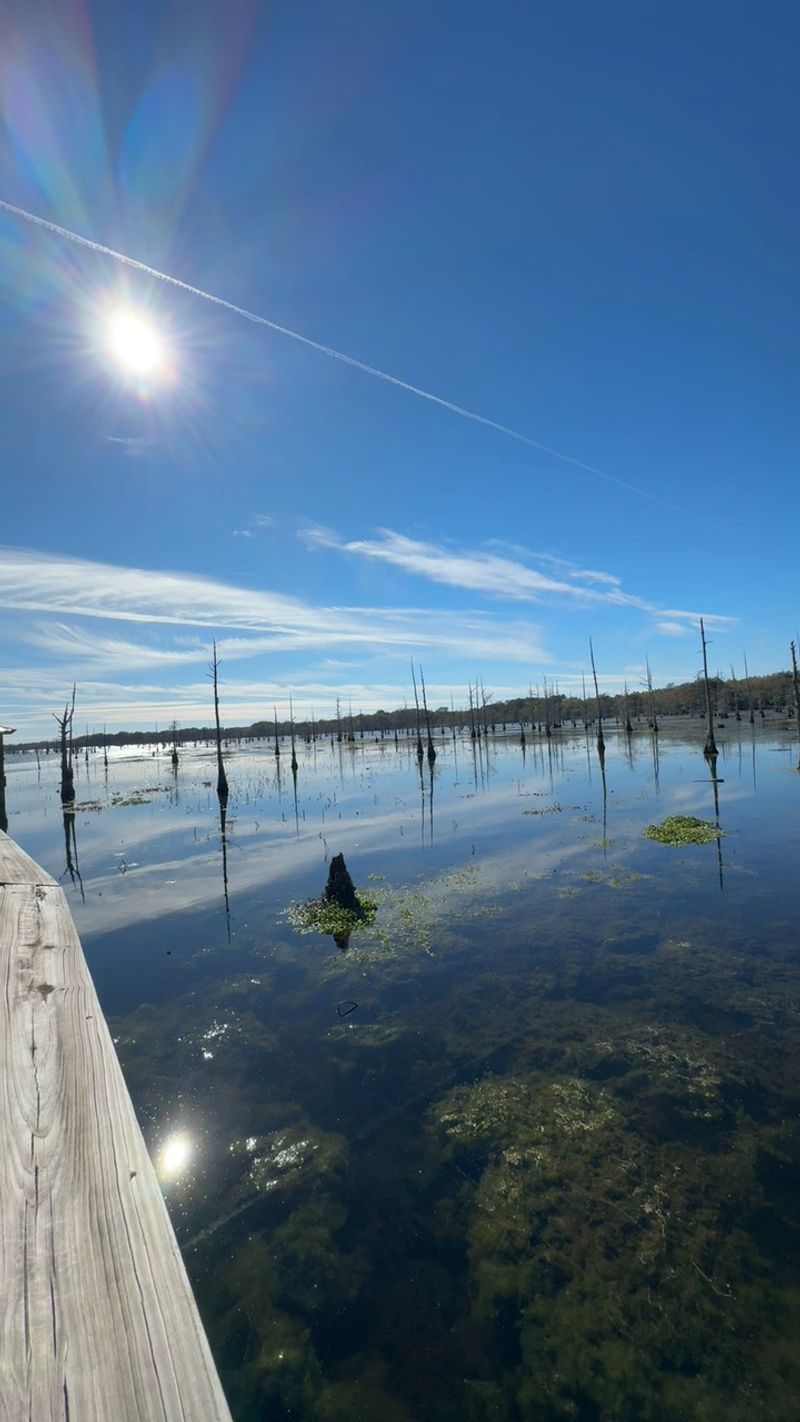
Nothing spoils a wild place faster than the human habit of dropping, feeding, poking, or crowding what lives there. At Black Bayou, litter near fishing spots and boardwalks does more than look bad.
It changes animal behavior, draws unwanted attention to people, and makes every close encounter feel riskier than it needs to be.
Pack out trash, keep food to yourself, and never feed wildlife from the pier or trails. Large animals and small reptiles both learn quickly from easy rewards.
The refuge exists to conserve wetlands and native species, not to train them around snack habits. One of the most striking things here is how much you can see by doing less.
Stand quietly, leave no mess, and let the bayou keep its own rules. Respect makes the whole place feel wilder, safer, and much more worth returning to.