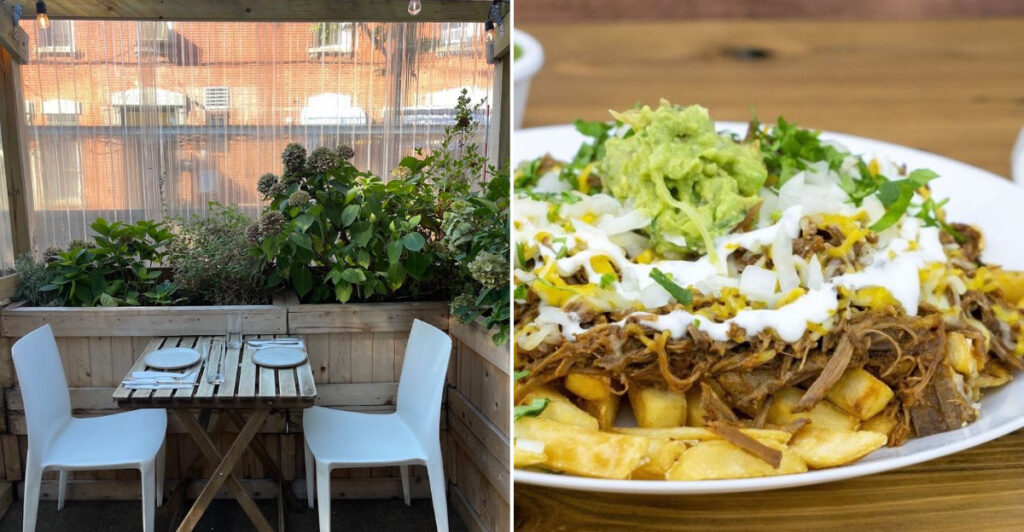
New York has restaurants chasing attention. It’s just the way things are.
These Mexican kitchens, on the other hand, earn it the old-fashioned way: through family cooking people cannot stop recommending.
The dining rooms stay full because the recipes carry memory, patience, and the kind of confidence that never needs a flashy campaign.
You are stepping into places where tradition still sets the pace and every return visit strengthens the bond between kitchen and neighborhood.
The appeal reaches beyond one memorable meal, because family-run cooking often turns regular customers into extended community.
You may arrive curious about the crowd and leave understanding why certain tables rarely sit empty for long.
These restaurants prove that heritage can be both deeply personal and widely loved.
Trust the steady stream of locals, and discover ten kitchens where family flavor keeps every table part of the story.
1. Taqueria Ramirez
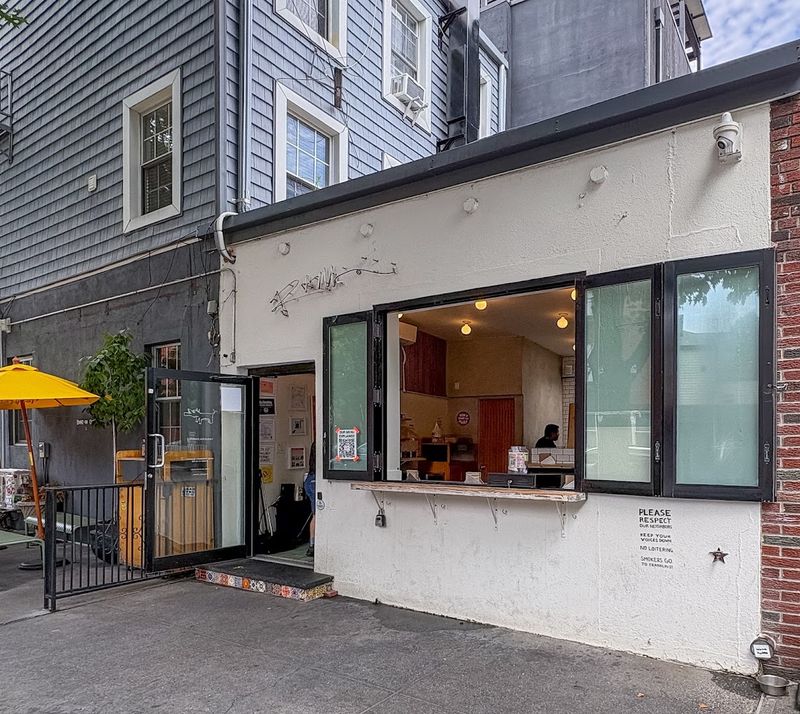
Taqueria Ramirez gives Brooklyn tacos a stronger foundation through tortillas made by hand.
Taqueria Ramirez is located at 94 Franklin Street, Brooklyn, New York.
The compact counter keeps the experience centered on the griddle, chopping board, and tortilla press.
Orders move quickly, but the preparation behind each filling begins long before the first customer reaches the counter.
Birria brings slowly braised meat seasoned with dried chiles and spices. The cooking liquid becomes consomme for dipping and deepens every bite.
The tortillas hold that rich filling without fading into the background. Their fresh corn flavor keeps the taco balanced against the meat.
Al pastor adds another direction through marinated pork cooked on a vertical spit. Pineapple and chile create sweetness, acidity, and heat.
The focused menu helps the kitchen protect each method. I like taquerias that would rather perfect several fillings than offer endless distractions.
Birria gained wide popularity, but this kitchen treats it as a full preparation instead of a passing menu addition.
One taco encourages another because each filling brings a different argument. The tortillas make sure every argument begins properly.
2. Carnitas Ramirez
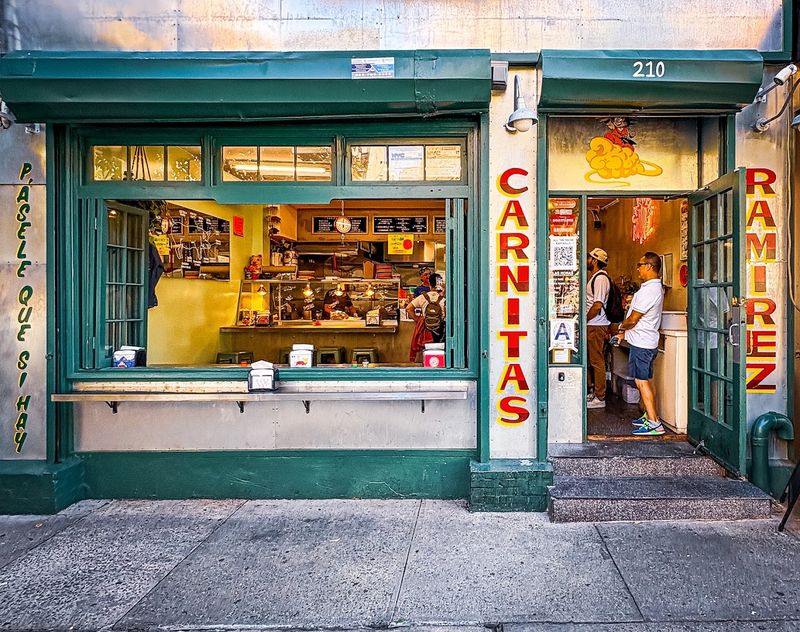
This spot builds its menu around one preparation requiring patience, timing, and respect for the entire animal.
The pork cooks slowly in its own fat until the outside develops crisp edges and the interior becomes tender.
Handmade tortillas, salsa, and pickled onions balance the richness. Each accompaniment contributes acidity, heat, or structure instead of decoration.
Carnitas Ramirez is located at 210 East 3rd Street, New York, New York.
Different portions of pork contribute lean bites, fatty richness, crisp edges, and tender shreds.
Choosing across those textures makes each taco more personal than one uniform filling ever could.
The kitchen follows Michoacan tradition by working with more than one selected cut. That approach creates different textures across a single order.
A torta gives the carnitas a sturdier frame through crusty bread, beans, avocado, and salsa. It easily carries a full meal.
I like restaurants confident enough to let one dish define the room. Every decision here supports the pork.
The small space keeps attention on chopping, assembling, and serving each order. Carnitas arrive with enough character to fill the entire conversation.
3. La Morada
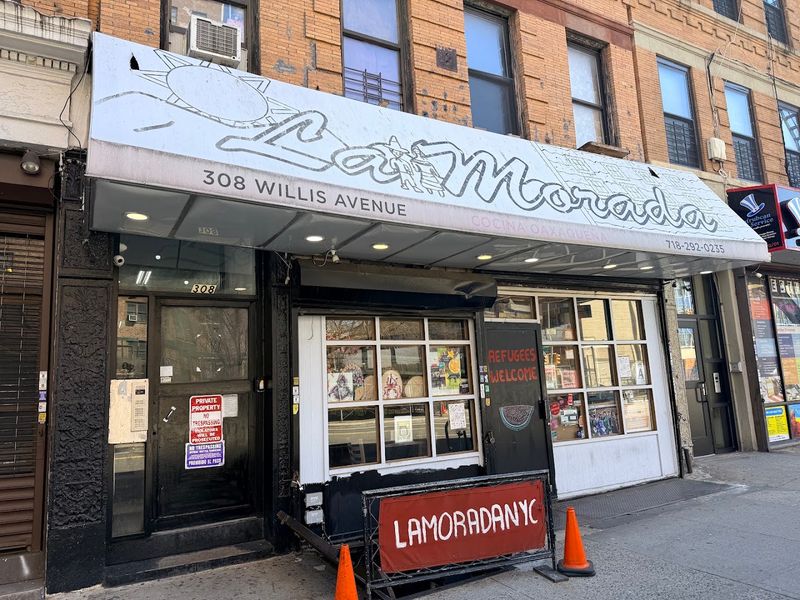
La Morada begins with the cooking traditions of Oaxaca and a family determined to preserve them in the South Bronx.
Mole negro gives the menu its deepest signature. Dried chiles, chocolate, spices, and long preparation create a sauce with remarkable depth.
Tamales, tlayudas, and regional soups expand the meal beyond one famous dish. Each plate points toward a specific part of Mexican cooking.
La Morada is located at 308 Willis Avenue, Bronx, New York.
Mole preparation also gives the kitchen a daily rhythm shaped by roasting, grinding, simmering, and tasting.
That labor explains why the finished sauce carries more depth than a hurried version built for speed alone.
Corn plays a central role through masa prepared with care. Tortillas and tamales depend on that foundation, so the kitchen treats it seriously.
The dining room stays modest because the food carries nearly all the attention. I like restaurants where the kitchen clearly controls the room.
Family knowledge shapes the seasoning, timing, and balance across the menu. Those details give each dish a connection with the Solis family’s Oaxacan roots.
A bowl of soup or plate of mole can introduce more regional character than a long explanation. La Morada lets the cooking handle that introduction.
4. El Mero Mero
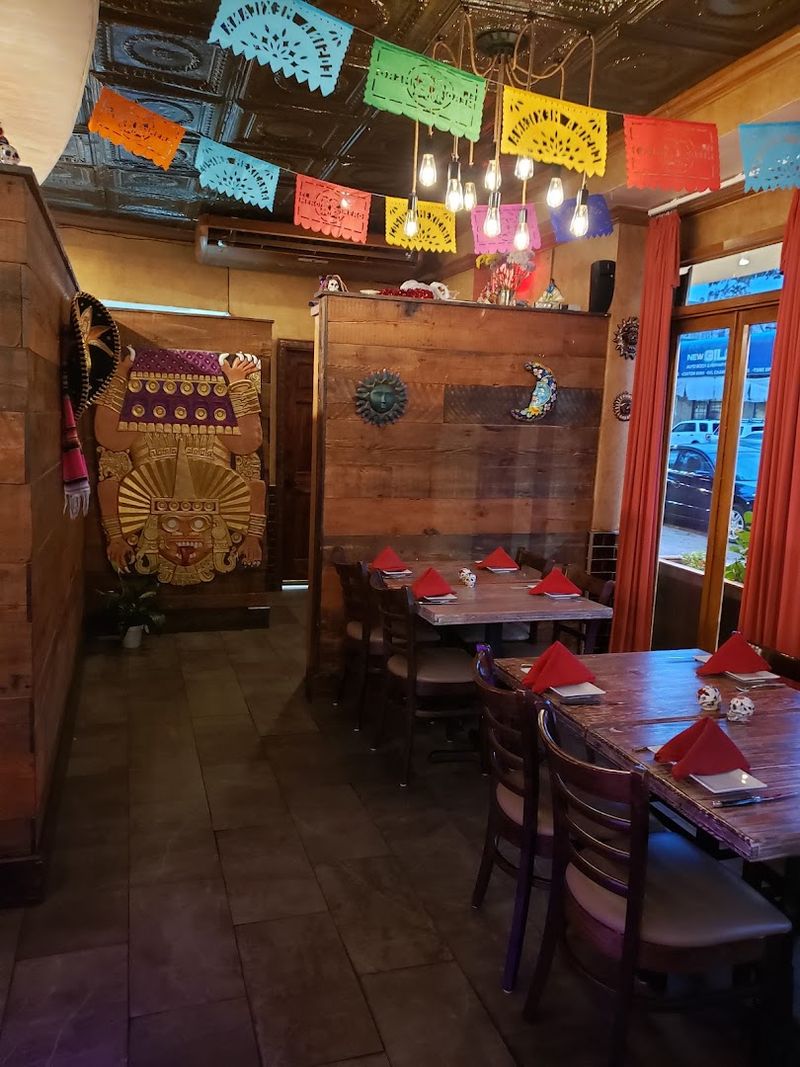
This restaurant builds its menu around tacos, quesadillas, tortas, and sopes shaped by central Mexican street-food traditions.
El Mero Mero is located at 35-57 38th Street, Long Island City, New York.
The room works equally well for a quick taco stop or a larger meal built across several masa preparations.
Sharing lets the table compare textures without ordering one oversized entree for every curious diner.
House-made tortillas give the tacos a fresh corn base strong enough to support richly seasoned fillings.
Al pastor receives careful marinating before the pork reaches the trompo. Thin slices collect char while keeping the interior tender.
Quesadillas follow the Mexico City format of one large tortilla folded around the filling. That structure changes the ratio of dough, cheese, and filling.
Sopes add thick corn rounds topped with beans, meat, salsa, and other ingredients. Their sturdy base brings another texture to the table.
I like menus that show several possibilities for masa without repeating the same dish. Each shape carries sauce and filling differently.
The dining room stays busy because the cooking is specific and direct. A subway ride replaces the much longer trip usually required for food this regional.
5. La Flor De Izucar
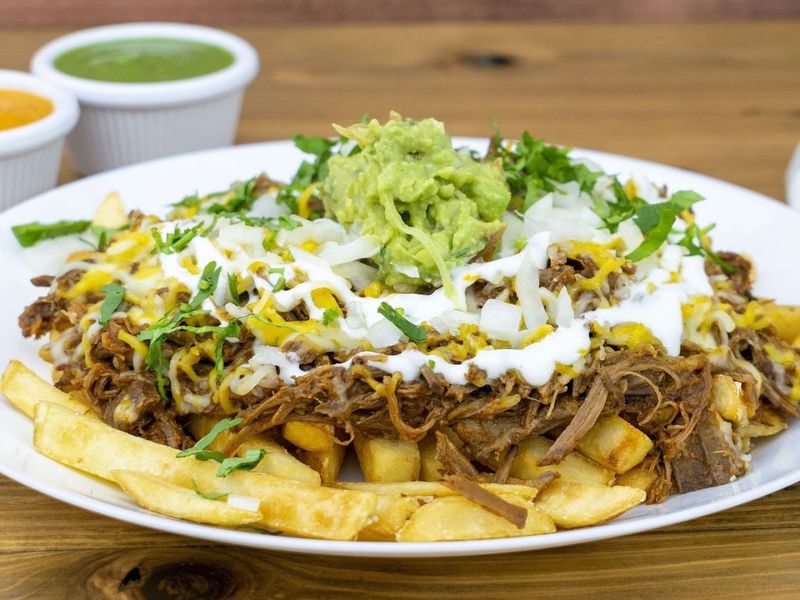
La Flor De Izucar draws from Izucar de Matamoros and the wider culinary traditions of Puebla.
Mole poblano provides one reference point, but the menu reaches further into regional sandwiches and masa-based dishes.
Cemitas use sesame-seed rolls filled with meat, avocado, chipotle, and other ingredients. Their bread and construction clearly separate them from tortas.
Memelas bring oval corn cakes topped with beans and salsa. The thicker base gives each bite a satisfying combination of softness and toasted edges.
Pueblan cooking gives the restaurant a clear identity instead of a broad, simplified Mexican menu.
I like kitchens where every dish points back to one place. That focus makes ordering feel like exploration rather than guesswork.
The cemita roll contributes sesame fragrance and enough strength for generous fillings.
Memelas offer the opposite experience through softer masa, toasted edges, and toppings spread generously across the warm surface.
The seasoning stays confident without flattening each plate into the same flavor. Chiles, masa, bread, and slow-cooked fillings each keep their own role.
La Flor De Izucar is located at 1505 Myrtle Avenue, Brooklyn, New York.
6. Casa Enrique
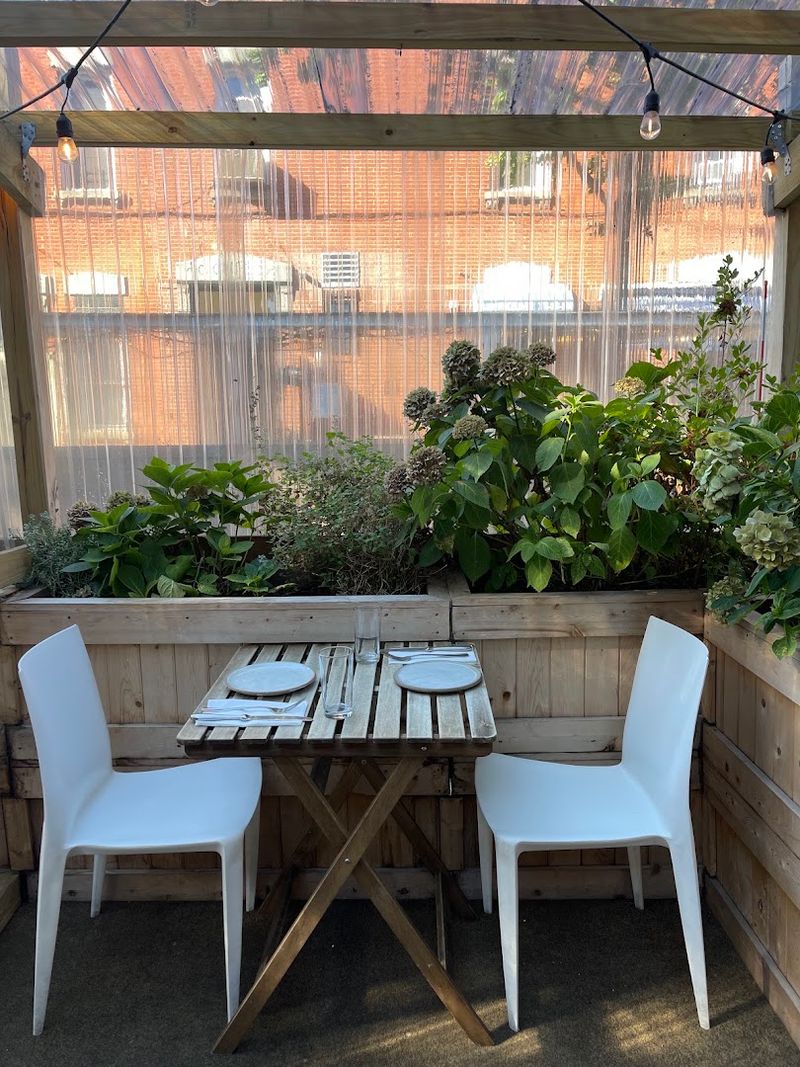
This spot draws its strongest identity from chef Cosme Aguilar’s family roots in Chiapas.
Black beans, fresh herbs, slow-cooked meats, and handmade tortillas create a menu grounded in southern Mexican traditions. The flavors arrive clear and carefully balanced.
Cochinita pibil brings pork marinated with achiote and citrus before slow cooking. The meat becomes tender while keeping the marinade’s earthy brightness.
Chiles rellenos and enchiladas offer familiar forms prepared with regional attention. Nothing needs oversized presentation to make the plate memorable.
Long Island City gives the restaurant a neighborhood audience alongside diners traveling specifically for the kitchen.
The menu supports both careful exploration and comfortable family dining.
One table can share slow-cooked pork, tortillas, beans, and chile-based dishes without losing the regional thread connecting each plate.
I like restaurants where recognition never replaces the family story behind the food. Technique and heritage still lead every plate.
The room stays intimate enough for each dish to receive attention. Handmade tortillas connect the meal and give even richer preparations a warm corn foundation.
Casa Enrique is located at 5-48 49th Avenue, Long Island City, New York.
7. Tortilleria Nixtamal
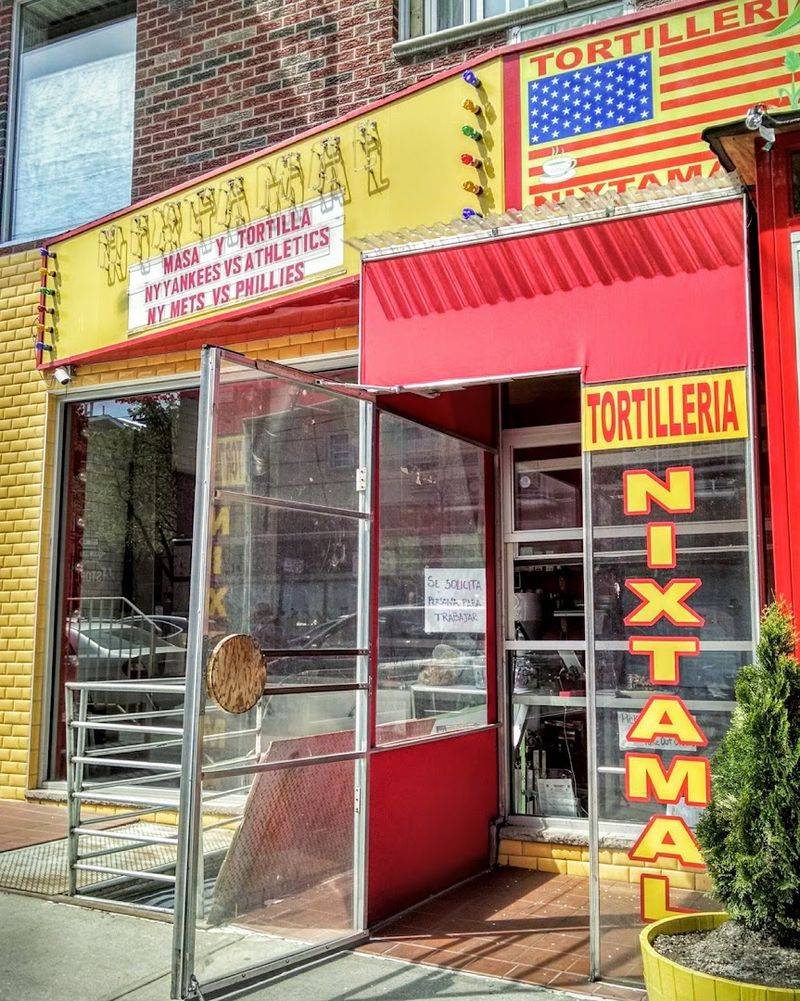
This story begins with corn treated through the traditional nixtamalization process.
Dried kernels cook and soak in an alkaline solution before grinding. That process deepens flavor and changes the masa’s texture and nutritional value.
Fresh tortillas are sold by weight while also supporting tacos, tamales, and huaraches from the kitchen.
Tortilleria Nixtamal is located at 104-05 47th Avenue, Corona, New York.
Watching fresh tortillas move through the operation makes the restaurant’s priorities immediately clear.
Warm stacks leave little distance between production, cooking, and the final plate arriving at nearby tables.
Restaurants across the city have sourced tortillas here because commercial alternatives cannot reproduce the same fresh character.
Tamales benefit from the same masa, giving each layer a stronger corn flavor. Huaraches use a long oval base built to carry beans, meat, and salsa.
I like places where one foundational ingredient explains the entire menu. Everything begins with how the corn is handled.
A process thousands of years old stays active inside a busy Queens neighborhood. The dining room turns that history into lunch without making it ceremonial.
8. Taqueria Coatzingo
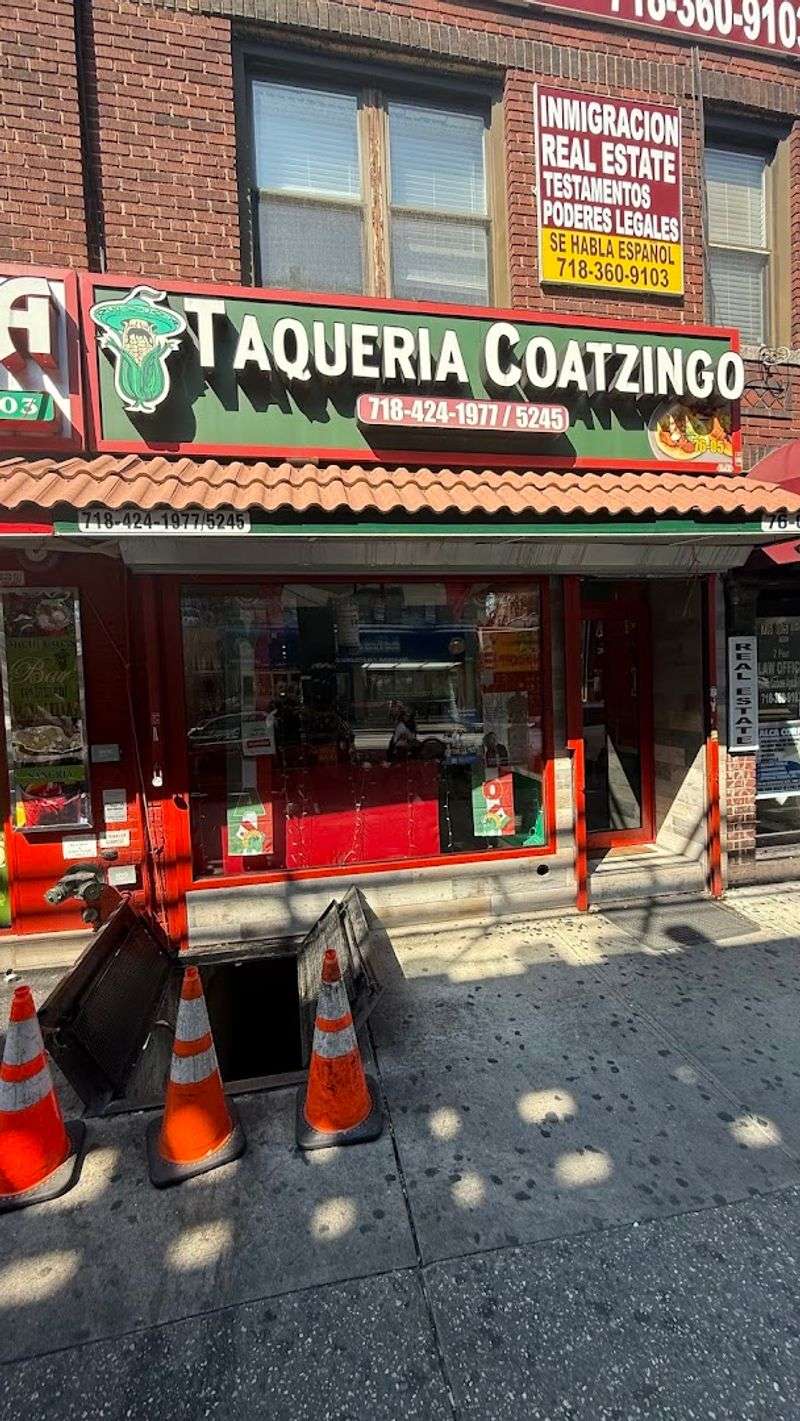
This place carries the name of a Pueblan municipality directly into one of Queens’ busiest food corridors.
The menu includes lengua, tripa, cabeza, huaraches, sopes, and other dishes common within Mexican taqueria culture.
Taqueria Coatzingo is located at 76-05 Roosevelt Avenue, Jackson Heights, New York.
The broad filling selection rewards groups willing to order several tacos and divide them carefully.
Familiar pork can share the table with tongue, tripe, or braised head meat in one adventurous order.
Lengua cooks slowly until tender, while cabeza gains richness through hours of braising. These cuts reward careful preparation and confident seasoning.
The restaurant does not simplify its menu for diners unfamiliar with offal. That decision gives regulars the dishes they expect.
A salsa bar lets each person adjust heat, acidity, and depth independently. I like tables where one plate can change several times.
Subway access keeps the dining room connected with diners across Queens and Manhattan. The neighborhood crowd still gives the restaurant its strongest rhythm.
Pueblan street-food traditions guide the menu without excluding curious first-time diners. One taco often provides enough encouragement to explore further.
9. Taqueria Tlaxcalli
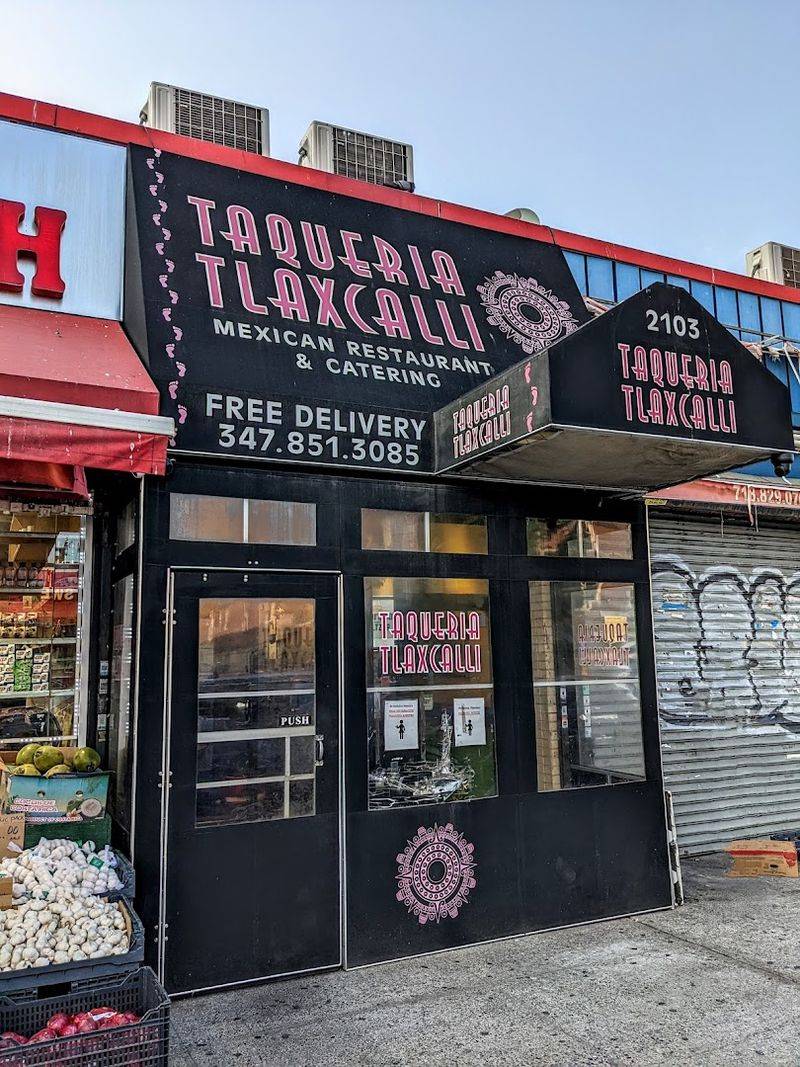
Taqueria Tlaxcalli draws from Tlaxcala, one of Mexico’s smallest states and one of its most distinctive corn-growing regions.
Tlacoyos give the menu a direct connection with pre-Hispanic cooking. Oval masa pockets arrive filled with beans or cheese.
Fresh tortillas support tacos filled with al pastor, barbacoa, chorizo, and other carefully prepared meats.
The kitchen treats corn as a central ingredient rather than a disposable wrapper. That attention gives masa-based dishes stronger flavor and texture.
I like restaurants where the name announces exactly which regional story the kitchen plans to tell.
Tlaxcalan cooking brings agricultural history into each plate through corn, beans, chiles, and long-established preparation methods.
The menu rewards diners willing to move beyond familiar tacos. Tlacoyos and other antojitos offer a fuller picture of the region.
Barbacoa brings slow-cooked depth, while chorizo contributes spice and a firmer texture.
Fresh salsa and warm tortillas keep those richer fillings balanced across the plate from the opening bite.
Taqueria Tlaxcalli is located at 2103 Starling Avenue, Bronx, New York.
10. Homemade Taqueria
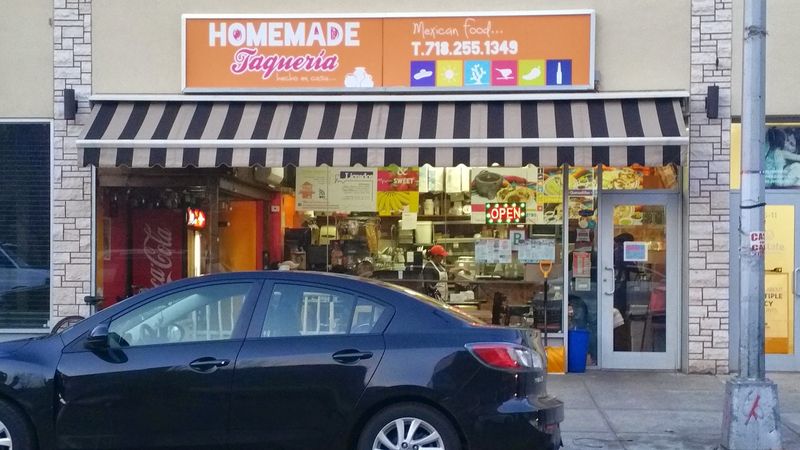
This taqueria focuses on tacos, quesadillas, burritos, and fresh components prepared inside the kitchen.
Homemade Taqueria is located at 45-09 34th Avenue, Long Island City, New York.
The restaurant’s direct style suits families ordering across tacos, burritos, and quesadillas.
Shared salsas let everyone adjust heat without changing the kitchen’s careful base seasoning underneath every filling.
That flexibility helps larger groups order confidently while keeping the table connected through tortillas, salsa, and familiar family-style sharing rituals.
House-made tortillas and scratch salsas affect every order because both appear throughout the menu. Freshness carries from the first bite onward.
Al pastor uses pork marinated with achiote and chiles before cooking on a rotating spit. The method builds layered seasoning and char.
Guacamole is prepared to order with avocado, lime, and cilantro. Its simplicity leaves little room for careless preparation.
Chicken, beef, and pork fillings give the taco menu enough range for groups to compare several plates.
I like restaurants where the basic components receive the most attention. Tortillas, salsa, and marinades determine whether the entire meal works.
Long Island City has developed a strong Mexican dining identity, and this kitchen adds another dependable family-focused option. The full dining room supplies the final endorsement.