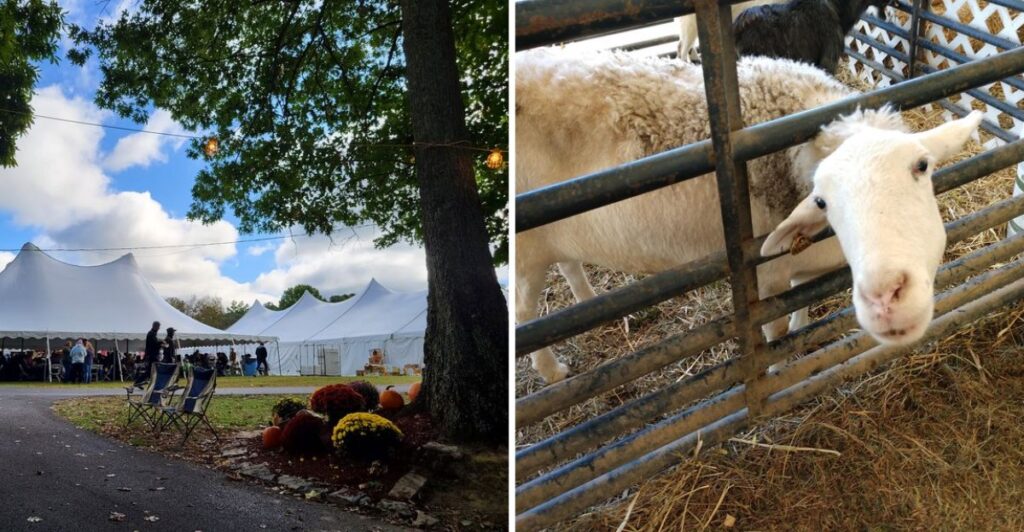
October in Kentucky gets a little woolly around the edges.
For one weekend near Falmouth, sheep-country traditions take over with handmade crafts, live music, and plenty happening across the grounds. The festival has been around since 1983, and that agricultural backbone still gives the weekend its personality.
The 2026 edition runs October 2 through 4, with Friday and Saturday stretching later into the day and Sunday wrapping up earlier.
You do not need to sprint from one end to the other. This is the kind of event that works better when you let one booth, one demonstration, or one song slow you down.
Call it a fall festival if you want. The wool is clearly doing most of the branding.
This Kentucky Tradition Dates Back To 1983
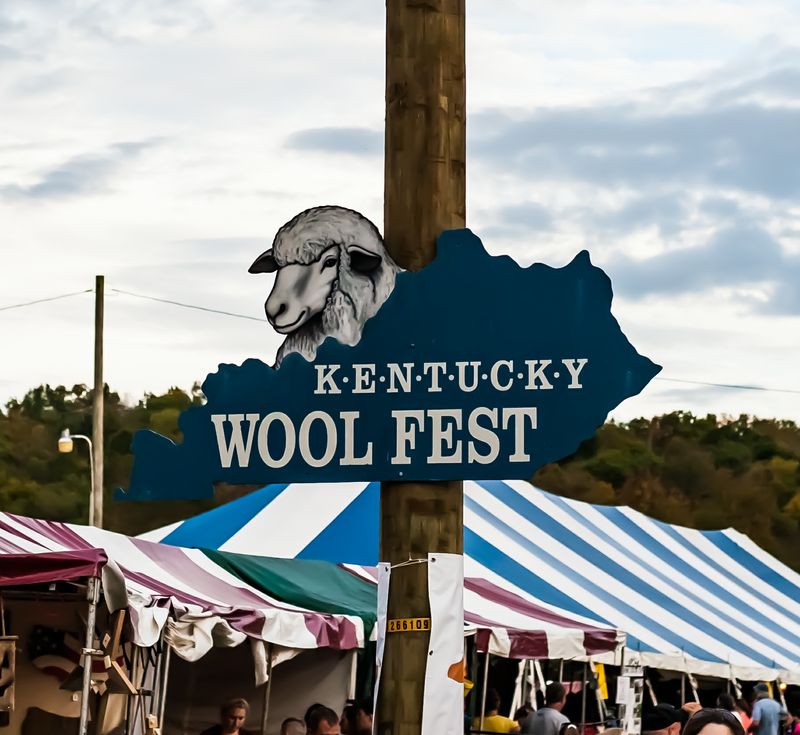
The Kentucky Wool Festival began in 1983 after a small group of Pendleton County residents met that January to create a community event.
With help from a University of Kentucky Extension specialist, organizers looked to local heritage for a theme and built the festival around sheep, wool products, traditional skills, and the surrounding community.
More than four decades later, those ideas remain visible. The first festival was held during the first weekend of October 1983, and the annual event still follows the first Friday, Saturday, and Sunday of October.
Wool, crafts, heritage demonstrations, live entertainment, and activities for different age groups remain part of the weekend.
Community participation is part of the event as well. Partnering organizations include local youth groups, school teams, 4-H clubs, FFA members, the high school band, service organizations, and other Pendleton County groups.
For some, the weekend also creates a fundraising opportunity.
The agricultural theme carries into demonstrations, craft areas, and community activities throughout the weekend.
If you like fall outings with a strong sense of place, spend time with the demonstrations and community booths instead of treating the grounds as one long shopping aisle.
Plan Around The 2026 Festival Hours
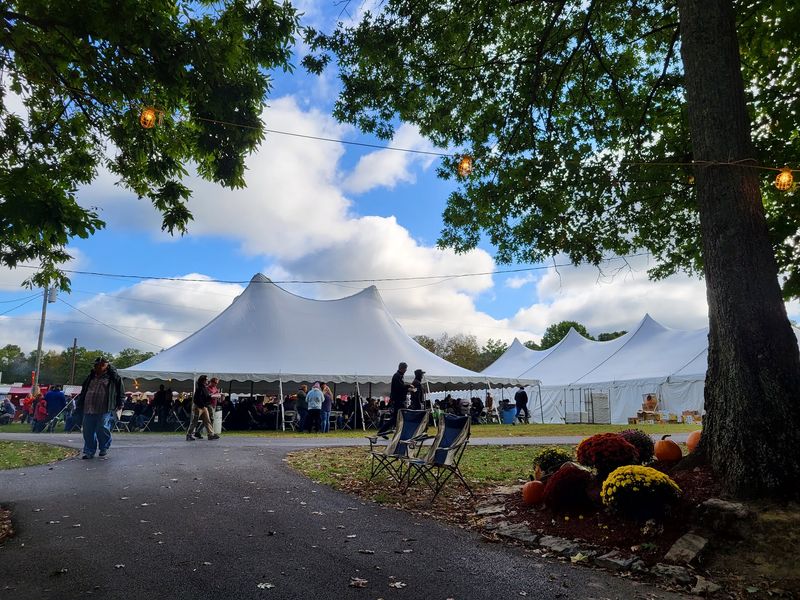
The 2026 Kentucky Wool Festival runs Friday, October 2, through Sunday, October 4. Friday and Saturday are open from 10 a.m. to 10 p.m., while Sunday runs from 10 a.m. to 6 p.m.
Those hours make Friday or Saturday the better choice if you want an evening on the grounds.
Admission at the gate is cash only. The festival also offers three-day passes, and many vendors may require cash as well, so stopping at an ATM before arrival can make the day simpler. An ATM is available on the grounds.
Free shuttle buses are scheduled on Saturday and Sunday. They run every half hour from 10 a.m. to 10 p.m. Saturday and from 10 a.m. to 6 p.m. Sunday.
There is no festival shuttle on Friday.
The grounds are at 48 Concord Caddo Rd, Falmouth, KY 41040, about five miles outside downtown Falmouth and just beyond Kincaid Lake State Park when approaching from town.
Choose the day based on how long you want to stay. Friday and Saturday give you the longest window, while Sunday works well for a shorter visit.
Juried Crafts Put Handmade Work Up Front
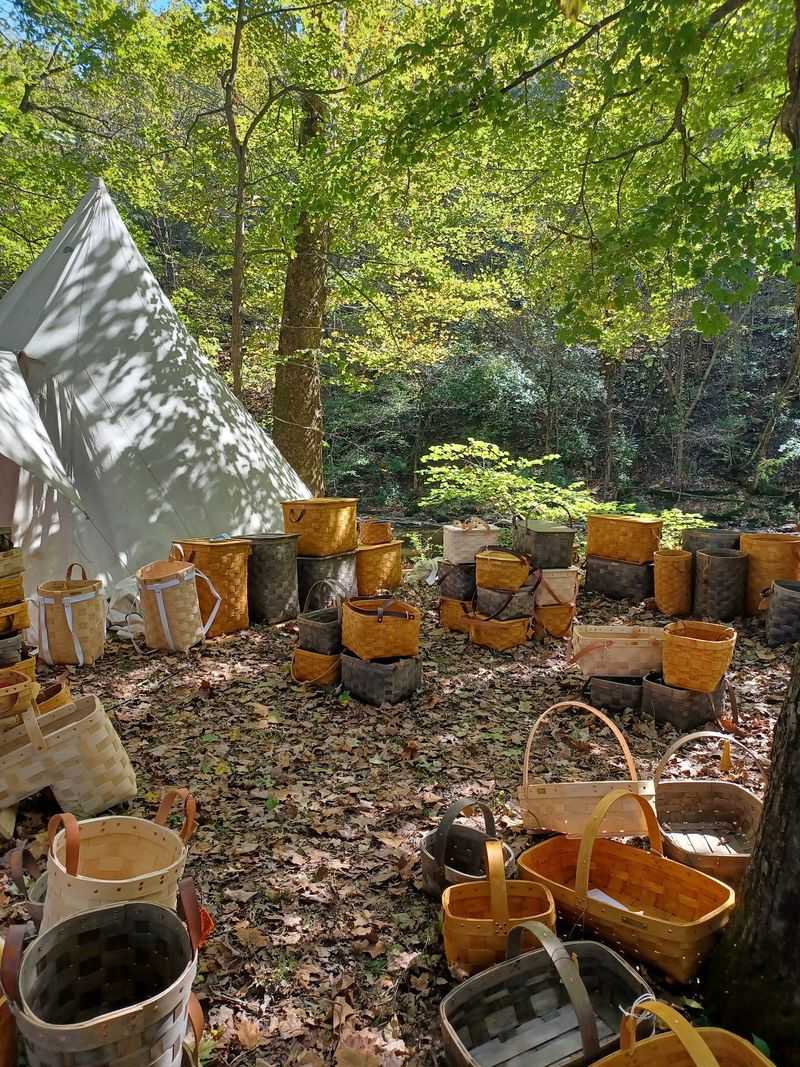
Shopping here comes with a useful rule: the craft show is juried. Vendors applying for craft space submit photographs for review, and the festival requires items in those booths to be handcrafted rather than commercially manufactured.
That distinction shapes what you find. Applications are reviewed for factors such as technical skill, creativity, and medium before craft vendors are accepted.
Woodwork, textiles, pottery, jewelry, fiber pieces, and other handmade categories are part of the broader mix associated with the festival.
More than 200 juried artisan booths fill the event, so browsing can easily take up a large part of the day.
There is no need to arrive with a shopping list. Start with the materials that interest you most, then leave room for something unexpected. Fiber work connects naturally with the wool theme, while wood, clay, metal, and other crafts widen the selection.
Cash is useful because some vendors do not process cards. A small tote or reusable bag can also help once your hands start filling up.
The easiest approach is to slow down and look at the workmanship rather than trying to cover every booth in one sweep.
Sheep, Wool And Heritage Skills Stay At The Center
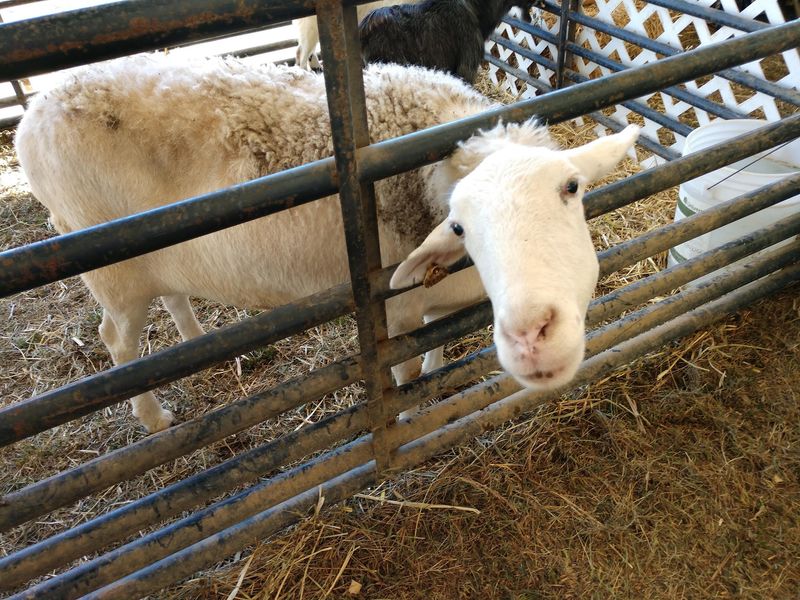
Sheep, wool products, livestock exhibits, and heritage demonstrations remain central parts of the event, giving visitors a direct connection to the agricultural traditions behind the celebration.
Live sheep shearing and herding demonstrations are among the festival experiences. Fiber arts and hands-on wool activities also form part of the weekend, making the wool theme visible beyond the craft tents.
Watching a sheep-shearing demonstration changes the pace after a stretch of shopping. It puts the raw material behind many fiber crafts right in front of you and gives younger visitors something active to watch.
The festival also includes livestock and animal exhibits, which matters before bringing a pet. Personal pets should stay home, with exceptions for qualifying service animals.
Check the day’s activity schedule when you arrive rather than assuming every demonstration runs continuously. A few minutes of planning can help you fit a heritage activity between shopping, food, and music.
For families, this part of the festival can break up the day naturally: browse for a while, watch a demonstration, then move on when everyone is ready.
Two Stages Keep Live Music Going Through The Weekend
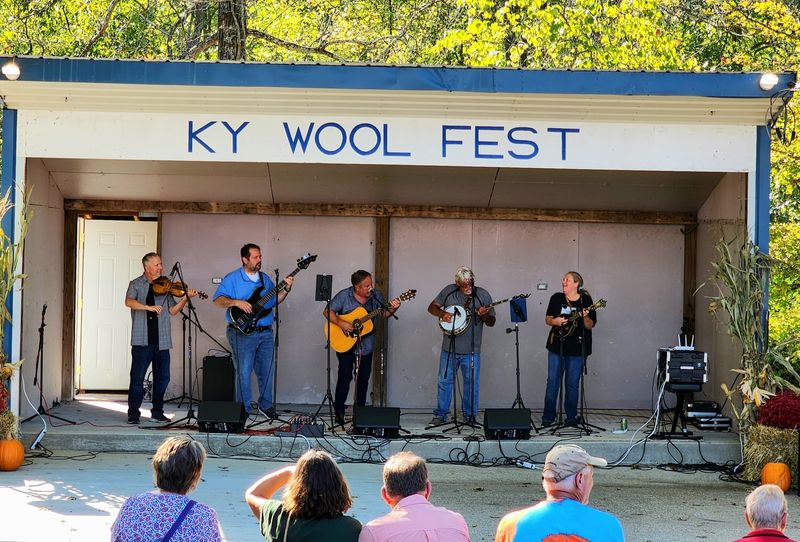
Music is built into all three days, with performances scheduled on both the Main Stage and the Log Cabin Stage.
The 2026 program begins Friday and continues through Sunday afternoon, giving you plenty of chances to catch a set without organizing the entire visit around one performance.
The schedule leans toward bluegrass, country, gospel, dulcimer music, and related regional sounds. Saturday also includes a clogging performance, while Sunday opens its Main Stage program with a church group before more live music follows.
Friday has entertainment continuing into the evening on both stages. Saturday follows a similar pattern, while Sunday’s program is shorter to match the earlier closing time.
Rather than memorizing the lineup, check the posted schedule when you arrive and choose one or two sets that fit naturally into the day.
The two-stage setup also gives you options when you need a break from walking.
The Main Stage and Log Cabin Stage carry different performers through the day, so a rest can double as part of the entertainment rather than a pause from it.
Have something to eat, then decide what part of the grounds comes next.
If live music is a priority, Friday and Saturday offer the widest time window. Sunday still has performances running well into the afternoon.
Food And Community Groups Fill Out The Day
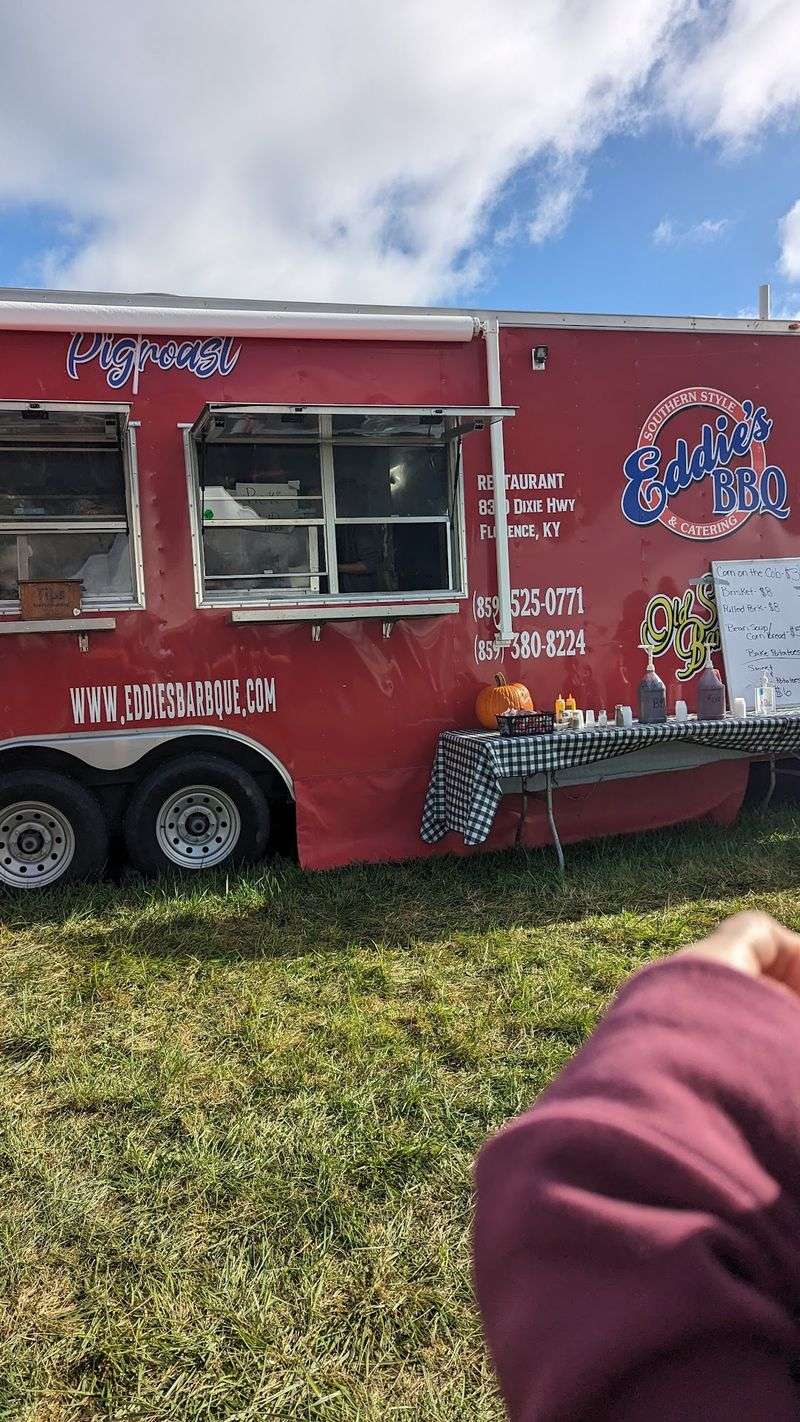
Food vendors are part of the festival weekend, so you can build a meal break into the day without leaving the grounds. Individual offerings can vary, so choose after you arrive rather than planning the trip around one particular dish.
The event also gives local organizations space to participate and raise funds. School groups, youth organizations, and community groups are among the festival partners, reinforcing the local structure behind the weekend.
For visitors, leave time for a meal instead of trying to browse nonstop. A full day from morning into evening is long enough that food, music, demonstrations, and short breaks matter as much as the craft tents.
Because many vendors may be cash-based, bring enough for admission and purchases rather than assuming every transaction can go on a card. The on-site ATM provides a backup.
This is a good place to divide the day into smaller pieces. Browse crafts before lunch, catch a demonstration afterward, then use a music set as the next stopping point.
The rhythm is easy to manage: shop, eat, watch, listen, and keep going only as long as the day is still fun.
Rural Pendleton County Sets The Scene
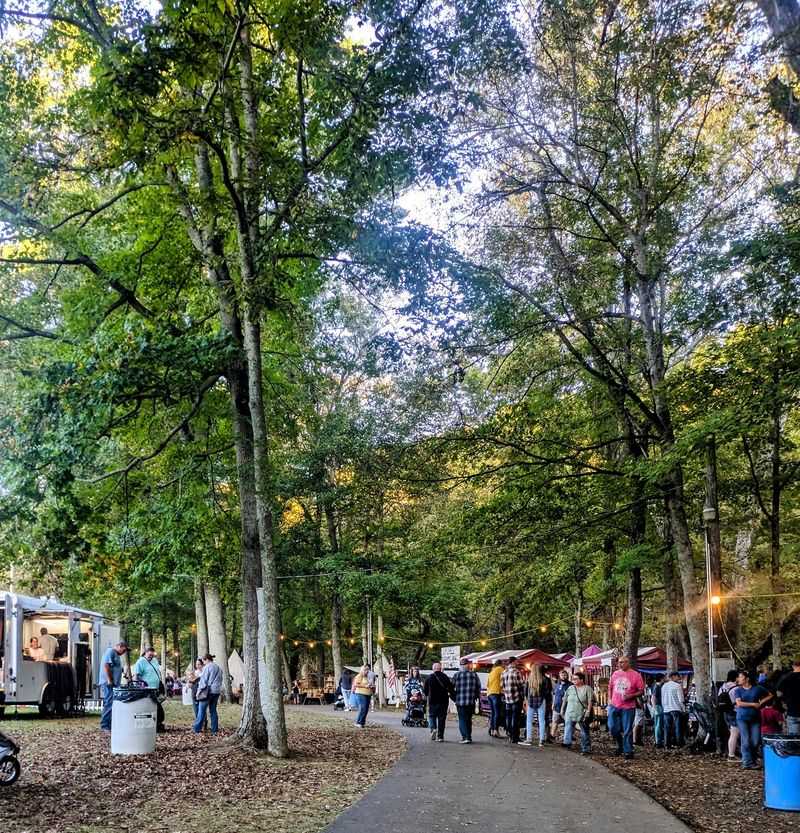
The festival takes place outside central Falmouth in Pendleton County, with Kincaid Lake State Park nearby and country roads leading toward the grounds.
The setting puts the event away from a downtown street-festival layout and into the rolling landscape connected to its agricultural roots.
October weather can vary, so shoes that can handle outdoor festival grounds are sensible. A light layer can also help when a visit stretches from afternoon into a cooler evening, especially on Friday or Saturday.
Drivers approaching from Falmouth follow local roads for several miles before reaching the festival area. Watch for festival signs and give yourself enough time for parking rather than treating the gate time like an appointment.
Saturday and Sunday visitors can use the scheduled shuttle service, while Friday visitors should plan on handling parking without it. Pets should remain at home unless they qualify under the festival’s service-animal policy.
Once inside, build the day around your own priorities. Crafts can take the lead, wool demonstrations can break up the shopping, and the two stages give tired feet a reason to stop for a while.
More than four decades after the first festival, sheep, wool, handmade work, music, and community participation still share the same October weekend in Pendleton County. Ready to make the trip?