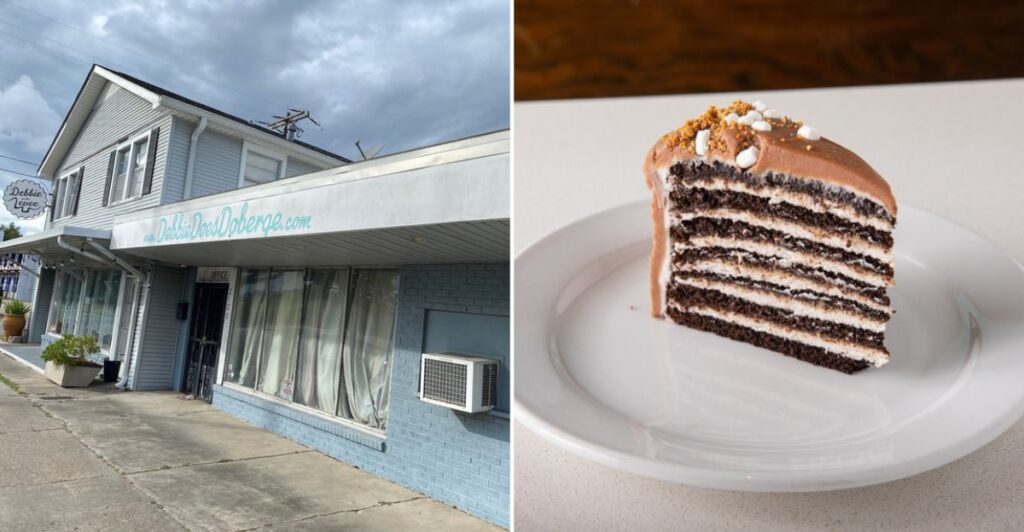
New Orleans invented the doberge cake. Beulah Levy Ledner adapted the Hungarian Dobos torte in the 1930s by replacing buttercream with custard filling.
Nearly a century later, Debbie Does Doberge has turned that Louisiana legacy into a full-blown obsession at its Kenner shop. Half-chocolate, half-lemon doberge slices share the menu with playful desserts that treat layered cake as something worth building an entire stop around.
The founders leaned into the name with a tongue-in-cheek pun and built the menu around dobites, cupcakes, handmade gelato, and whole cakes that can keep for days when refrigerated properly.
Whole doberge cakes require advance planning, with orders typically placed ahead rather than treated like an impulse bakery pickup. The Kenner location also adds frozen daiquiris to the mix, giving the classic cake a distinctly Louisiana setting.
Turning a layered custard cake into a destination of its own is exactly the kind of thing that feels right in Louisiana, and exactly the kind of thing worth making the drive for.
Learn What Makes Doberge Different
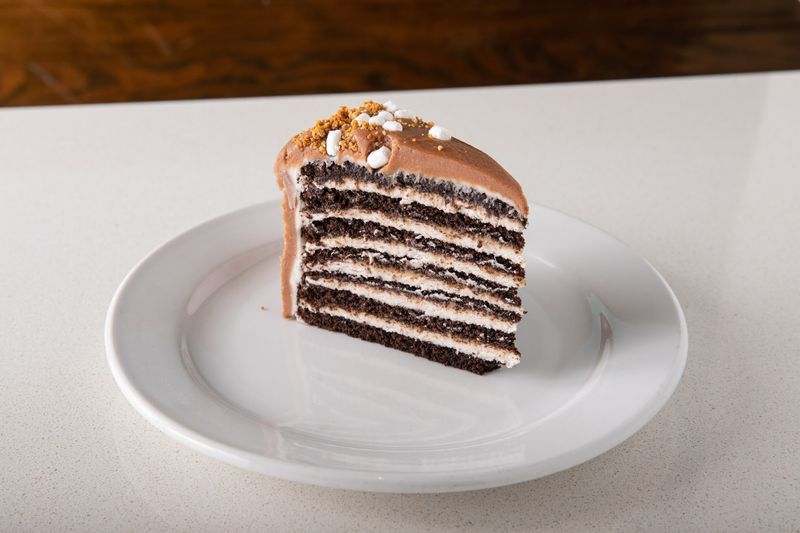
A cut slice tells the story before the first forkful. Debbie Does Doberge builds its signature cakes with seven thin cake layers and six pudding layers, then covers the stack with smooth poured fondant icing.
That structure separates doberge from an ordinary frosted layer cake. The repeated pudding creates moisture and richness, while the slim cake sheets keep each bite balanced instead of bready.
Making so many even layers takes considerable work, which helps explain why the finished dessert feels suited to birthdays and other celebrations.
Look closely at a slice before eating it, because the tidy stripes are part of the pleasure. Use a fork to cut through every level at once, gathering cake, filling, and outer coating together.
A tiny bite containing the complete stack gives a clearer sense of the texture than tasting each section alone. That cross-section is the main event.
The Cake Is Waiting Near Rivertown

Debbie Does Doberge is based at Debbie on the Levee, 2118 Reverend Richard Wilson Drive in Kenner, Louisiana. Reverend Richard Wilson Drive is the street to aim for, with the shop sitting in the Rivertown area rather than along one of Kenner’s busier commercial strips.
The final approach feels more neighborhood-like as you move into Rivertown. Once you reach the 2100 block, the shop sits right along the street, so the address becomes the most useful clue for the last few turns.
Use the parking available around the storefront and walk over to the entrance from there. If you are picking up a cake order, this is the location to use for your final arrival.
Say The Name Like A Local
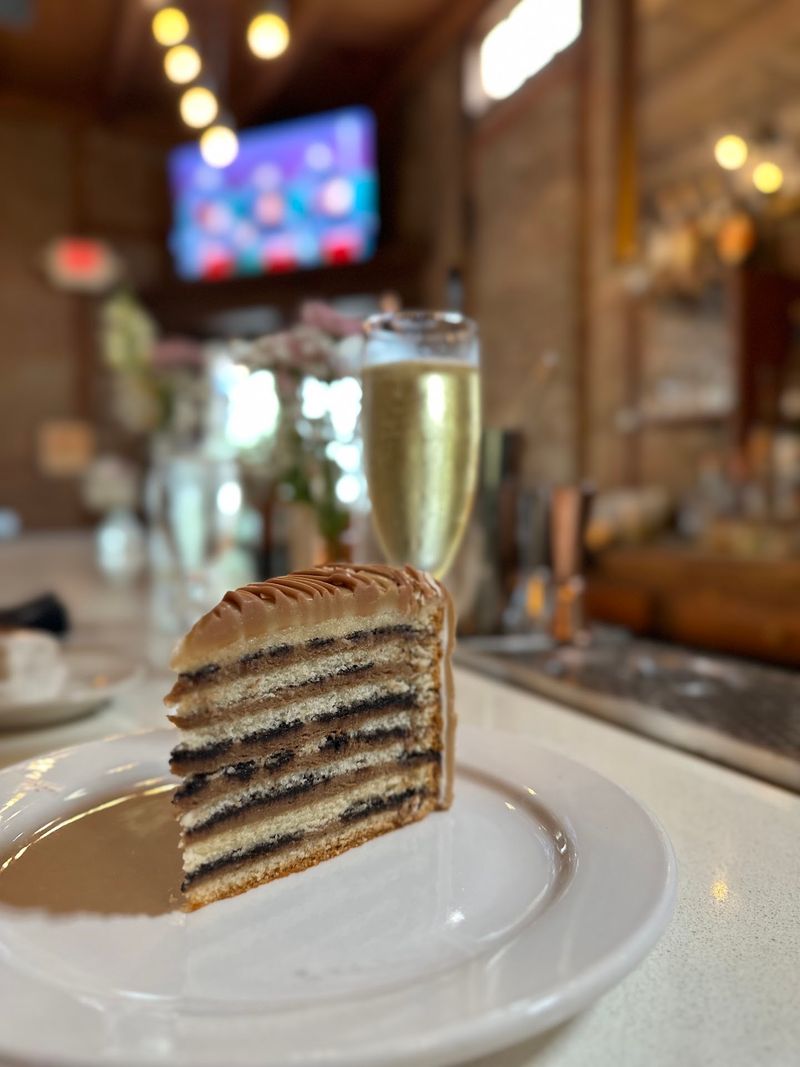
The spelling looks formal, but the sound is wonderfully relaxed. Doberge is commonly pronounced DO-bash, a useful detail when discussing the dessert or asking about available flavors without getting tangled in every letter.
The cake belongs to New Orleans food history, yet its family tree reaches farther. Baker Beulah Ledner created the local version in the 1930s by adapting Hungarian Dobos Torta.
She replaced sponge cake with yellow butter cake, traded chocolate buttercream for custard, and finished her creation with ganache or thin fondant.
Knowing that background makes each striped slice more interesting. What appears modern and playful at Debbie Does Doberge rests on a thoughtful local adaptation made nearly a century ago.
Share the history briefly, then let the dessert do the talking. The best lesson arrives through texture: soft cake, creamy filling, and a neat outer coating meeting in one compact forkful that feels unmistakably New Orleans.
Start Small With Dobites
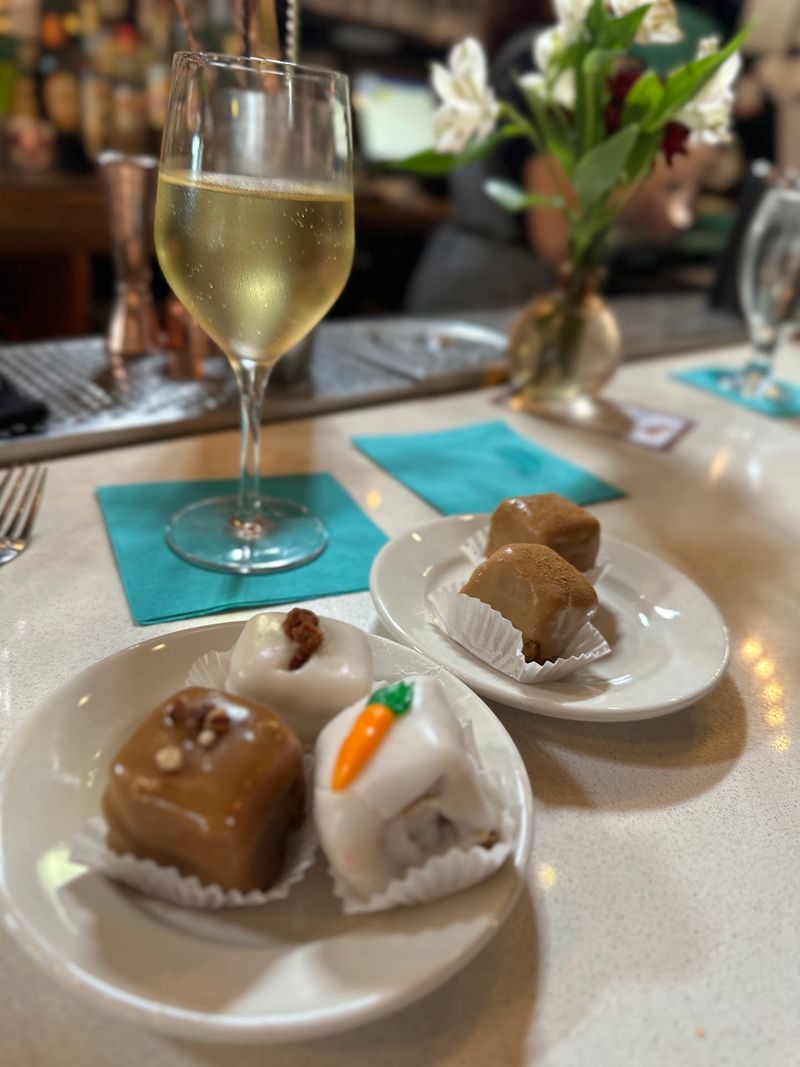
Choosing one flavor can feel unfair when the case offers several bright possibilities. Dobites solve that problem by shrinking the doberge format into petit-four-sized portions designed for sampling, sharing, or carrying home.
Each small piece has three cake layers and two pudding layers beneath poured fondant. That is less towering than a full slice, but it preserves the contrast between tender cake, creamy filling, and smooth coating.
Order an assortment when possible, then cut pieces in half if several people want to compare flavors without becoming overwhelmed by sweetness.
Dobites also reveal how flavor changes the same basic architecture. A rich option may taste best beside something fruity, nutty, or gently spiced.
Sampling from lighter to stronger flavors keeps bold fillings from covering quieter ones. At the former Bakery Bar, these compact cakes gave curious diners an easy route into the doberge obsession without committing to one enormous wedge.
Respect The Classic Flavors First
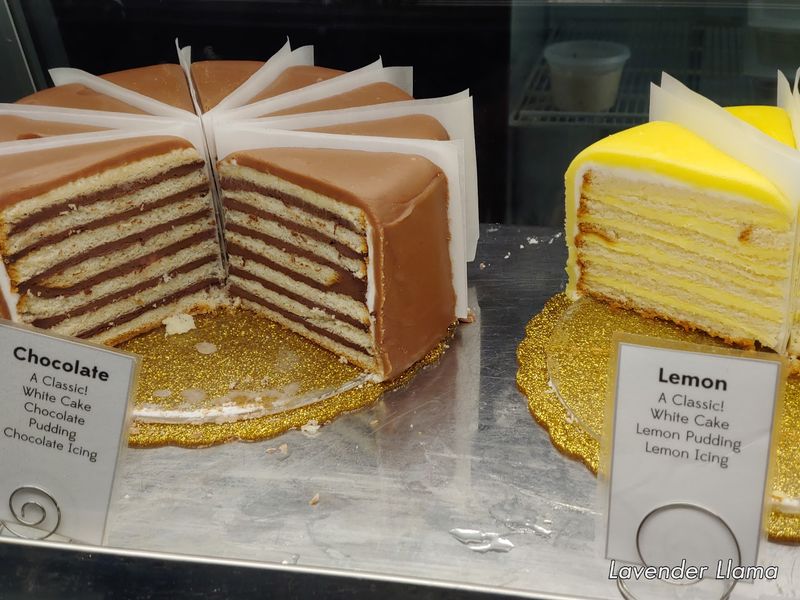
Chocolate and lemon may sound modest beside the bakery’s wilder creations, yet both explain why doberge became a New Orleans celebration staple. Their familiar flavors leave plenty of room to notice the dessert’s demanding structure.
Chocolate emphasizes richness across the pudding, cake, and outer finish. Lemon offers a brighter path, with tartness helping the many layers feel lively rather than heavy.
When comparing them, take a sip of water between bites and allow each slice to warm slightly after refrigeration. Very cold cake can hide aroma and make the coating seem firmer.
Beginning with a classic also provides a useful baseline before trying more inventive combinations. Once the balance of cake, pudding, and fondant is clear, unusual ingredients become easier to understand instead of blending into simple sweetness.
Bakery Bar helped make that comparison enjoyable by offering doberge by the slice, turning food history into an approachable dessert experiment.
Follow The Flavor Calendar
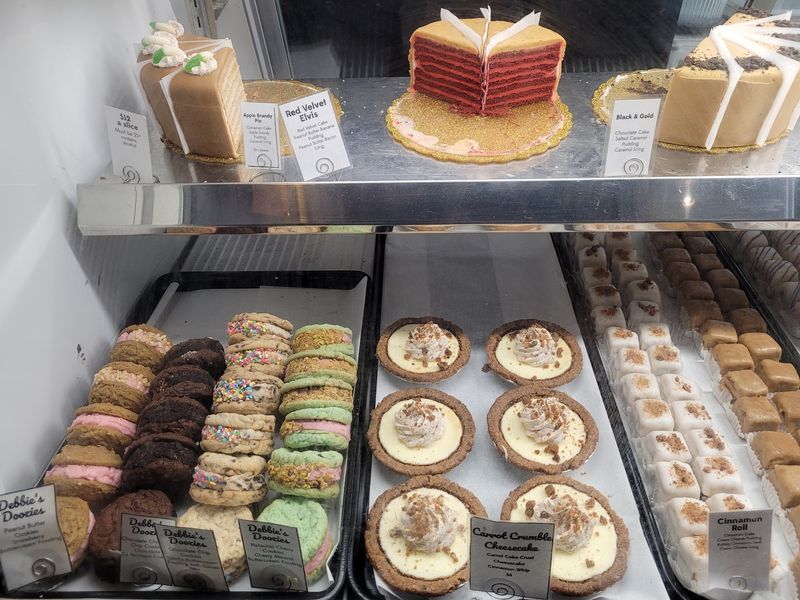
Seasonal flavors gave the Bakery Bar cake case a pleasant sense of suspense. Debbie Does Doberge has produced choices such as king cake flavor and sweet potato spiced latte, connecting its layered format with familiar holiday tastes.
Availability changes, so never assume a past favorite will appear on the current menu. Check the official bakery channels before ordering, especially around Carnival or major celebrations, when limited releases may attract extra attention.
If a special flavor is offered, consider pairing it with a classic selection rather than buying only the novelty.
That side-by-side tasting shows whether the seasonal idea supports the cake’s texture or simply grabs attention. The strongest combinations let pudding, thin cake, and poured fondant remain distinct while adding spice, fruit, or another recognizable note.
Bakery Bar’s rotating options encouraged repeat visits because the basic seven-layer design stayed steady even as its personality changed with the calendar.
Expect Bold Flavor Experiments
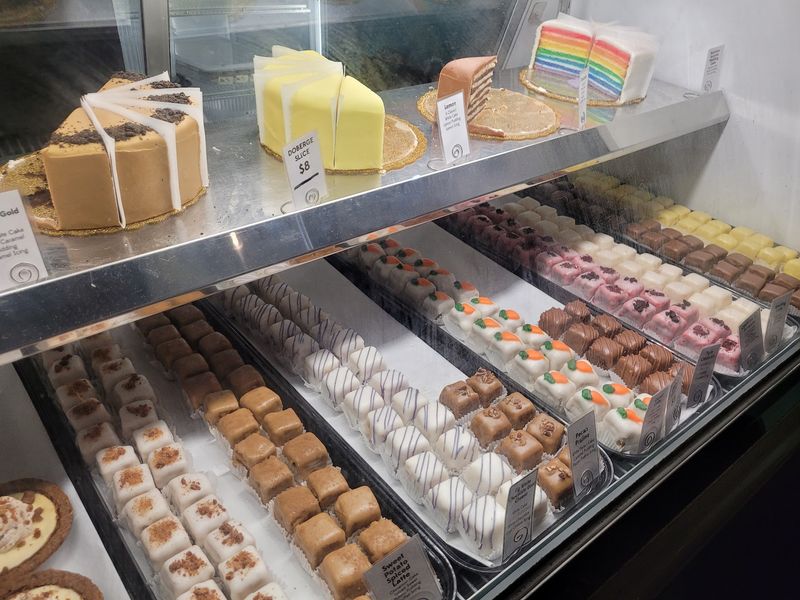
Some flavor names read like tiny plots with unexpected endings. Debbie Does Doberge has offered combinations including fig, white chocolate, and goat cheese, along with praline, salted caramel, caramel apple, and a Red Velvet Elvis with peanut butter-banana frosting.
Approach complicated selections slowly. First taste a little filling with cake, then include the poured fondant on the next bite.
That simple method helps identify whether fruit, spice, salt, nuts, or tangy dairy is shaping the overall impression. It also prevents the sweetest outer layer from speaking first and loudest.
Sharing is especially smart when several rich ingredients appear together. A smaller portion lets curiosity win without causing dessert fatigue, and another person may notice a detail you missed.
Bakery Bar treated doberge as a flexible canvas rather than a museum piece, but the finest experiments still respected the striped structure that makes this New Orleans cake recognizable.
Notice The Labor In Every Stripe
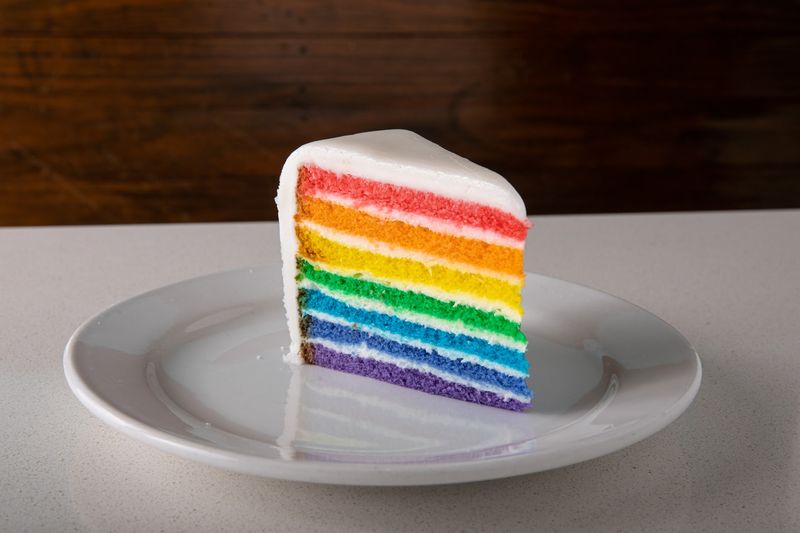
Perfect stripes do not happen by accident. Building a doberge cake requires thin, even cake sheets, measured filling, careful stacking, chilling, and a smooth outer finish that cannot hide a leaning tower.
Debbie Does Doberge uses seven cake layers and six pudding layers in its signature format. Each addition creates another chance for slipping, tearing, or uneven thickness, so the clean cross-section reflects patience as much as decoration.
Pause before cutting a whole cake and photograph the intact finish, then use a long, sharp knife for tidy servings.
Clean the blade between cuts to keep pudding and fondant from smearing across the next slice. Smaller wedges are sensible because the stacked filling gives the cake more substance than its height suggests.
Bakery Bar made this technical work feel cheerful and casual, but one glance at those repeated lines reveals serious craft beneath all the color.
Serve A Sensible Slice
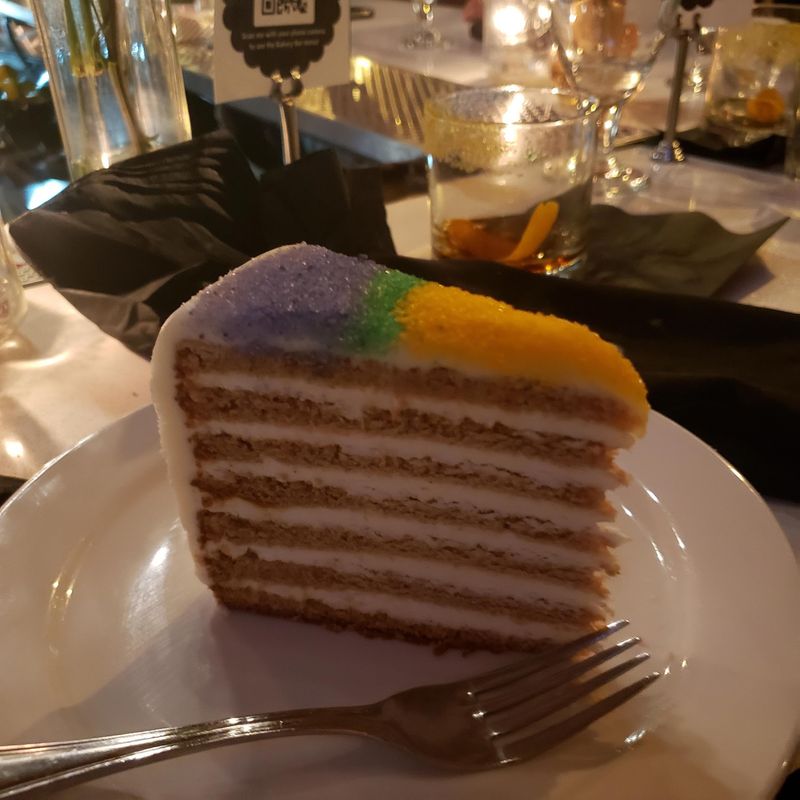
A doberge wedge can look innocent until its six pudding layers join forces. The cake is moist, rich, and substantial, so a narrow serving often satisfies more than a broad piece of ordinary layer cake.
For a group, cut the cake with a sharp knife and begin modestly. Guests can always return for another portion, while oversized pieces may soften before they are finished.
Make sure each cut travels straight through the poured fondant, cake, and filling so every plate receives the complete pattern. The visual payoff is nearly as important as the size.
Whole doberge cakes are also notably heavy, which is why they are not generally suited to traditional stacked wedding-cake designs. A spread of separate cakes or small portions is more practical and gives people flavor choices.
Bakery Bar’s slices showed how presentation and restraint can make an elaborate dessert feel welcoming rather than excessive.
Store Leftovers With Care
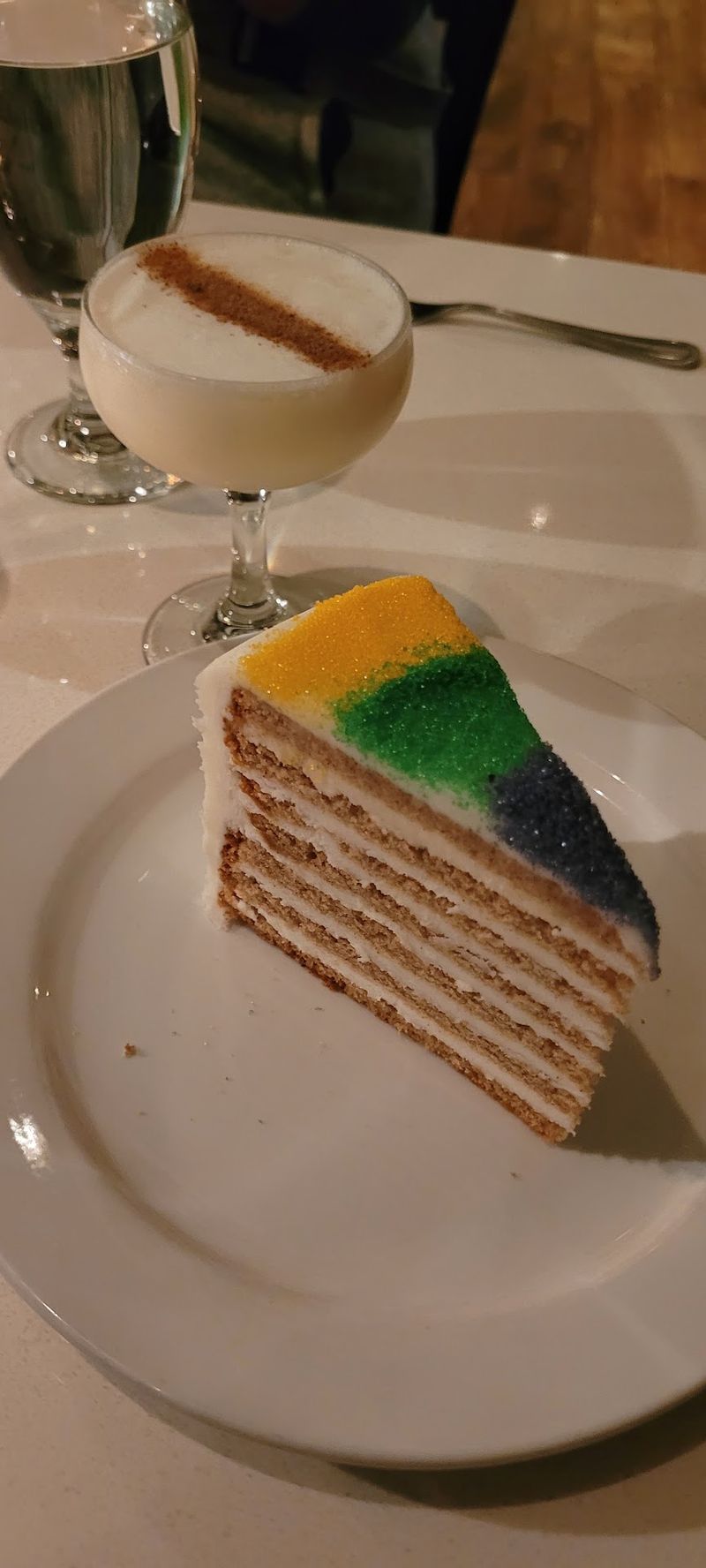
Leftover doberge is not a kitchen emergency, provided it stays cool and protected. Debbie Does Doberge advises that its cakes can remain refrigerated for about one to one and a half weeks or frozen for as long as a year.
Cover exposed cut surfaces tightly so the cake does not dry out or collect refrigerator odors. An airtight container adds another layer of defense, especially for slices with pudding exposed along several edges.
Label frozen portions with the flavor and date, since mystery cake loses some of its charm after months behind the peas.
Before serving a refrigerated piece, allow a short rest at room temperature so its aroma opens and the texture relaxes. Do not leave it sitting out for extended periods because the pudding filling needs proper care.
Smart storage stretches the pleasure of a whole cake and respects the considerable labor represented by every thin layer.