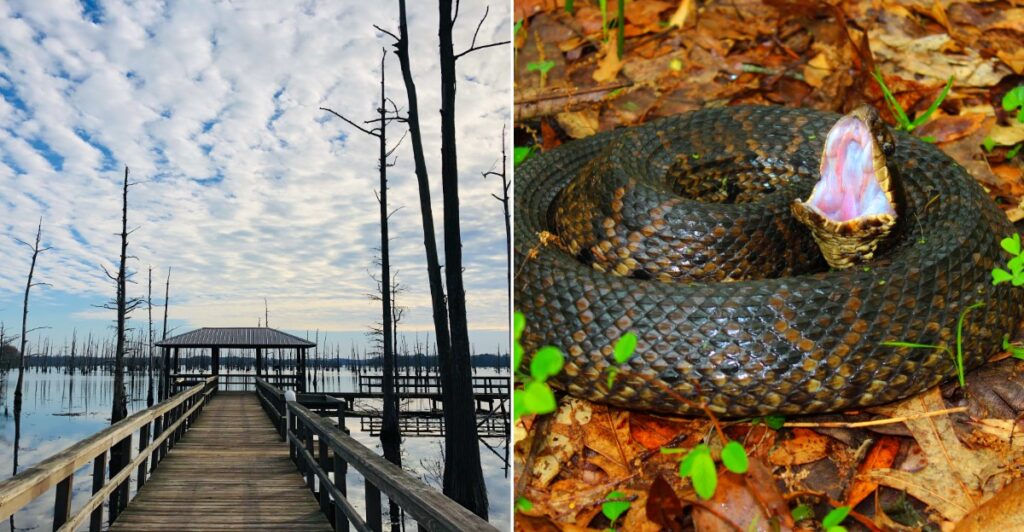
Coiled on a log jam near the fishing pier. Basking on the boardwalk railing where the trail turns toward the water.
Swimming with its head held above the surface like a floating periscope.
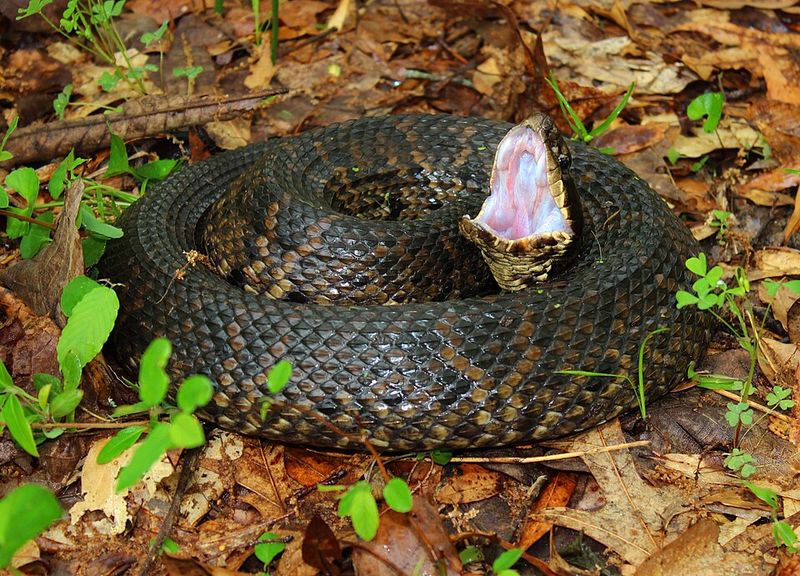
The cottonmouth is the only venomous semi-aquatic snake in the entire country. It lives in every single lake listed here. Dense canopy overhead. Slow water below. Log jams providing the perfect hunting perch.
These conditions describe nearly every shoreline in the state. Cottonmouths are not aggressive. They stand their ground when cornered. They open that stark white mouth as a warning before retreating. Most encounters end quickly.
The snake slides into the water before you get close enough to see the pit between its eye plus nostril. Boardwalks at several parks pass directly through this habitat.
Louisiana lakeshores give cottonmouths everything they need, plus the boardwalks pass right through their preferred habitat.
1. Black Bayou Lake National Wildlife Refuge
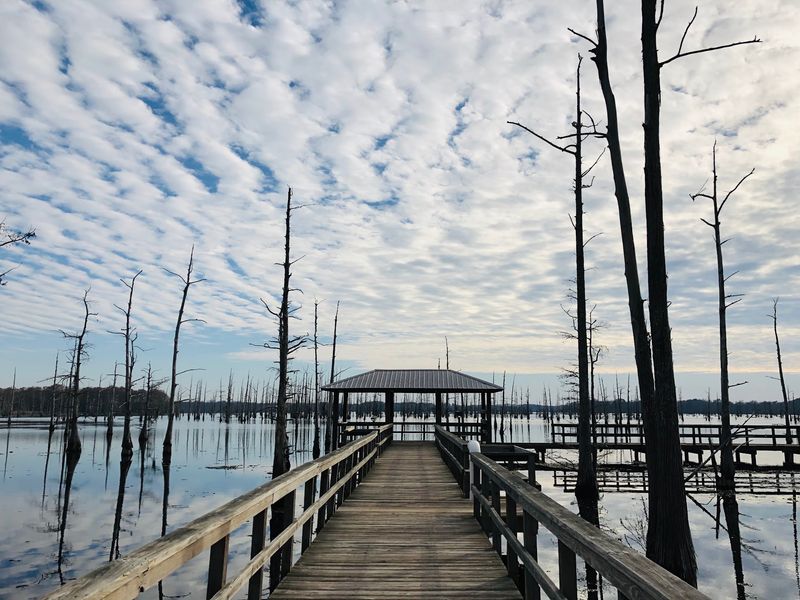
Morning light on Black Bayou Lake can make the cypress knees look harmless, which is exactly why careful footing matters here. Cottonmouths favor quiet, wet edges, and this refuge has plenty of them around swampy shoreline pockets, boat launches, and muddy margins near the pier.
Birds and gators often steal the show, but the ground deserves equal attention.
The 1,200-foot wildlife pier is the smartest place to start because it lifts you above the habitat and gives wide views. Near the visitor center and along soggy banks, wear closed shoes and do not step over logs where a snake could rest unseen.
Early warm days increase movement, so keep children close, skip tall grass, and use the restored house exhibits to learn what local wetland snakes look like before wandering farther down any trail or fishing spot that same day.
2. Lake D’Arbonne State Park
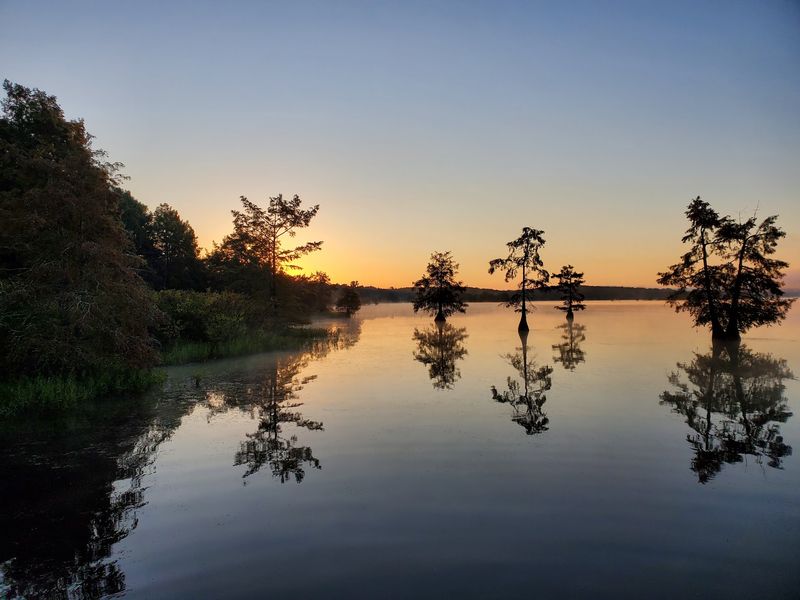
Lake D’Arbonne feels almost polished at sunrise, with dark water, pine shade, and just enough stillness to hide movement at the edge. Cottonmouths may turn up along brushy banks, near fishing areas, and beside quiet coves where turtles also gather.
That does not mean panic. It means paying attention before you reach for a dropped lure or walk off the pavement.
The park rents kayaks, has trails, and even a disc golf course, so people move between woods and shore all day. On low-water days, old mound areas and exposed ground can tempt exploring, but sturdy shoes and a slow scan ahead are wiser than shortcuts through leaf litter.
Bald eagles overhead are thrilling, yet the real skill here is noticing where your next step lands before the scenery pulls your eyes somewhere else along the lakeshore in spring months.
3. Chicot State Park
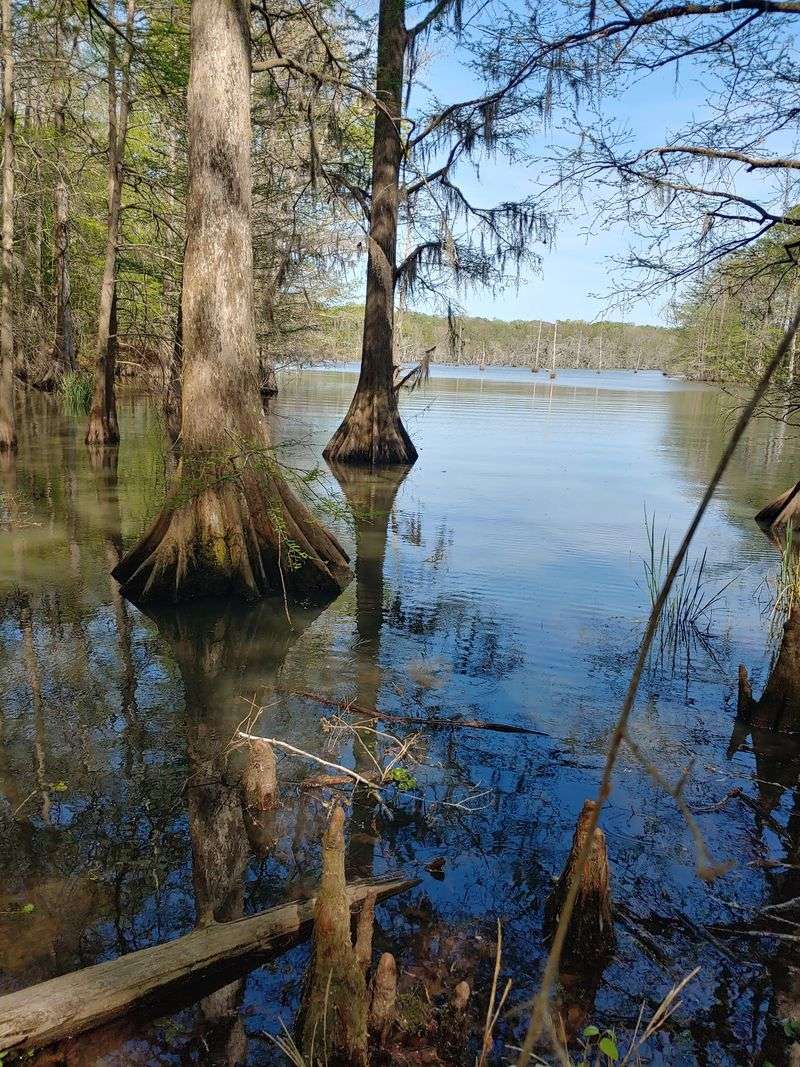
At Chicot, the woods feel big enough to swallow sound, and that hush can fool visitors into relaxing too much near the lake. Cottonmouth habitat shows up in the cypress bottomland, around stump-filled shallows, and beside damp trail sections circling Lake Chicot.
Anglers looking for bass and crappie often focus on the water, while the safer habit is checking both the bank and the branch at knee height.
The park’s 22-mile hiking loop and the Louisiana State Arboretum invite long, peaceful walks, especially when deer or turkey appear without warning. I would stick to marked paths, avoid reaching into vegetation, and give every sunning log a little suspicion after warm rain or on sticky afternoons.
A big forest can make people feel alone, but rangers know these shorelines stay busiest for hidden wildlife right where solid ground starts turning soft.
4. Lake Bistineau State Park
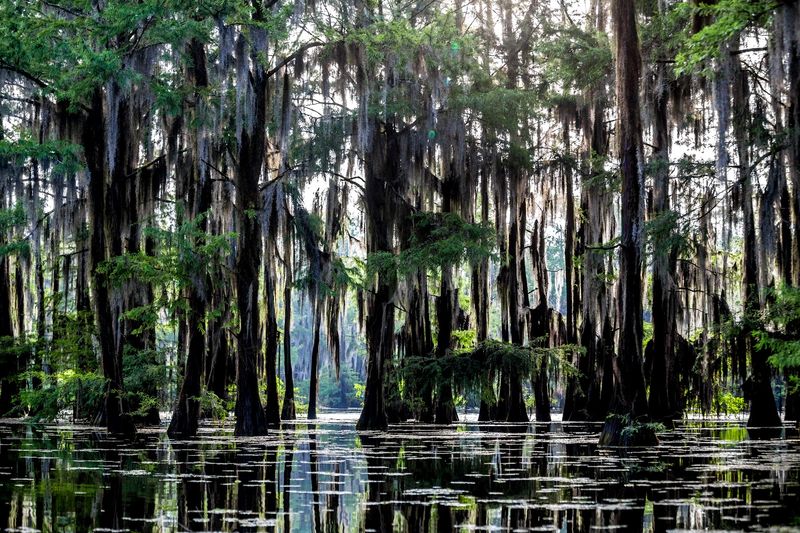
Lake Bistineau has that classic bayou look, cypress trunks rising from water and narrow edges where shadows collect before noon. Cottonmouths fit neatly into places like that, especially near weedy shoreline cuts, canoe access points, and quiet pockets beside floating vegetation.
The lake is famous for fishing, but shore anglers should watch where tackle boxes land and where hands go when lines snag low branches.
More than ten miles of trails and an eleven-mile canoe route spread visitors across the park, so hazards change from hour to hour. A formed path is usually your friend here.
Since alligators, turtles, and lizards also share the scene, keep a respectful distance from anything wild and choose open ground whenever you stop for photos or a snack. Log-jam history is fascinating, yet the lesson is simple muddy edges deserve patience not rushed steps.
5. Lake Fausse Pointe State Park
Lake Fausse Pointe sits in the Atchafalaya Basin, where water, roots, and shade seem to trade places every few feet. That shifting swampy edge is prime cottonmouth country, especially near boardwalk ends, canoe launches, and soggy trail margins.
Visitors usually notice birds first, maybe a Wood Duck or Prothonotary Warbler, but the smarter move is slowing down anywhere the ground turns dark, wet, and cluttered.
Repellent and waterproof shoes earn their keep here, and so does a habit of scanning before each step off a plank walkway. The cabins at the swamp’s edge are memorable, though nighttime walks need extra care and a flashlight pointed low.
I like this park for its calm, but calm water can hide resting snakes near roots, so keep pets close and curiosity under control. Mosquitoes may whine, yet the shoreline deserves the loudest respect.
6. Tickfaw State Park
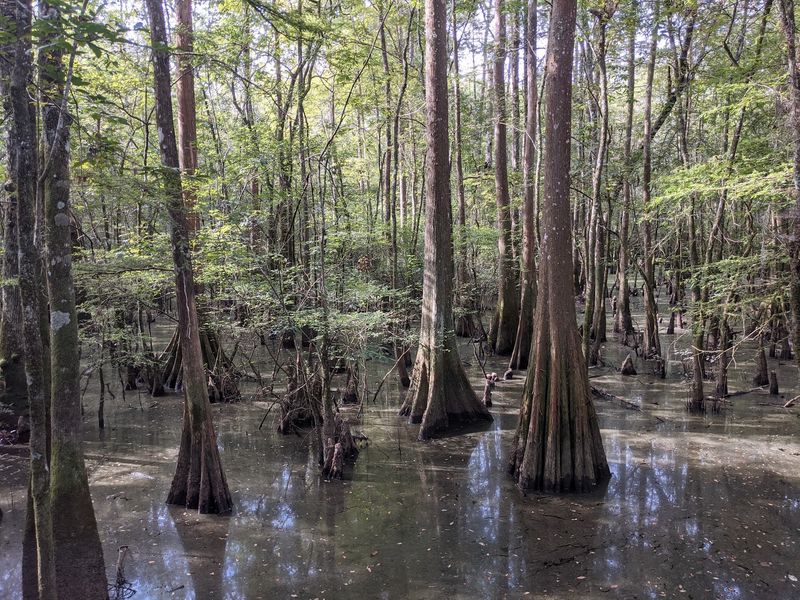
Tickfaw gives you a useful gift right away, elevated boardwalks that let you study wet habitat without stepping directly into it. For cottonmouth awareness, that matters.
The park crosses four ecosystems, including cypress-tupelo swamp and the Tickfaw River, so shoreline conditions change quickly from firm dirt to soft mud. Places where a trail leaves the boards deserve a pause before every step, especially after flooding or heavy summer rain.
The nature center and aquarium help children connect animals to habitat, which makes the safety lesson easier to understand without fear. Wetlands are busy, not mean.
Stay on marked routes, keep hands off low railings and brush, and watch the edge when stopping to listen for frogs or look for alligators in the shallows. Even on a afternoon a hidden snake can be closer than it seems beside the final step.
7. Chemin-A-Haut State Park
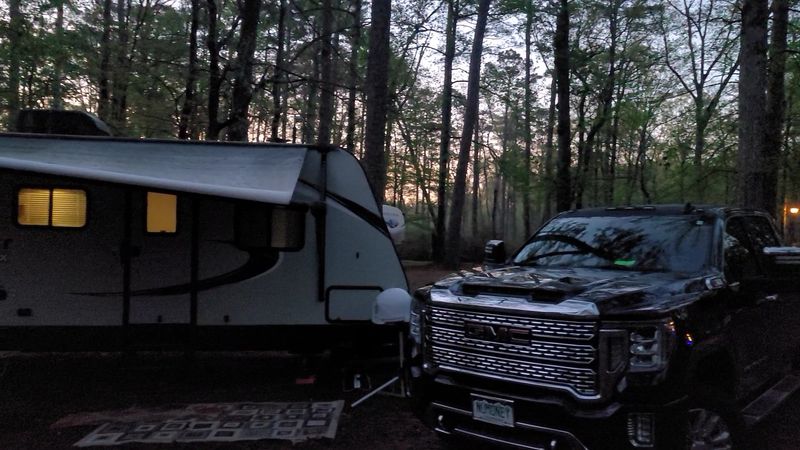
High bluffs are the surprise at Chemin-A-Haut, but lower wet spots still deserve the cautious eyes usually reserved for flat swamp parks. Cottonmouths prefer the damp margins near Bayou Bartholomew, launch areas, and shaded shoreline tangles, not the scenic overlook itself.
That contrast can catch people off guard, because a pretty photo stop on high ground may lead to a careless walk down toward softer edges.
Wide, clear trails make this park welcoming, and that is helpful when you want room to see where feet and dogs are headed. The old route name means high road, a reminder to choose the driest path whenever possible.
If you paddle out to see the famous Castle Tree, keep arms inside the boat near overhanging vegetation and avoid grabbing roots along the bank. Views are lovely, yet the shore is where attention sharpens.
8. Lake Bruin State Park
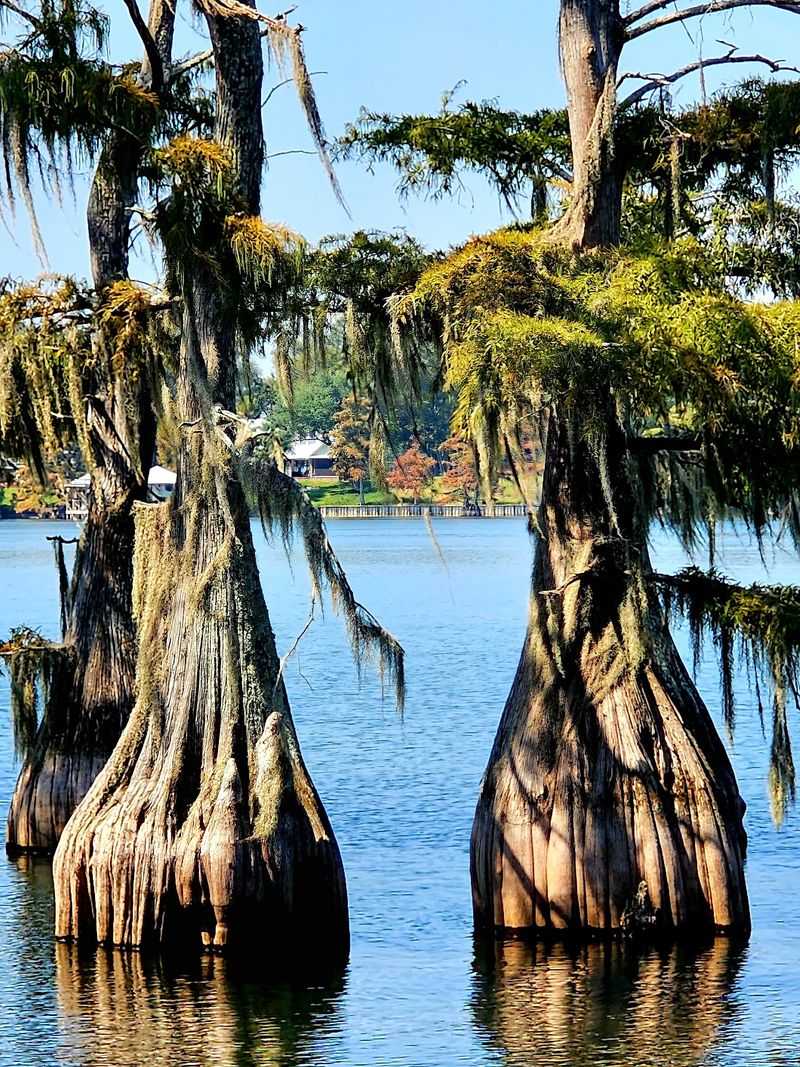
Lake Bruin looks tidy compared with rougher swamp lakes, and that neat appearance can lower a visitor’s guard in a hurry. Cottonmouths still use cypress-lined banks, fishing pier edges, and brushy spots near the oxbow shoreline, especially where people leave quiet gaps between picnic areas.
Clear water helps a little, but it does not reveal a snake resting under shoreline shade or tucked beside riprap.
Because the park is small, families often move quickly from cabin to pier to boat ramp, and that can mean distracted steps. The history here runs from fish hatchery to CCC camp to state park, while today’s best habit is simpler: scan the bank before setting chairs, coolers, or bare ankles near the water.
One slow look down can prevent a bad surprise and barely interrupts the easy old-river mood of the place at dusk.
9. North Toledo Bend State Park
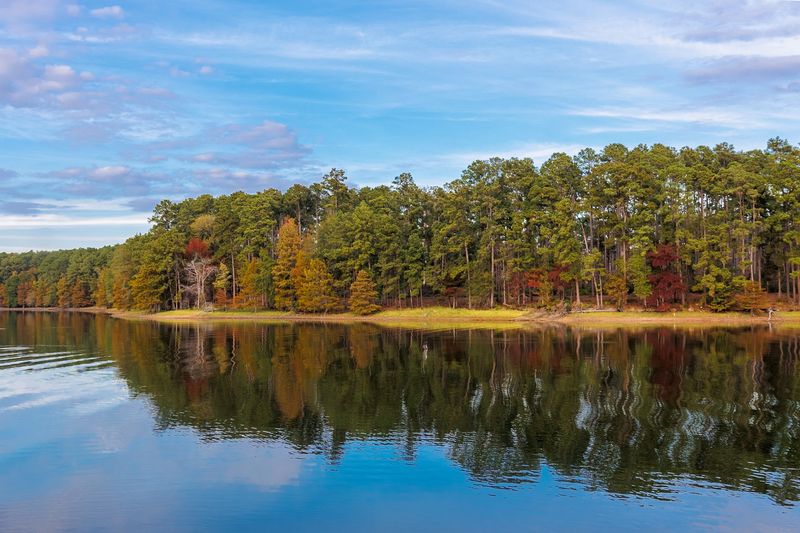
North Toledo Bend feels roomy, almost built for long casts and bigger thoughts, but lake edges still need small, careful decisions. Cottonmouths can appear around coves, brushy banks, and damp spots near the boat ramps where fishermen focus on gear instead of ground.
The reservoir is huge, yet risk often hides in one narrow strip between parking lot gravel and the waterline.
The double boat ramp and fish cleaning station keep activity moving, which can create a false sense that every shore corner is well watched. It is not.
Trails through more than nine hundred acres of piney woods are great for stretching out, but open shoes are a poor idea if you wander toward muddy inlets or pause in tall grass near the lake. From the point enjoy the view then remember the shoreline below works by different rules.
10. South Toledo Bend State Park
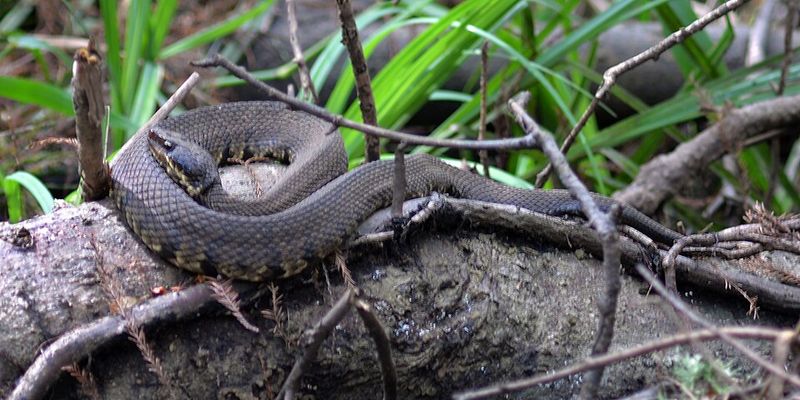
South Toledo Bend has bluffs, eagles, and a neat surfaced trail, so it can feel gentler than rougher reservoir parks. The feeling is lovely, not always accurate.
Cottonmouths may use lower shoreline pockets, brush near the swimming area, and damp ground below the more elevated paths. When families head from the beach to the water, the safest routine is a quick scan for movement before every barefoot step.
Bald eagles are a real draw from October through May, and the visitor center adds context that makes the landscape easier to read. I appreciate places that teach you how to look.
Here, looking low matters as much as looking up, especially around launch points, picnic tables near grass, and any warm rock or log holding afternoon sun. The reservoir is famous for bass, but banks deserve equal respect on hot days.
11. Cypremort Point State Park
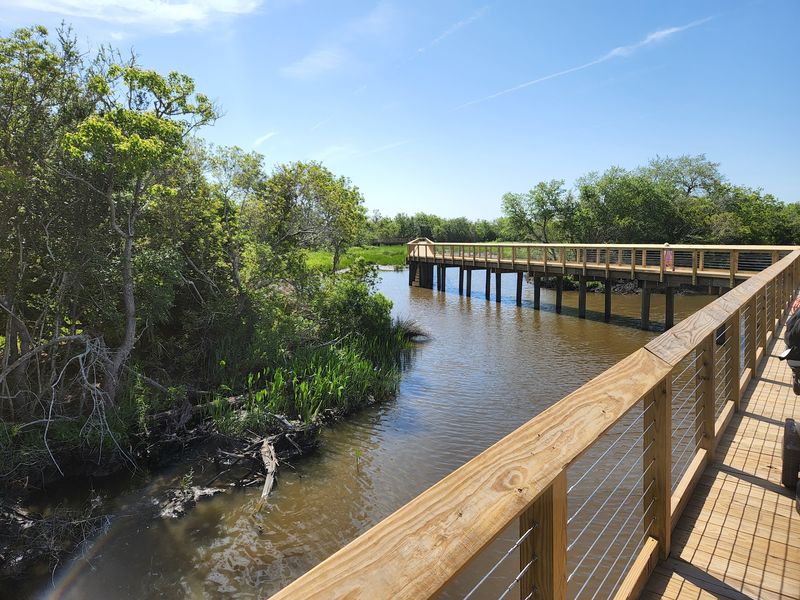
Salt air changes the mood at Cypremort Point, yet the marsh edge still asks the same old Louisiana question where exactly are you stepping. Cottonmouths are more tied to fresh and brackish wet places than sandy open beach, so the boardwalk approach, grassy margins, and marshy spots deserve the closest attention.
Pelicans and spoonbills pull eyes skyward, while the safer habit is keeping them low near vegetation and water seams.
This is one of the few road-accessible Gulf spots in Louisiana, and that easy access brings lots of casual wandering between shore, oaks, and marsh. Casual is fine.
Careless is not. Stay on clear routes, give any snake room to leave, and remember that drift grass piles and shaded edges can hide more than shells.
The name feels elegant, but the lesson is plain watch every step near marsh water.
12. D’Arbonne National Wildlife Refuge
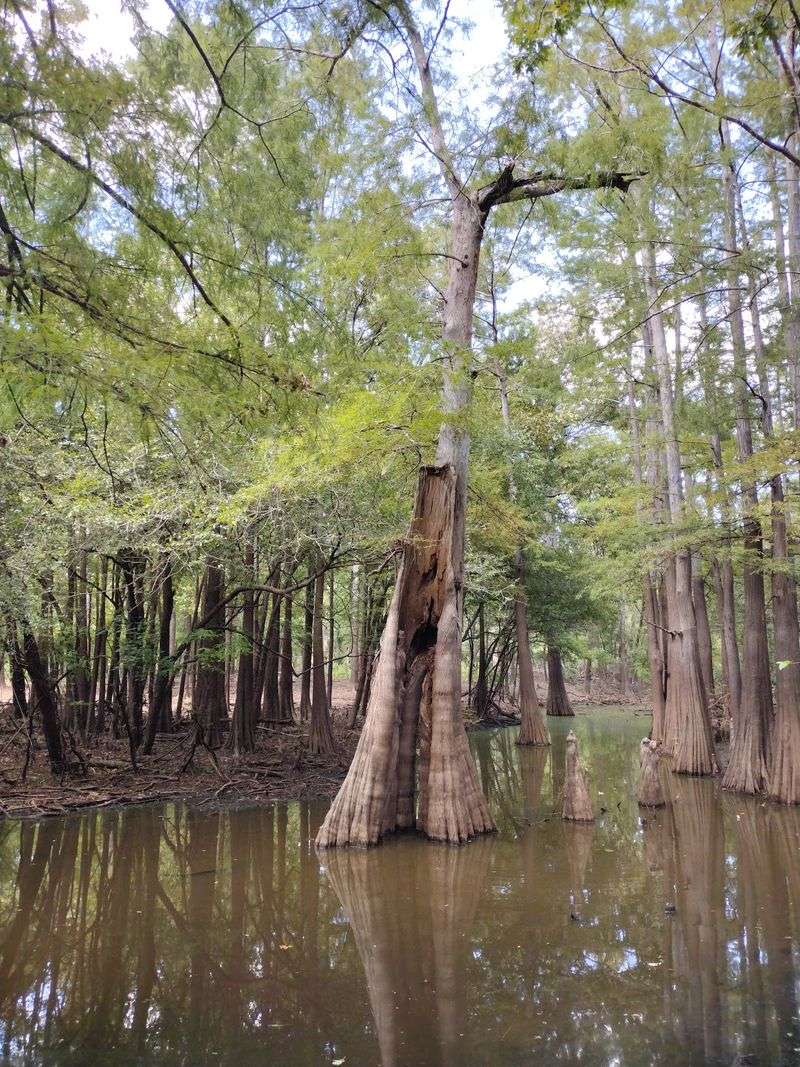
D’Arbonne National Wildlife Refuge is the kind of place that looks half land, half memory when high water spreads through the woods. That seasonal flooding creates excellent wet habitat for many creatures, including cottonmouths along bayou edges, flooded timber, and soft banks near access points.
With nearly twenty thousand acres, the refuge can feel wonderfully remote, which makes self-awareness more valuable than confidence.
The observation tower is a smart stop because height helps you understand the layout before you wander lower ground. Waterfowl, eagles, turtles, bears, and even endangered red-cockaded woodpeckers make the refuge memorable, but none of them justify stepping into brush for a better look.
During wetter months, assume the margin between trail and habitat is thinner than it appears and plan every step like the mud might move. Big landscapes still punish small mistakes near water edges.