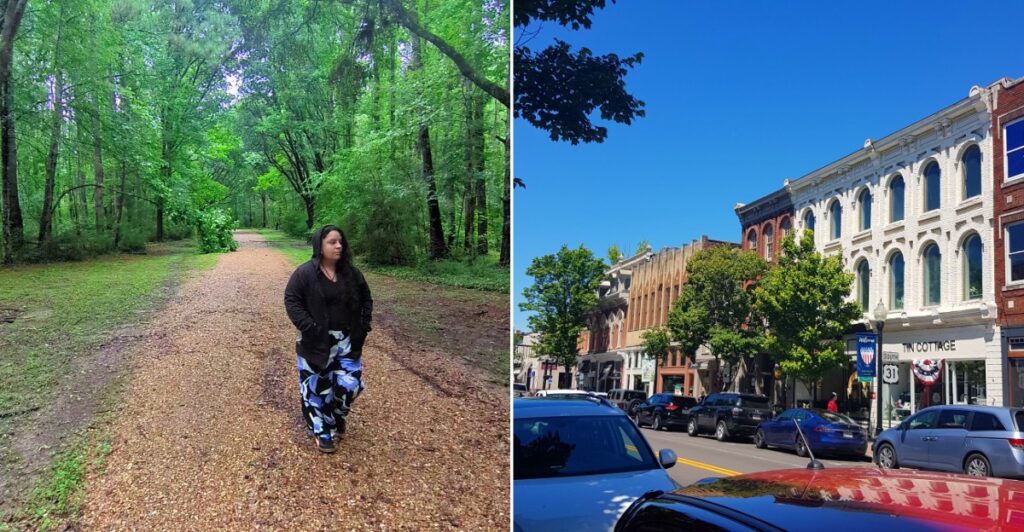
Parking the car and walking everywhere feels like a lost art until Louisiana proves otherwise.
Natchitoches lines its brick Front Street with restaurants and shops overlooking Cane River Lake. St. Francisville tucks bed and breakfasts behind oak canopies a block from the Mississippi River bluff.
Abbeville built an entire town square around Magdalen Square and never looked back. Covington runs its art galleries and coffee shops along Columbia Street under century-old oaks.
Franklin claims over four hundred historic structures in its downtown district alone. Minden restored a main street that looks like a movie set from another era.
Donaldsonville preserves creole cottages along Railroad Avenue that date back before the Civil War. Thibodaux stretches Canal Boulevard past museums and bakeries.
New Iberia keeps the bookshops and restaurants coming along Main Street. These ten Louisiana towns prove that the best way to see the state is still one step at a time.
Follow Front Street Through Natchitoches
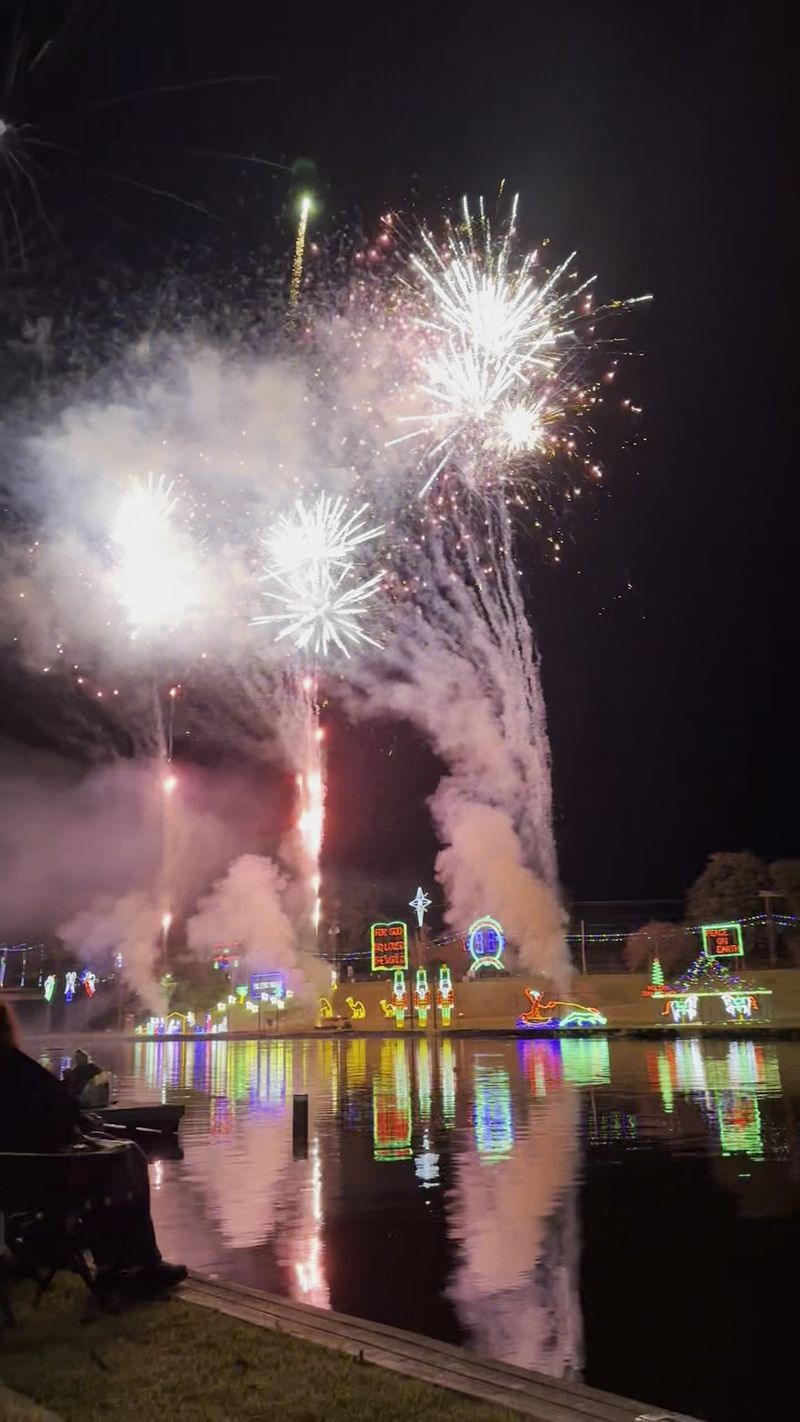
Front Street feels almost theatrical without needing any scenery added. Brick paving, iron balconies, old commercial buildings, and Cane River Lake all meet within a compact downtown that makes Natchitoches one of Louisiana’s easiest historic towns to explore on foot.
Founded in 1714, Natchitoches is the oldest permanent European settlement in the Louisiana Purchase territory. The broader National Historic Landmark District stretches across dozens of blocks, but the riverfront core remains manageable enough for an afternoon without moving the car.
Start around Front Street and drift toward the shops, restaurants, and riverbank. Kaffie-Frederick General Mercantile, operating since the nineteenth century, gives the walk one of its strongest old-Louisiana stops, while local restaurants provide plenty of chances to try a traditional Natchitoches meat pie.
Benches along Cane River Lake make useful breaks once the heat starts pressing down. The riverfront also provides the kind of open view that keeps the downtown from feeling crowded even when festival weekends bring extra visitors.
December transforms the area with the famous Christmas Festival of Lights, but quieter months have their own advantage. Without the seasonal crowds, the architecture and waterfront get more room to register.
A Narrow Ridge In St. Francisville
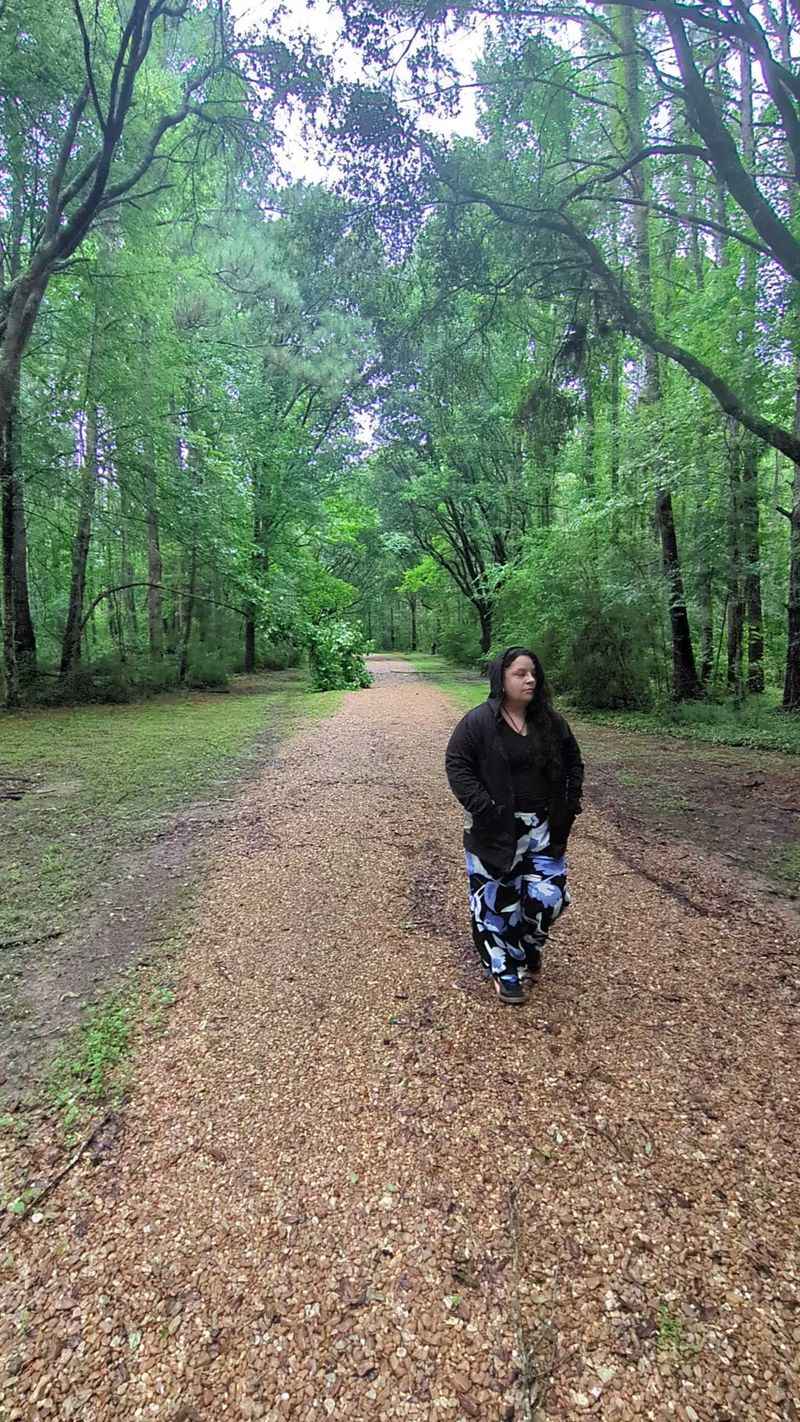
Moss hangs above Ferdinand Street as if the trees decorated themselves before breakfast. St. Francisville developed along a narrow ridge and was once described as two miles long and two yards wide, an image that still suits its slim, walkable shape.
Start near the West Feliciana Historical Society Museum, housed in a former hardware store, then continue toward early nineteenth-century Grace Episcopal Church. Its quiet cemetery and mature trees offer a peaceful pause among historic homes and small shops.
An old caboose on Ferdinand Street adds an unexpected splash of railroad character.
Wear shoes suited to uneven surfaces because old paths and sloping ground appear along the route. Rosedown Plantation State Historic Site and other major properties require a short drive, so treat downtown as the relaxed opening chapter rather than the whole story.
Spring and fall provide kinder walking weather, while weekday mornings bring fewer cars and an especially calm atmosphere.
Art And River Air In Covington
Covington’s downtown rewards anyone willing to walk without a strict destination. Columbia Street anchors a compact district filled with galleries, restaurants, coffee shops, murals, public art, and locally owned businesses that make every block feel slightly different from the one before it.
The town grew as a nineteenth-century trading center connected to the Bogue Falaya River. That commercial past survives most vividly at H.J.
Smith and Sons General Store and Museum, a family-run institution dating to 1876 that combines a working store with displays of antique tools, household goods, and regional artifacts.
Art is equally important to the town’s modern identity. The annual Three Rivers Art Festival brings artists and crowds downtown, while regular gallery activity keeps creative energy visible even outside major events.
A walk can easily end at Bogue Falaya Wayside Park, where shady trees and the river create a softer finish after the busier downtown blocks. The park gives Covington an unusually natural edge for a town center this walkable.
Summer afternoons can be hot, so indoor stops become useful rather than merely optional. Coffee, galleries, and the general-store museum provide plenty of excuses to cool off between blocks.
Pause Beneath Abbeville’s Oaks
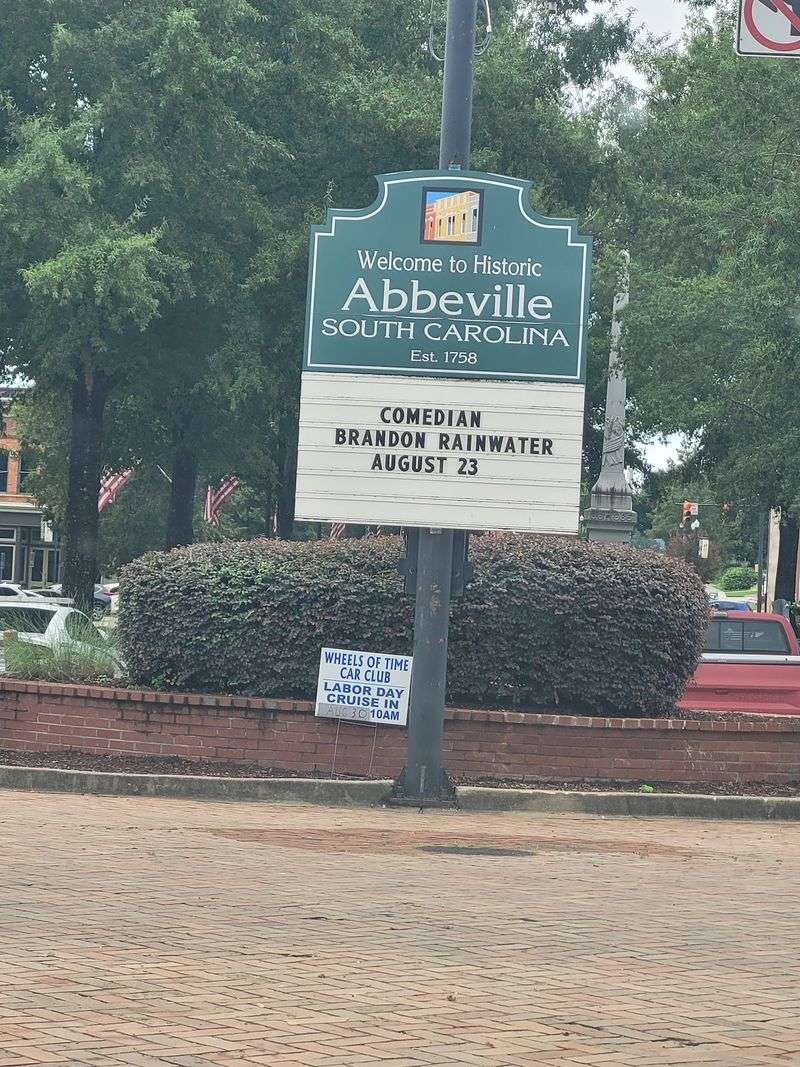
At Magdalen Square, broad oak limbs frame a fountain, gazebo, and the statue of Abbeville founder Father Antoine Désiré Mégret. The Catholic missionary established the community in 1843 and named it after his hometown in France, giving the center a distinctly European plan.
St. Mary Magdalen Catholic Church rises nearby, making the square a natural starting point for a short downtown loop. Look for Robert Dafford’s murals, including the enormous accordion painted on City Hall, before heading toward local restaurants and the Vermilion River area.
November’s Giant Omelette Celebration draws visitors to watch cooks prepare a 5,000-egg omelette, a wonderfully serious commitment to breakfast. At other times, Abbeville moves at an easier pace.
Check restaurant hours before arriving because some kitchens close between lunch and dinner. Shade helps, but afternoon heat remains strong, so mornings are best for walking.
Save room for seafood, particularly oysters when available and in season locally.
Downtown Hammond Keeps Moving
Hammond is busier than many towns on this list, but its downtown still keeps enough attractions close together to reward walking. West Thomas Street and the surrounding blocks mix restaurants, shops, murals, historic buildings, and cultural venues into a district that feels active throughout the day.
The city’s story reaches back to Swedish immigrant Peter Hammond, who settled in the area during the early nineteenth century. The arrival of the railroad later transformed Hammond into an important commercial and transportation center, and that history still influences the shape of downtown.
A self-guided walk passes public art, older storefronts, and landmarks connected to the city’s growth. The historic Hammond Oak marks Peter Hammond’s gravesite and gives the walk one of its more unexpected pieces of local history.
The Columbia Theatre for the Performing Arts provides a strong architectural focal point. Opened in 1928, the restored theater now hosts performances and events connected with Southeastern Louisiana University.
Downtown restaurants and cafés make it easy to stop without ending the walk entirely. Zemurray Park also sits close enough to add trees, paths, and open green space when pavement starts feeling repetitive.
Lamplight And Live Oaks In Franklin
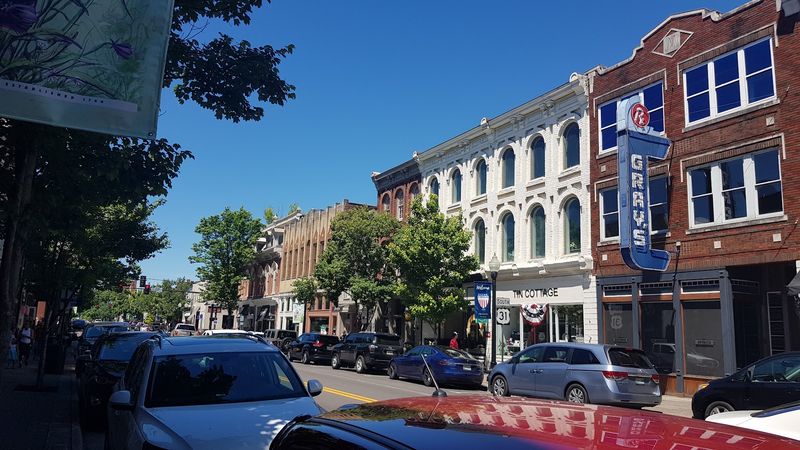
Franklin’s Main Street has the kind of calm that encourages you to notice architecture instead of simply moving past it. Iron lampposts, mature live oaks, historic homes, and commercial buildings create a downtown where the visual changes come slowly enough to appreciate on foot.
Founded in 1808 and incorporated in 1820, Franklin developed around Bayou Teche and became one of south Louisiana’s important early communities. The town’s architecture reflects several periods of growth, from Greek Revival residences to later commercial structures and early twentieth-century additions.
Hundreds of historic buildings survive within the wider area, giving even residential side streets something worth noticing. The 1940 Teche Theatre adds a more streamlined modern note among the older facades and remains an important cultural landmark.
Walking before sunset creates the best transition. Architectural details stay visible while the streetlamps begin coming on beneath the oaks, giving downtown a softer atmosphere without requiring any elaborate lighting display.
Bayou Teche is never far from the story, and the waterway helps explain why the community developed where it did. Mosquito repellent becomes useful if the walk stretches toward evening.
Franklin rewards a slower pace because its charm is cumulative. There is no single giant attraction dominating the route.
Brick Streets Tell Minden’s Story
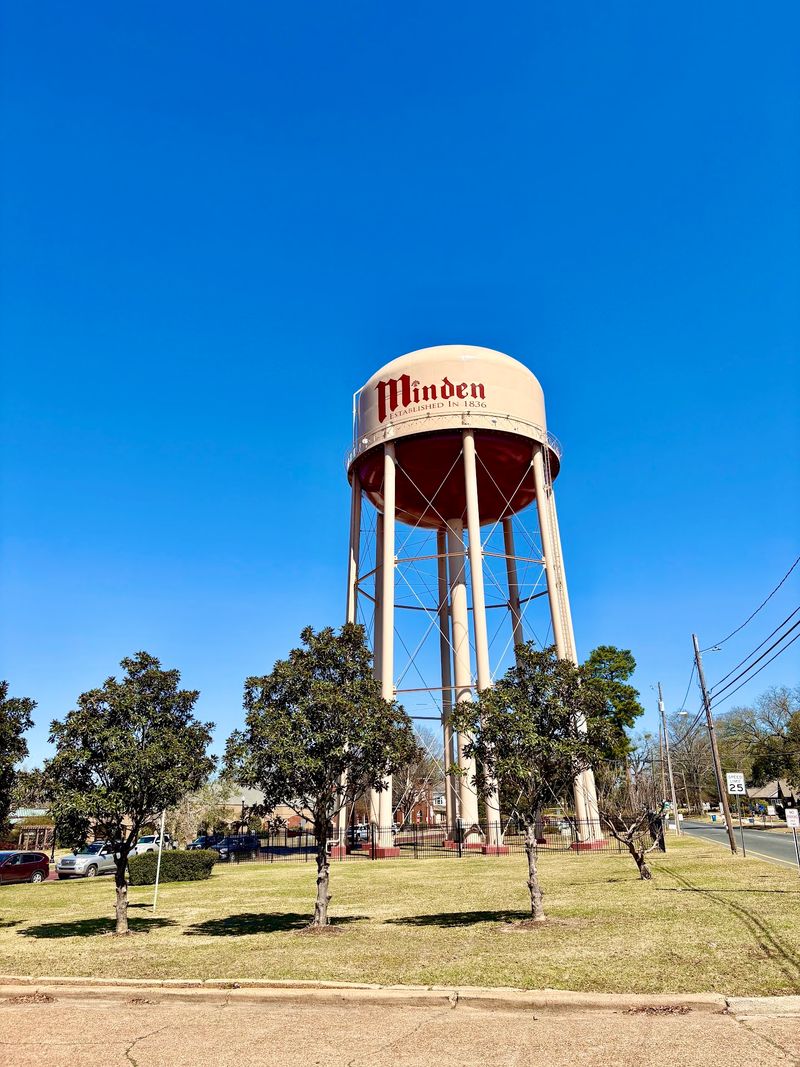
The brick paving on Main Street supplies Minden with a texture both charming and slightly demanding of sensible shoes. Main Street was paved with brick in 1917, and the textured roadway now runs between turn-of-the-century storefronts, restaurants, antique shops, and local businesses.
Charles Veeder founded the town in 1836 and laid it out in an unusual parallelogram pattern. That distinctive plan gives the center a slightly different rhythm from the courthouse-square layout common in many Southern towns.
The downtown route is compact enough for easy browsing, but architecture fans should continue into the nearby historic residential district. Victorian and older homes line leafy streets where porches, columns, and decorative woodwork provide a noticeable contrast with the commercial center.
Many of those buildings remain private homes, so the best way to enjoy them is from public sidewalks. The old brick surfaces can also be uneven, making comfortable shoes a practical choice rather than a minor detail.
Community events periodically bring more activity to Main Street, but ordinary mornings reveal the town more clearly. Fewer cars and cooler temperatures make the historic streets easier to appreciate without distraction.
History Around Railroad Avenue
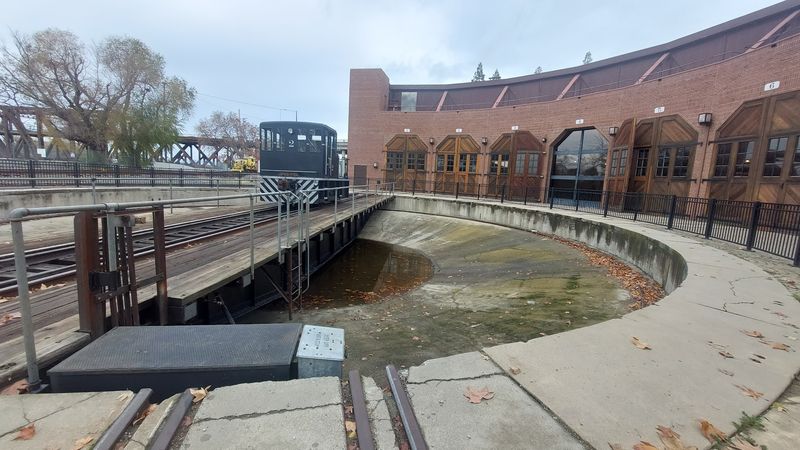
Donaldsonville once served as Louisiana’s state capital, but only from 1830 to 1831, a brief chapter that gives its streets an outsized historical role. Railroad Avenue leads through a district containing buildings from the antebellum period through the early twentieth century.
Make the River Road African American Museum a priority rather than an optional stop. Its exhibits document enslavement, freedom, achievement, and community life along the Mississippi River corridor, adding essential voices to the region’s story.
Verify opening hours before visiting because museum schedules can change.
Louisiana Square reflects the public spaces included in Barthélemy Lafon’s 1806 town plan. Nearby, the Grapevine Cafe and Gallery occupies a historic setting and serves Creole and Cajun dishes, often alongside live music.
Downtown blocks are manageable, though shade can be limited in places. Walk during morning hours, carry water, and pay attention at crossings near larger roads.
Donaldsonville rewards visitors who slow down, read markers, and resist treating history as background scenery.
Walk Beside Bayou Lafourche
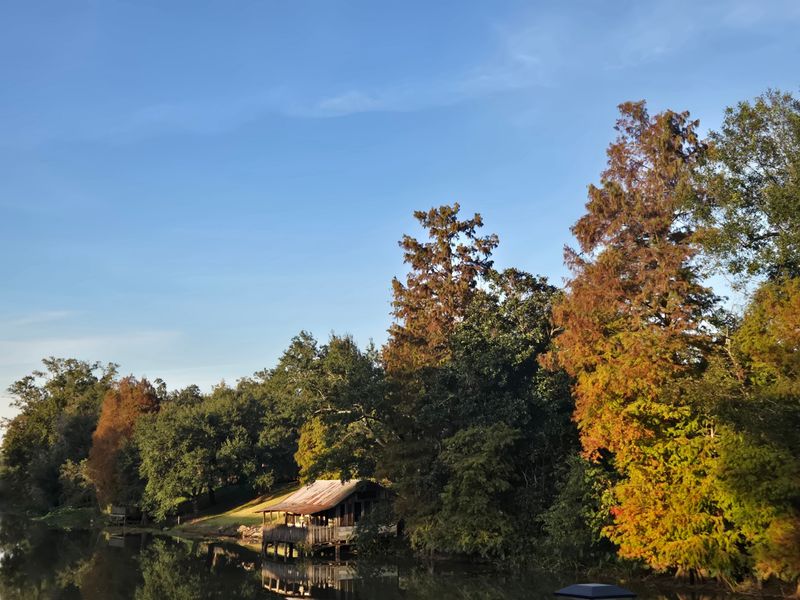
Thibodaux’s relationship with Bayou Lafourche becomes obvious once you start walking downtown. The waterway runs alongside a district shaped by Acadian, French, Spanish, German, and later American influences, giving the town a layered architectural identity.
Canal Boulevard and nearby streets provide the most concentrated mix of restaurants, civic buildings, historic structures, and everyday businesses. Side streets tend to be quieter, making them especially pleasant when downtown traffic picks up.
The Jean Lafitte Wetlands Acadian Cultural Center is one of the best places to understand what surrounds you. Exhibits and programs explore Cajun history, wetlands, music, foodways, and the communities that developed along Bayou Lafourche.
From there, the bayou itself becomes part of the walk rather than background scenery. Boats, bridges, and waterfront views reinforce how important this narrow waterway remains to local identity.
The downtown area can be explored comfortably on foot, although Canal Boulevard carries enough traffic to make marked crossings worthwhile. Historic sites farther outside the center, including the E.D.
White Historic Site, require a car and work better as a second part of the day.
Food provides an easy finish. Bakeries and local restaurants make it difficult to walk several blocks without reconsidering whether another stop is necessary.
Three Languages On New Iberia’s Streets
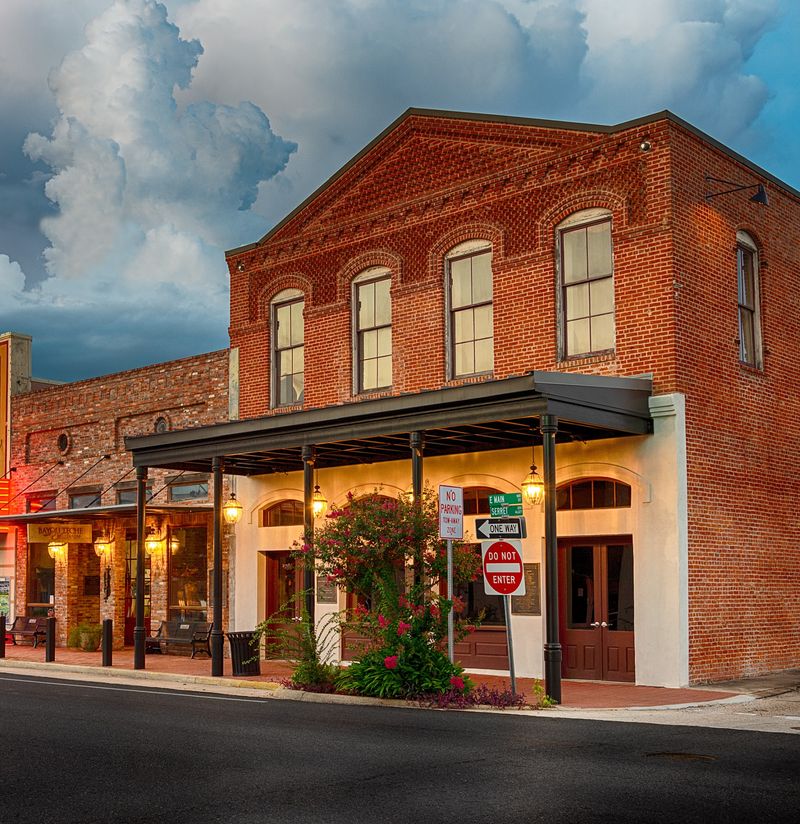
Street signs in English, French, and Spanish quietly explain New Iberia before any museum does. They reflect a community shaped by Spanish settlement, Acadian migration, Creole culture, and generations of life along Bayou Teche.
Main Street anchors the walkable historic district and remains one of the city’s strongest assets. Restored storefronts, restaurants, galleries, public art, and oak-shaded blocks helped earn downtown national recognition for successful revitalization.
The Bayou Teche Museum makes a useful early stop because its exhibits connect the architecture outside with the industries and communities that built the city. Sugar, agriculture, transportation, and regional culture all become easier to understand once the broader story is in place.
George Rodrigue Park adds another local connection. The New Iberia-born artist became internationally associated with his Blue Dog paintings, and the park gives downtown a colorful tribute to his work.
Shadows-on-the-Teche brings considerably heavier history into the route. The 1834 house and its interpretation address both the Weeks family and the enslaved people whose labor sustained the property.
Bayou Teche itself provides the natural thread tying everything together. Walking toward the water after exploring Main Street gives the afternoon a slower ending beneath the trees.