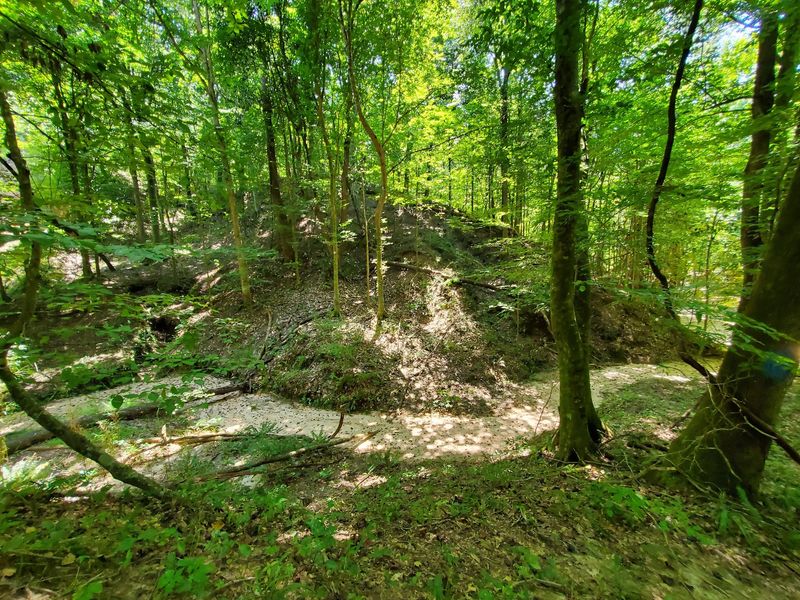
Imagine walking along a creek bed and spotting something that was buried for thousands of years right at your feet. That is exactly the kind of adventure waiting near St. Francisville, Louisiana, at the Tunica Hills.
This wild corner of the state is packed with rolling bluffs, deep ravines, and creeks that keep uncovering ancient fossils and shark teeth. Grab a bag, wear sturdy shoes, and get ready to explore one of Louisiana’s most surprising natural treasures.
Where To Find This Hidden Louisiana Gem
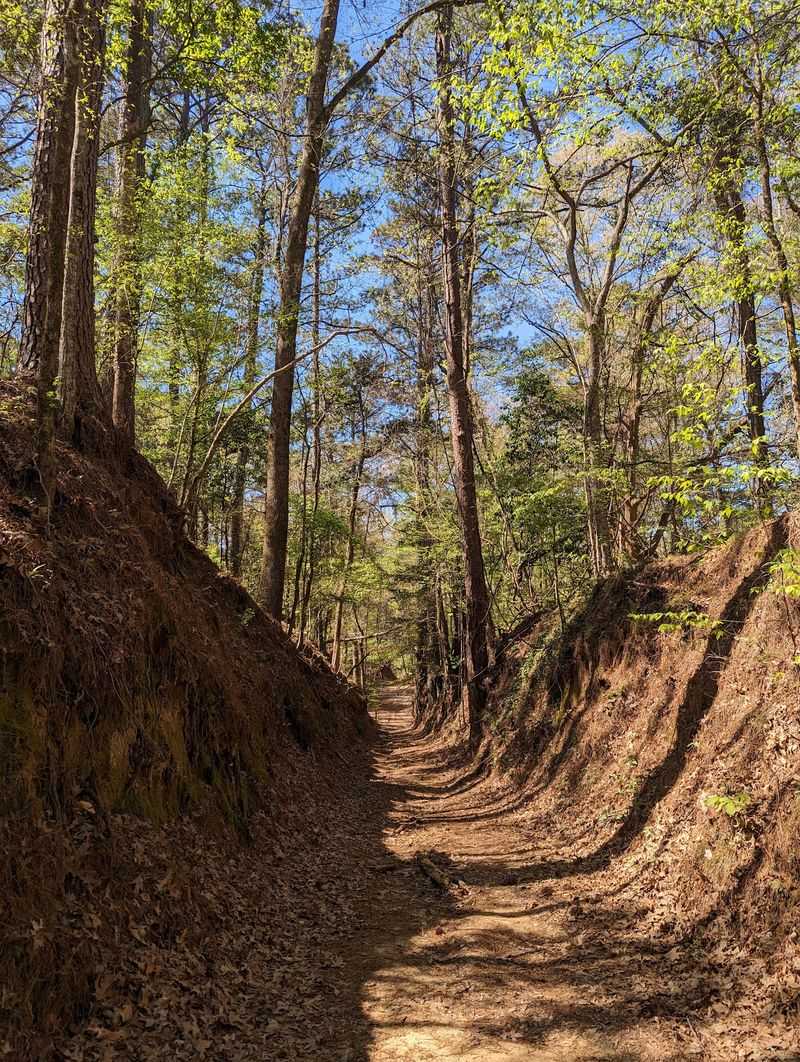
Tucked away in West Feliciana Parish, Tunica Hills WMA sits along LA-66 outside the small town of St. Francisville, Louisiana. It is a place most folks drive right past without realizing what waits down the road.
The wildlife area covers a stretch of land that feels nothing like the flat, swampy south Louisiana many people picture. Instead, you get actual hills, ridges, and ravines carved deep into the earth.
Visitors often say the change of scenery genuinely surprises them.
Managed by the Louisiana Department of Wildlife and Fisheries, this refuge is set up for outdoor fun of all kinds. Hiking, wildlife watching, horseback riding, and seasonal hunting all happen here across a landscape full of creeks and forest.
For fossil fans, the real draw is those winding creek beds cutting through ancient silt deposits. As water erodes the soft ground, prehistoric treasures wash out into the open.
Getting there takes a little effort and a careful drive, but the reward is a rare slice of wild Louisiana most people never get to see.
The Ice Age Story Written In The Soil
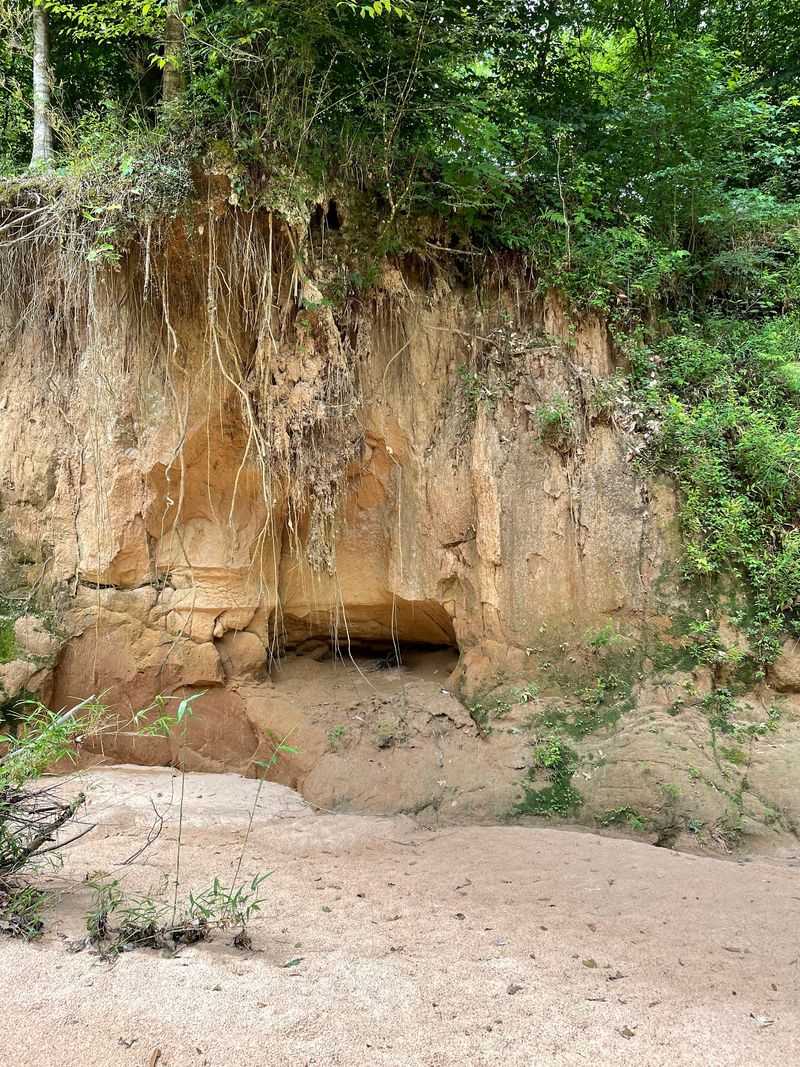
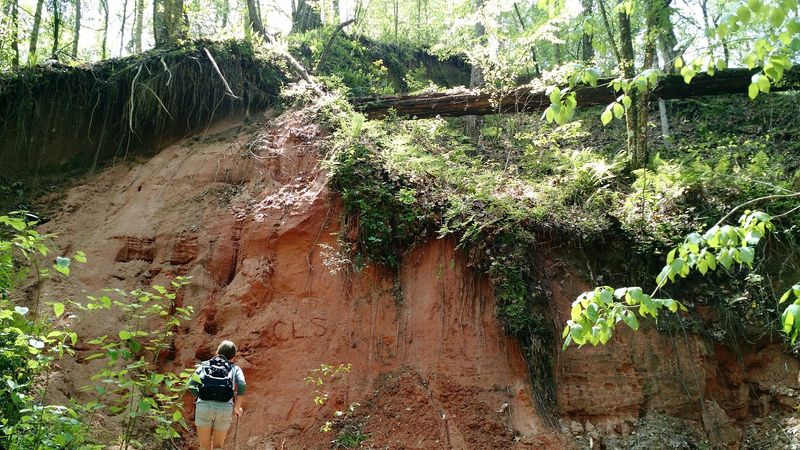
Long before anyone walked these trails, wind carried fine silt across the region and dropped it in thick layers called loess. That windblown dust from the Ice Age is the secret behind everything special about this place.
Over thousands of years, rain and streams sliced through the soft loess to create narrow ridges and steep slopes. The result is a landscape that looks and feels completely out of place in Louisiana.
One visitor described it as fascinating for anyone who loves dirt and rocks.
As those easily weathered deposits erode, they release fossils that had been locked away since the glacial period. Late Pleistocene remnants keep appearing along creek beds and banks whenever fresh sediment is exposed.
Walking the washed-out sections of creek, you can actually see how the land was formed layer by layer. Guests love spotting these wash-outs, which tell the story of ancient Louisiana in a way no textbook can match.
Understanding this geology makes every fossil hunt feel richer. You are not just collecting rocks, you are holding pieces of an enormous natural history unfolding under your boots.
Shark Teeth Hiding In The Creek Beds
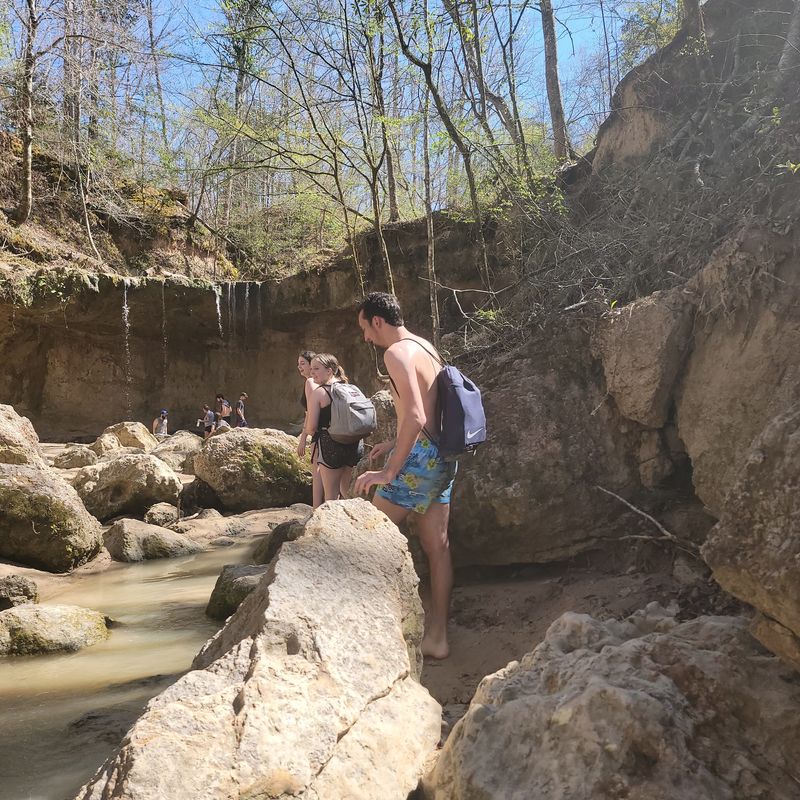
Finding a shark tooth in landlocked Louisiana sounds impossible, yet it happens here more often than you might guess. Millions of years ago, ancient seas covered this whole region, leaving behind marine treasures.
Thompson Creek, near St. Francisville, is well known for washing out Miocene-era shark teeth. These dark, triangular fossils tumble out of the sediment and settle into gravel bars where sharp-eyed hunters can grab them.
Because the area once sat beneath saltwater, marine fossils are surprisingly common. A recently identified shark species called Carcharhinus tingae left teeth that turn up across Louisiana, proof of that vanished ocean.
The best part is how little digging is needed. Most teeth are found by simply surface collecting, scanning the gravel and banks slowly as you walk.
Patience and a keen eye matter far more than fancy equipment.
After heavy rain or when river levels drop, fresh teeth get uncovered and deposited along the banks. Timing your trip to those moments seriously boosts your odds of filling your bag with these tiny ancient wonders.
Mammoths, Mastodons, And Other Ancient Giants
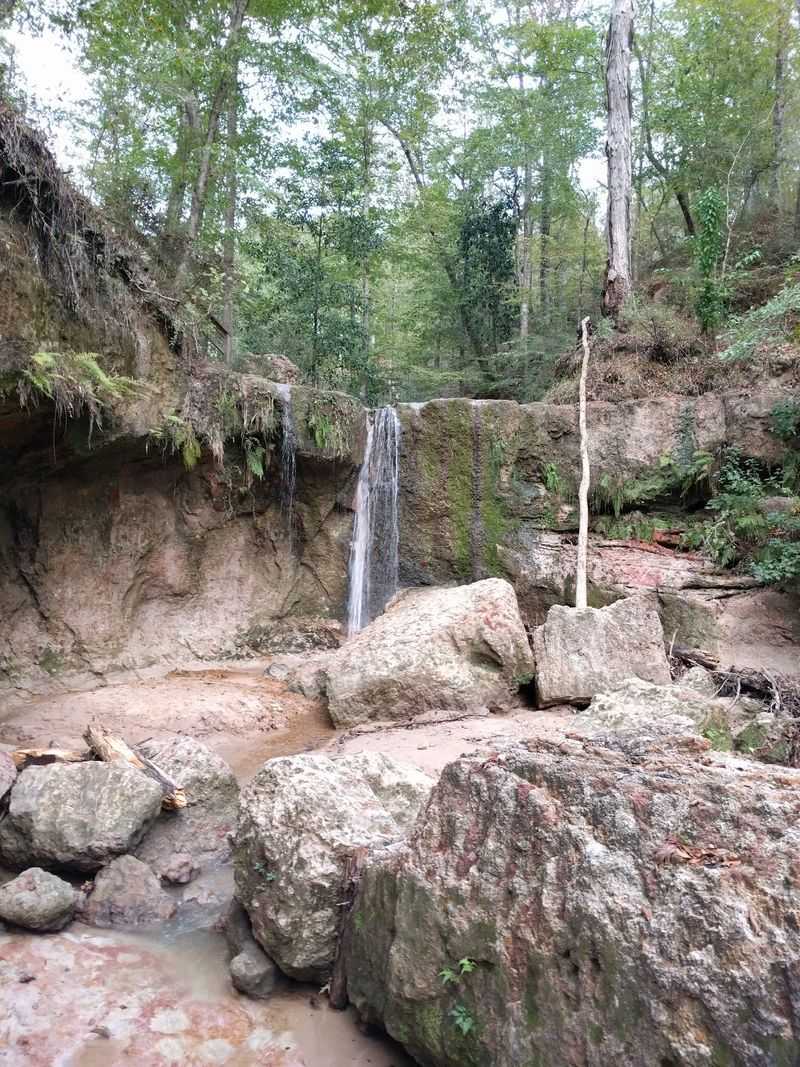
Picture giant creatures roaming these very hills long ago, and you start to understand what makes the Tunica Hills so remarkable. The region is celebrated for its Ice Age mammal fossils.
Mastodons and mammoths once wandered this landscape, and their remains occasionally surface as isolated teeth or bones. Stumbling on a fragment from one of these enormous animals is the kind of moment collectors dream about.
Unlike the plentiful shark teeth, these mammal fossils are far rarer and count as vertebrate finds. That distinction matters, because rules around collecting vertebrate material are much stricter than those for common shells or plants.
Even spotting a piece can feel electric when you realize the size of the animal it belonged to. Regulars mention that the thrill comes from knowing giants once shared this ground.
If you do find something that looks like bone or a large tooth, the responsible move is to note where it was and check the rules before touching it. Protecting these scientifically valuable finds helps keep the wonder alive for the next curious explorer who comes along.
Tiny Treasures: Snails, Plants, And Petrified Wood
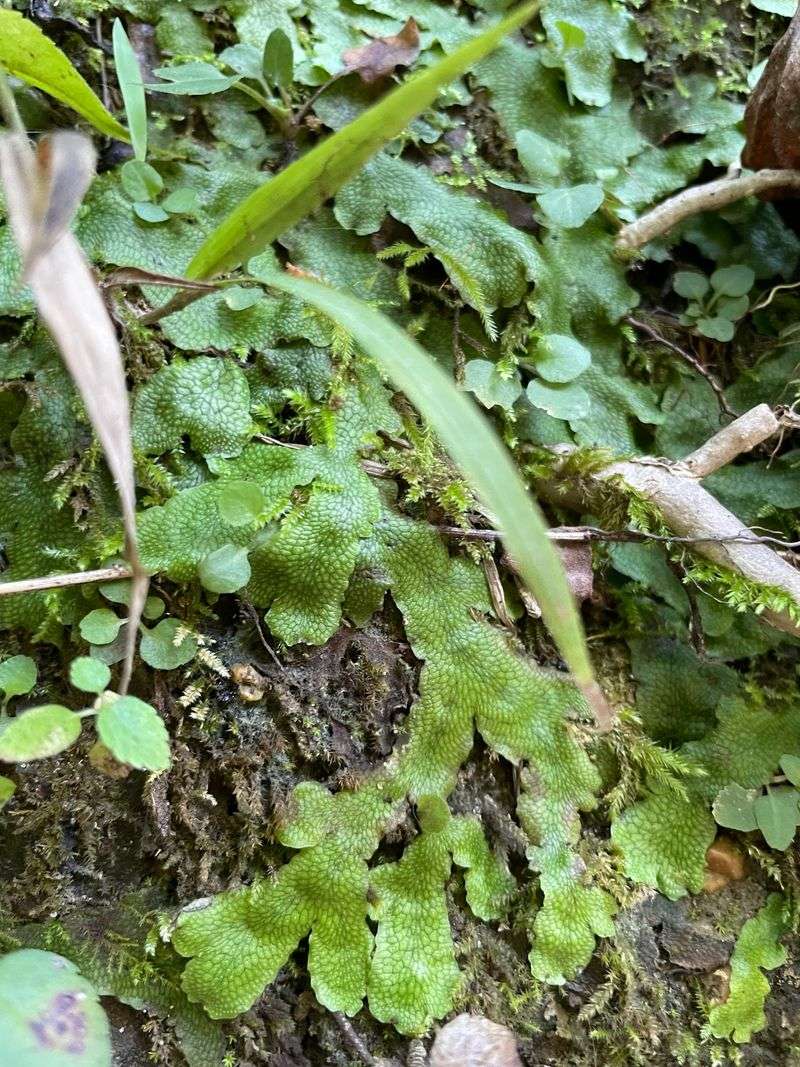
Not every prehistoric find is dramatic, and some of the smallest ones are just as fascinating. Beyond the flashy teeth and bones, the loess holds a whole world of miniature history.
Land snail shells and delicate plant remains from the glacial period stay preserved inside the silt and stream deposits. These little fossils give a peek into the everyday life of an ancient environment, not just its biggest residents.
Petrified wood shows up too, scattered in river gravels across the state. Louisiana even claims a state fossil called Palmoxylon, a type of petrified palm that collectors love adding to their bags.
What makes these finds appealing is that many fall into the common invertebrate and plant categories, which are generally easier to collect casually. They reward the patient hunter who slows down and looks closely at the ground.
Filling a bag with an assortment of shells, plant bits, and polished wood makes for a satisfying haul. Sometimes the tiniest treasures end up being the ones you treasure most, each one a quiet reminder of a long-vanished world.
Timing Your Hunt For The Best Finds
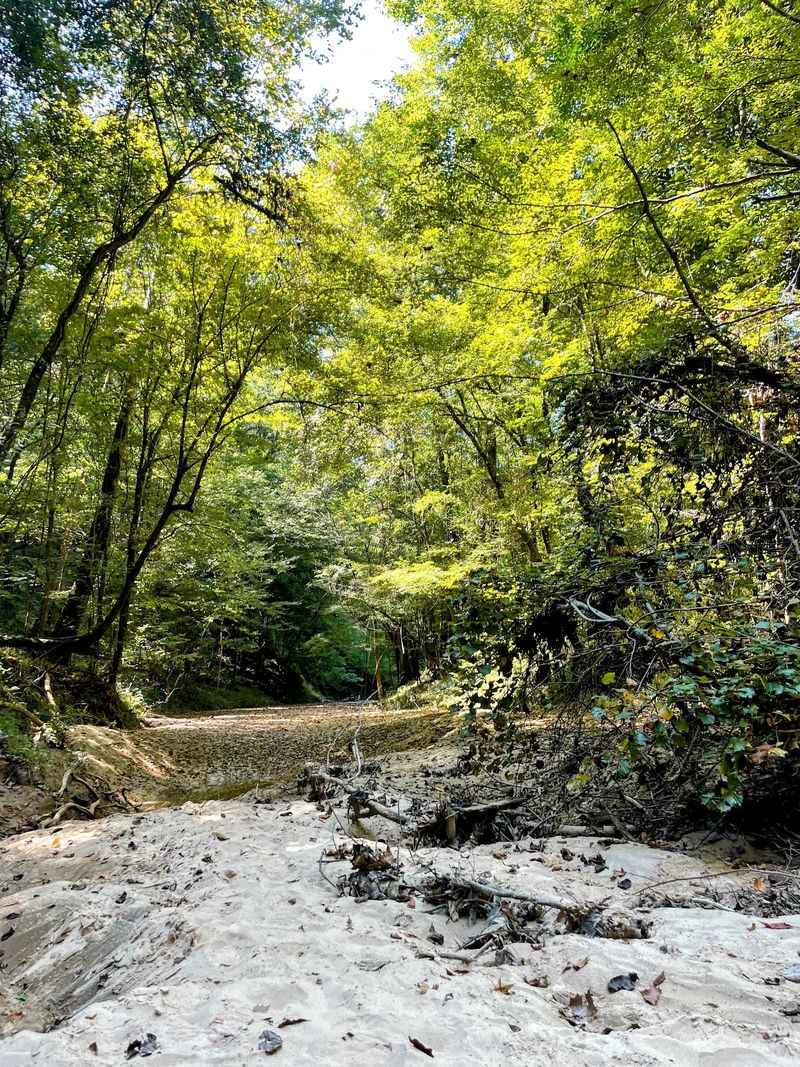
Half the trick to a great fossil hunt is showing up at the right time. Nature does most of the digging for you, but only under the right conditions.
Heavy rain, big shifts in river levels, and coastal storms all work like nature’s shovel, uncovering fresh fossils and dropping them along the banks. After these events, the ground reveals things that were hidden just days before.
Winter and early spring tend to be prime seasons because receding waters expose new sediment. As the creek pulls back, layers of fresh silt and gravel open up for exploring.
One reviewer who visited in early January raved about glorious weather and clean, quiet surroundings. Cooler months also mean fewer bugs, which is a genuine bonus in this part of Louisiana.
The most productive approach is simply walking the creek beds and banks once the water has dropped, watching for anything that weathered out of the silt. Skip the peak of summer if you can, since regulars strongly advise against hiking here in the sweltering August heat.
What To Pack In Your Fossil Bag
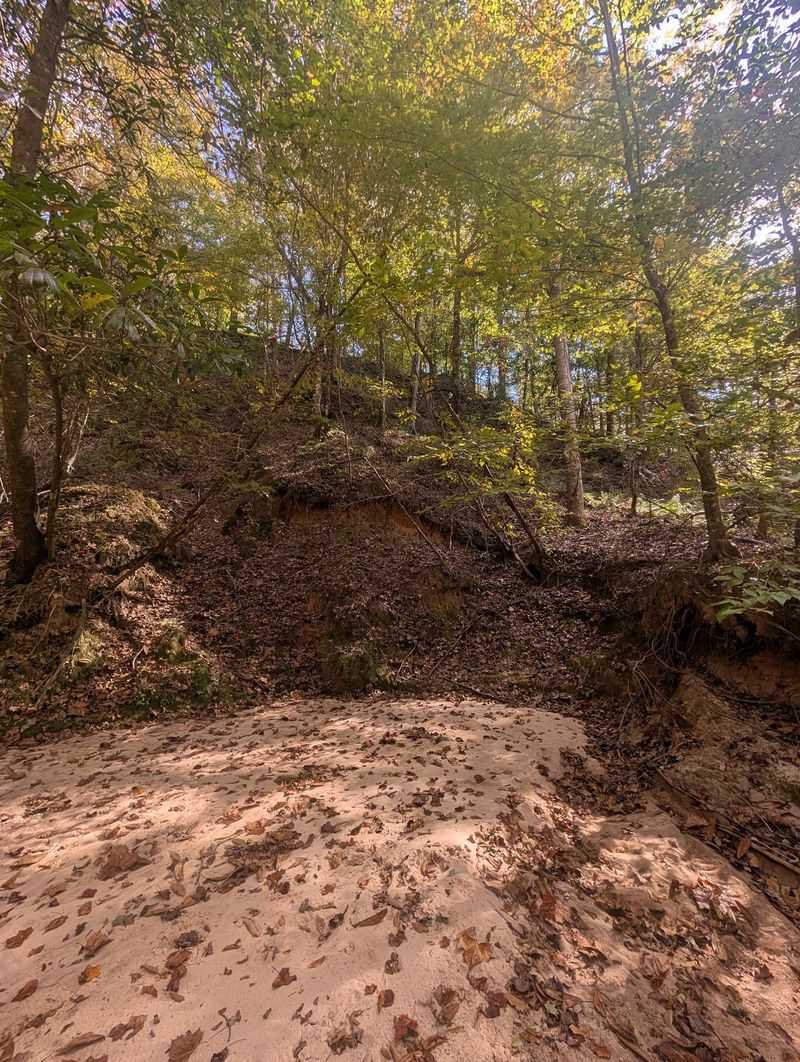
Success out here has less to do with gear and more to do with preparation. Still, packing the right items can turn a rough outing into a smooth one.
Start with a sturdy bag for your finds and plenty of water, since there are no water fountains anywhere in the area. Snacks help keep your energy up during long walks, a tip visitors repeat over and over.
A keen eye is your most valuable tool, because fossils tend to be scattered and found by surface collection. Extensive digging usually is not needed, though simple non-powered hand tools may be allowed for casual collecting where rules permit.
Hiking boots or shoes you do not mind getting muddy are essential, especially after wet weather. Bug spray earns constant praise from regulars, and long clothing helps against the bugs and ticks.
Since there are no trash cans, plan to pack out everything you bring in. Bring a small map too, because there is no cell service in the deeper ravines and signs can be hard to spot.
A little planning keeps the whole day fun.
The Rules You Need To Know Before You Go
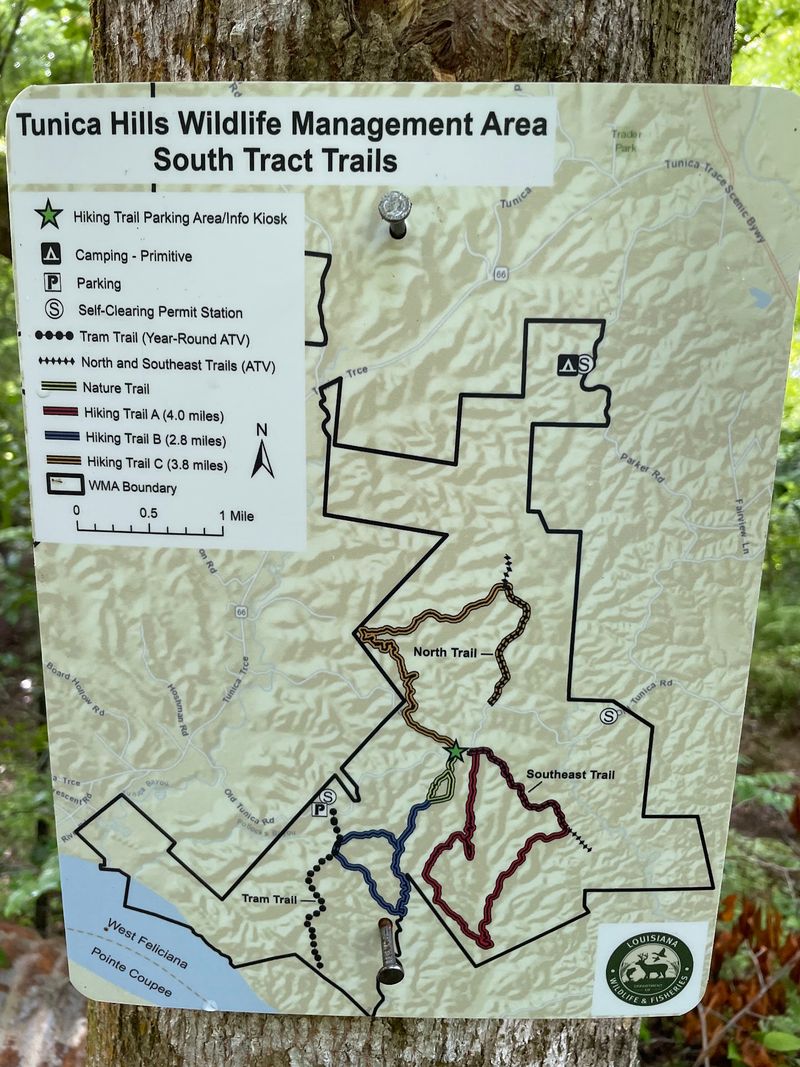
Before you scoop up a single fossil, it pays to understand where you actually stand. Much of the prime hunting ground here sits inside the wildlife management area or on private land, and the rules differ.
Collecting inside a WMA may be restricted, and specific hunting seasons or access rules can apply. Checking current regulations and permit requirements with the Louisiana Department of Wildlife and Fisheries is the smart first move.
On any private land, you must get clear permission from the landowner to avoid trespassing. On state lands, removing or altering resources without approval and a permit is not allowed.
Rules vary by agency, too. On certain federal lands, casual collectors can gather reasonable amounts of common invertebrate fossils, plant fossils, and petrified wood for personal use, but vertebrate fossils require a research permit and remain public property.
One thoughtful visitor reminded others to grab a WMA pass or equivalent license, which can be purchased online. Whenever you move a log or rock, put it back where you found it.
Respecting these guidelines keeps this special spot open and healthy for everyone.
Trails That Wind Through Wild Terrain
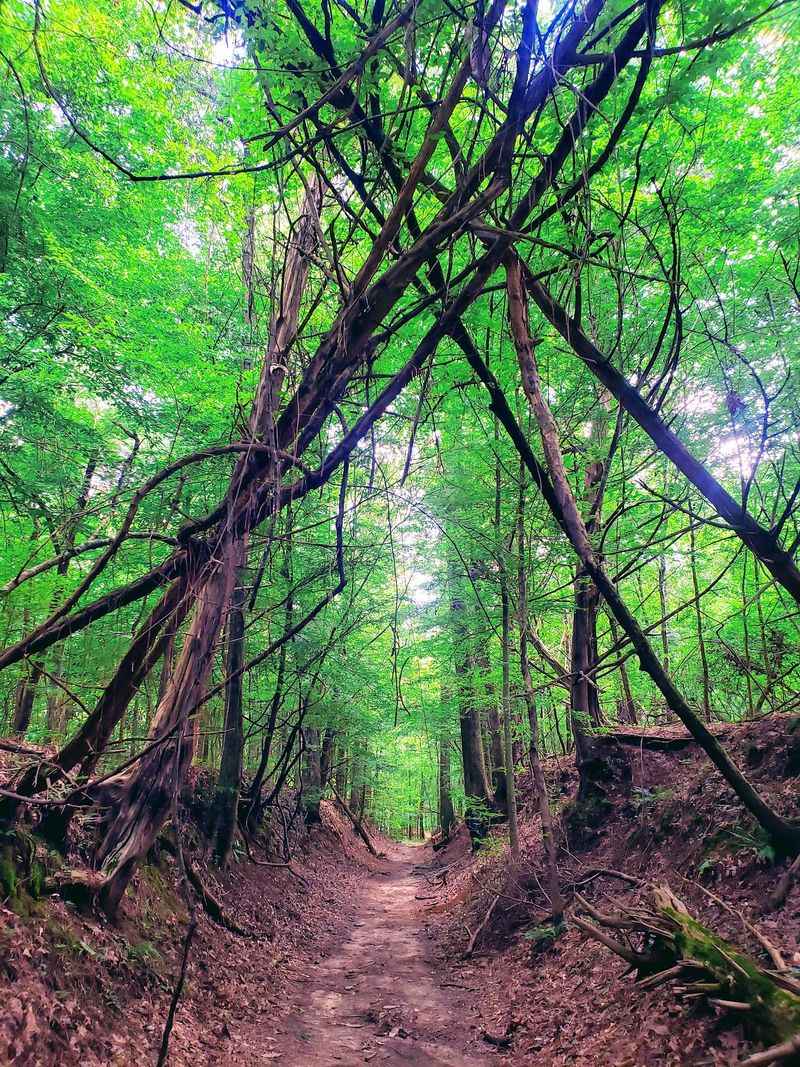
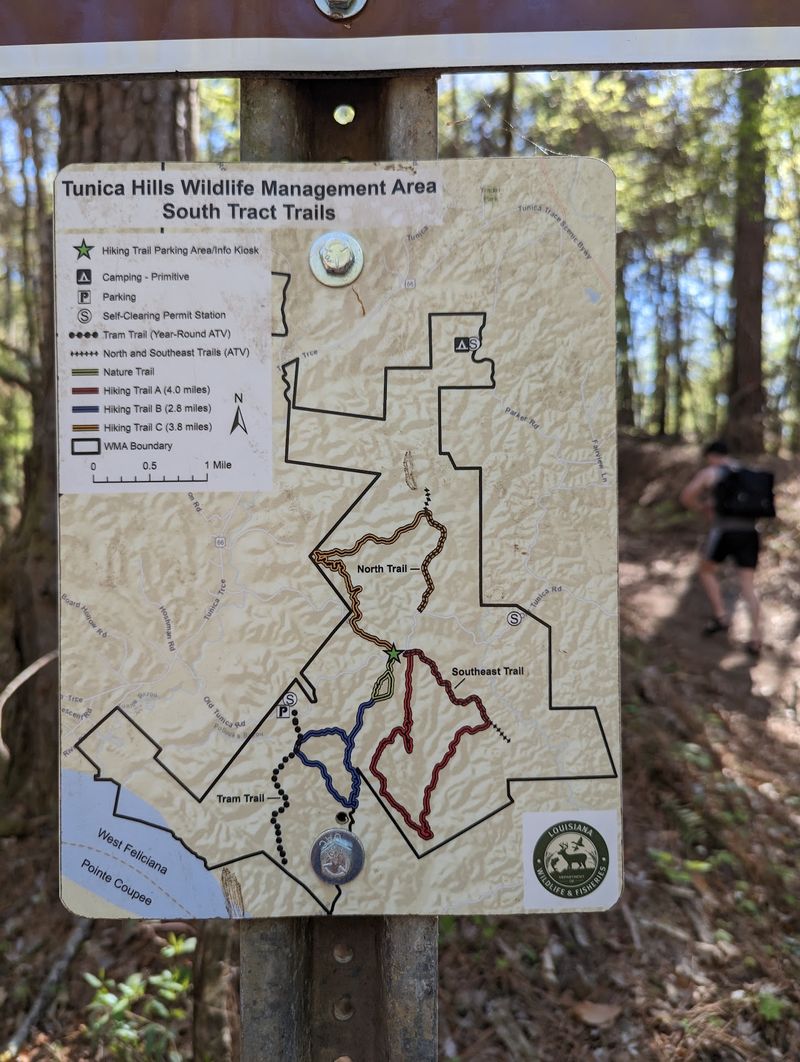
Getting to the good fossil spots means walking, and the walking here is an adventure all its own. The area offers several loop trails ranging from a short nature stroll to about 4.6 miles.
Trail A is the longer route, while Trail C runs roughly three miles and includes a stretch along the creek bed. Many hikers say wandering that creek bed is the highlight of the whole trip.
Be ready for real elevation. One group logged about 1,000 feet of climbing, descending into a ravine, following a mostly dry sandy creek bed, then climbing back out.
These are not beginner paths.
Signage is a common complaint, since markers can be sparse and maps are rarely posted at trailheads. Several folks recommend looking up directions to specific trails ahead of time so you do not wander onto false paths.
Trail difficulty means little ones may struggle, and a few parents admitted carrying tired kids the last stretch. Watch children carefully near the steep drops along trail edges.
Come prepared, and the rugged terrain becomes part of the reward.
A Forest Unlike Anywhere Else In The State
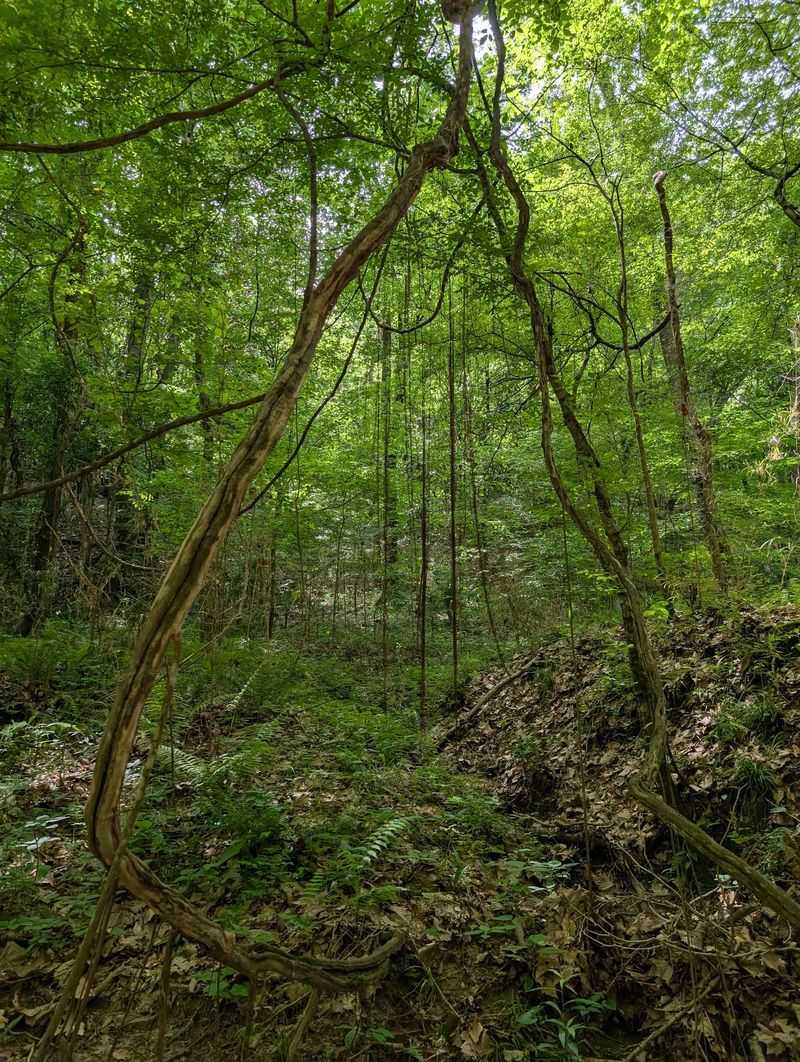
Even if you never found a single fossil, the plant life alone would make the trip worthwhile. Tunica Hills forms a unique bluff forest, cooler and moister than the surrounding lowlands.
That special environment supports a beautiful mix of trees you do not always see together. Shumard oak, cherrybark oak, tulip poplar, southern magnolia, American beech, blue beech, and hickories all thrive on these slopes.
One nature lover marveled at the variety of flora, noting how the shady, damp bluffs create the perfect conditions for such lush growth. The whole place feels green, layered, and alive.
Walking beneath this canopy on an early morning keeps temperatures pleasant and the air quiet. Visitors describe the stillness broken only by wind in the trees and birds calling back and forth.
The forest also frames the fossil-rich creeks, so beauty and discovery go hand in hand. Slowing down to notice the plants adds a peaceful, grounding rhythm to any hunt.
This is a landscape worth admiring for its living treasures as much as its buried ones.
Wildlife Encounters Along The Way
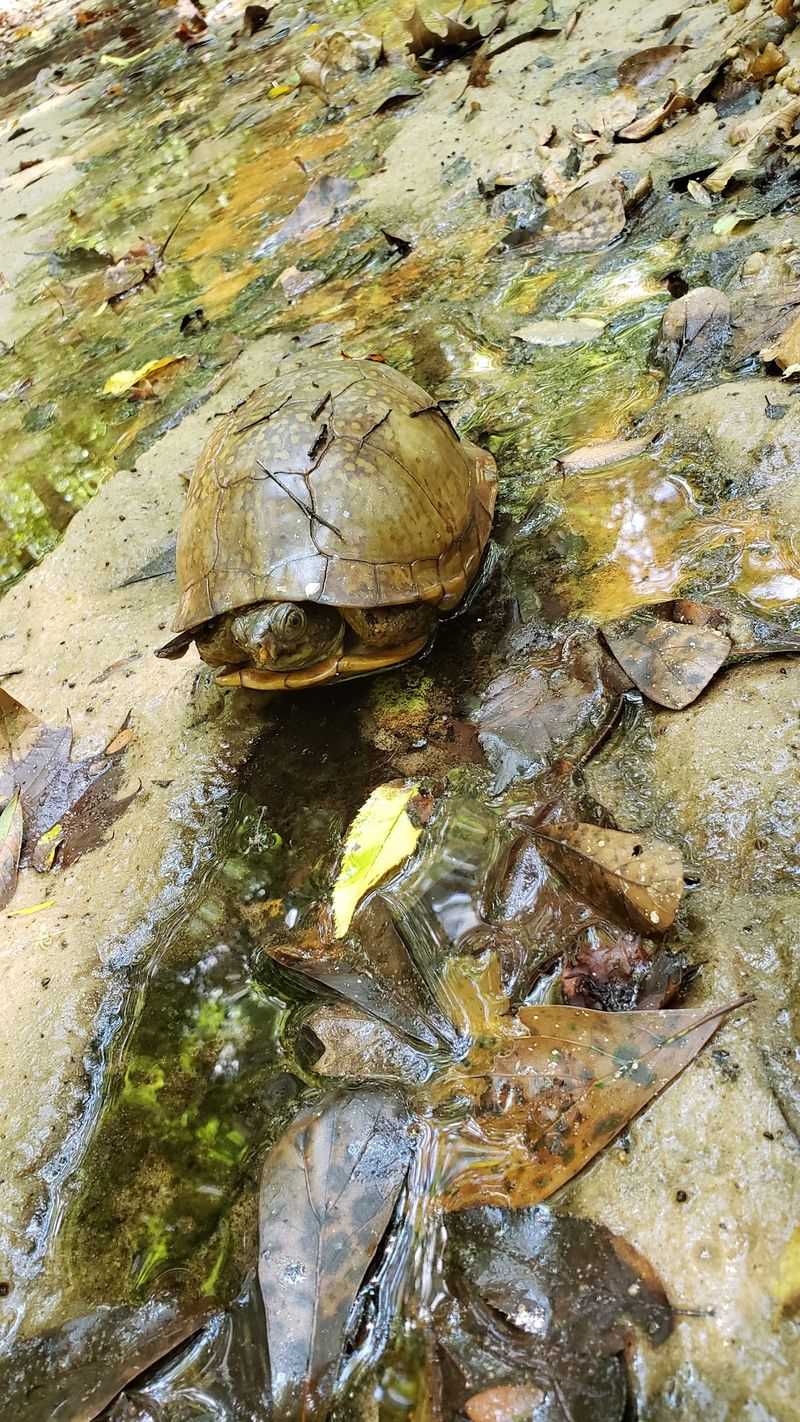
Keep your eyes open and your voice low, because you never know what might cross your path here. One reviewer promised that if you stay quiet, you will see many types of wildlife.
Deer are a regular sight, and hikers often notice both deer and other tracks pressed into the soft creek beds. A group of fifteen once spotted bear tracks, deer tracks, and even came across a turtle mid-hike.
Luckier visitors have glimpsed shyer animals. Someone in that same group caught sight of a bobcat, the kind of encounter that stays with you long after you head home.
Birds fill the forest with sound, flitting between branches while squirrels and chipmunks rustle through fallen leaves. The chorus adds a lively soundtrack to an otherwise peaceful walk.
Spring brings one of the most magical shows of all. Lightning bugs light up the woods after dark, and campers describe the display as truly unforgettable.
All this wildlife shares space with fossil hunters, so tread gently and enjoy the sightings. Every creature you notice makes the outing feel richer and more surprising.
Getting There And The Tricky Access Road
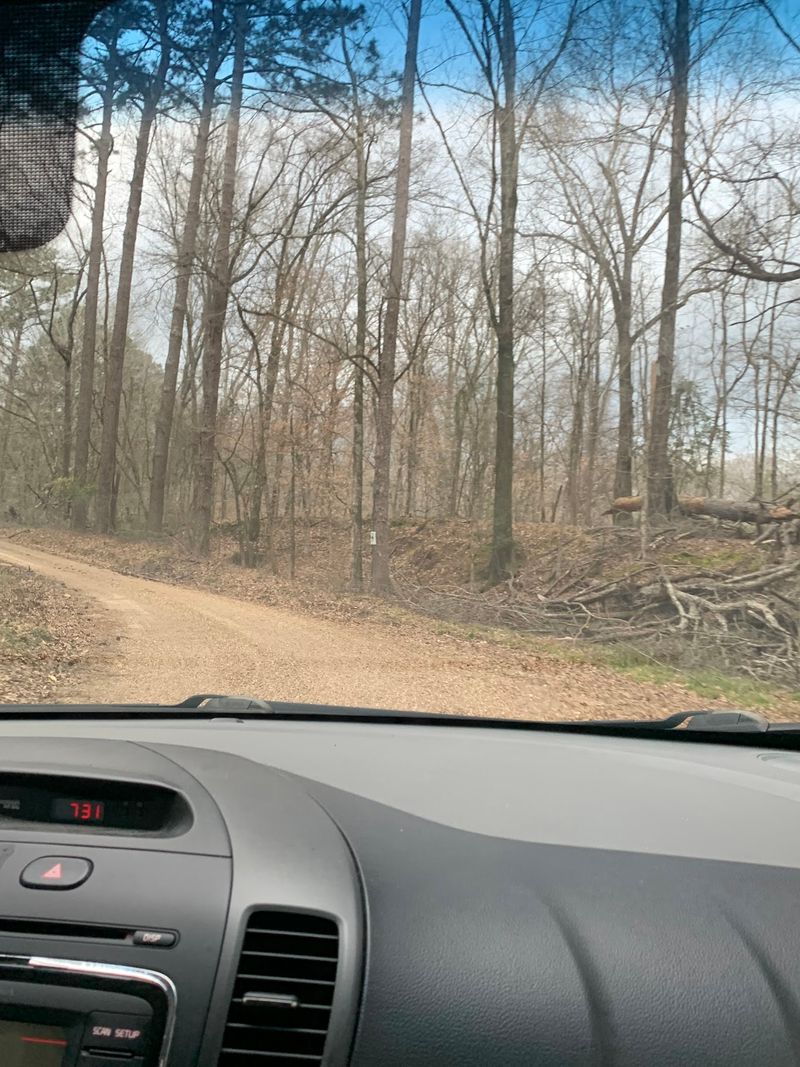
Reaching the trailheads deserves its own warning, because the road in has humbled plenty of drivers. The access road is in rough shape, narrow, and full of blind turns that demand slow, careful driving.
Dry weather makes the drive dusty enough to coat your car inside and out. One traveler found dust reaching all the way into the door seals and trunk.
Wet weather is a whole different challenge. When it rains, the dirt turns to thick mud that can trap two-wheel-drive vehicles fast, and a four-wheel-drive is strongly recommended for those conditions.
Several visitors learned this the hard way, sharing stories of stuck cars and kind strangers helping push them free. Checking the weather before you head out can save you a very frustrating day.
Spring flooding can make creek areas like Thompson Creek especially tough to reach. High water sometimes makes four-wheel-drive not just helpful but necessary.
The address sits along LA-66 outside St. Francisville, but plan your specific trail route in advance. A little caution behind the wheel means you arrive ready to enjoy the fossils instead of digging out your tires.
Hours, Fees, And Practical Details
Good news for early risers and night owls alike: the wildlife area is open 24 hours, every single day of the week. That flexibility lets you plan around cool mornings or receding water.
The land is managed by the Louisiana Department of Wildlife and Fisheries, and visitors are reminded to secure a WMA pass or equivalent license before arriving. These can conveniently be purchased online ahead of time.
Facilities are extremely limited, so come self-sufficient. There are no restrooms, no running water, no trash cans, and pets are not allowed on the property.
Primitive camping is available and free, adding to the appeal for those who want to stay overnight. One camper called it well worth it, with plenty of firewood in the forest and respectful fellow campers keeping things quiet.
Since hunting happens here in season, the area can get crowded during those times. Wearing orange and staying aware is wise when seasons are active.
With no cell service in the deeper ravines, download maps and directions beforehand. Planning for these gaps keeps your fossil adventure smooth from start to finish.
Why This Riverbank Adventure Is Worth It
Few outings combine hiking, history, and treasure hunting quite like a day spent along these creeks. You leave with a bag of ancient finds and a head full of memories from a landscape that feels almost secret.
The rugged terrain and tricky road ask a bit of effort, but that is exactly what keeps this place feeling wild and unspoiled. Regulars agree the reward far outweighs the challenge.
Between shark teeth washing out of Thompson Creek, Ice Age giants, petrified wood, and delicate snail shells, the variety of fossils keeps every visit fresh. There is always a chance the next step reveals something remarkable.
Add in the unique bluff forest, deer and bobcat sightings, and glowing spring lightning bugs, and it becomes clear why so many people call this a spot everyone should experience at least once.
Come prepared with water, boots, bug spray, and the right permits, and you set yourself up for a genuinely unforgettable outing. Whether you are a serious collector or a curious first-timer, this St. Francisville riverbank offers a rare kind of free, hands-on adventure.