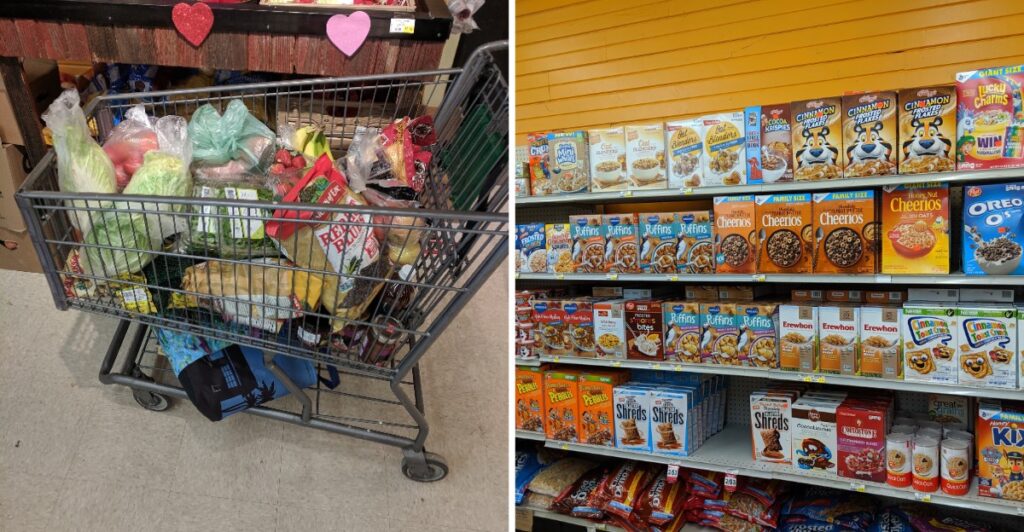
Have you ever bought a snack mostly because you could not believe the price?
That kind of curiosity goes a long way in Ohio.
This discount market does not depend on perfectly matched shelves or the same products waiting in the same place every week. Part of the appeal is seeing what happened to show up.
A dented box might be sitting beside something discontinued. Another aisle may have a deal you were not expecting at all.
The regular grocery basics are still there, so this is not some scavenger hunt disguised as shopping.
It is just a little less predictable.
I would probably walk in for something boring and spend the next ten minutes holding up random packages like, “Okay, but do we need this?”
And honestly, that is a much more entertaining grocery trip.
Discount Groceries Are The Main Event At This Hartville Store
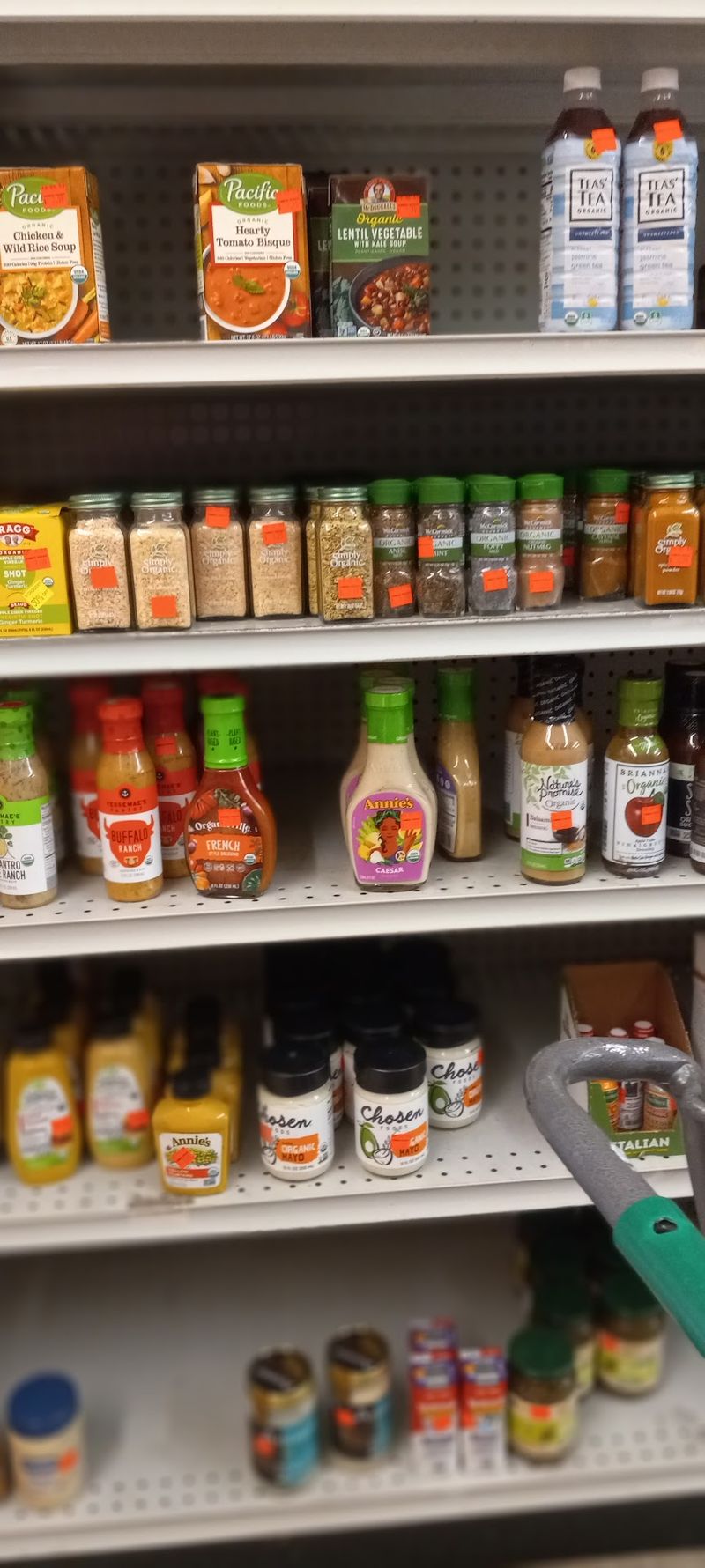
A grocery trip gets more interesting when the shelves are not trying to look exactly like every other supermarket in town.
At Sommers Discount Market in Hartville, the savings come from a mix of discount groceries, fresh produce, a full deli, bulk foods, and weekly specials that change often enough to make each visit a little different.
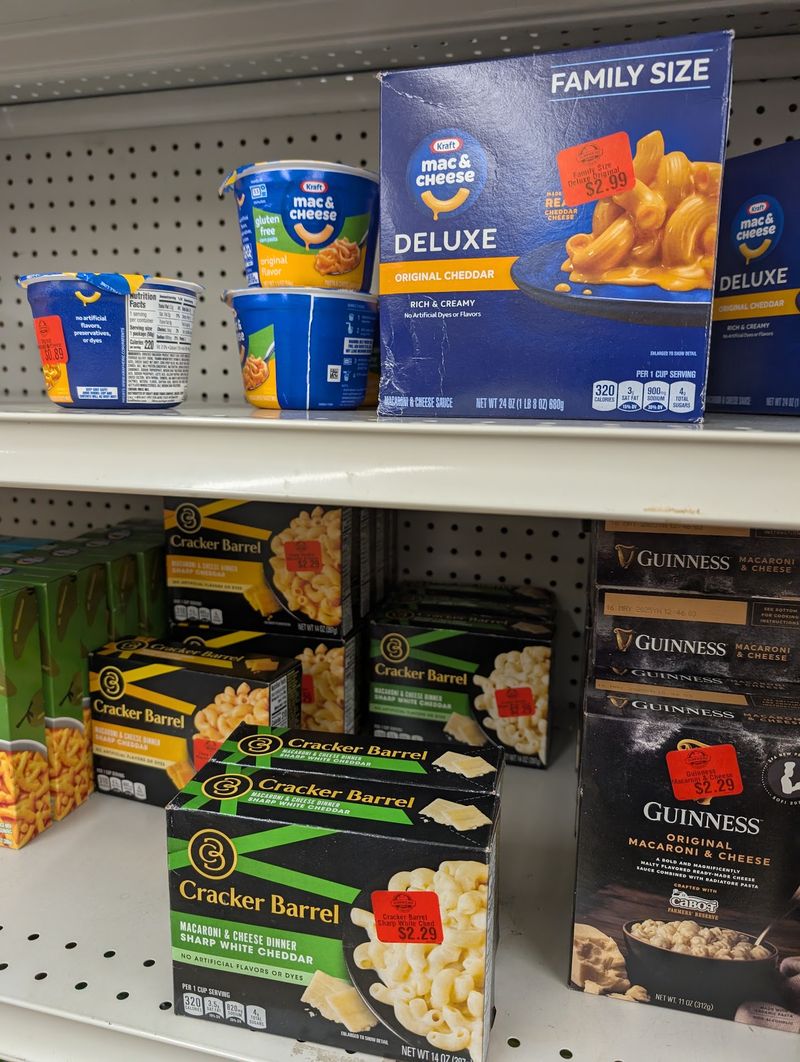
Some packaged goods arrive with dents, torn boxes, approaching dates, or discontinued labels, while the produce, deli, and bulk sections follow a fresher rhythm.
That split gives you a practical way to shop: scan the discount aisles for pantry deals, stop at the deli for lunch meat or a sandwich, and finish with produce or bulk baking staples.
The store is built around value rather than polished uniformity, so the best trip starts with a list but leaves room for surprise.
A favorite brand may appear once, disappear later, and be replaced by something you never planned to buy.
Changing Inventory Makes Every Shopping Trip A Little Different
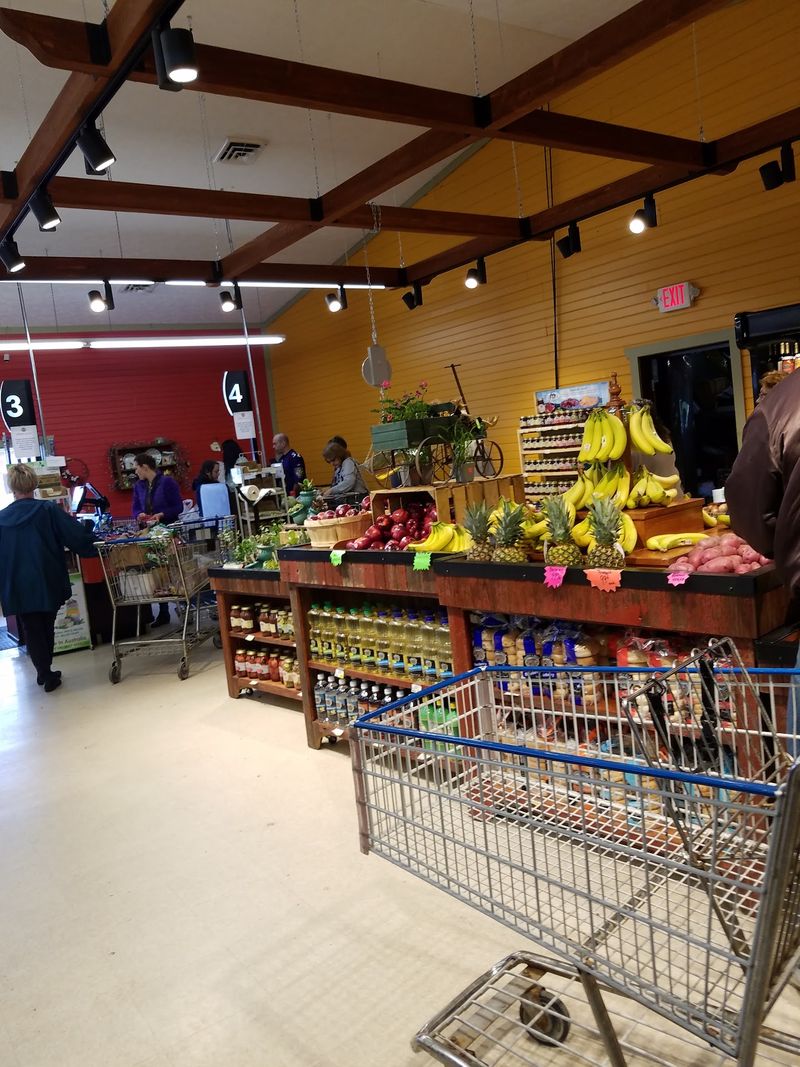
Traditional supermarkets reorder the same products again and again. Sommers buys differently, picking up goods when a deal allows the store to offer them at a discount. That means a product you see this week may not return once the supply is gone.
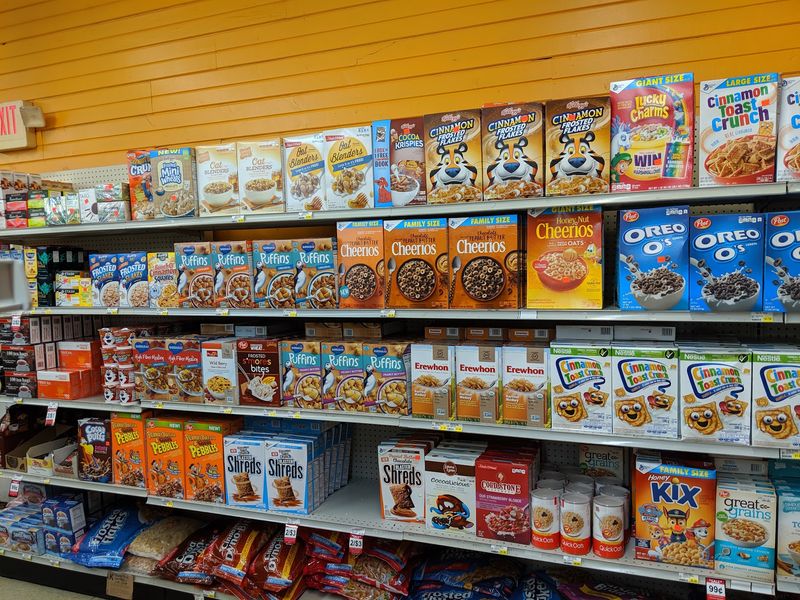
This changing inventory gives the store its treasure-hunt side without requiring any hype. You can walk in looking for cereal, crackers, sauces, snacks, or refrigerated basics and find a brand or flavor that was not part of the plan.
A shopping list still helps, but it works better as a guide than a script. If the exact item you wanted is missing, another discounted option may be sitting two shelves away.
If a pantry favorite appears at a strong price, the decision becomes whether you will actually use an extra box or two before buying more.
The weekly ad adds a little structure to that unpredictability. New sale items and coupons appear each week, so you can see some of the current deals before arriving.
What you should not expect is perfect repetition. The same bargain is not guaranteed next time. That makes the store better for flexible shoppers than for anyone who needs the same exact brand, size, and flavor every week.
Fresh Produce Gives The Cart A More Familiar Side
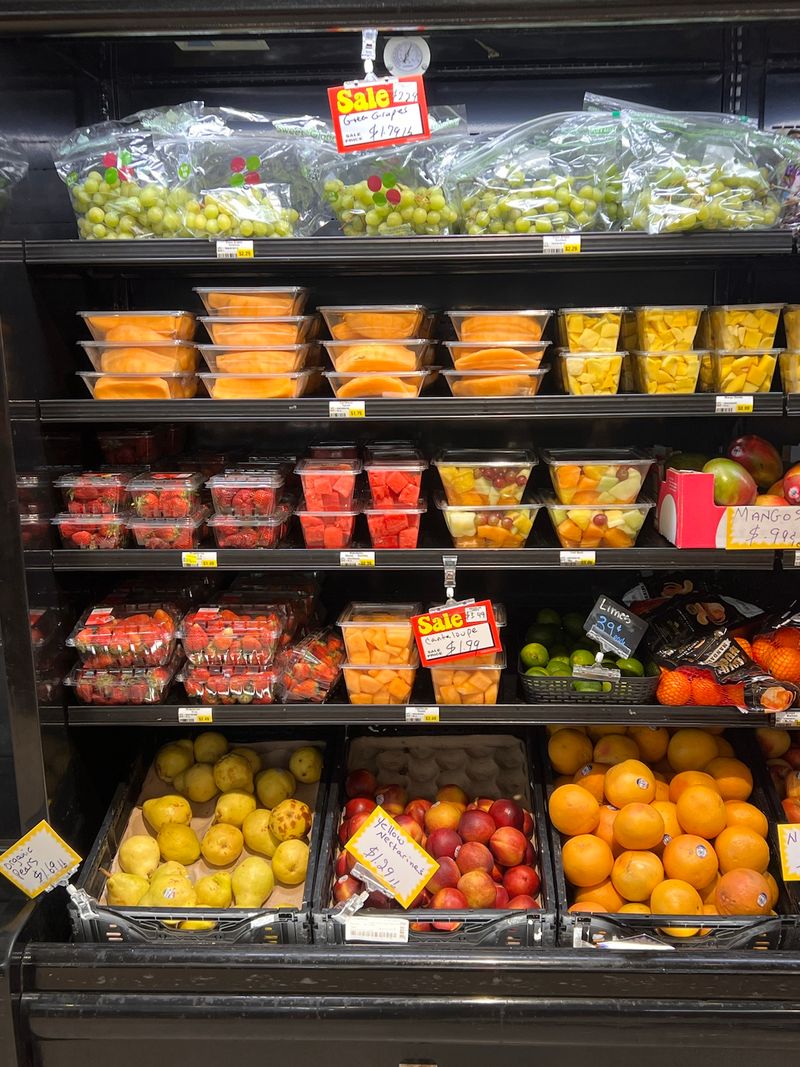
The produce department changes the rhythm of the trip because it is not handled like the salvage grocery aisles.
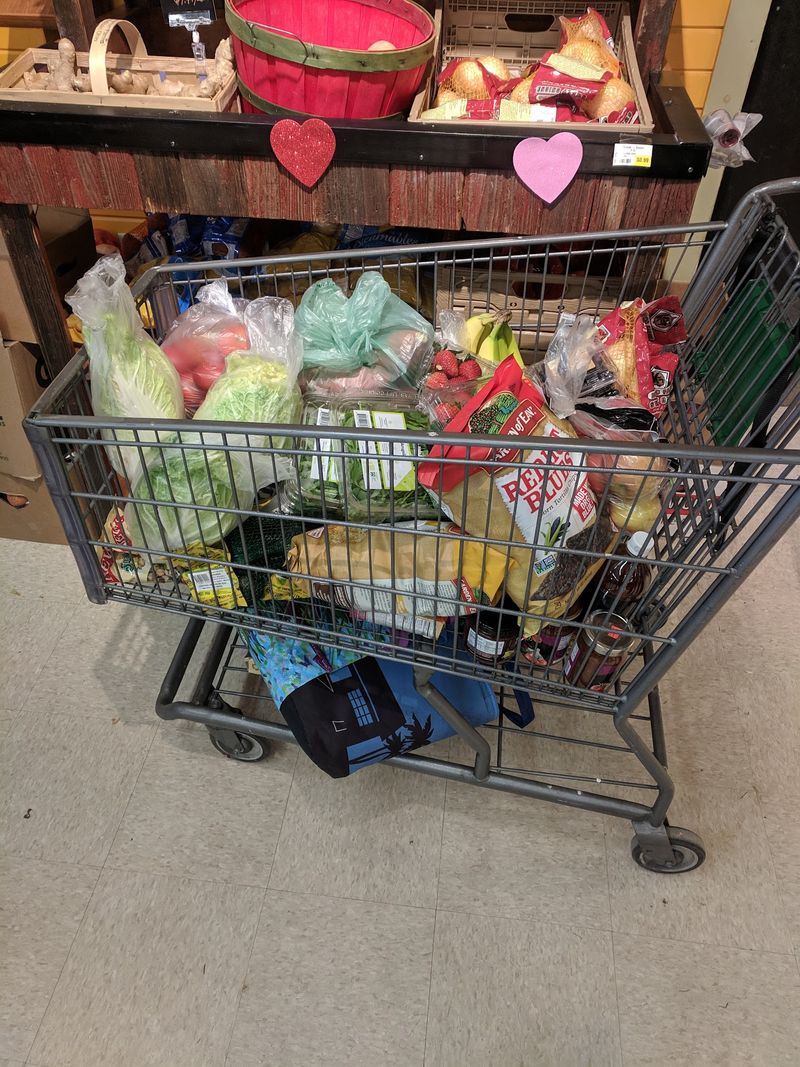
Fresh fruits and vegetables are part of the regular market setup, giving you an easy way to add everyday ingredients after browsing closeout or damaged-package goods.
Sometimes the store also buys produce with a shorter remaining shelf life when a supplier deal makes deeper discounts possible. Those items are monitored for condition, so the practical question becomes how soon you plan to use them.
If dinner is happening the same night, a shorter-life produce bargain can make plenty of sense. If the vegetables need to last all week, choose with that timeline in mind.
This is where a little meal planning can help without turning the trip into homework. Build one or two meals around whatever produce looks best, then use the discount aisles to fill in pantry pieces.
The department also keeps the store from feeling like a warehouse of closeout boxes. Fresh apples, greens, vegetables, and seasonal choices give the cart a more familiar grocery-store balance.
You do not have to make produce the first stop or the last one. Let the condition of what is available decide whether tonight’s dinner needs changing.
The Deli Adds Fresh Meat, Cheese And Made-To-Order Sandwiches
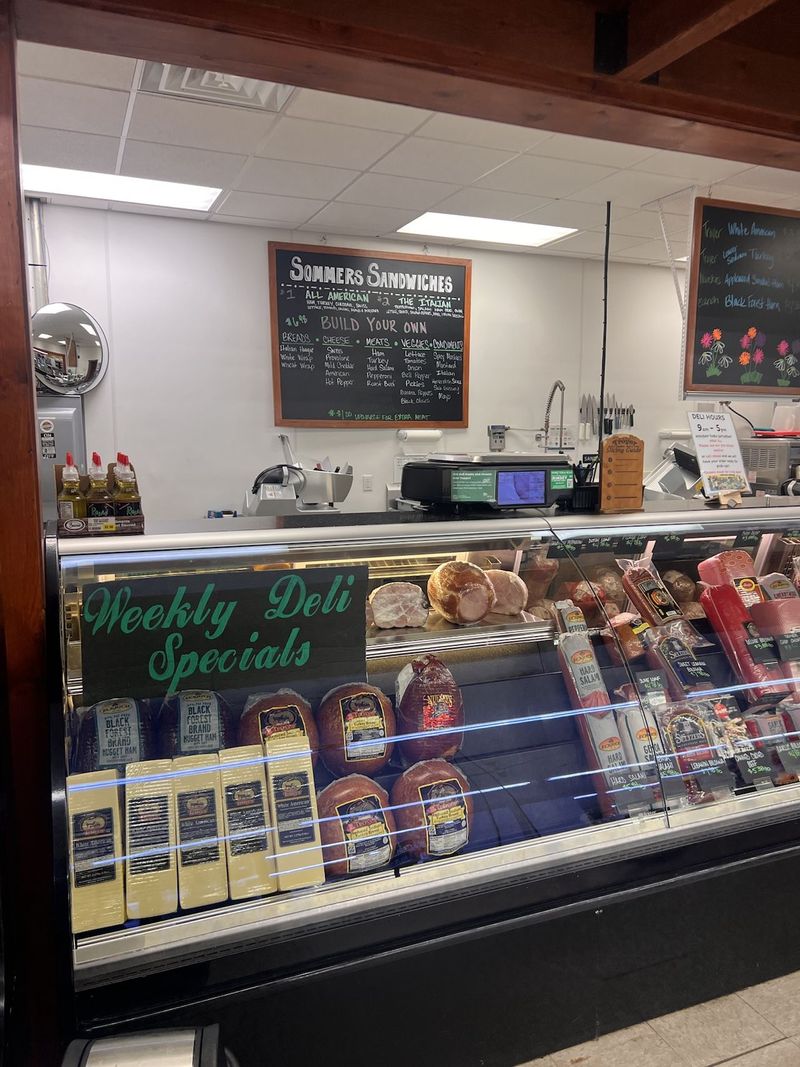
The deli follows a different set of rules from the discount grocery section. Its meats and cheeses are fresh, never frozen, and not sold past expiration date. They can be sliced to your preferred thickness at the counter rather than picked from a stack of prepackaged portions.
That gives you a straightforward place to handle sandwich meat, cheese, and lunch before going back to the bargain aisles.
Made-to-order deli sandwiches are available as well. If grocery shopping lands near lunchtime, that is an easy way to eat before an empty stomach starts making decisions for the cart. Orders can also be called in ahead for pickup.
The deli has a seasonal soft-serve machine too, with vanilla, chocolate, and twist ice cream offered from March into early October. That gives warmer-weather visits a small extra stop after the practical shopping is finished.
The key timing detail is that the deli closes before the rest of the Hartville store. If sliced meat, cheese, or a sandwich is part of the plan, do not save that counter for the final minutes of the trip.
Handle the deli first when necessary, then let the rest of the cart take shape around it.
The Hartville Store Keeps The Practical Details Simple
Sommers Discount Market’s Hartville location is at 214 Market Ave NE, Hartville, OH 44632. The store is open Monday through Saturday from 9 a.m. to 6 p.m. and closed on Sunday. The deli closes at 5 p.m.
Those hours make the store easy to use for a morning stock-up, a midday grocery run, or an after-work stop that does not stretch too late.
The Hartville location also has a second Ohio counterpart in Canton, where Sommers operates another store with its own schedule. That gives shoppers in the region another option without changing the basic discount-market idea.
If Hartville is the destination, the simplest plan is to arrive early enough that every department you want is still open.
A quick deli stop at 4:50 p.m. leaves very little room to browse, while an earlier visit lets you handle sliced meats, produce, and discount groceries without watching the clock.
The store also brews complimentary coffee daily, giving you one small reason not to rush straight through the aisles.
Keep the visit practical. Start with the department that has the shortest hours, then work through the rest of the list at your own pace.
Bulk Foods And Weekly Deals Give Shoppers More Ways To Save
The bulk-food section is smaller than the main grocery area, but it adds useful staples such as candy and baking ingredients packaged in-house.
Unlike the salvage groceries, bulk foods are kept fresh and are not sold past expiration date. That makes the section useful when you want the discount-market experience without needing to think about close-dated pantry goods.
Bakers may find this part especially handy because a simple ingredient can solve the next recipe without requiring a full branded box. Candy gives the section a more casual side, particularly when the rest of the cart is all practical groceries.
The weekly ad works alongside the bulk section by highlighting changing specials, coupons, refrigerated deals, and shelf items. Since the inventory moves, the ad is less about promising the same sale every month and more about showing what is available right now.
That makes checking it worthwhile when the grocery budget is tight. You can spot a few current deals before leaving home, then decide in the store whether the rest of the cart still makes sense.
Use the ad as a starting point rather than a shopping command. A bargain only helps when the item belongs in your kitchen.
A Flexible List Works Better Than A Perfect One
Sommers is easiest to shop when you separate the things you absolutely need from the things you can swap. Milk, produce, deli meat, or a baking staple may be nonnegotiable. A snack flavor, cereal brand, or frozen side can be much more flexible.
That distinction keeps rotating inventory from becoming frustrating. If one brand is gone, move to the next option instead of treating the trip as a failed mission.
It also helps to think about dates in practical terms. A discounted shelf-stable item may fit the pantry easily, while a shorter-life refrigerated product needs a clearer plan. Buying six of something only saves money if six will actually get used.
The business began in Hartville in 2007 as R Grocery Outlet, before adding fresh deli and produce departments and changing its name to Sommers Discount Market in 2016.
That history explains the mix you see today: bargain aisles at the center, with fresher departments built around them. Bring a list, keep a little flexibility, and let the lower-cost finds fill in the gaps rather than rewriting the entire cart.