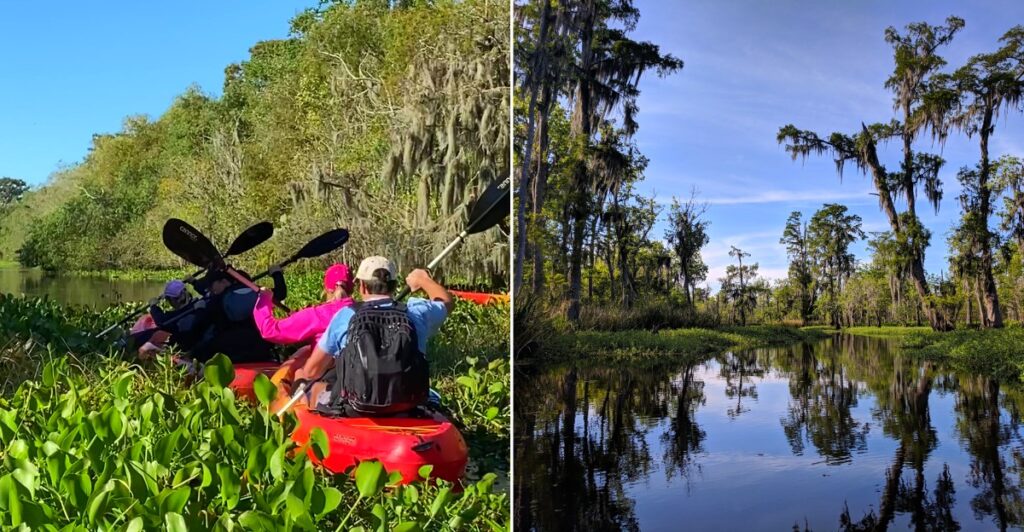
The trail begins where the pavement ends near French Settlement. Spanish moss hangs from branches that have been shading this water since before the state had a name.
Maurepas Swamp covers a hundred thousand acres of cypress-tupelo forest, making it one of the largest remaining wetland ecosystems in the country. The cypress trees along King George Bayou root themselves in water that rises and falls with the seasons.
Some of them stand over five hundred years old. Alligators watch from the surface with the patience that only cold blood allows, and herons stand motionless in the shallows nearby.
Prothonotary warblers flash yellow between the trunks in spring. A three-hundred-thirty-million-dollar river reintroduction project is working to save the swamp from the slow death that saltwater intrusion threatens.
The oldest trees in Louisiana hold their ground along a trail that most drivers pass on their way to somewhere else entirely.
Treat The Bayou As A Water Trail
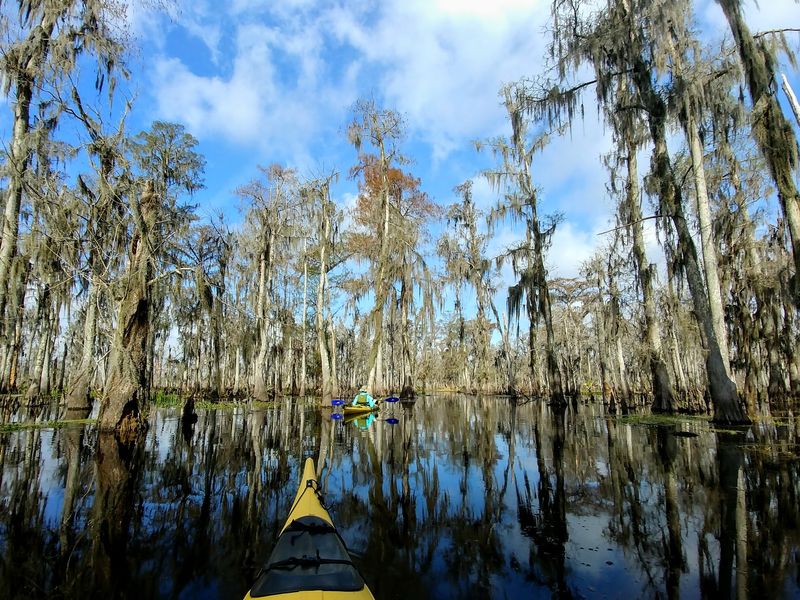
A trail does not always crunch under your shoes. At King George Bayou, the route through the cypresses is a waterway, and the most secluded views call for a boat or kayak.
Do not arrive at King George Bay Rd expecting a marked walking path beside every stretch of water.
Plan your entry and return before setting out. Check current public access information, launch conditions, and the distance you can comfortably cover.
A route that looks short on a map may take longer when you stop to watch birds or work against wind. Keep a map available offline, since phone service should not be your only way home.
If you are new to swamp travel, consider a properly licensed guide. Moving slowly is part of the appeal here: the bayou rewards attention more than speed, and a careful plan leaves room for both.
The Road Ends Where The Cypress Begins
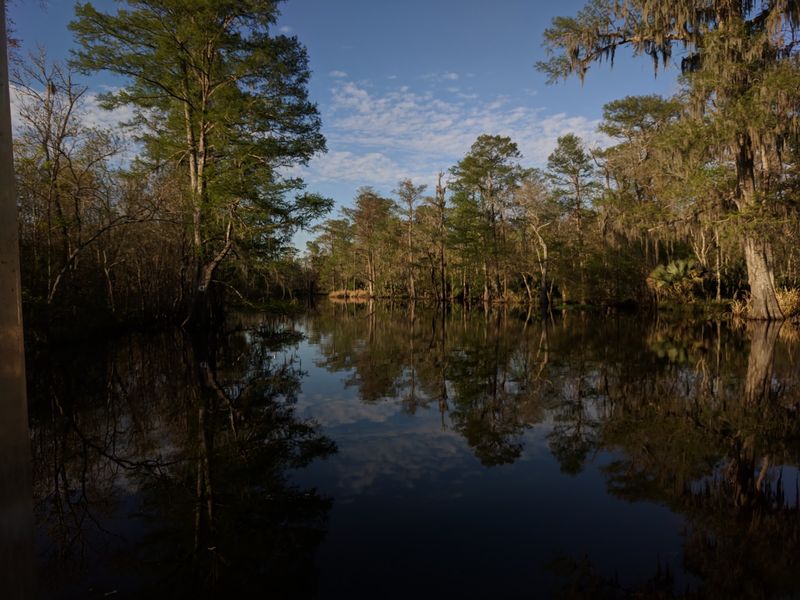
King George Bayou winds through Maurepas Swamp Wildlife Management Area near French Settlement, Louisiana, and the useful approach is by King George Bay Road rather than by a conventional park entrance. Louisiana Highway 444 gets you into the right area, then the narrow local road carries you toward the water.
The final stretch feels increasingly remote as houses and open roadside space give way to swamp edge and cypress country. Keep following King George Bay Road all the way to its end; once the pavement has nowhere else to go and the bayou opens ahead, you have reached the practical launch point.
Park only where it is legal and safe at the road-end access, then continue by canoe or kayak into King George Bayou. From there, the route becomes a water trail through old-growth cypress rather than a drive-up attraction.
Look Up At The Cypress Giants
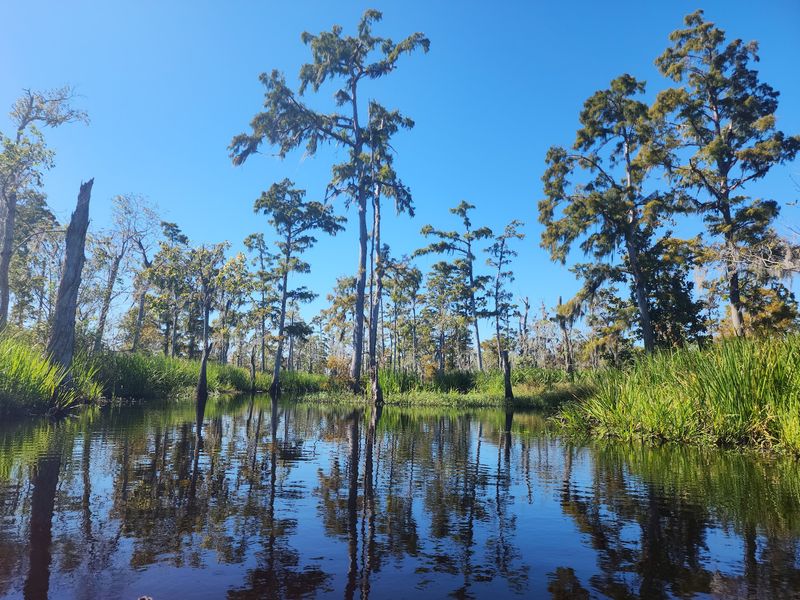
Some trees make a kayak feel very small. Bald cypresses along King George Bayou can spread into broad, flared bases called buttresses, then rise above the surrounding swamp.
Give yourself a moment to look from the waterline to the crown. The whole tree tells a more interesting story than a quick photo of its trunk.
These trees are suited to wet ground, but their size does not make them tough against every kind of harm. Avoid tying a boat to a trunk, scraping its roots, or pulling at the moss nearby.
Take pictures from a comfortable distance instead. Light changes the shapes as the day goes on, so there is no need to crowd a tree for a memorable view.
A slow approach also lets you notice how many younger trees share the same flooded forest.
Read The Old Tree Plaque Carefully
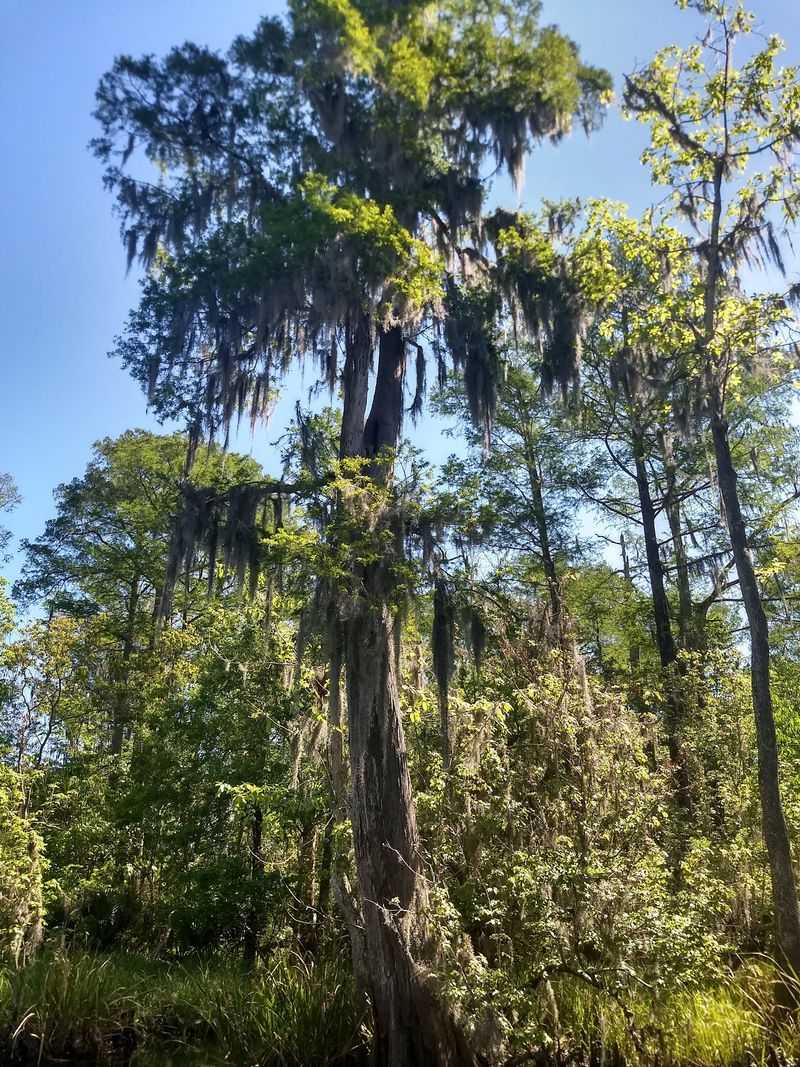
A plaque can tell a great story, but it helps to read exactly what it says. A giant King George Bayou cypress has received a Louisiana Purchase Cypress Legacy plaque indicating that it was likely alive in 1803.
Its trunk measures about 21 feet around above the buttress. That is remarkable evidence of age, not a confirmed five-hundredth birthday.
When you share a picture, say the tree was likely alive in 1803 rather than giving it an exact age that has not been established. The difference may sound small, yet it respects the work behind the recognition.
Imagine the changes this living tree has outlasted, from shifting water to generations of nearby communities. Then leave the bark and plaque untouched.
Let the photograph carry the story home while the tree keeps growing where it stands.
Check The Water Before Leaving
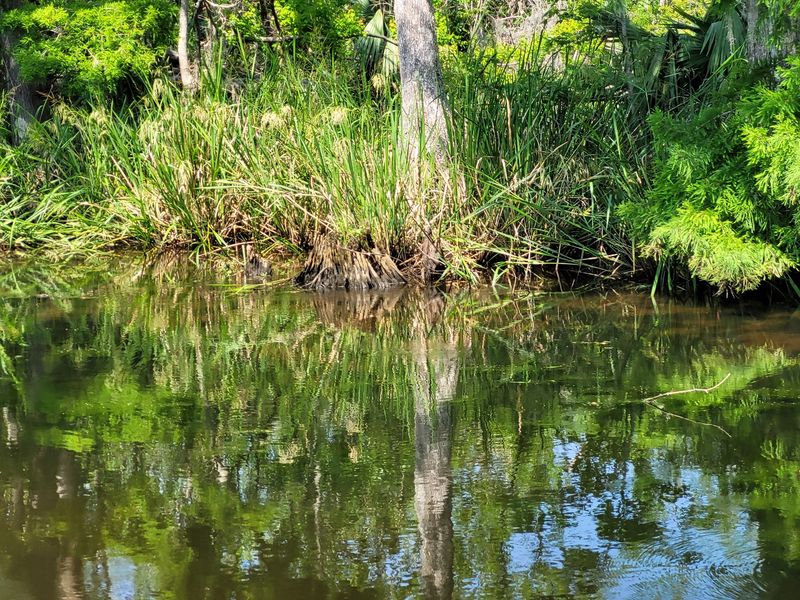
Water has a habit of changing the itinerary without asking. Around King George Bayou, rain, wind, and changing water levels can alter how a channel looks and where a boat can safely pass.
A route that seemed simple on an older map may feel different on the day you visit.
Look at the forecast before you leave home and again before launching. If storms are possible, shorten the trip or choose another day; lightning is no small problem on open water.
Watch for submerged wood and shallow stretches, and do not assume a clear opening leads somewhere useful. Tell someone your route and expected return time.
Carry enough drinking water for delays, even if the air feels cool. Turning back early is not a failed adventure.
It is the sensible way to enjoy an unpredictable wetland and come back for another look.
Let Birds Set The Pace
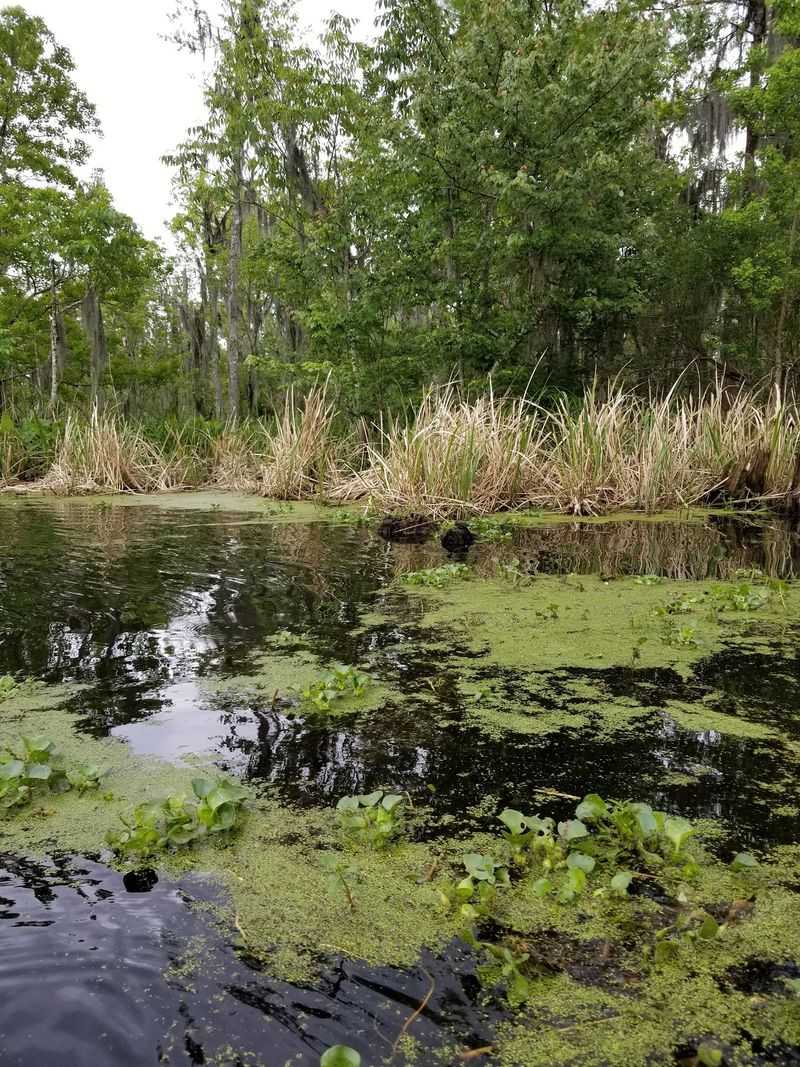
A white egret against dark water can stop a conversation in its tracks. Maurepas Swamp supports birds such as egrets, herons, wood ducks, osprey, and bald eagles, though no sighting is guaranteed on a King George Bayou outing.
The best approach is to make room for surprise rather than chase a checklist.
Bring binoculars if you have them, and scan branches as well as the water’s edge. Pause your paddle when you hear movement or a call.
Keeping your voice low helps you notice more, and it gives wildlife space to behave normally. Never approach a nest or follow a bird that moves away from you.
If the channel seems quiet, watch for smaller clues: a ripple beside the bank or a shape crossing overhead. Patient birdwatching turns travel time into part of the visit.
Give Alligators Their Space
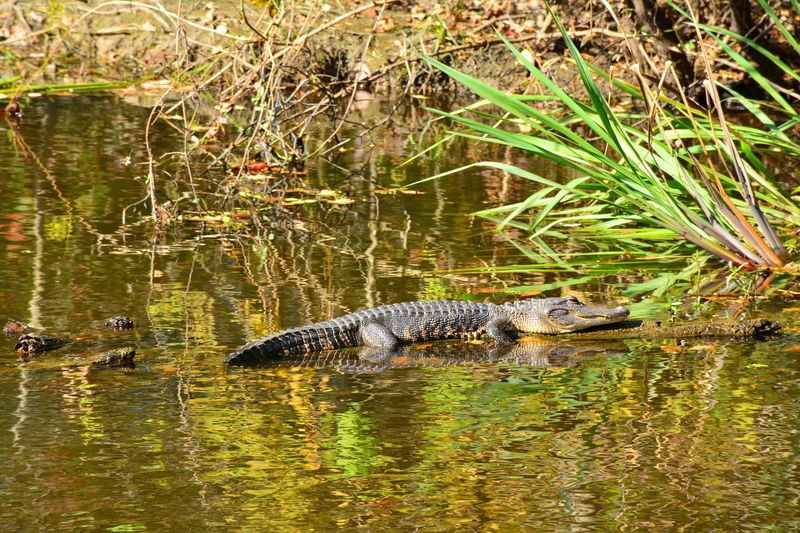
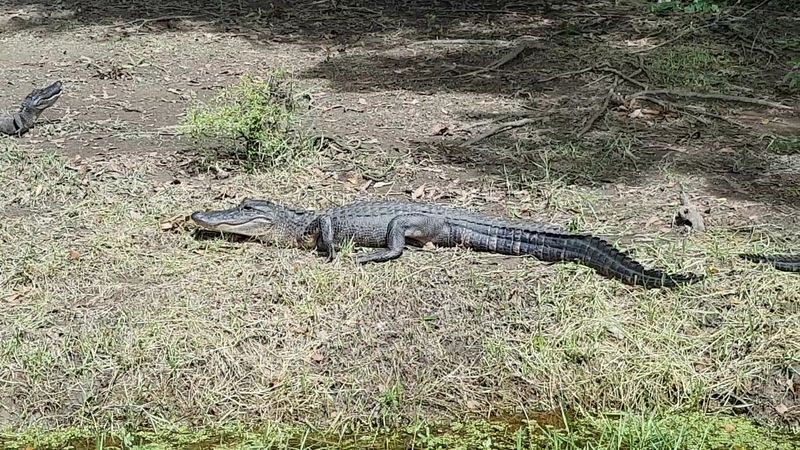
The log near the bank might actually have eyes. Alligators live in Maurepas Swamp waterways, so look carefully before you drift toward a muddy shore or low branch.
Seeing one can be exciting, but a quiet, distant look is better for both you and the animal.
Do not feed an alligator or try to move closer for a photograph. Feeding teaches wild animals to approach people, which creates danger long after your trip is over.
Keep children close, leave pets at home when possible, and never block an animal’s route through the water. If you notice an alligator nearby, give it plenty of space and move away calmly.
You may also see none at all, especially when conditions are cool. The bayou is still worth your time; its trees, birds, and changing light do not depend on a dramatic encounter.
Pack For Sun And Mosquitoes
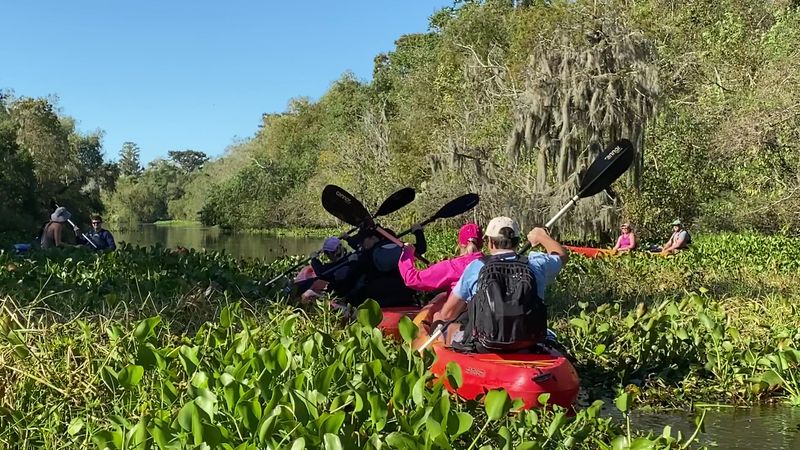
The shade beneath a cypress can fool you about the sun. Light reflects off the water at King George Bayou, while mosquitoes may find exposed skin even on a lovely day.
A hat, sunscreen, insect repellent, and enough water belong in your bag before the first paddle stroke.
Wear clothes that can handle splashes and shoes that stay secure if they get wet. Put your phone and spare essentials in a waterproof bag, but keep your navigation plan available without a screen.
Check the weather for heat as well as rain, and take breaks before you feel worn out. A comfortable trip makes it easier to pay attention to the swamp instead of your shoulders or your ankles.
Bring any wrappers back with you. The light packing rule is simple: carry what keeps you safe, then leave no trace of it.
Choose Your Season With Care
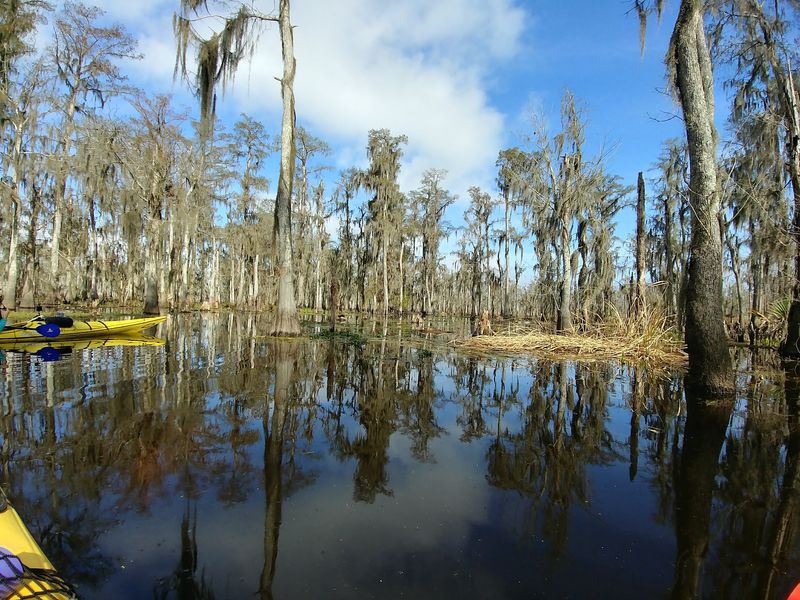
The same stretch of water can feel like a different place a few months later. Spring brings new cypress growth, while fall often offers cooler air and fewer mosquitoes.
Summer can be hot and humid, with afternoon storms that make a water trip harder to plan. Winter may feel quieter, though cool weather changes what wildlife you might notice.
Pick a season that matches your comfort level, not just the picture you hope to take. Check the forecast close to departure, because a pleasant morning does not promise a dry afternoon.
Bring layers when temperatures may shift, and allow extra time if conditions slow your route. The trees are worth seeing in more than one kind of light.
On a return visit, notice what has changed around their trunks and what remains steady above the water.
Confirm Access Rules In Advance
Nothing takes the shine off an early start like a rule you missed at home. King George Bayou lies within Maurepas Swamp Wildlife Management Area, so check the Louisiana Department of Wildlife and Fisheries guidance before entering.
WMA access requirements can apply even when your plan is simply to paddle and look at trees.
Confirm the permit or license you need, current access notices, and any activity rules for your chosen date. Hunting seasons and other uses may affect how you prepare, so find out what is happening in the area before you go.
Also verify where you may park and launch; an address is not proof that every nearby bank is a public access point. Save the relevant information on your phone and carry identification.
A few minutes of homework gives you more time to enjoy the bayou without avoidable worries.
Notice What The Swamp Protects
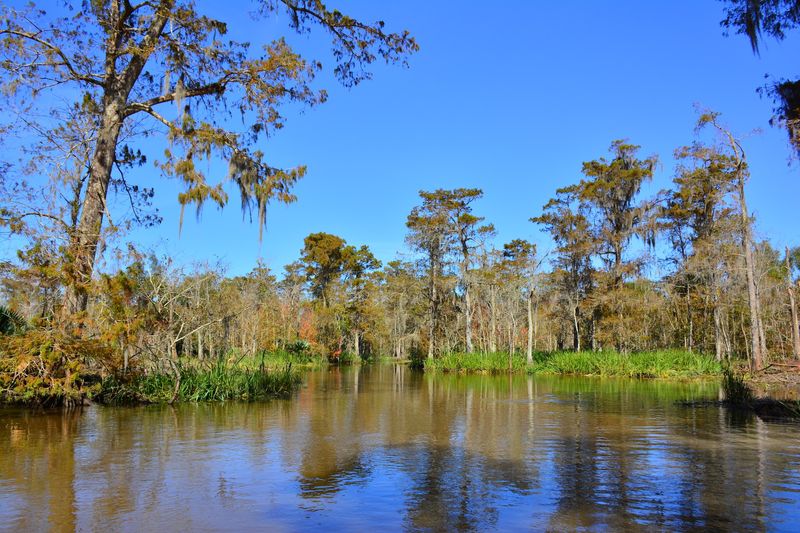
Under the tall trees, the swamp is doing work that is easy to miss. Maurepas Swamp protects flooded cypress-tupelo forest and habitat for many kinds of wildlife.
Wetlands also help buffer surrounding areas during storms. King George Bayou is a small window into that much larger, connected landscape.
Look beyond the biggest cypress for young trees, shallow edges, and patches of open water. Each part offers something different to the animals that live here.
Avoid pushing through fragile growth just to save a few minutes or reach a better camera angle. Louisiana is working to bring freshwater and sediment back into parts of Maurepas Swamp through a river reintroduction project, a reminder that conservation takes ongoing effort.
Your own part is modest but real: stay on a sensible water route, take litter home, and give the habitat room.
Leave The Giant Trees Undisturbed
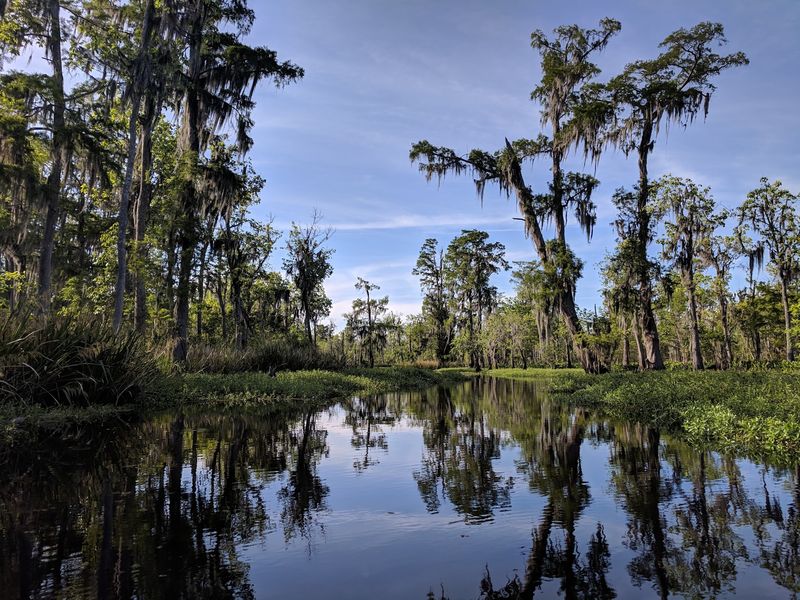
The best souvenir here is a memory of scale. King George Bayou’s giant cypresses have survived in a region where much old-growth cypress was logged, making the trees that remain especially striking.
Stand back, or float back, until you can see the trunk and its reflection together.
Resist collecting bark, moss, or plants, and keep your boat from bumping exposed roots. Those small choices matter more than a dramatic promise to protect the swamp someday.
If you take photographs, record the location carefully for your own navigation, but think before sharing a route that might send crowds toward one vulnerable tree. Leave time to sit quietly and watch how the water moves around the base.
You do not need to touch a centuries-old cypress to feel close to its history. Give it space, and let the next visitor find it standing.