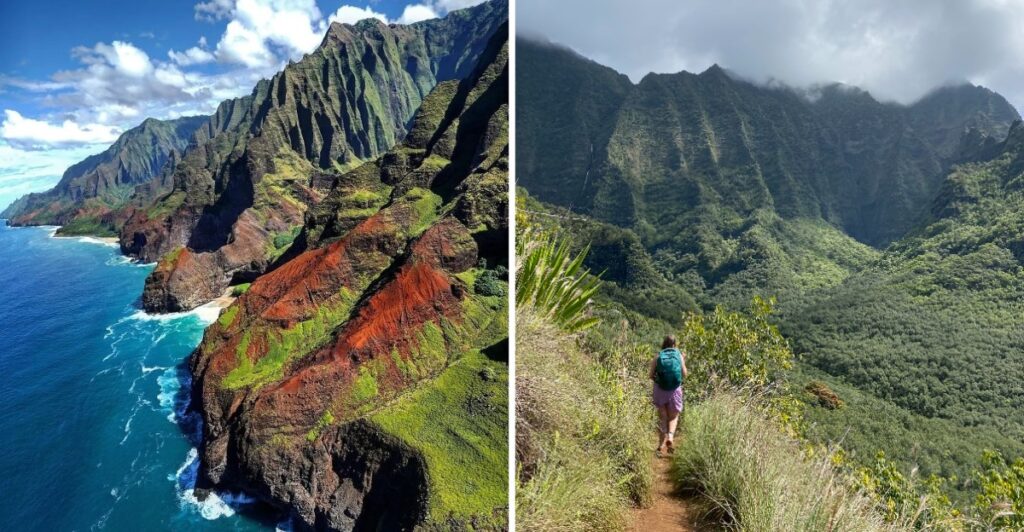
This is not the trail you accidentally end up on.
Eleven miles of remote coastline stand between the trailhead and the far end, and the return trip expects the same effort all over again.
Kauaʻi makes you earn these views.
The route crosses streams, climbs through steep terrain, and follows a rugged stretch of coast where preparation matters long before the first step. Even when access is open, permits and trail conditions help decide what kind of trip is possible.
For now, hikers have an extra reason to keep the boots packed while this part of Hawaii recovers from recent storm impacts.
The cliffs are not going anywhere.
And when the trail is ready again, this will still be the kind of adventure that deserves more than a spontaneous morning decision.
The Valley At The End Of The Kalalau Trail
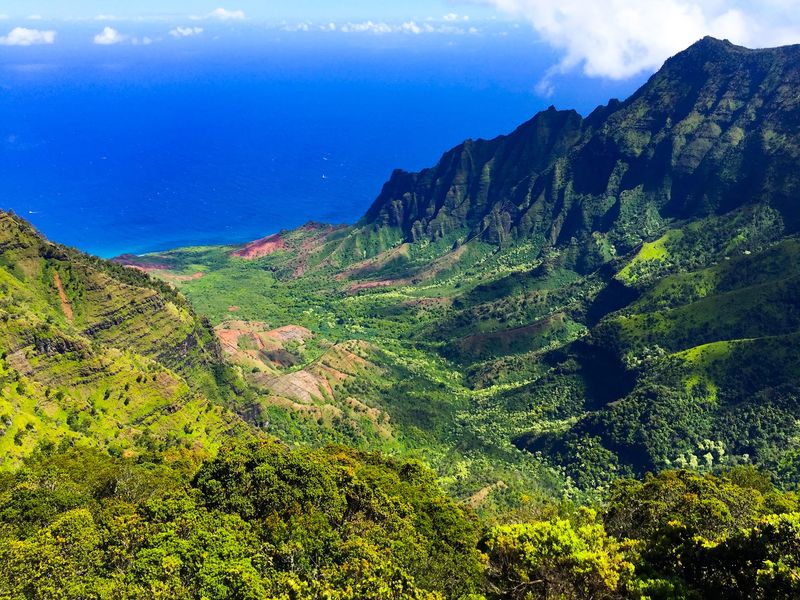
Kalalau Valley sits along Kauaʻi’s northwest coast inside Nāpali Coast State Wilderness Park. There is no road into the valley, so the overland route begins at Hāʻena State Park and follows the Kalalau Trail along the Nāpali Coast.
The complete hike to Kalalau Beach covers 11 miles one way. That distance may not sound intimidating on paper, but the terrain changes the equation quickly. The trail passes wet gulches, open ridgelines, muddy sections, steep drop-offs, roots, rocks, and stream crossings.
For backpackers in good condition, the 11-mile journey can take a full day. The trail is graded but rarely level, so a steady pace makes more sense than racing the clock.
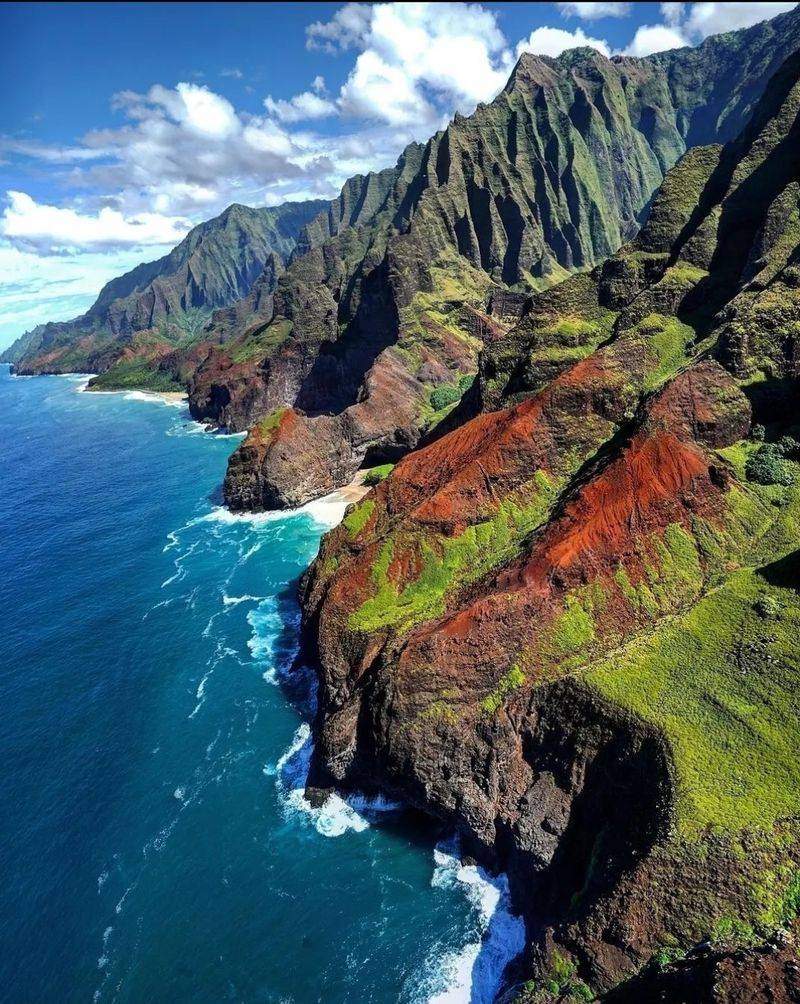
Kalalau Beach marks the end of the main trail, with the valley opening inland behind it. Sheer, fluted cliffs rise around this section of the coast, creating the dramatic landforms associated with Nāpali.
Facilities stay basic. Authorized camping areas have composting toilets, but there are no tables or treated drinking-water facilities waiting at the end. Hikers need to arrive prepared to manage water, food, shelter, and other backcountry essentials themselves.
Getting To The Trailhead Takes Planning Too
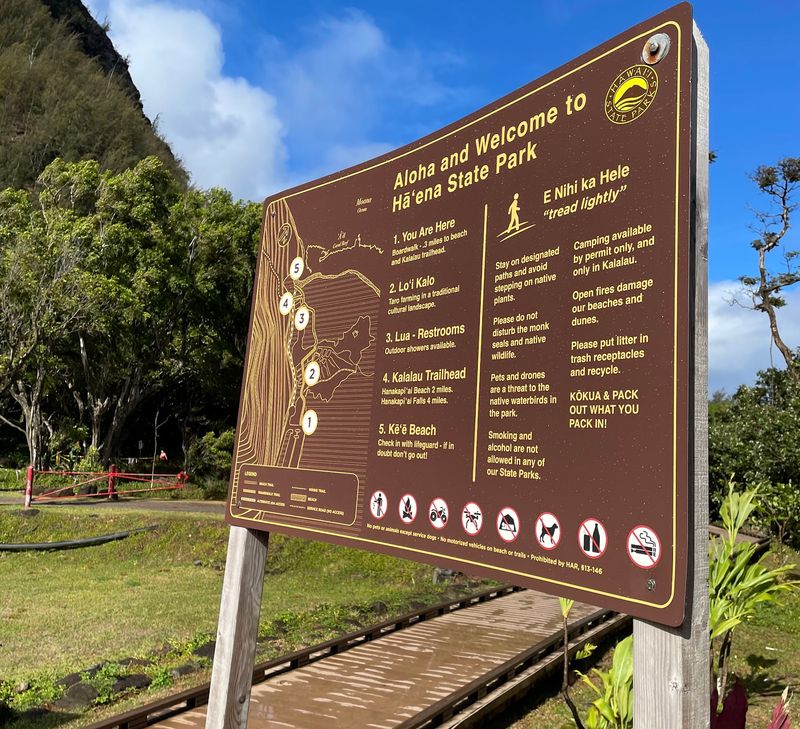
The first challenge comes before the trail itself. Under normal operating conditions, non-Hawaiʻi residents need advance reservations to enter Hāʻena State Park. Parking also requires a reservation when a visitor plans to leave a vehicle there.
Visitor numbers are limited, so showing up without the proper access arrangement can end the outing before the hiking even begins.
Day-use visitors heading toward Hanakāpīʻai need the appropriate Hāʻena reservation, while campers with valid Nāpali Coast State Wilderness Park permits follow a different process.
A valid wilderness camping permit also grants entry through Hāʻena State Park. Campers do not need a separate park-entry reservation, although transportation and overnight parking still have to be arranged correctly.
The first two miles lead toward Hanakāpīʻai Beach and Valley. For many visitors, that shorter route is the natural turnaround because continuing deeper into the coast requires a permit and much more preparation.
Hāʻena normally operates on seasonal daily hours, with shorter hours beginning after Labor Day. Those hours only matter when the park is open. During a closure, the normal schedule does not provide access.
Why Hiking Beyond Hanakāpīʻai Requires A Permit
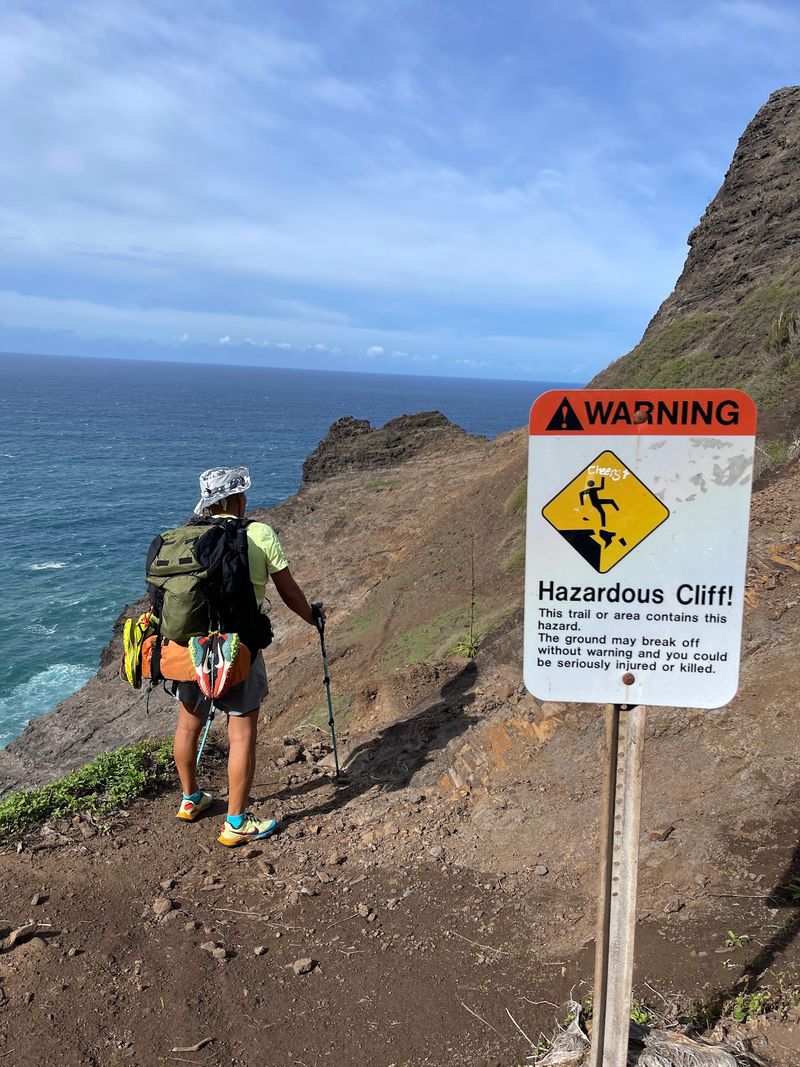
Anyone proceeding beyond Hanakāpīʻai Valley must normally carry a valid Nāpali Coast State Wilderness Park camping permit. That requirement applies even if the plan is to continue farther and return without spending the night.
There is no separate day-use permit for the deeper section. The camping permit is what allows legal access beyond Hanakāpīʻai when the trail is open.
The permit system also helps manage limited capacity along a sensitive stretch of coastline.
Past management concerns have included unauthorized camping, pressure on composting-toilet facilities, overcrowding at authorized camping areas, and impacts to natural and cultural resources.
Permits are limited and often disappear quickly during popular travel periods. Current State Parks guidance makes Kalalau camping permits available up to 90 days in advance, and the maximum stay in Nāpali Coast State Wilderness Park is five nights.
A permit is permission to enter when conditions allow. It does not override closures, storm damage, or unsafe trail conditions. That distinction matters on a route where weather can change streams and footing in a hurry.
Eleven Miles Of Demanding Coastal Terrain
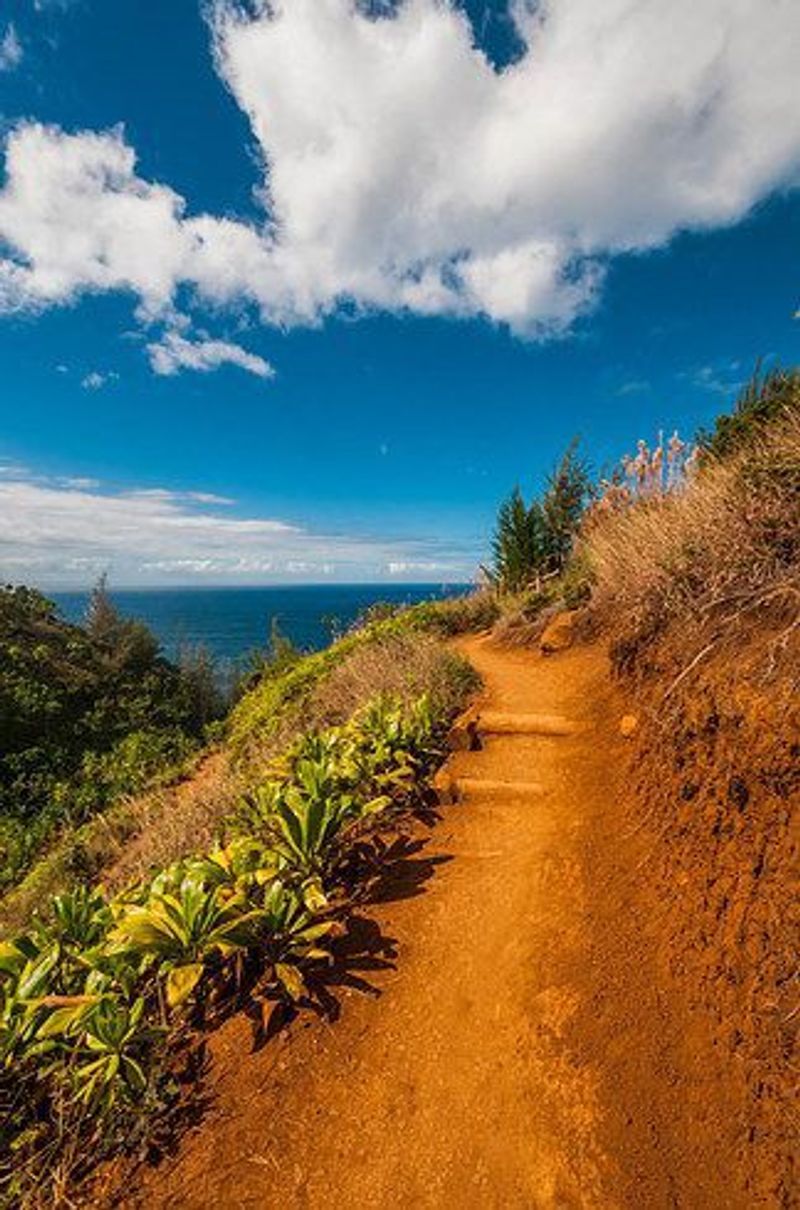
The Kalalau Trail covers 22 miles round trip from Hāʻena to Kalalau and back. Along the way, it crosses five major valleys and repeatedly moves between climbs, descents, shaded drainages, and exposed coastal sections.
The first two miles to Hanakāpīʻai are only an introduction. Beyond that valley, the route becomes more strenuous as a steep switchback climbs roughly 800 feet before the trail continues toward Hanakoa.
Smaller hanging valleys and forested sections break up the middle miles, but the route never turns into an easy cruise. Loose surfaces, roots, mud, and narrow stretches keep attention focused on each step.
Rain can change conditions quickly. Streams may rise after heavy weather, and hikers should never attempt to cross one that is flooded or moving too fast. Waiting for water levels to drop is the safer choice.
The coast requires caution too. There are no lifeguards along this wilderness route, and swimming is not recommended for anyone unfamiliar with local sea conditions. Hanakāpīʻai Beach is especially known for hazardous currents and wave patterns.
A lighter pack and footwear with good traction can make the long approach easier to manage.
Kalalau Valley Holds Layers Of Hawaiian History
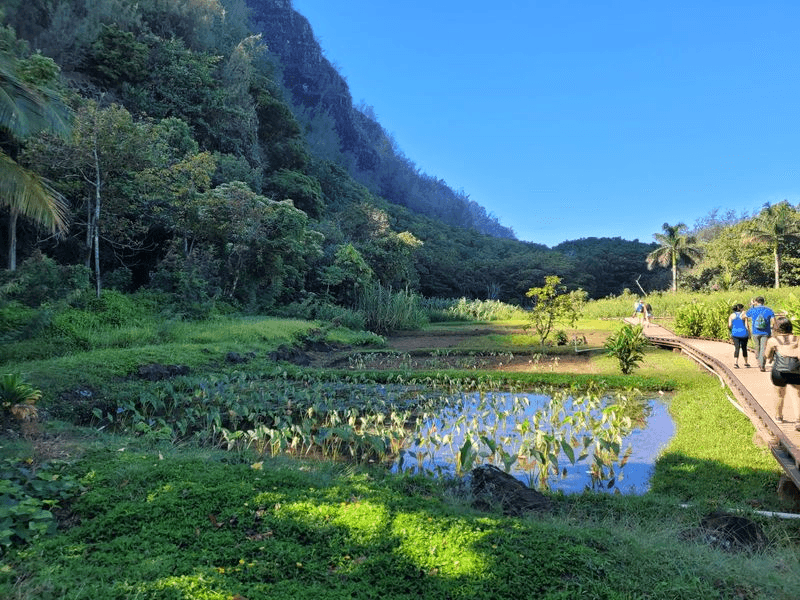
The valley is more than a scenic finish line. Native Hawaiian communities lived and cultivated food in this part of the Nāpali Coast long before recreational hiking became associated with Kalalau.
Old agricultural terraces remain visible in the valley. Hawaiians used these worked areas to grow kalo, or taro, supported by local water resources and generations of knowledge about the land.
A trail leading into Kalalau Valley passes extensive terrace systems that preserve evidence of that agricultural past. Taro cultivation continued there into the early 20th century, making the valley a lived-in landscape rather than an empty wilderness.
Similar traces appear elsewhere along the route. Near Hanakoa Stream, old agricultural terraces surround part of the rest area. Those terraces once supported taro and were later replanted with coffee in the late 1800s.
These features call for a hands-off approach. Rock walls, terraces, and other cultural remains should stay where they are. Moving stones, climbing structures, or using them as makeshift seats can damage material that has endured for generations.
Knowing some of that history changes how the miles feel. The streams, terraces, and valley floor are not simply scenery between photo stops. They are parts of a cultural landscape shaped by farming, travel, and community.
Camping Here Is A Self-Supported Trip
Once the park reopens, securing a permit is only the administrative part of a Kalalau trip. Campers still need to prepare for a self-supported backcountry stay.
Drinking water is not treated at the camping areas, so hikers must carry water or properly treat water from natural sources. Food, shelter, rain protection, lighting, and other essentials also need to come in with the hiker.
Pack weight becomes important quickly on an 11-mile approach. Carry too much and every climb gets harder. Carry too little and a change in weather can become a much bigger problem.
The useful middle ground is enough equipment for the conditions without packing extras that serve no clear purpose.
Campers may stay up to five nights within Nāpali Coast State Wilderness Park. Hanakoa has an additional restriction that prevents two consecutive nights there within that maximum stay.
Transportation deserves the same attention as the backpack. Overnight parking requires the proper reservation, and a normal day-use parking reservation does not cover an overnight stay.
For navigation, the trail begins at Hāʻena State Park, at the northwest end of Kūhiō Highway, Hāʻena, Kauaʻi, HI 96714.
Current Closures Come Before Every Other Plan
Hurricane Lowell changed access across Kauaʻi in September 2026. A limited group of DLNR lands reopened on September 21, but most remained closed because of storm damage.
All other Kauaʻi state parks stayed closed, and all Kauaʻi state-park camping remained unavailable.
That includes the Kalalau Trail and Nāpali Coast State Wilderness Park for now. Until an official reopening is announced, this is a hike to research and prepare for rather than attempt.
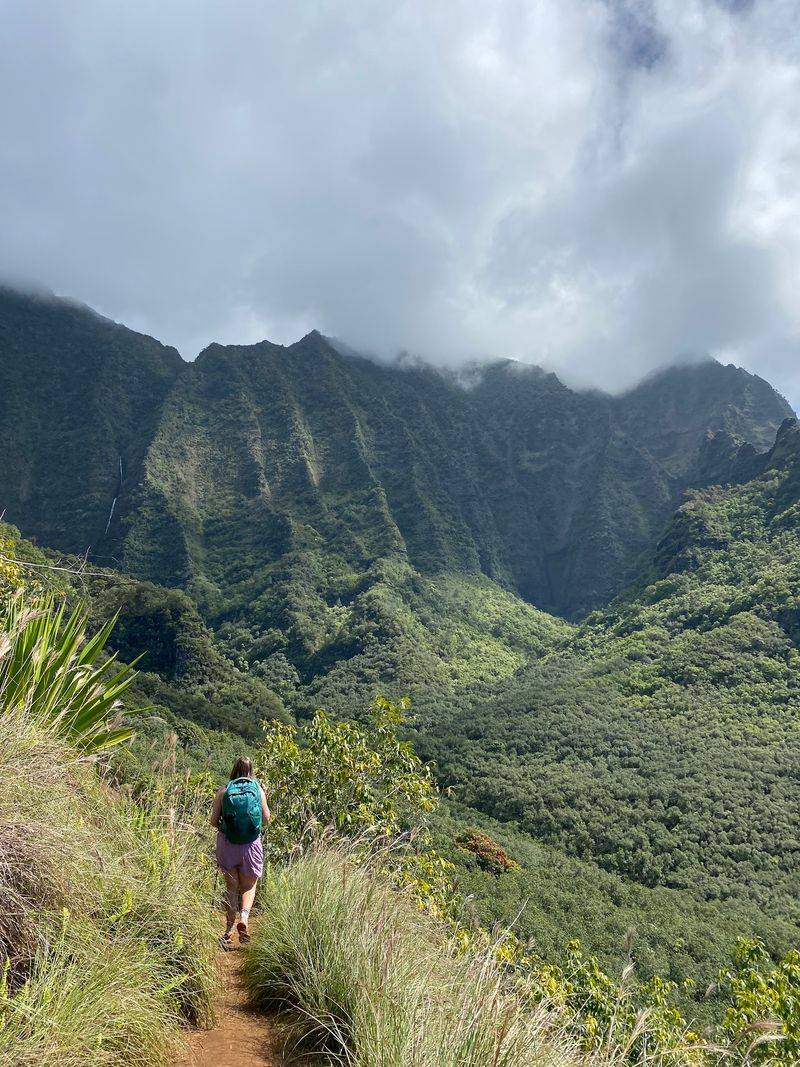
When access eventually returns, conditions may still look different from older trip reports. Heavy rain can raise streams, deepen mud, loosen trail surfaces, and make already difficult sections more demanding.
A flexible plan works better here than a rigid schedule. Check park status close to departure, confirm the permit, review transportation arrangements, and look at current weather and trail conditions before heading toward Hāʻena.
Kalalau asks for more preparation than an ordinary day hike, but every practical step has a purpose. The route leads through demanding coastal terrain, past culturally important sites, and toward one of Kauaʻi’s most isolated valleys.
For now, the right choice is to keep the trip on the future list. Once the closure is lifted, the paperwork, packing, and careful timing can become part of the adventure instead of a reason to rush it.