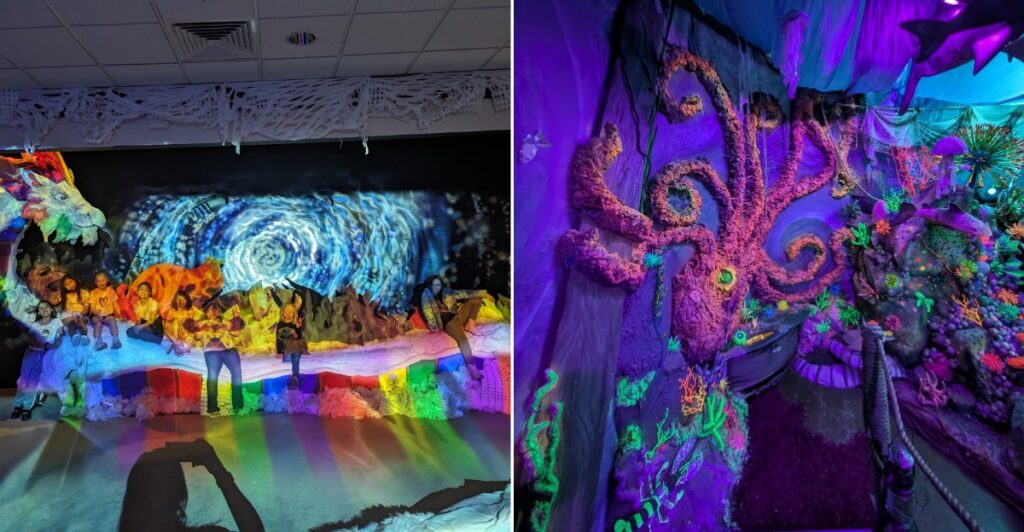
Some art asks for silence and distance. This kind wants you wandering straight through the middle of it.
Rooms twist into strange little worlds built from reused materials, unexpected textures, and enough visual surprises to make every doorway feel like a reset button for your imagination. In downtown Salt Lake City, Utah, the experience turns discarded objects into part of a creative experiment rather than letting them disappear into the waste stream.
That gives the visit a playful edge without losing the cleverness behind it. One room may feel whimsical, another slightly surreal, and the next might make you stop just to figure out what you are looking at.
For anyone curious about immersive art, this is the sort of outing that rewards slow looking and a willingness to follow the weirdness. Creative reuse has a strong presence in Utah, and here it becomes something you can literally walk through.
An Art Labyrinth Inside The Gateway
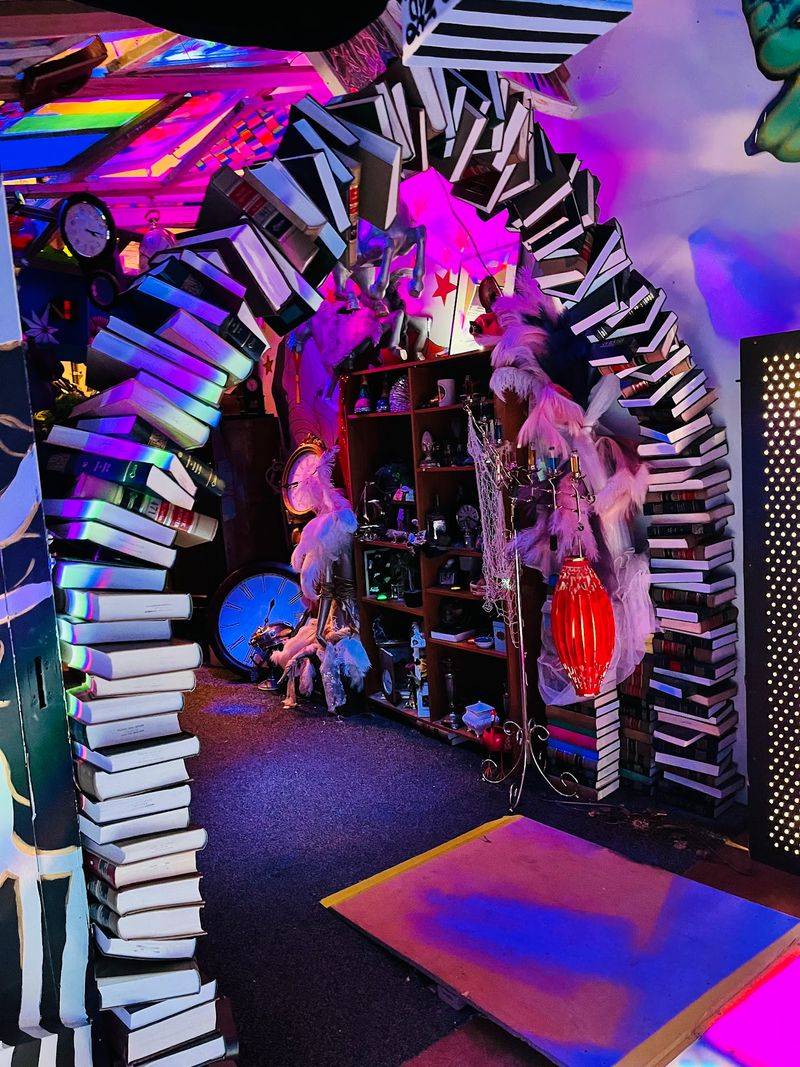
Some afternoons improve as soon as someone suggests a plan that does not require a long drive or a complicated schedule. In Salt Lake City, this spot offers a clear answer: walk through an indoor art environment.
The address places it at The Gateway, a district with shops and entertainment, rather than at a remote trailhead.
Instead of passing paintings on a wall, visitors move through connected spaces built to be explored. Colorful installations, interactive details, and a dream inspired story give the outing a shape without demanding any knowledge of art.
A person who normally feels unsure what to do in a gallery can simply look around, follow the route, and notice which details invite a closer look.
That makes the location useful for an ordinary Utah afternoon. It is an outing with a specific destination and a clear activity, not an ambitious attempt to see an entire city in one day.
Allow enough time to look rather than treating the visit as a race to the exit. The point is not to solve every mystery or understand every artwork.
It is to see where local artists have taken materials that might otherwise have been discarded.
A Gallery You Can Walk Through
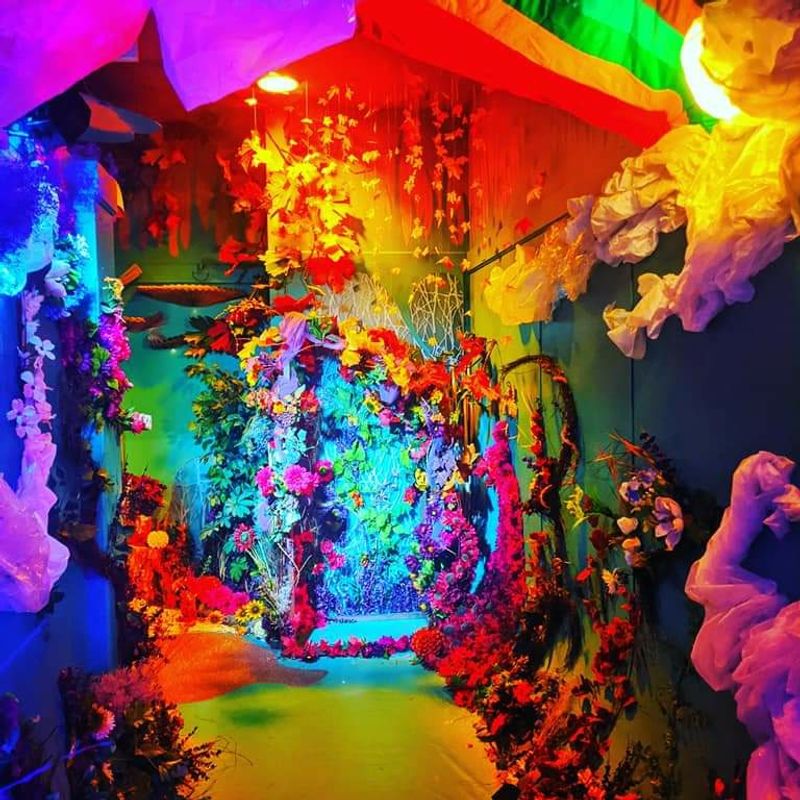
A gallery visit can sometimes feel like an exam nobody mentioned in advance. Dreamscapes has a simpler invitation: enter the installation and explore it.
The artwork surrounds the route, so looking closely is part of moving through the space rather than a separate assignment.
Interactive features add another way to engage. Visitors can notice small details, explore the connected rooms, and take photographs where the venue permits.
The experience is not just a row of displays viewed from a distance. Its changing settings encourage people to compare what catches their attention, which can make conversation surprisingly easy, even for a group with different tastes in art.
The story and playful design provide direction, but there is no need to prepare for them like a class project. Give yourself permission to pause at a detail that seems odd or clever.
A reused object can become part of a larger scene, and figuring out how it fits is half the pleasure. If you are bringing children, explain that the rooms contain artwork and follow the venue’s instructions about which features can be touched.
That small reminder lets curiosity lead without assuming every surface is a playground. For adults, the same approach works: slow down, look twice, and leave the pressure to have a profound reaction at home.
The Gateway Outside, A Dreamworld Inside

Part of the surprise is geographical. The Gateway is a familiar kind of city setting, with shopping and entertainment occupying the same district.
Dreamscapes uses that ordinary backdrop for an unusual indoor attraction, located on a lower level within the complex. Knowing that detail before arrival helps: look for the venue’s current entrance information rather than expecting a building that stands alone.
Inside, the route passes through connected art spaces. Installations use light, color, and repurposed objects to create scenes that do not resemble the street outside.
That contrast gives the walk its appeal without requiring a made up tale about stepping through a secret portal. The interesting fact is enough: an art labyrinth made by Utah creators operates within a commercial district of Salt Lake City.
Do not picture a standard museum where the main decision is which painting to read about first. Here, the layout is part of the work.
Follow the marked route, take time to examine corners, and keep your group close enough that nobody feels hurried along. Because the installations can change, older photographs may not match what is on display during your visit.
Treat them as a hint about the format, not a promise of a particular room. That leaves space for the actual visit to do its job: surprise you on its own terms.
Old Materials, New Ideas From Utah Artists

The strange rooms have a practical idea behind them. Dreamscapes is a project of the Utah Arts Alliance, and reused and reclaimed materials play a central role in its installations.
Instead of hiding that choice, the artists turn familiar objects into parts of larger scenes. Looking for those transformations gives visitors a reason to linger beyond the first colorful impression.
The project also changes over time. Artists continue to add and rework elements, which means an image from an earlier visit cannot serve as a reliable map of today’s rooms.
That is useful to know if someone in your group has seen the exhibit before. Rather than asking whether it looks exactly the same, ask what new details they notice.
Good To Know: The current Gateway installation should be understood as its own version of Dreamscapes, not as a copy of the former South Town location. Different layouts can produce different visits, even under the same name.
That distinction matters when making plans based on old photos or memories from another address. It also makes the art’s use of discarded materials feel less like a slogan.
The work is allowed to keep changing, just as the objects inside it have changed purpose. Bring your curiosity, not a checklist of rooms you expect to find.
Room For Different Kinds Of Company

Not every group wants the same thing from an afternoon. At Dreamscapes, the shared activity is straightforward: move through the rooms and look for details.
One person may follow the story closely, while another studies how an everyday object became part of a sculpture. Neither approach requires the rest of the group to agree on an interpretation.
For families, interactive artwork can give children more to do than stand quietly beside adults. Still, some scenes may look strange to younger visitors, so caregivers should set expectations and follow the staff’s guidance about touching installations.
Couples can make a visit out of comparing favorite rooms or taking photographs, while solo visitors can give a small detail all the time it deserves. An art installation does not mind if you stop to think.
Weekend travelers passing through Utah can use the exhibit as a focused Salt Lake City stop rather than trying to assemble a packed itinerary. Professionals with a free afternoon can do the same.
The sensible question is not whether every person will love every room; unusual art rarely works that way. Ask whether your group enjoys exploring a setting where observation and play overlap.
If the answer is yes, leave room in the schedule to wander without a deadline. The best conversations may begin with the simple question of what, exactly, you are looking at.
A Simple Saturday Plan At Rio Grande Street
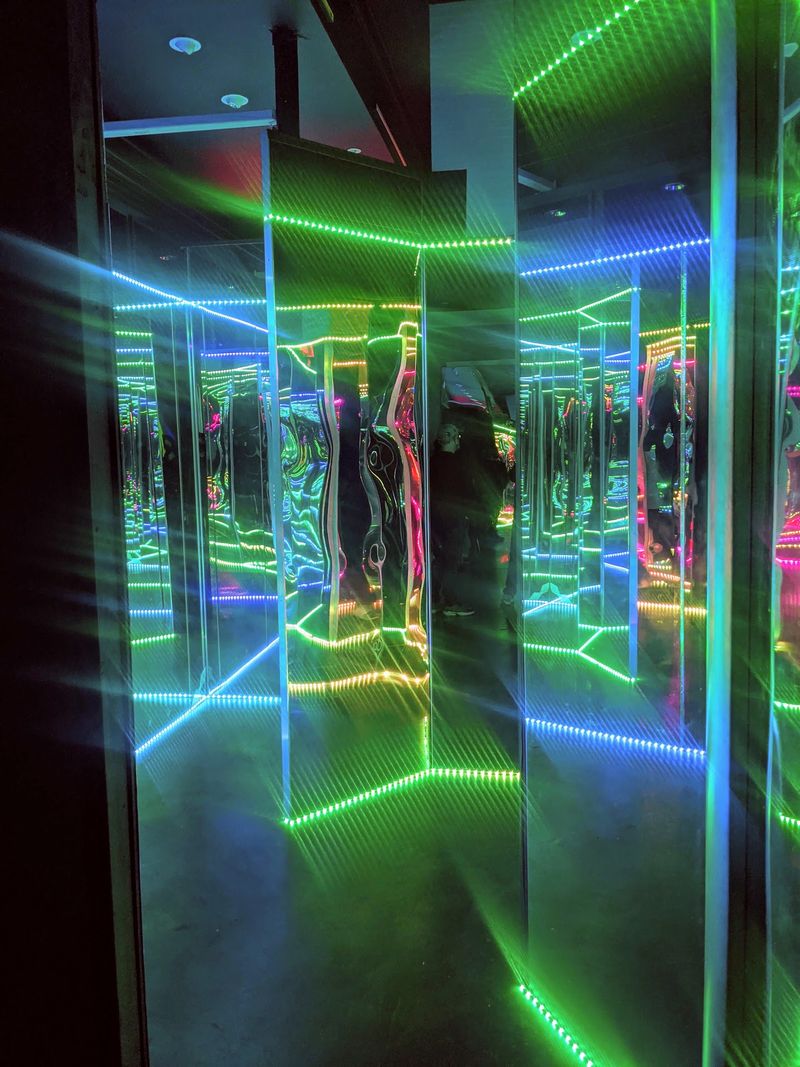
A simple Saturday detour is easier when the destination has a precise address. Set your route for Dreamscapes at 16 N Rio Grande St, Salt Lake City, UT 84101, then check the venue’s own website for current tickets and opening times before leaving.
The exhibit charges admission, and an advance ticket can help when you have a particular entry time in mind. Do not build a plan around an old schedule found in a saved article.
Since the attraction is indoors at The Gateway, it can be the main purpose of an outing rather than one stop in an elaborate tour. Decide who is coming, check the available entry options, and allow time to explore the rooms.
That is enough planning for most groups. If someone has questions about access, lighting, or how an interactive feature works, contact the venue ahead of the visit instead of guessing from photographs.
Keep your expectations tied to the current installation, too. Dreamscapes has occupied other spaces, and pictures from an earlier version may show rooms that are not part of this visit.
Checking the correct address matters as much as checking the ticket page. Once those two details are settled, the outing can stay pleasantly uncomplicated.
You have a destination, an activity, and a reason to put the usual errands aside for a while. A calendar does not need an elaborate title to make that sound appealing.
Why The Reused Pieces Stay With You
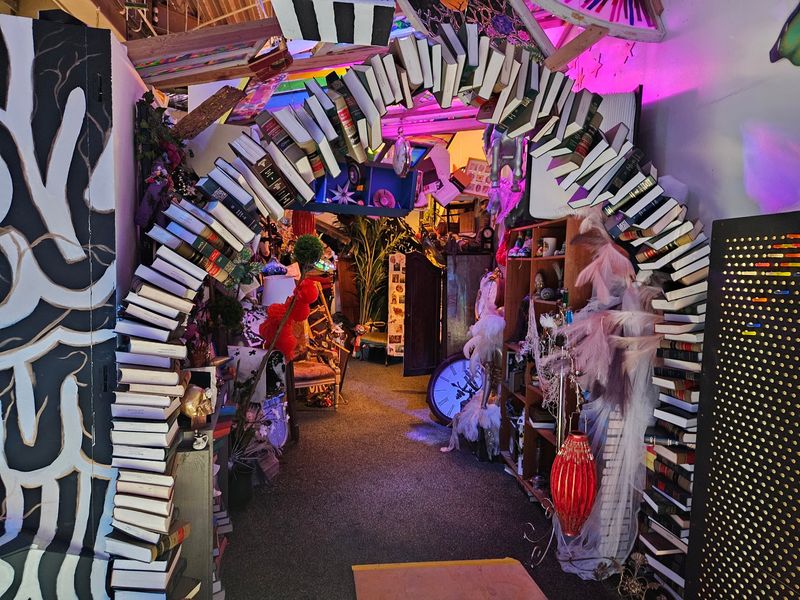
After the photographs, a more interesting question may remain: what was that room made from? Dreamscapes gives reused materials a new role in a place designed for visitors to walk through and explore.
The idea is simple enough for a child to grasp and rich enough to keep an adult looking closely. An object does not need to be new to become part of something unexpected.
That thought connects the playful rooms to the people who build them. The Utah Arts Alliance project puts artists’ choices in view, from arranging familiar materials to changing an installation as new ideas arrive.
It also explains why returning with an old mental map may be less useful than arriving ready to notice. This is not a collection that has to stay frozen to remain recognizable.
Salt Lake City has plenty of ways to fill an afternoon, but the appeal here is unusually specific. At The Gateway, an indoor route turns discarded materials into an invitation to look, move, and talk about what you see.
Visitors do not need to solve the whole story for the outing to feel complete. They can simply notice how much imagination fits into objects that once had entirely different jobs.
If a friend asks what Dreamscapes is like, here is a fair answer: go see what the Utah artists made out of everyone else’s leftovers.