Tuesday morning feels different when the Mississippi River is part of the shopping scenery. On a green stretch near the water, farmers, fishers, bakers, and small food makers gather for a market that feels more like a neighborhood ritual than an errand.
Because it opens only one morning each week, the atmosphere has a little extra energy. Seasonal vegetables, seafood, fresh bread, preserves, and local specialties can all turn up depending on what Louisiana is producing at the moment.
Set beside the river, this Louisiana farmers market turns a simple grocery run into a lively taste of local harvests, makers, and community life.
What I like most is how easily one purchase leads to another. You come for tomatoes, start talking to a vendor, notice a loaf nearby, and suddenly dinner has planned itself.
The market is compact enough to browse slowly, but varied enough to make every Tuesday feel slightly different.
Find The Way Over The Levee

Walnut Street offers a small twist in the directions: reaching The Batture means crossing over the levee. The address is 25 Walnut Street, but the riverfront setting can feel tucked away if you expect a row of stalls right along an ordinary city sidewalk.
Look for the route over the levee whether you arrive on foot or by car.
Allow a few extra minutes for that last bit of navigation, especially on a first visit. Once across, take stock of where you entered before you start shopping.
It makes the return trip simpler when your bag has gained a loaf of bread and several pounds of tomatoes. The location is part of the pleasure, not an obstacle to rush through.
You are moving from the Uptown street grid toward open ground beside the Mississippi.
Put Tuesday On The Calendar
Crescent City Farmers Market’s Uptown Market sits at The Batture, 25 Walnut Street in New Orleans, Louisiana, right along the Mississippi River. South Carrollton Avenue gets you into the right part of Uptown, then Leake Avenue carries you along the levee toward the market.
The final approach is easy to read once the road starts hugging the river. Keep the levee on your right as you follow Leake Avenue, and the market appears at the end of the road near Walnut Street, where the green space opens up beside the Mississippi.
Pull into The Batture and use the on-site parking, then walk straight toward the vendor tents spread across the riverside grounds. Once you are over the levee, the market setup is right there.
Give The River A Minute

The river is not merely a backdrop here. The Batture covers 10 acres beside the Mississippi, giving the Uptown market an open setting that feels different from shopping between buildings.
Before choosing a stall, pause long enough to notice how much room there is to walk and gather. It is a useful reset before the pleasant work of deciding what to carry home.
The site was a marine yard for more than 150 years, linked to the Bisso family and the city’s working river. Vessels were serviced here, barges were staged, and old oil-rig platforms were dismantled.
Its newer public use reconnects people with a stretch of waterfront that long had an industrial purpose. As you shop, keep the paths clear and treat the green space as more than a shortcut.
Its history deserves that little bit of attention.
Start With A Slow Produce Lap
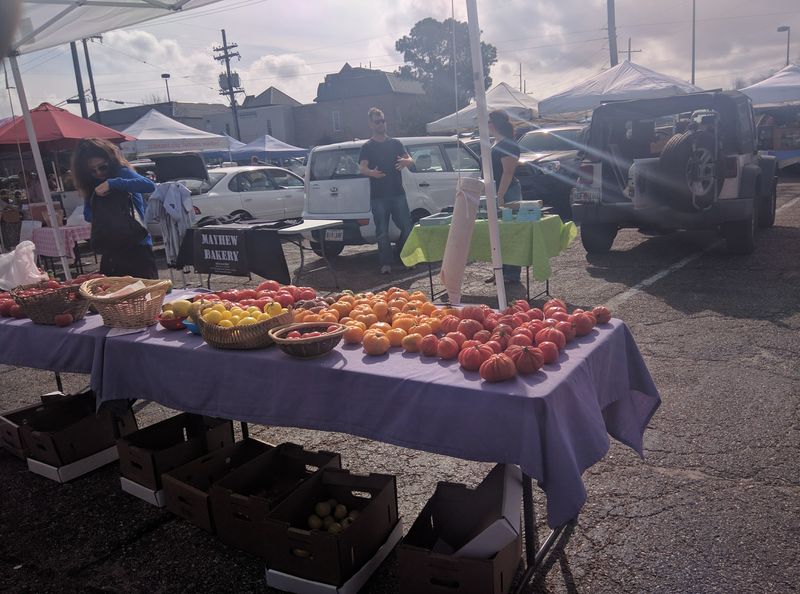
Tomatoes can make a person forget every sensible plan for dinner. At this market, seasonal growers such as Cajun Growers may bring slicers, heirlooms, and small cherry tomatoes, along with cucumbers, peppers, arugula, and herbs.
Take one full lap before buying. You can compare what is available without assuming that every grower has the same harvest.
Ask a vendor which tomato suits a sandwich and which would hold up in a cooked dish. That quick exchange is more helpful than choosing by color alone.
A small bag also keeps delicate greens from being crushed beneath heavier vegetables. If you spot an unfamiliar pepper, ask about its heat before adding it to the basket.
The produce changes with the season, so the best shopping list is a loose one: plan a meal, then let the day’s harvest fill in the details.
Ask About The Seafood
A seafood stall can turn a quick vegetable trip into a much better supper plan. Wild-caught Louisiana shrimp, oysters, and finfish are among the local offerings associated with the market, though the exact selection can change.
Read the labels and ask what came in recently rather than assuming a particular catch will be waiting.
Bring an insulated bag or cooler if seafood is high on your list. It is a simple way to protect your purchase while you finish browsing and travel home.
Tell the seller how you hope to cook it; a question about size or preparation may save you from buying more than you need. Keep your meal plan flexible, too.
The useful question is not always whether the stall has your usual fish. It is what fresh Louisiana catch can work for dinner today.
Look Beyond The Spice Label
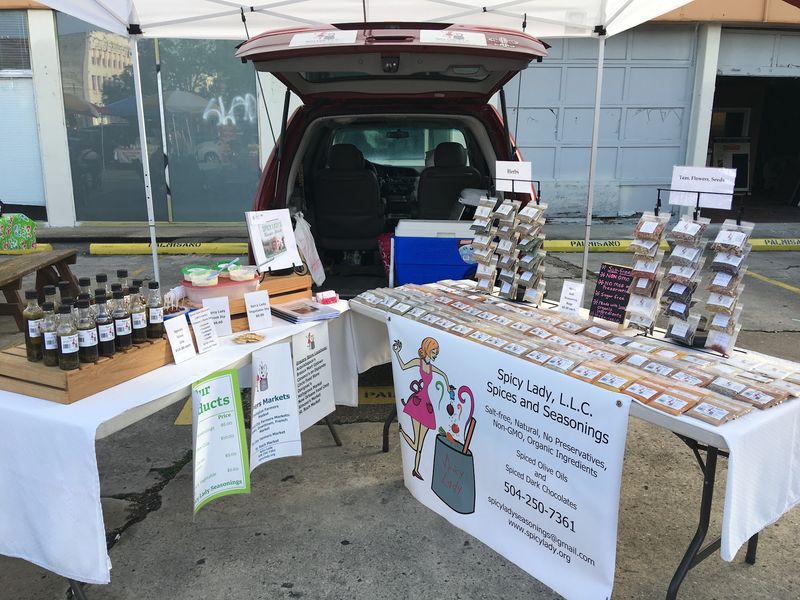
Packets of Cajun seasoning are easy to grab, but prepared foods can tell a fuller story. Sassy Cajun Spices offers items such as gumbo mix, shrimp stew, boudin, jambalaya mix, and Cajun dips, with recipes connected to the Pointe-Aux-Chenes tribe.
Availability may vary, so look at what is on the table rather than arriving set on one product.
Ask how a mix is prepared and what you need to add at home. That tiny pause can turn an impulse buy into an easy weeknight meal.
Check the ingredient list as well if heat or dietary needs matter to you. Boudin and stew are not interchangeable souvenirs: think about storage and your travel time before choosing.
Food with a local recipe behind it deserves more than a hurried glance, and the vendor can help you understand what you are taking home.
Follow The Fruit Season
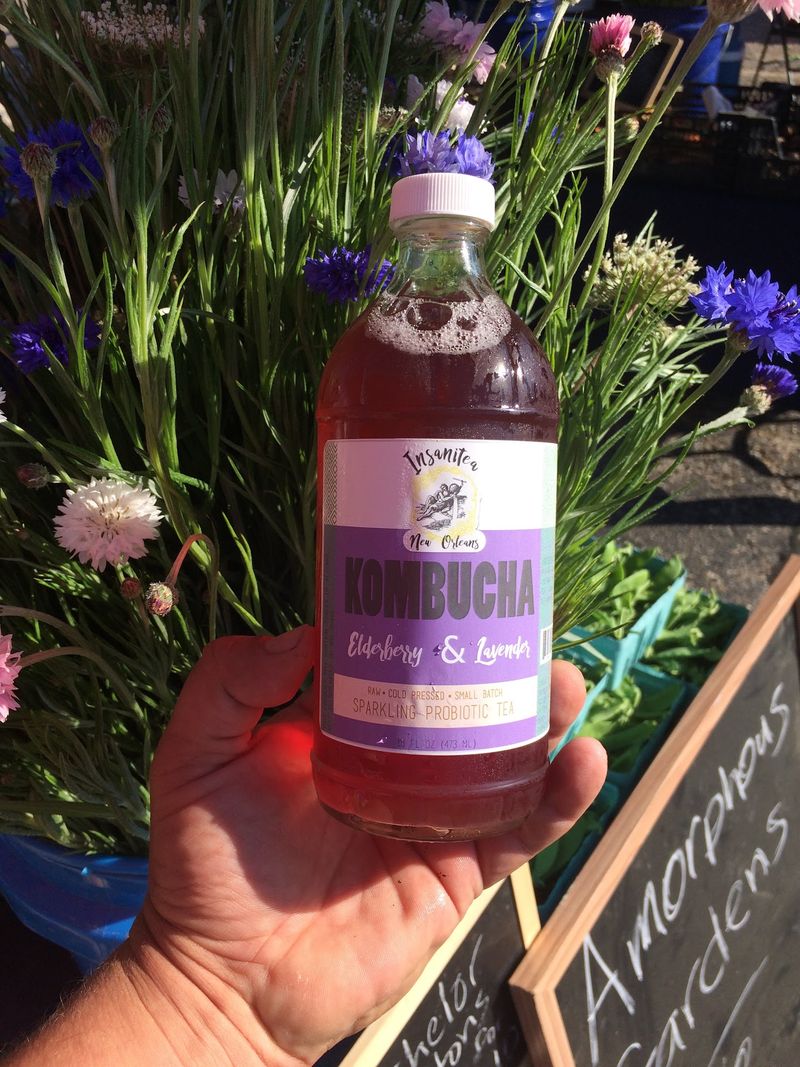
Berry season has a way of rewriting the shopping list. Ponchatoula strawberries and blueberries are among the seasonal treats that can appear at the Uptown market, along with berry muffins, pies, or lemonade.
Their presence depends on the harvest and the vendors attending, which makes checking the tables more useful than counting on a fixed menu.
When berries are available, inspect the container gently and ask when they were picked. Buy only what you can eat soon, or make a plan to store them once you get home.
A baked treat is handy if you want a taste of the season without carrying fragile fruit through the rest of your day. There is a quiet pleasure in letting Tuesday’s fruit decide dessert.
Just leave room in your bag so the softest purchase does not ride under the potatoes.
Make Room For Bread And Pasta
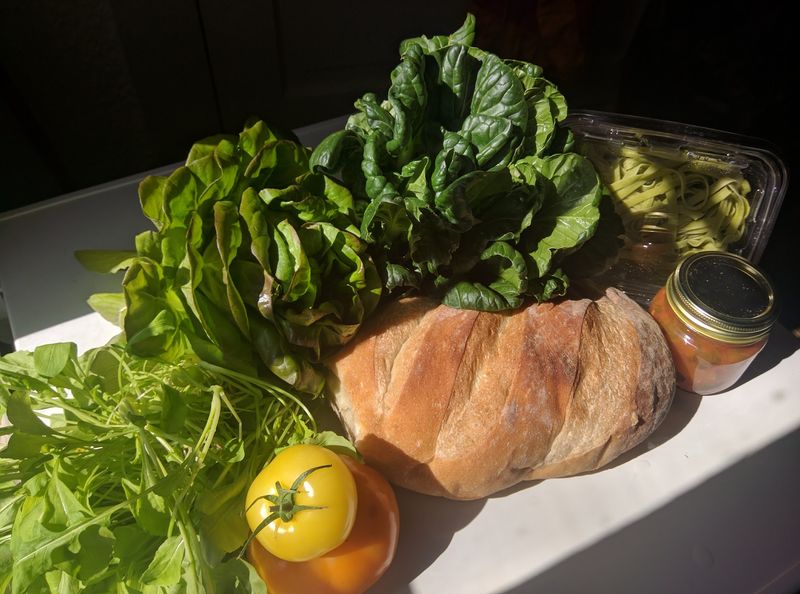
A loaf of bread is an excellent reason to change the route through a market. Bakers including Leo’s Bread, Buttery Spell, and Girlfriend Bakery are among the local names associated with Uptown offerings, while Costantini Pasta brings another option for a simple meal.
Vendor lineups can shift, so treat those names as possibilities, not a promise for every Tuesday.
Choose bread after you have considered dinner, or choose dinner around the bread. Either method works.
Ask how best to store a loaf if it will not be eaten that day, and check how fresh pasta should be kept and cooked. Put baked goods near the top of your bag to spare them a ride beneath the vegetables.
Paired with market tomatoes or greens, these staples can make a meal without asking you to spend the whole afternoon in the kitchen.
Sort Out Payment Before Shopping
Wooden tokens are a practical detail worth learning before your hands are full. The market accepts cash, and smaller bills are helpful.
Credit and debit card shoppers can visit the Welcome Tent to exchange a card payment for market tokens in $1 and $5 amounts. There is a $2 administrative fee for that service, but the tokens do not expire.
SNAP/EBT shoppers can also exchange benefits for designated tokens and ask about Market Match incentives. The rules differ from ordinary purchases: EBT tokens cannot pay for ready-to-eat food, cut flowers, or inedible plants.
Stop at the tent first if you are unsure which tokens to use or what qualifies. Sorting it out early lets you focus on comparing produce and talking with growers.
Cash is another straightforward choice when you would rather skip the card-to-token step.
Let A Grower Explain The Harvest
The best answer to what is good today may come from the person who brought it. Crescent City Farmers Market connects shoppers with producers from within a 200-mile radius, so conversation is part of the point.
Ask a grower how to use an unfamiliar green or when a piece of fruit will be ready to eat. Keep the question brief if others are waiting.
That exchange can also help you waste less food. Buying one vegetable you know how to prepare is often smarter than filling a bag with good intentions.
The market’s focus on regional food makes it a useful place to learn what grows nearby, not just what looks attractive on a table. Listen for a storage tip, then pass the space to the next shopper.
A little curiosity goes farther here than a rigid grocery list.