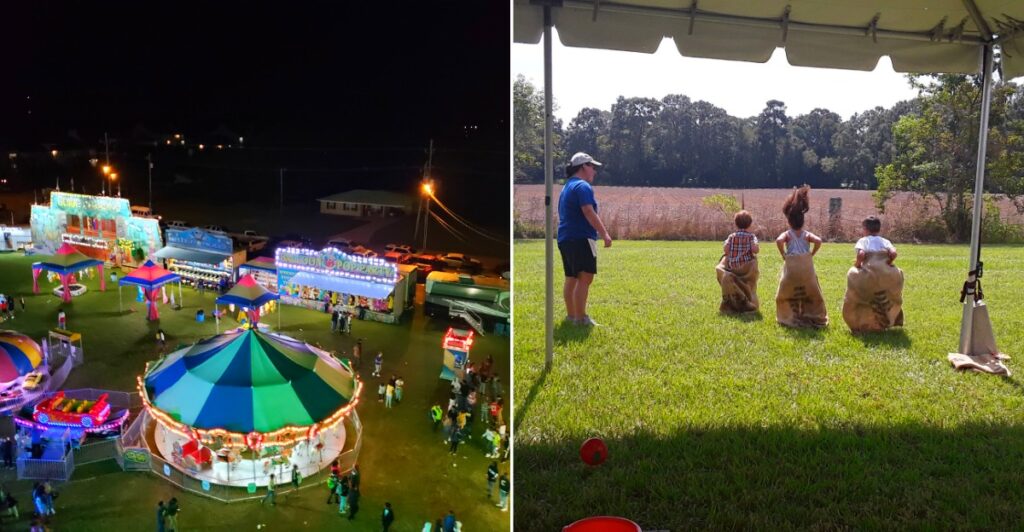
Some festivals feel borrowed from somewhere else. This one could only belong to cattle country, where show rings, parade routes, contests, and live music fold into one local weekend.
The atmosphere is cheerful without feeling polished, and that is exactly what gives the celebration its charm.
You might come for the cattle show and stay for the street dance, or arrive curious about food and end up watching a parade roll through town.
Across Louisiana, few community festivals blend agricultural tradition, small-town pride, and family-friendly energy with this much personality.
What I like most is how easily the serious and playful sides meet. The event honors the people who raise beef and dairy cattle, but it also gives neighbors a reason to gather, compete, laugh, and keep traditions visible.
By the end, the festival feels less like a schedule of events and more like the town telling its own story.
Check The Schedule Before You Go
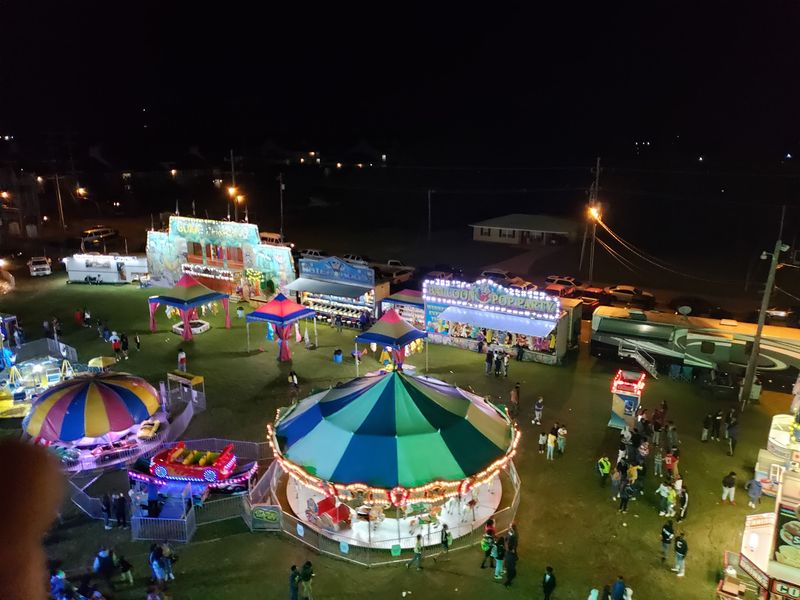
A cattle show and a street dance make very different plans for the same day. Before leaving for Abbeville, check the Louisiana Cattle Festival’s current schedule for dates, event times, and locations.
The festival is traditionally held around the first full weekend of October, but a familiar tradition does not guarantee that every activity will happen at the same hour or site each year.
Look for the cattle show, parade, food contests, music, and children’s activities that matter most to your group. Save the schedule on your phone, then choose one event you would hate to miss.
That small bit of planning leaves room to wander without spending the whole visit watching the clock. Check the festival’s official updates again shortly before you travel, especially if weather could affect outdoor events.
A flexible plan is the easiest way to enjoy a weekend with so many moving parts.
Downtown Abbeville Is Where The Cattle Take Over
Louisiana Cattle Festival & Fair fills Downtown Abbeville, Louisiana, from October 2 through October 4, 2026. Head toward the historic center of town rather than the festival office on Rodeo Road, because the main weekend activity spreads across downtown streets and public spaces.
The final approach gets obvious once normal traffic gives way to festival crowds, vendor booths, music, and street activity. On Saturday, October 3, the Grand Parade begins at 2 p.m., so expect the downtown core to be especially busy around parade time.
Park outside the busiest festival blocks and finish the trip on foot, following event signs and crowd flow into downtown. Since the festival uses multiple streets and activity areas rather than one single gate, walking in from the edge of the event footprint is the most practical arrival strategy.
Find The Cattle Show
The cows are not background decorations here. The festival grew from a celebration of dairy farming, and its cattle show still gives visitors a close look at the animals and the work behind the region’s beef and dairy industries.
If the show is on this year’s schedule, make time for it before the music and food pull you in another direction.
Watch how handlers guide their animals and how carefully the cattle are presented. Keep a comfortable distance, follow posted rules, and ask staff where spectators should stand.
Children may have questions about different breeds or what judges look for; the show offers a natural place to start that conversation. You do not need to know ranching terms to enjoy it.
A few quiet minutes beside the ring can make the festival’s purpose much clearer than any sign.
Look For The Cattle Drive
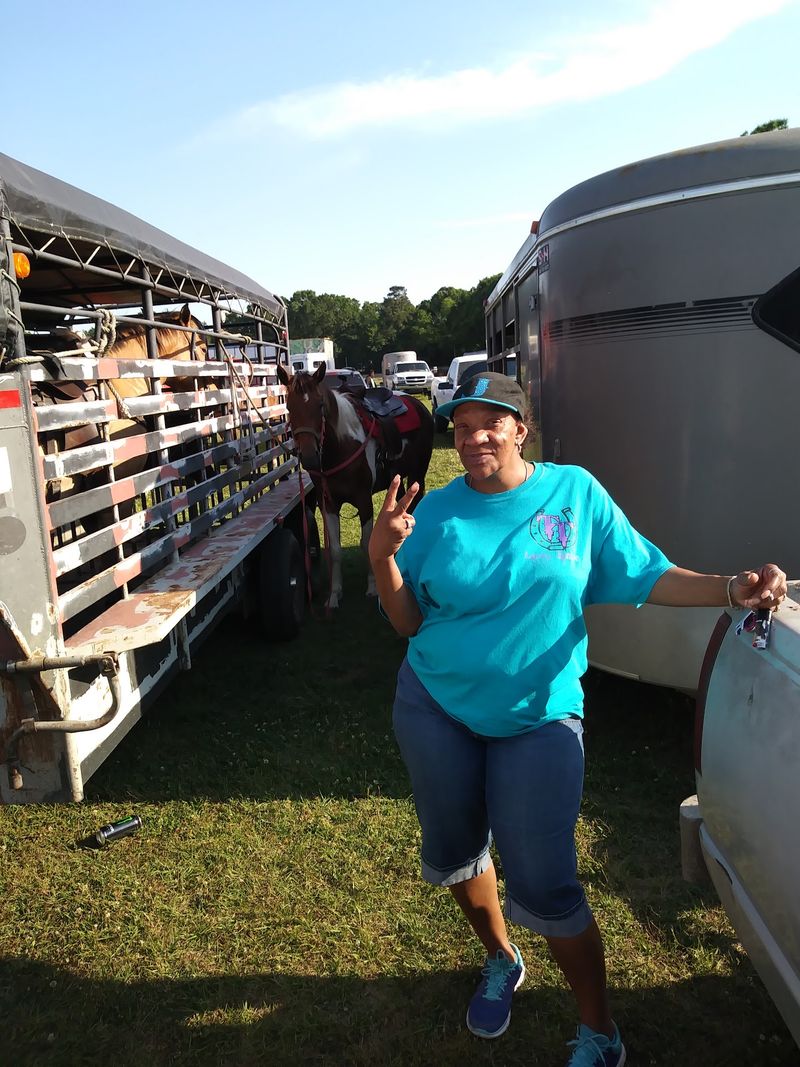
Hooves on a town street make a memorable change from ordinary traffic. The festival’s traditional cattle drive brings ranching history into view as handlers guide animals through Abbeville.
Because its route and timing can vary, confirm the details on the current festival schedule before choosing a viewing spot. Concord Street has been part of the tradition, but do not count on last year’s route.
Arrive early enough to stand behind any barriers and leave handlers plenty of space. A spot farther from the busiest corner may give children a clearer view without crowding the animals.
Watch the people working alongside the herd, not only the cattle. Their calm, careful movements show that a drive is skilled work, not just a parade feature.
If the event falls near the end of the weekend, it makes a fitting final look at the festival’s roots.
Give Cajun Food Some Time
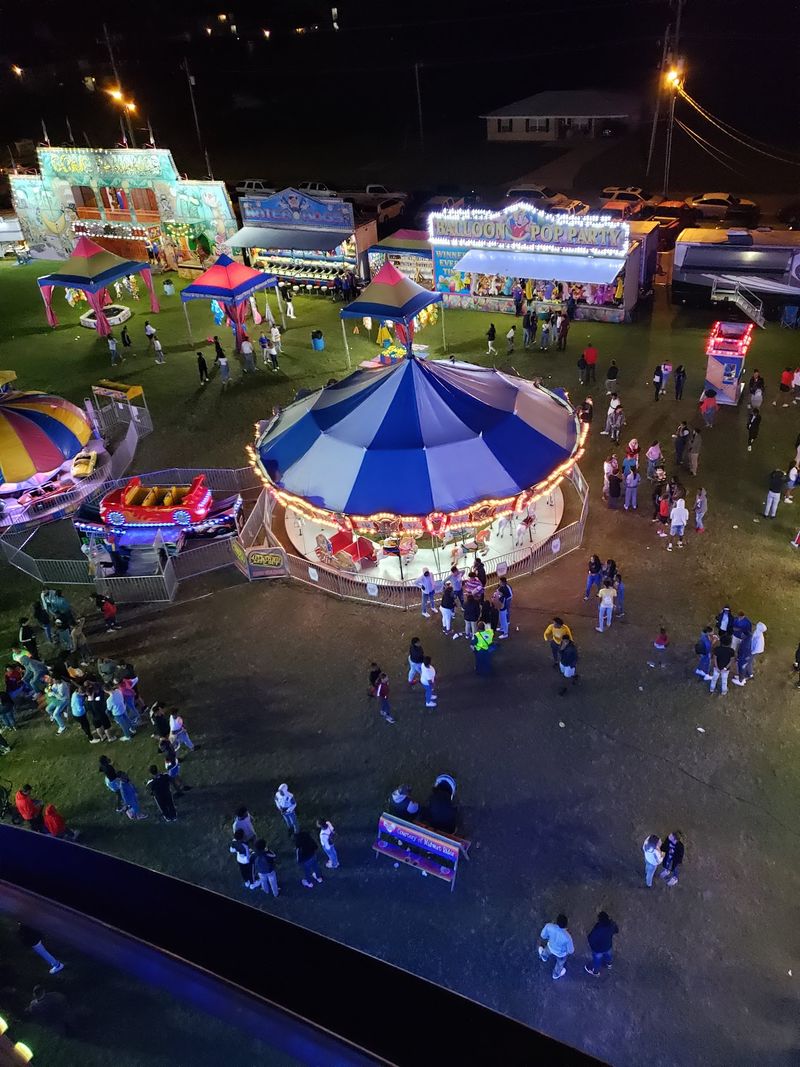
The food line may be part of the fun, especially when the smell of cooking reaches you before the menu does. Festival vendors have offered dishes such as chicken and sausage jambalaya, chicken on a stick, and crawfish poutine.
Choices can change, so take a slow look at the stalls rather than arriving set on one meal.
Share a dish if you want room to try something else later, and carry water while you explore. Ask about ingredients if anyone in your group has allergies; names alone do not tell the whole story.
Food contests, including rib and ice cream eating challenges, have also appeared on festival schedules. Check the current program if you want to watch one.
The best meal break is not a race between events. Find a place to sit, notice the crowd, and enjoy what Abbeville’s cooks are serving.
Follow The Music
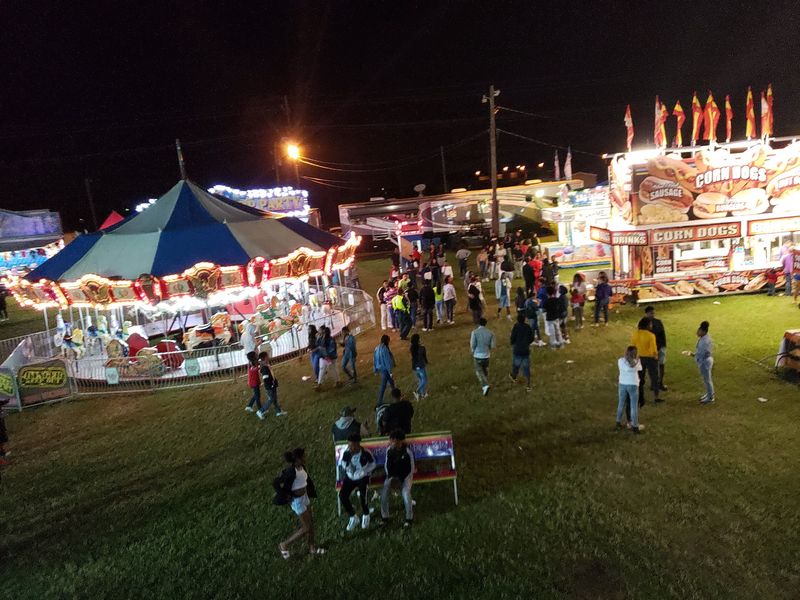
Music gives the festival a second heartbeat after the cattle events. Local bands and the traditional Fais Do-Do, a Cajun street dance, bring people together for a celebration that is easy to enjoy even if you do not know the steps.
Check the lineup and performance site first, since stages and times may change.
Stay for more than one song if you can. A quick walk past the stage tells you little about the way families and friends settle in together.
Pick a comfortable viewing place that does not block a walkway, and bring hearing protection for young children if the sound is loud. You can listen without dancing, but there is no need to treat the dance area like a museum exhibit.
Let the music set a slower pace for your visit. It is a chance to see the festival as a gathering, not just a schedule.
Save A Spot For The Parade
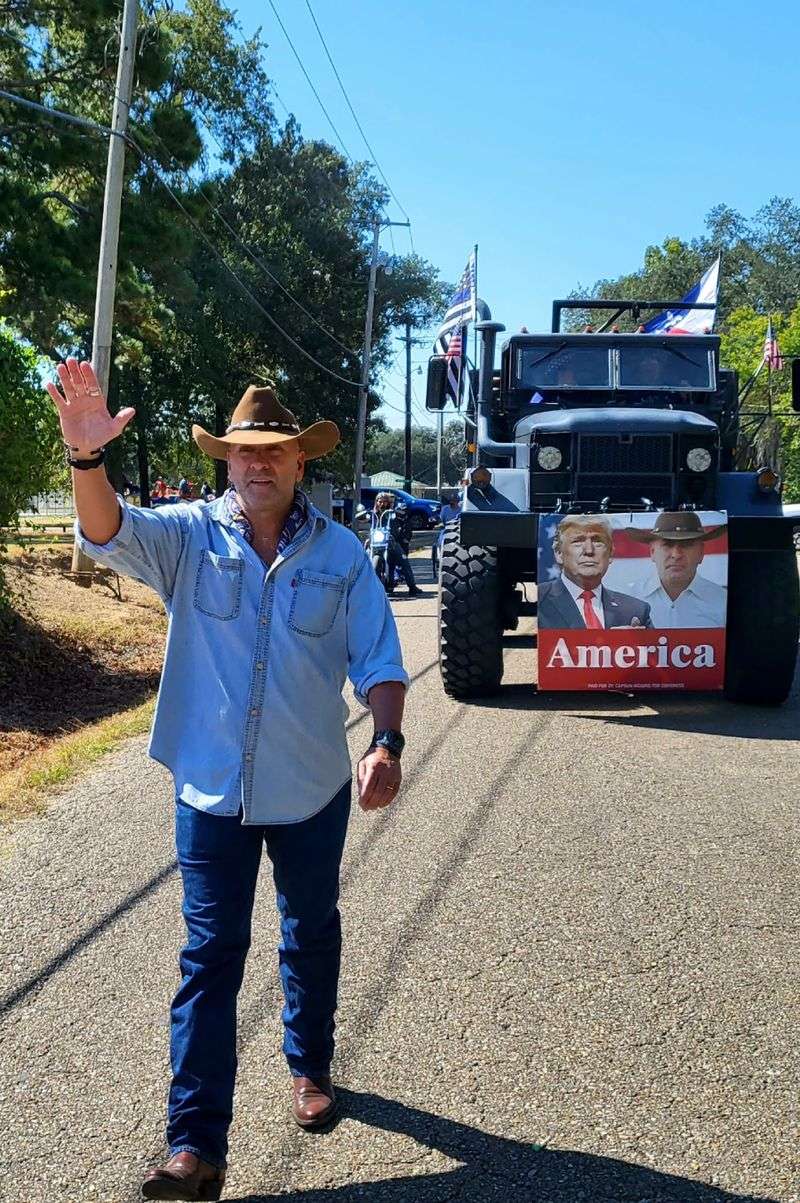
Parade watching rewards a little patience. The Louisiana Cattle Festival’s grand parade has long been a way for Abbeville to put its community spirit on the street, sometimes with horses among the procession.
Find the current route and start time before heading out, then choose a viewing place where your group can stand safely without stepping into the road.
Bring water and give younger children a clear point to return to if the crowd shifts. Keep an eye on any instructions from parade staff, especially near animals.
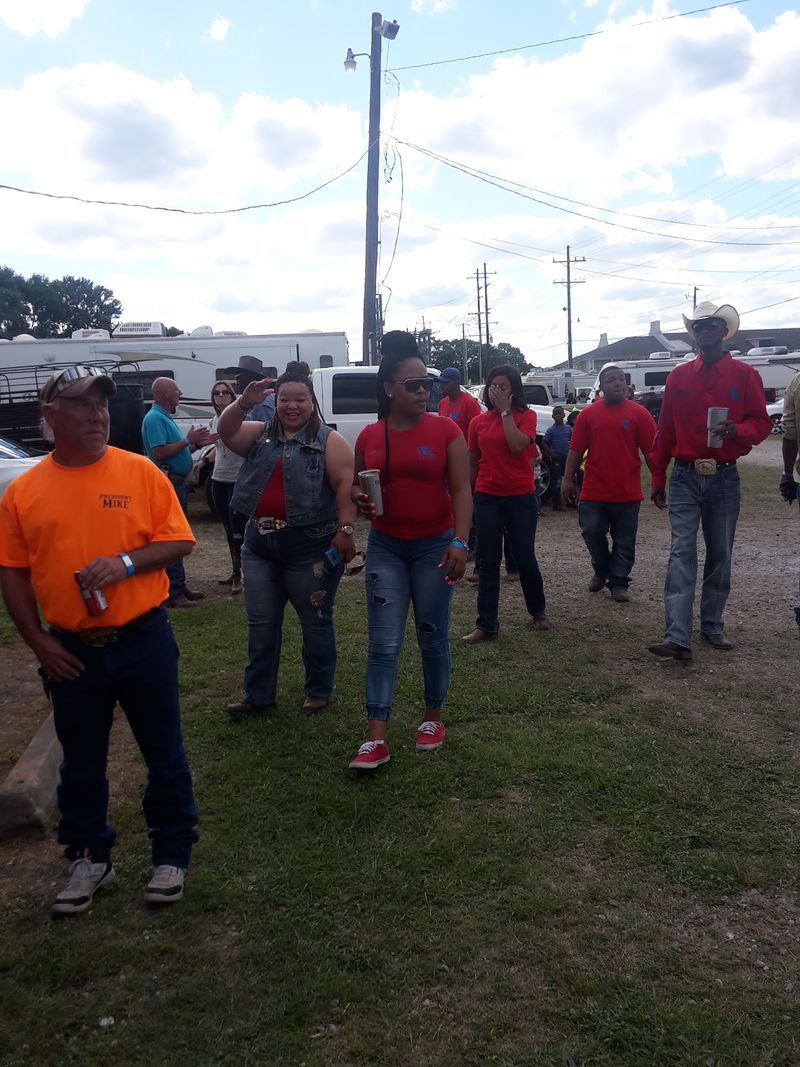
Between the main sights, notice the smaller details: neighbors greeting each other, families picking their spots, and the pause before the next group arrives. Those ordinary moments are part of the tradition, too.
If you have other events planned, allow extra walking time. A parade changes how people move through a town, even after it has passed.
Let Kids Ask Cattle Questions
A child who has never seen a cow up close may have the best questions at this festival. Kids Corral activities have offered hands-on ways to learn about cattle, including identification and designing a cattle brand.
Check whether those activities appear on this year’s schedule, along with their hours and any age rules.
Give children time to look at the animals before explaining everything. A simple question about what they notice can lead to a good talk about farming and why the festival exists.
Keep hands away from animals unless a handler invites contact, and follow staff guidance at every demonstration. If the activity area is busy, return later rather than rushing through it.
The point is not to turn a weekend trip into a class. It is to let a real place and its traditions make a new idea feel close enough to understand.
Notice The Festival’s Dairy Roots
The name on the festival tells only part of its story. It began as the Dairy Festival in 1949 and took the Louisiana Cattle Festival name in 1979, widening its focus to the cattle industry as a whole.
That shift helps explain why both beef and dairy animals belong in the celebration.
Look for signs, displays, or program notes that tell the event’s history. They can add meaning to a cattle show that might otherwise seem like a single weekend attraction.
Vermilion Parish has a strong connection to cattle raising, and the festival honors the people whose work shaped that connection. Younger visitors may be surprised that a town celebration can change names while keeping its purpose.
Point out that history as you move between events. The food and music are enjoyable on their own, but the old Dairy Festival story gives the weekend a firmer center.
Make Room For Local Contests
Not every festival memory comes from the biggest event. The Louisiana Cattle Festival has included contests such as whip cracking, rib eating, and ice cream eating, each with its own mix of skill or good humor.
Programs vary, so check the current schedule rather than expecting every contest to return.
Choose one that sounds fun to watch and arrive a little early to understand the rules. For a whip cracking event, follow staff directions about where spectators belong and keep children within the marked viewing area.
Food contests can be lively to watch even when you have no wish to compete. Leave room in your plans for a surprise, too.
A smaller event may show the festival’s personality more clearly than a packed main stage. It is also a handy way to rest between longer walks while still feeling part of the weekend.
Browse The Craft Booths
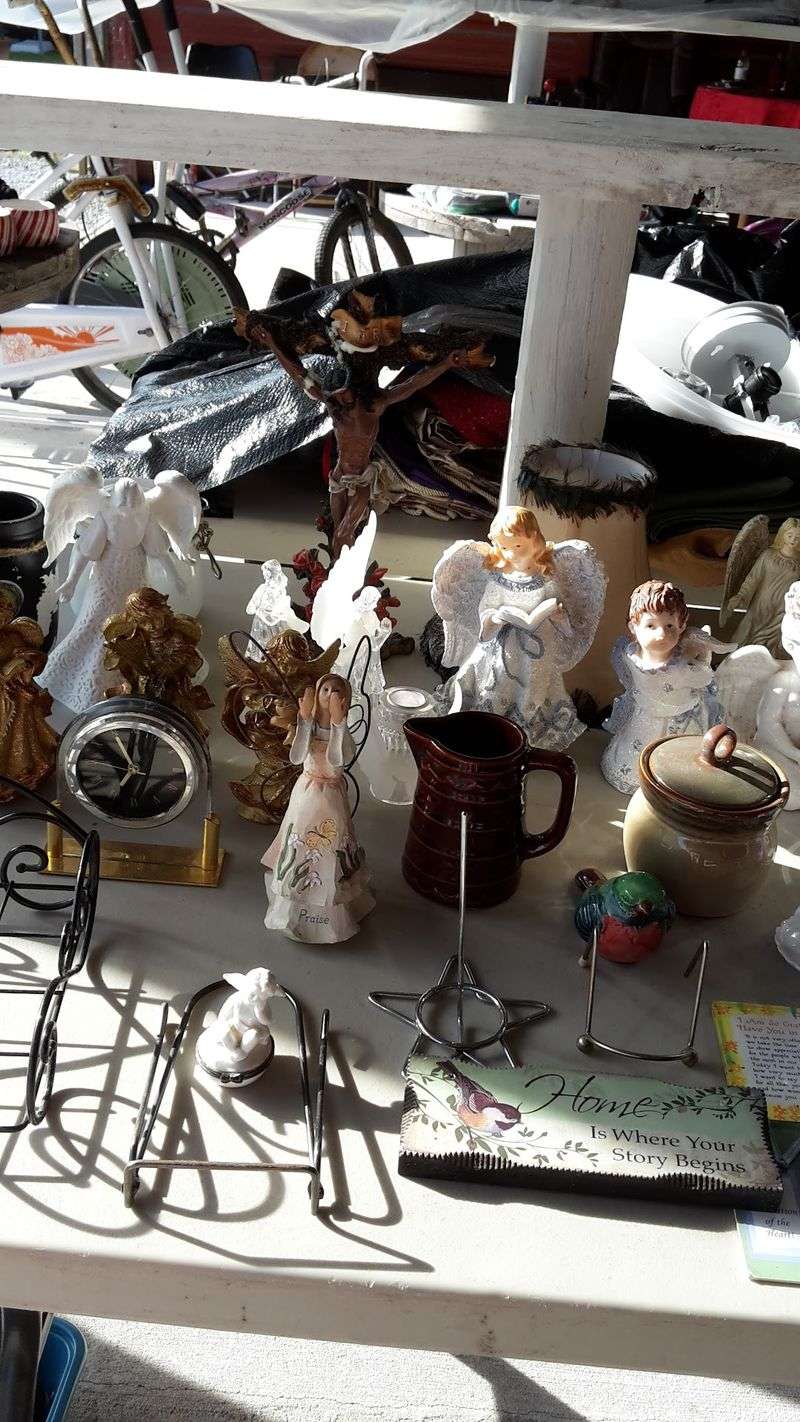
Craft booths offer a quieter way to meet the festival. Alongside the food and performances, vendors have brought arts, crafts, and souvenirs to the celebration.
The selection changes with the people who sign up, which makes browsing more interesting than searching for a particular item you saw in an old photo.
Ask makers about their work when they are free to talk, and handle displayed pieces only with permission. If you plan to buy something, keep payment options handy; vendors may not all accept the same methods.
Even a short walk through the booths gives your group a pause from the louder events. Look for items that connect to Abbeville or cattle culture if you want a reminder of the trip.
A useful or handmade purchase can carry more meaning than a quick snapshot, especially when you know who made it.