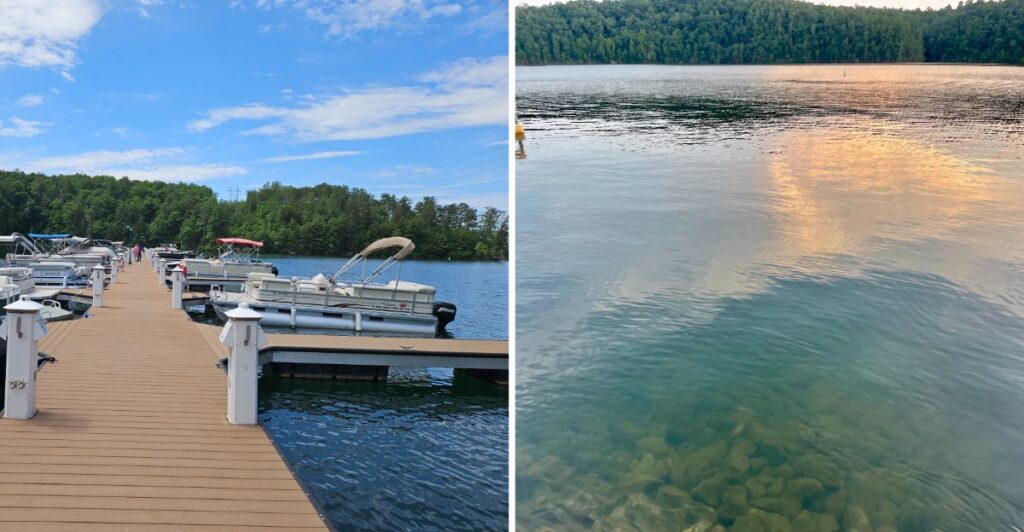
Here is the trouble with a lake this easygoing: every ambitious plan starts sounding negotiable.
You may bring the kayak or lace up for a trail, but then you find a quiet stretch of shoreline, sit down for five minutes, and suddenly nobody is campaigning to move. Honestly, I would not fight it.
The wooded Blue Ridge foothills give this Virginia lake plenty of scenery without demanding a full-day expedition.
Fishing works when you want something to do, swimming can take over when the weather cooperates, and a picnic has every chance of lasting much longer than expected.
That is the kind of lake day I can get behind. No race, no checklist, and no reason to manufacture a busy afternoon.
If everyone is perfectly happy by the water, why exactly are we leaving?
One Hundred Miles Of Mostly Natural Shoreline
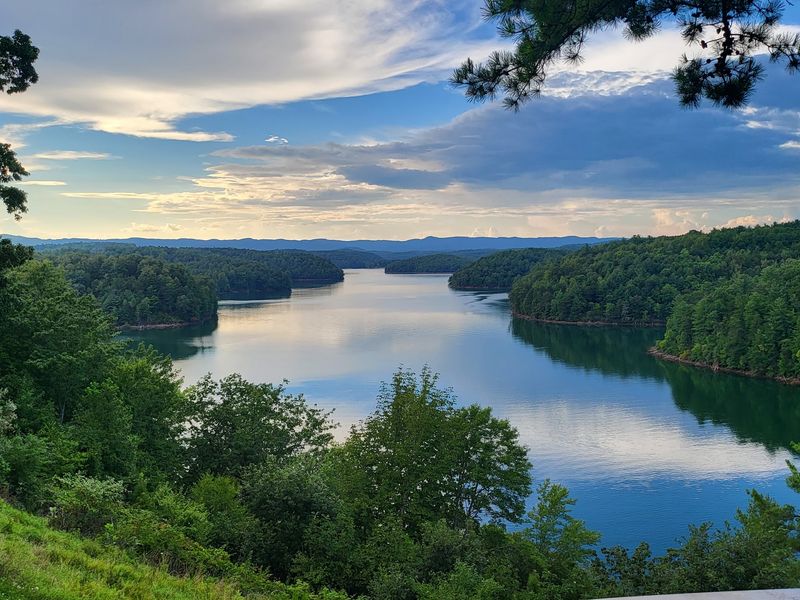
Roughly 100 miles of shoreline give Philpott Lake room to bend, curve, and open into wooded coves. The lake covers close to 3,000 acres, and much of the surrounding edge remains forested rather than lined with dense development.
Recreation areas sit around different parts of the lake, with boat launches, trails, picnic areas, beaches, and campgrounds offering several ways to shape the day.
That spread gives visitors room to build the outing around one main activity instead of treating the lake like a single central destination.
Trees descend toward the water, hills rise behind them, and narrow inlets break up larger stretches of open lake.
Weekdays can be a practical choice for anyone hoping for a quieter outing. On warm weekends, an earlier arrival can make planning around swimming and picnic areas easier.
Stay near a developed recreation area if convenience matters most, or explore farther by boat or paddlecraft. The shoreline keeps changing as you move, making even a short trip across the water feel like a different view around every bend.
Clear Water Changes The Entire First Impression
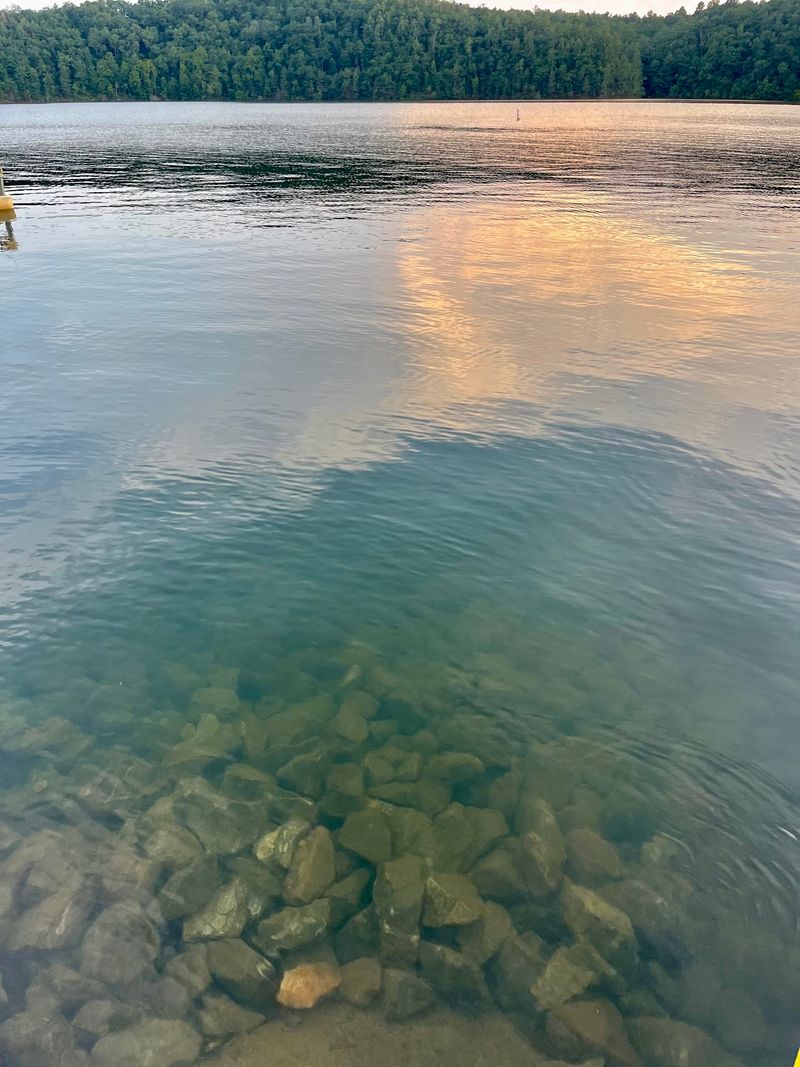
Clear water is one of Philpott Lake’s defining natural features. On calm mornings, the surface can look almost glassy, with the wooded hills reflected across long stretches of blue and green.
That clarity adds something extra to simple lake activities. Wading near a designated swim area feels different when the water is easy to look into. From a kayak or canoe, sunlight can reach below the surface and make shallow areas easier to see.
Conditions naturally vary after rain and through different seasons, but clear water remains part of the lake’s identity.
Polarized sunglasses can help cut glare and make shoreline details easier to see. They are especially useful from a dock, shoreline edge, or paddlecraft when sunlight is reflecting directly off the surface.
The surrounding setting helps, too. Philpott Lake sits in the foothills of the Blue Ridge Mountains, with forested slopes rising beyond the water instead of flat horizons.
iThe lake’s normal conservation pool is about 974 feet above sea level, high enough to give the area a gentle mountain character without requiring a high-elevation drive.
Fall can add another layer of color as the surrounding hardwoods change, though timing varies from year to year.
For practical planning, the Visitor Assistance Center near the dam can be useful before exploring farther.
It is located at 1058 Philpott Dam Road, Bassett, VA 24055, and typically operates from April 1 through October 31, with weekday hours from 8 a.m. to 4 p.m. and weekend hours from noon to 5 p.m.
Blue Ridge Foothills Frame The Lake
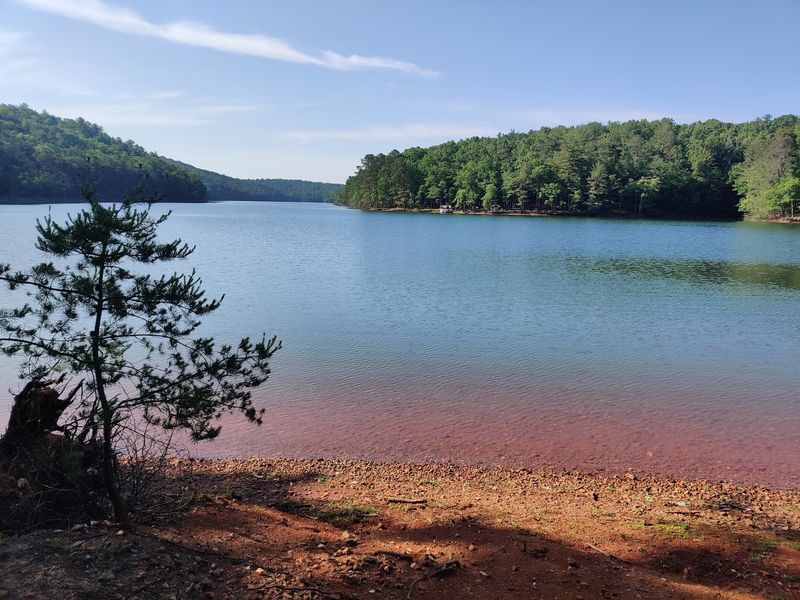
The Blue Ridge setting is more than a background detail. It shapes the roads around Philpott Lake, the views from the water, and the trails that move through the surrounding woods.
Many sections feel enclosed by green hills. Morning mist can settle over the ridges, while afternoon light changes the view across the slopes.
Hiking and biking add an easy way to see the area beyond the shoreline. Trails move through forested terrain and give visitors a chance to trade water views for shaded stretches beneath the trees.
Depending on the route, glimpses of the lake appear between branches and along higher points.
Pick one trail, then leave time for a picnic or shoreline stop afterward. That creates a more relaxed rhythm and leaves room to change plans if the weather, water, or scenery pulls you in another direction.
Birds and other wildlife add interest along the lake and forested trails, especially when the pace stays slow.
Late-day light gives the hills and water a different look from the morning. That change can make an afternoon hike or shoreline stop feel distinct from the first part of the day without requiring a completely different destination.
Quiet Coves Reward A Slower Day On The Water
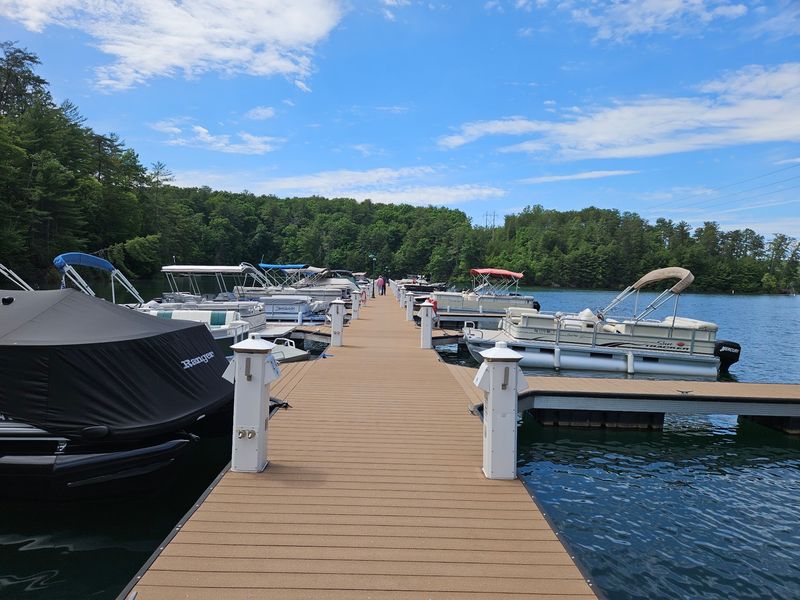
The lake’s winding shoreline creates plenty of sheltered coves and narrow inlets. For paddlers and boaters, those sections can provide a calmer contrast to the larger stretches of open water.
Several recreation areas provide boat access, though facilities and seasonal availability vary. That makes it smart to decide where you plan to launch before arriving rather than circling the lake looking for an entrance.
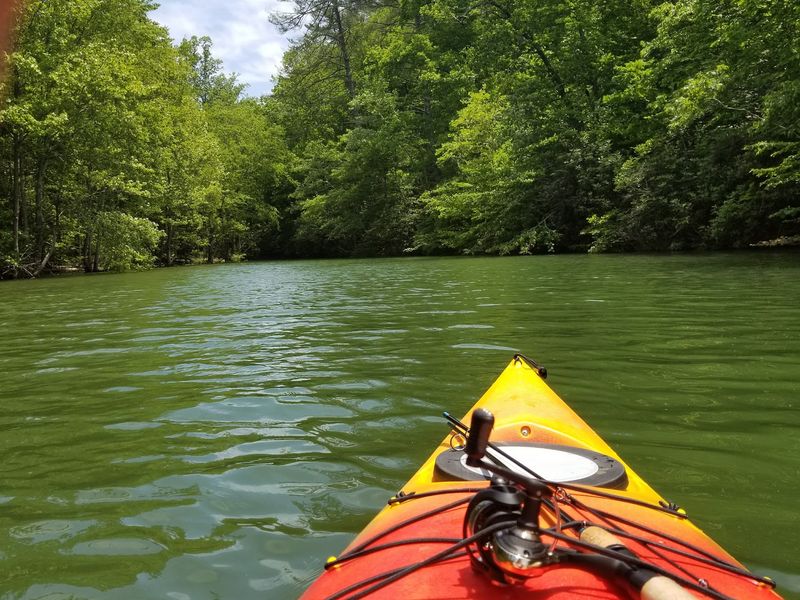
Kayaks and canoes are especially well suited to slower exploration. A paddle close to wooded banks gives you time to notice changing water depth, overhanging branches, rocky edges, and the way the shoreline curves out of sight.
Motorboats cover more ground, while paddling keeps the pace slower. A canoe or kayak also makes it easier to linger near the edges of coves where the shoreline turns more wooded and enclosed.
Philpott Dam adds an important layer of history to the landscape. The dam was completed in 1952 as part of a federal project for flood control, and hydroelectric generation became another major function of the site.
Recreation later became an important use of the lake and surrounding public lands.
Developed facilities sit alongside long stretches where water, hills, and forest still dominate the view.
Bring enough drinking water, sun protection, and food for the time you expect to spend out. A quiet cove can make it very easy to lose track of the afternoon.
Swimming And Paddling Keep Summer Simple
On a hot day, the easiest plan may be the most appealing one: find a designated swim area, claim a picnic spot, and let the lake handle the rest.
Philpott Lake has developed recreation areas with swimming access, including sandy beach areas. Picnic facilities nearby at some locations make it practical to split the day between the water and lunch without moving the car.
Life-jacket loaner racks are available at parts of the lake, though availability can vary. Bringing properly fitted flotation gear from home remains the easier option, especially for children and less confident swimmers.
A kayak or canoe can turn the shoreline into a route of its own, especially early in the day.
The clear water gives paddling an extra visual element. In shallower sections, the paddle blade can disappear beneath the surface while the bottom remains visible below. That small detail is part of what makes a slow lap along the shoreline feel like more than exercise.
Swimming can also fit into a camping weekend. Some recreation areas combine camping with access to other lake activities, which makes it possible to spend less time driving once you arrive.
Because facilities follow different seasonal schedules, check the specific recreation area before leaving home.
On hot weekends, an earlier start gives you more time to settle in before the warmest part of the day.
Fishing Gives You Another Reason To Stay Longer

Fishing adds a completely different rhythm to Philpott Lake. Instead of moving constantly, the day can revolve around one shoreline spot, one quiet cove, or one slow pass by boat.
The lake supports largemouth bass, smallmouth bass, walleye, bluegill, crappie, and catfish. That variety gives anglers several options depending on season, technique, and experience.
A valid Virginia fishing license is required for most anglers, and current state rules should guide the trip. Limits, seasons, and regulations can change, so checking them before heading out is more useful than relying on old habits.
Boat access opens more water, while shoreline fishing can keep the outing simple. That choice lets anglers decide whether they want to cover more of the lake or settle into one area and let the morning unfold at a slower pace.
Early hours bring cooler air, softer light, and occasional mist over the surface.
Pack a chair, bring what you need, and settle in rather than moving constantly from one activity to another. A fishing morning can easily become part of a larger lake day, with a picnic, trail walk, or paddle following later.
A Full Day Can Stay Surprisingly Uncomplicated
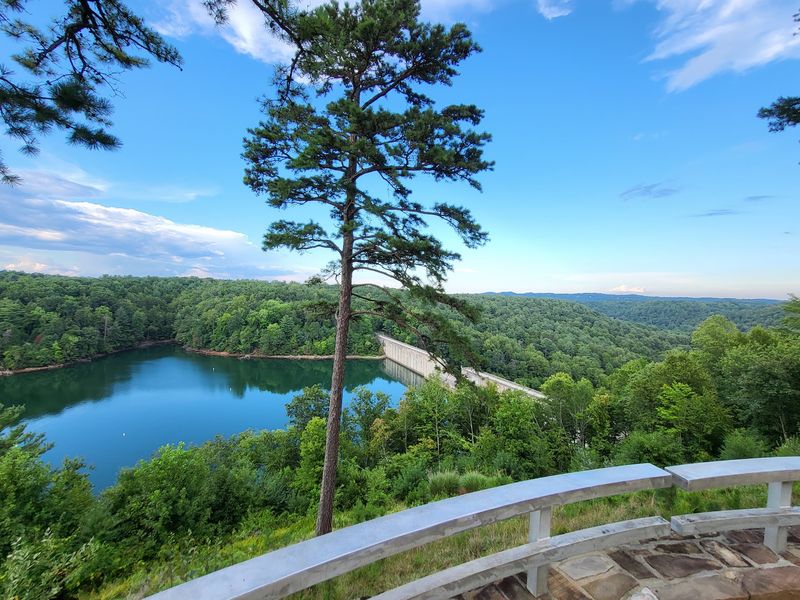
Philpott Lake gives you room to change plans. Start with a swim, move to a trail, spend an hour paddling, or simply keep the picnic going longer than expected.
Camping, hiking, biking, boating, fishing, swimming, and picnicking all fit within the larger recreation area, but there is no reason to stack them into one exhausting day. Choosing two or three usually creates a better pace.
Twin Ridge Recreation Area is open year-round, while several other facilities around the lake operate seasonally. That matters most outside the main warm-weather months, when one recreation area may be available while another is closed or offering fewer services.
Because the lake spans three counties, pick the access point that best matches the day’s main activity rather than trying to circle the whole shoreline. A little planning up front can save unnecessary driving once the day has started.
That approach leaves more time for the details that make Philpott memorable: clear water beside the shore, wooded hills reflecting across the surface, a quiet paddle into a cove, or an afternoon that stretches a little longer because nobody feels rushed.
There is enough here for a full day without turning Philpott Lake into a race. Choose your pace, check the seasonal facilities, and let the water set the rhythm.