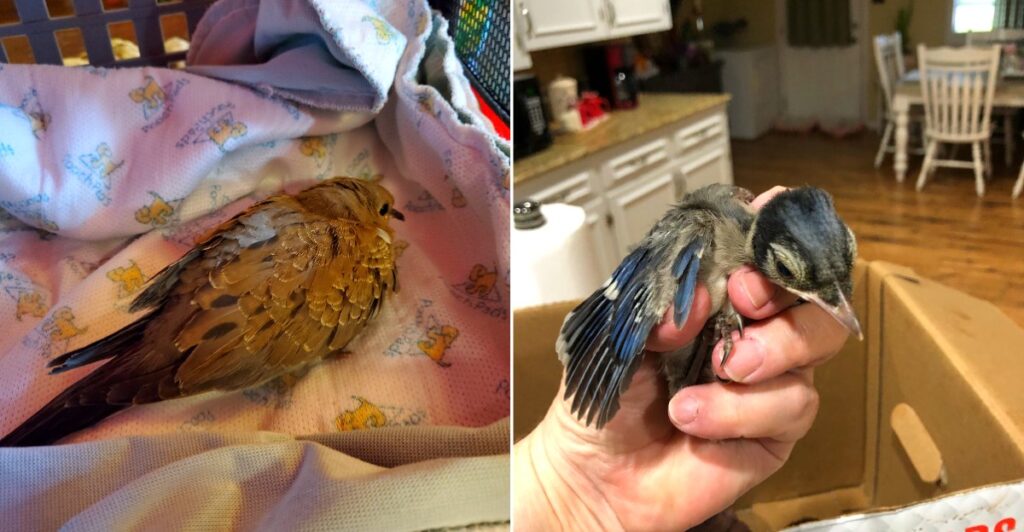
A wildlife rescue visit begins differently from most outings: the goal is not entertainment, but helping a frightened bird get another shot at the sky. In Lafayette, this nonprofit works with injured, ill, and orphaned wild birds while teaching people how to respond without causing more stress.
That balance between care and education gives the place a quiet sense of purpose. For wildlife lovers in Louisiana, few local organizations make bird rescue feel this immediate, practical, and deeply connected to the community.
What stays with me is the reminder that good intentions are not always enough. Sometimes the kindest move is to pause, call first, and let trained hands take over.
The rescue’s work turns small emergencies into second chances, and that makes every successful release feel bigger than one bird. It is a thoughtful stop that leaves you noticing the wildlife around you with sharper eyes and care afterward.
Cambridge Drive Is The Last Quiet Turn
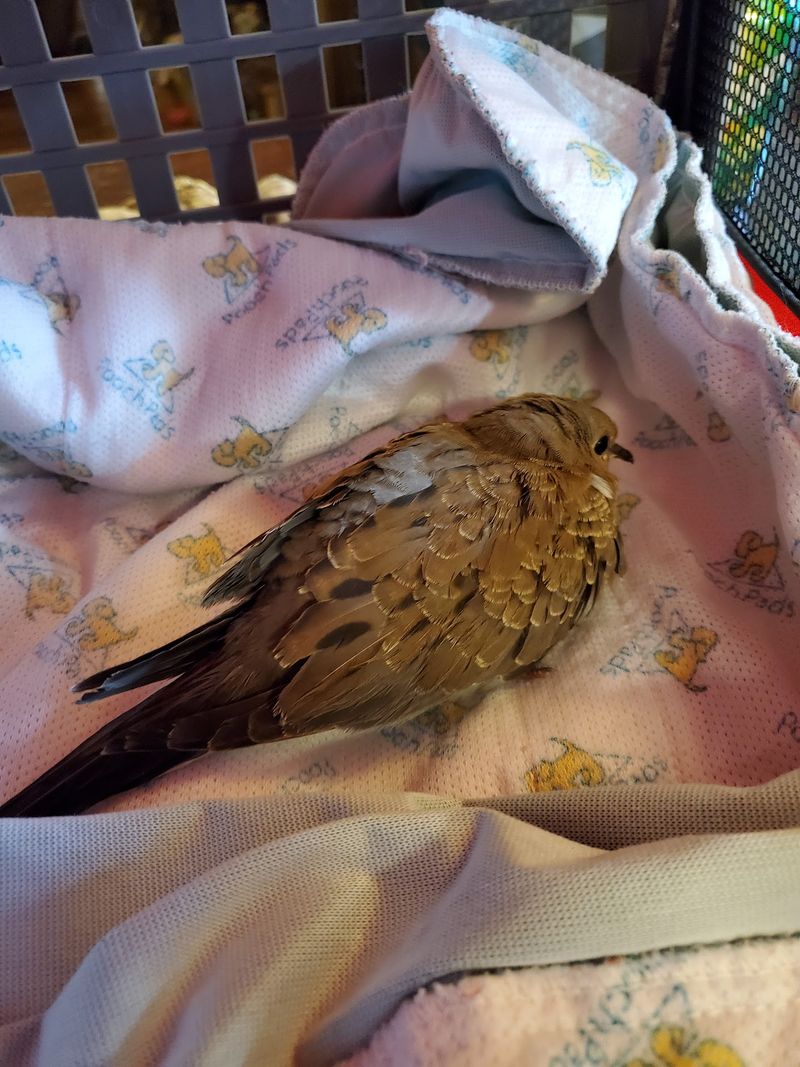
For The Birds of Acadiana receives injured and orphaned birds at 216 Cambridge Drive in Lafayette, Louisiana. Cambridge Drive is the final approach, with the rehabilitation facility tucked into a quieter residential-looking stretch rather than a commercial wildlife center.
The last few blocks feel understated, so there is no giant roadside sign or visitor complex to wait for. Once you reach the 200 block of Cambridge Drive, slow down and use the house numbers to place the correct drop-off point.
Pull in only after calling or texting ahead, then follow the team’s instructions for handing over the bird. This is a rehabilitation drop-off rather than a walk-in attraction, so the final arrival is about getting the animal safely to the facility, not finding a public visitor entrance.
Leave Snacks And Water Out Of The Rescue
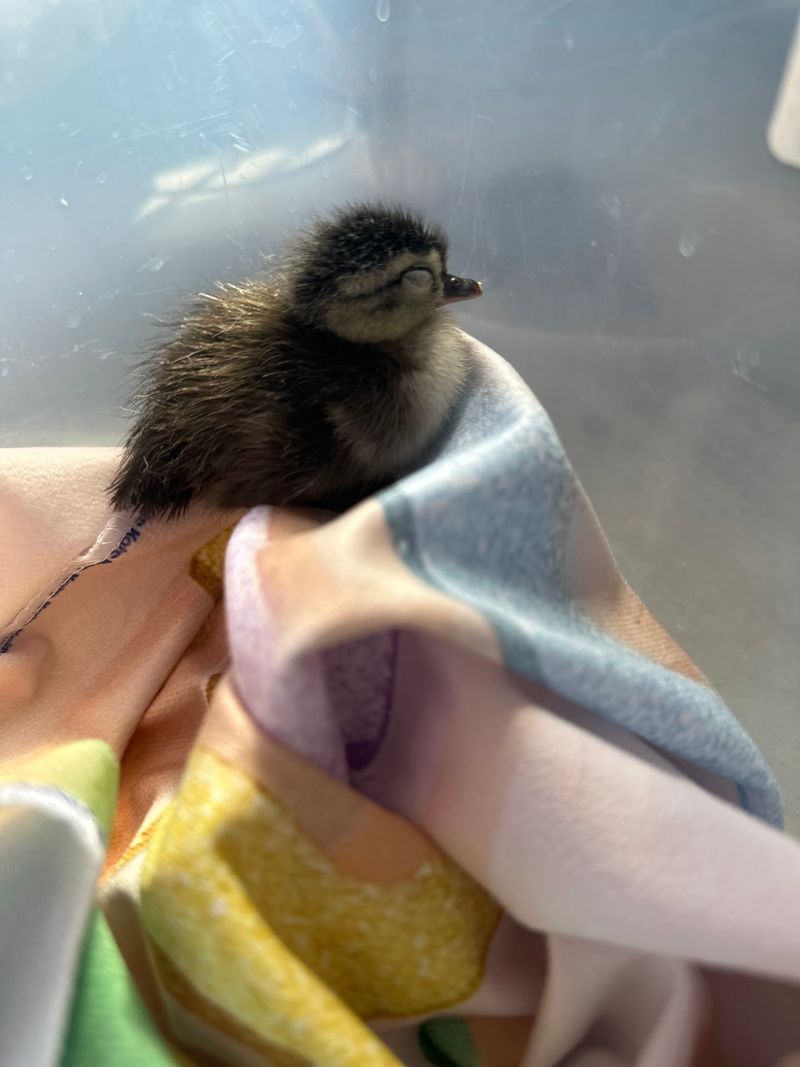
A kitchen spoon can look helpful when a bird seems weak, but feeding is not the first step. For The Birds of Acadiana advises finders not to give injured birds food or fluids before receiving professional guidance.
A stressed or injured bird can inhale liquid into its airway, a danger called aspiration. The wrong food or an unsuitable feeding method can create another problem on top of the original injury.
Skip the bread, seeds, milk, and improvised drinks. Instead, contact the rescue and describe the bird’s condition without trying to solve its diet yourself.
Waiting can feel strangely inactive, especially when every instinct says to offer something comforting. In this case, restraint is useful care: it leaves feeding decisions to people who understand the species, its injuries, and what its body can safely handle during recovery and treatment.
Give A Frightened Bird Some Breathing Room
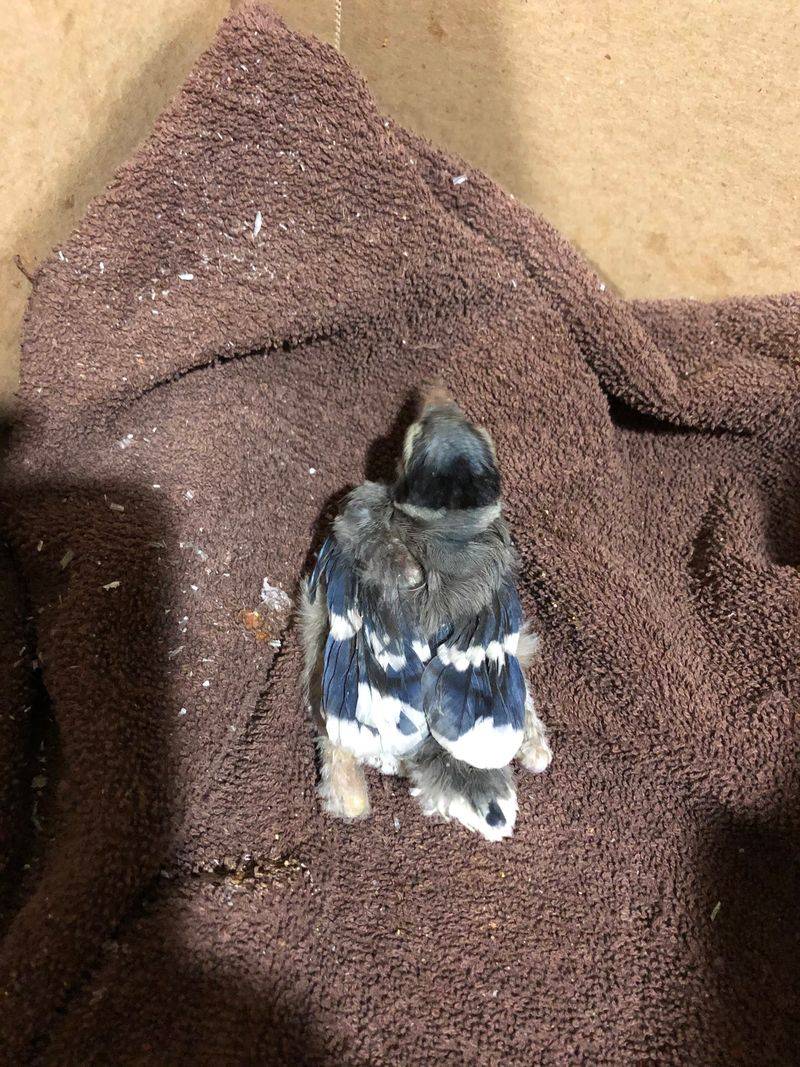
Quiet is not much of a souvenir, yet it may be the kindest thing you can offer. An injured wild bird needs fewer disturbances, not a circle of curious faces leaning in for a closer look.
The rescue specifically urges people to keep children and pets away. Even a friendly dog or an excited child can add stress to an animal that already feels vulnerable.
Ask others to step back while you contact For The Birds of Acadiana. Take a useful photo only if you can do so without crowding, chasing, or repeatedly moving the bird.
Follow the team’s instructions about whether and how to contain it. Avoid turning the rescue into a photo session, and remember that a still bird is not necessarily a relaxed bird; reducing attention helps keep the situation manageable until professional guidance arrives.
Plan A Handoff Rather Than A Tour
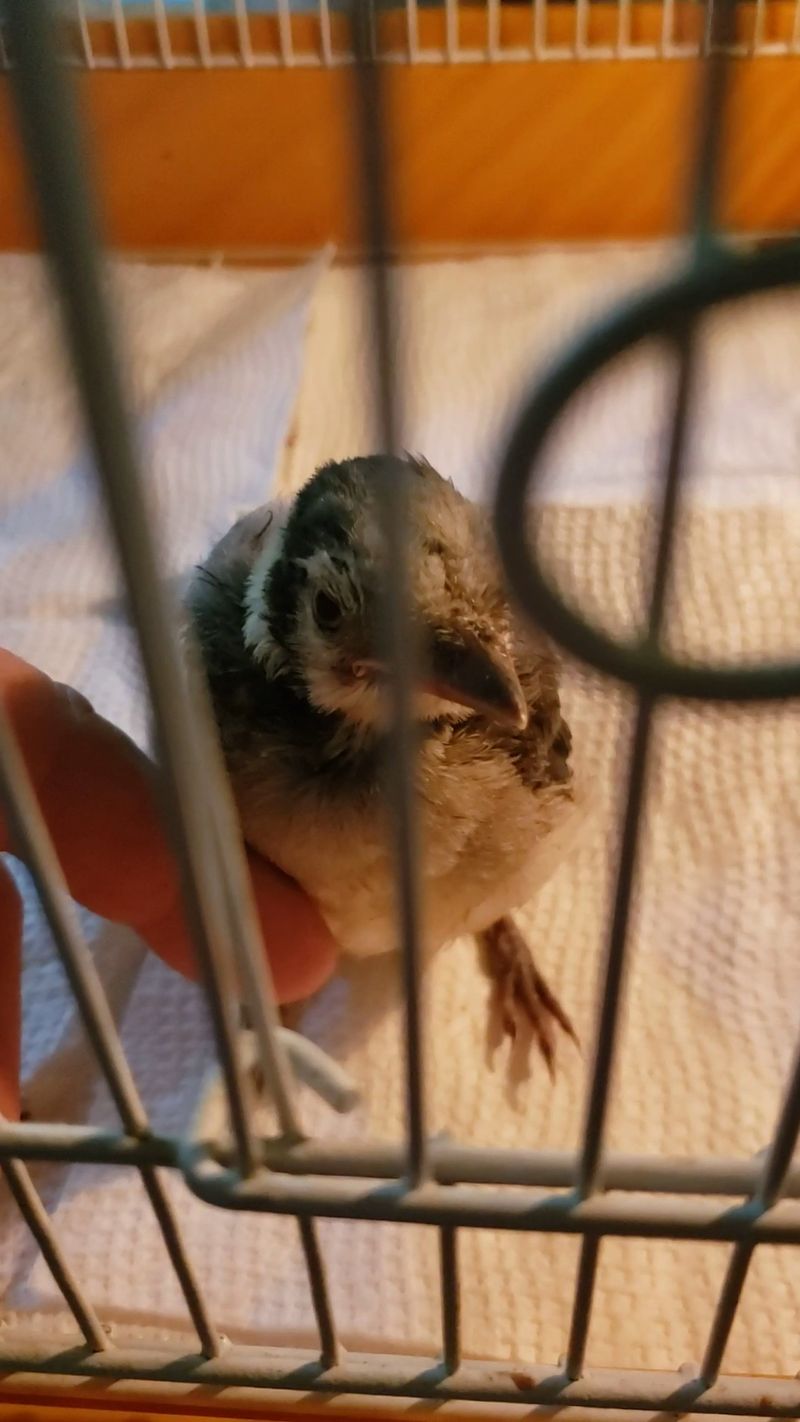
Think care appointment, not sightseeing stop. For The Birds of Acadiana lists bird drop-off hours of 7 AM to 7 PM, seven days a week, but that schedule should not be mistaken for an invitation to wander through treatment areas.
Call ahead to confirm current arrangements and explain what you are bringing. The organization does not provide offsite rescues or pickups, so transport needs to be discussed rather than assumed.
If you cannot safely move the bird, say so before attempting anything. Large birds, sharp bills, and strong feet can turn an eager rescue into an injury for the finder.
Keep your visit focused on the handoff and the information the team needs. A wildlife rehabilitation facility serves its patients first, and respecting that purpose is a better travel habit than trying to turn every address into an attraction.
Ask About Pelicans And Owls Before Handling
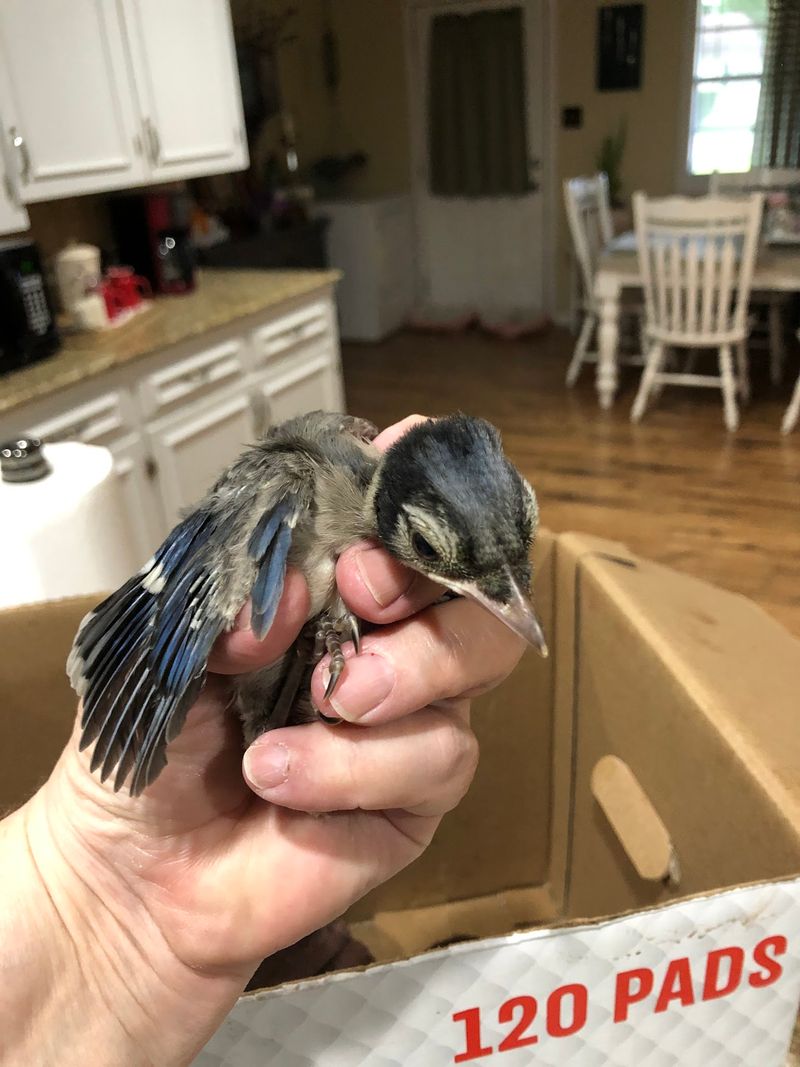
A pelican’s bill and an owl’s feet deserve more respect than a towel and good intentions. The title’s larger birds are a reminder that wildlife rescue is not a task where confidence can replace proper instructions.
For The Birds of Acadiana works with native and migratory birds, including waterbirds and songbirds. However, the care pathway for a particular species may involve guidance or referral to another qualified rehabilitator.
Ask whether the rescue can accept the bird before setting out. Describe its size and appearance, and send a photo from a safe distance if possible.
Never assume that every bird belongs in the same carrier or requires the same handling. Let the team direct the next step, particularly with owls and pelicans, whose strength and defenses make an improvised capture risky for both people and the birds themselves.
Check Whether A Young Bird Needs Help
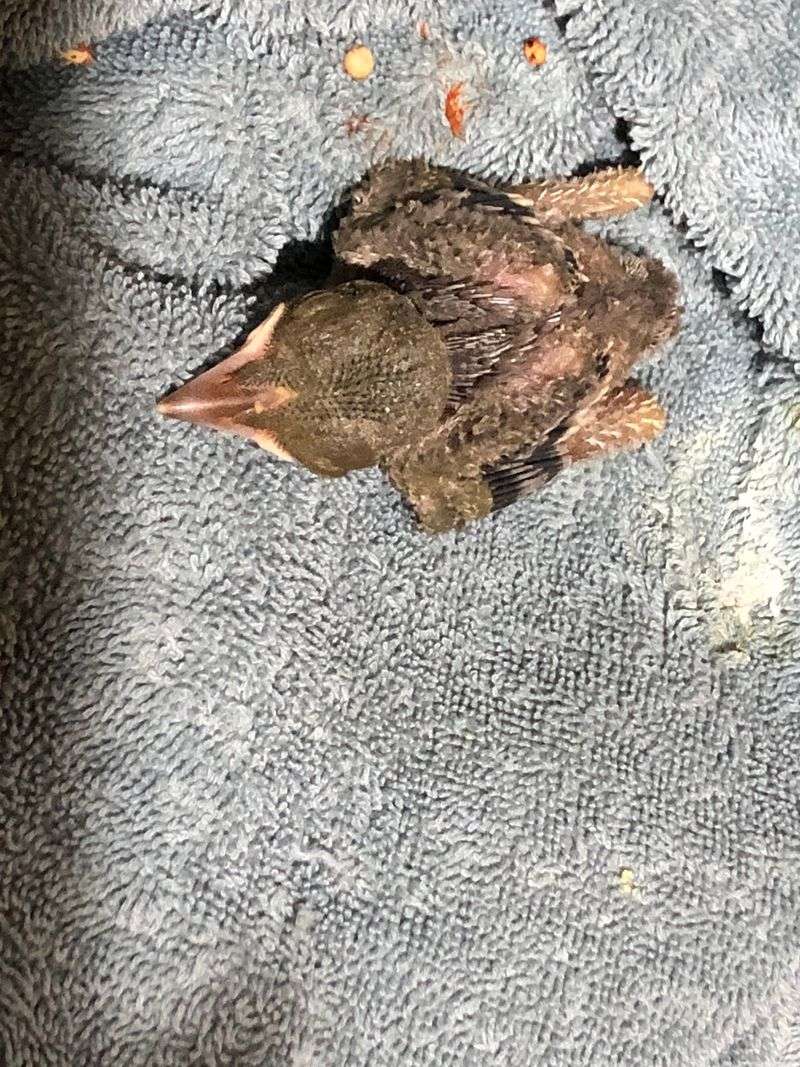
Small does not always mean abandoned. Young birds can trigger an instant rescue response, but a bird on the ground may need assessment before anyone decides to carry it away.
For The Birds of Acadiana helps finders sort out injured, ill, and possibly orphaned birds. Send a photo and explain whether the bird has feathers, appears hurt, or faces an immediate threat.
A feathered fledgling may spend time outside the nest while its parents continue caring for it. That general rule does not settle every case, so let the rescue advise you about the specific situation.
Keep pets back and avoid repeated handling while seeking guidance. The useful question is not simply whether the bird looks tiny, but whether it actually needs intervention; getting that distinction right can preserve family care instead of accidentally interrupting it during a vulnerable stage.
Notice The Person Behind The Mission
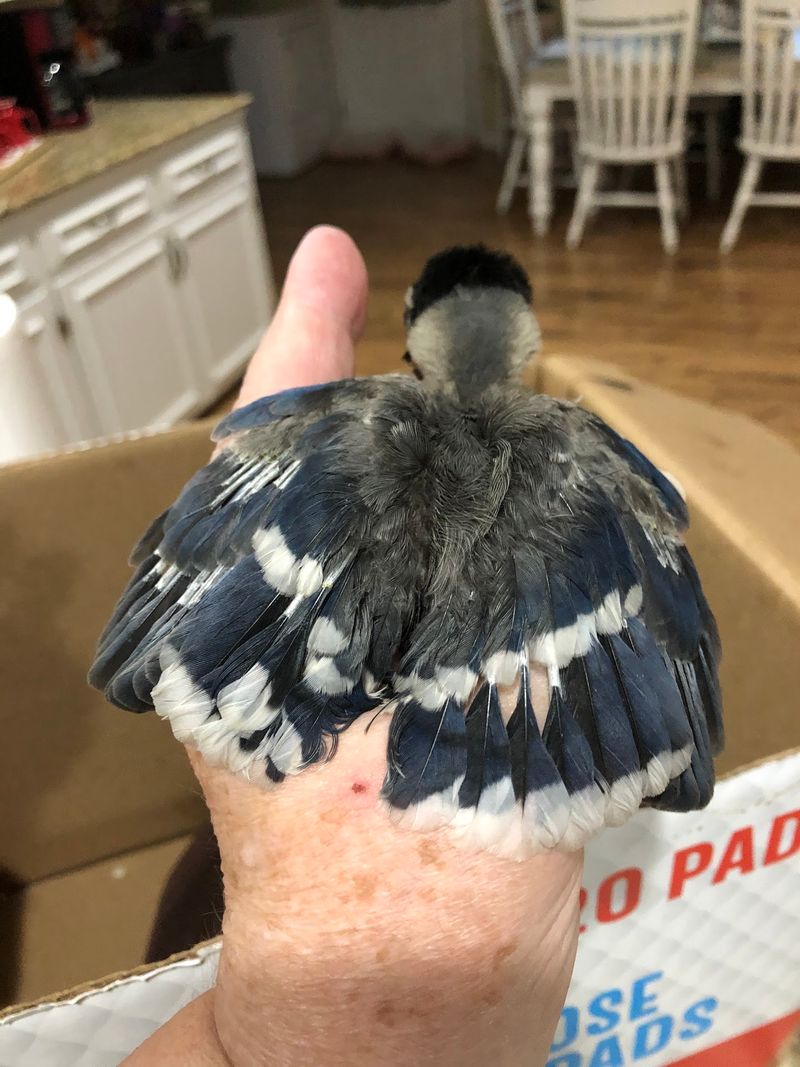
Not every conservation story begins with a grand plan. Founder and director Julie Rabalais came to this work after selling her boutique, Jewelie’s, and becoming a Master Gardener, while seeking a purposeful activity from home.
That background gives the organization a distinctly local thread: a change in personal direction became a service for Acadiana’s wild birds. Its mission combines rescue, rehabilitation, and release with public education about bird conservation.
Knowing that story makes the practical rules easier to understand. The request to call first, the warning against feeding, and the focus on safe handoffs all support a serious care mission.
When contacting the rescue, keep your message clear and your expectations realistic. Appreciation is welcome, but useful details about the bird are the best opening; they help turn a concerned person’s discovery into a plan for appropriate care.
Measure Success By A Return To The Wild
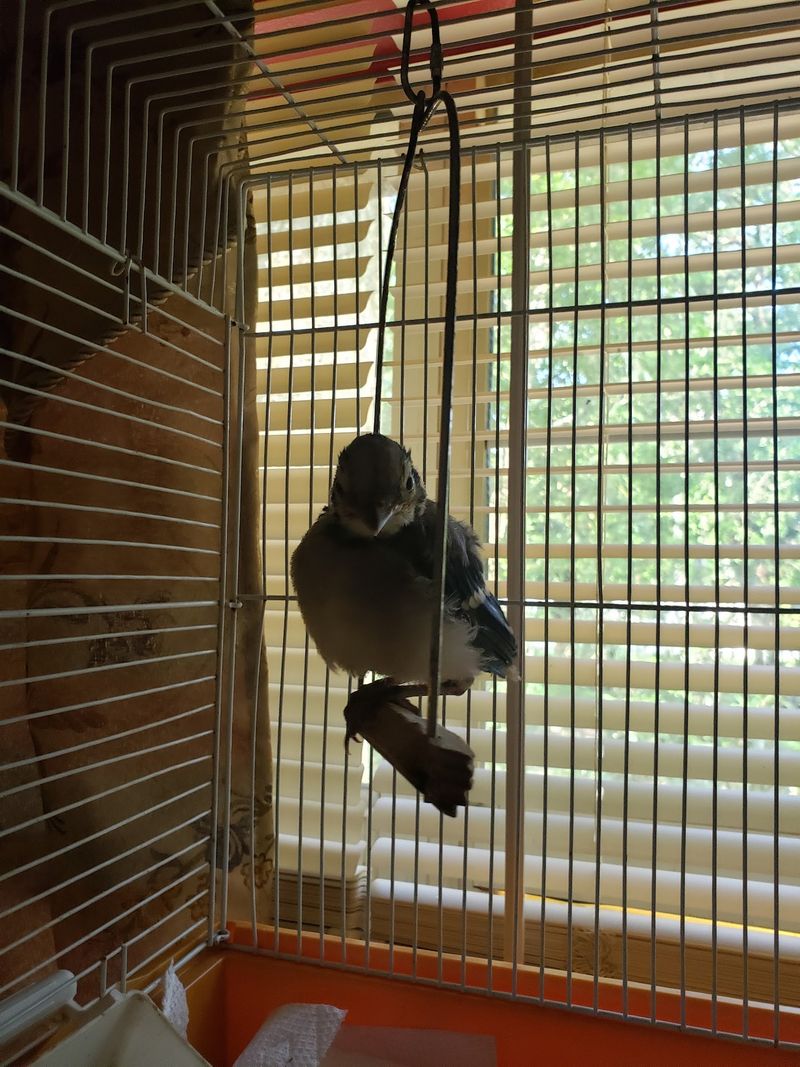
The best ending here is an empty space where a recovered bird used to be. For The Birds of Acadiana aims to release patients back into the wild when their condition allows, rather than keep them for public display.
Rehabilitation involves assessing injuries, reducing stress, and providing care suited to each species. Release requires a careful judgment about whether a bird is ready for life beyond human help.
Recovery is not guaranteed, and a dramatic arrival does not promise a happy ending. Respect that uncertainty when asking about a bird you have brought in.
Avoid expecting a visit with the patient or a release invitation unless the organization specifically offers one. The real measure of the work is the bird’s welfare, not the finder’s access, and sometimes the most supportive role is simply to give the care team room.
Make A Donation That Supports Daily Care
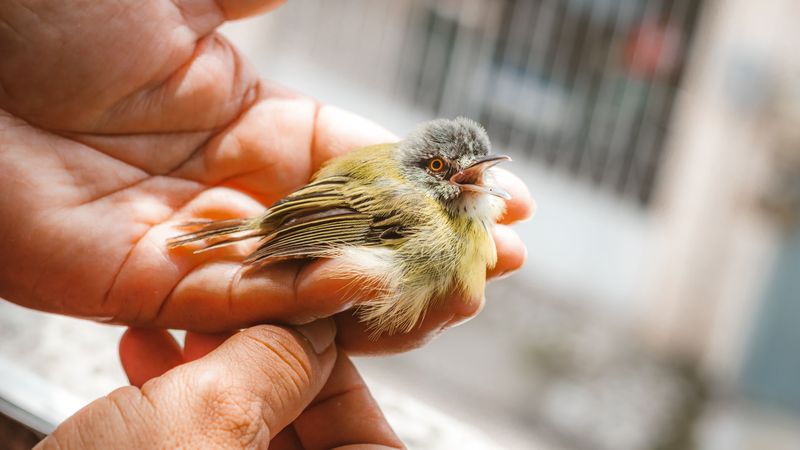
A second chance has a price tag, even when the patient has no wallet. For The Birds of Acadiana is a 501(c)(3) nonprofit that relies on public donations and reports receiving no state or federal funding.
The supplied information estimates that rehabilitating one wild bird can cost between $100 and $300. Food, supplies, and ongoing care turn a single rescue into more than a quick act of kindness.
Use the organization’s official website to check current donation options. If you prefer giving supplies, ask what is needed before arriving with a bag of items that may not suit its patients.
A modest contribution still supports the mission, and regular giving can make help more predictable. There is no need for a grand gesture; practical generosity is a useful way to stay involved after the bird has left your hands.
Look Beyond One Bird To The Flyway
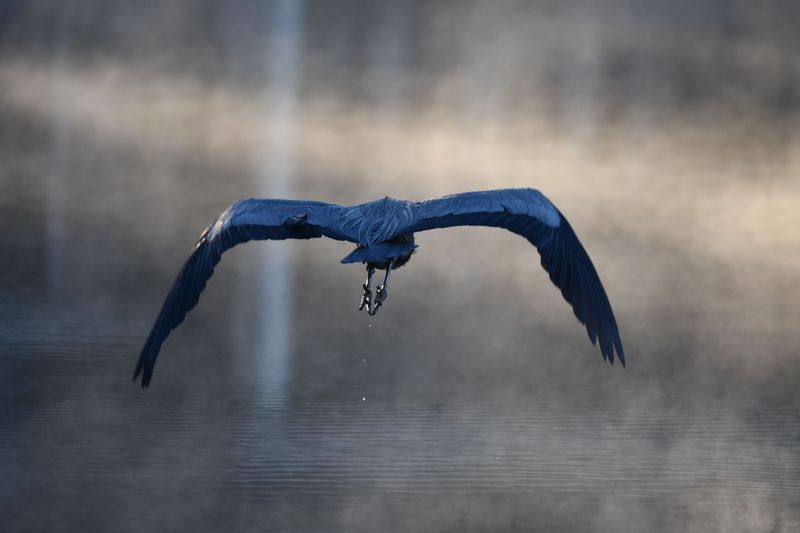
One injured songbird belongs to a much larger map. Louisiana lies along the Mississippi Flyway, an important migration route, and its habitats provide places where traveling birds can rest and find food.
For The Birds of Acadiana’s work connects individual patients with that wider movement. Helping native and migratory birds means caring for animals whose journeys may extend far beyond a Lafayette neighborhood.
Keep that scale in mind without treating every patient as a migrant. The rescue also serves birds that live locally, and each species has its own habits and needs.
After contacting the organization, carry its conservation message into ordinary choices: watch wildlife without crowding it, keep pets from threatening birds, and learn about safe habitat practices. The most meaningful connection to the flyway may begin with how carefully you treat the bird nearest your own doorstep.
Save The Number Before Trouble Appears
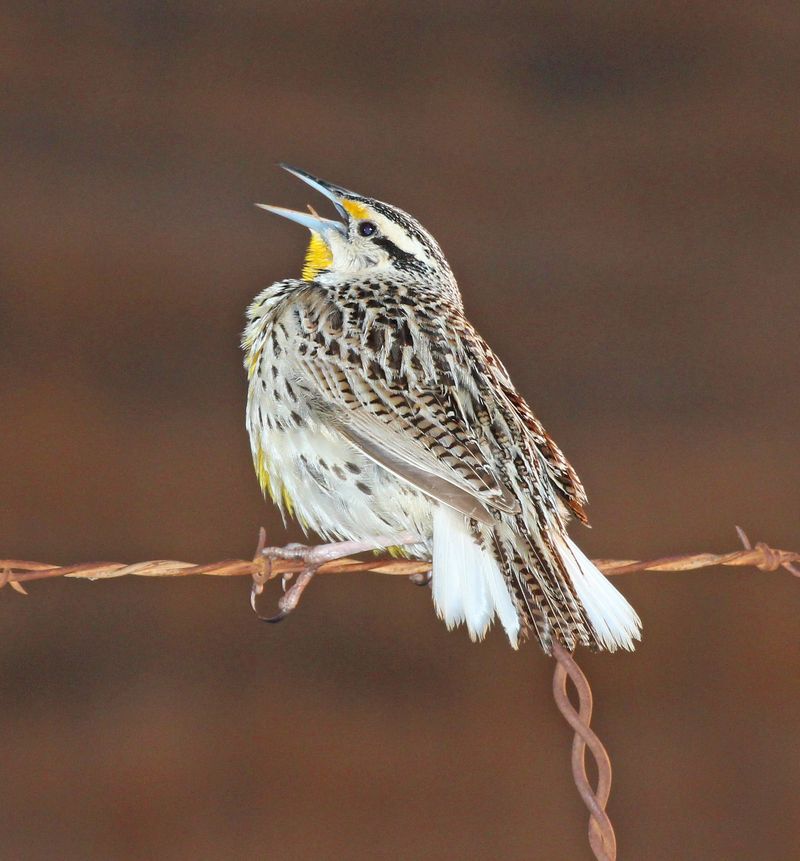
Preparation is wonderfully dull until the moment it becomes useful. Save For The Birds of Acadiana’s number, (337) 501-4523, before a roadside discovery or garden surprise leaves you searching with one hand and worrying with the other.
Add the official website, forthebirdsofacadiana.com, to your notes as well. Check current instructions there and confirm the drop-off location directly, especially because the supplied address and map listing differ.
Share the contact with traveling companions, but keep the basic advice attached: call first, do not feed or give fluids, and keep children and pets away. A number without context is only half a plan.
There is no need to seek out an injured bird to make the rescue part of your Lafayette awareness. Knowing where to turn, and when to leave wildlife alone, is a quiet but valuable kind of local knowledge.