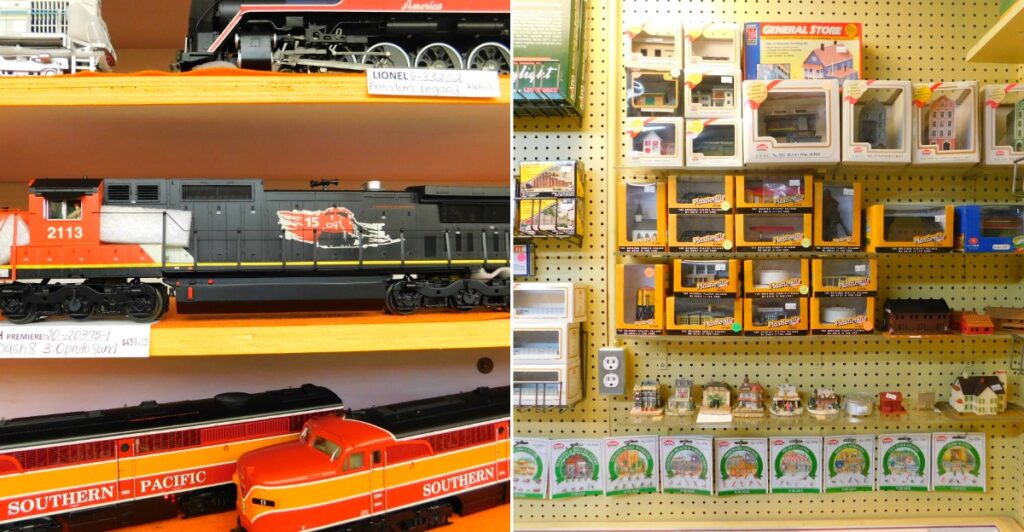
A tiny locomotive can derail an afternoon in the best possible way. In Ponchatoula, more than 4,000 square feet of model trains, miniature scenery, spare parts, and older finds turn a simple shopping stop into something closer to a hobbyist treasure hunt.
Detailed layouts reward anyone willing to slow down, whether you are building your first railroad or searching for one stubborn missing car.
For model train fans, Louisiana offers a wonderfully immersive stop where miniature worlds, vintage pieces, and hands-on hobby supplies can keep curiosity running for hours.
What I like most is how easily the scale tricks your brain. One minute you are checking track dimensions, the next you are studying a tiny town as if you might miss its evening train.
Bring measurements if you are shopping seriously, keep some budget discipline, and leave extra time for browsing. The smallest displays here can inspire surprisingly big project ideas.
A Big Shop Rewards A Slow First Lap
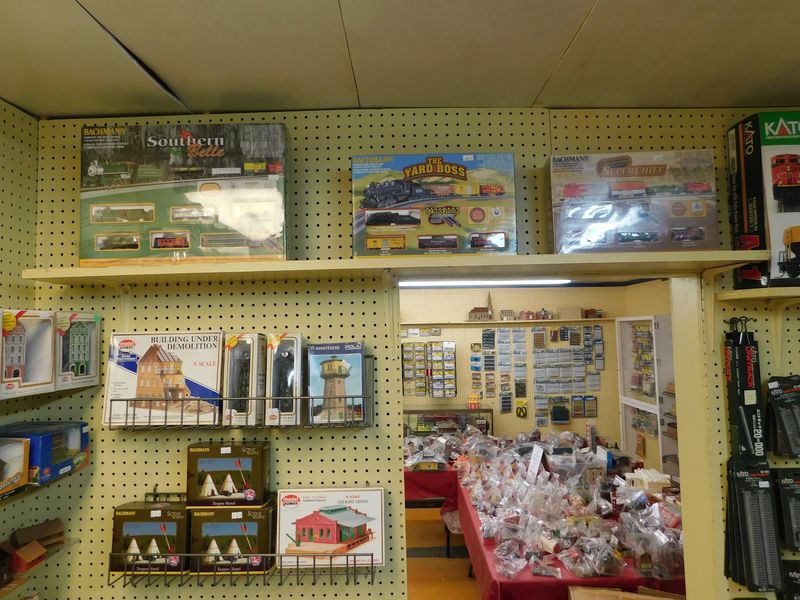
More than 4,000 square feet gives small trains a fairly large stage. Electric Train Depot’s reported floor space helps explain why a quick stop can become a longer visit.
There are trains, accessories, tools, and scenery to consider, rather than one simple shelf of starter sets.
Begin with an unhurried look around before choosing anything. Notice where different scales and supplies are located, then return to the areas that match your interests.
That first pass can keep you from spending your whole visit in the first appealing corner.
Bring a short shopping list, but leave space for discoveries. A missing track section may be your main goal, while a building or passenger car sparks your next project.
The useful balance is browsing freely without forgetting what your home layout actually needs or what your budget allows.
The Railroad Crossing Sign Is The Giveaway
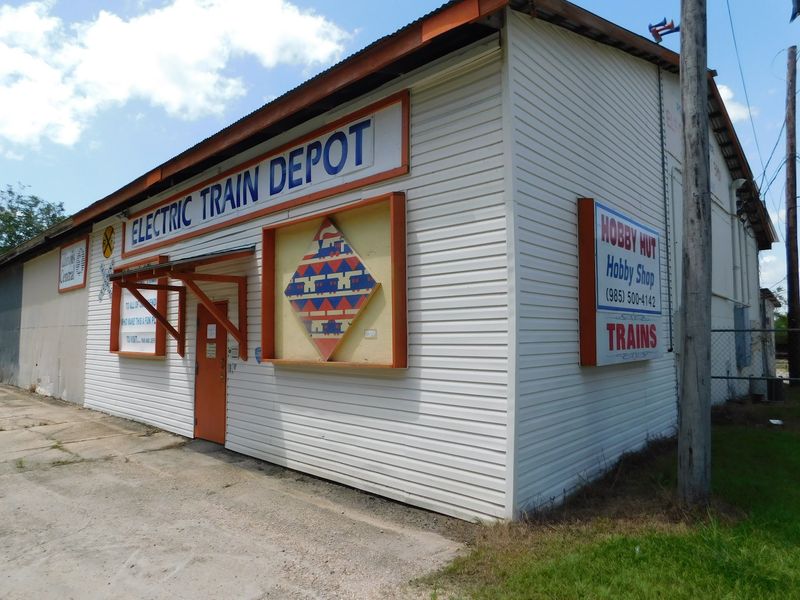
Electric Train Depot sits at 1111 Southwest Railroad Avenue in Ponchatoula, Louisiana, just outside the compact downtown core. Southwest Railroad Avenue gets you into the right area, with Tower Road handling the final approach beside the rail corridor.
The last clue is hard to miss once you are close. The storefront faces Tower Road, and the railroad-crossing-style Electric Train Depot sign out front fits the setting so well that it practically does the navigating for you.
Pull into the property and use the customer parking beside the shop, then head toward the Tower Road-facing entrance. From there, it is only a few steps from the car to the train-filled showroom.
Know Your Scale Before Falling For An Engine
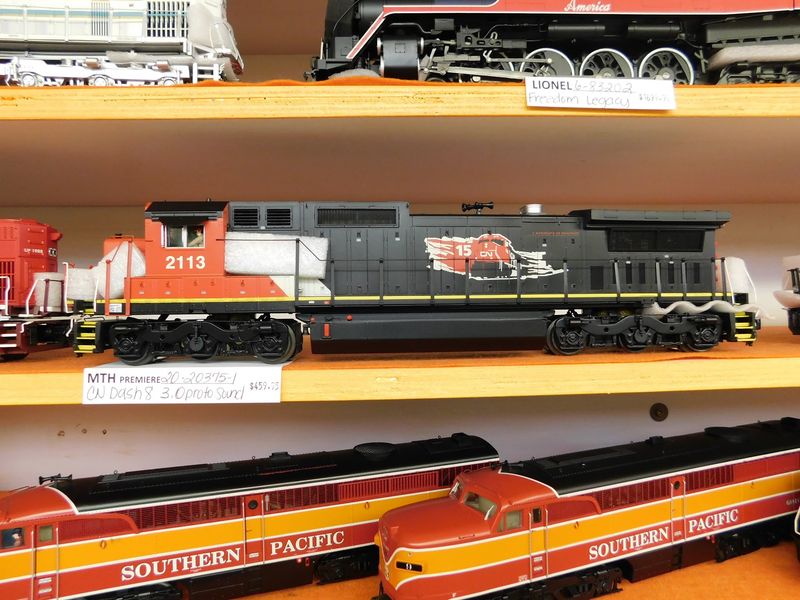
That handsome locomotive needs more than a place in your heart. It also needs the right track, power system, and room to turn.
Electric Train Depot carries models across several scales, including small N scale and larger G scale, so checking compatibility belongs near the top of your list.
Photograph your existing equipment before visiting. Include a locomotive label, your track, and the power supply information if possible.
Those details give staff something useful to work with when helping you choose another piece.
For a first railroad, measure the space available at home and explain how you plan to use it. A permanent table and a temporary floor setup have different needs.
Resist choosing by size alone: curves, controls, storage, and handling all matter. The best purchase is one you can actually run and enjoy.
Four Walls Of O Scale Have Their Own Logic
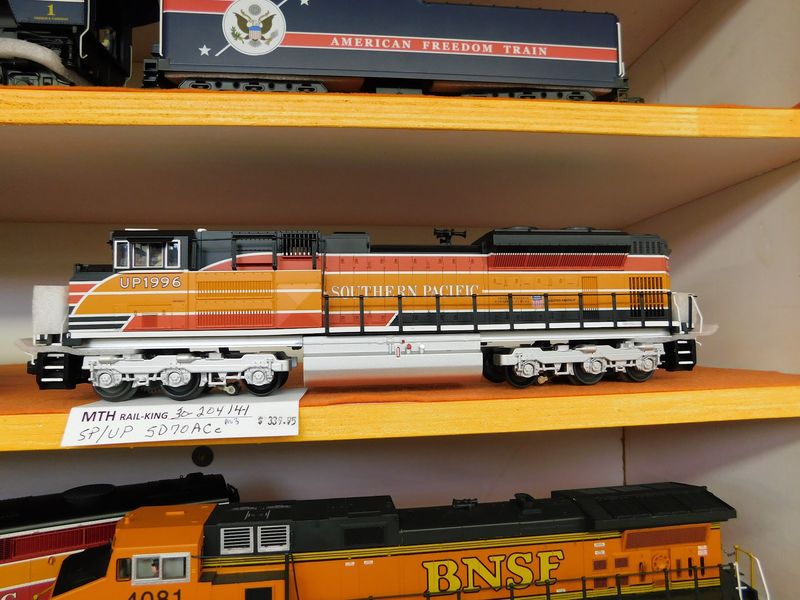
Railroad names can become a surprisingly useful shopping map. The shop describes its main room’s O scale selection as organized by road name across four walls.
For anyone collecting a particular railroad, that arrangement offers a clearer starting point than searching every box in sight.
Look for your preferred road name first, then compare engines and cars within that group. Matching paint schemes can be satisfying, but check the model’s features and condition too.
Similar colors do not guarantee that two pieces will work together.
If you are adding to an existing train, bring its model number or a clear photograph. Ask about couplers, curve requirements, and controls before committing.
Organized displays make browsing easier, yet the final compatibility check still matters. A beautiful addition should earn its place on your track, not merely your shelf.
The Alpine Village Deserves A Closer Look
Mountains inside a Louisiana hobby shop make a memorable change of scenery. Electric Train Depot features an N scale alpine village built by local model maker Huey Husser.
The detailed scene occupies much of a large room, giving visitors plenty to study beyond the locomotives themselves.
Look at how buildings, slopes, and track fit together. Small scenes work best when their parts feel connected, and a display like this offers useful ideas for arranging your own miniature landscape.
Notice the spaces between features as well as the features themselves.
Ask permission before taking photographs, and keep hands away from the models. If a detail catches your attention, ask how a similar effect could be built at home.
You do not need an entire mountain range to borrow an idea; one convincing corner can transform a layout.
Watch What A Working Layout Can Teach
A moving train explains things a sealed box cannot. The shop has an operational layout, offering a chance to see model railroading as an activity rather than simply a collection.
If it is running during your visit, spend a few minutes observing before returning to the shelves.
Watch how the train handles curves and how the cars follow behind. Pay attention to the relationship between speed and the size of the scene.
These small observations can help you picture what would feel right on your own railroad.
Ask whether a particular feature relates to equipment you are considering. Do not assume every item for sale can be demonstrated, and let staff operate the display.
A working layout can still clarify your priorities: smoother operation, easier controls, or scenery that gives the train somewhere believable to travel.
Older Finds Call For A Careful Inspection
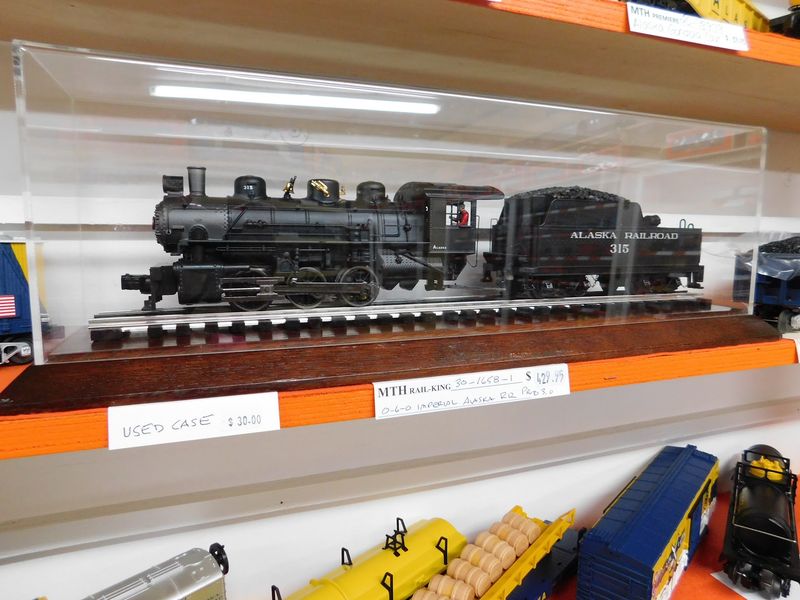
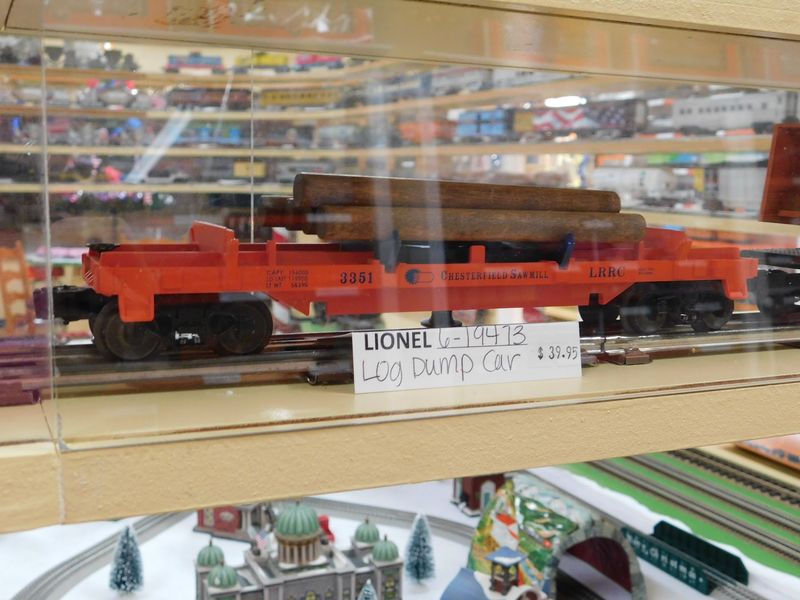
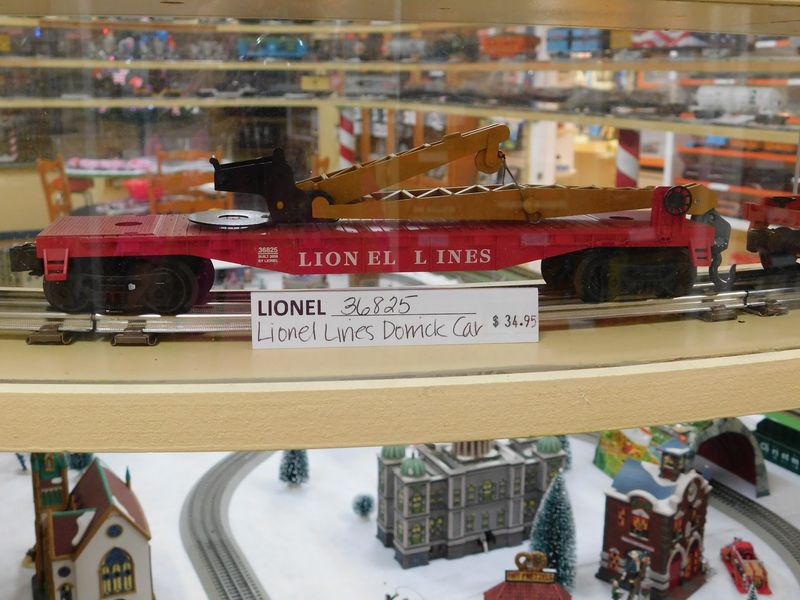
Yesterday’s model may be exactly what today’s collection is missing. Electric Train Depot specializes in rare and out-of-production train items, alongside newer stock.
Previously owned locomotives, buildings, and accessories give collectors another reason to browse patiently rather than judging the shop by its newest boxes.
Before buying an older piece, ask about its condition and whether it has been tested. Check for missing parts, damaged details, and packaging if those things matter to you.
A discontinued item can be appealing without being the right choice for your needs.
Decide whether you want a display piece or something for regular operation. Those goals lead to different questions about repairs, replacement parts, and compatibility.
Avoid treating age as proof of value. The satisfying find is one whose condition, purpose, and price make sense for your particular collection.
Small Supplies Can Solve Big Layout Problems
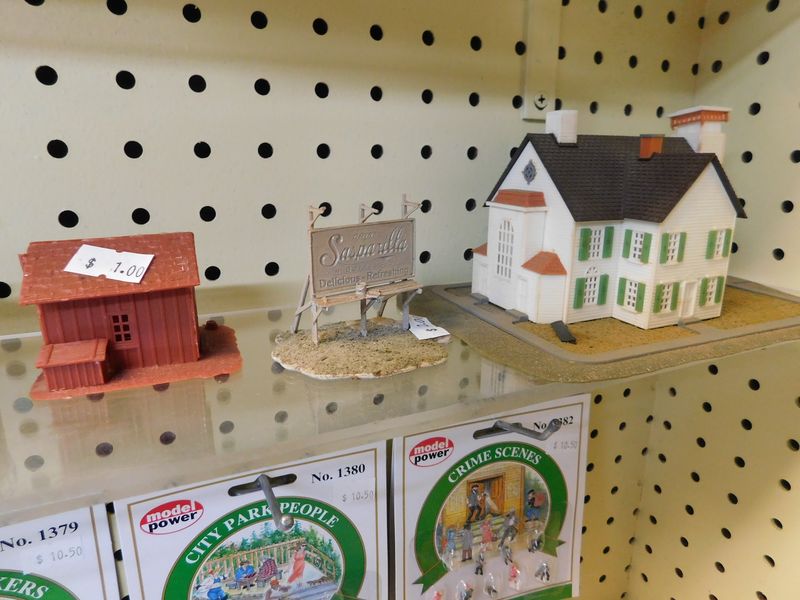
Sometimes the most useful purchase is not an engine at all. Electric Train Depot stocks track, hobby tools, scenery items, and accessories that support the less glamorous side of model railroading.
A modest supply can help finish a project that has been sitting unfinished for months.
Make a list of specific gaps before visiting. Perhaps you need another track section, a suitable building, or tools for a planned task.
Bring measurements and product details rather than relying on a memory of something that looked about right.
For scenery, choose one small area to improve instead of gathering materials for an entire imaginary town. Ask which supplies suit that task and your experience level.
Keeping the project manageable helps control spending and makes progress easier to see. Even a short stretch of track deserves a convincing setting.
A First Train Set Starts With Good Questions
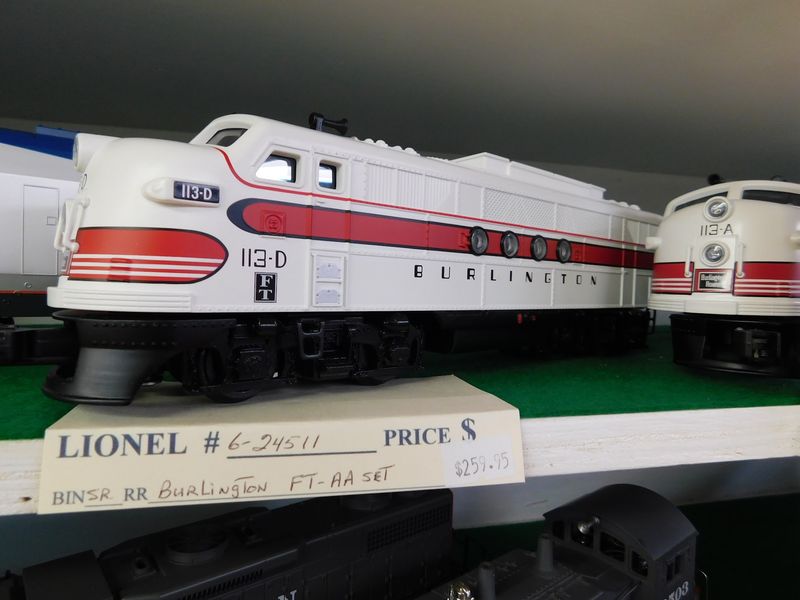
Beginners belong here just as much as longtime collectors. The shop carries complete ready-to-run sets and serves people choosing their first railroad, making it a useful place to ask basic questions without pretending to know every technical term.
Everyone starts somewhere, usually with a train that needs unpacking.
Explain who will use the set and where it will run. Ask what comes in the box, what else is needed, and how much adult help a younger user may require.
Packaging recommendations and staff guidance are better starting points than appearance alone.
When visiting with children, set clear browsing rules before entering. Small details can be fragile, and displays are not toys to handle freely.
Let curiosity lead the conversation while keeping purchases practical. A manageable first set leaves room for learning, instead of turning the hobby into homework.
Bring Clear Details When Asking About Repairs
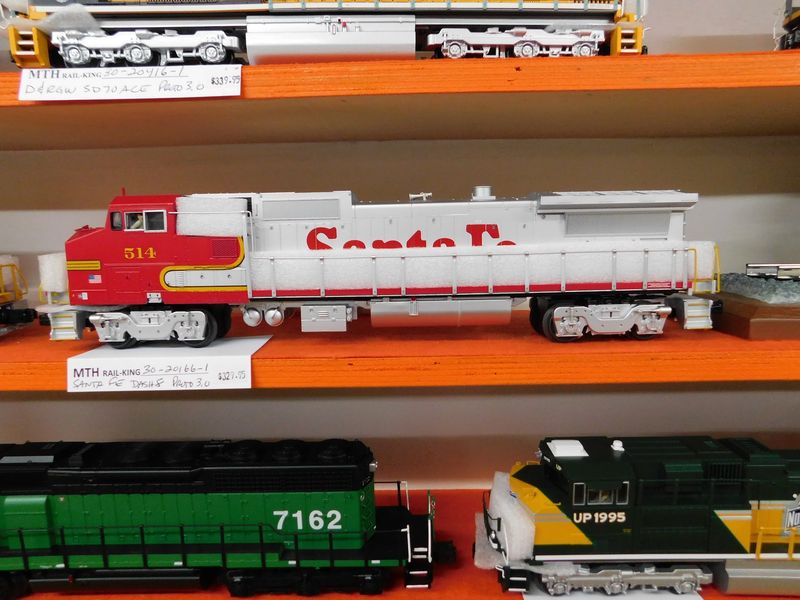
A stubborn locomotive does not always need replacing. Electric Train Depot offers repair services for various scales, along with advice on model railroad problems.
Before carrying a troublesome engine into the shop, call to confirm whether the staff can assess your particular model and what arrangements are needed.
Write down what happens when you try to run it. Does it stop, hesitate, or fail to respond?
Include the model number and details about your track and power system, since the trouble may involve more than the engine.
Ask about assessment costs, likely timing, and approval before any paid work begins. Avoid expecting an immediate repair during a browsing visit.
Clear information gives the conversation a useful starting point and helps you understand your options. Keeping a favorite train running can be more rewarding than buying another one.
Collection Trading Works Better With Preparation
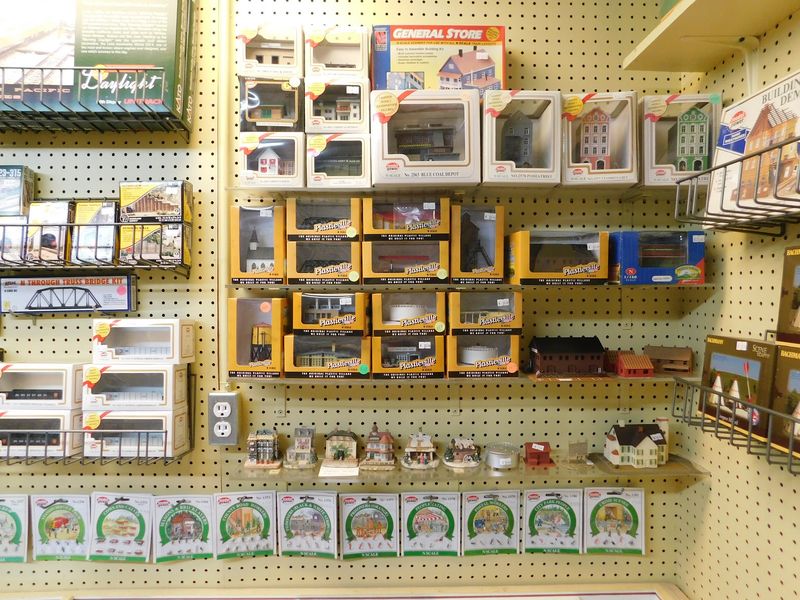
Collections sometimes outgrow their shelves, their owners’ interests, or both. Electric Train Depot buys, sells, and trades train collections, including estate collections.
That service makes the shop relevant not only to people building a railroad, but also to families deciding what to do with inherited equipment.
Contact the shop before loading boxes into your vehicle. Describe the collection’s size, scales, brands, and general condition, then ask what information is needed.
Clear photographs and a simple inventory can make the first conversation much more productive.
Keep engines, cars, paperwork, and original packaging organized where possible. Ask how an evaluation works and what options may be available, without assuming every collection will receive an offer.
Preparation protects delicate pieces and reduces confusion. It also helps everyone discuss the actual trains rather than guess what might be inside another box.