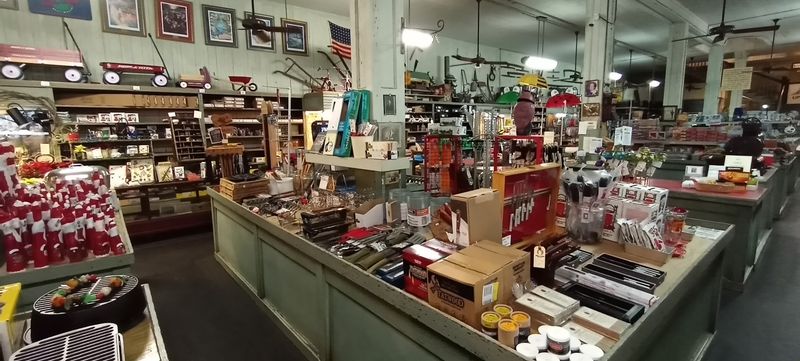
On Front Street in Natchitoches, you can buy a pound of nails and a Radio Flyer wagon in the same store, and the cash register that rings them up is more than 100 years old. Kaffie-Frederick General Mercantile opened in 1863 and is known as the oldest general store in Louisiana.
Half of it still works as a real hardware store, and the other half is filled with classic toys, gifts, and kitchen goods. It is a shop with a long memory, and it is still very much open for business.
Kaffie-Frederick At 758 Front Street
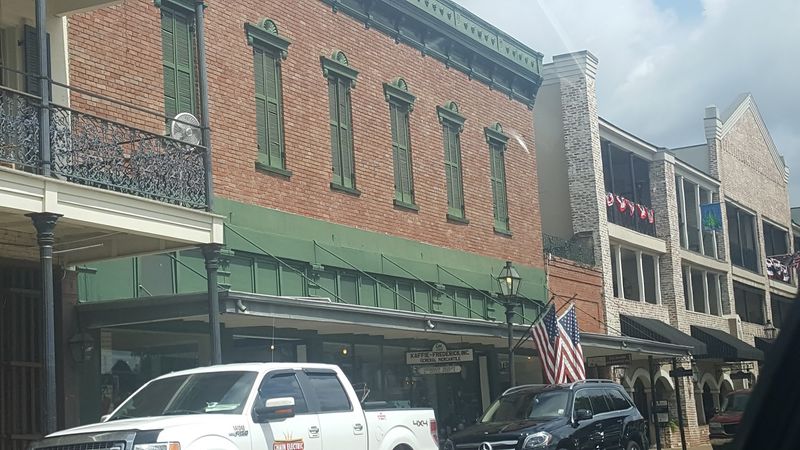
Front Street in Natchitoches runs along the Cane River, lined with ironwork balconies and old brick storefronts. At number 758 sits Kaffie-Frederick General Mercantile, a business that has been selling goods to this town since 1863.
That makes it the oldest business in Natchitoches and the oldest general store in Louisiana.
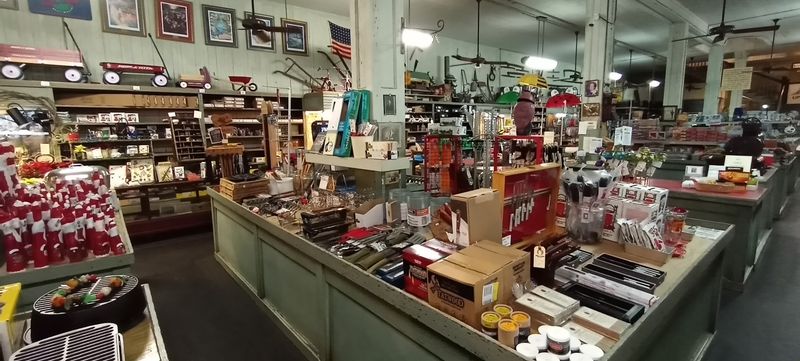
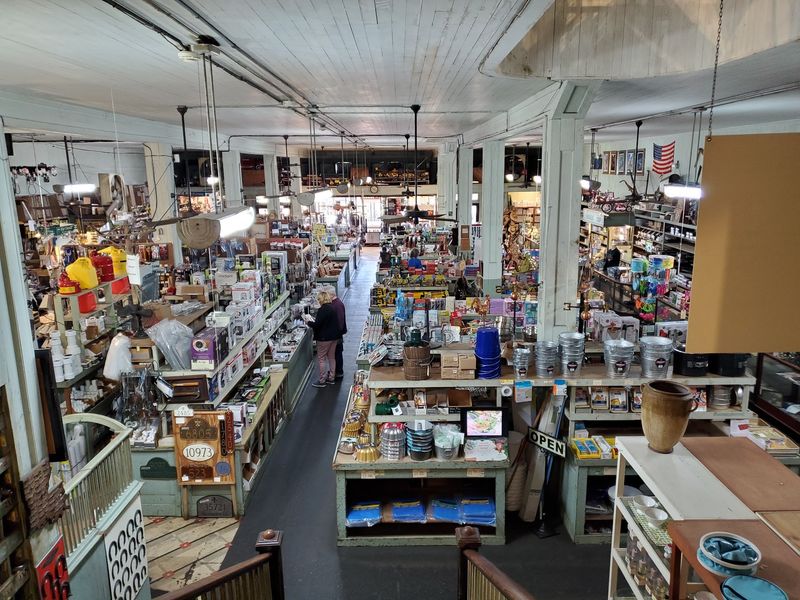
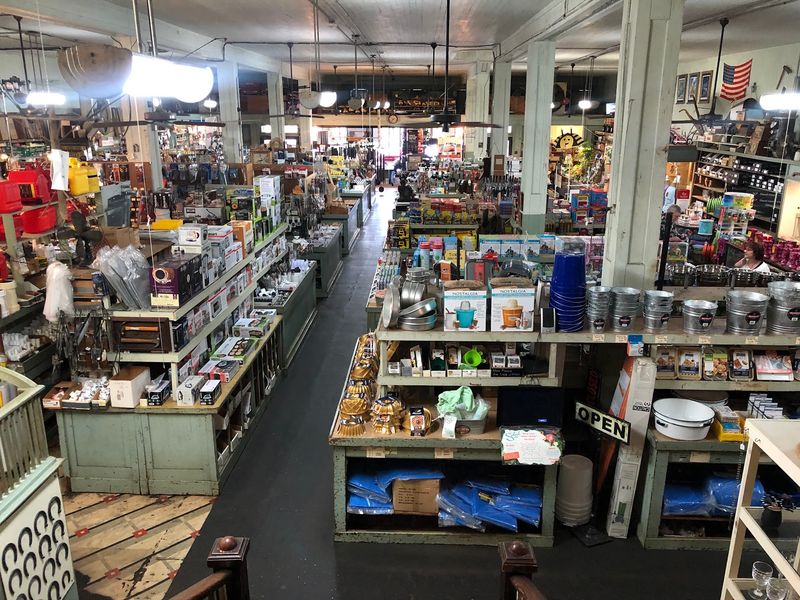
The sign on the maps app simply calls it a hardware store, and that is true as far as it goes. Roughly half the floor space holds tools, plumbing parts, cast iron, and the sort of small repair items that keep a house running.
The other half leans toward toys, gifts, home decor, and the kind of housewares people remember from a grandparent’s kitchen.
The mix is the point. One visitor summed it up neatly, noting you can buy PVC pipe in one area and pickle grabbers in another, with perfume, jewelry, kids’ toys, and saws all under the same roof.
The store has two floors, original fixtures, and working machinery that predates most of the buildings in a typical Louisiana subdivision.
Natchitoches itself dates to 1714, the oldest permanent settlement in the Louisiana Purchase territory. A store that has spent more than 160 years on its main street fits that kind of town.
Two Brothers, A Peddler’s Pack And A Wartime Start
Long before there was a building, there was a pack on somebody’s back. Adolph and Harris Kaffie were Jewish immigrants from Prussia who left their homeland to escape religious persecution and found a welcoming community in north Louisiana.
They started the way many merchants of that era did, going door to door. Their customers were often plantation households, and their goods were practical: needles, linens, and dry goods that were hard to come by in the countryside.
Selling in person meant knowing exactly what families needed, a habit that would shape the store for generations.
The brothers established their mercantile in 1863, in the middle of the Civil War. Opening a business during those years took nerve, since supply lines were unreliable and money was scarce across the South.
Still, the enterprise took hold, and the peddling route gave way to a fixed address in town.
That beginning matters when you walk in today. The modern store still runs on the same basic idea the Kaffies started with, stocking the useful things people actually need and adding a few items that make a household a little more pleasant.
The inventory has changed many times, but the instinct behind it has not shifted much at all.
An 1892 Building Lit By Skylights
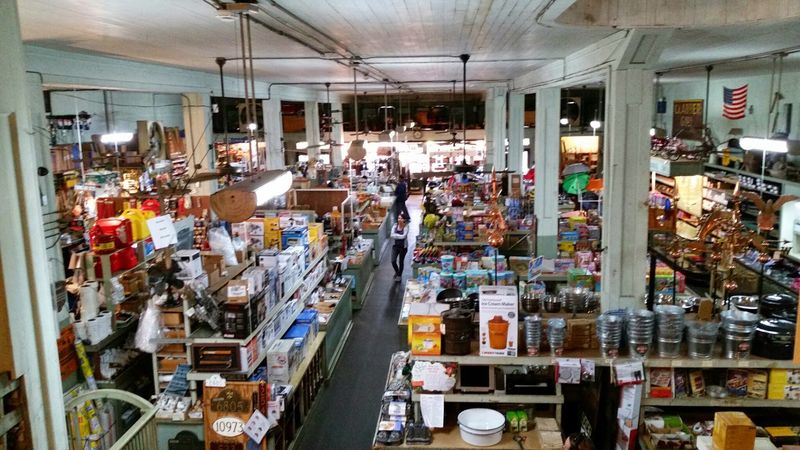
Look up when you step inside. The skylights overhead were once the main source of light for the sales floor, back when electricity was not something a small-town merchant could count on.
Daylight still pours through them onto the displays below.
The Kaffie brothers built the current Front Street building in 1892, nearly three decades after the business began. It is listed on the National Register of Historic Places, and much of its original appearance and fixtures remain in place.
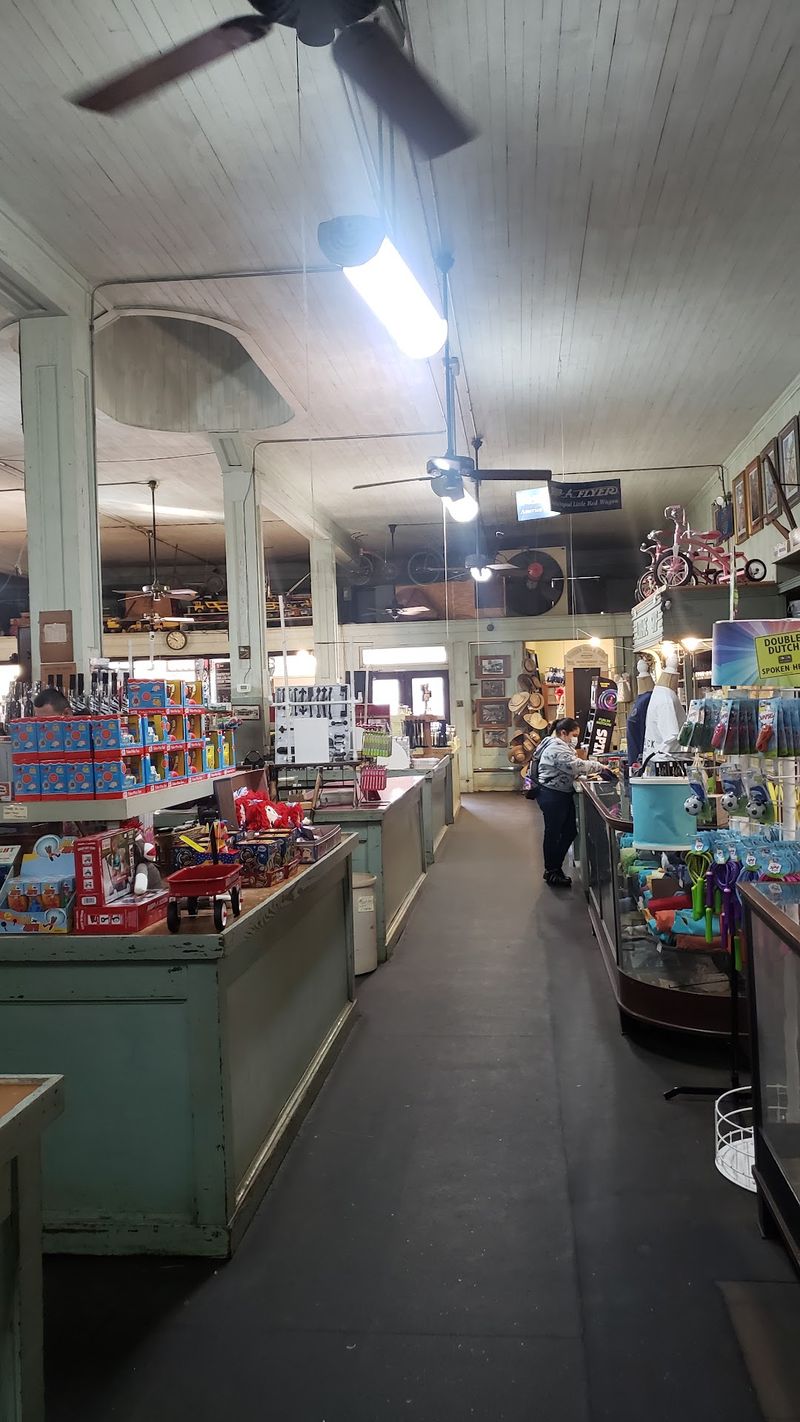
Wooden floors, tall shelving, and an upper level give the room the proportions of a working warehouse rather than a modern retail box.
Visitors often mention that the store explains its own history as you wander. Original parts of the building are pointed out with signs, so a casual browse doubles as a short lesson in how commerce looked on a Louisiana river town’s main street.
The structure also shapes how people shop. Aisles are narrower than a chain store’s, displays are stacked higher, and the second floor feels like a separate discovery once you find the stairs.
Some shoppers say they did not realize there was an upstairs until a clerk mentioned it, which is reason enough to ask on the way in.
How The Frederick Name Joined The Sign
Every long-running family store eventually needs a second family, and here that family arrived in 1920. Titus Frederick joined the business that year, and his name ended up sharing the sign with the Kaffies.
The decades that followed tested the store hard. It operated through both World Wars and the Great Depression, changing what it stocked as the needs of the parish changed.
In the early 1900s, shelves and floor space held harrows, John Deere plows, and fabric for clothing, a reminder that this was once the place farm families came to equip a season.
Today the grandchildren of Titus Frederick run the mercantile. Visitors note that the owner is often on the floor greeting people, which is not something you encounter at a regional chain.
The family also attends dealer markets to choose new merchandise, balancing the old staples with items that suit how people shop now.
Family operation explains a lot about the store’s personality. Decisions about what to keep, what to add, and how to treat customers come from people who have a personal stake in the building’s next hundred years, not a corporate office in another state.
A Century-Old Cash Register That Still Rings Up Sales
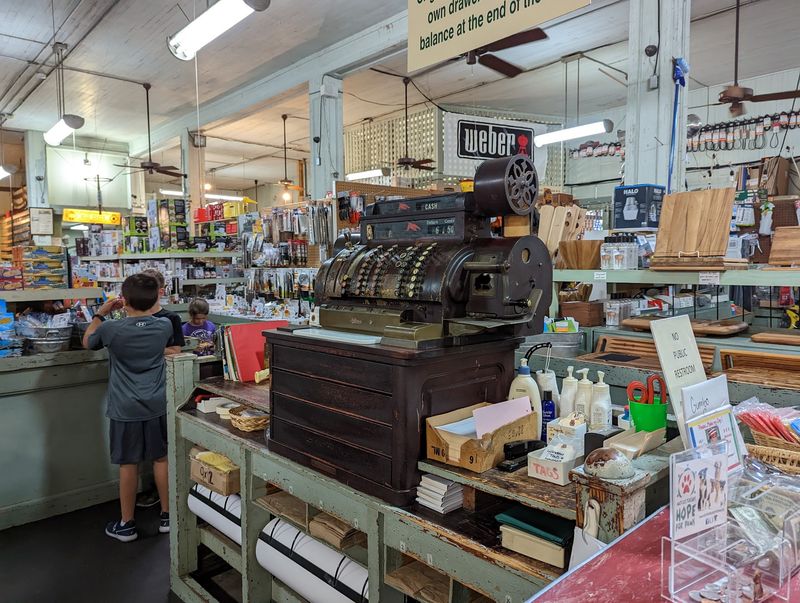
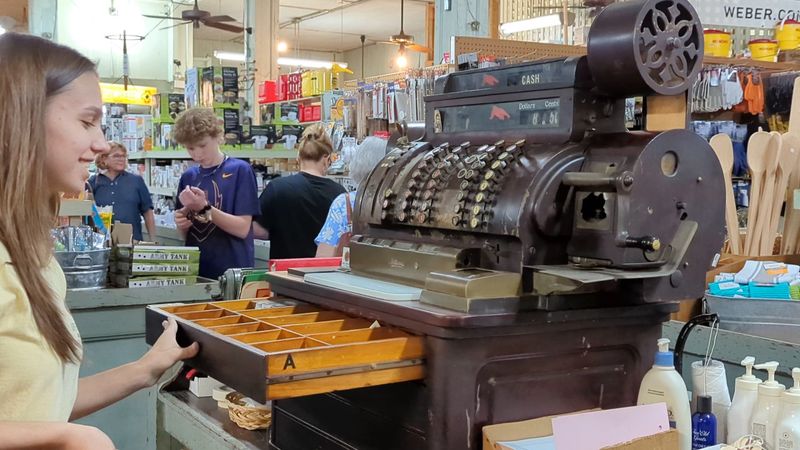
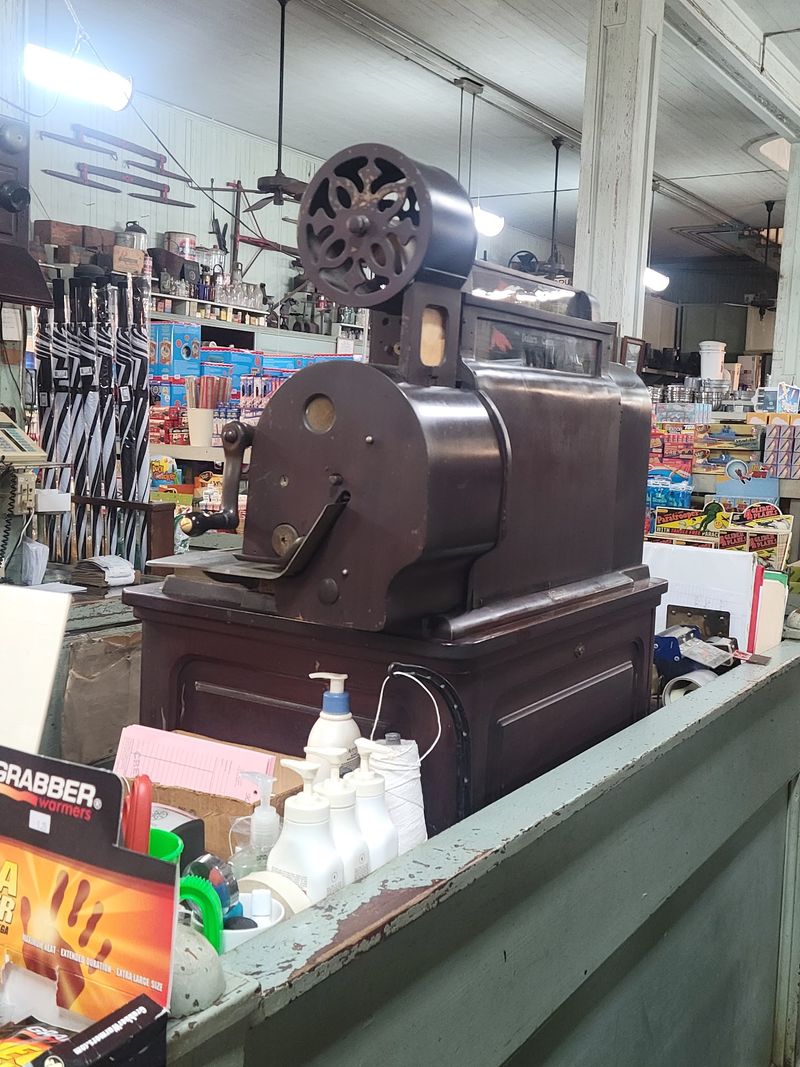
Plenty of old stores keep an antique register as a decoration. Kaffie-Frederick actually uses theirs.
The hand-cranked machine dates to the 1910s, with sources placing it around 1910 or 1917, and it still handles sales every day. Shoppers frequently single it out as the detail they remember, and one visitor encouraged others to look for the register that is over 100 years old and still in daily service.
The mechanical sound of a sale going through is not something most people under 50 have ever heard at a checkout.
There is something practical in that choice as well as something sentimental. A machine built of brass and steel, cared for properly, can outlast generations of plastic point-of-sale systems.
It is the same argument the store makes about its cast iron and hand tools.
Kids tend to stare at it. Adults tend to ask questions about it.
Either way, the register turns the last step of a shopping trip into one more piece of the building’s story, which is a neat trick for something that technically just adds up totals and opens a drawer.
Watch the clerk work it before you pay.
The Freight Elevator And The Old Cotton Scale
Cotton once paid a lot of the bills here. From the 1880s through the middle of the 20th century, Kaffie-Frederick worked as a major cotton broker, and a vintage cotton bale scale remains inside the store as evidence of that role.
That side of the business tells you something about Natchitoches Parish. The mercantile was not just a place to buy needles and nails.
It sat in the middle of the region’s farm economy, weighing crops, supplying equipment, and connecting growers to buyers. The scale is a quiet object now, but it represents a huge share of the store’s early purpose.
The other working relic is the freight elevator. Installed in the 1890s, it originally ran without electric power, and it has since been converted to electricity.
It still moves goods between floors, so the building’s original method of handling heavy inventory remains part of daily operations.
Between the elevator, the scale, and the register, the store holds three working or preserved machines that each explain a different chapter: the building, the farm trade, and the daily sale. None of them are behind glass.
They sit right where they always have, surrounded by merchandise.
Nails By The Pound And Replacement Handles
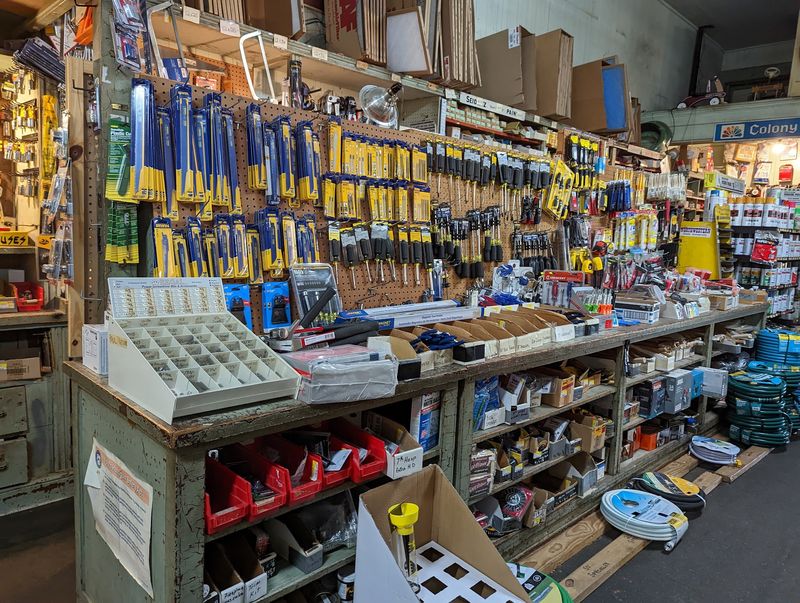
Need six nails, not a box of 200? Here you can buy them by the pound, the way hardware was sold a century ago.
That single habit tells you what kind of store this is.
The hardware side covers essentials for serious fixers and occasional ones. Tools, plumbing supplies, PVC, gardening equipment, and replacement handles for shovels and rakes fill the shelves.
One shopper described it as the largest mixed variety of items to fix anything he had ever seen, and others point out that the store carries plenty of things big-box stores simply do not stock.
Replacement handles are a good example. A chain store would rather sell you a whole new tool.
A shop like this assumes you might want to keep the old one working, which is a different philosophy about money and materials.
The staff on this side of the building are often described as knowledgeable, the kind of folks who can tell you which fitting goes with which pipe. Visitors also credit the specialized inventory with helping the store outlast a Lowe’s that once tried to set up shop in Natchitoches.
For a single downtown store, that is a remarkable footnote.
Cast Iron Skillets, Dutch Ovens And Kitchen Gadgets
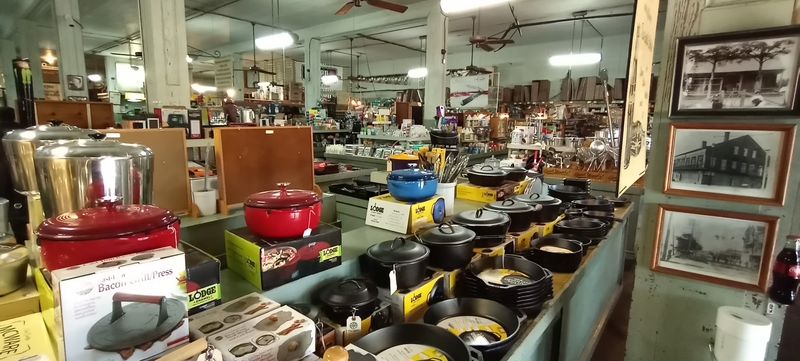
Anyone who has inherited a seasoned skillet knows why cast iron gets its own shelf space. Kaffie-Frederick carries a broad collection of cast iron pans and Dutch ovens, the cookware Louisiana kitchens lean on for cornbread, smothered dishes, and anything that needs steady heat.
Kitchenware is one of the categories visitors bring up most. Beyond the heavy iron, the shelves hold housewares and small gadgets that range from serious to playful.
The earlier mention of pickle grabbers was not a joke, and that kind of oddly specific tool is part of the fun of browsing here.
The kitchen section also serves as a bridge between the two halves of the store. It is practical, like the hardware, but it carries the nostalgia of the gift side, since many of these items look the same as they did in a grandmother’s cabinet.
Some shoppers come in for a gasket and leave with a Dutch oven.
Prices on this and other merchandise can run higher than at discount retailers, and a few visitors have said so plainly. Others feel the help and the quality make up the difference.
It is fair to know that before you start filling your arms.
Radio Flyer Wagons, Marbles And Old-Style Toys
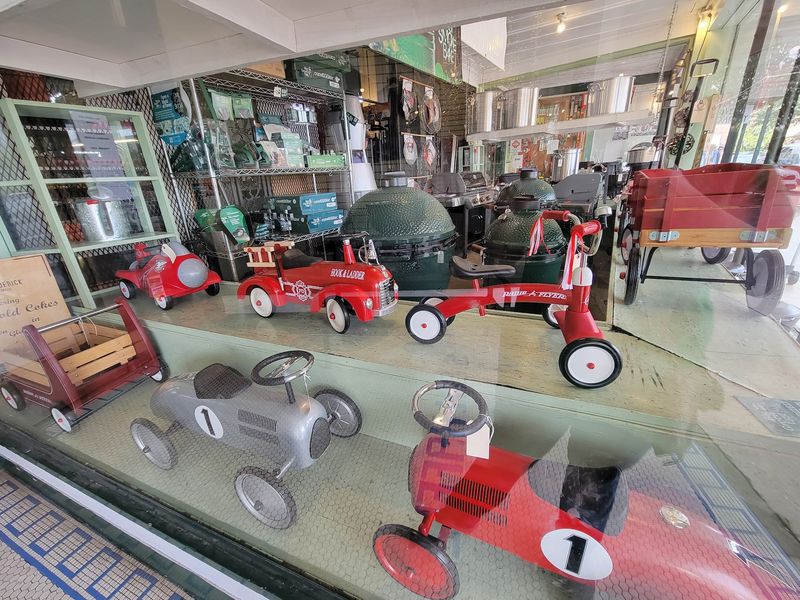
Marbles are a top seller here. In an age of tablets, a jar of glass spheres still moves off the shelf, bought for play, for display, or just because they look good in a sunny window.
The toy selection runs heavily toward classics. Radio Flyer wagons are a signature, and a little red wagon has turned up in the holiday window display.
Old-style toys fill out the shelves, the sort that need no batteries and no charging cable. Toys are among the things visitors mention most often, right alongside the staff.
One shopper who drives two hours to visit compared the experience to being a child at a famous New York toy store. Others simply describe the merchandise as fun to look at, with one summing up the whole place as eye candy.
That phrase fits the toy aisles especially well.
For families, this is the section that keeps kids patient while adults hunt for plumbing parts. For grandparents, it often works the other way around, since many of these items look exactly like what they played with decades ago.
Either way, few people walk past the wagons without stopping for at least a minute.
Up The Stairs To Gifts, Boutique Finds And Christmas
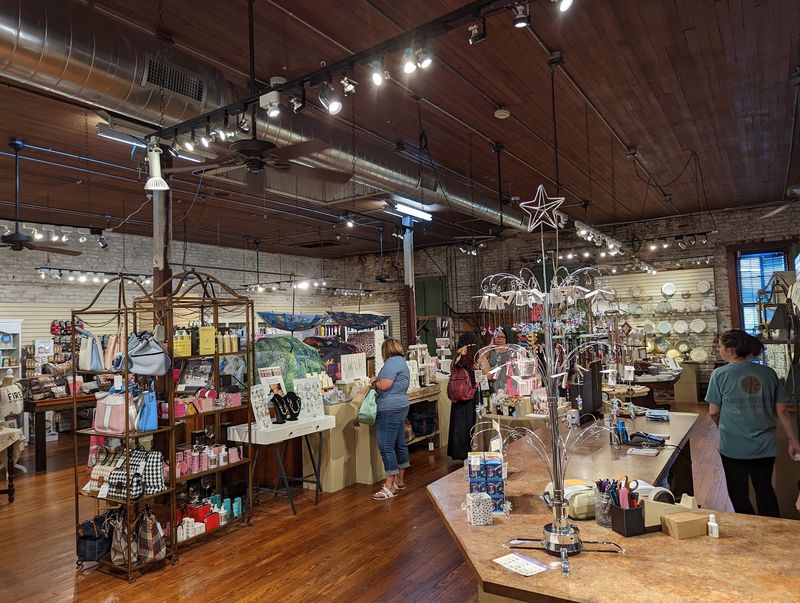
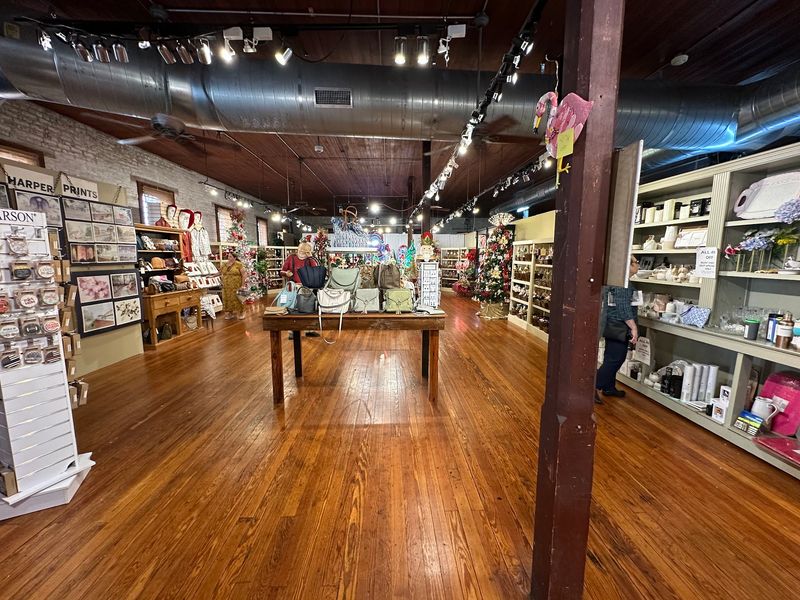
Some shoppers almost miss the second floor entirely. Ask about it, because the upstairs section carries a different personality from the tool aisles below.
Boutique items, gifts, home decor, and a Christmas shop share this level. One visitor found glass birds for a Christmas tree up here, and others describe the holiday selection as a highlight.
In a town famous for its Christmas Festival of Lights along the riverbank, a year-round holiday corner on Front Street feels right at home.
A shopper joked that the upstairs is where you buy your spouse a gift so they do not mind how much you spent in the tools department. It is a lighthearted line, but it captures how the two floors work together for couples who shop differently.
Visitors have also mentioned plants, jewelry, and perfume in the mix, which broadens the store well beyond what the word hardware suggests. Staff upstairs are frequently praised as helpful, with several shoppers saying a clerk on this floor went out of the way to assist them.
Plan extra time here, since the second level has plenty of shelves that reward slow looking.
Service That Includes Fetching A Chair
A family visiting relatives in town brought an elderly grandmother along to shop. When she said she needed to sit, one of the employees brought out a chair without being asked.
The family later described that small gesture as meaning the world to them.
Stories like that come up again and again. Helpful staff is the single most common theme in what visitors say about the store, tied with the toys.
Shoppers mention clerks on both floors, from the hardware crew to the people working the gift level, and several note the owner is often there to say hello.
Personal service has been part of the store’s identity since the Kaffie brothers sold door to door. Knowing customers by need, not just by purchase, was the whole business model in 1863.
It still shows in how the staff approach people who wander in.
Not every interaction lands perfectly, and a few shoppers over the years have reported a cooler reception, whether a clerk who seemed rushed or one who hovered too closely. Those accounts are the exception in a long record of praise.
Most people leave talking about how easy it was to get help.
Honor-System Cokes And A Slow Browsing Pace
Right near the door, longtime visitors remember an honor-system Coca-Cola setup, the kind where you grab a bottle and leave payment on trust. One couple wrote that they always enjoyed it on their way in.
It sets the tone before you even reach the first aisle.
Pace is the store’s real atmosphere. Nobody is sprinting through to grab a single item and leave, at least not after their first visit.
One shopper compared it favorably to the routine feel of a giant discount chain, calling Kaffie-Frederick a place with a fun sense of exploration instead.
That makes it a good stop for a few different kinds of people. History fans get working relics and a National Register building.
Home cooks get cast iron and gadgets. Fixers get loose nails and pipe fittings.
Families get wagons and marbles. Couples get two floors that suit two different shopping styles.
Repeat visits seem common. Some people describe stopping every year on an annual Natchitoches trip, and others say they make a point of coming in every time they are in town.
One summed it up simply: they have never left empty handed.
Hours, Prices And Pairing It With A Cane River Day
Plan around a workday schedule. Kaffie-Frederick is open Monday through Saturday from 8 a.m. to 5 p.m. and closed on Sundays, which surprises some weekend travelers who arrive on a Sunday afternoon expecting to browse.
The address is 758 Front Street in downtown Natchitoches, right in the historic district along Cane River Lake. The phone number is 318-352-2525, and the store’s website is oldhardwarestore.com.
Downtown is compact enough that it makes sense to park once and walk between shops, restaurants, and the riverbank.
On pricing, expect to pay a bit more than at a discount chain for some items. A number of shoppers have noted it, and some also said the personal help made the premium worthwhile.
Others wished for more locally made goods in the mix.
Give yourself more time than you think you need. Visitors recommend lingering on both floors, and the historical markers inside add reading time to any loop through the building.
One shopper suggested pairing the stop with Cane River restaurants and nearby shops for a full day trip, which is an easy plan in a town where most of downtown sits within a few blocks.
Still Selling Nails After 160 Years
Most historic buildings eventually become museums, restaurants, or souvenir shops. Kaffie-Frederick took a different route and simply kept selling hardware.
That is the most convincing argument for a stop. The 1892 building, the skylights, the electric-converted freight elevator, and the cotton scale give the place its history.
Yet the store is not leaning on nostalgia to survive. Someone in Natchitoches still needs a replacement handle on a Tuesday morning, and this is where they can find one.
The toys, cast iron, and upstairs gifts add another layer, making the store as appealing to a family on vacation as to a homeowner with a leaky pipe. Prices may run a little higher, and the hours will not bend for Sunday travelers, but those are fair trade-offs for a business run by the third generation of a family that joined in 1920.
If you go, take a moment at the checkout. The clerk turns the crank on a register that has been tallying sales for more than a century, the drawer slides open, and a pound of nails or a bag of marbles heads out the front door onto Front Street, just as goods have since the 1800s.