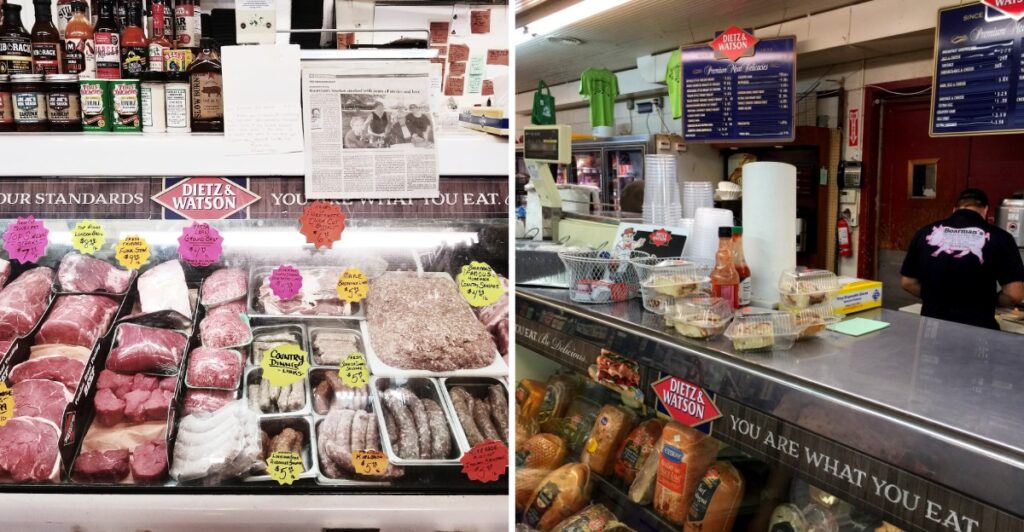
Need dinner?
Start at the butcher counter.
This Maryland market has been doing things the old-fashioned way since 1955, which means the meat still gets cut and trimmed right in the store.
Tell them what you are cooking.
The counter can take it from there.
A steak can become the centerpiece. Sausage can handle the whole meal. Then the deli and grocery shelves step in when dinner needs a little backup.
The market still sits at the same country crossroads where it began, and that long history shows up in the way the place works.
No complicated strategy required.
Walk in with a rough idea and let the butcher sharpen it.
Boarman’s Has Been A Highland Tradition Since 1955
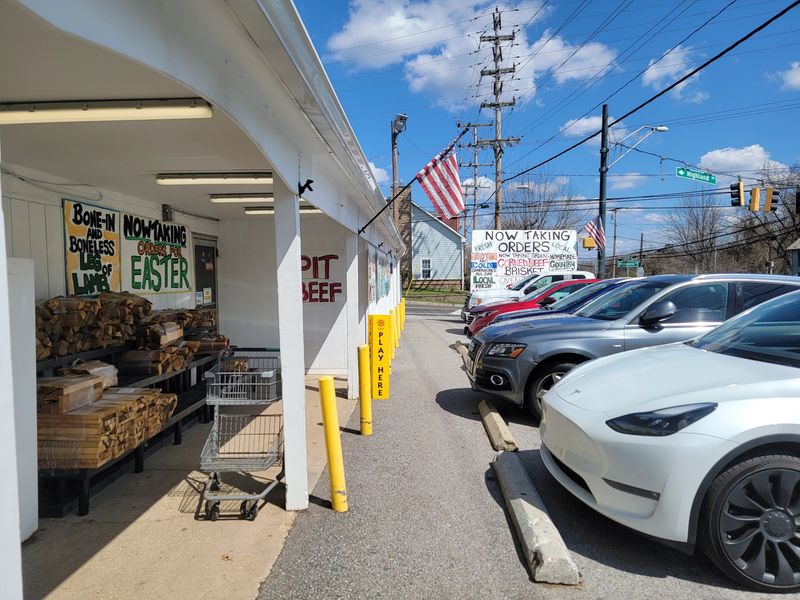
Back in 1955, a small store opened at the Highland crossroads, and it never really left. The building itself grew out of an earlier chapter at the same site, where another store burned in 1954 before the present structure was built.
Larry Boarman opened the market in 1955, and by 1993 three generations of Boarmans were working there together. The business developed alongside a part of Howard County that was still largely rural when the market was young.
Think about everything that has changed since then. Roads expanded, larger grocery stores spread through the region, and the way people shop for dinner changed with them.
Through all of it, Boarman’s remained a meat market and neighborhood grocery at the same crossroads.
That history is easiest to appreciate without turning a visit into a museum stop. Walk in with a meal in mind and the continuity becomes practical.
A butcher counter, homemade sausage, groceries, and a deli still occupy the same kind of small-market setting that defined the business decades ago.
If this is your first visit, start at the meat case. It gives you the clearest introduction to what has kept the market going since 1955.
The Old-Fashioned Butcher Counter Is Still The Heart Of The Market
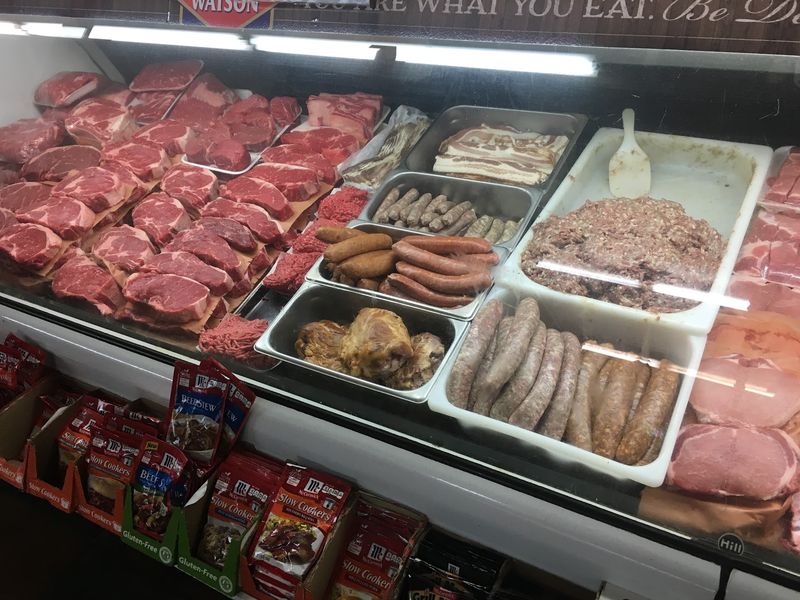
The butcher counter sits at the center of the experience here. Meat cutters still trim and prepare cuts in the store rather than limiting shoppers to whatever happens to be wrapped in a standard package.
Beef, pork, lamb, veal, and chicken are among the meats available for custom cutting. That gives you room to start with the recipe instead of starting with a package size.
Need steaks for the grill? Decide how many people you are feeding and what thickness makes sense. Planning a roast?
Think about the cooking method and portion size before you reach the counter.
That is where an actual butcher counter becomes useful. Instead of adapting dinner to a fixed tray, you can ask whether a cut can be trimmed, portioned, or prepared differently.
Keep the question simple. Tell the butcher what you are cooking and how many portions you need.
Once the main cut is settled, the rest of the shopping gets easier. You can move on to sausage, deli items, or grocery basics without having to rethink the center of the meal.
Homemade Sausage Has Been A Specialty For Generations
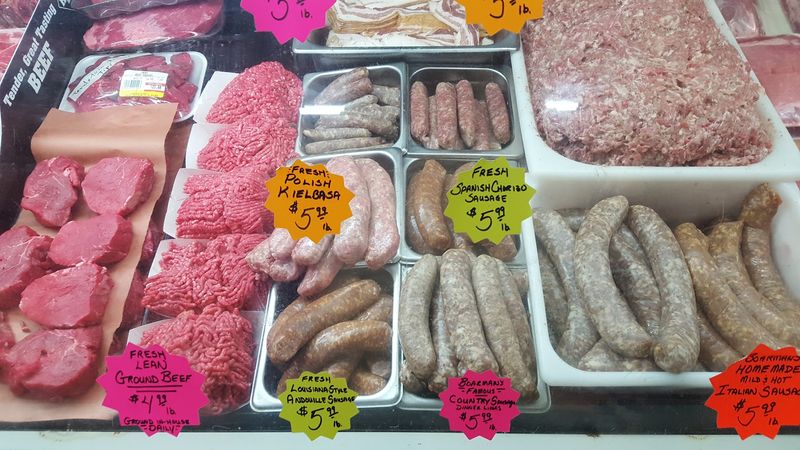
Homemade sausage has been part of Boarman’s story for decades. In 1993, Larry Boarman recalled making German-style sausage for nearly 40 years and traced the family recipe back to an older butchering tradition.
Country and Italian sausage remain part of the market’s in-house meat offerings today.
That makes sausage one of the clearest links between the older business and the current counter. It is not a new product added to give the store a vintage feel. Sausage making was already established here when the market was still only a few decades old.
For dinner, the choice comes down to what you want to build around it. Country sausage can head toward breakfast, biscuits, or a skillet meal. Italian sausage gives you an easy starting point for pasta, sandwiches, or another tomato-based dish.
If you are buying more than you need immediately, portioning it before freezing can make later meals easier. That way, you can pull out only what the next recipe requires.
The useful question at the counter is not which sausage is “best.” Decide how you plan to cook it, then choose the style that fits the meal.
That keeps an old family recipe connected to something very current: figuring out what is for dinner tonight.
Custom-Cut Meats Keep The Traditional Butcher Shop Experience Alive
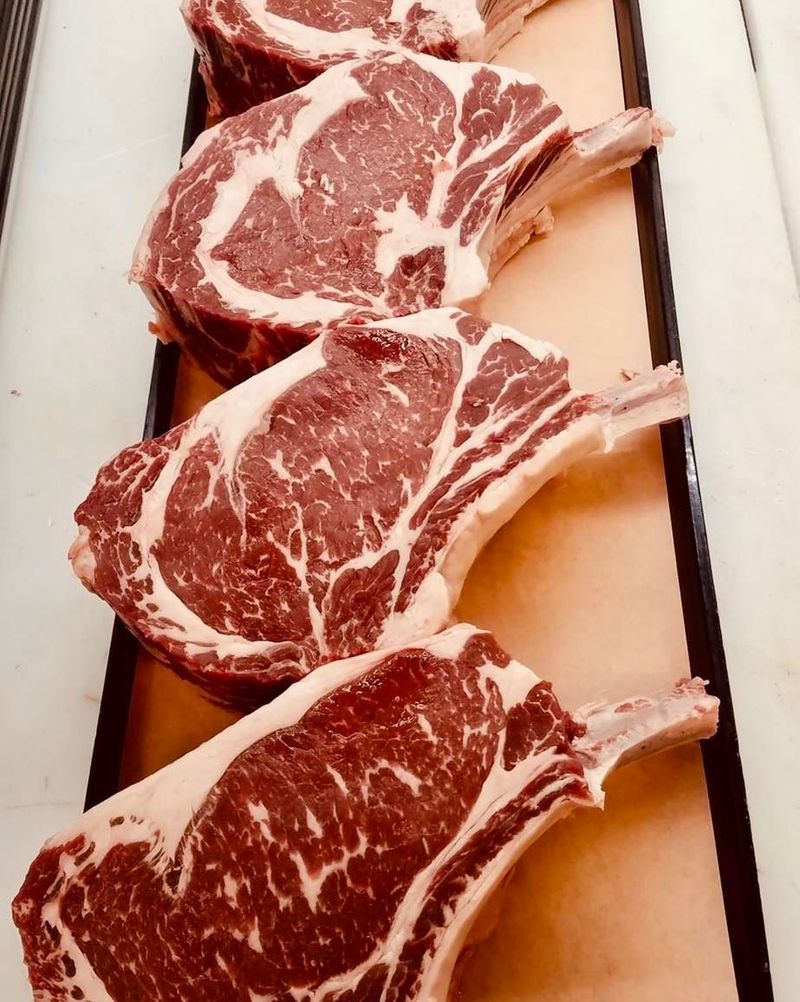
Ever wished a steak came exactly as thick as you wanted? At Boarman’s, custom cutting gives you more control over the answer.
Custom cuts remain one of the market’s central butcher services. Beef, pork, lamb, veal, and chicken can be cut according to what you need rather than leaving every decision to a prepacked tray.
That matters most when a recipe calls for something specific. A thicker steak, a roast prepared for a particular cooking method, or several evenly portioned pieces can all start with a quick conversation at the counter.
Planning ahead helps when the order is larger or less routine. If you are shopping for a gathering, holiday meal, or recipe that needs a specific cut, decide what you need before arriving rather than trying to build the whole menu while standing at the case.
Custom cutting can also make portion planning simpler. If four people are eating, you can shop for four portions instead of buying a package that was sized for someone else’s dinner.
Bring the recipe if the cut is unfamiliar. You do not need to know every butcher term before walking through the door.
The easier choice is to explain the dish, quantity, and cooking method, then let the cut match the plan.
The Boarman Family Has Deep Roots At This Maryland Crossroads
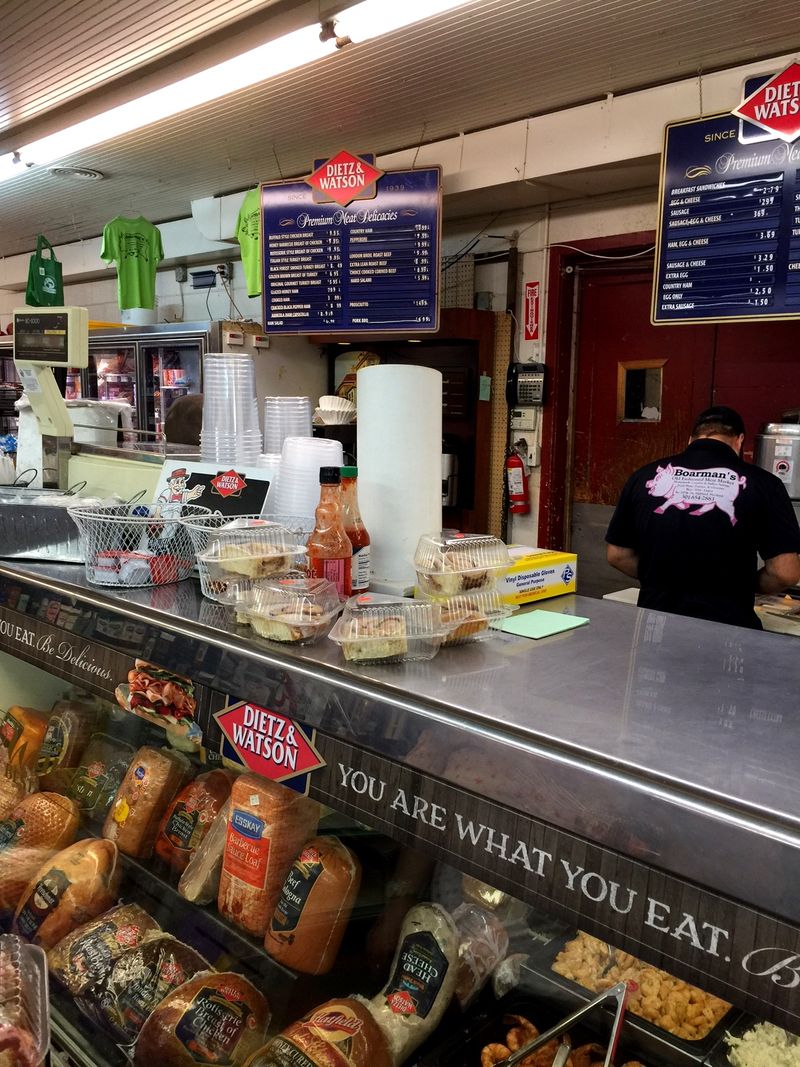
Three generations of Boarmans were already running the store together by 1993. That detail puts the market’s family history well beyond a simple opening date.
Larry Boarman grew up around the grocery business before opening his own store. His father had operated an A&P store in Washington, D.C., years earlier, giving the family’s retail connection roots that predated the Highland market.
By the early 1990s, Larry’s son George was already his partner in the business. The market itself had become a familiar fixture at the rural crossroads as development changed other parts of Howard County.
The location adds another layer to the story. The store previously occupying the site burned in 1954, and the current market building was constructed during that period.
You do not need a history lesson before buying dinner, but knowing the timeline makes the setting easier to understand. This is not a reproduction of an old country market built to look historic.
It is a business that continued operating at a crossroads where stores had served the surrounding area before the current building went up.
Today, the practical side still comes first. Pick your meat, finish the grocery list, and let the history sit quietly in the background.
More Than A Butcher Counter Fits Inside This Small Market
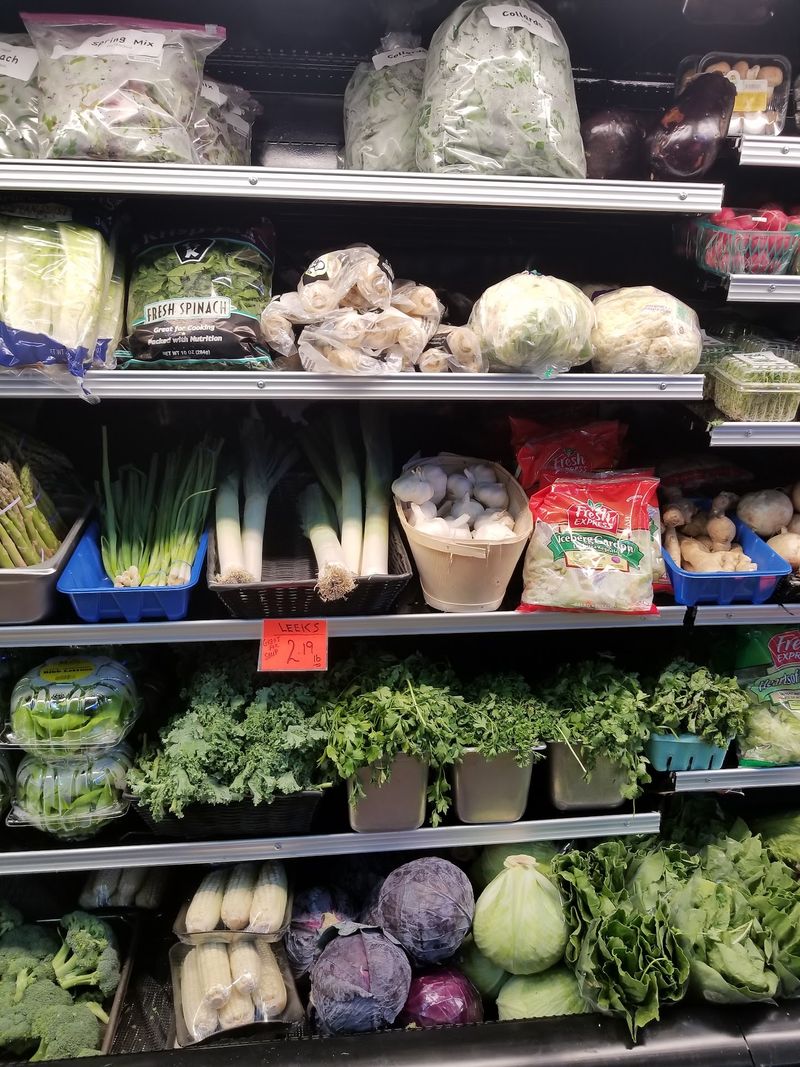
The butcher counter may be the main reason to stop, but Boarman’s also functions as a neighborhood grocery and deli.
That makes it useful when dinner needs more than a centerpiece. After choosing meat, you can continue through the store for other grocery items rather than making the butcher counter a separate errand.
The deli gives you another direction if cooking is not the plan. A prepared lunch can turn the visit into a quick food stop, while the grocery side covers the basics you may have forgotten before leaving home.
Fresh produce has also been part of the market’s story for decades. Larry Boarman spoke about local residents buying eggs and produce in the early 1990s, when the surrounding area still included considerably more farmland.
Current product availability can change, so treat the shelves and cases as part of that day’s shopping rather than assuming every item will always be waiting.
Start with whatever brought you in. If it is steak, handle the butcher counter first. If lunch is the priority, begin at the deli.
Then make one pass through the grocery section before checking out.
That approach keeps a small market from turning into three separate stops.
What To Know Before Visiting Boarman’s Old Fashioned Meat Market
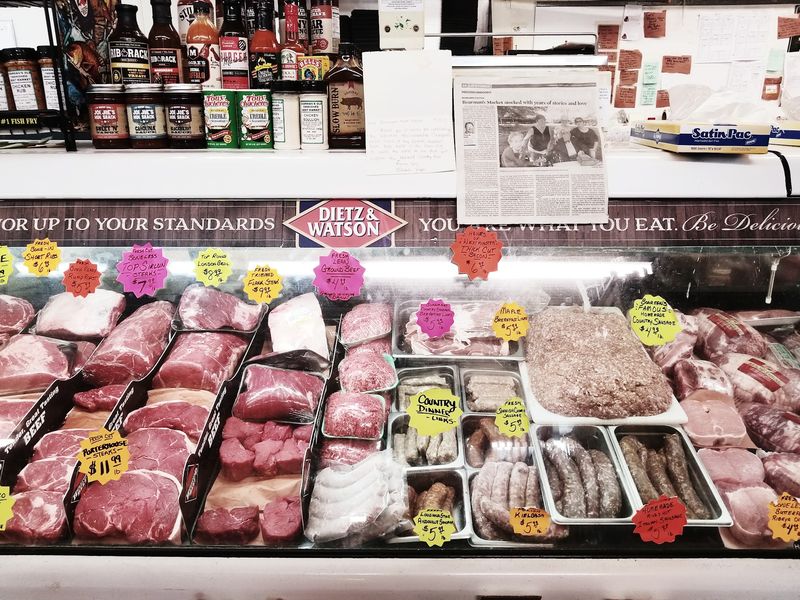
A little planning can make the visit easier, especially if you want a particular cut.
Start by thinking about what you want to cook. Knowing the recipe, number of portions, and cooking method gives the butcher something concrete to work with when you reach the counter.
Because holiday schedules can differ from regular weekly hours, check before making a special trip around a holiday.
Earlier in the day gives you more time to decide what you need without planning the visit close to closing. For a larger order or an unusual cut, arranging it ahead of the meal also leaves more room for adjustments.
If raw meat will be in the car for a longer drive, bring an insulated cooler or another way to keep it properly chilled on the trip home.
The market is at 13402 Clarksville Pike, Highland, MD 20777.
Once inside, keep the plan simple. Start with the meal you want to cook, use the butcher counter for the cut that fits it, and fill in the rest from there.
After more than seven decades at the Highland crossroads, the most useful part of the old-fashioned approach is still the same: dinner can begin with a conversation over the counter.