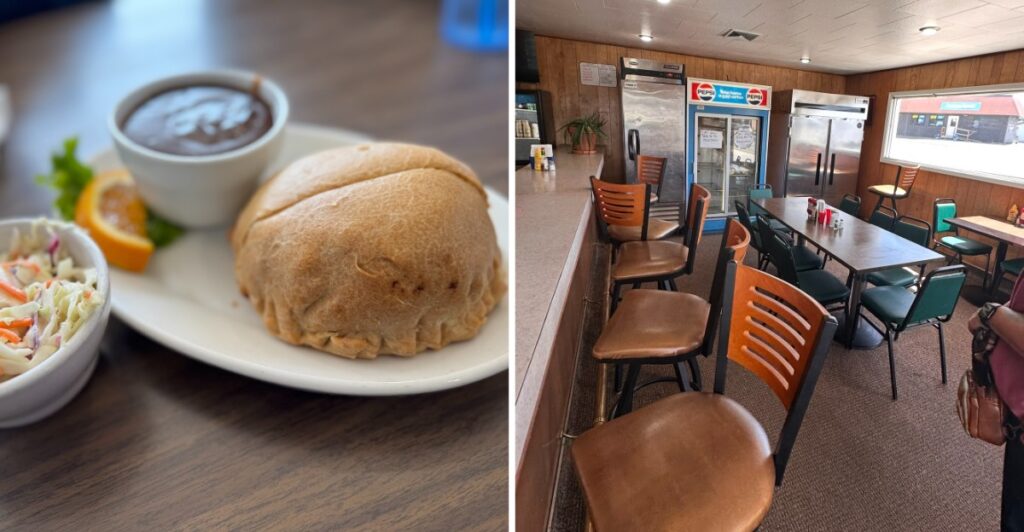
Before lunch came in plastic containers, Butte miners had pastry doing the packing.
A folded pasty could carry beef, potatoes, and onions underground without much trouble.
This made it a pretty smart meal for a long shift.
More than a century later, that old mining food still belongs in this city.
One longtime shop has been using its recipe since 1947, keeping the Cornish tradition tied to the same Montana community that gave it a home generations ago.
The classic version keeps things simple.
Then gravy can get involved. Or chili, cheese, and onions can turn the whole thing into a much louder lunch.
Either way, the pasty still feels right here.
Maybe because Butte never really separated its food from its working history.
And frankly, a meal that survived the mines can handle your lunch break.
Joe’s Pasty Shop Has Been A Butte Tradition Since The 1940s
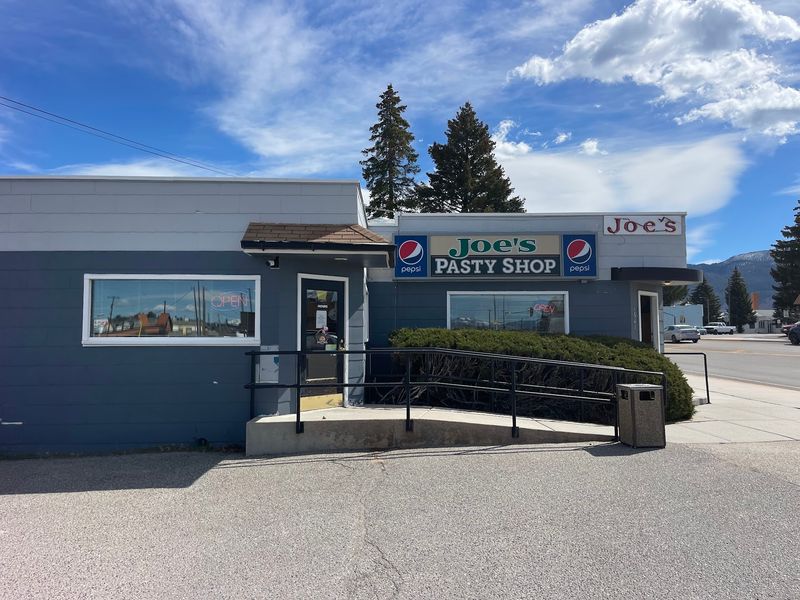
Few recipes make it through generations without picking up a flashy makeover. Joe’s original pasty recipe has been used since 1947, and that date gives the shop a direct link to postwar Butte.
Think about how much the city has changed since then. Mining operations have shifted, neighborhoods have evolved, and the economy around the old copper center has moved through several eras.
Through those changes, the pasty stayed on the menu.
You do not need a staged history lesson or a vintage dining room to understand what the shop represents. Order the classic version and the basic formula is still straightforward: beef, potatoes, onions, and pastry.
Start there if this is your first visit. The plain pasty gives you the clearest look at the recipe before gravy, chili, cheese, or onions start changing the experience.
Joe’s also serves sandwiches and other casual lunch options, so the pasty does not have to be the only choice at the table. Still, the folded pie is the dish that ties the shop most directly to Butte’s mining past.
Cornish Miners Brought The Pasty Tradition To Montana
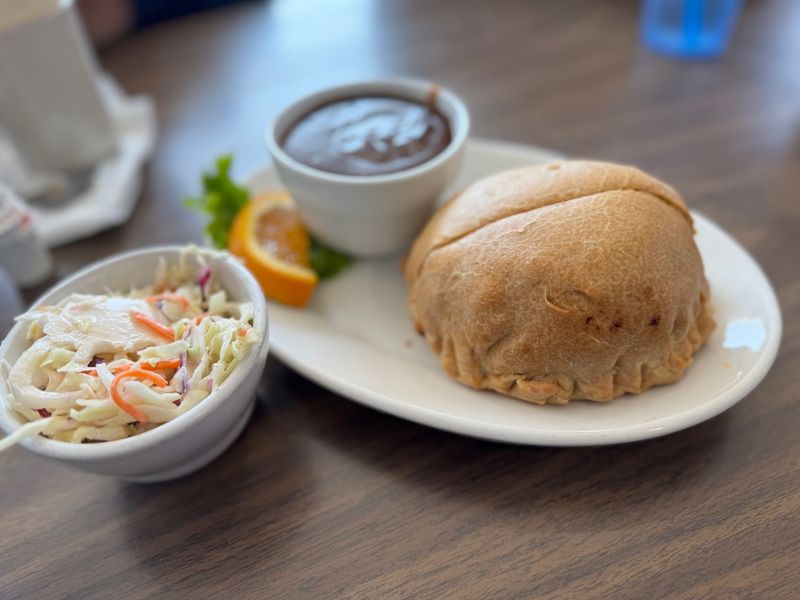
Picture Butte in the late nineteenth and early twentieth centuries, when mining drew workers from across Europe and beyond. Cornish immigrants arrived with generations of experience in tin and copper mining, along with food traditions that traveled with them.
The pasty was one of those traditions.
Butte grew from a mining camp into a major copper center as workers from many backgrounds settled in the city.
Irish, Cornish, Slavic, Scandinavian, Italian, and other communities all left marks on local culture, including the food that survived long after mining stopped dominating daily life.
The Cornish pasty became one of the clearest examples. It was practical, filling, and portable, which made it well suited to a mining town where workers spent long shifts underground.
A pasty in Butte is not simply a regional pastry with an unusual name. It belongs to a much larger immigrant story that shaped the city.
If local history is part of your trip, keep that connection in mind before lunch. The headframes scattered across Butte’s skyline and the pasty on your plate come from different parts of the same industrial story.
Pasties Were Made To Travel Deep Underground
Forks and plates are not much help deep below the surface. Miners needed meals that could travel, hold together, and provide enough food for a demanding workday.
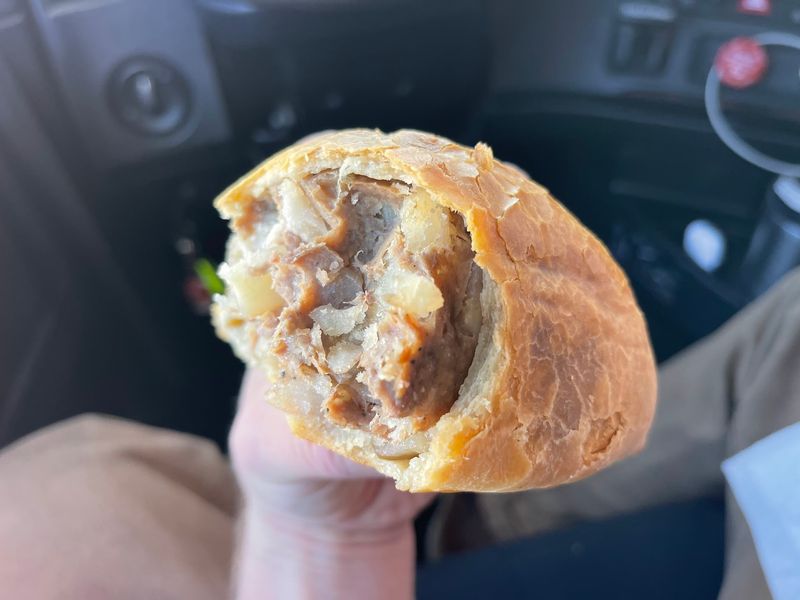
The pasty solved several of those problems at once. A folded pastry shell enclosed meat, potatoes, onions, and other simple ingredients in one package that could fit into a lunch pail.
That shape mattered. The filling stayed contained, and the pastry could be carried without a separate plate or serving dish.
Butte’s version of the tradition became closely associated with miners’ lunch buckets, and the food remained part of local culture even after underground mining declined.
Today, you do not need work boots or a hard hat to appreciate the design. The same basic idea still works for a road-trip lunch: compact, filling, and easy to take with you.
If you are eating at the shop, decide whether you want to keep the pasty closer to that portable tradition or add gravy and turn it into more of a sit-down meal.
Either choice starts with the same practical food that once made sense underground.
Beef, Potatoes, And Onions Keep The Recipe Simple
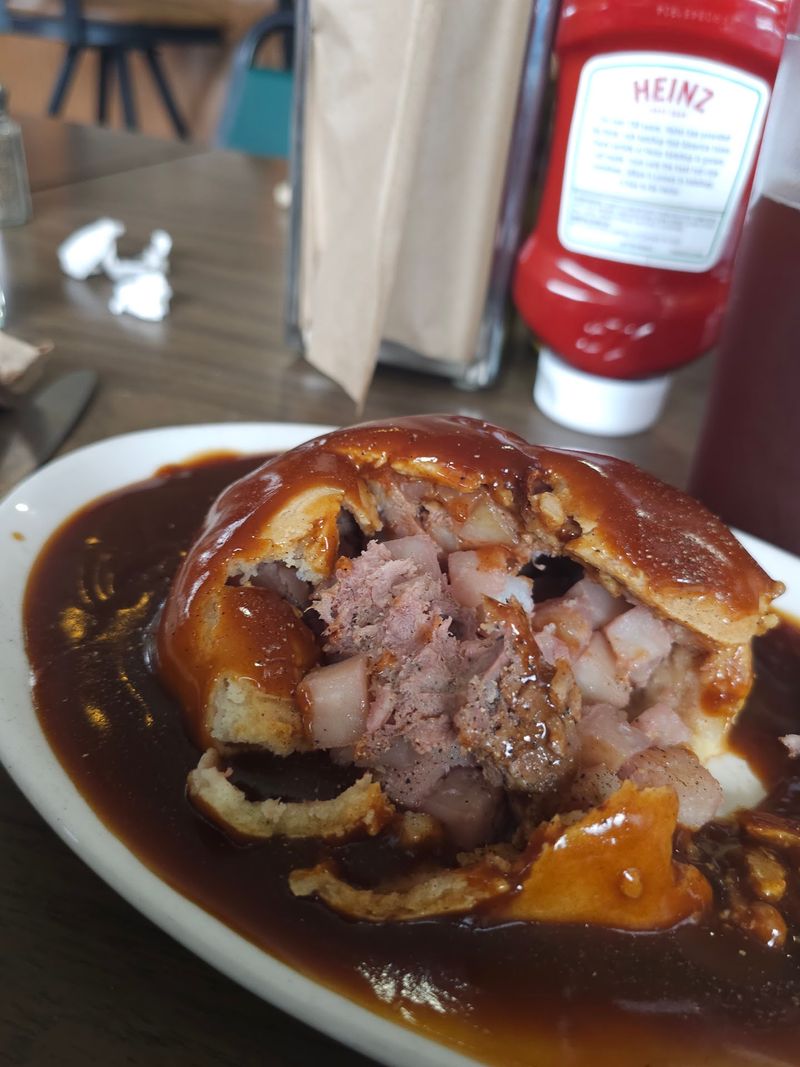
Three main ingredients sit at the center of Joe’s classic pasty: choice cuts of beef, fresh potatoes, and onions.
That is the heart of the original recipe used since 1947. The filling goes inside pastry and bakes into a meal that relies more on proportion and texture than on a long ingredient list.
Keep it plain and you get the clearest version of that combination. Add brown gravy and the meal shifts toward something softer and more fork-friendly.
There is also a chili pasty topped with chili, cheese, and diced onions. That version moves well beyond the miner’s lunch-pail format, but it still starts with the same basic pasty underneath.
The easiest first-time decision is to choose how much you want added to the original. Plain keeps the crust and filling in focus. Gravy changes the texture.
Chili, cheese, and onions make the plate heavier and more layered.
Joe’s menu also includes sandwiches, soup, chili, salads, and other casual choices. That helps when one person wants a pasty and someone else wants lunch built around something more familiar.
For the strongest connection to the shop’s history, though, begin with the classic beef, potato, and onion version.
Butte’s Mining History Still Lives On Through Its Food
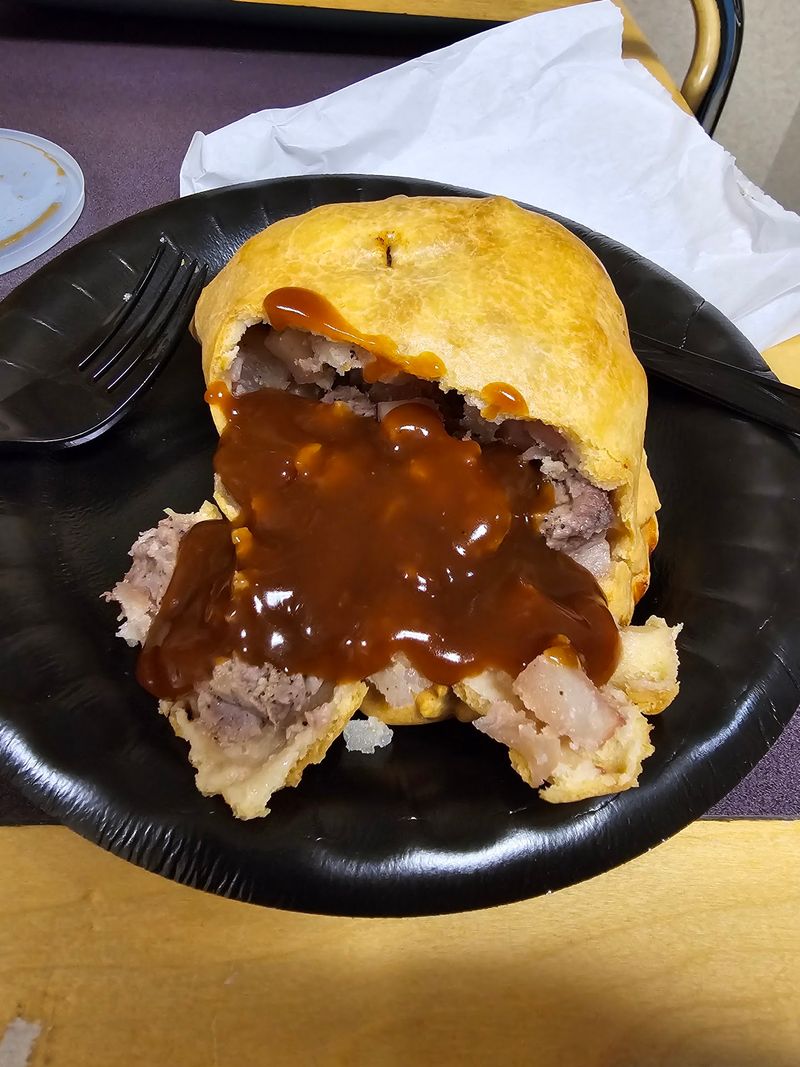
Look across Butte and old mine headframes still rise above parts of the city. They are physical reminders of the copper industry that drew workers from around the world.
Butte began as a mining camp in the late nineteenth century and grew rapidly as copper demand increased. The city’s immigrant communities shaped neighborhoods, churches, labor organizations, and kitchens along the way.
Some of those food traditions remain easy to spot. The Cornish pasty, Slavic povitica, and Scandinavian lefse all survive as pieces of Butte’s immigrant food culture.
That makes lunch a useful companion to a day spent exploring the city’s mining history. See the headframes, museums, or historic districts first, and the pasty has more context when you sit down to eat.
Or reverse the order. Start with lunch, then head into the city with a better idea of why this particular pastry became so closely tied to Butte.
If you are pairing lunch with a walk through historic Butte, leave enough time to see the old mining landscape rather than treating the meal as a separate stop. Keep the schedule loose enough for both.
The connection does not need much embellishment. A portable meat-and-potato pie made sense for miners, Cornish workers brought the tradition into a mining city, and generations later the dish is still being made.
Sometimes the simplest food carries the longest story.
Joe’s Keeps The Classic Pasty Tradition Alive Today
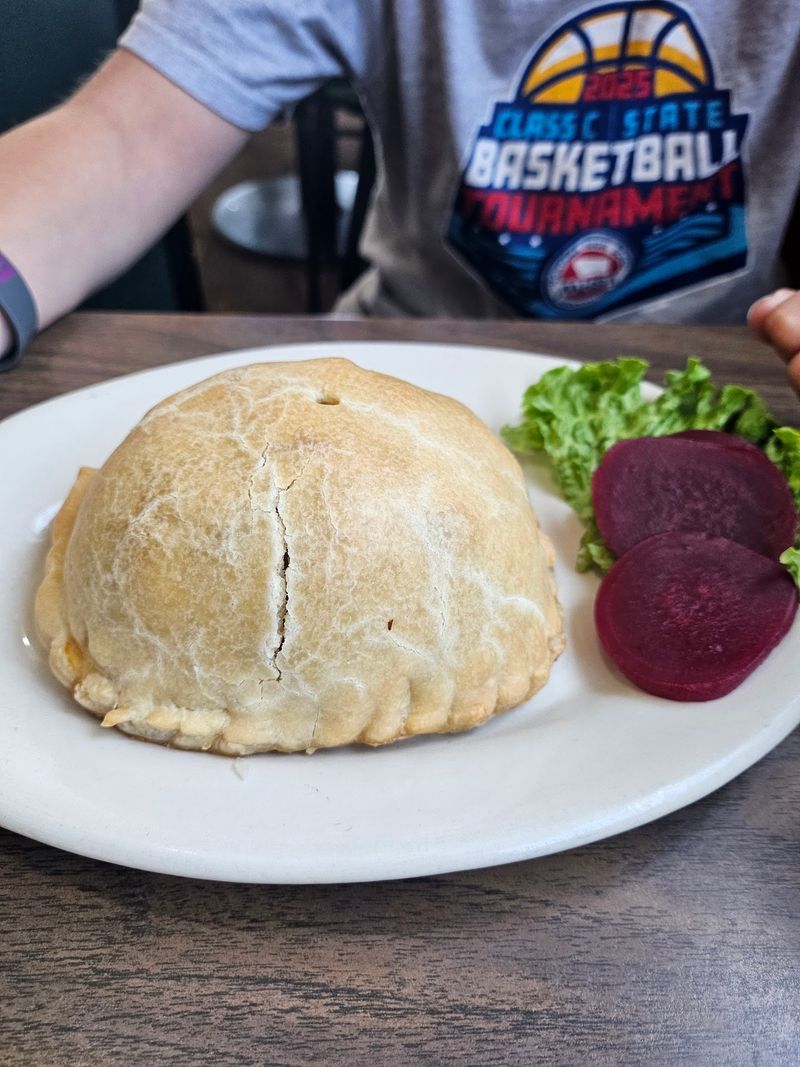
Tradition does not have to mean ordering the same thing every time. Joe’s keeps the classic pasty at the center of the menu while offering a few ways to change the plate.
The plain version stays closest to the original formula. A pasty with gravy adds brown gravy, while the chili version comes covered with chili, cheese, and diced onion.
That gives you an easy progression if more than one person is ordering. Keep one plain, add gravy to another, and try the chili version if the table wants to compare how much the toppings change the meal.
A simple order also makes comparison easier when several people are eating together. One plain pasty and one with gravy can show how much the topping changes the texture without turning lunch into a complicated tasting exercise.
The menu also reaches beyond pasties with sandwiches, soup, chili, salads, and familiar lunch-counter choices. That range can help when a group has mixed appetites.
Joe’s has also received national television attention for its pasties, but the more useful detail for a visit is still the menu itself. You can come in for the original recipe or choose one of the more elaborate versions without losing sight of what brought the shop its identity.
If you are unsure where to start, the plain pasty remains the simplest reference point. Additions can always come later.
What To Know Before Visiting Joe’s Pasty Shop In Butte
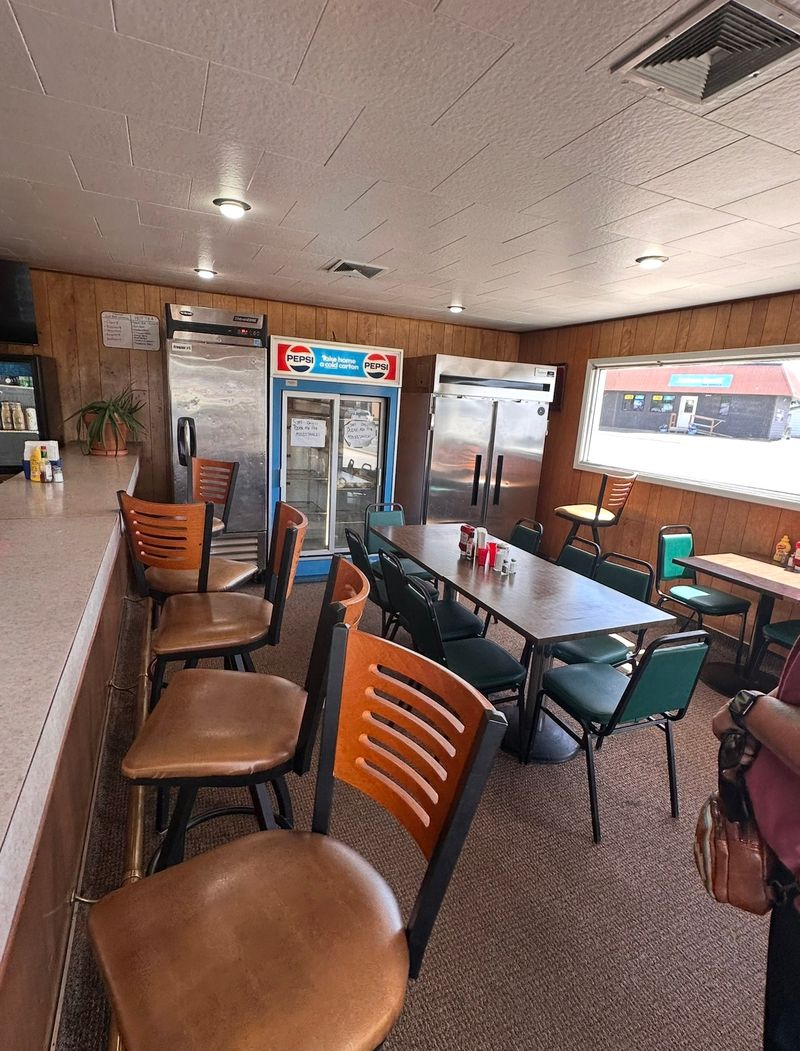
A little planning helps if Joe’s is part of a larger day exploring Butte.
Check the day’s schedule before making a special trip, then build the stop around lunch rather than assuming the shop will be open late.
The address is 1641 Grand Ave, Butte, MT 59701.
Once you arrive, keep the order simple. Decide first between the classic pasty and one with toppings. If gravy sounds good but you are not sure how much you want, ordering it on the side gives you more control over the texture.
A pasty also makes sense as part of a larger Butte history day. The city’s mining story is visible in its historic districts, headframes, and museums, while this meal carries another piece of that history onto the table.
If you are driving onward after lunch, the compact shape still works in its favor. The same basic food that traveled underground with miners also fits neatly into a road-trip schedule.
Start with beef, potatoes, onions, and pastry. From there, let appetite decide whether gravy, chili, cheese, or another menu item joins the meal.