Wait, Pennsylvania has a canyon?
A pretty big one, actually.
And fall is when it really earns your attention.
Wait, Pennsylvania has a canyon?
A pretty big one, actually.
And fall is when it really earns your attention.
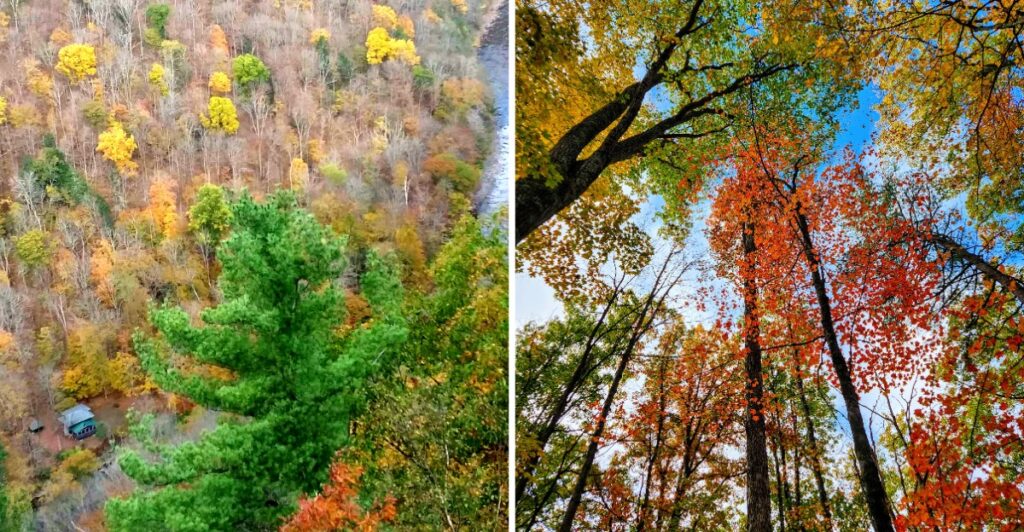
The first look from the rim can stop you cold. Trees spill down the canyon walls, and the creek sits far below like a thin ribbon through the forest.
Autumn changes the whole scene without overcomplicating it.
You can take in the view from above or follow a trail when standing still stops being enough.
I know I’d be the person saying I was ready to leave, then walking back for one last look.
But with a view like that, who is actually counting?
Pennsylvania Has Its Own Grand Canyon And It Feels Wonderfully Wild
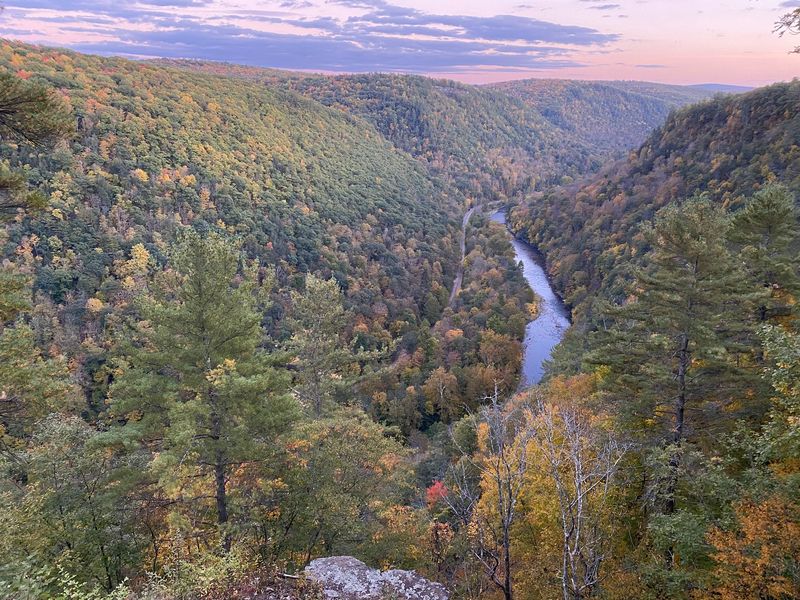
Picture a canyon with no red rock, no cactus, and no desert heat. Instead, you get forested slopes, a winding creek, and long views across a narrow valley.
Pine Creek Gorge runs through Tioga and Lycoming Counties, with state forestland extending across much of the surrounding landscape. Hardwood trees cover the hillsides, while patches of evergreens hold their color through fall.
At the bottom, Pine Creek bends between wooded slopes, sometimes disappearing around a ridge before coming into view again.
The gorge was designated a National Natural Landmark in 1968. Its landscape includes steep valley walls, rock exposures, and forested ridges. The northern end is the easiest place to begin exploring from a state park overlook.
For a first look, head to Leonard Harrison State Park on the eastern rim. Its main overlook opens onto a broad stretch of canyon without a steep hike. Stand back from the edge, follow the marked paths, and take in the creek below before choosing your next stop.
On a clear day, watch how the ridges overlap as the valley curves out of sight.
Numbers That Show Just How Big This Canyon Really Is
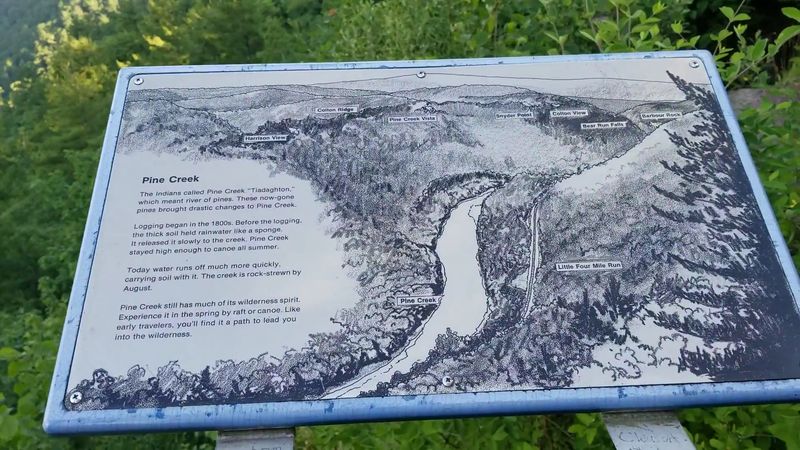
Forty-seven miles is a long distance to cover by foot, bike, or car. That’s approximately how far Pine Creek Gorge extends south from near Ansonia through the Pennsylvania hills.
At its deepest point, the gorge reaches about 1,450 feet. Around Leonard Harrison and Colton Point State Parks, the canyon is approximately 800 feet deep. Looking across from the park overlooks, you can see layers of forested ridges and a narrow strip of valley floor.
Thick woodland covers the slopes, including areas of Tioga State Forest. Pine Creek follows the bottom of the gorge, turning past hillside after hillside. The forests include hardwoods that change color in autumn and pockets of green conifers scattered among them.
The gorge is not a single viewpoint or a single hiking route. A day on the rim offers overlooks and short walks, while a trip to the valley floor puts you beside the creek.
Check a trail map before heading away from the parking area. Note the distance, elevation change, and whether your route returns to the same trailhead. Leave room in your plans for the drive between viewpoints, particularly if you want to visit both sides.
Autumn Paints The Valley In Fiery Shades Of Red And Gold
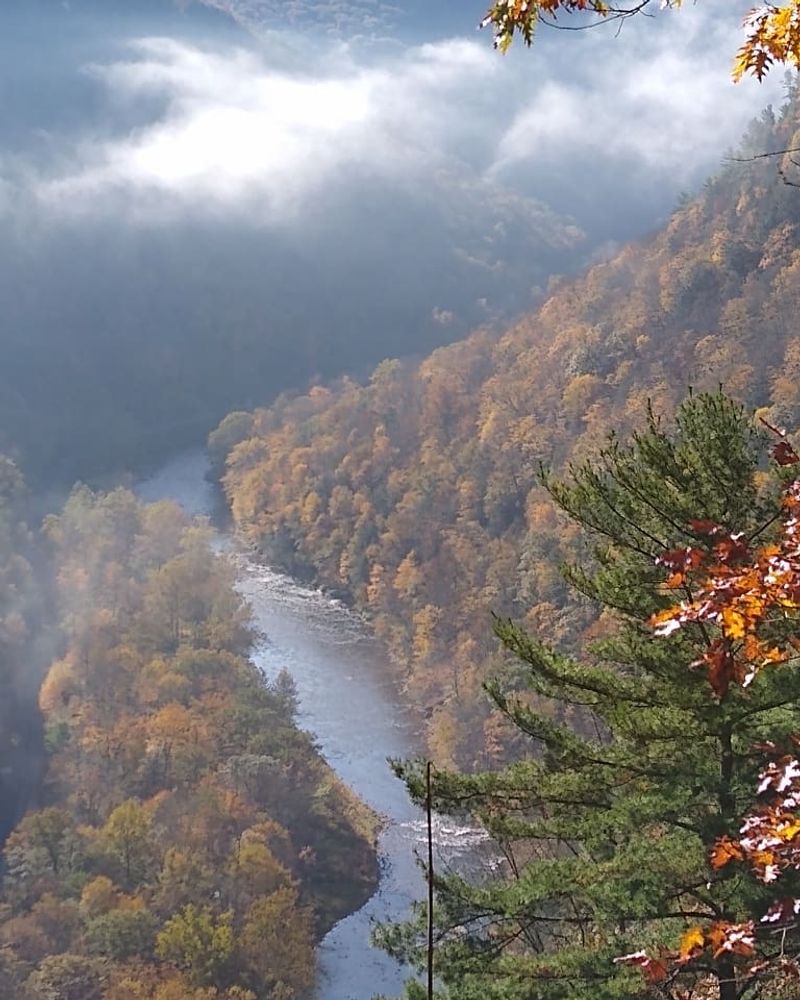
Crunchy leaves underfoot and a hillside full of color below you: fall brings a different look to Pine Creek Gorge. Across the slopes, red, orange, and yellow foliage appears among the remaining green.
Maples and other hardwoods produce much of the seasonal color, while oaks add bronze and brown later in autumn. Birch leaves can brighten parts of the hillside with yellow. The trees do not all change at once, so several colors can share the same view.
Evergreens keep their green needles through the season. From an overlook, look for darker patches between the brighter deciduous trees, especially where one ridge rises behind another.
Cloud cover and sunlight change how the colors appear during the day. If you visit more than one viewpoint, notice which hillsides are lit and which are in shadow.
Strong wind or heavy rain can bring leaves down before the season is over. Conditions shift from year to year, so a particular weekend never guarantees the brightest foliage.
Dress in layers and wear shoes with a reliable grip. Fallen leaves can hide roots, wet stones, and uneven spots beside a trail. Carry water if you’re heading beyond the viewing areas, and keep a dry layer handy if showers are forecast.
Overlooks Where The Whole Canyon Opens Up Before You
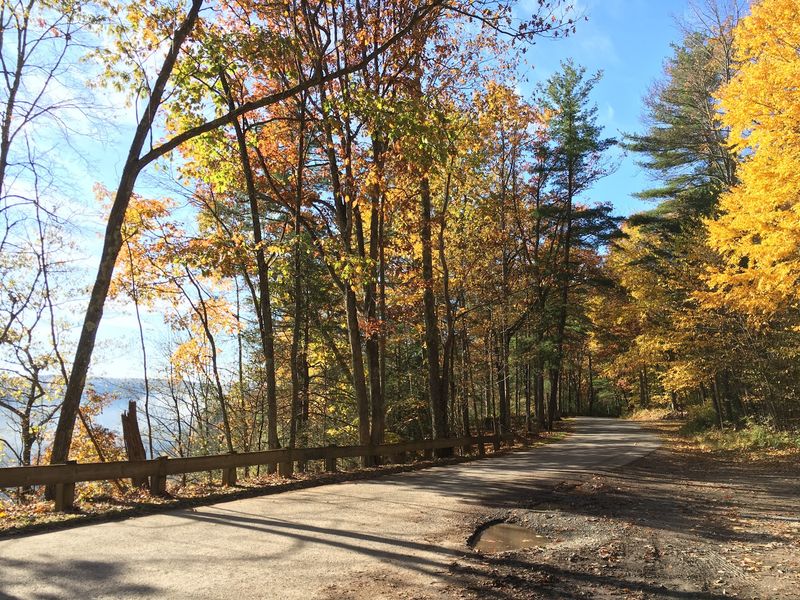
The main overlook at Leonard Harrison State Park faces into Pine Creek Gorge from the eastern rim. Forested slopes fill the view, with Pine Creek following the valley far below. The accessible viewing area makes a brief stop possible even if hiking isn’t on your schedule.
Look along the canyon as well as straight across it. Each direction reveals a different bend and a different arrangement of wooded slopes.
For a longer walk, Leonard Harrison’s Overlook Trail makes a 0.6-mile loop. It is rated more difficult and passes Civilian Conservation Corps features, including a monument, pavilion, and stone incinerator.
Take the signed route and wear shoes suitable for a trail rather than assuming the loop is as level as the main overlook.
Across the gorge, Colton Point State Park offers several viewing areas. Its one-mile Rim Trail links overlooks along the western rim and is rated easiest hiking. Stay on the marked trail, particularly near the cliffs and rocky edges.
Low clouds or fog may cover the creek and hide sections of the valley. If the view is obscured, conditions may change, but clear weather cannot be guaranteed.
Two State Parks Face Each Other Across The Canyon
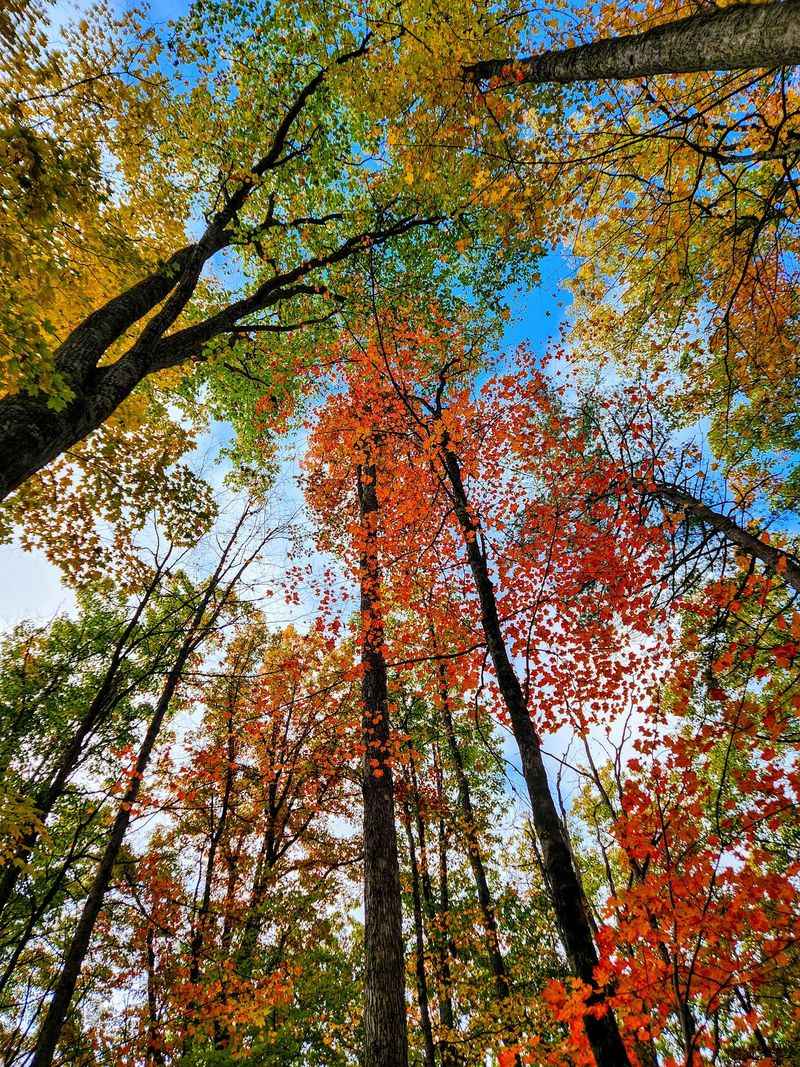
Leonard Harrison State Park sits on the eastern rim, and Colton Point State Park occupies the western side. Their overlooks face the same canyon from different directions, with no road crossing directly between the viewing areas.
Leonard Harrison has modern restrooms, a visitor center, and an accessible main overlook. Environmental education programs and interpretive facilities operate seasonally. If you’re hoping to visit an indoor facility, check its schedule before leaving Wellsboro.
Colton Point has picnic areas, wooded trails, and a rustic landscape shaped in part by Civilian Conservation Corps work during the 1930s.
Driving between the two parks requires going around the gorge. The distance across the valley can look short from an overlook, but the road trip takes a different route. Use current directions and allow enough daylight for the stops on your itinerary.
For the eastern rim, follow Route 660 west from Wellsboro. Stick with the paved approach instead of using narrow unpaved shortcuts suggested by some navigation apps. Download your map beforehand because cell reception can be unreliable in the area.
Start at Leonard Harrison State Park, 4797 Route 660, Wellsboro, PA 16901, if the main accessible overlook is your first stop. Park day-use areas close at dusk, so leave time to return to your car before dark.
Trails That Lead You Deep Into The Valley Below
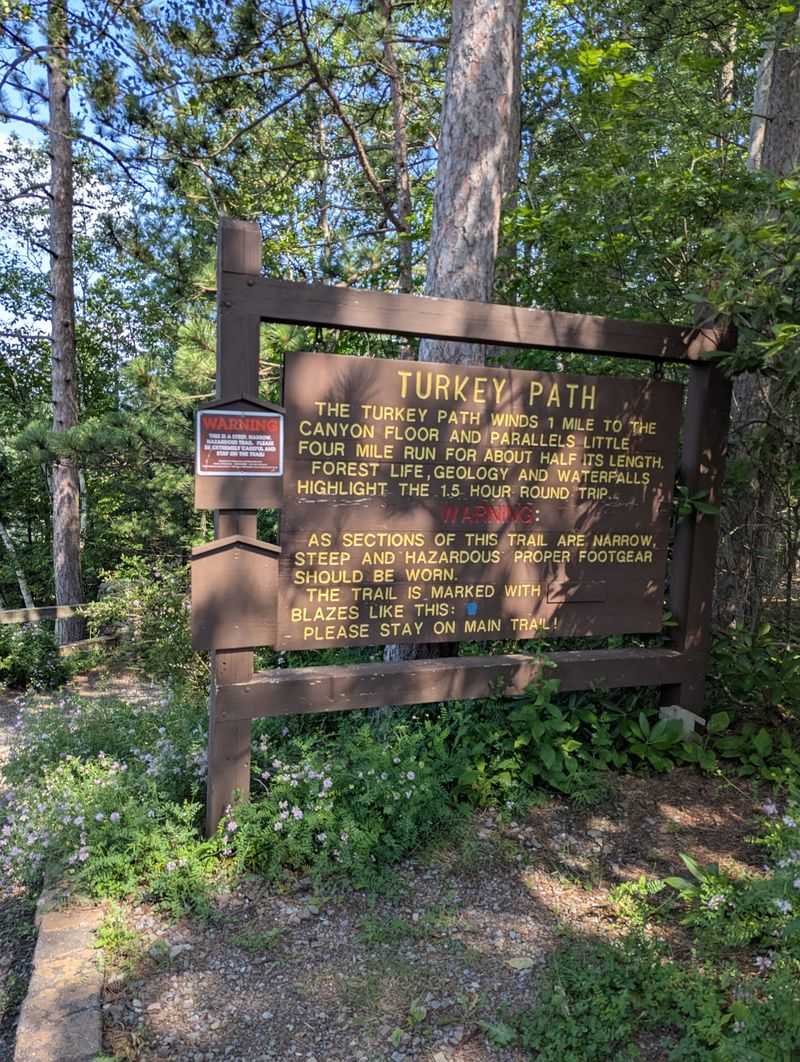
Your legs will notice the difference between walking the rim and heading toward the creek. The canyon trails descend sharply, and the return trip involves climbing back up.
At Leonard Harrison, the Turkey Path follows a one-mile route toward the canyon floor. It passes waterfalls and loses about 800 feet of elevation. The round trip is approximately two miles, with a demanding uphill return.
The trail is rated most difficult.
Wear sturdy hiking boots, bring water, and keep an eye on the time. Wet surfaces and steep sections call for careful footing. There is no shuttle waiting at the bottom to carry hikers back to the rim.
Colton Point has a separate Turkey Path on the western side. It runs approximately 1.5 miles downhill, creating a three-mile out-and-back hike. The two Turkey Paths do not connect across Pine Creek by a bridge, so plan to return by the trail you descended.
Prefer flatter ground? The Pine Creek Rail Trail follows a former railroad corridor for approximately 65 miles, linking the Jersey Shore area with Wellsboro. Its extension into Wellsboro provides another point of access to the broader route.
Walking or cycling a chosen section offers time beside Pine Creek without a steep rim descent.
Cyclists should use a designated rail-trail access rather than Leonard Harrison’s Turkey Path. Darling Run, north of the park, is one option.
Timing Your Visit For The Brightest Leaves
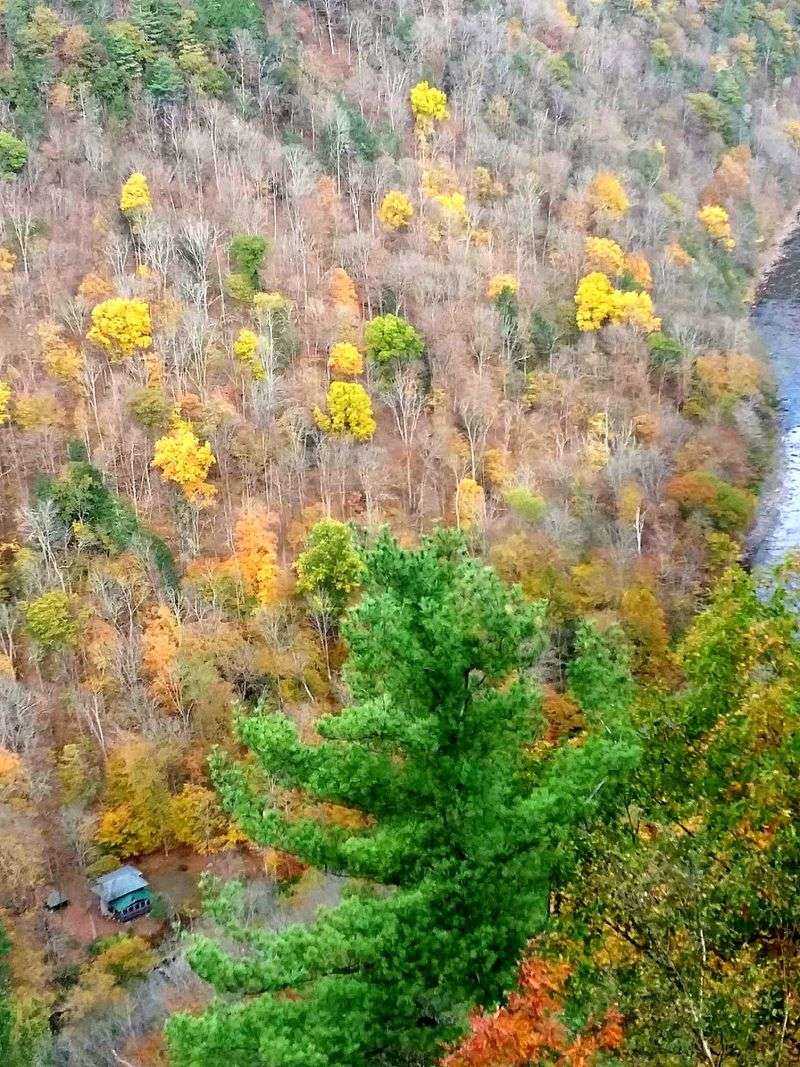
Leaf peeping is a little like catching a sunset. The timing matters, and the scene can change in only a few days.
Around Pine Creek Gorge, colorful foliage is typically on display from late September through mid-October.
Peak conditions shift with the weather, and slopes may change at different rates.
You might find some trees bright with color while others remain green or have already dropped their leaves.
Sunny days and cool nights can influence autumn color, while strong wind and heavy rain can shorten the display. Check Pennsylvania’s seasonal fall foliage updates close to your travel date, along with the local forecast.
If you have only a few hours, choose one rim and spend your time at its overlooks. With a full day, add a walk or drive to the opposite park. Leave a longer window for the Turkey Path than for an overlook visit, and begin any steep hike with plenty of daylight.
Wellsboro makes a convenient starting point for the eastern rim and offers a place to arrange an overnight stay. Check lodging availability for your chosen dates rather than relying on finding a room after arriving.
Early-season views mix green with yellow and red. Later, bronze leaves and bare branches expose more of the hillsides. Take one more look down the valley before leaving, and keep your route back to the car simple as daylight fades.