A 10-year-old girl started this farm, and she launched her first CSA at just 14. Today it feeds members all year long from a two-acre plot sitting 5,900 feet up in southern Utah.
Members don’t get a fixed, pre-packed box, either. They pick up weekly and choose what they need, from heirloom veggies to raw goat milk, cheese, and eggs from free-range hens.
I like how that turns grocery shopping into a weekly ritual instead of a quick chore. I believe it also nudges people to cook with the seasons instead of against them.
The farm saves its own seeds and keeps growing straight through winter in unheated high tunnels. How does a tiny high-desert plot pull all that off, and what else is going on out there?
A Kid With A Big Idea Built This Whole Operation
Most 10-year-olds want a bike or a puppy. Sara Patterson wanted a farm, and she actually started one.
That farm became Red Acre Farm CSA, now one of the best-known small farms in southern Utah. Sara’s family, Lynn, Symbria, and Sara, moved to Cedar City from Southern California in 2005.
By age 14, Sara had launched her first CSA program. That’s the age when most of us were still figuring out how to boil pasta without burning it.
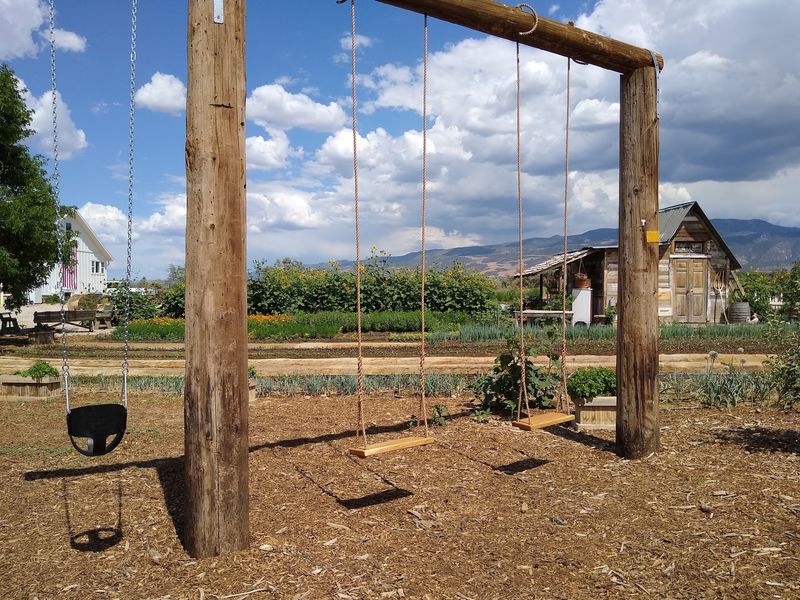
The whole thing runs on a two-acre plot in Cedar Valley. Two acres sounds small, and it is, which makes the variety coming off this land even more impressive.
The farm sits at roughly 5,900 feet in elevation. Growing food at that height means cold nights, short seasons, and a lot of creative problem-solving.
The family stuck with it anyway, and the farm has grown into a year-round food source for its members. It also became a launchpad for education and advocacy work across the state.
I can’t imagine a better origin story for a farm built around patience. It started with one determined kid, and it still feels personal today.
You Pick What Goes Home, Not A Random Box
Forget getting stuck with a mystery bag of turnips every week. The CSA share here is free-choice, which means members choose what they actually want to eat.
Members visit the farm weekly to pick up their food. They can take what they need in any quantity, with occasional limits on scarce products.
And this is a full-diet share, not just salad greens. The lineup can include vegetables, herbs, fruits, raw goat milk, raw cow milk, and cheese.
Hungry for more? Eggs, free-range beef, pork, pasture-raised chicken, turkey, and whole wheat grain are part of the mix too.
During peak season, members are encouraged to take extra produce for preserving. That’s a smart move if you’ve ever wanted a pantry full of homemade pickles or frozen tomato sauce.
The program runs year-round, so it doesn’t vanish when the first frost shows up. Winter eating just looks a little different than summer eating, which is exactly the point.
This setup asks you to plan meals around what’s ready on the farm. It’s a slower rhythm, but your kitchen will probably thank you for it.
Those Eggs Come From Hens Living Their Best Life
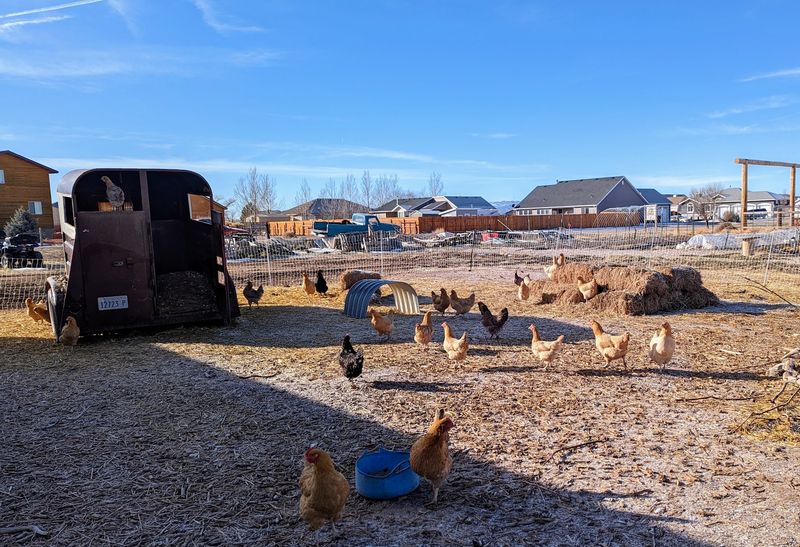
Some eggs come with a story, and these hens have a pretty good one. They’re pastured and free-range, so they spend their days outside instead of crammed in a building.
The hens at Red Acre Farm CSA are not fed GMO grains. They also don’t get antibiotics or hormones.
Even their water is simple. The hens drink untreated well water, the same source the farm uses for its drip irrigation.
Eggs show up in the CSA share and at the public farm stand. So you don’t have to be a member to bring a carton home.
Fresh farm eggs make a weekday breakfast feel a little fancier. Scramble them, fry them, or bake them into something sweet on a lazy Saturday.
A handy tip: farm-fresh eggs are great for recipes where eggs are the star. Think quiche, frittatas, or a simple soft-boiled egg on toast.
It’s a small thing, but knowing where your breakfast came from changes how you eat it. You might find yourself slowing down for that second cup of coffee.
Winter Can Try, But The Greens Keep Growing
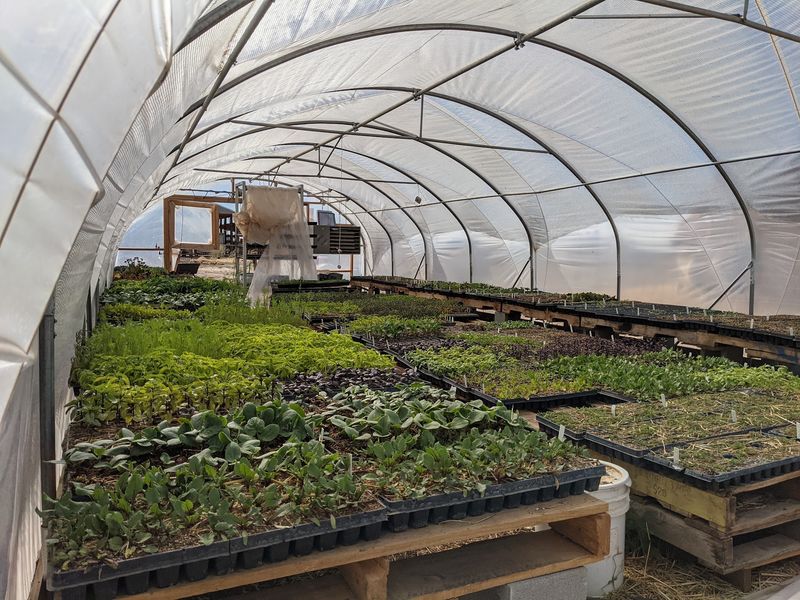
Snow on the ground usually means the garden is done. Not here, thanks to unheated high tunnels that let crops keep growing through the colder months.
The farm is a highly diversified biodynamic operation. It holds both CCOF Certified Organic and Real Organic Certified status.
That second label matters to a lot of shoppers. Real Organic certification focuses on things like soil-grown crops and pasture-raised animals.
Day-to-day practices are old-school in the best way. The farm uses composting, cover crops, and crop rotation to keep the soil healthy.
Water arrives through a drip-irrigation system fed by untreated well water. Drip lines put water right at the roots, which is smart in a dry region.
Then there are the seeds. They’re saved, heirloom, organic, and open-pollinated, and never GMO.
Saving seeds year after year helps plants adapt to local conditions. At nearly 6,000 feet, that kind of toughness is pretty useful.
All of this takes more effort than the shortcut route. The payoff is food grown with care for the land it comes from.
The Farm Stand Is Open To Everyone, Members Or Not
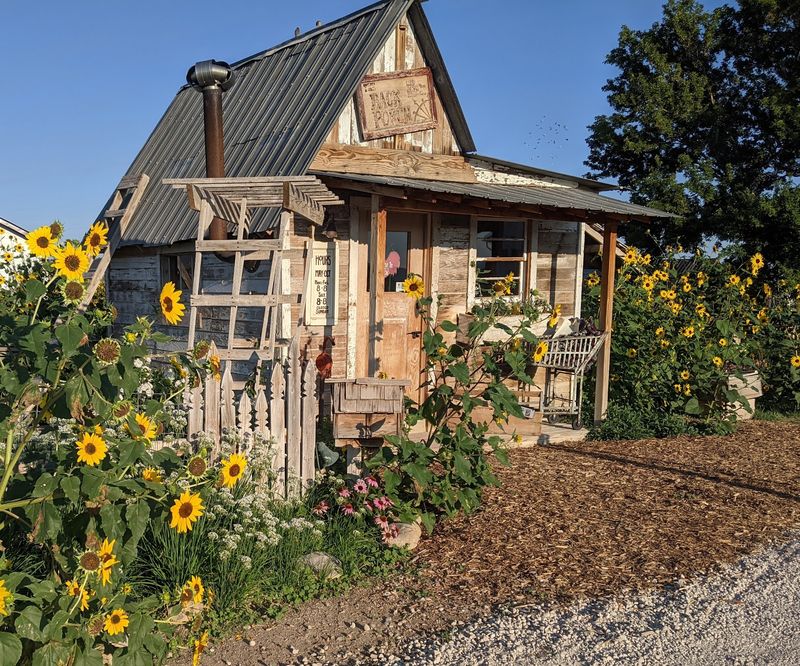
Not ready for a full CSA commitment? No problem, because the farm stand welcomes the public.
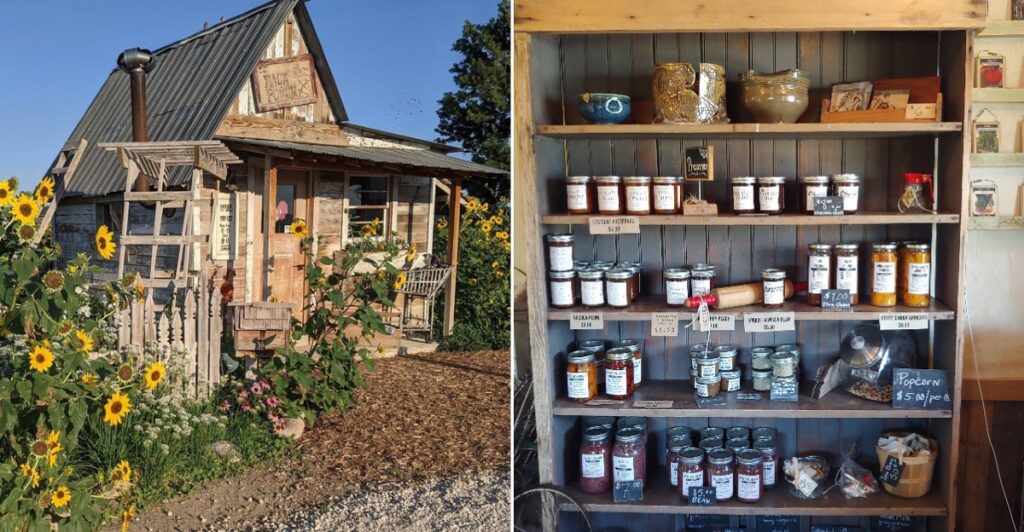
You’ll find it at 2322 West 4375 North in Cedar City, Utah. The stand itself was built from recycled materials by Sara’s father, which fits the farm’s whole vibe.
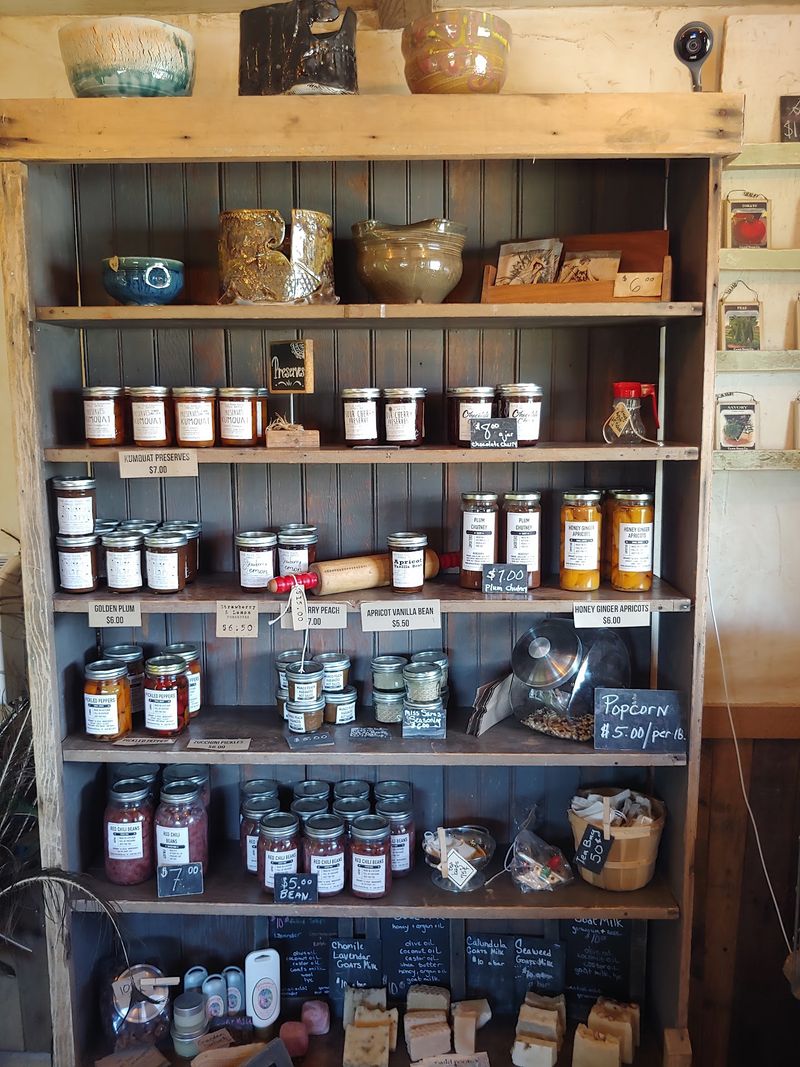
Shelves hold fresh produce, eggs, meat, and baked goods. You’ll also spot fresh bread, jams, and products from other local artisans.
Timing matters, so plan around the schedule. From May through October, the stand opens Monday, Thursday, Friday, and Saturday from 9 AM to 7 PM.
From November through April, those same four days run from 10 AM to 5 PM. Tuesday, Wednesday, and Sunday are closed all year.
That schedule is worth saving in your phone. Showing up on a Wednesday craving fresh bread is a sad little lesson nobody needs.
The stand is an easy way to test the waters before joining the CSA. Grab a few things, cook a meal, and see how it feels.
Fair warning, though. One trip has a way of turning into a weekly habit.
Saturday Pickups Get Tastier With The Farm Kitchen
Cooking every single meal from scratch is a lovely idea. Real life, however, has other plans sometimes.
That’s where the Farm Kitchen comes in handy. It offers a weekly menu, and you can pre-order for pickup at the Farm Stand on Saturdays.
The menu changes week to week. That makes sense for a farm that cooks around what’s actually growing.
Pre-ordering is the key word here. Planning ahead gives you a better shot at getting what you want before it’s gone.
It pairs nicely with a CSA pickup or a regular stand visit. You can stock up on raw ingredients and grab something ready-made in the same trip.
Baked goods and fresh bread also show up at the stand itself. Pick a loaf, and dinner suddenly feels a lot more put together.
I like how the Farm Kitchen still fits the slower-eating idea. You’re eating seasonally, just with a little help from the farm’s own cooks.
Think of it as a shortcut that doesn’t cut corners. Your Saturday plans just got easier.
Breakfast Outdoors And A Dinner Worth Marking On The Calendar
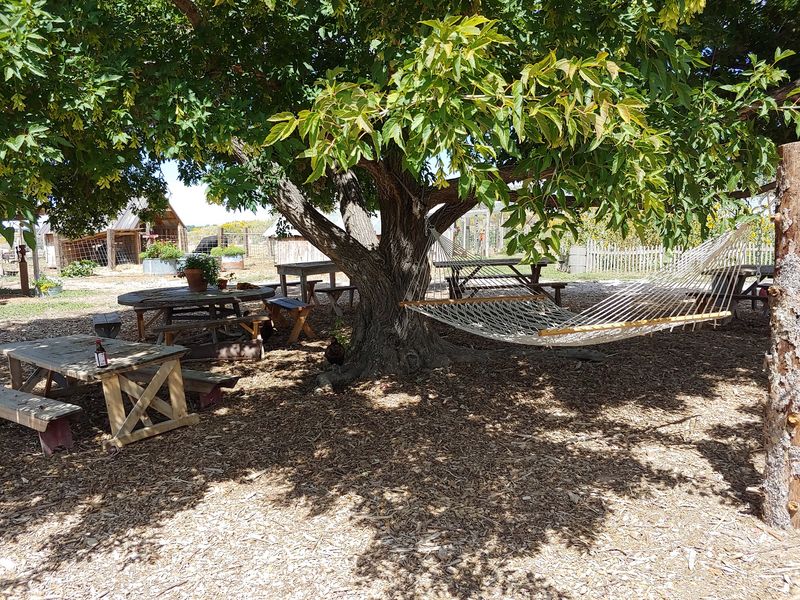
Breakfast tastes different when the ingredients grew a few steps away. Breakfast on the Farm happens on the last Saturday of the month, June through September.
That’s five scheduled chances in 2026, including the special Memorial Day weekend breakfast on May 23. So circle those Saturdays early if a farm morning sounds like your kind of plan.
Then there’s the big one. Farmer to Fork is an annual dinner, with its 2026 event held on August 15.
The meal is multi-course and served family-style. Ingredients depend on whatever the farm has available that season.
So there’s no fixed menu to study ahead of time. You eat what the land is offering right then, which is kind of the whole point.
A farm tour is part of the evening too. You get to see where dinner came from before you sit down to eat it.
Family-style meals mean passing plates and sharing with people around you. That naturally slows things down in a way a drive-thru never will.
Both events turn eating into an occasion. Your regular Tuesday dinner may feel a little rushed afterward.
Fall Donuts And A Christmas Celebration Keep The Fun Going
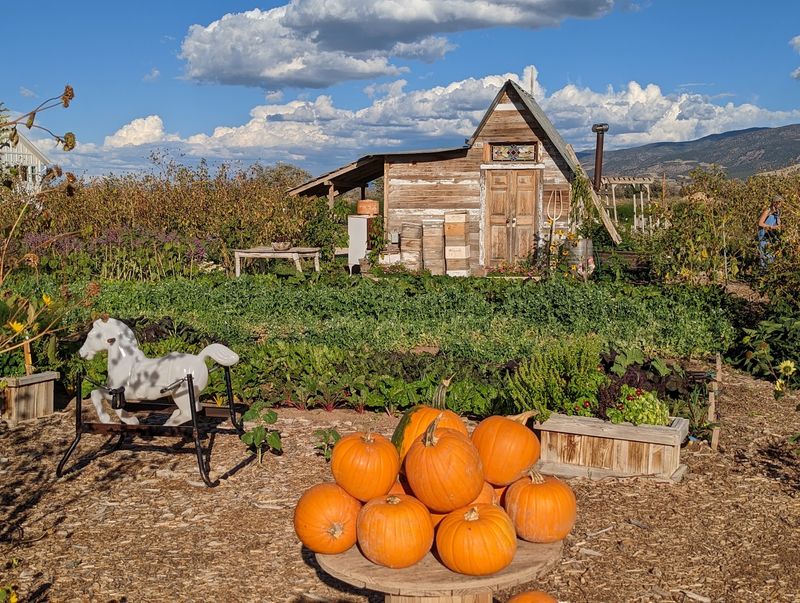
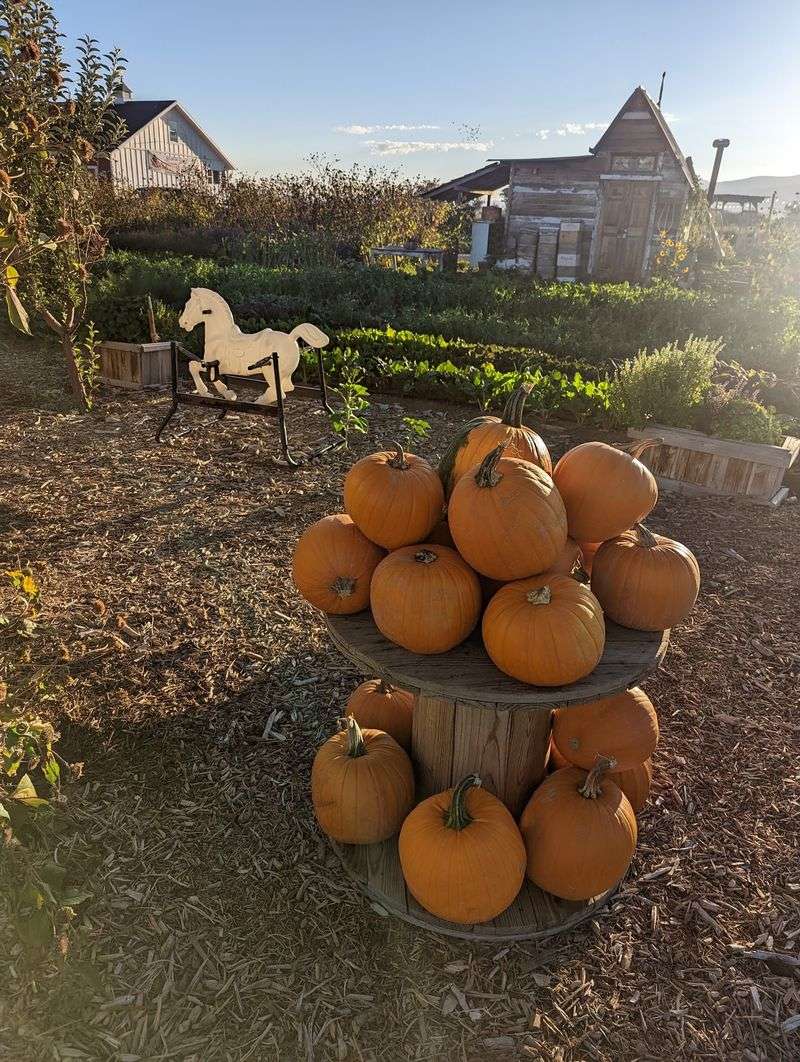
Apple cider donuts. That’s honestly reason enough to show up for Pumpkins and Donuts in the fall.
The 2026 event is set for October 10. It includes pumpkin picking, hot apple cider, apple cider donuts, and story time.
Better yet, there’s no admission fee. That makes it an easy family outing on a crisp autumn day.
When December rolls around, Red Acre Christmas takes over. The 2026 date is December 5.
The food lineup gets festive with baked goods, pies, quiche, and chili. Egg nog donuts and hot chocolate show up too.
You can shop for artisan gifts, Christmas trees, and wreaths. Hands-on fans can try wreath-making and candle-making.
Animal feeding is also on the schedule. Kids and grown-ups alike tend to enjoy meeting the farm residents up close.
These events show another side of Red Acre Farm CSA. It’s a working farm, but it also brings the Utah community together through the seasons.
Homemade wreaths beat store-bought ones anyway. Bragging rights are included at no extra charge.
Stay The Night, Then Learn Why Small Farms Matter
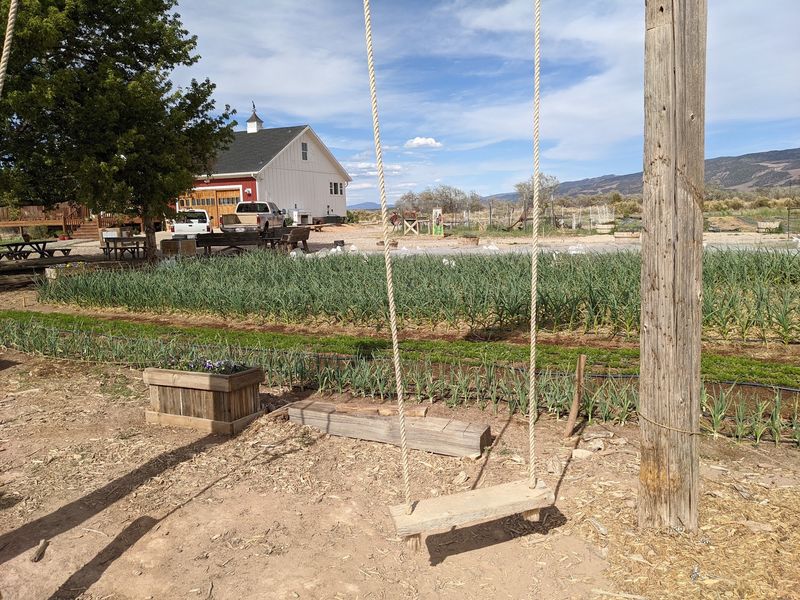
Sometimes a quick visit just isn’t enough. The farm offers a farm stay, so you can spend the night right on the property.
Waking up on a working farm is a pretty great reset button. It’s a chance to swap traffic noise for a slower morning.
The farm’s impact reaches well beyond its two acres, too. The family founded the Red Acre Center for Food and Agriculture, a nonprofit focused on farmer education and advocacy.
They also co-founded the Utah Farm and Food Conference. That event helps connect people who care about local food.
Since 2015, they’ve worked to pass more than 19 bills in Utah related to small agriculture. That’s a lot of statehouse effort from a family that also milks goats.
Why should a weekend visitor care? Those laws help small farms like this one keep doing their work.
Red Acre Farm CSA started with a kid and a garden. Now it shapes how a whole state thinks about food.
Not bad for a farm that encourages everyone to slow down. Sometimes the slow path goes surprisingly far.