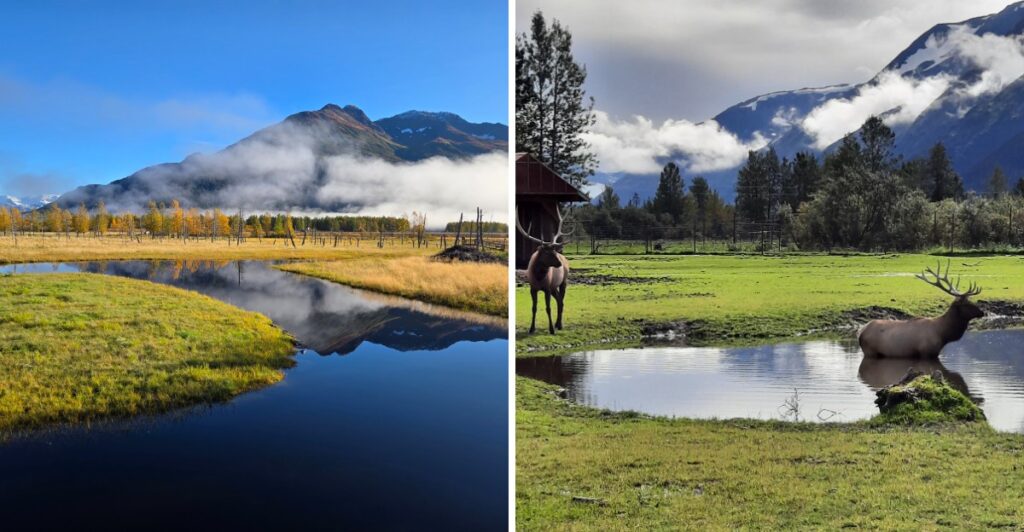
There’s a place where you can hand-feed a moose and then grab a reindeer hot dog for lunch. The moose probably gets the healthier meal.
Fair enough.
The animals here have more than just a place to roam. Many came here after losing their natural habitat or needing extra care. Now, they call more than 200 acres surrounded by mountains and glaciers their home.
You can walk the loop, bike it, or drive at a leisurely pace. Brown bears swim, porcupines climb, and wood bison wander like they own the deed.
Not a bad lineup for one afternoon.
Alaska has plenty of wild places, but few let you get this close to its wildlife in a safe, controlled setting. Just remember who gets fed first.
Spoiler: it’s the moose.
A Rescue Story Waits Behind Every Fence Here
Every animal on these grounds has a backstory, and most of them started rough. The Alaska Wildlife Conservation Center is a nonprofit sanctuary that gives orphaned, injured, and displaced animals a permanent home.
These residents can’t return to the wild for different reasons. Some lost their mothers young, while others were hurt or simply had nowhere safe to go.
The center works on four big goals: conservation, education, research, and quality animal care. That mix means your visit actually supports something bigger than a fun afternoon.
It also changes how you see each animal. A bear splashing in water feels different once you know it got a second chance.
The place didn’t always look like this. It opened in 1993 under the name Big Game Alaska, then later became a nonprofit.
In 2007, it officially took the name Alaska Wildlife Conservation Center. The new name fits the mission much better, and it sounds less like a hunting lodge.
Read the signs as you go. They share where many animals came from, and those details make each stop feel personal.
Bring patience, too. Some residents nap more than they pose, which honestly seems fair after the year they had.
Bears Steal The Show And They Know It
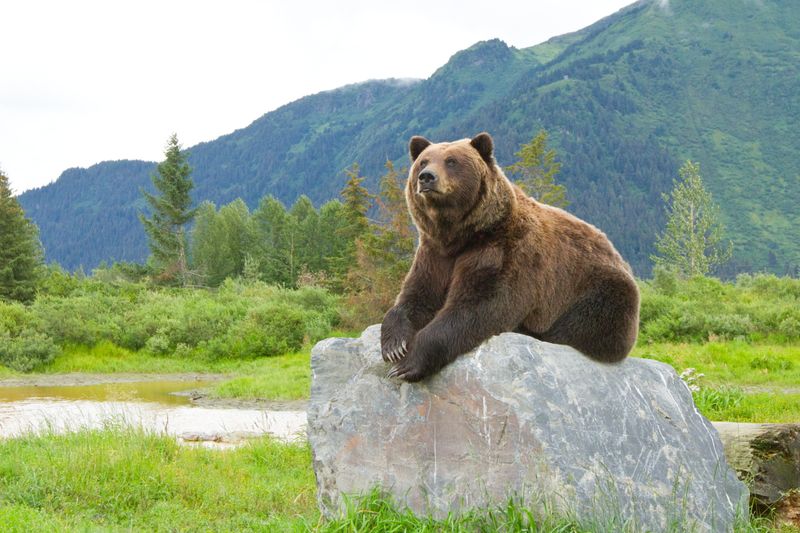
Swimming brown bears are one of the most common sights here, which feels almost unfair to other zoos. Watching a huge bear splash around like a kid in a pool is pure joy.
The center is home to both brown bears and black bears. Their habitats are roomy, so you get to watch real behavior instead of pacing.
Want to get even closer? Bear Encounters let guests help animal care staff deliver a daily meal to the bears.
You’ll learn about their diet, behavior, and history during the visit. Touching the bears is not allowed, which is a rule everyone should happily follow.
The center’s published Bear Encounter schedule runs from June 1 through August 15 on Mondays, Wednesdays, and Fridays in the late afternoon. Still, visitors planning a 2027 trip should confirm the new season’s dates.
Guests must be 12 or older, so younger kids will need to sit this one out.
Book ahead, since encounters require advance reservations. General admission alone still gives you plenty of quality bear time.
Timing matters if you want action. Bears can be lively or sleepy, so circling back later is a smart move.
A camera with a good zoom helps, too. Those swimming shots make excellent proof for skeptical friends back home.
Hand-Feeding A Moose Is A Real Thing You Can Do
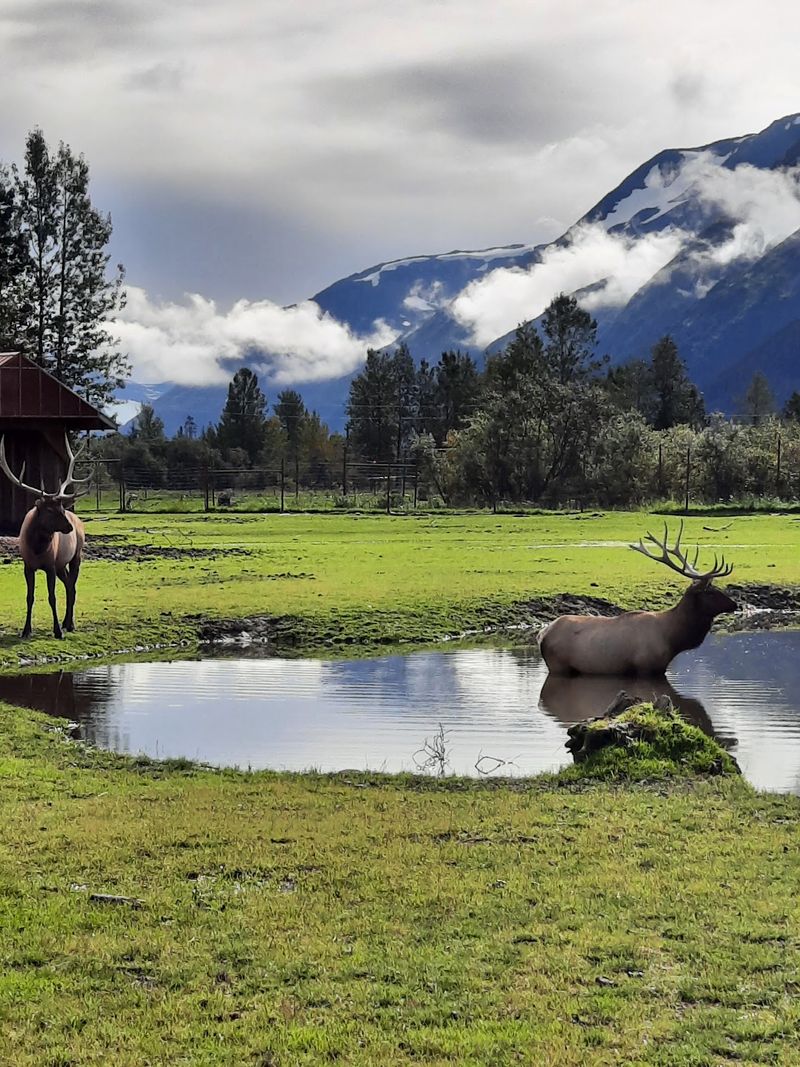
Moose are big, gangly, and strangely charming up close. At the Alaska Wildlife Conservation Center, you can actually feed one by hand.
Moose Encounters let visitors offer food while learning about moose behavior and diet. It’s a hands-on lesson that beats any textbook chapter on herbivores.
The center’s published Moose Encounter season runs from June 1 through September 15, although visitors should verify the dates for 2027.
All ages are welcome, which makes this perfect for families. Little kids and grandparents can share the same wide-eyed moment.
Spots require advance booking, so plan before you hit the highway. Showing up and hoping for the best won’t work for this one.
Even without an encounter, moose are easy to spot along the loop. The center notes that moose strutting around is a regular sight.
Their long legs and droopy noses are oddly fun to study. You may catch yourself narrating their every move in a nature-show voice.
Here’s a helpful tip for planning. Pair a moose morning with a bear afternoon on different days if your trip allows it.
Look Up, Because The Eagle Is Watching You
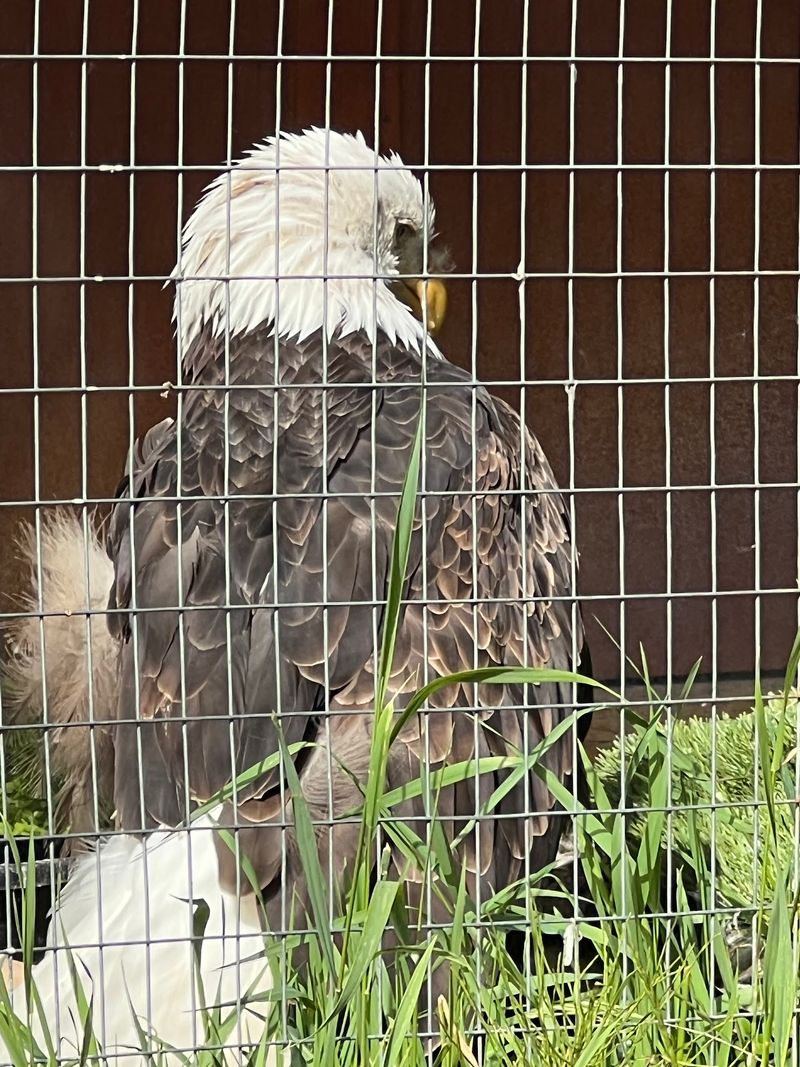
A bald eagle stares with a level of seriousness most humans can’t match. You’ll find one living here, along with a great horned owl.
Birds add a whole different mood to the loop. After the giant bison and bears, these sharp-eyed residents feel like quiet royalty.
The center is home to a wide variety of Alaska’s wildlife, with plenty more animals to discover along the loop.
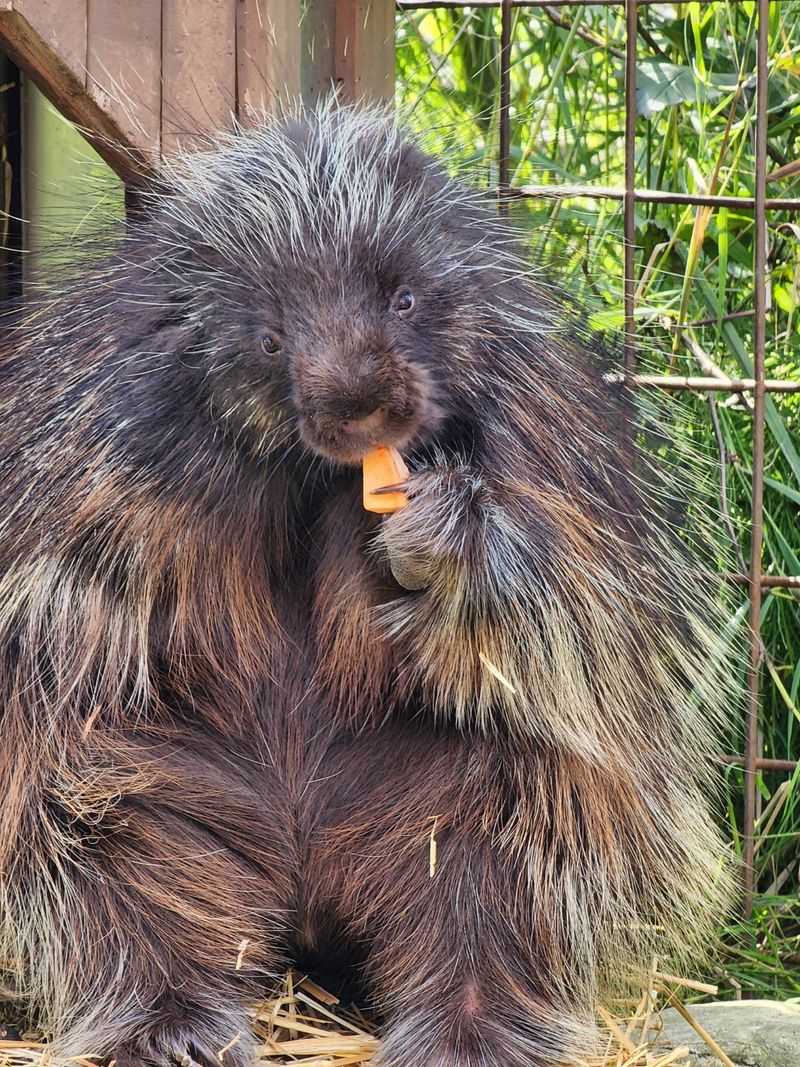
Wolves, lynx, foxes, porcupines, reindeer, caribou, elk, and Sitka black-tailed deer all call the center home.
Smaller stars matter too. A red squirrel and ferrets round out the cast for people who love little critters.
Porcupines are crowd favorites for good reason. They climb, munch, and generally look like walking pincushions with great attitudes.
Muskox add their own charm with shaggy coats and playful moments. Seeing them in Alaska scenery feels like stepping back to the Ice Age.
Grab a map at the start so you can track who you’ve spotted. Kids love checking animals off like a real-life scavenger hunt.
Some animals hide well, so slow down at each habitat. The lynx in particular is a pro at blending into the background.
Wood Bison Made A Comeback Thanks To This Spot
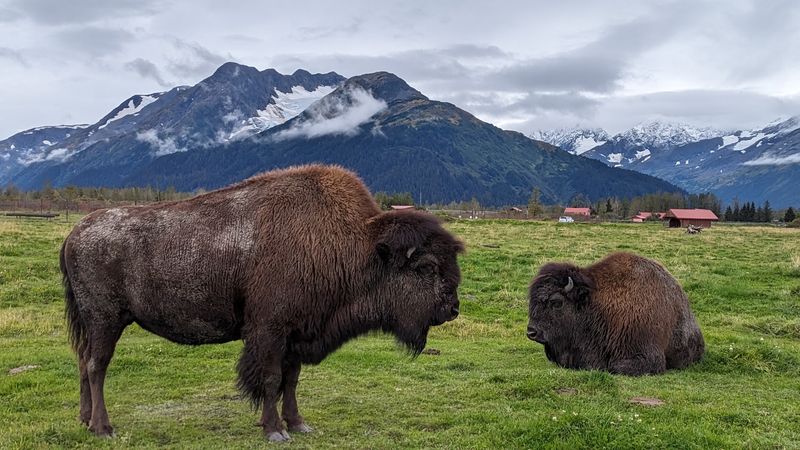
Wood bison vanished from Alaska for about 100 years. This center helped bring them back.
Since 2003, the Alaska Wildlife Conservation Center has played a central role in the Wood Bison Reintroduction Project. It worked alongside the U.S. Fish and Wildlife Service and the Alaska Department of Fish and Game.
Bison arrived in groups over the years. Thirteen came in 2006, and another 53 followed in 2008.
The big moment came in 2015. That year, 130 wood bison were released into western Alaska.
That’s a genuine conservation win you can see in person. The bison roaming here are part of that success story.
The center even leases an extra 110 acres from the U.S. Forest Service just for wood bison. They clearly need their personal space.
Watch them for a while and you’ll notice their moods shift. One minute they’re calm grazers, the next they’re bounding around like oversized puppies.
Point this history out to kids during your stop. It shows how science and teamwork can bring a missing animal home again.
Walk It, Bike It, Or Drive It At Your Own Pace
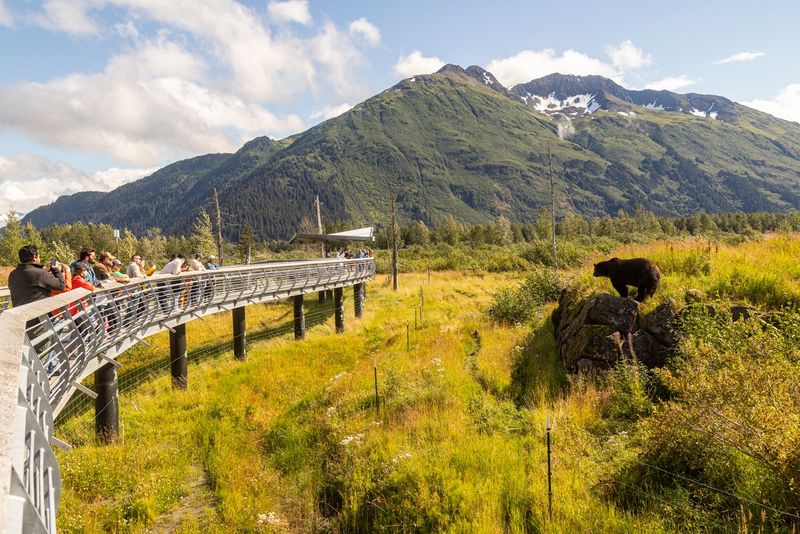
Flexibility is a big perk here. The center’s 1.5-mile loop works on foot, by bike, or by car.
That makes it friendly for people with different energy levels. Grandparents, toddlers, and teens who refuse to walk can all join in.
Interpretive signs line the loop with info about each resident. Audio guides are also available if you prefer listening while you stroll.
Driving is handy on cold or rainy days. You can park, hop out at favorite habitats, and climb back in to warm up.
Walking, though, gives you more time to notice small moments. A porcupine climbing or a fox napping is easy to miss through a windshield.
Wear comfy shoes with good grip. The ground is outdoors and weather in Alaska can change its mind quickly.
Layers are smart any time of year. Mountain air can feel chilly even in summer, so pack a light jacket.
If you drive, go slow and watch for walkers. Everyone shares the loop, and the animals aren’t the only ones worth protecting.
The Scenery Might Upstage The Animals
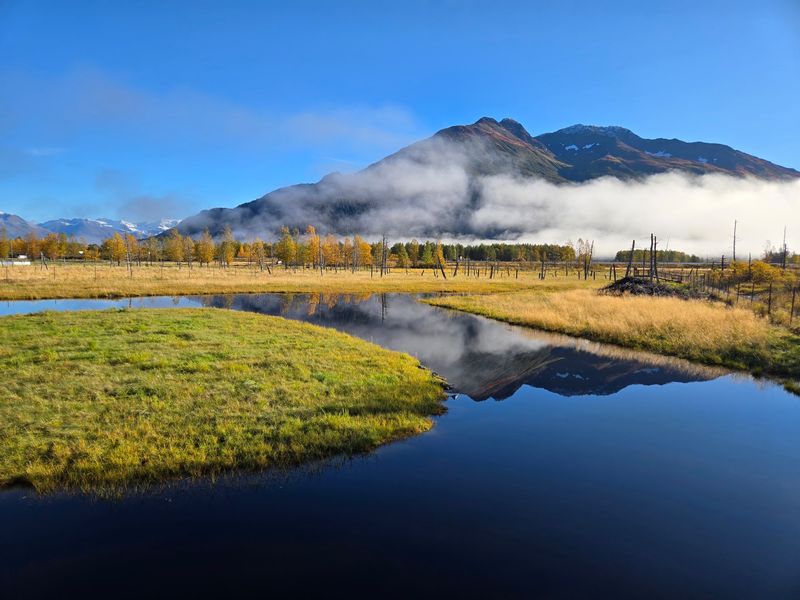
Mountains wrap around this place like a giant stone hug. The Chugach Range, alpine glaciers, and Turnagain Arm all frame the grounds.
You’ll find the center at 43520 Seward Highway, Girdwood, AK 99587. It sits at Mile 79 of the Seward Highway in Portage Valley.
The drive itself is part of the fun. The Seward Highway follows Turnagain Arm, so the views start long before you park.
That location makes it an easy stop between Anchorage and Seward. You can break up a road trip with bears instead of a boring rest area.
Parking is free, which is always a nice surprise. Save that money for snacks or souvenirs later.
Bring a camera for more than wildlife photos. Wide shots of the valley look amazing, even on gray days.
Cloudy weather can add drama to the mountains. Fog drifting over peaks makes the whole scene feel like a movie set.
Budget a few extra minutes just to look around. Between the animals and the views, your neck will get a solid workout.
Reindeer Hot Dogs And Local Treasures Await
Lunch here comes with a very Alaskan twist. In summer, the Forget-Me-Not Foods truck serves reindeer hot dogs and buffalo brats.
The truck is on-site daily from May through September. Its menu also includes gourmet mac and cheese, soup, chili, sandwiches, and chicken nuggets.
Outdoor seating is available near the truck. Eating with mountain views beats a drive-through parking lot any day.
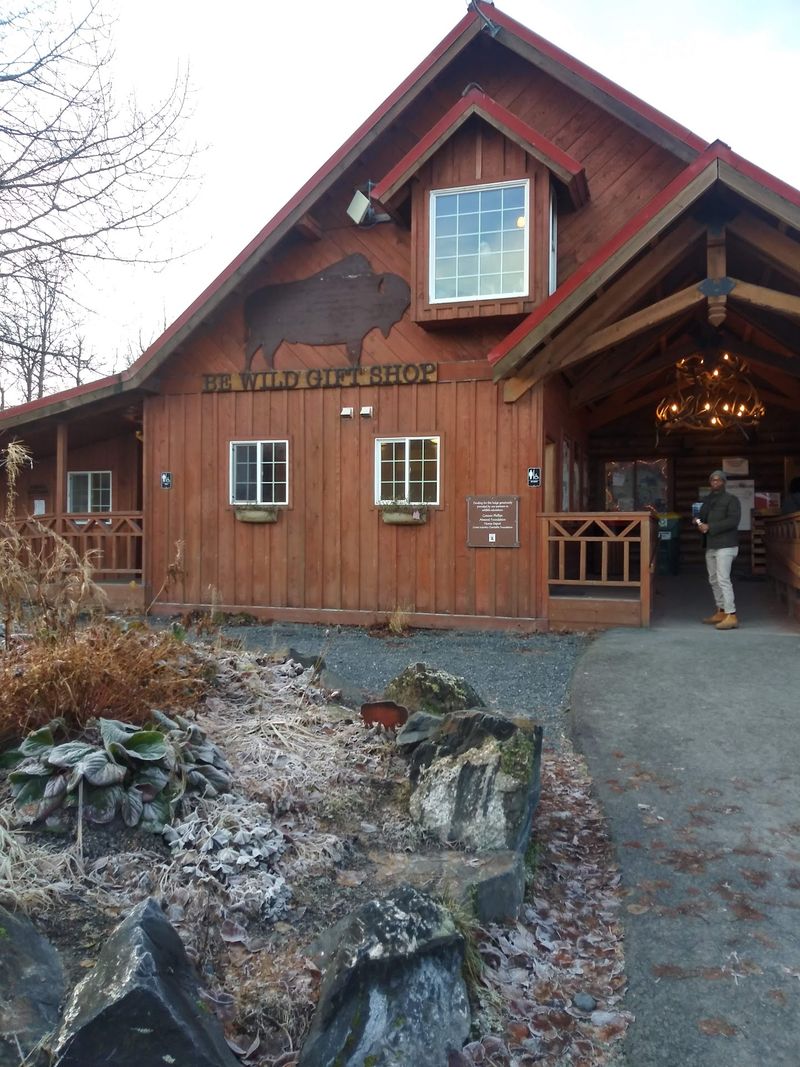
Year-round, the Be Wild Gift Shop offers hot drinks and grab-and-go snacks. That’s handy for a cocoa break during chilly visits.
The shop also carries Alaskan souvenirs from local artists, potters, jewelers, and confectioners. You can find gifts that feel more special than a basic keychain.
Every purchase supports the center’s mission and animal care. Your new mug technically helps feed a bear, which is a great excuse.
Gift certificates for admission or tours are sold there too. They make a thoughtful present for animal lovers in your life.
On windy days, hold onto your napkins tightly. Mountain gusts don’t care how good your mac and cheese looks.