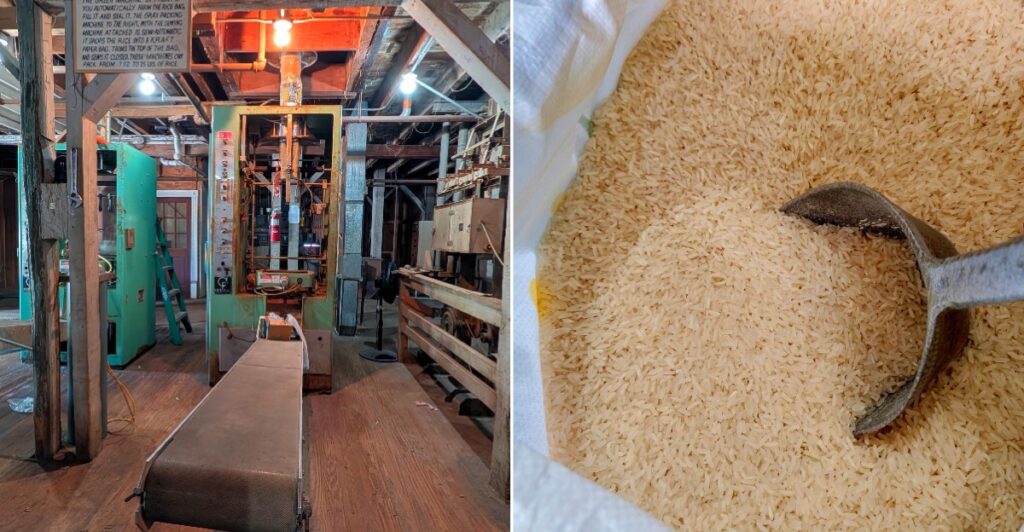
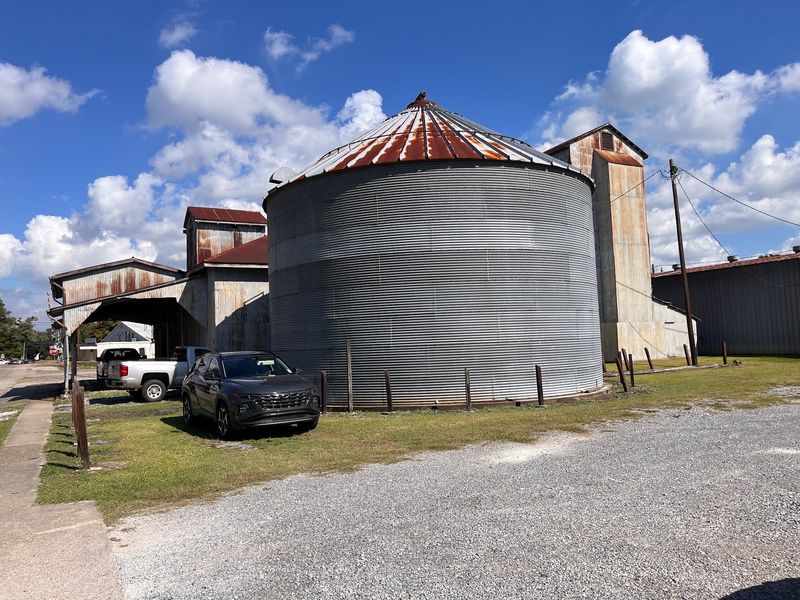
A rice mill that started up in 1912 is still cleaning, hulling, and bagging rice today. Not as a display. As a real, working business.
The building holds historic milling equipment right alongside modern machines. Tours often happen during active milling hours, so the place can be humming while you learn how it all works.
Then comes the fun part. There’s free rice to taste, plus crackers, a bold sauce, and hot Cajun coffee waiting after the tour.
This slice of Louisiana history still pays its own bills. It’s hard to find a tastier way to learn how rice reaches your dinner plate. How does a little mill keep running for more than a century?
A Short Film Sets The Scene Before The Machines Take Over
Every good story needs a strong opening. At this mill, that job belongs to a video about the Acadiana region and how the mill got its start.
The film explains how rice growing and harvesting changed over time in Louisiana. It also shares the cultural background that shaped this corner of the state.
Honestly, it’s a smart way to begin. You walk onto the mill floor already knowing why rice mattered so much to this area.
Without that context, the machines might just look like big metal puzzles. With it, each piece of equipment suddenly has a purpose and a past.
The video also gives families a calm moment before the tour starts. Kids get a quick picture of Cajun country, and grown-ups get a refresher on regional history.
I believe a little background makes any trip richer. It turns a quick factory peek into something you’ll actually remember on the drive home.
After the screening, a guide leads the group on a walking tour through the actual mill. That’s where things start to rumble.
This Old Mill Has Been Grinding Away Since 1912 And Never Clocked Out
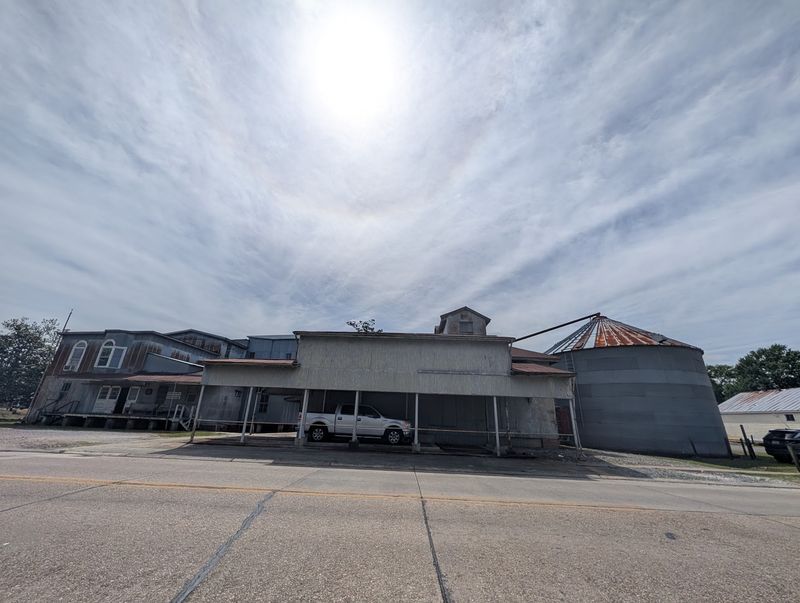
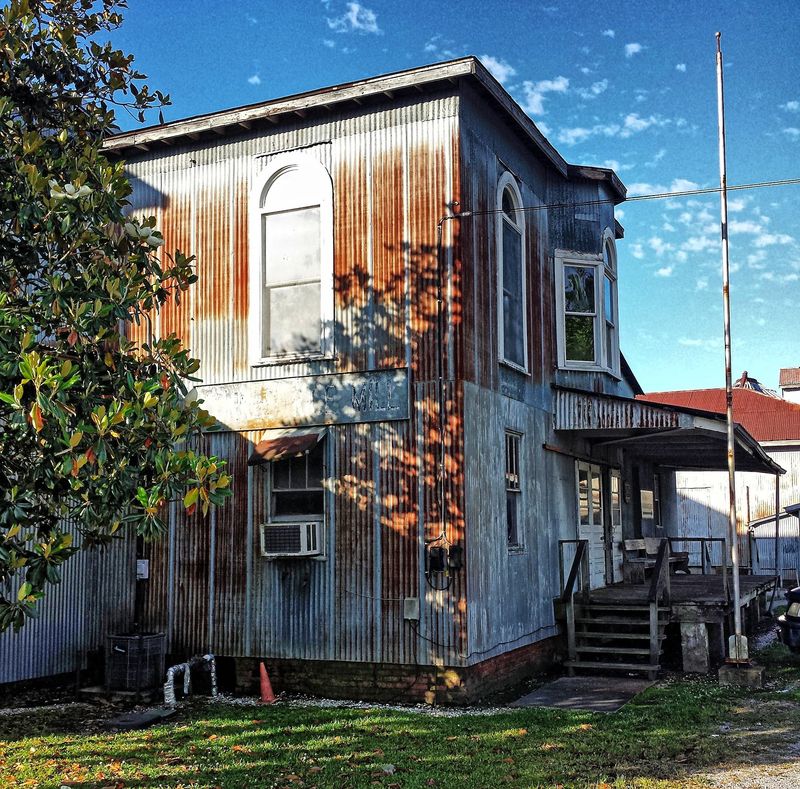
Conrad Rice Mill is at 307 Ann Street in New Iberia, Louisiana. From the downtown Main Street area, use the local street network toward Ann Street and the mill complex.
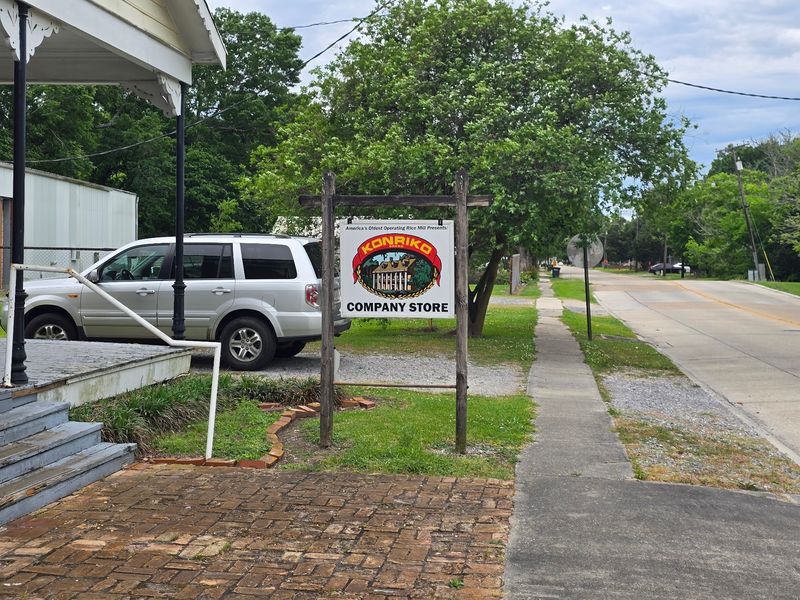
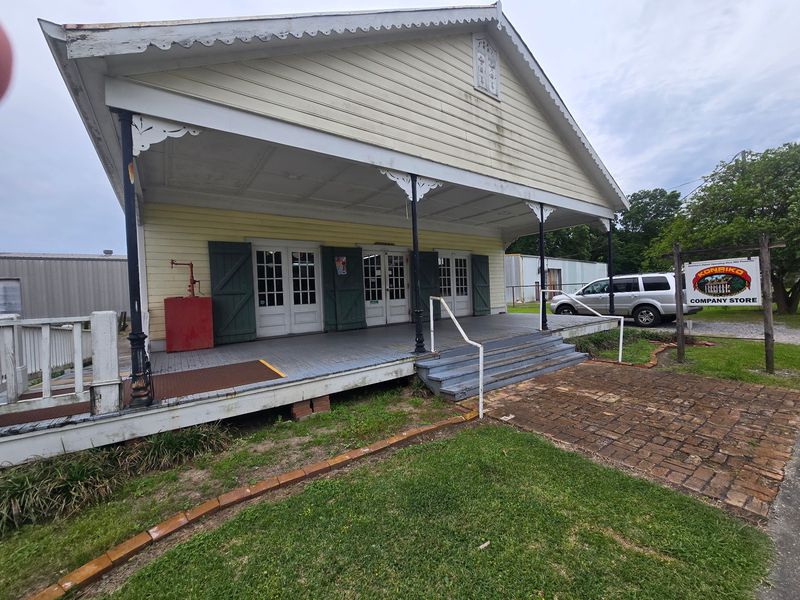
The KONRIKO Company Store beside the historic mill is the visitor arrival landmark. It is the place to begin rather than entering the operating industrial buildings independently.
Park in the designated visitor area and check in at the company store for scheduled mill tours. Confirm availability before traveling.
Rough Rice Goes In, Dinner-Ready Grains Come Out
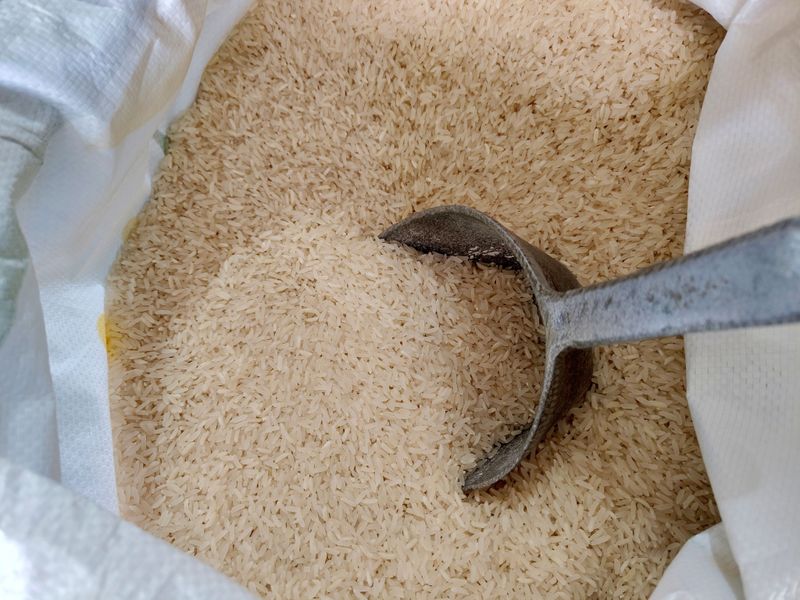
Rice doesn’t come off the plant looking like the stuff in your pantry. It starts as rough rice, still wrapped in a tough outer hull.
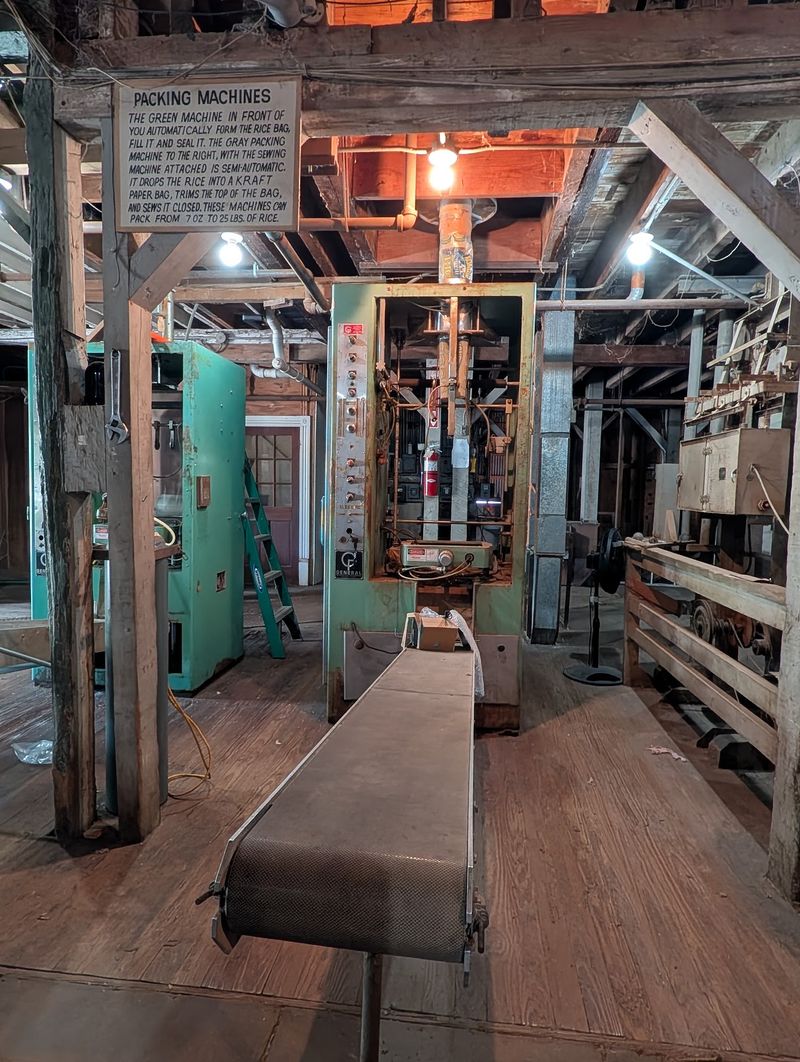
During the guided tour, a guide explains how that rough rice becomes a finished product. A detailed model of the mill helps show each step in order.
The process includes cleaning, hulling, polishing, and packaging. Seeing it broken down makes a familiar food feel almost brand new.
You’ll also spot historic milling equipment sitting beside modern machinery. Old and new share the same space, which tells the story of how the mill has adapted.
Here’s a fun bonus. Most tours happen during active milling hours, so you might see rice being processed in real time.
That’s the kind of detail science class could never quite deliver. Watching real grain move through a working mill sticks in your brain.
The whole tour lasts about an hour, which feels just right. It’s long enough to learn a lot, yet short enough that nobody starts asking about snacks.
Free Samples Make The Tour Taste Even Better
Learning is great. Learning with a spoonful of seasoned rice is even better.
Visitors often get to try a Rice of the Day flavored with KONRIKO seasonings and sauces. It’s a tasty way to see what the mill’s products can do in a real dish.
The sampling doesn’t stop there. HOL-GRAIN Rice Crackers are often paired with Bay Island Secret Sauce for dipping.
And to wash it all down, there’s a cup of hot Cajun coffee. That combo turns a history tour into a small Louisiana tasting.
I like how the samples help with shopping decisions too. You can taste a seasoning before you commit to carrying it home in your suitcase.
It’s also a clever reminder that this is a working food company. The rice you just learned about ends up right there in a warm bowl.
Fair warning, though. A taste of seasoned rice has a funny habit of making you want a whole bag, and the store sits conveniently close by.
Wild Pecan Rice Steals The Spotlight In The Shop
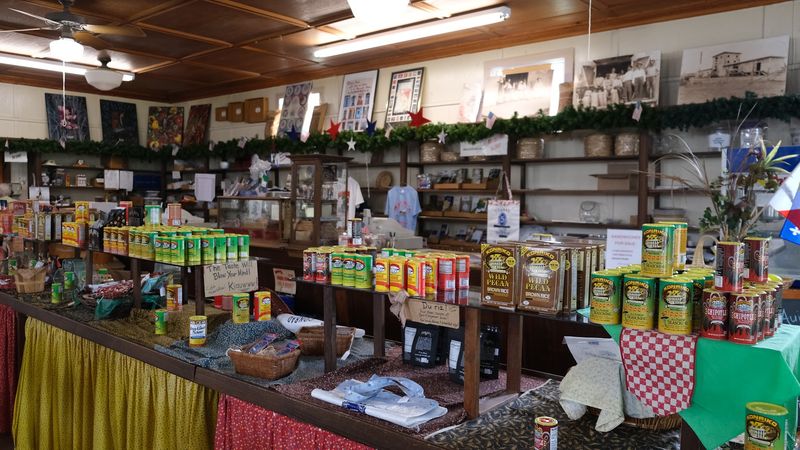
Some rice is simply rice. KONRIKO Wild Pecan Rice is the mill’s best seller, so it has clearly won a few fans.
The KONRIKO Company Store carries a range of the mill’s own KONRIKO brand rice. You’ll find brown rice and flavored options alongside the famous pecan variety.
Then there’s KONRIKO Creole Seasoning, another star product on the shelves. It’s one of those pantry items that can wake up eggs, veggies, or a plain pot of rice.
Shopping right where the rice is milled feels pretty satisfying. You can tell friends exactly where your dinner came from.
The store also stocks locally made seasonings, spices, sauces, marinades, and snacks. Cajun food fans could easily spend a while reading every label.
My advice is simple. Make a list of who back home loves to cook, then shop with them in mind.
A bag of pecan rice makes a thoughtful gift that actually gets used. Way better than another fridge magnet that just collects dust.
More Than Groceries Fill These Store Shelves
Souvenir hunters, take note. The KONRIKO Company Store goes well beyond rice and spice jars.
The roomy shop also features Cajun crafts, local foods, books, and gift baskets. It’s a one-stop spot for Louisiana goodies that actually feel connected to the region.
Gift baskets are especially handy if you’re traveling. You can grab a ready-made bundle for a coworker, neighbor, or that friend who watered your plants.
Books add another layer to the visit. After a tour full of history, it’s nice to bring home something that keeps the story going.
The store is open Monday through Saturday from 9 a.m. to 5 p.m. It’s closed on Sundays, so plan your weekend road trip with that in mind.
I can’t imagine leaving empty-handed, honestly. Between the crafts and the edible treats, something will call your name.
Even if you skip the tour, the shop works as a fun stop on its own. Just don’t blame me if one item turns into five.
The Family Story Behind A Famous Misspelled Name
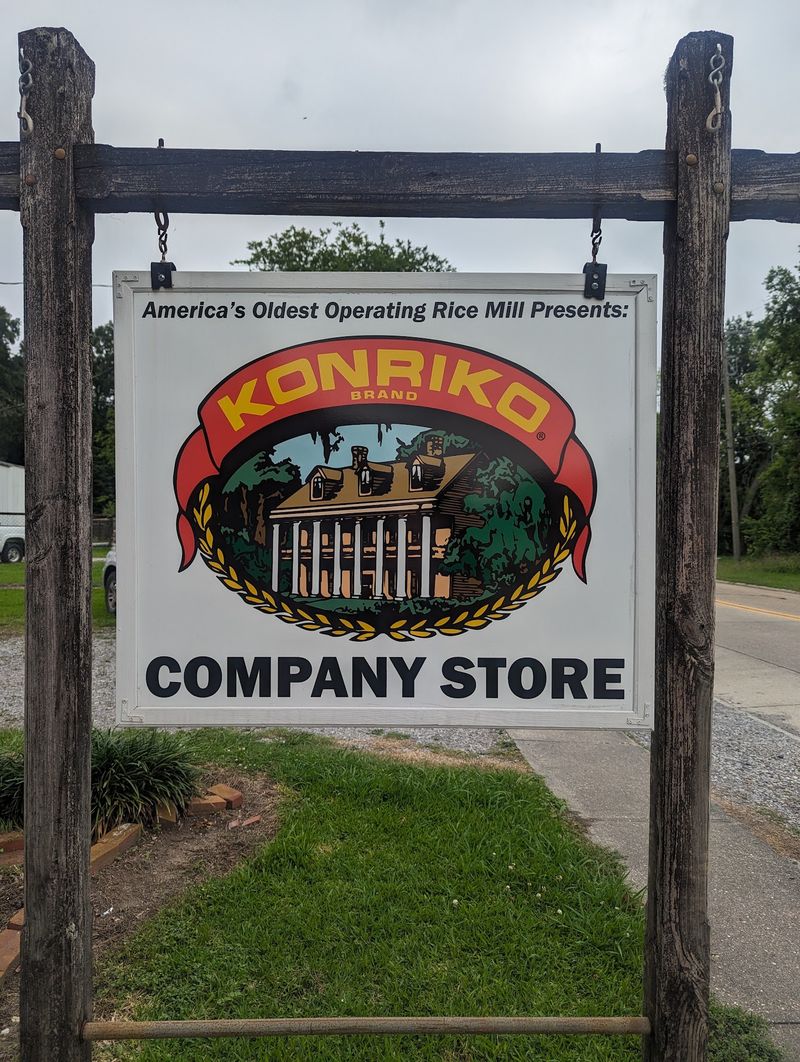
KONRIKO wasn’t the first choice. The company once tried to trademark Conrico, and that application got rejected.
So in the 1950s, the name KONRIKO was adopted instead. A little spelling twist created a brand that now sits on shelves far beyond Louisiana.
The story really starts with Philip Amelius Conrad, known as P.A. Conrad. He founded the Conrad Rice Milling and Planting Company in 1912.
Conrad first built a small mill in 1910. He later moved and rebuilt it at the current Ann Street location in New Iberia.
The mill’s importance earned national recognition too. In 1982, two of its buildings were listed on the National Register of Historic Places.
Those buildings date from 1914 to 1917 and from 1930. That means parts of the mill have been standing for well over a century.
I love how a rejected trademark became part of the charm. Sometimes a detour leads somewhere better than the original plan, and this name proves it.
Tour Times And Easy Parking Make Planning A Breeze
Good news for planners. Tours run at set times, including 10 a.m., 11 a.m., 1 p.m., 2 p.m., and 3 p.m.
Each tour lasts about an hour, so it fits nicely into a busy travel day. You can easily pair it with lunch or other stops around Acadiana.
You’ll find the mill at 307 Ann Street, New Iberia, Louisiana 70560. Free parking is available right there.
The lot can even handle RVs and buses. That makes it an easy stop for road trippers and group travelers alike.
The mill is family-friendly and handicapped accessible. Grandparents, little kids, and everyone in between can join in.
Here’s a detail I really appreciate. Tours are also offered in French, which fits beautifully in a region with deep French roots.
A quick tip on timing helps too. Aim for an earlier tour if you want plenty of time to browse the store afterward.
That way, nobody feels rushed while choosing between pecan rice and a gift basket.
Why This Working Mill Deserves A Spot On Your Route
Few places let you taste history and buy it in a bag. The Conrad Rice Mill & KONRIKO Company Store pulls off both.
You get a short film, a guided walk through a working mill, and samples that make the whole visit feel delicious. Then the store sends you home with real Louisiana flavor.
It’s a great pick for curious kids who wonder where food comes from. It also suits grown-ups who like a good origin story.
I believe stops like this make a road trip memorable. Big attractions are fun, but small family-founded businesses carry a special kind of heart.
The mill has survived more than a hundred years by doing one thing well. That kind of steady focus deserves a little applause.
Plan around the Monday through Saturday schedule and pick a tour time. Bring an empty spot in your bag for rice and seasonings.
When you cook that rice back home, you’ll remember the machines, the coffee, and the guides. Not bad for a grain most of us barely think about.