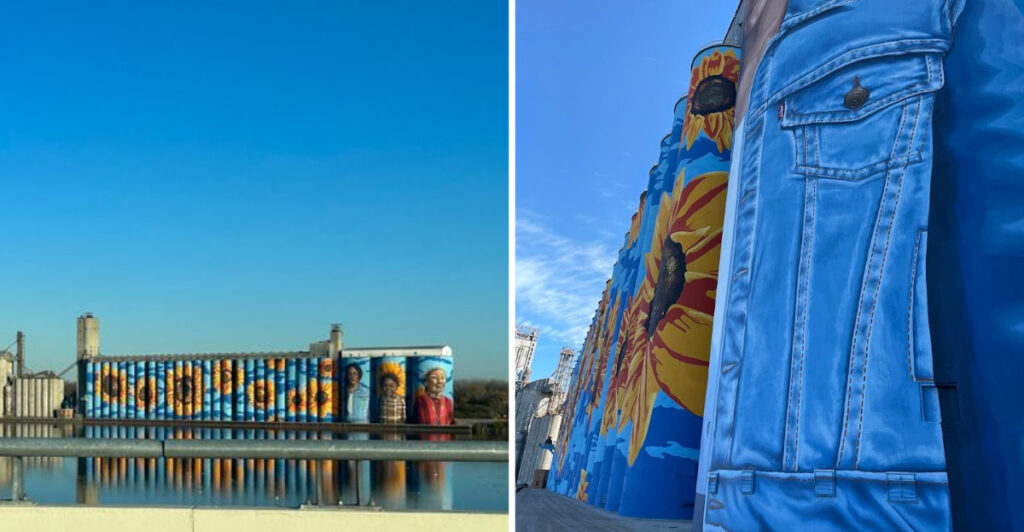
This place in Ohio is not usually the first place that comes to mind when people think about world-class art. That is exactly what makes it such a stunning surprise.
Stretching across a row of massive grain elevator silos along the river, this mural is officially recognized as one of the largest outdoor murals in the United States.
The sheer scale of it stops people in their tracks. This is not a glance-and-move-on kind of artwork. The detail, the color, and the story painted across those towering concrete surfaces demand your full attention, and they absolutely earn it.
Standing in front of this mural makes you realize how small you are and how colossal it is. Make the trip and see why this colossal artwork has everyone talking.
What The Glass City River Wall Actually Is
Not every mural makes the news, but this one did.
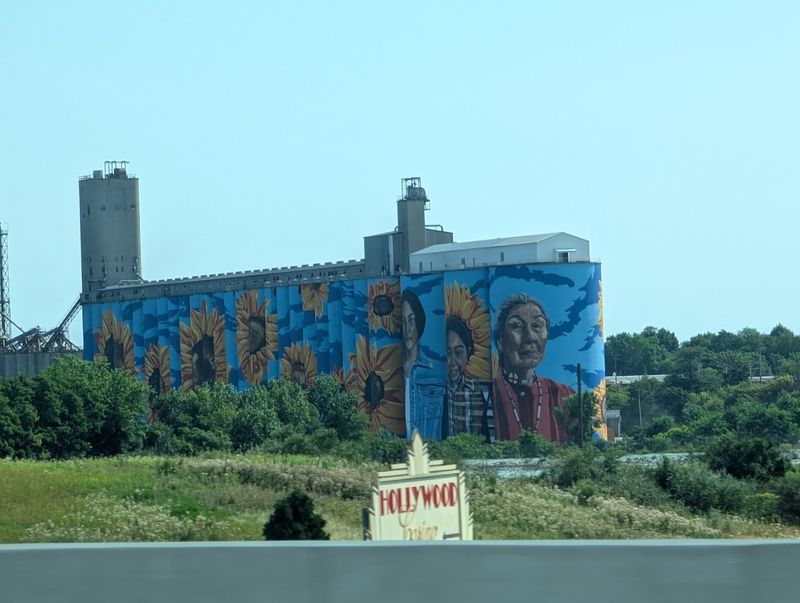
The Glass City River Wall is a monumental public art project painted across a series of towering concrete grain elevator silos located at 1306 Miami St, Toledo, OH 43605, right along the banks of the Maumee River.
The project was designed to transform what many people saw as industrial eyesores into a breathtaking canvas that celebrates the natural beauty and cultural identity of the Toledo, Ohio region.
The silos themselves rise dramatically above the riverbank, and the mural wraps around them in a way that rewards viewers from multiple angles.
CBS News covered the project around 2022, bringing national attention to what Toledo had quietly been building along its waterfront.
The artwork features richly detailed wildlife, native plants, and sweeping landscapes that reflect the ecology of the Great Lakes region, all rendered in a style that looks almost photographic when viewed from the right distance.
It is public art operating at a genuinely cinematic scale.
The Sheer Size That Makes It Record-Breaking
How big is big enough to be called the largest outdoor mural in America?
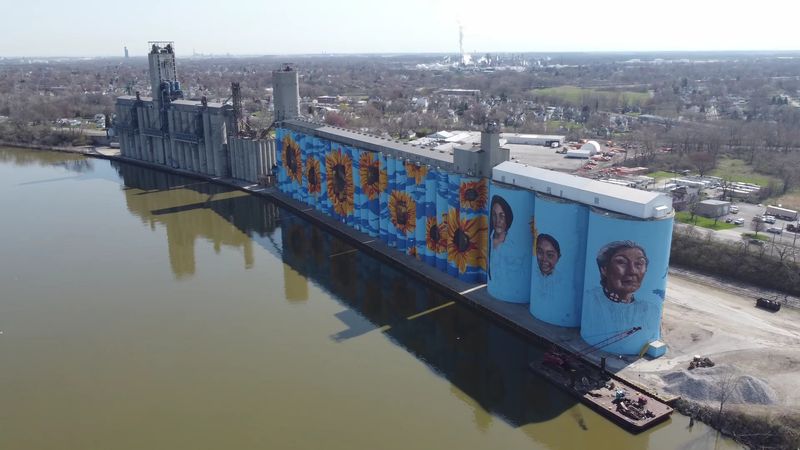
In the case of the Glass City River Wall, the answer involves grain elevator silos that tower several stories into the Ohio sky, with painted surfaces that stretch hundreds of feet across the riverfront.
The scale is genuinely difficult to process until you are standing near it or viewing it from a boat on the Maumee River.
Visitors who drove hours specifically to see it in person have described the moment of first seeing the full wall as something that takes a few seconds to fully register in the brain.
The painted figures of animals and natural landscapes are so large that individual feathers on a bird or individual leaves on a plant can be made out clearly from considerable distance.
This is not an exaggeration for effect; multiple visitor reviews confirm that the detail work at that scale is what separates this mural from anything else they had seen.
Size alone does not make great art, but combined with the quality of execution here, it absolutely amplifies it.
The Artists Behind The Brushstrokes
Creating something this large requires more than talent. It requires endurance, vision, and serious logistical coordination.
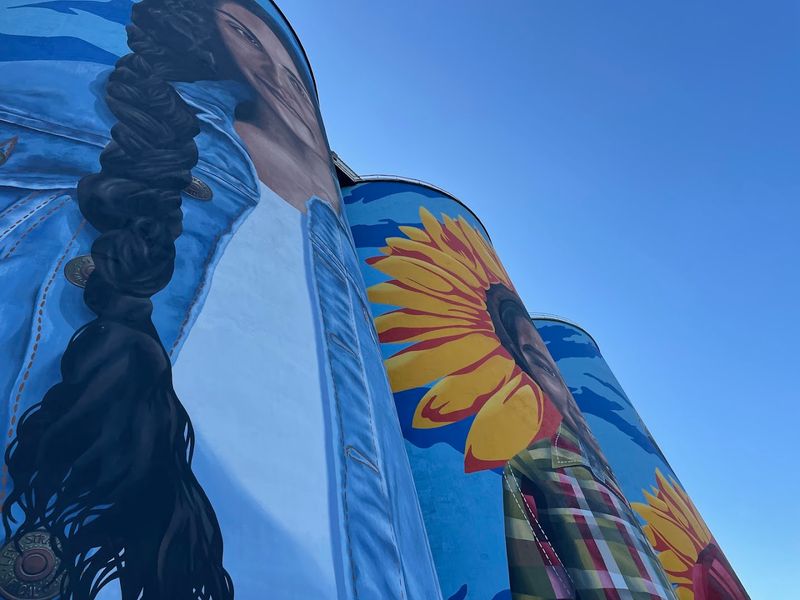
The Glass City River Wall project brought together skilled mural artists who worked at extreme heights on scaffolding to paint intricate, life-like imagery across the silos.
Visitors who were lucky enough to receive access during the painting process described the artists as approachable, enthusiastic, and deeply knowledgeable about the project’s goals.
Project leads Nick and Christina were specifically mentioned by visitors as being informative and passionate when explaining the vision behind the wall to curious guests.
The level of detail the artists achieved, considering the surface texture of industrial concrete and the physical challenge of working at height, is a remarkable technical feat on top of being an artistic one.
Each section of the mural required careful planning to ensure the imagery connected across the curved surfaces of the cylindrical silos without distortion.
The result is a cohesive, sweeping natural panorama that looks intentional and harmonious from every recommended viewing point along the Toledo, Ohio riverfront.
Best Ways To Actually See The Wall
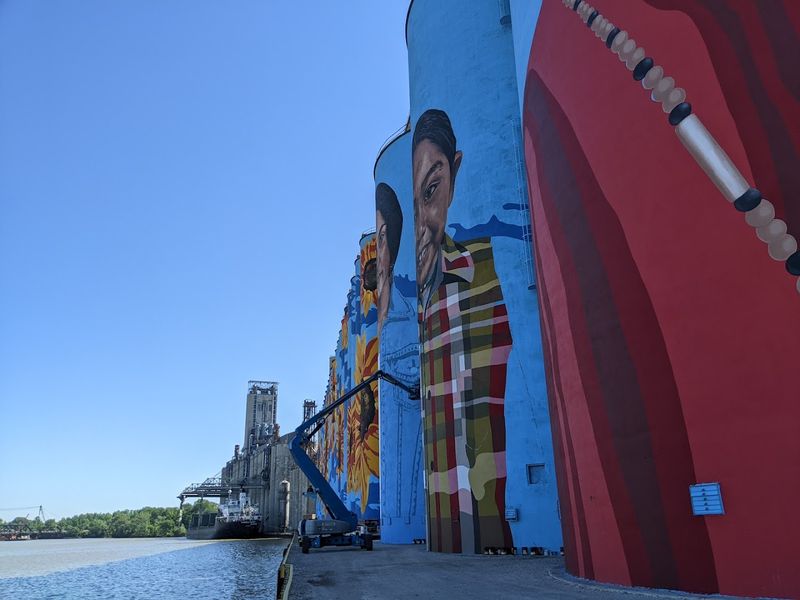
Seeing this mural wall requires some planning.
The viewing experience is not as straightforward as walking up to a gallery wall.
The most consistently recommended approach from visitors is to book a ticket with J and M Cruise Lines, which operates boat tours on the Maumee River that pass directly in front of the Glass City River Wall.
Captains on these tours have been known to circle back past the wall multiple times so passengers can capture great photographs from the water.
For those who prefer to stay on land, the best free viewing option is from Pier 75 Marina, which offers a solid sightline to the mural without needing to get on the water.
Driving northbound on I-75 also provides a moving glimpse of the wall, though it passes quickly and does not allow for the kind of extended appreciation the artwork deserves.
The water taxi option available through J and M Cruise Lines is widely described as relaxing and well worth the cost for anyone making the trip to Toledo, Ohio specifically to see this landmark.
The Story The Mural Tells
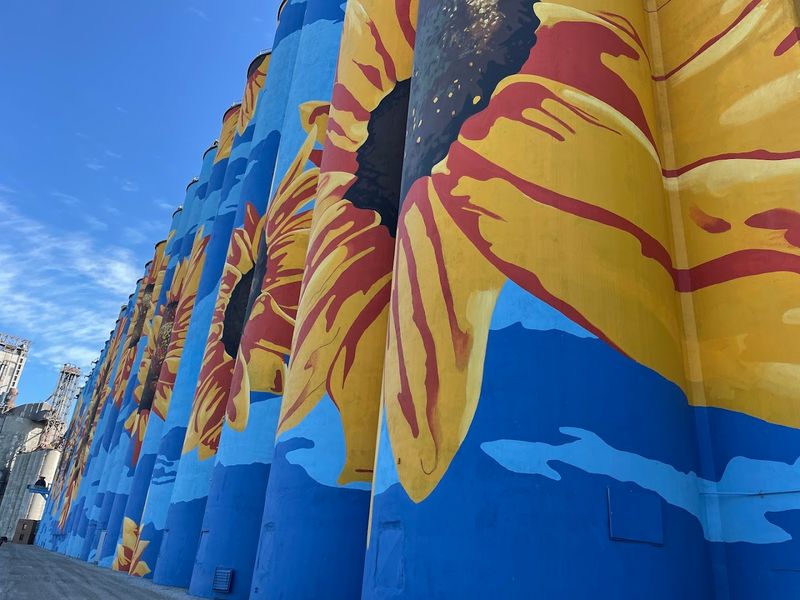
Public murals often carry a message, and this one speaks clearly about the natural world surrounding Toledo.
The imagery painted across the Glass City River Wall draws heavily from the ecology of the Great Lakes region, featuring native wildlife, local plant species, and sweeping natural landscapes.
That feels deeply connected to the land and water of northwestern Ohio.
The choice to celebrate nature on the surface of industrial grain silos creates an intentional and thought-provoking contrast between the built environment and the natural world that once dominated this riverbank.
The mural functions as both a celebration and a gentle reminder of the rich biodiversity that exists alongside human industry in this part of the Midwest.
Viewers have noted that the more time they spend studying the wall, the more details they discover, from the texture of animal fur to the fine veining on painted leaves.
This layered depth of imagery rewards patient observation in a way that most large-scale public art simply does not manage to achieve.
The story being told is one of coexistence, told with extraordinary care and craft on a truly monumental Ohio canvas.
Location And Surrounding Neighborhood
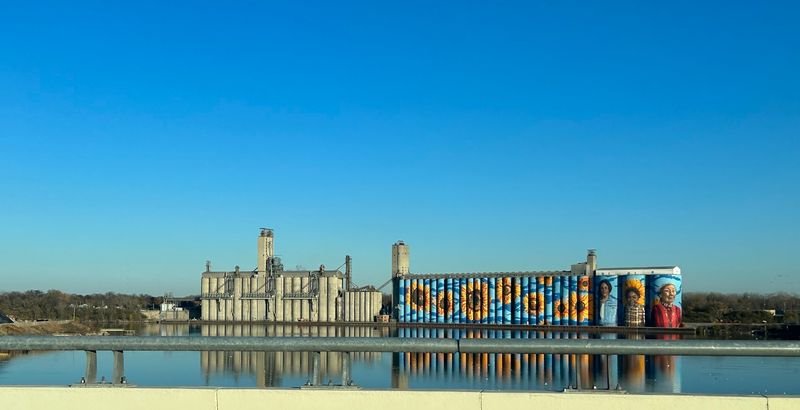
East Toledo has a reputation as a working-class and historically industrial neighborhood.
The Glass City River Wall fits that context in the most interesting way possible.
The mural site at 1306 Miami St sits within an active industrial zone along the Maumee River, which means the surrounding area does not have the polished feel of a typical tourist destination.
That raw, unfiltered industrial backdrop actually makes the mural more striking, not less, because the contrast between the painted natural world and the concrete and steel environment around it feels genuinely powerful.
The silos are part of an active grain handling facility, which means public access to the base of the wall is limited, and visitors should not expect to walk right up and touch the surface.
Planning the visit around a boat tour or a drive-by from the marina or highway is the practical approach for most people coming to Toledo, Ohio to experience this landmark.
The neighborhood itself reflects the working heritage of Toledo in an authentic way that adds a layer of context to the mural’s themes of nature and industry living side by side.
Visiting Hours And Practical Information
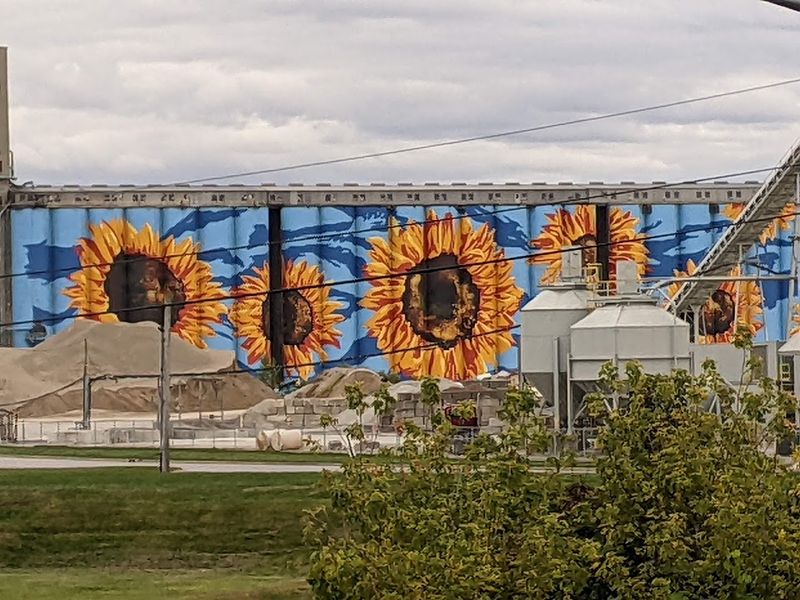
One of the most visitor-friendly facts about the Glass City River Wall is that it never closes.
The mural is visible 24 hours a day, seven days a week, every day of the year, because it is painted on the exterior of silos that stand permanently along the Maumee River in Toledo, Ohio.
This means early risers can catch it bathed in morning light, and night owls can drive past it under the glow of city lights reflecting off the river.
Sunrise and sunset are particularly popular times to view the mural, as the changing light dramatically shifts the colors and mood of the painted imagery in ways that feel almost like watching a different artwork each time.
There is no admission fee for viewing the mural from public vantage points like Pier 75 Marina or from the highway.
Boat tours through J and M Cruise Lines do carry a ticket cost, but they remain the gold standard viewing experience according to most visitors who have tried multiple approaches.
More information about the project can be found at glasscityriverwall.org, which documents the full story behind this remarkable Ohio landmark.
How The Project Came Together
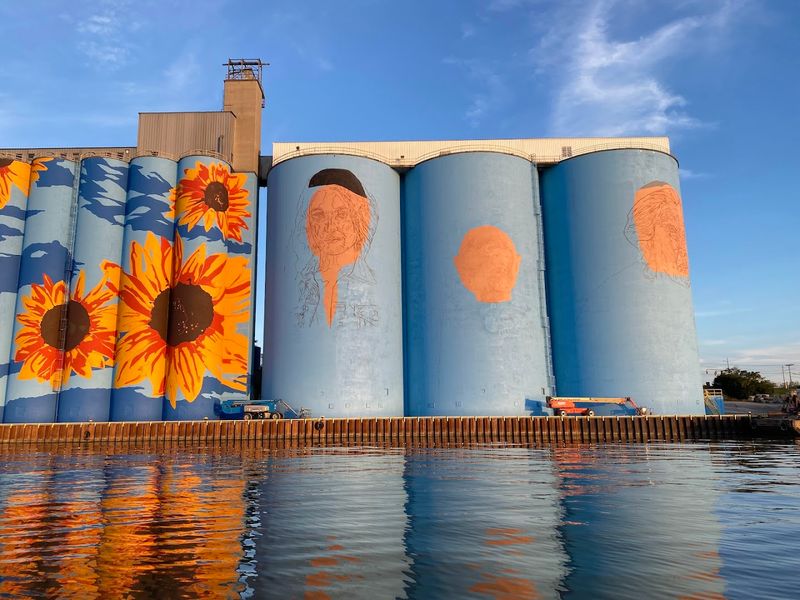
Big ideas need equally big coordination, and the Glass City River Wall did not happen overnight.
The project was organized through a dedicated team that worked to secure permissions, funding, and artistic talent to transform the ADM grain elevator silos along the Maumee River into the largest outdoor mural canvas in the United States.
The grain facility at the site, which has historically been used to haul and process grain, presented logistical challenges that required careful negotiation between the project organizers and the industrial operators who use the silos for active commerce.
Community enthusiasm for the project was strong from early on, with locals and regional visitors expressing excitement about seeing Toledo, Ohio claim a place on the national map for public art rather than just industry or sports.
The project leadership maintained transparency about the creative vision, which helped build trust with both the local community and the artists involved.
That collaborative spirit shows in the finished result, which feels like a genuine community achievement rather than a top-down installation.
Toledo earned something truly special, and the people behind the scenes made it possible through sustained effort and shared belief in the project’s value.
Reactions From Visitors And Locals
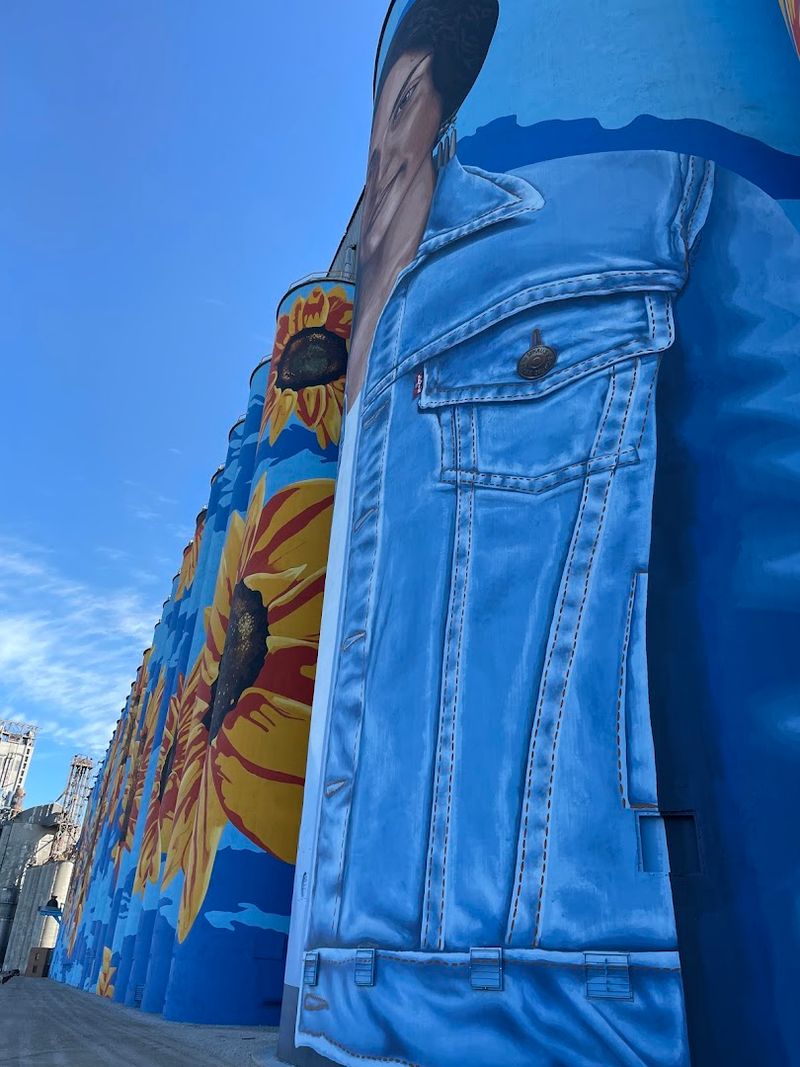
Few pieces of public art generate the kind of visceral, immediate reaction that the Glass City River Wall consistently produces in first-time viewers.
People who drove two and a half hours to see it described the experience as worth every mile, noting that photographs simply cannot prepare you for the physical reality of standing near something this large.
Daily commuters who pass by the wall on their work routes have said they actively look forward to seeing it each day, which speaks to the way great public art can quietly improve the rhythm of ordinary life.
Ship workers moored along the Maumee River have described waking up and stepping outside to see the mural as a genuinely uplifting way to start a morning shift.
Not every review has been entirely positive, with some visitors noting that the side of the silos visible from the road remains unpainted and that better ground-level access would improve the experience.
Those are fair points, and the project team continues to receive feedback about future phases of the work.
But the overwhelming consensus from people who have seen the painted face of the wall from the water is one of genuine awe at what Toledo, Ohio has created.
Why This Mural Matters For Toledo And Ohio
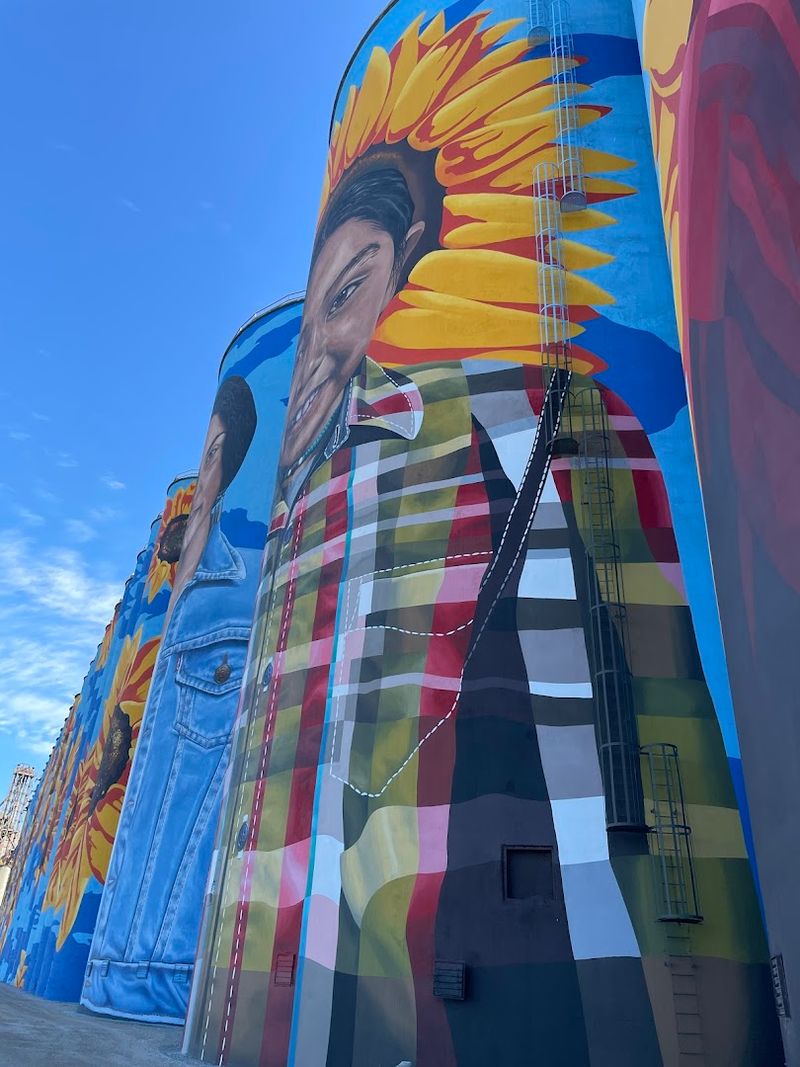
Public art at this scale does more than decorate a surface. It redefines how a city sees itself.
For Toledo, Ohio, the Glass City River Wall represents a bold statement about the city’s creative ambitions and its willingness to invest in cultural landmarks that attract attention far beyond the state’s borders.
The mural has brought visitors from across the Midwest and beyond.
It also signals something important about how post-industrial cities can reimagine their infrastructure not as something to hide or tear down, but as a canvas for expression and community pride.
Ohio has no shortage of remarkable places, but the Glass City River Wall occupies a genuinely unique position as an artistic achievement that is hard to match anywhere in the country.
The project website at glasscityriverwall.org hints at more work to come, with the Maumee River corridor potentially hosting additional murals in the future.
For now, what exists along that riverbank in Toledo stands as proof that extraordinary things happen when a community decides to dream at full scale.