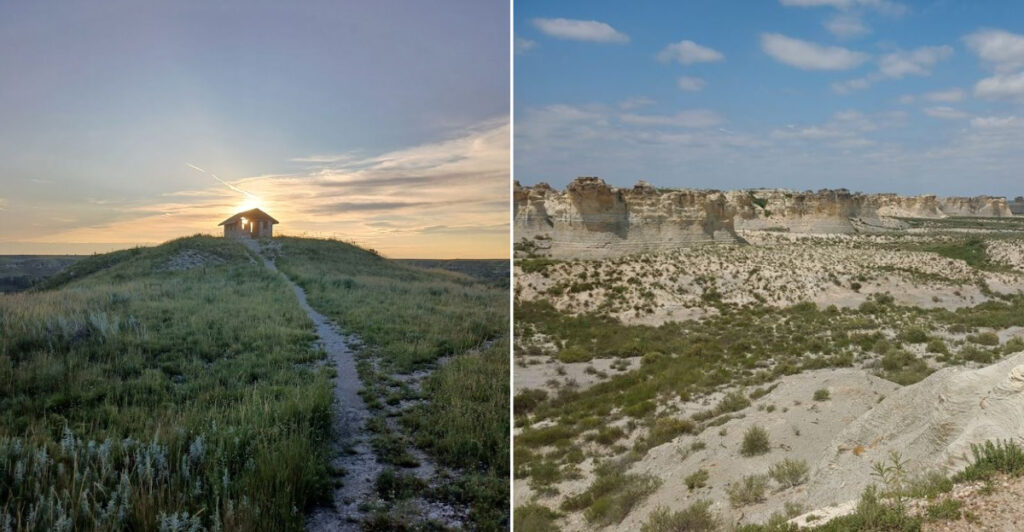
Ancient ruins change the way a park feels. Suddenly the trails, cliffs, water, and wide Kansas sky are not just scenery.
They are part of a much older story, one shaped by people who lived, built, traveled, and left traces behind long before modern roads reached the prairie.
A scenic park with access to ancient Pueblo ruins brings together natural beauty and quiet history in a way that feels rare.
You can spend the day exploring rugged landscapes, peaceful lake views, and historic remnants that make every step feel more meaningful.
It is part outdoor escape, part time capsule, and part reminder that Kansas holds more surprises than many people expect.
I have always loved places where a pretty view comes with a deeper story, and this kind of Kansas park would have me slowing down to notice every detail.
The Ancient Pueblo Ruins That Started It All
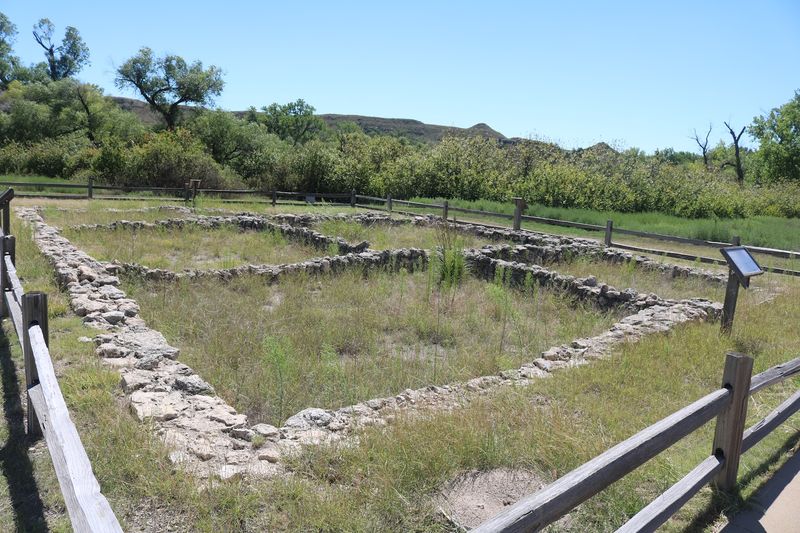
Few parks in the American heartland can claim a site as historically unusual as Historic Lake Scott State Park, but this one absolutely can.
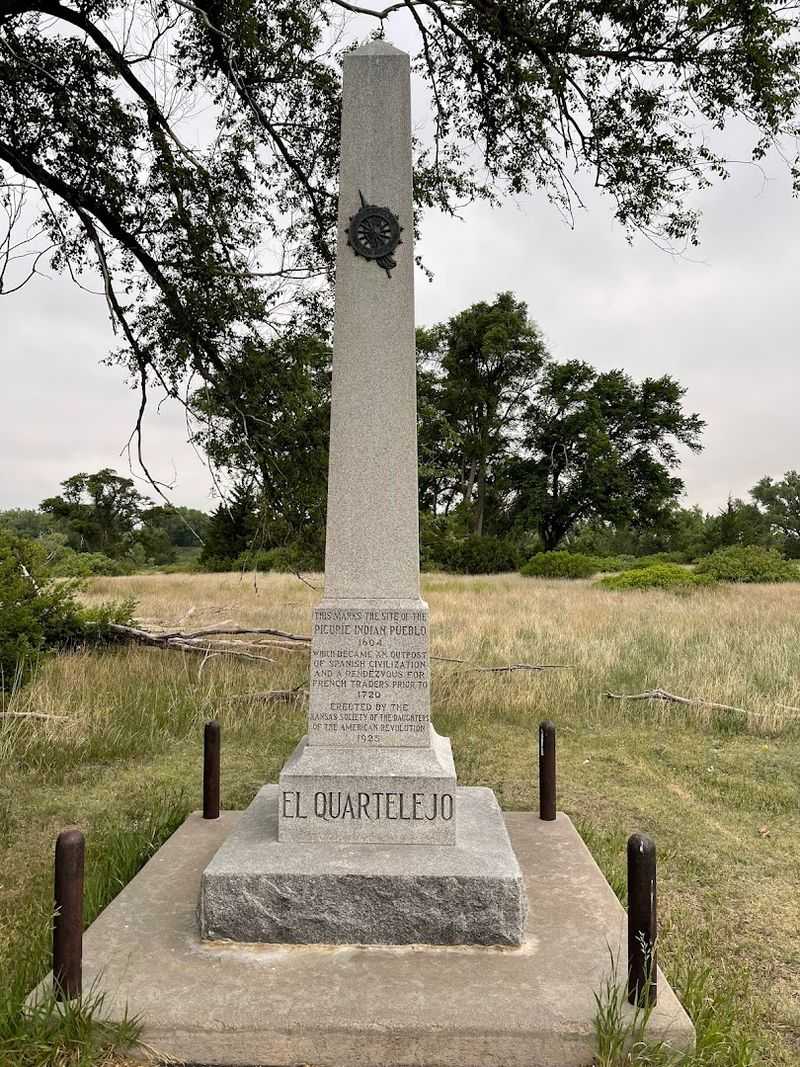
The El Cuartelejo Pueblo site is one of the most significant archaeological locations in Kansas.
Official Kansas materials describe it as the remains of a seven-room pueblo believed to be El Cuartelejo, a Plains Apache village where Taos and Picuris Pueblo Indians lived after fleeing New Mexico in 1664.
That makes it a genuinely rare reminder of how far-reaching and complex Indigenous history in Kansas really is.
Walking up to those low stone walls, you feel the weight of centuries pressing in from all sides.
The ruins are partially restored and marked with interpretive signs that explain who lived here and why they eventually moved on.
For history lovers, this spot alone is worth the drive across the Kansas plains. The story etched into those stones is one that most textbooks never get around to telling.
A Spring-Fed Lake Hidden In The High Plains
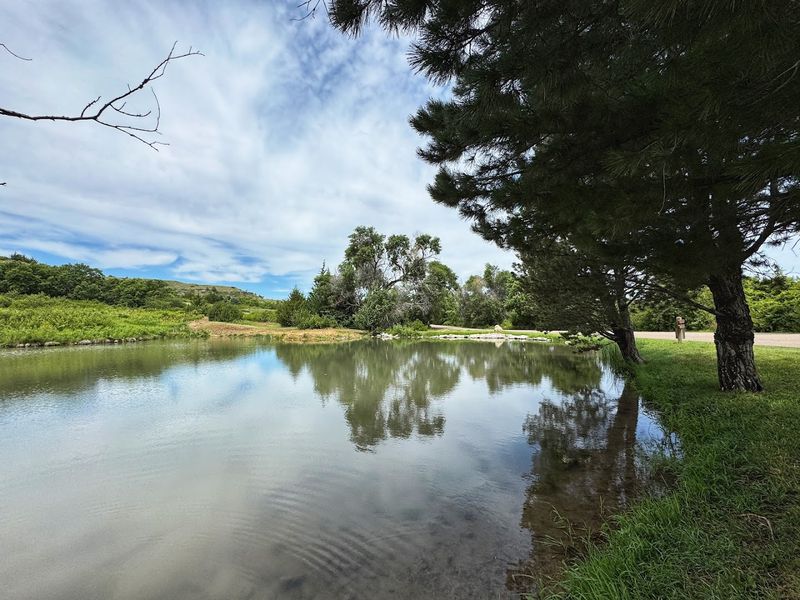
Most people picture Kansas as flat, dry, and endlessly agricultural, so the first glimpse of a sparkling spring-fed lake framed by canyon walls genuinely stops you in your tracks.
The lake at Historic Lake Scott State Park is fed by natural springs, which keeps the water remarkably clean and clear.
Swimmers, kayakers, and anglers all share this compact but beautiful body of water, and the spring-fed source means it stays refreshing even during warmer months.
Cottonwood trees line the banks, casting cool shade over picnic spots and campsites nearby.
The surrounding bluffs and rock outcroppings add a dramatic backdrop that feels completely out of place with the flat farmland just a mile away.
Boat rentals are available at the beach house on weekends, so you do not need to haul your own gear to get out on the water. It is the kind of surprise that makes road trips genuinely memorable.
Rock Bluffs And Badlands Scenery Worth Photographing
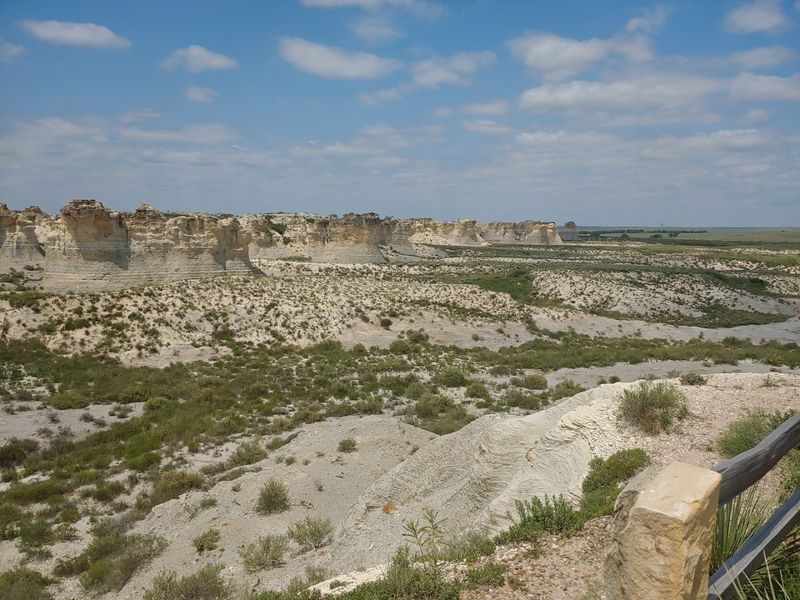
The landscape at Historic Lake Scott State Park has a theatrical quality that photographers absolutely adore.
Layered sandstone bluffs rise sharply from the valley floor, creating a mini-badlands environment that looks more like southern Utah than central Kansas.
Mesas, rock outcroppings, and canyon walls give the park a rugged, cinematic character.
One visitor described arriving here as feeling like someone flipped a switch from ordinary farmland to something out of a classic western film, and that description is remarkably accurate.
The bluffs trail takes hikers up along the ridge for sweeping views of the lake and surrounding valley below. Early morning light hits those rust-colored walls in a way that makes every photo look effortless.
Even without a camera, simply sitting on a ledge and watching the shadows shift across the canyon is a genuinely satisfying way to spend an afternoon at this striking park.
Camping Options That Suit Every Style Of Traveler
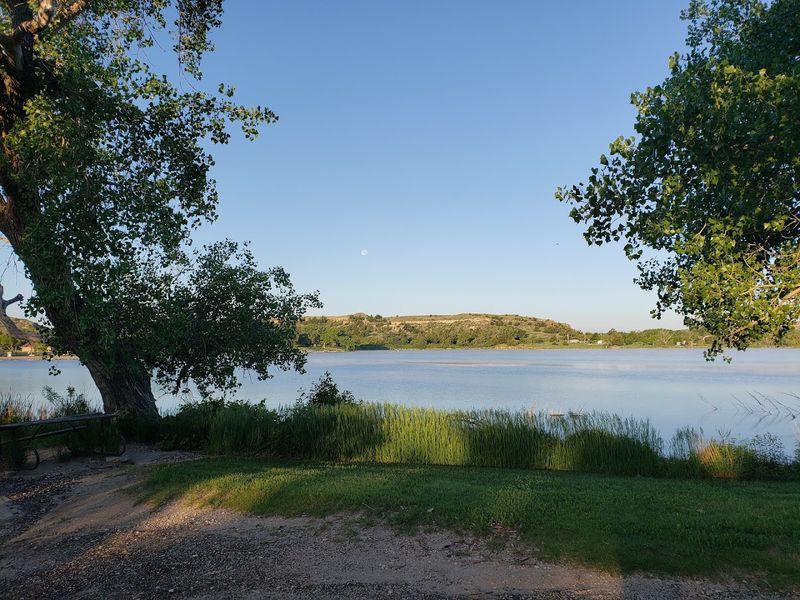
Camping at Historic Lake Scott State Park covers a surprisingly wide range of options for different types of outdoor enthusiasts.
The Circle Drive Campground offers electric and water hookups, dump stations, and well-maintained shower facilities that campers consistently praise for cleanliness.
Those who prefer sleeping closer to the water can book dry camping sites right on the lake’s edge, which reviewers describe as one of the most peaceful overnight experiences in the state.
There are also cabins and even a pioneer wagon available for guests who want a more unique lodging experience.
The campground staff receives frequent compliments for going above and beyond to help visitors find the right site.
Shady spots under mature cottonwoods are available year-round, though spring and fall tend to offer the most comfortable temperatures for tent campers.
Booking online in advance is strongly recommended, especially for summer weekends when families arrive in full force to make lasting memories by the water.
Hiking Trails Through Canyon And Prairie Terrain
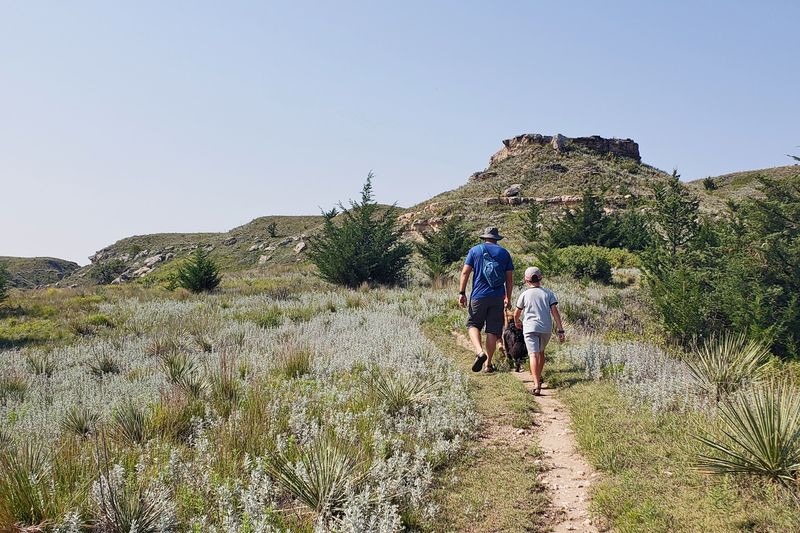
The hiking at Historic Lake Scott State Park rewards effort with scenery that feels genuinely earned.
Trails wind through canyon terrain, up along bluff ridges, and across open prairie stretches that give a real sense of the varied ecosystems packed into this 1,020-acre property.
The bluffs trail is the most popular route, climbing to elevated viewpoints that overlook the lake and surrounding valley.
It is described as challenging but absolutely worth the sweat, delivering wide-open views that feel almost cinematic from the top.
Biking and equestrian trails are also available for visitors who prefer wheels or hooves over boots.
The network of paths here is considered among the best in western Kansas by outdoor enthusiasts who have explored the region thoroughly.
Trail conditions are generally well maintained, and the park’s rangers are approachable and helpful for anyone who wants guidance on which route suits their fitness level or available time.
The El Cuartelejo Historical Marker And Interpretive Site
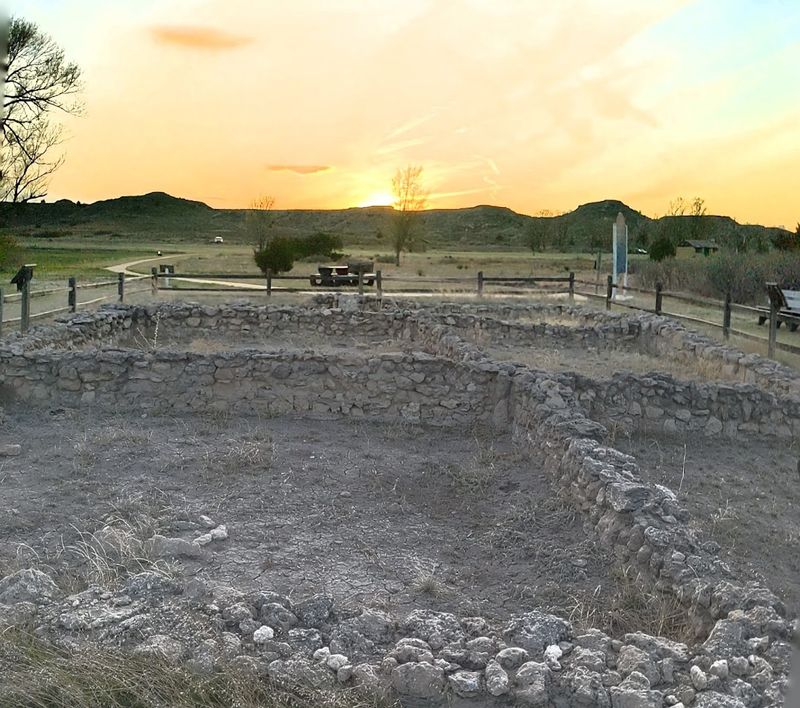
History has a way of feeling abstract until you are standing right in front of it, and the El Cuartelejo interpretive site at Historic Lake Scott State Park makes that connection feel immediate and real.
The site features informational panels that walk visitors through the story of the Taos Indians who built this pueblo around the early 17th century, explaining why they traveled so far northeast from their traditional homelands.
Archaeologists and historians consider this location a genuinely significant find in the broader story of Indigenous settlement across the Great Plains.
The partial restoration of the stone walls gives visitors a tangible sense of the structure’s original scale and layout.
Standing inside those low walls and reading about the people who once cooked, slept, and gathered there adds a layer of meaning to the visit that no museum exhibit quite replicates.
It is a short walk from the main park area, making it an easy and rewarding addition to any visit here.
Dark Skies And Stargazing Above The Canyon
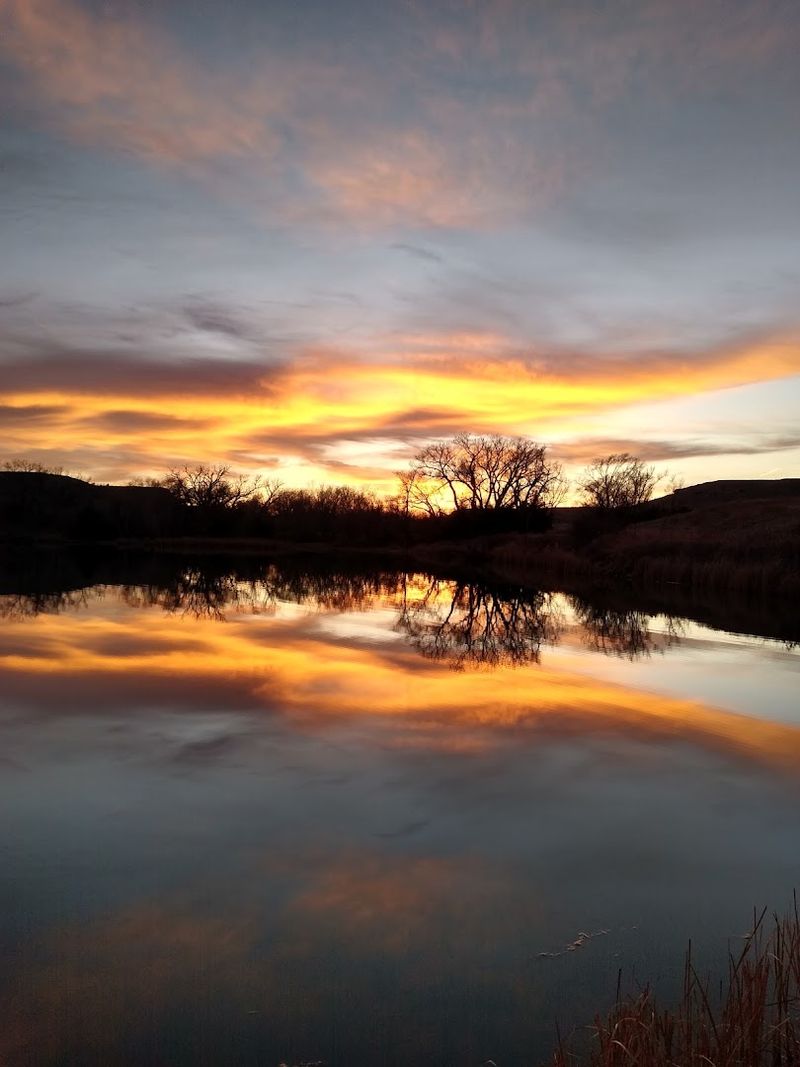
One of the quieter but genuinely extraordinary features of Historic Lake Scott State Park is the quality of its night sky.
Far from major cities and the heavier light pollution that blurs out the stars, the park gives visitors a strong chance to see a wide, vivid spread of sky on clear nights.
Campers who stay here during warmer months often describe lying beside the lake and watching the stars emerge one by one as the sun drops below the bluffs.
The sound of crickets and distant coyotes adds to an atmosphere that feels both wild and deeply calming.
Astrophotographers find this location particularly rewarding, as the canyon walls and lake surface create a dramatic foreground for long-exposure night shots.
No special equipment is needed to appreciate the show, though a simple blanket and a thermos of something warm certainly help on cooler evenings.
Clear nights here are a reminder of just how much sky gets lost in busier parts of the country.
Fishing, Kayaking, And Water Recreation On The Lake
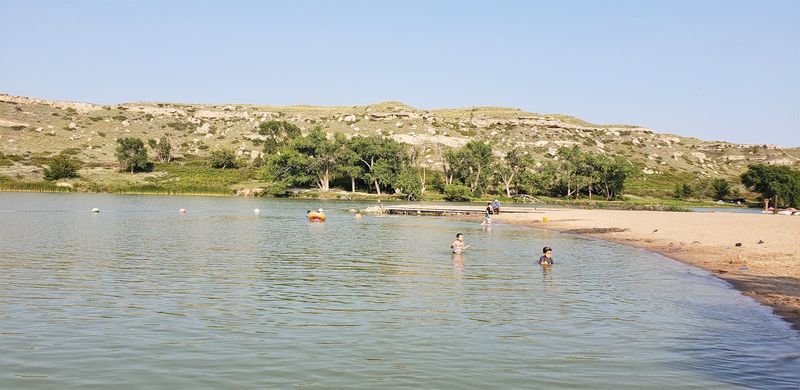
Water activities at Historic Lake Scott State Park keep visitors happily occupied from sunrise to sunset.
The lake supports fishing, boating, swimming, and paddling, and official park materials list docks, piers, a swimming area, and concessions as part of the recreation setup.
Kayaking is a favorite activity here, with paddlers exploring the main lake and enjoying the canyon scenery from water level.
The water is often described by visitors as surprisingly appealing for a western Kansas lake, which adds to the sense of discovery the park delivers.
Boat rentals are promoted through local tourism materials, so visitors without their own watercraft can still plan to spend time on the lake.
A designated swimming area with a sandy beach rounds out the aquatic offerings for families traveling with younger kids.
The combination of fishing access, rental boats, kayak-friendly water, and a swim beach makes this lake one of the most versatile water recreation spots in western Kansas.
The Historic Steele Homestead And Pioneer History
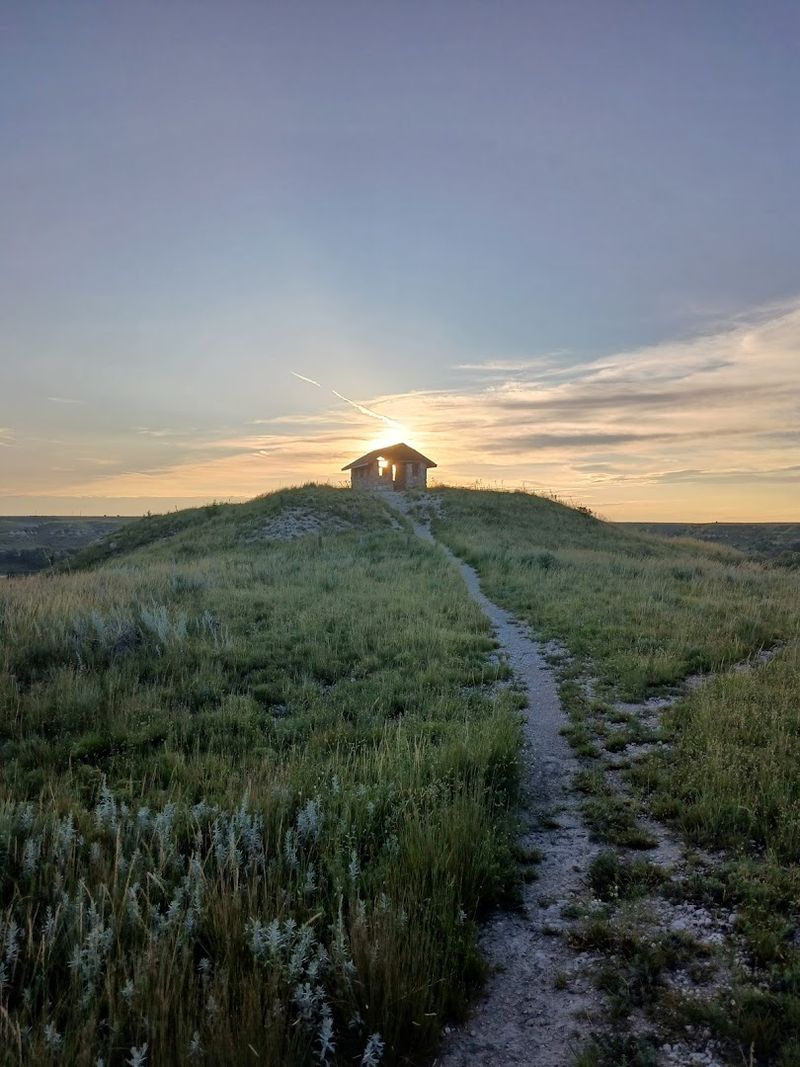
Beyond the ancient pueblo ruins, Historic Lake Scott State Park also preserves a piece of later American history in the form of the Steele Homestead, a late 19th-century settler’s house that offers a window into frontier life on the Kansas plains.
The homestead structure stands as a companion story to the pueblo ruins, together spanning hundreds of years of human settlement in this same canyon valley.
Seeing both sites in a single visit creates an unexpectedly rich timeline of who has called this place home across the centuries.
Interpretive materials around the homestead explain the challenges faced by settlers who carved out lives in this remote, resource-limited landscape.
The contrast between the pueblo’s communal design and the homesteader’s solitary outpost is a quietly thought-provoking detail that lingers after the visit ends.
For families traveling with school-age children, both historic sites offer natural conversation starters about Kansas history, Indigenous cultures, and the broader story of life on the American frontier.
Gateway To Monument Rocks And Nearby Natural Wonders
Historic Lake Scott State Park serves as an ideal base camp for exploring some of the most striking natural landmarks in all of western Kansas.
Monument Rocks, a National Natural Landmark featuring dramatic chalk formations that rise from the flat plains like ancient towers, sits just a short drive from the park.
Castle Rock and the Little Jerusalem Badlands State Park are also within easy reach, making the Scott City area a surprisingly rich destination for geology and landscape enthusiasts.
Visitors who use the park as their overnight hub can check off multiple remarkable sites in a single two-day trip.
The Western Vistas Historic Byway connects several of these landmarks along a scenic driving route that showcases the region’s layered geological and cultural history.
Picking up a map at the park office before heading out makes navigating between sites straightforward and enjoyable.
For anyone crossing Kansas and looking to turn a transit drive into a real adventure, this corner of the state delivers far more than the flat-plains reputation suggests.