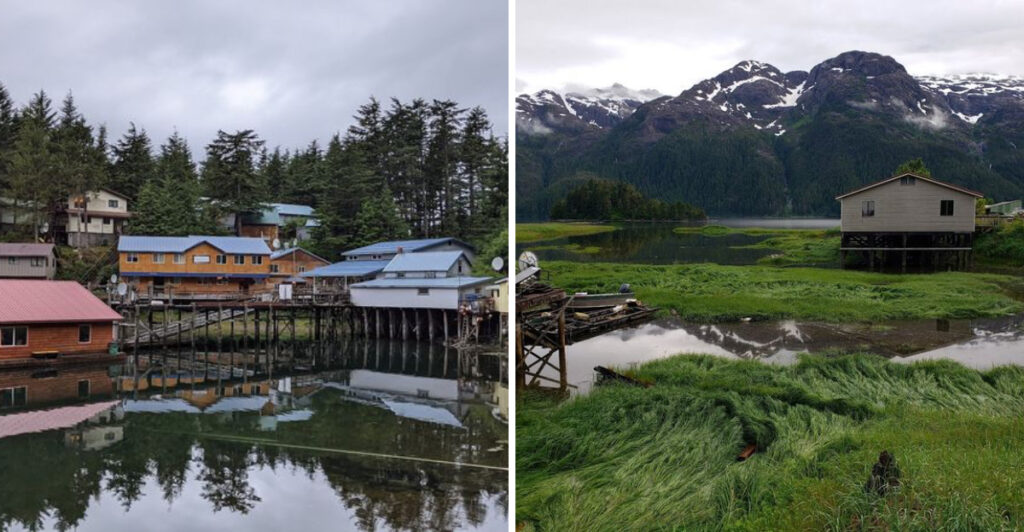
Most people picture Alaska as cruise ships and glaciers. But the real Alaska?
It’s out there on the docks before dawn, in the smell of fresh catch, in towns so small the whole community fits on a single boardwalk stretched over the water.
These are the fishing villages locals protect fiercely and visitors stumble onto by accident. No roads in, no cruise ship crowds, no chain restaurants.
Just raw coastline, working harbors, and the kind of quiet that resets something deep inside you.
Six villages, each completely different, each completely unforgettable. Alaska rewards the traveler willing to go a little further off the map, and these hidden gems are proof that the extra effort always pays off in ways you didn’t expect.
1. Cordova, Chugach Census Area
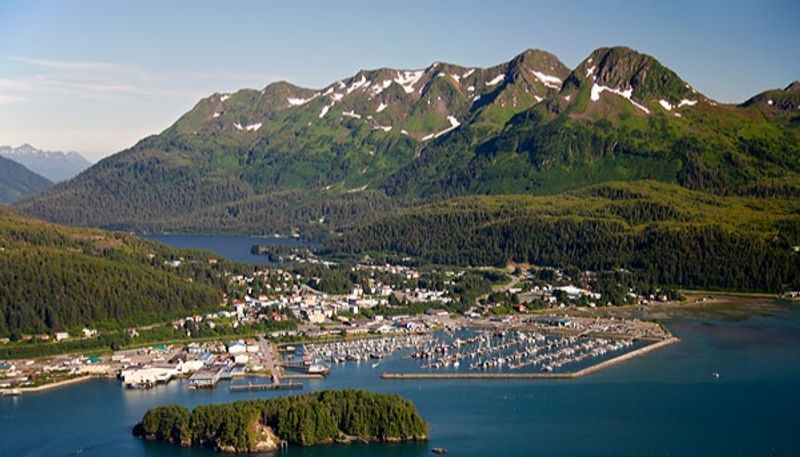
Can you even call yourself an Alaska fan if you have never heard of Cordova?
This small fishing town in Southcentral Alaska sits tucked between the towering Chugach Mountains and the blue waters of Prince William Sound. Cordova is only reachable by ferry or small plane, meaning no highway connects it to the rest of the state.
That built-in barrier keeps the crowds away and the atmosphere delightfully local.
The town is famous for its Copper River salmon, one of the most prized fish species in the world. During salmon season, the harbor buzzes with activity as commercial fishing vessels load up and head out before the sun fully rises.
Beyond the fishing culture, Cordova offers stunning outdoor adventures that are hard to match.
Hiking trails wind through lush forests, and the views from the ridgelines will make your jaw drop.
One of the most dramatic natural features near town is Childs Glacier, where massive chunks of ice calve into the Copper River with a thunderous crack.
Watching that happen from a safe distance is one of those experiences that sticks with you for years. The Cordova Center serves as the cultural heart of the community, bringing together a museum, library, and theater under one roof.
It is a smart stop for anyone who wants to understand the history and identity of this remarkable place.
Wildlife is everywhere around Cordova, from bald eagles perched on dock posts to sea otters floating lazily in the sound.
The surrounding wetlands also draw an impressive variety of migratory birds each year.
Cordova in the Chugach Census Area, Alaska, is the kind of town that rewards slow travel.
The more time you spend here, the more layers you discover, and every single one of them is worth your attention.
2. Seldovia, Kenai Peninsula Borough
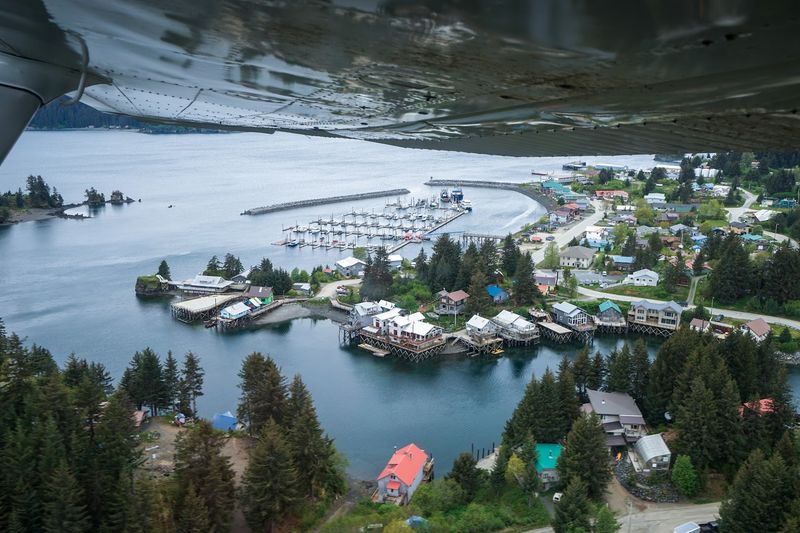
Picture a village so quiet and unhurried that even the fishing boats seem to bob at a relaxed pace.
Seldovia, located across Kachemak Bay from the busy town of Homer in the Kenai Peninsula Borough, Alaska, is exactly that kind of place. Getting here is part of the fun.
A daily ferry or water taxi from Homer brings you across the bay in a scenic ride that sets the mood perfectly before you even arrive. With a population of just under 300 people, Seldovia operates on a scale that feels refreshingly human.
You will not find chain restaurants or crowded parking lots here, just friendly locals and a genuinely unhurried pace of life.
The village boardwalk is one of its most beloved features, stretching along the waterfront and offering lovely views of the surrounding mountains and bay. It is the kind of spot where you slow down naturally, without even trying.
For those who like to get moving, the Otterbahn Trail is a local favorite.
This winding path takes hikers through forested terrain and opens up to sweeping views of Kachemak Bay that are hard to forget.
Kayaking is another popular way to explore the area. Paddling through the calm waters of Seldovia Bay gives you a front-row seat to the coastal scenery and occasional wildlife encounters.
The harbor is always worth a visit, especially when the fishing boats are coming in and out.
There is something deeply satisfying about watching a working harbor do exactly what it was built to do. Seldovia has an off-the-grid, remote feel that is rare and increasingly hard to find.
If your idea of a perfect Alaska trip involves peace, natural beauty, and a community that still knows all its neighbors by name, this village belongs at the top of your list.
3. Pelican, Hoonah-Angoon Census Area
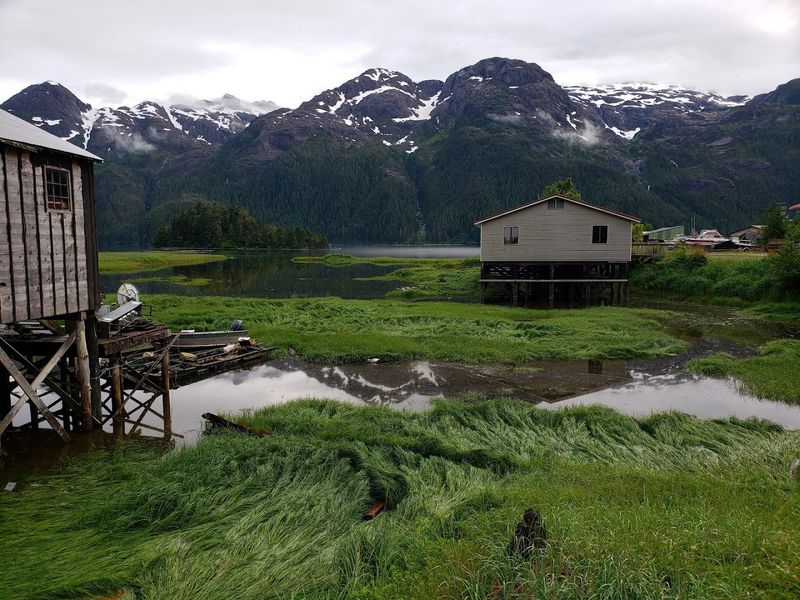
Fewer than 100 people call this place home year-round, and somehow, that makes it even more fascinating.
Pelican is a tiny fishing village on the northwest coast of Chichagof Island in the Hoonah-Angoon Census Area, Alaska, and it is unlike almost anywhere else in the state.
The first thing that strikes most visitors is the boardwalk.
Pelican is often called a boardwalk town because nearly all of its structures are built on pilings directly over the water, giving the whole place a floating, slightly surreal quality. Access is limited to ferry or small plane, which means Pelican has stayed wonderfully off the tourist radar.
The population swells to around 200 during the summer fishing season, but it never loses its deeply local character.
Lisianski Inlet surrounds the village and provides some of the best fishing opportunities in the region. Whether you are a serious angler or just curious, the waters here are rich and the scenery surrounding them is extraordinary.
One of the most talked-about experiences near Pelican is a visit to White Sulphur Hot Springs.
Accessible by boat or floatplane, the springs sit near the coast and offer a soak with views that feel almost too good to be real. Pelican has resisted the kind of development that has changed so many small communities.
It remains a working village first and a destination second, which is exactly what makes it so compelling to those who seek it out.
The rugged landscape around Pelican sits within the broader Southeast Alaska wilderness, and Glacier Bay National Park is accessible from the region by boat or floatplane for those wanting to extend the adventure.
Bears, eagles, and marine life are regular sights in the surrounding wilderness.
Pelican is the kind of place that demands effort to reach but repays every bit of that effort with an authenticity that is becoming increasingly rare in modern Alaska travel.
4. Petersburg, Petersburg Borough
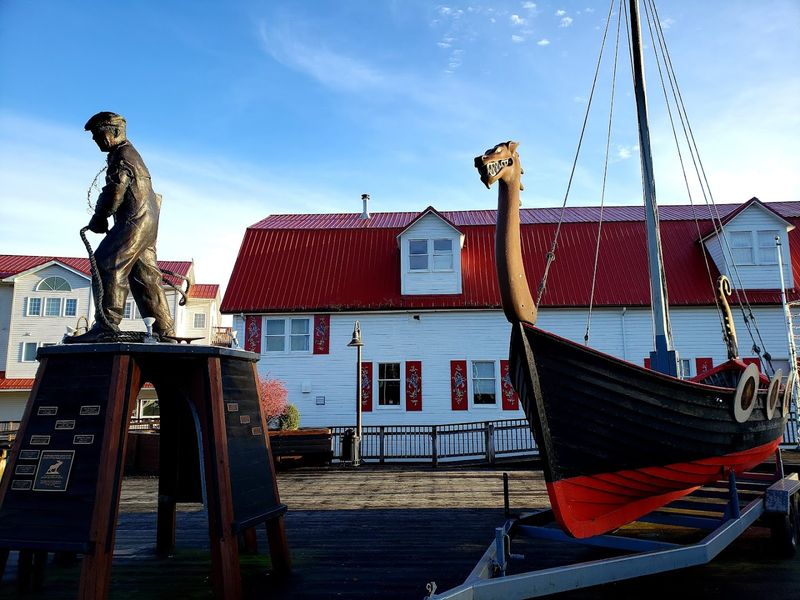
What happens when Norwegian settlers land on a Southeast Alaska island and decide to stay forever?
You get Petersburg, one of the most culturally distinct fishing towns in the entire state. Located on Mitkof Island in the Petersburg Borough, Alaska, this community has earned the nickname Little Norway for good reason.
The Scandinavian roots run deep here, visible in the painted rosemaling designs that decorate buildings throughout town and celebrated annually during the Little Norway Festival. Unlike many Alaska destinations, Petersburg has no cruise ship traffic.
That single fact changes everything about the atmosphere, keeping the streets genuinely local and the interactions between visitors and residents refreshingly natural.
The working harbor is one of the most active in Southeast Alaska, particularly during salmon and halibut seasons. Commercial fishing vessels line the docks, and the smell of the sea and fresh catch hangs in the air in the best possible way.
Frederick Sound, which surrounds the area, is a world-class fishing destination in its own right.
Silver salmon and halibut are among the most sought-after catches, and guided fishing trips are available for those who want expert help finding the best spots. LeConte Glacier is another major draw near Petersburg.
Taking a boat out to see the southernmost active tidewater glacier in North America is an experience that few visitors ever forget, with ice glowing in shades of blue that photographs barely capture. The town itself is tidy, proud, and deeply community-oriented.
Local shops, a small museum, and waterfront trails give visitors plenty of ways to spend a day without feeling rushed.
Petersburg rewards the traveler who chooses authenticity over convenience.
It is a place where the fishing tradition is alive, the heritage is celebrated with genuine pride, and the scenery does all the heavy lifting without asking anything in return.
5. Elfin Cove, Hoonah-Angoon Census Area
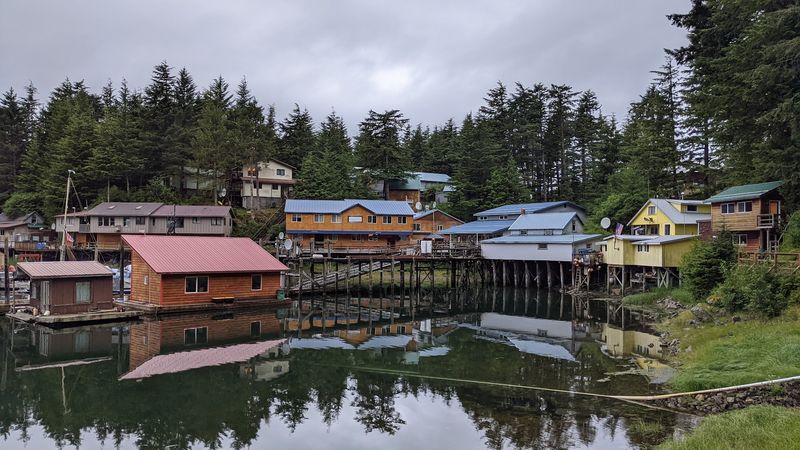
The name alone is enough to spark curiosity. Elfin Cove is one of the smallest and most remote fishing communities in Alaska, tucked into a protected harbor on the northwest tip of Chichagof Island in the Hoonah-Angoon Census Area.
Year-round residents number in the single digits, but the summer season transforms this quiet inlet into a lively hub for sport fishing enthusiasts from across the country. The contrast between winter stillness and summer energy is one of the defining rhythms of life here.
Getting to Elfin Cove requires a floatplane or boat, and there are no roads connecting it to anywhere else.
That isolation is not a drawback for the people who seek it out; it is the entire point. The surrounding waters are legendary among serious anglers.
Halibut, king salmon, and coho salmon are all found in the nearby Cross Sound and Gulf of Alaska, making this one of the most productive sport fishing locations in the state.
The village itself is charmingly compact, with most buildings perched on pilings over the water and connected by a short stretch of boardwalk.
Walking through it takes only a few minutes, but the impression it leaves lasts much longer.
The landscape around Elfin Cove is dramatic and largely untouched. Dense spruce and hemlock forests cover the hillsides, and the surrounding waters teem with marine wildlife including humpback whales, sea lions, and porpoises.
Proximity to Glacier Bay National Park adds another layer of appeal for those who want to combine fishing with wilderness exploration. Charter boats can take visitors out to see the glaciers and wildlife of the park from the water.
Elfin Cove in the Hoonah-Angoon Census Area is proof that the smallest places often carry the biggest sense of adventure.
If you are willing to make the trip, it will absolutely exceed what you imagined.
6. Halibut Cove, Kenai Peninsula Borough
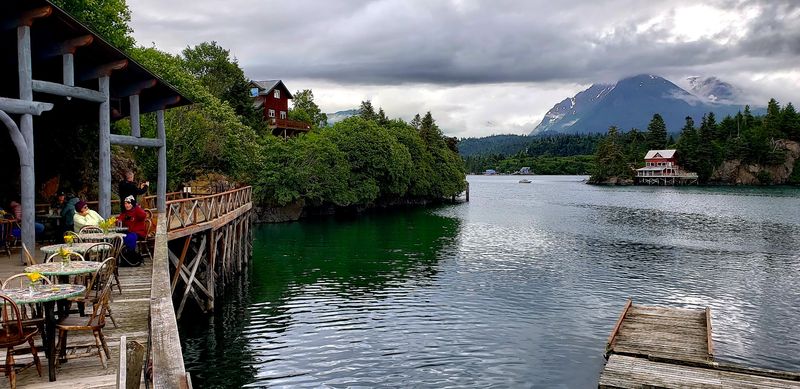
Roads are overrated, and Halibut Cove has figured that out entirely.
This secluded village in the Kenai Peninsula Borough, Alaska, sits inside Kachemak Bay State Park and has zero roads connecting its buildings. Instead, residents get around by foot, ATV, or small skiff.
It sounds inconvenient until you realize that the absence of car traffic makes the whole place feel like a different world entirely.
Access from Homer is by water taxi or small aircraft, and the ride across Kachemak Bay is scenic enough to count as an attraction on its own. The mountains, water, and sky on that crossing set the tone for everything that follows.
Despite having a very small permanent population, Halibut Cove has built a surprisingly rich arts and culture scene.
A floating amphitheater hosts live music performances during the warmer months, drawing performers and audiences who make the journey specifically for the experience.
The culinary reputation of Halibut Cove also punches well above its size. The area is known for talented chefs who work with locally sourced seafood, offering meals that feel both rustic and refined at the same time.
Hiking trails wind through the surrounding state park, offering encounters with old-growth forest, coastal bluffs, and views across the bay that are genuinely hard to describe without sounding like you are exaggerating.
Wildlife sightings, including black bears, otters, and eagles, are common along these routes.
Fishing in the cove and surrounding bay is excellent, with halibut being the star of the show, as the village name promises.
Kayaking is another favorite activity, letting visitors explore the rocky shoreline at their own pace. Halibut Cove is the rare kind of place where nature, art, and community exist in genuine balance.
Every visit feels personal, unhurried, and quietly unforgettable in ways that are hard to put into words but easy to feel.