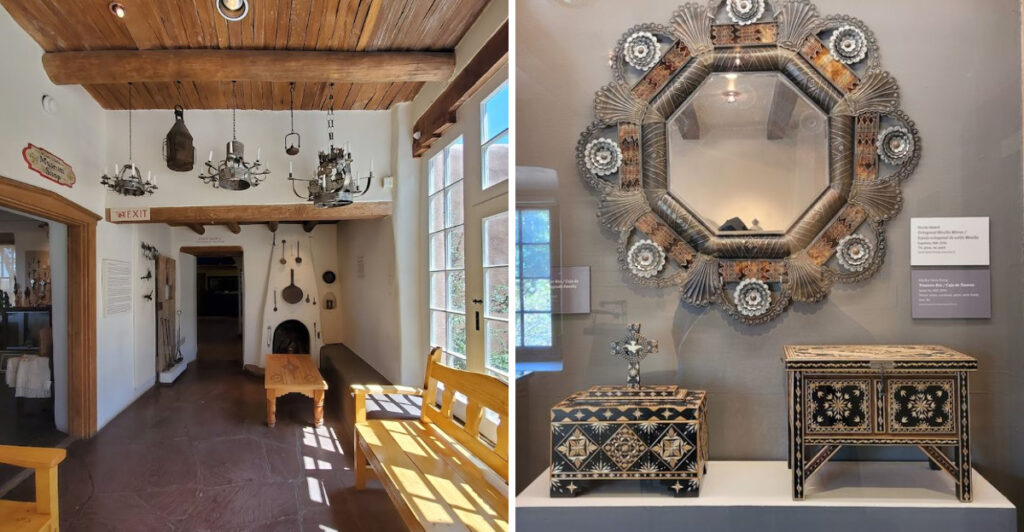
I thought I was just visiting a folk art museum. Instead, one quiet afternoon in New Mexico turned into one of those travel moments that makes you stop rushing.
The place sits on a hill, with adobe walls that already feel like part of the story.
Inside, the rooms pull you closer. Carved saints, painted panels, altar pieces, textiles, beadwork, and modern pieces all share space without feeling crowded.
You start noticing faces, hands, patterns, and small choices that probably took hours.
The best part is how human it feels. Not like objects behind glass, but like pieces of lives.
Faith shows up. Family shows up.
Daily routines turn into art.
This is for anyone who likes folk art, Spanish colonial history, or museums with a strong sense of place. Go in curious, move slowly, and let the rooms do what they do.
They will stay with you for days.
Pueblo-Spanish Revival Charm
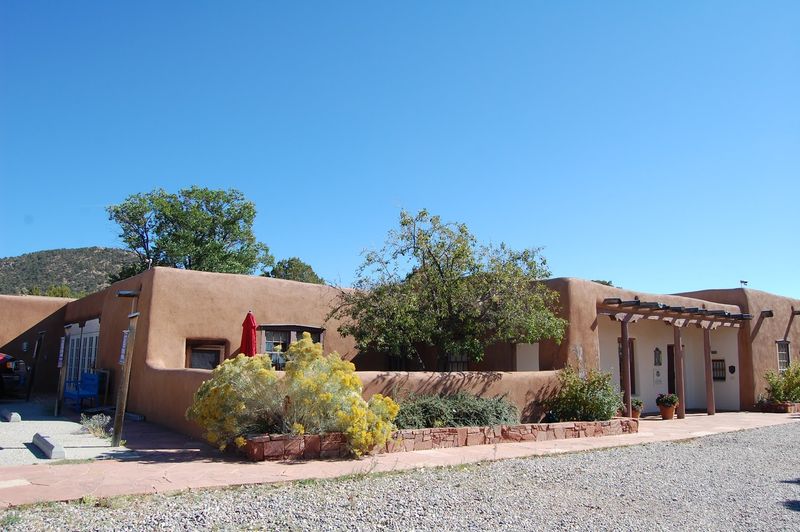
The first thing that made me pause was the building itself, even before I stepped through the door.
The structure was designed by legendary architect John Gaw Meem, one of the most celebrated figures in Southwestern architecture, and his influence shows in every rounded corner and sun-warmed wall.
Meem became closely tied to Santa Fe’s Pueblo-Spanish Revival look, blending adobe building traditions with Spanish colonial design ideas, and the result here feels old, grounded, and welcoming.
Thick earthen walls catch the New Mexico sunlight in a way that makes the building glow softly in the afternoon, while wooden vigas along the roofline add a texture photos never quite capture.
Visitors often linger outside longer than planned, taking pictures and brushing their hands along the rough plaster before remembering there is an entire art collection waiting inside.
The building is part of the experience, so start your visit at the Nuevo Mexicano Heritage Arts Museum at 750 Camino Lejo, Santa Fe, NM 87505.
Sunlit Rooms Of Heritage Art
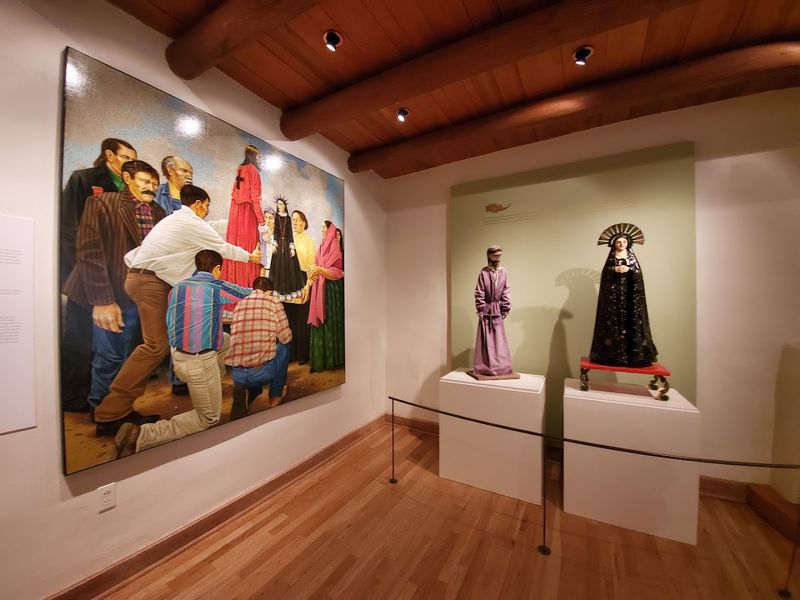
Once you step inside, the light does something almost theatrical, falling across carved santos and painted retablos in a way that makes the colors look richer than they probably have any right to.
The interior rooms feel intimate rather than overwhelming, and that scale is one of the things I appreciated most about the visit.
Unlike sprawling institutions where you spend half your energy just navigating the floor plan, this museum invites you to slow down and actually look at individual pieces without feeling rushed or crowded.
The galleries feel thoughtfully arranged, with exhibits that give visitors a strong sense of regional colonial art, devotional traditions, and handmade detail without making the rooms feel overloaded.
The permanent collection includes thousands of decorative works and artifacts, including devotional art, furniture, and textiles, all presented within the warm atmosphere of a historic adobe home.
Natural light plays a starring role throughout, shifting subtly as the afternoon progresses and giving the same piece a slightly different mood depending on when you happen to be standing in front of it.
Handcrafted Details Everywhere
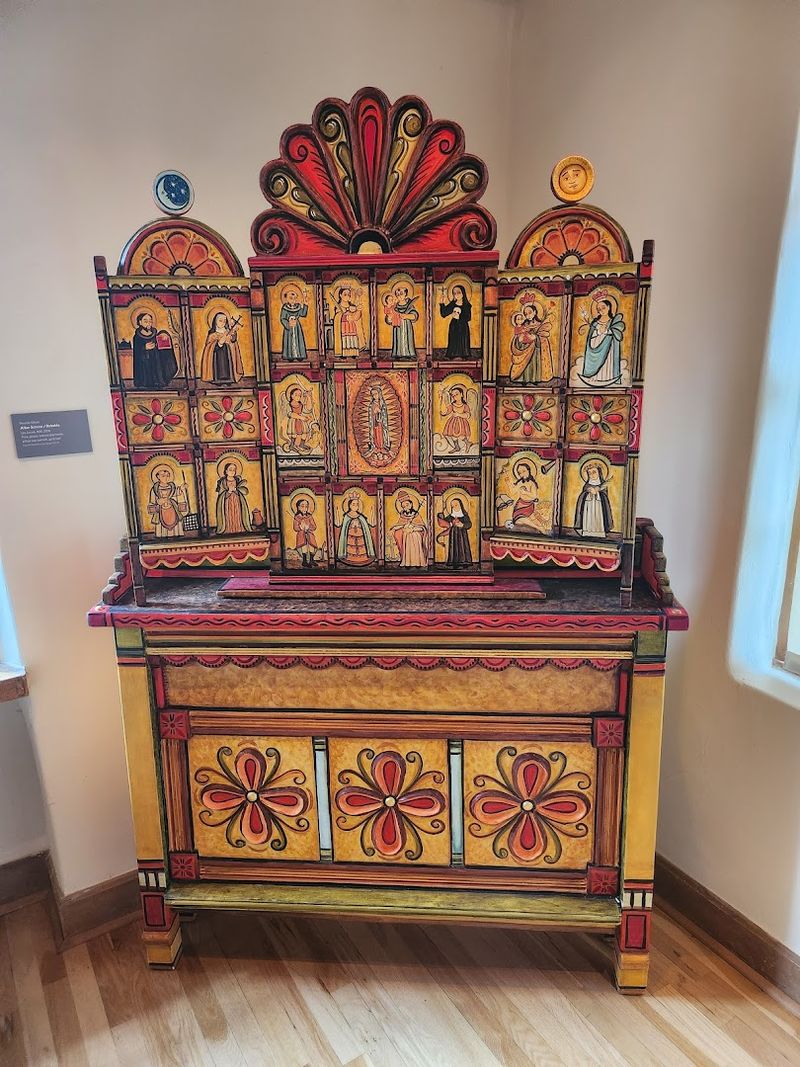
A close look at a hand-carved figure can be surprisingly thrilling. You start realizing that every chip and groove was made by someone sitting at a workbench generations ago, with simple tools and an enormous amount of skill.
The craftsmanship on display throughout this museum is the kind that rewards patience; the longer you look, the more you notice.
Painted retablos feature delicate brushwork depicting saints and sacred scenes, while carved bultos carry an expressive energy that feels surprisingly alive for objects made from wood and pigment.
Textiles woven in the traditional Chimayo style appear in the collection as well, including a particularly memorable special exhibit I caught featuring four generations of weaving from the Trujillo family, which was curated with real care and context.
Furniture pieces from the Spanish colonial era round out the handcrafted offerings, showing how artisans adapted European forms to the materials and needs of the New Mexican landscape.
Every item in the collection carries the unmistakable fingerprint of human hands, and that sense of direct connection to the maker is what separates folk art from almost every other collecting category.
Quiet Corners On Museum Hill
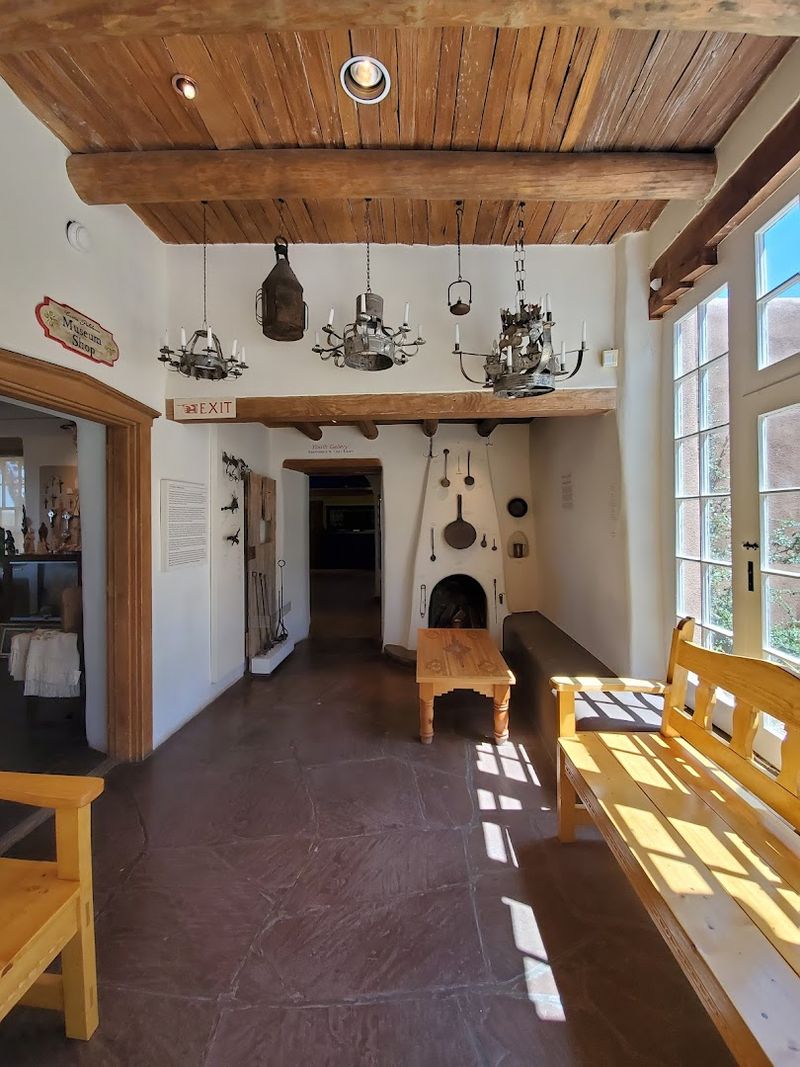
Museum Hill in Santa Fe is one of those places that rewards visitors who go in with no particular agenda and plenty of time to wander.
Situated a short drive from the central Plaza, the hill is home to three other museums near this one, with the botanical garden just down the road, making it an easy destination for a full cultural afternoon without the crowds that tend to cluster downtown.
I arrived on a Thursday around noon and found the grounds refreshingly uncrowded, with a few other visitors moving quietly between buildings and a soft breeze carrying the scent of pinon from the surrounding landscape.
The botanical garden is a natural complement to a museum visit here, and pairing the two in a single afternoon gives you a satisfying mix of art, history, quiet paths, and desert planting.
Seating areas near the museum allow you to rest between exhibits, which matters more than you might expect once you have spent an hour absorbing centuries of history and craftsmanship.
The stillness on Museum Hill feels earned, as if the place has quietly decided to let the art do all the talking while everything else just breathes.
Historic Walls And Warm Textures
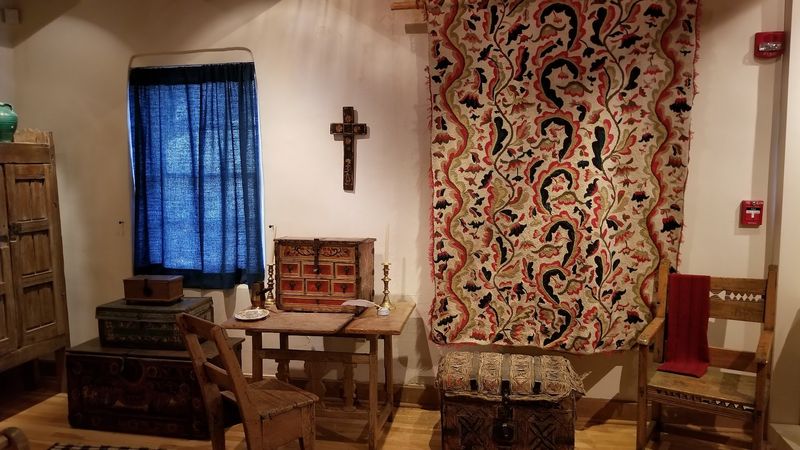
The interior walls have a warmth and texture that modern construction simply cannot replicate, and even a quick glance at the plaster makes the building feel deeply tied to its setting.
John Gaw Meem designed the structure with a strong adobe character, and the thick walls create a sense of shelter that feels practical, beautiful, and completely suited to the landscape.
The exposed wooden ceiling beams, called vigas, cast long shadows in the afternoon light and add a visual rhythm to the rooms that complements the art hanging below them.
The building itself feels like part of the collection, and I think that observation is exactly right; the architecture and the artifacts are in constant quiet conversation with each other.
Nicho shelves built into the walls hold smaller devotional objects in a way that feels true to how these pieces would have been displayed in a traditional New Mexican home.
The result is a museum experience that feels more lived-in than institutional, and that warmth is something you carry with you long after you have driven back down the hill toward the Plaza.
Sacred Motifs And Folk Traditions
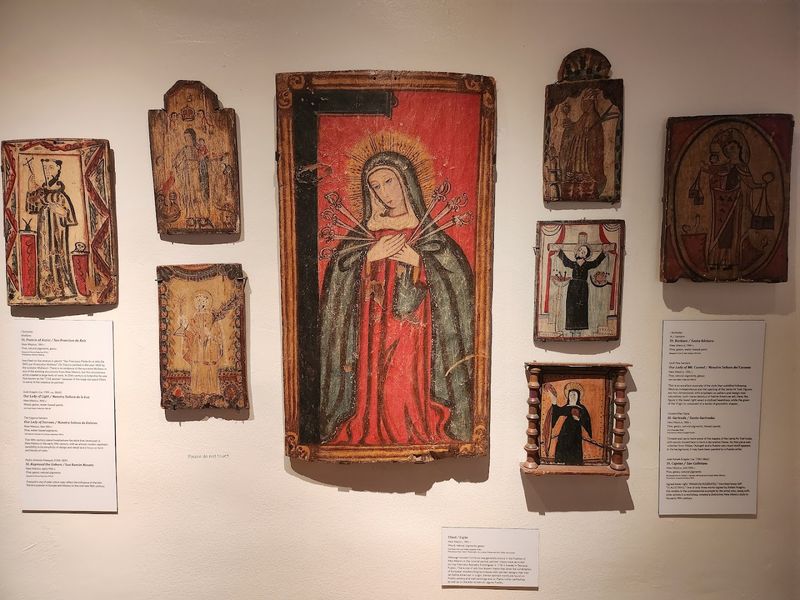
The spiritual dimension of this collection caught me a little off guard on my first visit, not because it felt heavy or solemn, but because the devotional objects carry such an obvious emotional charge even centuries after they were made.
Santos, retablos, and bultos were not created as gallery pieces; they were made to be prayed in front of, carried in processions, and placed near home altars, chapels, and community devotional spaces, and that original purpose gives them an energy that is hard to explain but easy to feel.
The Catholic imagery blends naturally with indigenous New Mexican design sensibilities, creating a visual language that is specific to this region and unlike anything you would find in a European museum collection.
The collection gives visitors a clearer understanding of centuries of Santa Fe history, and after spending time with these pieces, that long cultural thread becomes much easier to feel.
The folk traditions represented here are not frozen in the past; contemporary artists continue to work within these forms, and the museum presents both historical and modern pieces side by side with thoughtful context.
Seeing an older carved figure next to a vibrant contemporary interpretation of the same sacred subject is the kind of curatorial move that makes you reconsider what tradition actually means.
A Cozy Adobe Art Escape
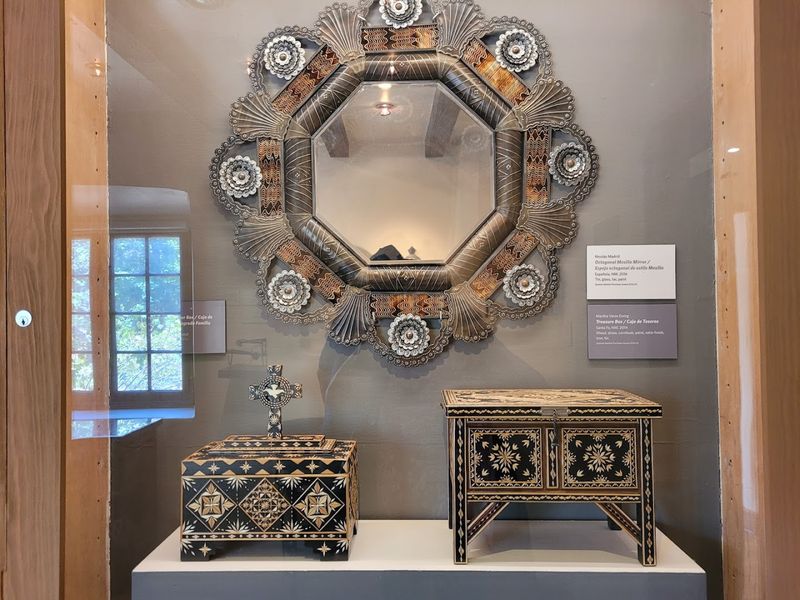
Some museums feel designed to impress you with their size, and then there are places like this one, which seem to understand that intimacy can be just as powerful as grandeur.
The museum occupies a historic adobe home, and that domestic scale makes it feel more like stepping into someone’s lovingly curated personal collection than visiting a formal institution.
I spent just over an hour moving through the rooms at a leisurely pace, which felt like exactly the right amount of time to absorb the collection without rushing or growing fatigued.
Admission is free, with donations welcome, and the people working inside were genuinely helpful, offering context that added real depth to pieces I might have otherwise passed too quickly.
Non-flash photography for personal use is welcome in most areas, which is a detail worth appreciating since it lets you take home a personal record of the pieces that resonated most with you.
The museum shop near the entrance carries books on New Mexican art and history that make excellent souvenirs, and its selection is worth a browse before you leave.
New Mexican Craft In Color
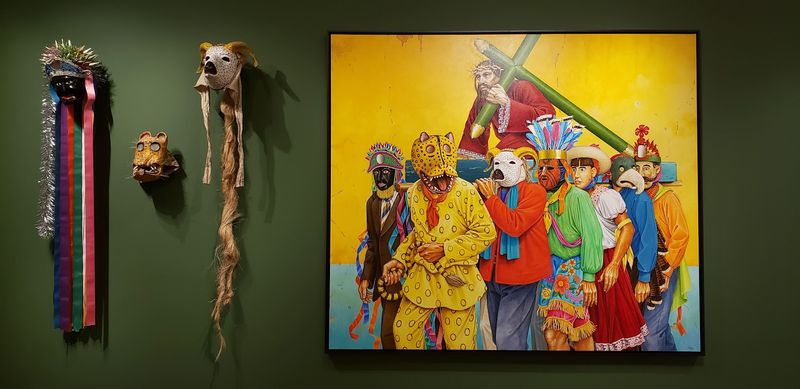
Color is the first thing that grabs you in this collection, and it holds on stubbornly long after you have left the building and driven back into the ordinary rhythms of the day.
The palette of traditional New Mexican folk art is not shy; deep reds, cobalt blues, and earthy ochres appear on painted surfaces with a confidence that feels rooted in both religious tradition and pure artistic joy.
Contemporary pieces in the collection push the color even further, with modern interpretations that sit surprisingly well alongside older works and keep the galleries from feeling frozen in time.
The newer pieces bring color, texture, depth, and plenty of reason to pause, especially when you notice how naturally they speak to the older devotional works nearby.
The weaving tradition represented in the textile collection adds another layer of color and craft, with geometric patterns that carry centuries of visual memory in their structure.
Every piece in the collection feels like a conversation between the hand that made it and the eye that receives it, and the Nuevo Mexicano Heritage Arts Museum is the place where that conversation is most alive, most colorful, and most worth having in person.