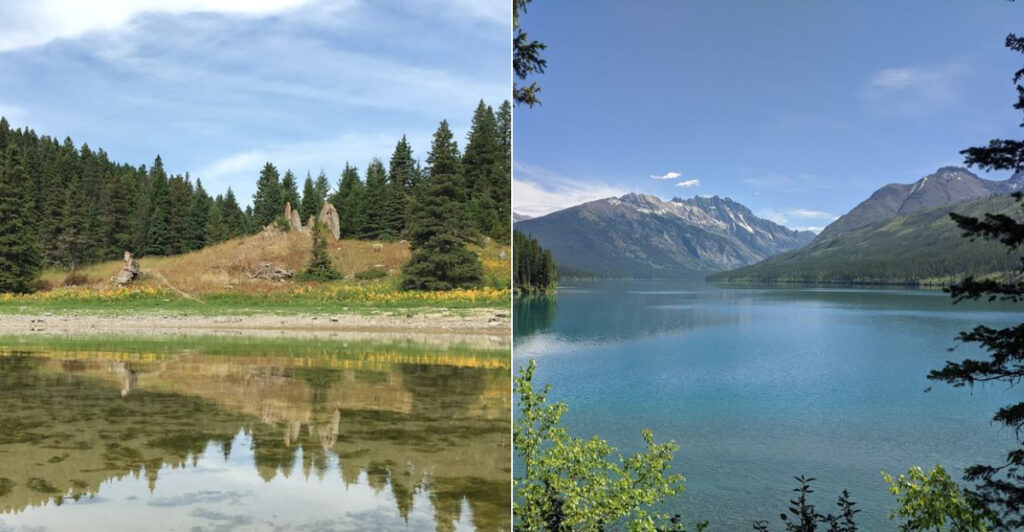
Water so clear the rocks on the bottom are visible from the shore. Montana lakes do not ease you in gently.
They just immediately remind you what you have been missing. Nine lakes are spread across this state, each one offering something a little different.
Glassy mountain reflections, sandy shores backed by towering peaks, and the kind of stillness that makes the phone disappear into a pocket for hours at a time. Some require a short hike to reach.
Others sit just off a quiet road, ready and waiting without any effort required. All of them share one thing.
That rare, unhurried quality that makes a person stop mid-step, take a slow breath, and actually feel present for a change. That feeling is increasingly hard to find and Montana has nine very good versions of it on this list.
The trip that keeps getting postponed finally has a destination. Load up the car and go find the stillness.
1. Hidden Lake
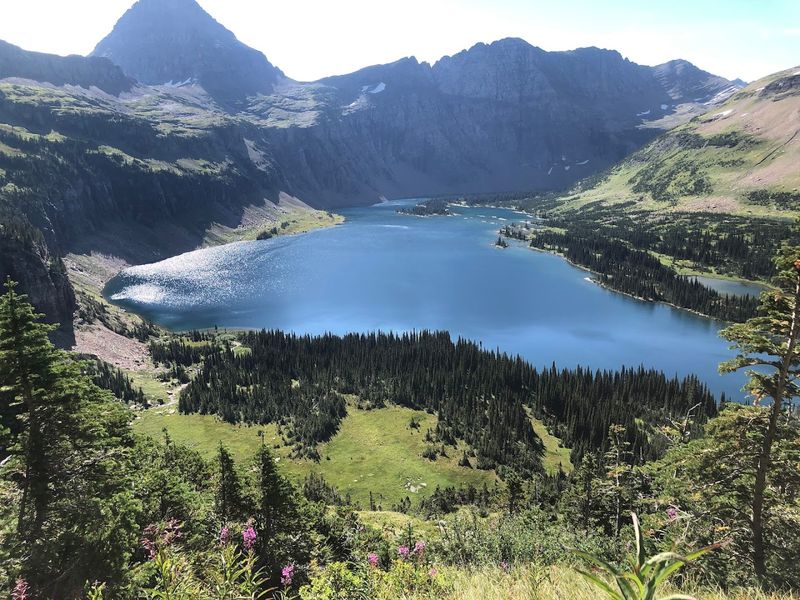
Picture eight alpine lakes sitting quietly at 9,000 feet, surrounded by old-growth pine forests and open meadows full of wildflowers. That is exactly what waits for you at Hidden Lake, located deep within the Gallatin Range near Big Sky, Montana.
Getting here takes a three-mile hike through some seriously beautiful forest. The trail winds through tall pines and past bright wildflower patches before opening up to the kind of view that makes you forget you were ever tired.
These lakes are part of a remote wilderness area, which means crowds are rare and the quiet is real. You can hear birds, wind, and water.
That is pretty much it, and honestly, that is the whole point.
Swimming is one of the most popular things to do here. The water is cold, clear, and refreshing in a way that a backyard pool simply cannot match.
Fly-fishing is also a favorite activity for visitors who like a little patience mixed in with their scenery.
Hiking through this area gives you a genuine sense of Montana wilderness. Each lake in the collection has its own personality, so exploring all eight feels like a small adventure within a bigger one.
This is a spot that rewards people who are willing to put in a little effort. The payoff is absolutely worth every step of that trail.
You can find Hidden Lake near Big Sky in Montana, at coordinates within the Gallatin Range, Montana 59716, USA.
2. Mystic Lake
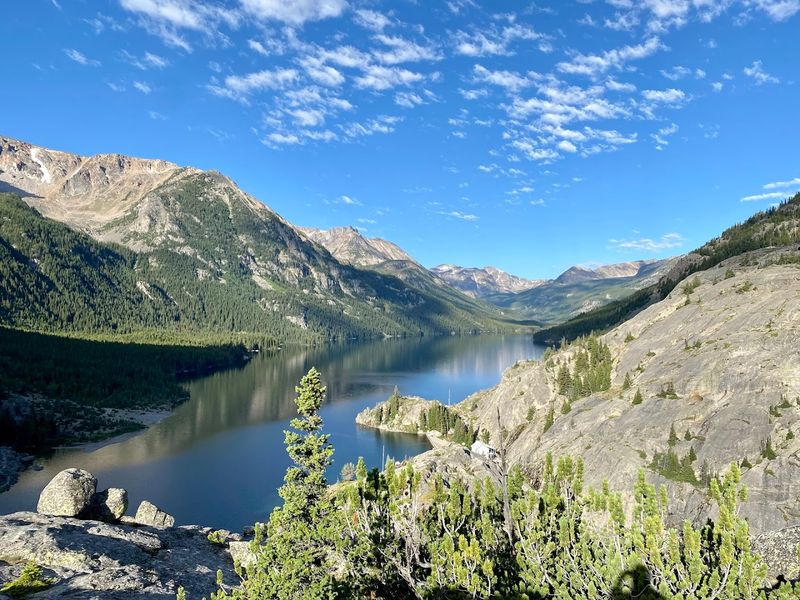
The deepest lake in the entire Beartooth Mountains sits waiting at the end of a 5.5-mile out-and-back trail, and most people have no idea it is there. Mystic Lake, located near Fishtail, Montana, is the kind of place that earns its reputation through effort and rewards it with stunning views.
The hike itself is part of the experience. You move through changing landscapes, gaining elevation as the mountains close in around you, and then suddenly the lake appears below you like something out of a painting.
Crystal-clear water stretches across the surface, reflecting the surrounding peaks on calm mornings. The lake is known for its depth, its clarity, and the sense of total solitude it delivers even on a busy summer weekend.
One of the best surprises here is the large sandy beach. You can kick off your hiking boots, sit on the sand, and stare at the mountains for as long as you want.
Fishing for rainbow trout is popular, and the lake consistently delivers for anglers who make the trip.
The panoramic mountain views from the shoreline are genuinely hard to describe. Photos help, but standing there in person hits differently.
There is something about the scale of the Beartooth Mountains that reminds you just how big and open Montana really is. Pack a lunch, bring layers, and give yourself plenty of time to enjoy it.
3. Logging Lake
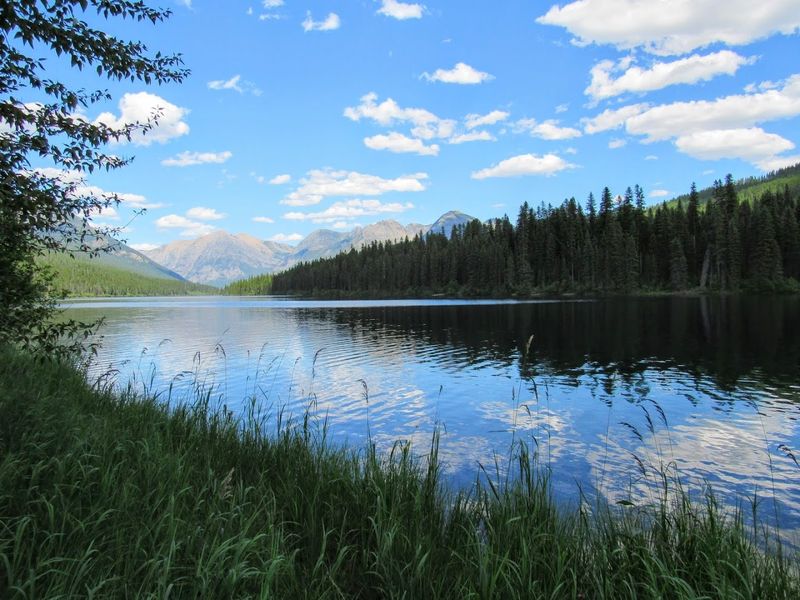
Some lakes reward patience, and Logging Lake is one of them. Sitting deep inside Glacier National Park, Montana 59936, this long and narrow backcountry lake is the kind of destination that most casual park visitors never reach, which is exactly what makes it so appealing.
The hike to Logging Lake is approximately four miles one way, passing through old-growth forest and offering occasional glimpses of the surrounding peaks. The trail is not technically difficult, but the distance keeps day-trippers to a minimum and gives the lake its wonderfully uncrowded character.
Once you arrive, the scale of the lake surprises most first-time visitors. It stretches for several miles through a wide forested valley, with mountains rising on either side.
The water is calm and clear, and the shoreline is undeveloped in the way that only true backcountry locations can be.
Fishing is a popular reason to make the trip, and the lake holds good populations of fish for those who bring gear. Wildlife sightings are common in this area, including deer, eagles, and occasionally larger animals moving through the forest edge.
Camping near Logging Lake puts you in one of the quietest corners of Glacier National Park. Mornings here are genuinely still, with mist sometimes hanging over the water and the mountains catching the first light of the day.
You will likely have long stretches of shoreline entirely to yourself, and that kind of space is increasingly rare.
4. Swan Lake
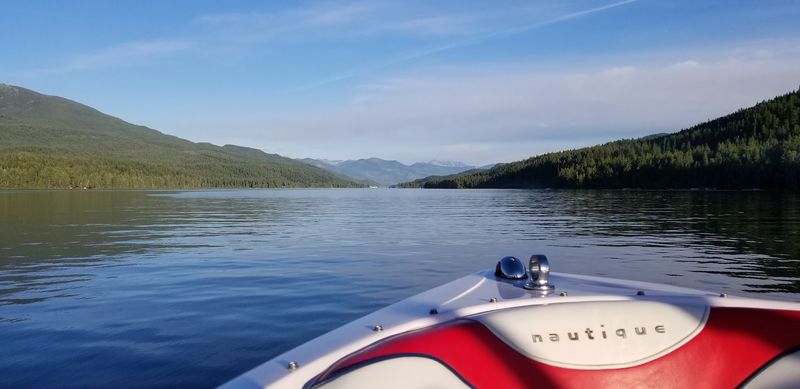
Sitting at the north end of the Swan Valley near Bigfork, Montana 59911, Swan Lake has the kind of calm, unhurried energy that makes you want to slow down and stay longer than you planned. The mountains that frame this lake are tall and forested, giving the whole area a naturally sheltered feeling.
The water here is clear and inviting, and the lake is popular with anglers who target northern pike, salmon, and rainbow trout. Fishing from a boat on Swan Lake on a quiet morning is the kind of experience that feels almost too good to be real.
Swan Lake also features a day-use area with a small beach, making it a great spot for families or anyone who wants to spend a few hours near the water without committing to a full camping trip. The beach is low-key and relaxed, and the views from the shore are genuinely beautiful.
Wildlife is a big part of what makes this valley special. The Swan Valley is known for its diverse animal population, and the lake and surrounding wetlands attract birds and other wildlife throughout the year.
Bring binoculars if you have them.
A campground near the lake makes it easy to turn a day trip into an overnight stay. Waking up to the sound of water and birds with those mountain views waiting outside your tent is the kind of morning that resets everything.
5. Kintla Lake
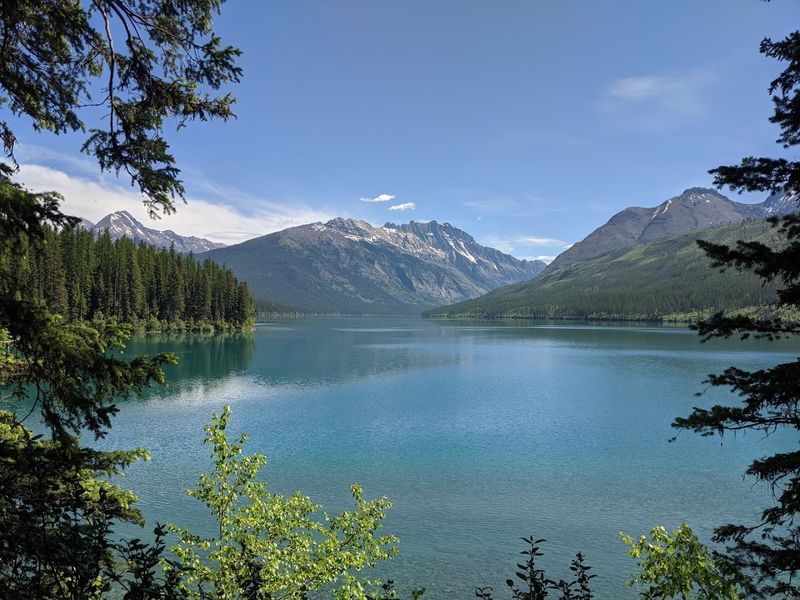
If you want to feel like you have truly escaped, Kintla Lake is the destination for you. Reaching it requires navigating a slow, bumpy dirt road through the remote North Fork area of Glacier National Park, and that road does most of the work of keeping the crowds away.
Kintla Lake sits in the uppermost northwest section of Glacier National Park, near Polebridge, Montana. It is widely regarded as one of the most remote and beautiful lakes in the entire state, and spending even a few hours here makes it easy to understand why.
The water is pristine and clear. The mountains that rise around the lake are towering and dramatic, and the campgrounds here rarely fill to capacity.
That last detail alone is worth celebrating when you compare it to more popular destinations in the park.
Motorized boats are not allowed on the lake, which keeps the surface calm and the atmosphere peaceful. Canoes and kayaks glide quietly across the water, and the only sounds you are likely to hear are paddles dipping and birds calling from the tree line.
Fishing is another favorite activity here, with cutthroat trout and whitefish both present in the lake. Hiking trails in the area give you access to even more of this stunning wilderness if you want to push deeper into the backcountry.
For those who love solitude and wild places, Kintla Lake is hard to beat.
6. Quartz Lake
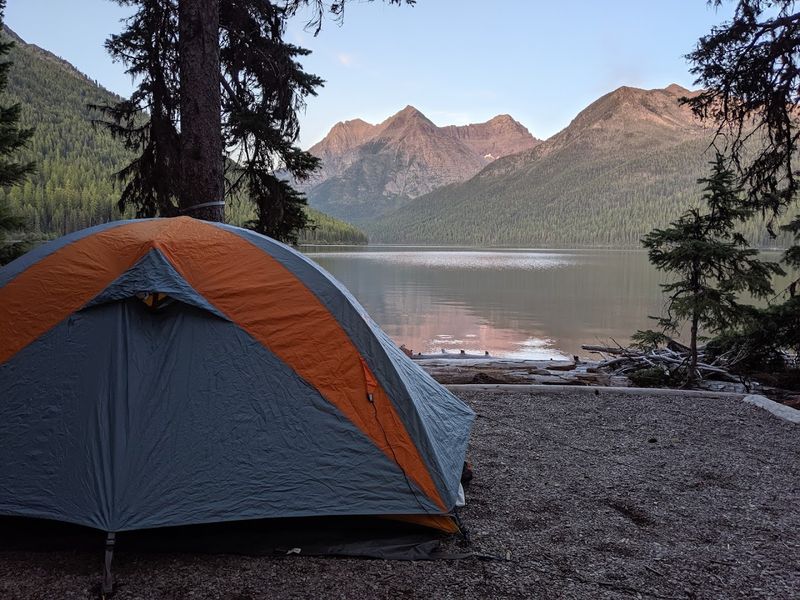
Not every great lake in Montana comes with a crowd attached. Quartz Lake, located in Glacier National Park, Montana 59936, is the kind of backcountry spot that feels like a reward for people who actually like walking through the woods.
Access to Quartz Lake is part of the well-loved Quartz Lake Loop trail, which takes hikers through dense forest and past stunning views before arriving at the lake itself. The loop connects several lakes in the area, making it a favorite among backpackers who want to cover real ground.
The water here is clear and cold, with the kind of blue-green color that you usually only see in travel magazines. The surrounding forest is thick and quiet, creating a natural sense of privacy that is hard to find at more accessible spots.
Fishing is popular on Quartz Lake, with bull trout and other species drawing anglers who appreciate a less competitive environment. The backcountry setting means you are far from road noise and crowds, and the wildlife in this area is active and visible if you move quietly.
Camping near Quartz Lake is an experience all its own. Falling asleep to the sounds of the forest and waking up to mountain light on the water is the kind of thing that stays with you long after the trip ends.
This is a place that asks for a little effort and gives back a whole lot of quiet beauty.
7. Crystal Lake
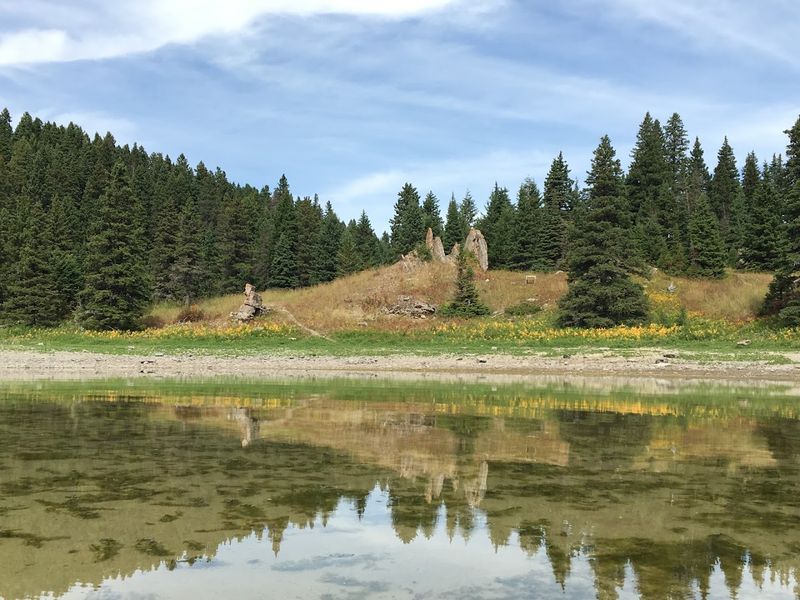
The name says it all, and Crystal Lake in Montana 59464 absolutely lives up to it. Tucked into the Judith Mountains of central Montana, this lake is a favorite among locals who know that some of the best places in the state do not make it onto the most popular travel lists.
The water here is strikingly clear, and the surrounding pine forest creates a natural privacy screen that makes the lake feel like your own private retreat. The Judith Mountains are not as well-known as Glacier or the Beartooths, which means you are far less likely to share this spot with a crowd.
A campground near Crystal Lake makes it easy to stay multiple nights, and many visitors find that one night quickly turns into two once they settle in. Mornings at the lake are quiet and cool, with the water reflecting the trees and sky in a way that feels almost too perfect.
Hiking trails in the area give you access to views of the surrounding mountains and valleys. The terrain here is different from western Montana, with open ridgelines and big sky views that remind you just how varied this state really is.
Fishing is another draw, and the lake sees far less pressure than more accessible waters, which is always a good sign for the fish and for the experience. Swimming is also popular during the warmer months when the mountain air warms up enough to make a dip worthwhile.
8. Seeley Lake
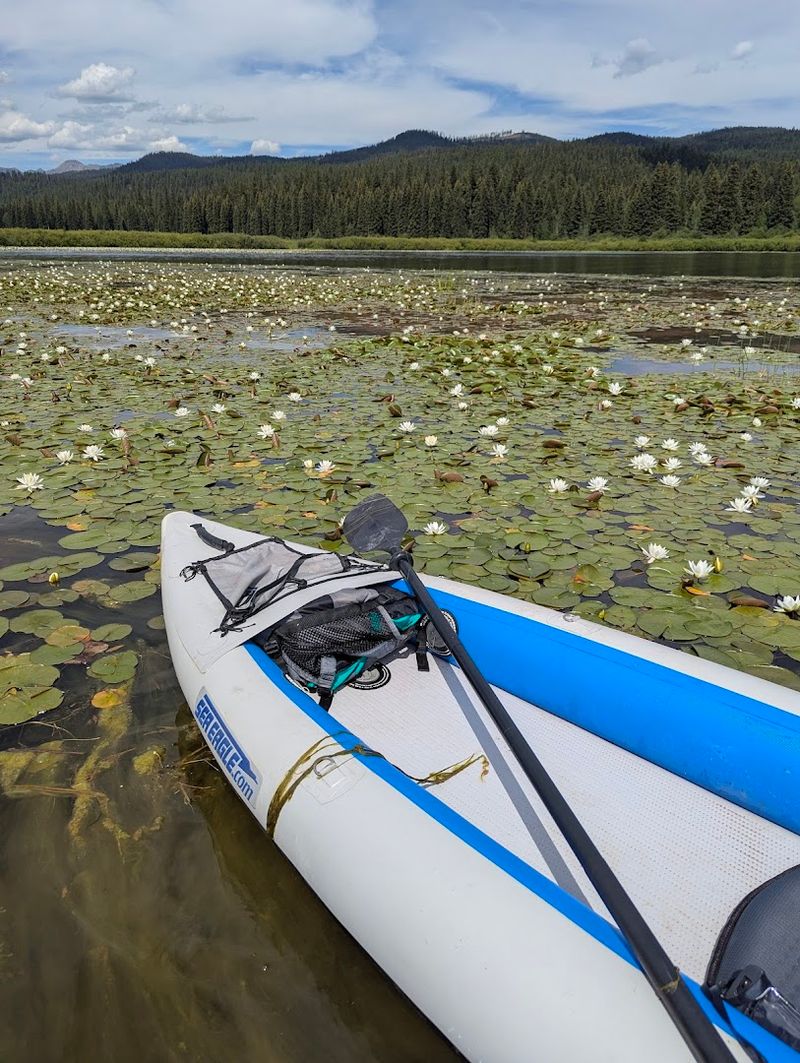
About 50 miles northwest of Missoula, sitting comfortably between the Mission and Swan mountain ranges, Seeley Lake is one of those places that manages to offer real accessibility without losing its peaceful character. The town of Seeley Lake sits right along the water, giving visitors a convenient home base with a genuine small-town feel.
The lake itself is known for its clear water and mountain backdrop. On a calm day, the reflections of the surrounding peaks on the surface are sharp enough to make you look twice.
It is the kind of view that looks staged but is completely natural.
Summer brings out kayakers, paddleboarders, swimmers, and anglers all sharing the water in a relaxed and unhurried way. Boating is popular here too, and the lake is large enough to give everyone plenty of room.
The variety of activities means there is something here for every kind of traveler.
Winter transforms Seeley Lake into a completely different destination. Ice fishing draws visitors who enjoy the slower pace of the cold season, and snowmobiling on the surrounding trails is a favorite winter activity for locals and tourists alike.
Lodging options around the lake range from rustic cabins to comfortable lodges, and some of the more secluded properties give you a private stretch of shoreline that feels miles away from everything. That kind of access to nature without sacrificing comfort is genuinely hard to find.
Seeley Lake, Montana is easy to reach and hard to leave.
9. Big Salmon Lake
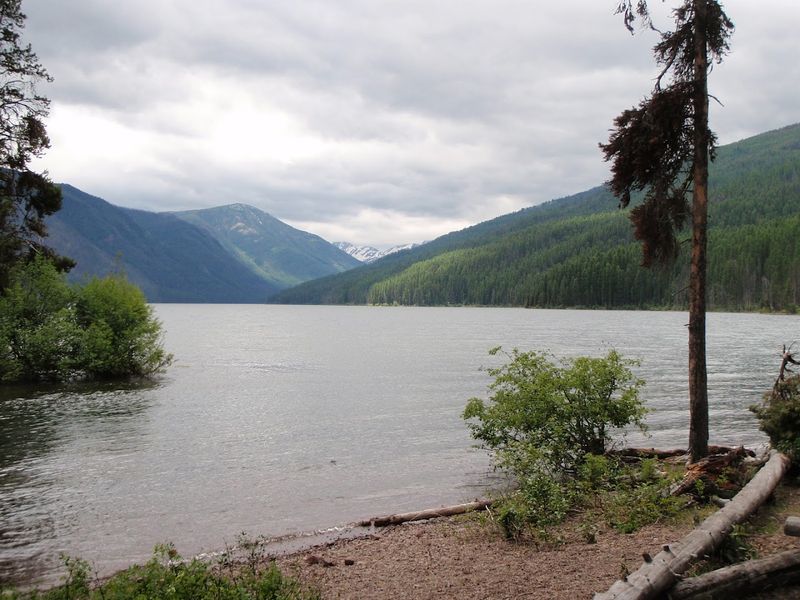
There are lakes you drive to, and then there are lakes you earn. Big Salmon Lake falls firmly into the second category.
Located deep within the Bob Marshall Wilderness of Montana, this is one of the largest backcountry lakes in the lower 48 states, and reaching it means committing to a serious wilderness journey.
The most common approach involves a multi-day backpacking route through the Bob Marshall Wilderness, one of the most celebrated wild areas in the entire country. The trails pass through open meadows, dense forest, and dramatic river valleys before arriving at the lake.
Big Salmon Lake is long, wide, and surrounded by peaks that rise sharply from the water’s edge. The scale of it is genuinely impressive, especially after spending days hiking through the wilderness to get there.
The water is clear and cold, fed by snowmelt and mountain streams.
Fishing in Big Salmon Lake is exceptional. The remote location means the fish here see far less pressure than in more accessible waters, and the lake holds westslope cutthroat trout that are a serious draw for fly-fishing enthusiasts.
Wildlife in the Bob Marshall Wilderness is abundant and varied. Bears, elk, deer, eagles, and mountain goats are all part of the landscape here.
Spending a few nights near Big Salmon Lake gives you the kind of wildlife exposure that most people only see on nature documentaries.
This is a trip that deserves real planning and real commitment, and it pays back every bit of that effort.