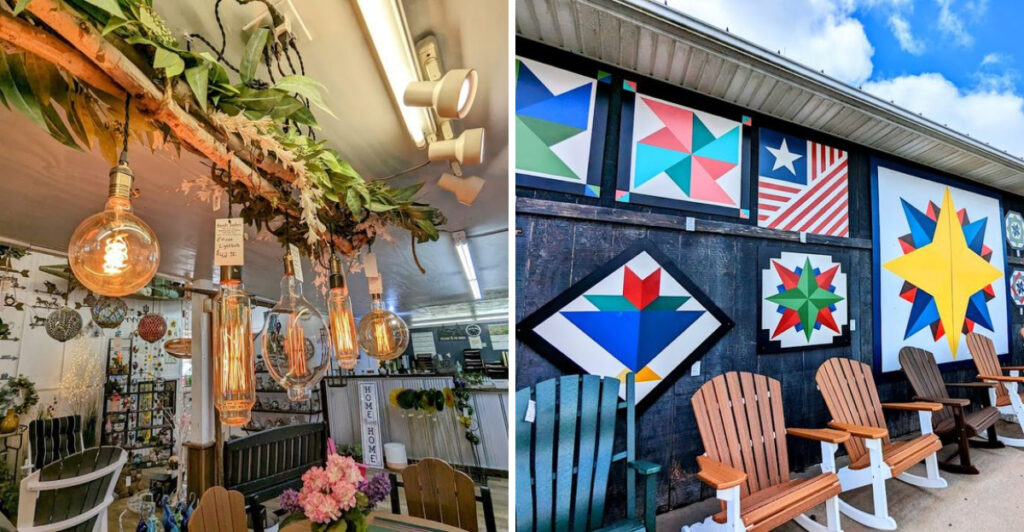
A Tuesday errand. That is how most visits start.
Four hours later, the schedule is gone, the car is full, and nobody wants to leave. That is what 40 acres of vendors, live auctions, and Amish-crafted furniture does to an otherwise reasonable day in Indiana.
Nearly 700 stalls stretch across the grounds. Fresh-baked pies sit near handcrafted quilts, antiques, and vintage finds.
Furniture built by hand from hardwoods that will outlast everyone in the room. The auction floor pulls in even the people who came just to browse.
Add a food court, a full-service restaurant, and a surrounding Indiana town packed with reasons to linger, and the math becomes clear. Pack for a full day.
Come back the next morning.
A Market That Refuses To Be Just A Market
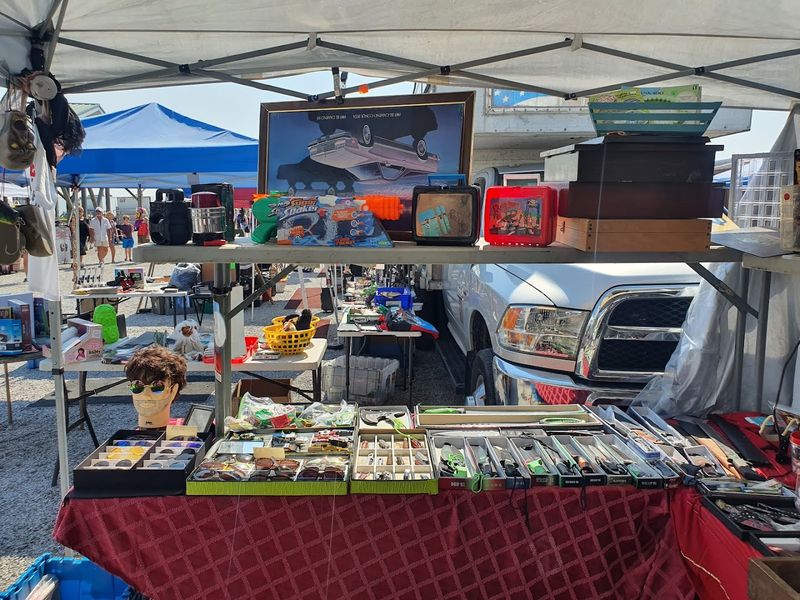
Forty acres sounds like a number until you are actually standing in the middle of it. Shipshewana Trading Place in Shipshewana, Indiana, is not your average weekend market.
It is closer to a small city built entirely around buying, selling, and discovering.
Close to 700 vendor spaces fill the grounds on peak market days. That means hundreds of booths stretching in every direction, each one offering something different.
Antiques sit next to handmade crafts. Fresh produce shares space with power tools and vintage clothing.
The market primarily runs on Tuesdays and Wednesdays from May through early October, giving the full season a generous stretch of warm-weather months.
First-time visitors often underestimate how much ground there is to cover. Regulars know to wear comfortable shoes and bring a bigger bag than they think they need.
The sheer variety here is the reason a simple errand turns into an all-day commitment every single time.
The Story Behind The Trading Place
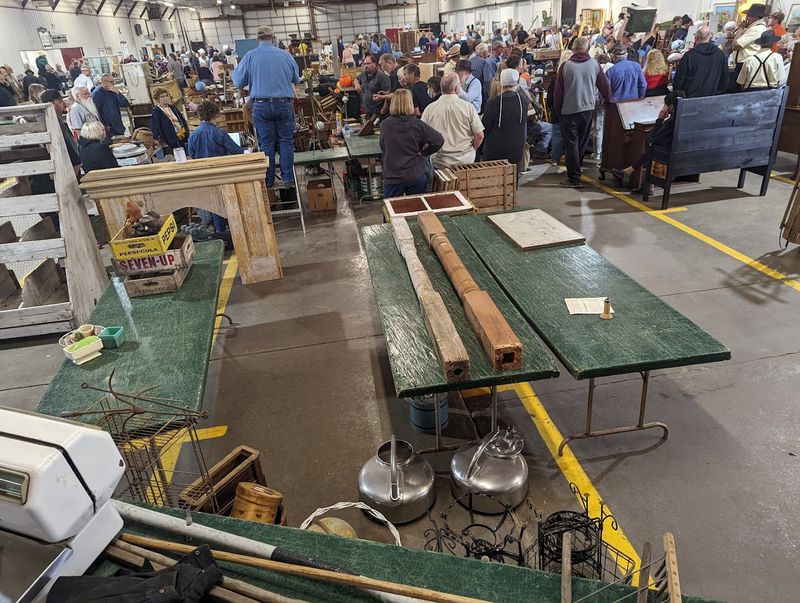
Markets like this do not appear overnight. The Shipshewana Trading Place grew out of a deep tradition of trade that has defined this corner of Indiana for generations.
The town of Shipshewana sits within one of the largest Amish communities in the entire country, and commerce has always been central to life here.
Auctions and trading days were part of the local rhythm long before the flea market expanded into what visitors see today. Over the decades, the Trading Place evolved from a modest auction yard into the Midwest’s largest flea market, drawing visitors from across the region and beyond.
That history is still visible in the bones of the place. The auction buildings, the mix of Amish and non-Amish vendors, and the no-frills, practical energy of the market all point back to roots that are old.
This is not a manufactured experience built for tourism. It grew organically, and that makes all the difference.
The full address for the market is 345 S Van Buren St, Shipshewana, IN 46565, and the town around it is worth every extra hour spent exploring.
Handcrafted Furniture Worth Every Penny
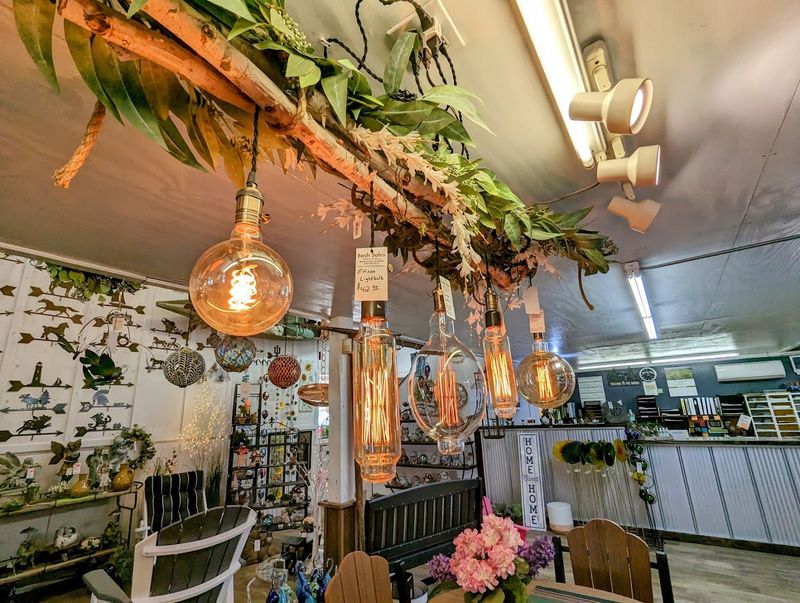
Solid wood furniture built to last a lifetime is not easy to find anymore. At Shipshewana Trading Place and the surrounding shops in Shipshewana, Indiana, it is practically around every corner.
Amish craftsmen in this region are known for producing furniture that prioritizes durability and detail over speed.
Pieces are typically made from hardwoods like oak, cherry, and maple. Joinery techniques passed down through generations result in furniture that holds together for decades.
No shortcuts, no particle board, no veneers pretending to be something they are not.
Browsing the furniture vendors here feels different from walking through a big-box store. Each piece has a story attached to it.
Buyers often get to speak directly with the craftsman or someone close to the process, which adds a layer of meaning to every purchase. Whether someone is looking for a dining table, a rocking chair, or a custom bedroom set, the options here tend to surprise even skeptical shoppers.
Food That Makes The Walk Worth It
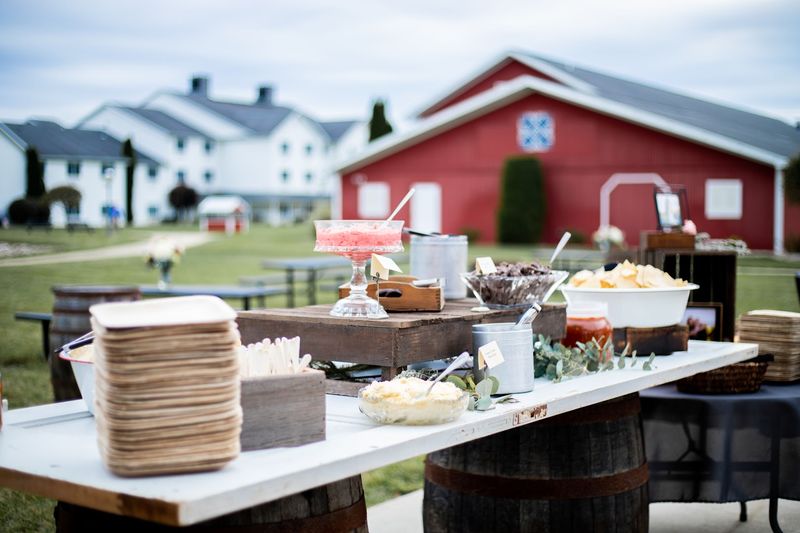
Hunger hits fast when you are covering 40 acres on foot. Fortunately, the food situation at Shipshewana Trading Place is far better than the average market snack stand.
Multiple food courts, food trucks, and a full-service restaurant keep visitors well fed throughout the day.
Ben’s Soft Pretzels is a crowd favorite, known for producing pretzels that are closer to warm, pillowy pastry than anything found at a mall kiosk. Beyond pretzels, visitors can find pierogies, fair-style treats, fresh produce, and homemade baked goods spread throughout the market grounds.
The on-site Auction Restaurant is a standout for anyone craving something more substantial. It serves traditional Amish and Mennonite comfort food, including chicken and noodles, scalloped potatoes with ham, and homemade pies that earn repeat visits on their own.
The food here is honest, filling, and made with the kind of care that is hard to fake. Skipping a meal before arriving is strongly recommended.
Live Auctions That Pull You Right In
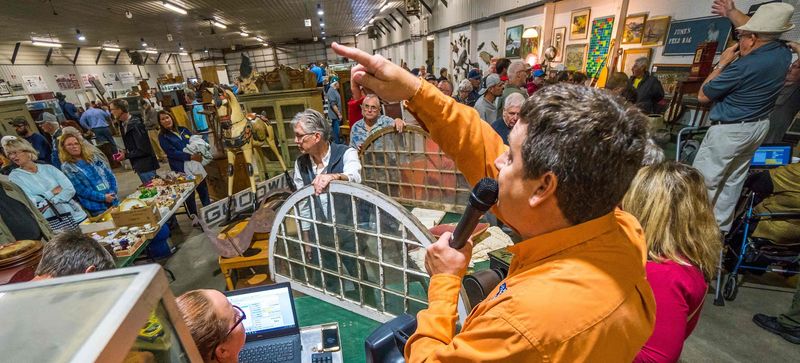
Few things are as unexpectedly entertaining as watching a skilled auctioneer work a crowd. The Shipshewana Trading Place runs a well-established Antique and Miscellaneous Auction every Wednesday, year-round, and it draws serious collectors alongside curious first-timers.
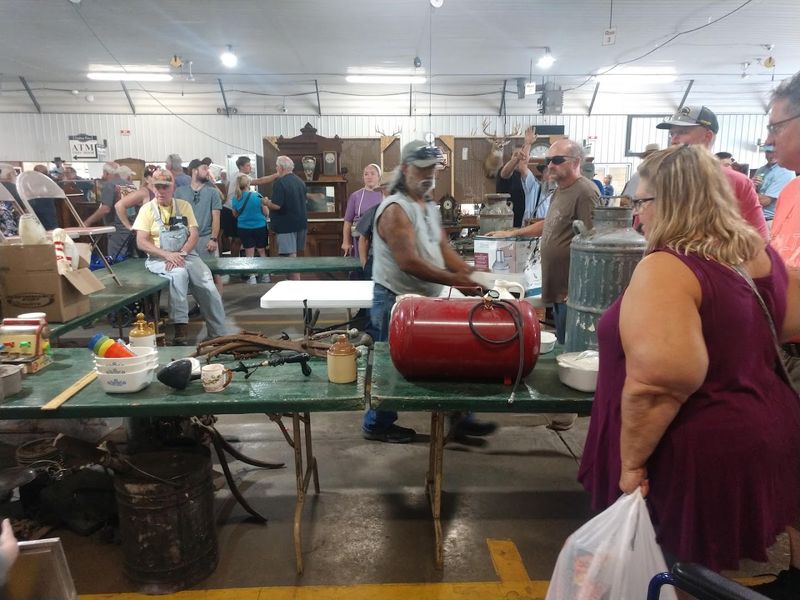
Multiple auctioneers move through the space simultaneously, each handling a different category of goods. Antiques, primitives, architectural salvage, and furniture all cycle through the bidding floor.
The pace is fast, the energy is competitive, and the deals can be genuinely remarkable for those paying attention.
The weekly Horse Auction and Livestock Auction add another dimension entirely. These events reflect the working agricultural culture of Indiana’s Amish community and offer a window into a side of rural life that most visitors rarely encounter.
Even those with no intention of bidding on anything tend to get pulled into the rhythm of the auction floor. It is participatory entertainment in the most unpretentious form possible, and it is completely free to watch.
The Atmosphere Is Unlike Anything Nearby
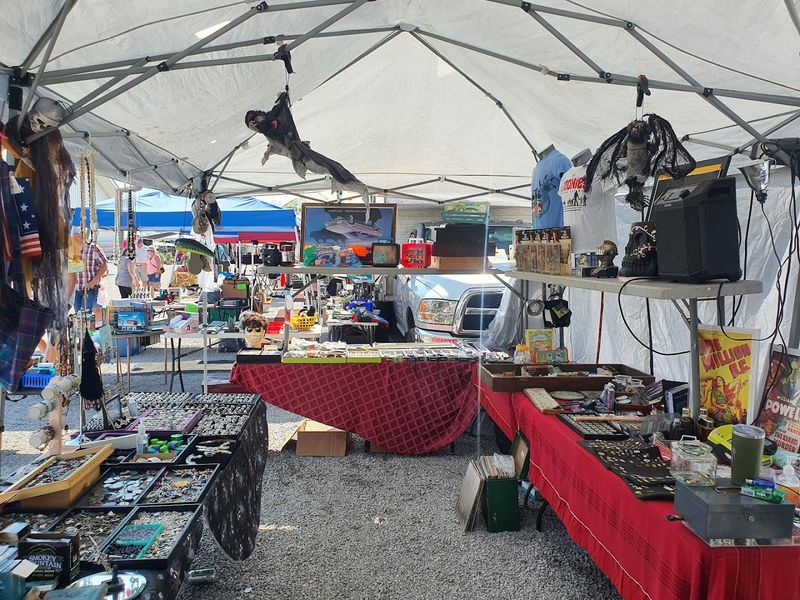
Markets have personalities, and this one has a personality that is hard to put into words without experiencing it firsthand. The air at Shipshewana Trading Place carries a mix of sawdust, fresh baked goods, and the faint sound of auction chants drifting across the lot.
It feels genuinely alive.
Amish vendors in traditional dress work side by side with non-Amish sellers, creating a cultural blend that is rare and quietly fascinating. The interaction between the two communities feels natural rather than staged.
Conversations happen easily here, and the general mood leans toward friendly and unhurried.
Visitors often describe the experience as a treasure hunter’s paradise, and that label fits. The unpredictability is part of the appeal.
No two visits are exactly alike because the vendor mix shifts, new items appear, and the seasonal rhythm of the market keeps things fresh. The atmosphere alone is worth the drive out to this corner of Indiana, even before a single purchase is made.
Antiques And Hidden Finds Around Every Corner
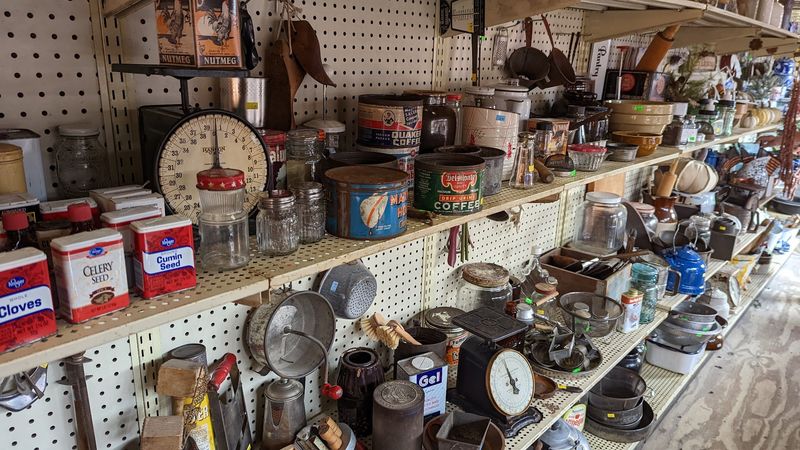
Treasure hunting is a real sport here, and patience pays off. The antique and collectible vendors spread throughout Shipshewana Trading Place offer an unpredictable range of goods that shifts from week to week and season to season.
Vintage tools show up next to mid-century glassware. Old farm equipment sits a few booths down from Depression-era pottery.
Clothing from past decades competes for attention with handmade quilts and architectural salvage pulled from old Indiana farmhouses.
The key to finding the best pieces is arriving early and moving methodically. Regulars know that the most interesting items tend to disappear quickly, especially during peak season.
For casual browsers, the joy is less about scoring a specific find and more about the slow, satisfying process of discovery. Every booth is its own small world, and the collective effect of hundreds of them creates an experience that is genuinely hard to replicate anywhere else in the region.
Good walking shoes are essential equipment.
Fresh Produce And Baked Goods From Local Hands
Grocery shopping rarely feels this satisfying. Scattered throughout the market and the surrounding town of Shipshewana, fresh produce and homemade baked goods from local farms and Amish kitchens offer a quality that supermarkets simply cannot match.
Seasonal vegetables arrive straight from nearby fields. Jams, preserves, and baked breads are made in small batches using traditional recipes.
The difference in flavor compared to commercially processed versions is noticeable immediately, and most visitors end up buying far more than they originally intended.
Homemade pies deserve a special mention. Fruit pies, cream pies, and custard varieties made from scratch show up regularly at vendor stalls and in the on-site restaurant.
They are the kind of pies that inspire genuine enthusiasm rather than polite compliments. Picking up a loaf of fresh bread or a jar of locally made preserves has become a reliable tradition for repeat visitors.
It is the kind of simple pleasure that makes the drive out to Indiana feel completely worthwhile.
Practical Tips For Making The Most Of Your Visit
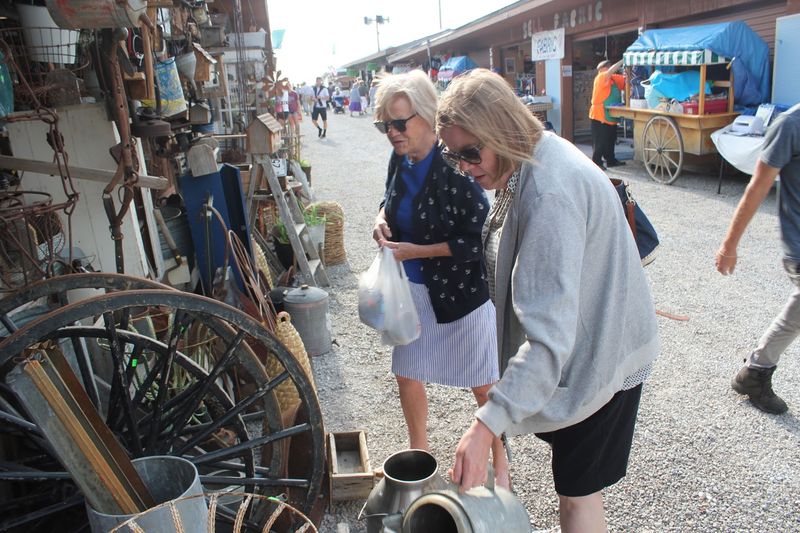
A little preparation turns a good visit into a great one. The market runs primarily on Tuesdays and Wednesdays during the main season, so planning around those days is the first smart move.
Arriving early gives the best access to vendors, parking, and popular food options before lines form.
Comfortable footwear is non-negotiable across 40 acres of ground. For those who prefer not to walk the entire distance, sturdy scooters are available to rent by the hour on-site, making the market accessible for visitors of all mobility levels.
Bringing cash is highly recommended, as some vendors do not accept cards.
Lodging is available just across the road at the Farmstead Inn and Conference Center, making an overnight stay easy to arrange for those coming from a distance.
Coming from a distance and staying overnight is a popular choice that allows visitors to explore both the market and the surrounding town of Shipshewana without rushing. Planning for a full day, or even two, is not being dramatic.
It is just being realistic.
Beyond The Market, The Town Keeps Going
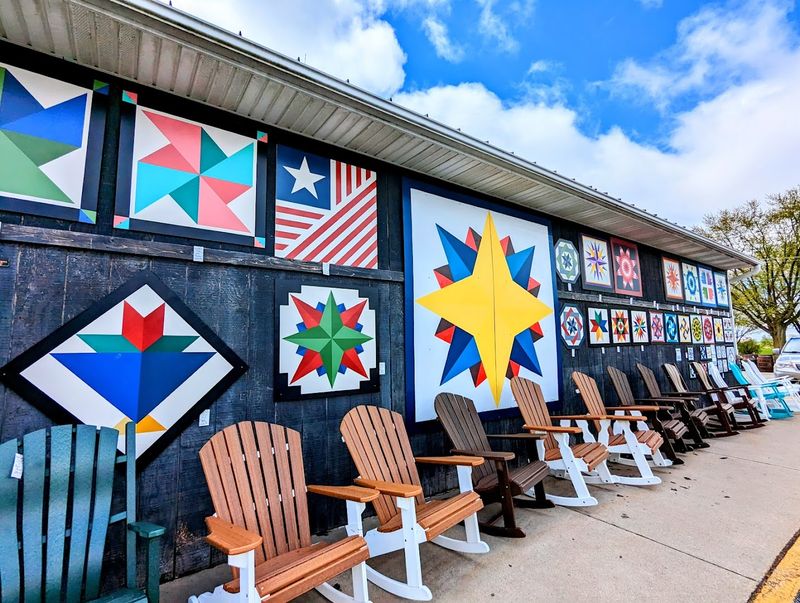
The market is the main event, but Shipshewana itself deserves credit for keeping the day going long after the last vendor stall is browsed. The town surrounding the Trading Place is small, walkable, and packed with reasons to linger.
The Davis Mercantile building houses a carousel that delights younger visitors and curious adults equally.
The Menno-Hof Interpretive Center offers a thoughtful and accessible introduction to the history and beliefs of the Amish and Mennonite communities that call this part of Indiana home. Buggy rides through the countryside provide a slower, quieter perspective on the landscape.
Local theater productions run seasonally and draw audiences from well outside the immediate area. Shops throughout town carry handmade goods, quilts, and specialty foods that complement what is found at the Trading Place.
One day here rarely feels like enough.