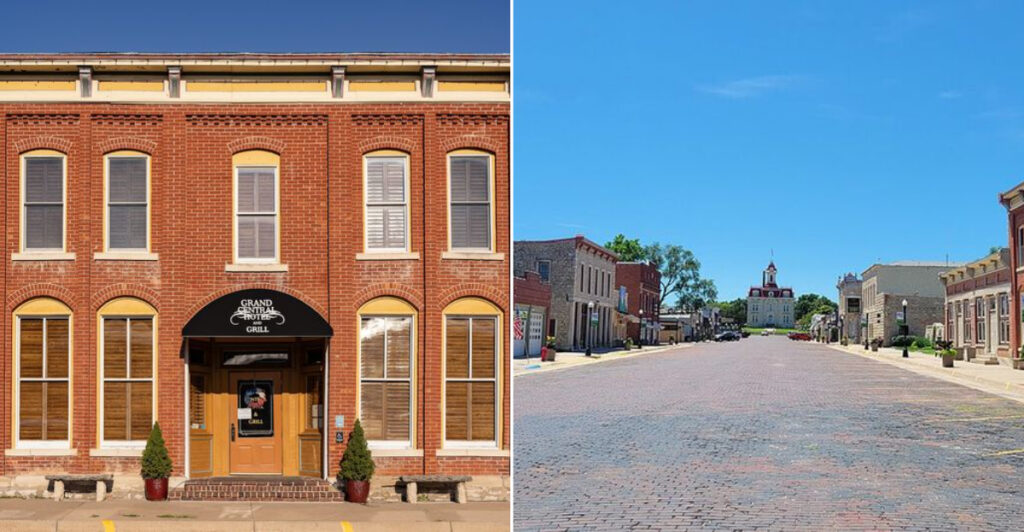
Peaceful weekends have their own soundtrack: courthouse bells, soft prairie wind, slow footsteps on quiet sidewalks, and the kind of silence that feels earned.
In Kansas, this small town gives locals a place to breathe deeper, wander easier, and let the week loosen its grip. There is no need for a packed schedule here.
A scenic stroll, a good meal, a historic view, a little shopping, and wide-open Flint Hills beauty can make the whole day feel reset without trying too hard.
It is charming without being loud, simple without feeling empty, and calm in a way that feels genuinely restorative.
I would come here with no big agenda, just a craving for space, slower moments, and that rare weekend feeling where doing less somehow feels like exactly enough.
The Chase County Courthouse Stands As A Limestone Crown
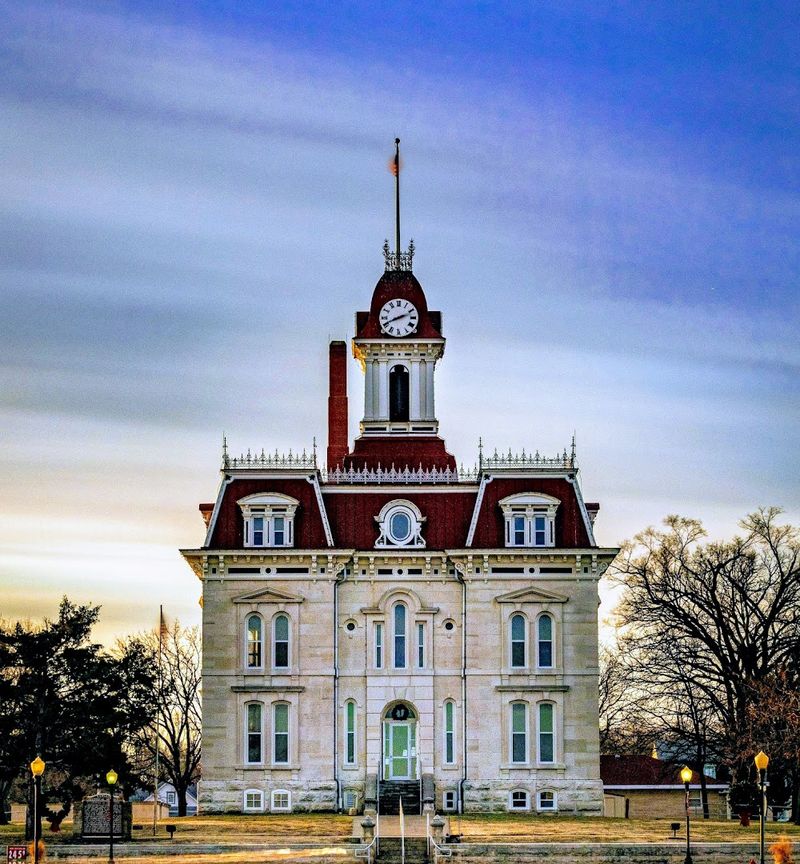
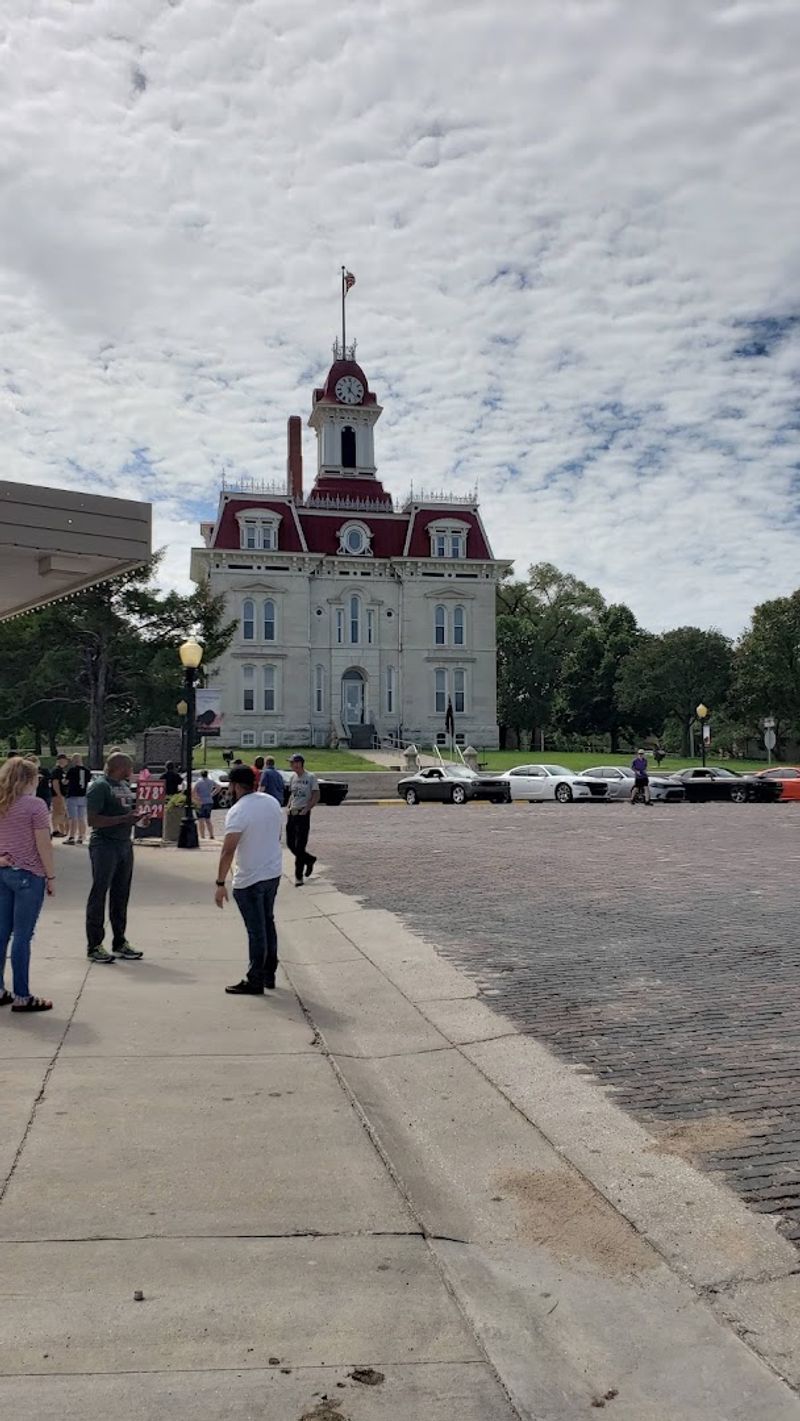
Built in 1873, the Chase County Courthouse in Cottonwood Falls, Kansas is widely considered one of the most beautiful county courthouses in the entire country.
Constructed from native limestone in a French Renaissance style, it rises above Broadway Street like a proud reminder that craftsmanship once ruled the land.
The building still serves as an active courthouse today, which makes it even more remarkable.
You are not just looking at a museum piece; you are looking at a living piece of Kansas history that continues to do its job more than 150 years later.
Visitors often stop to photograph the spiral staircase inside, which winds upward with an elegance that feels almost out of place in a small prairie town.
That contrast, between grand architecture and humble surroundings, is exactly what makes Cottonwood Falls so quietly unforgettable.
Tallgrass Prairie National Preserve Is Right Next Door
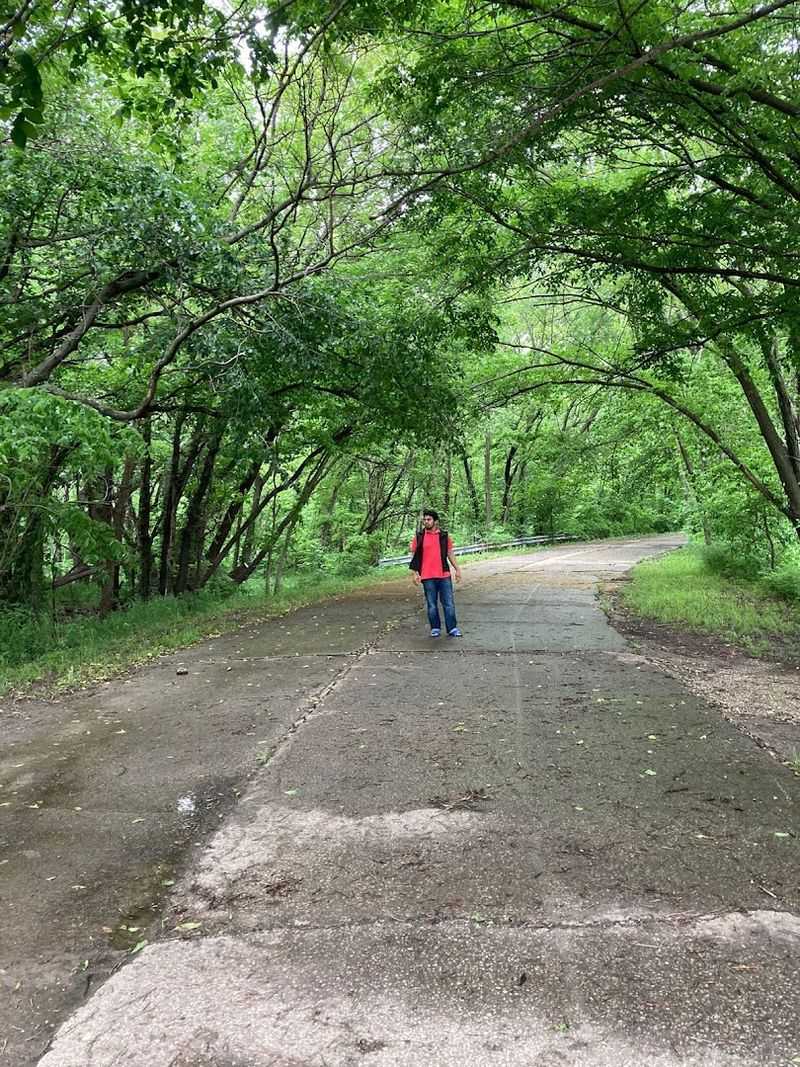
Just a short drive from the center of Cottonwood Falls, Kansas, the Tallgrass Prairie National Preserve stretches across more than 10,000 acres of one of the rarest ecosystems on Earth.
Less than four percent of the original North American tallgrass prairie still exists, and this preserve protects a significant portion of it.
The landscape feels ancient and alive at the same time. Grasses sway in the Kansas wind, bison roam in managed herds, and the sky opens up in a way that feels almost cinematic.
Hiking trails wind through the preserve at varying difficulty levels, making it accessible for families, solo walkers, and serious nature enthusiasts alike.
Ranger-led tours are available seasonally and offer fascinating context about the ecology and history of the land.
For anyone craving a genuine outdoor reset, this preserve delivers something that very few places in the Midwest can match.
The Cottonwood River Gives The Town Its Name And Its Calm
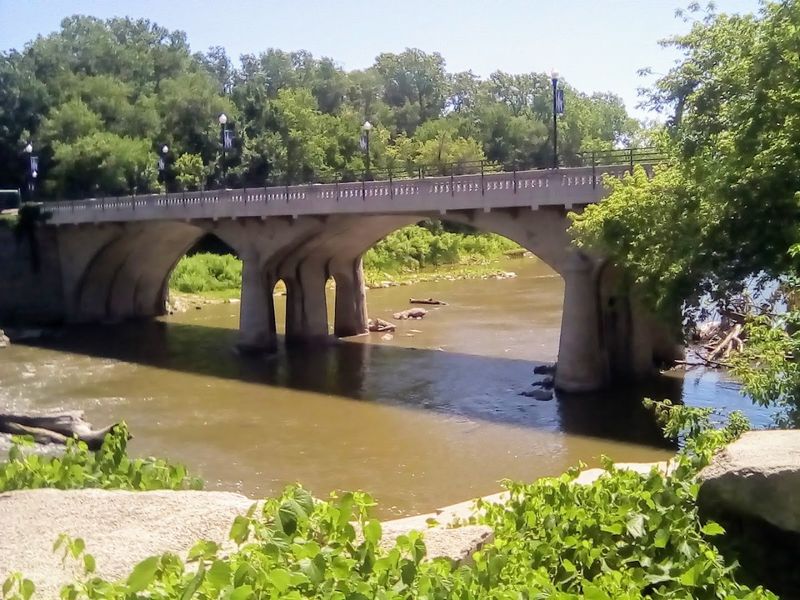
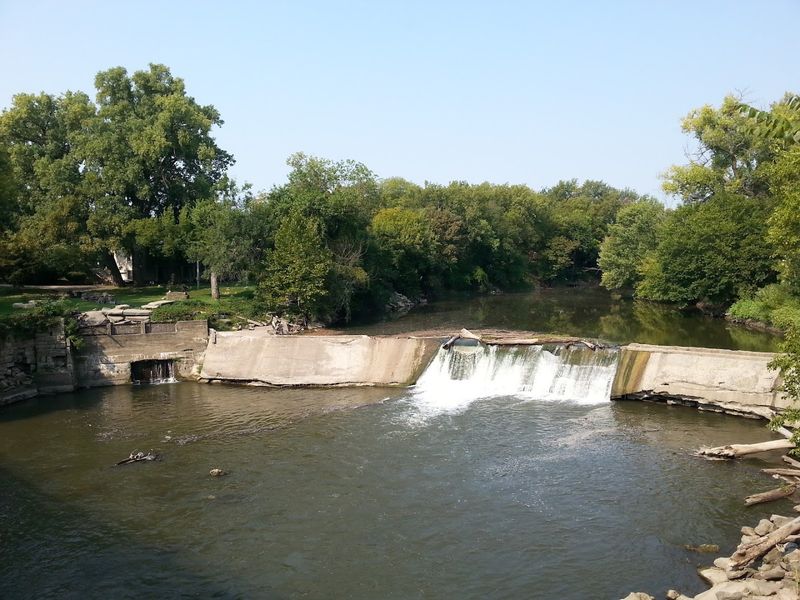
The Cottonwood River runs along the northern edge of town, and its presence shapes the entire mood of Cottonwood Falls, Kansas.
The river is not dramatic or roaring; it moves with a steady, unhurried rhythm that mirrors the town itself.
Fishing is popular along its banks, and locals often spend weekend mornings casting lines without any particular urgency.
The surrounding riparian landscape attracts birds and wildlife, making it a quiet destination for those who enjoy nature without a lot of crowds.
The river also played a key role in the town’s early development, providing water and resources that helped Chase County grow in the late 1800s.
That historical connection between the water and the community runs deep here.
Standing by the river on a quiet afternoon, it is easy to understand why people have been drawn to this particular bend in the Kansas plains for well over a century.
Broadway Street Offers A Stroll Through Small-Town Americana
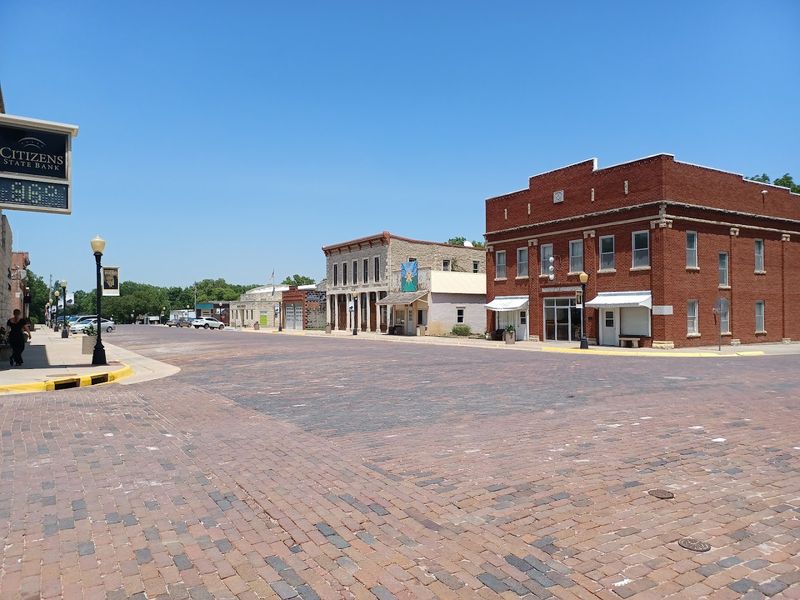
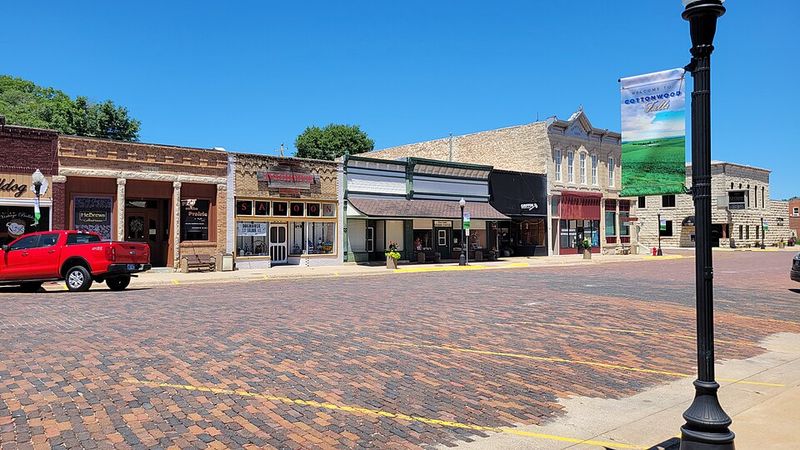
Broadway Street in Cottonwood Falls, Kansas is the kind of main street that reminds you what town centers used to feel like before big-box stores took over.
The street runs through the heart of downtown and is lined with locally owned shops, a handful of cafes, and buildings that date back to the late 1800s.
The limestone construction of many storefronts gives Broadway a cohesive, warm aesthetic that feels rooted rather than staged.
Nothing here looks like it was designed by a corporate committee, and that authenticity is a big part of its appeal.
Weekend visitors tend to drift slowly along the sidewalks, poking into antique shops and chatting with shop owners who actually know their inventory.
It is the kind of street where a quick errand can turn into a two-hour conversation. That unhurried social energy is something increasingly rare, and Cottonwood Falls protects it well.
The Grand Central Hotel Has Been Welcoming Guests Since The 1880s
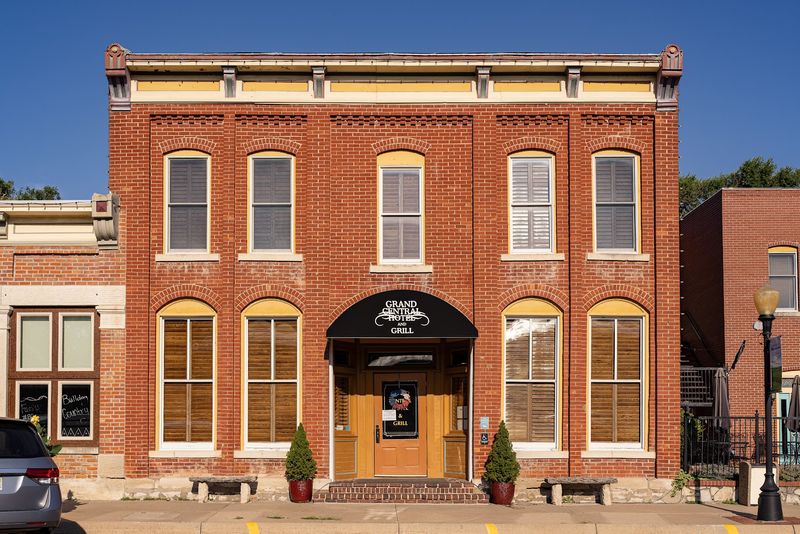
Few places in Cottonwood Falls carry as much layered history as the Grand Central Hotel on Broadway Street.
Built in 1884, the hotel has been thoughtfully restored and continues to host overnight guests who want to experience Chase County at a slower pace.
The rooms blend period character with modern comfort, offering the rare combination of genuine antique charm and a good night’s sleep.
Staying here feels less like booking a hotel room and more like stepping into a carefully preserved chapter of Kansas history.
The hotel has long been associated with hearty hospitality and Flint Hills character, drawing visitors who want a stay that feels tied to the town rather than separate from it.
It is worth noting that the building itself has survived economic booms, busts, and decades of change, yet it still stands as one of the most beloved landmarks in Cottonwood Falls.
That kind of staying power says everything.
Chase County Is One Of The Least Populated Counties In Kansas
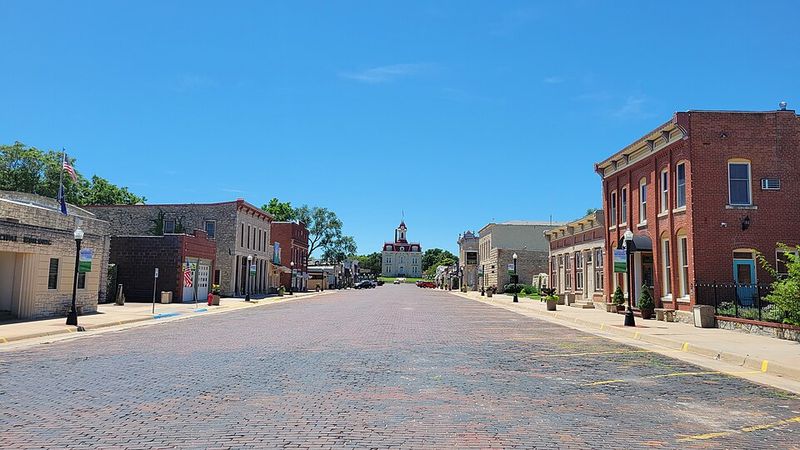
With a population hovering around 2,500 people, Chase County is one of the most sparsely populated counties in the entire state of Kansas. That low population density is not a flaw; it is a feature.
The wide-open spaces around Cottonwood Falls, Kansas are part of what makes the area feel so restorative.
There are no traffic jams, no crowded sidewalks, and no background noise beyond the wind and the occasional meadowlark.
For people arriving from busier urban areas, the silence can feel almost startling at first, and then deeply welcome.
The county’s low development also means the landscape remains largely intact, which is a genuine rarity in the modern Midwest.
Dark skies at night offer excellent stargazing conditions, and the rolling terrain during the day provides views that stretch for miles.
Chase County proves that emptiness, when it comes in the right setting, can feel like the richest kind of abundance.
The Spring Hill Ranch Adds A Layer Of Frontier History
Within the Tallgrass Prairie National Preserve, just outside Cottonwood Falls, Kansas, the Spring Hill Ranch complex stands as one of the best-preserved examples of late 19th-century ranching life in the entire region.
The property includes a stone barn, a Victorian ranch house, and several outbuildings, all dating to the 1880s.
The ranch was originally developed by Stephen Jones, a prominent Kansas rancher who built his operation into one of the largest in Chase County.
Walking through the grounds today, you get a tangible sense of what life and labor looked like on the open Kansas range more than a century ago.
National Park Service rangers offer guided tours that bring the history to life with specific stories about the people who worked and lived here.
The stone construction of the buildings has aged remarkably well, and the ranch sits within the prairie landscape in a way that feels completely natural. History rarely looks this good outdoors.
William Least Heat-Moon Made Chase County Famous In Print
In 1991, author William Least Heat-Moon published “PrairyErth,” a deep-mapping exploration of Chase County, Kansas that became a landmark work of American place writing.
The book introduced many readers to the quiet power of this particular corner of the Great Plains.
Heat-Moon’s writing treated Chase County, and by extension Cottonwood Falls, Kansas, not as a backdrop but as a subject worthy of serious literary attention.
That perspective resonated with readers across the country who had never considered that a small Kansas county could hold such depth.
The book’s legacy is still felt in the town today. Visitors who arrive having read “PrairyErth” often describe the experience as coming to a place they already know through someone else’s careful eyes.
That literary connection gives Cottonwood Falls a cultural dimension that most towns its size simply do not have. Good writing has long roots.
The Area Attracts Cyclists And Outdoor Enthusiasts Year-Round
The roads and trails around Cottonwood Falls, Kansas have developed a quiet reputation among cyclists and outdoor enthusiasts looking for routes that offer real scenery without heavy traffic.
The rolling Flint Hills terrain provides a genuine physical challenge while rewarding riders with some of the most dramatic prairie views in the Midwest.
Cycling events have been organized in the area in recent years, drawing participants from across Kansas and neighboring states.
The combination of low traffic roads, varied elevation, and sweeping open landscapes makes the Chase County area a standout destination for anyone who prefers their exercise with a side of natural beauty.
Hikers and birdwatchers also find plenty to keep them busy throughout the year.
The seasonal shifts in the prairie, from spring wildflowers to autumn amber grasses, mean that no two visits look exactly the same.
For people who recharge through movement and fresh air, the land around Cottonwood Falls works like a prescription.
Cottonwood Falls Hosts Community Events That Bring People Together
Despite its small size, Cottonwood Falls, Kansas maintains an active community calendar that reflects genuine local pride.
Annual events draw visitors from surrounding towns and counties, turning Broadway Street into a lively gathering point that feels nothing like its usual quiet self.
Art shows, heritage festivals, and seasonal markets pop up throughout the year, giving both residents and visitors reasons to return in different seasons.
The events tend to feel personal rather than commercial, with local vendors, homegrown entertainment, and a strong sense that the community is celebrating itself rather than performing for outsiders.
That distinction matters more than it might seem.
Community events in Cottonwood Falls carry the warmth of genuine participation, where the people organizing the booths are the same ones who live on the surrounding streets year-round.
For visitors seeking connection alongside scenery, the town’s event culture adds a human layer to an already rich destination. The calendar is worth checking before any visit.