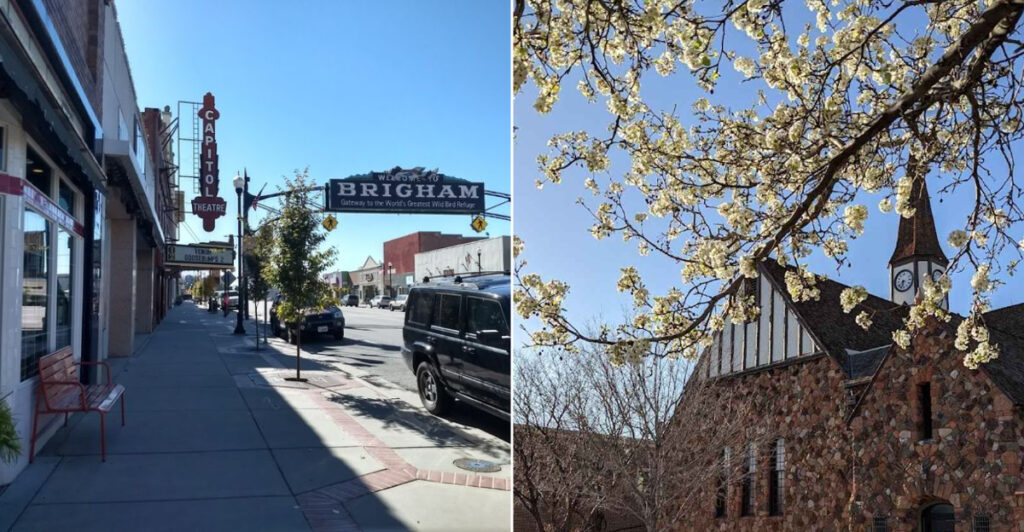
Retirement should feel like opening a better chapter, not checking your bank balance with one eye closed. The dream is simple enough: a comfortable home base, beautiful surroundings, manageable expenses, friendly neighbors, and enough everyday convenience to keep life easy instead of complicated.
Utah enters that conversation with an advantage many retirees notice quickly, especially when the search moves beyond the biggest, busiest cities. Smaller communities can offer mountain views, desert light, slower streets, local diners, medical access, walkable corners, and the kind of pace that makes mornings feel like they belong to you again.
The smartest retirement moves are not always the flashiest ones. They are the places that let your savings breathe while still giving you room to enjoy the good stuff.
For anyone ready to trade financial stress for scenery, comfort, and calmer routines, Utah’s quieter towns deserve a serious look.
1. Price, Utah
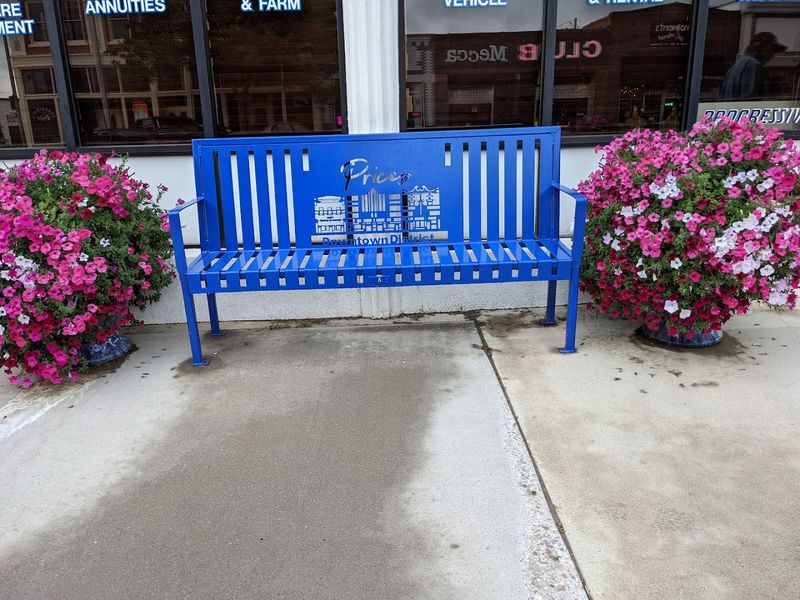
Price has the kind of unpretentious honesty that most retirement brochures try too hard to fake. Sitting in Carbon County at roughly 5,500 feet elevation, this working-class town has kept its cost of living well below the national average while other Utah communities drifted out of reach.
Housing here is genuinely approachable, not just “affordable” in the way real estate agents use the word to mean slightly less alarming.
The town has a small-city infrastructure that punches above its weight. You get grocery stores, medical clinics, and local restaurants without the traffic or noise of a larger metro.
College of Eastern Utah adds a subtle cultural energy, bringing occasional events and a younger crowd that keeps things from feeling too sleepy.
For retirees who enjoy the outdoors, the surrounding canyon country is extraordinary. Nine Mile Canyon, one of the world’s longest outdoor art galleries, is practically in your backyard.
Horseback riding, fishing, and ATV trails fill the weekends without requiring a long drive. My honest take: Price rewards the retiree who values authenticity over prestige, and that trade feels like a very good deal.
2. Vernal, Utah
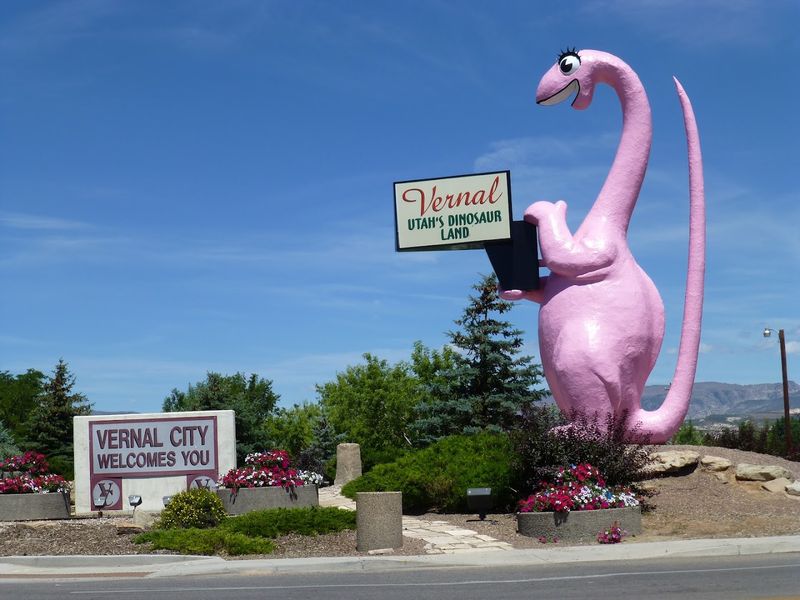
Vernal has dinosaurs, and not just metaphorically. The Utah Field House of Natural History sits right downtown, which tells you something about the personality of this place.
It leans into its prehistoric identity with cheerful confidence, and that same energy carries into everyday life here. Retirees who land in Vernal often describe it as the kind of town where people still wave from their porches.
Housing costs remain far below Wasatch Front prices, which means your retirement dollars stretch considerably further here than they would in Salt Lake City or Park City. The quieter pace is real, not manufactured.
Vernal operates on its own rhythm, shaped more by seasons and outdoor pursuits than by commuter traffic or tech-industry schedules.
Dinosaur National Monument is the obvious headline attraction, straddling the Utah-Colorado border just outside town. But the fishing on the Green River, the hiking in nearby Ashley National Forest, and the stargazing on clear northeastern Utah nights are equally compelling.
I would argue Vernal is underrated as a retirement destination precisely because it doesn’t try to market itself aggressively. The town simply exists, comfortably and affordably, which is exactly what a good retirement should do.
3. Roosevelt, Utah
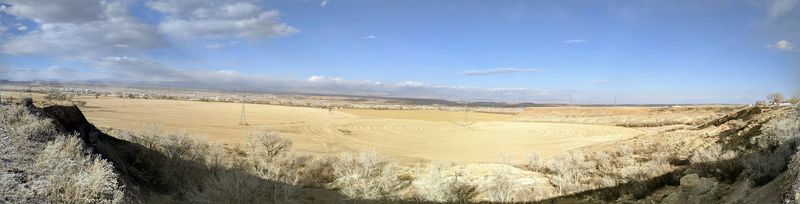
Roosevelt sits squarely in the Uintah Basin, a broad, high-desert valley that most people drive through on the way to somewhere else. That oversight works entirely in your favor if you’re looking for a retirement spot with genuine affordability and zero pretension.
Cost-of-living estimates here run below national averages, and home prices remain moderate compared with communities closer to the Wasatch Front.
The town has the practical infrastructure retirees actually need: hospitals, pharmacies, grocery stores, and a local dining scene that won’t win any Michelin stars but will absolutely feed you well and cheaply. Duchesne County as a whole has a self-reliant, community-forward character that tends to suit people who want neighbors who actually know your name.
Proximity to the Uinta Mountains is Roosevelt’s quiet trump card. Some of the best high-altitude fishing in the American West is within a reasonable drive, and the High Uintas Wilderness offers trails that feel genuinely remote without requiring a helicopter to reach.
Ashley National Forest wraps around the region generously. My personal read on Roosevelt: it’s a town that rewards patience.
It doesn’t dazzle immediately, but it earns your loyalty steadily, which is exactly the kind of relationship you want with a retirement home.
4. Richfield, Utah
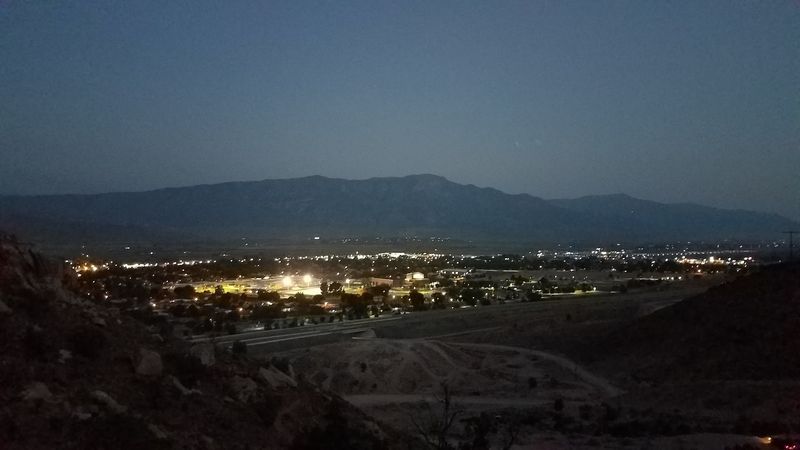
Richfield has geography working in its favor in a way that takes a moment to fully appreciate. Positioned in the heart of Utah along Interstate 70, it sits within reasonable driving distance of Capitol Reef, Bryce Canyon, and Fishlake National Forest.
For a retiree who wants national park access without national park town pricing, that central location is genuinely valuable. Cost-of-living estimates here fall below the national average, and the small-city services are solid.
Sevier Valley Medical Center gives residents access to healthcare without driving two hours to Salt Lake City, which matters more than most retirement guides acknowledge. Richfield also has a Main Street with enough local character to feel like a real community rather than a supply depot between bigger places.
The population is small, around 7,000 people, which keeps the pace manageable and the traffic nonexistent.
What I appreciate most about Richfield is its lack of performance. It’s not trying to become the next trendy mountain town.
It’s just a functional, affordable, centrally located community that happens to be surrounded by some of the most spectacular public land in the country. That combination of practicality and proximity to wild places is harder to find than it looks on a map.
5. Brigham City, Utah
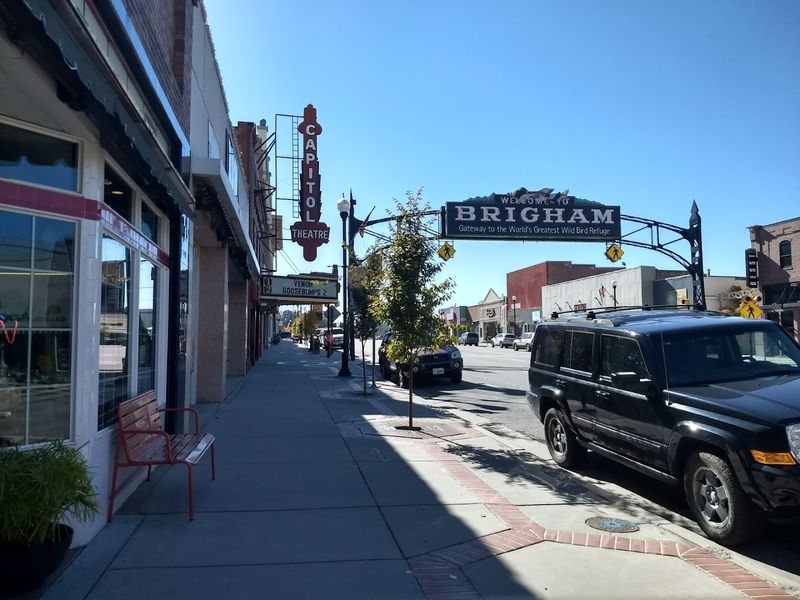
Brigham City occupies a sweet spot that retirement planners rarely talk about: close enough to Ogden and Salt Lake City to access their services, but priced like neither of them. Box Elder County housing costs run noticeably below those northern Utah metros, which means you can live within an hour of a major airport and a full range of urban amenities without paying urban prices.
That’s a genuinely useful arrangement.
The town itself has real charm. The historic downtown, the famous Brigham City Peach Days festival, and the proximity to Bear River Migratory Bird Refuge give it a distinct regional identity.
Bear River is one of the most important bird sanctuaries in North America, drawing serious birders from across the country. For retirees who enjoy wildlife watching, it’s an extraordinary backyard resource.
Thiokol Road leads out toward the wetlands, and on a quiet autumn morning with the light low and the birds moving, you’d be forgiven for thinking you’d accidentally stumbled into something much more remote than a Box Elder County suburb. Brigham City is the kind of place that keeps revealing small pleasures the longer you stay.
That slow-reveal quality is, in my experience, exactly what makes a retirement town worth choosing.
6. Fillmore, Utah
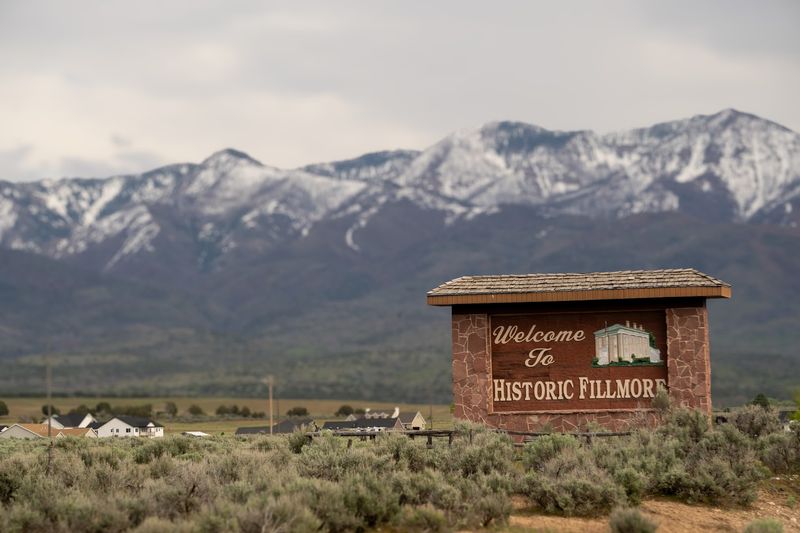
Fillmore holds the distinction of being Utah’s original territorial capital, which gives it more historical weight than its current population of around 2,500 would suggest. The Territorial Statehouse State Park Museum sits right downtown and is worth an afternoon even if history isn’t your primary hobby.
But the real draw for retirees is simpler: Fillmore is quiet, affordable, and central in a way that gives you options without overwhelming you with them.
Median listing prices here track below many statewide averages, and the cost-of-living pressure that has squeezed so many Utah communities hasn’t fully arrived in Millard County. That may not last forever, but for now, Fillmore offers the kind of housing value that lets a retirement budget breathe.
Services are modest but functional, with Fillmore Community Medical Center providing local healthcare access.
Fishlake National Forest is about 40 miles east and worth every one of them. The aspen groves there in autumn are the kind of scene that stops you mid-sentence.
Fremont Indian State Park is also nearby, adding another layer of cultural depth to the region. For retirees who want a genuinely low-key existence surrounded by public land and honest small-town character, Fillmore makes a compelling, undersold case.
7. Manti, Utah
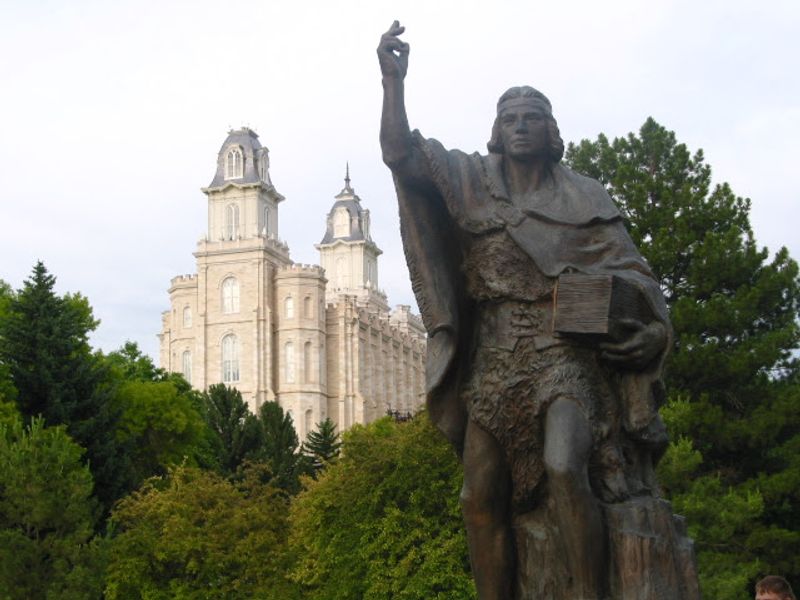
Manti is the kind of town that looks like it was designed by someone who genuinely liked the idea of small-town life and wanted to get it right. The Manti Utah Temple crowns a limestone hill above the valley with a presence that defines the town’s skyline from miles away.
Sanpete County has a distinct agricultural character, with turkey farms, alfalfa fields, and a pace of life that feels genuinely unhurried rather than artificially slow.
Cost-of-living estimates here fall below national averages, and housing remains comparatively affordable against many Utah retirement destinations. The town is small, around 3,000 residents, which means community ties run deep and anonymity is essentially optional.
For retirees who want to be known by their neighbors rather than their account numbers, that social texture is meaningful.
The Manti-La Sal National Forest sits at the edge of town, offering trails through spruce and fir at elevations that stay cool even in midsummer. The Skyline Drive along the Wasatch Plateau is one of central Utah’s most underappreciated scenic routes.
My honest impression of Manti: it has a quiet dignity that doesn’t announce itself loudly. You notice it after a few days, and then you can’t stop noticing it.
8. Beaver, Utah
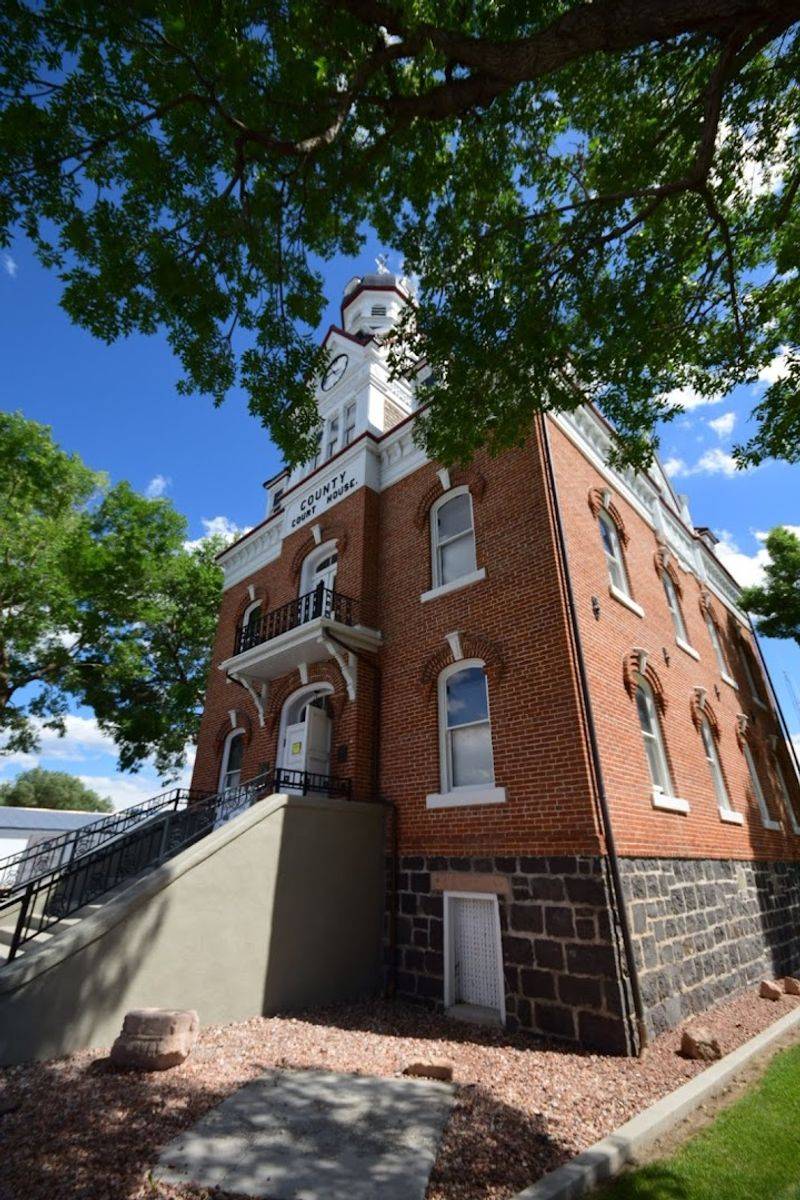
Beaver sits at the crossroads of Interstate 15 and Highway 153, which sounds unremarkable until you realize that Highway 153 climbs directly into the Tushar Mountains, one of Utah’s most beautiful and least crowded highland ranges. The town itself is compact, historic, and refreshingly free of the resort-town pricing that dominates southern Utah communities closer to St. George and Zion.
Below-average cost-of-living estimates make Beaver a legitimate budget-friendly option in a region that has become expensive.
The historic downtown has a cluster of preserved 19th-century buildings that give Beaver a visual character most Interstate corridor towns have long since paved over. Beaver County Hospital provides local medical access, which matters practically even when you’re feeling optimistic about your health.
The population hovers around 3,500, keeping the community small enough to feel connected without feeling claustrophobic.
Puffer Lake and Elk Meadows Ski Resort up in the Tushars give retirees legitimate four-season recreation within 30 minutes of town. Minersville Reservoir adds fishing and water recreation to the mix.
What I find genuinely appealing about Beaver is its lack of tourist-town self-consciousness. It’s a working Utah town that happens to have mountains, history, and an affordable zip code.
That combination deserves more attention than it gets.
9. Cedar City, Utah
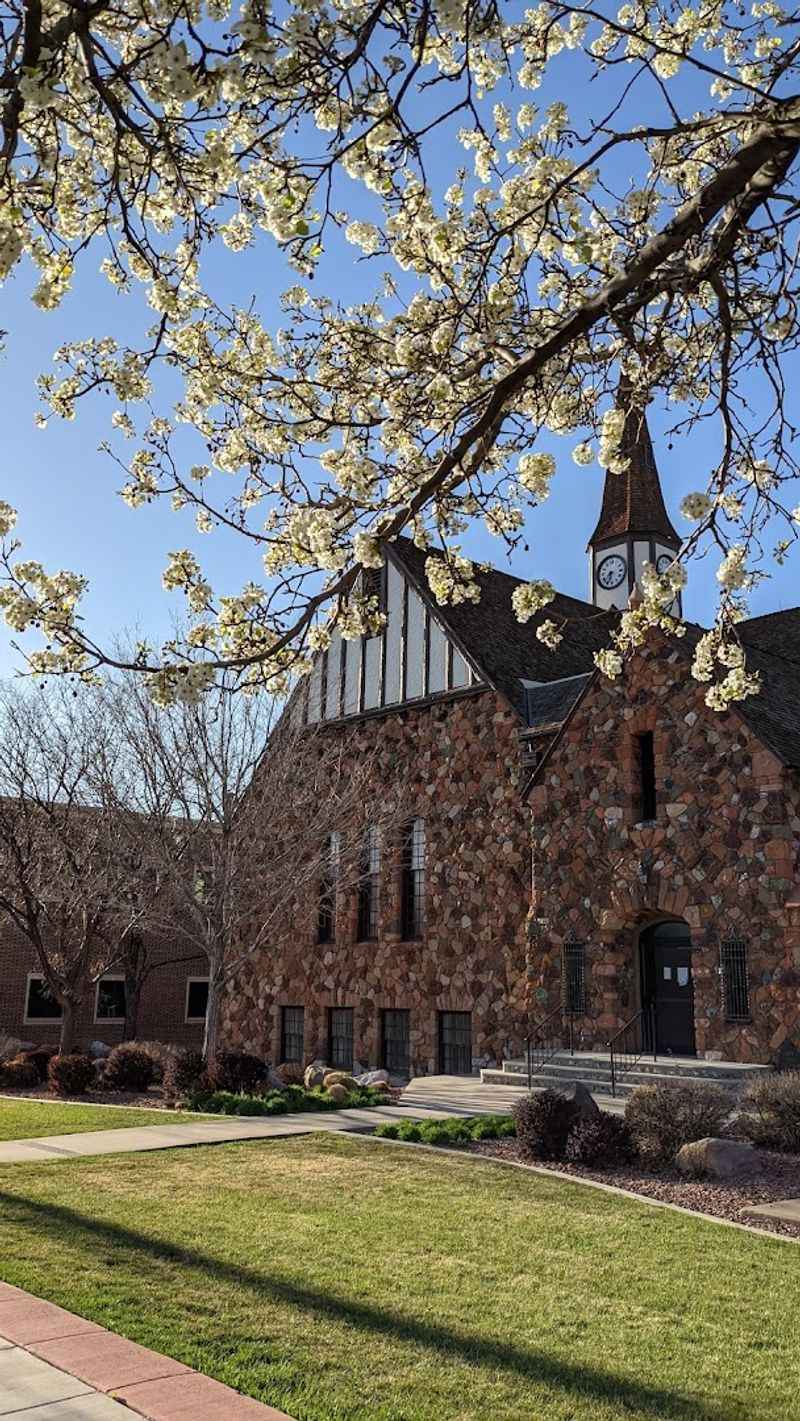
Cedar City is the most service-rich entry on this list, and that comes with a small asterisk: it’s not the cheapest option. But compared with St. George, Las Vegas, or any number of sunbelt retirement magnets, Cedar City still offers meaningful cost advantages alongside a quality-of-life package that is genuinely hard to beat.
Southern Utah University anchors the town with cultural programming, athletic events, and the famous Utah Shakespeare Festival, which draws visitors from across the country each summer.
Healthcare access is strong, with Intermountain Health Cedar City Hospital providing a level of medical infrastructure that smaller towns on this list cannot match. That matters more in retirement than most people admit when they’re still healthy.
The college-town energy keeps Cedar City from feeling demographically lopsided toward any single age group, which makes daily life more interesting and socially varied.
Brian Head Ski Resort is 30 minutes away. Zion National Park and Bryce Canyon are both within easy day-trip range.
Cedar Breaks National Monument practically overlooks the town. For retirees willing to trade rock-bottom housing costs for a richer array of services, arts, and outdoor access, Cedar City makes a persuasive argument.
I’d call it the pragmatist’s choice, and I mean that as a genuine compliment.
10. Panguitch, Utah
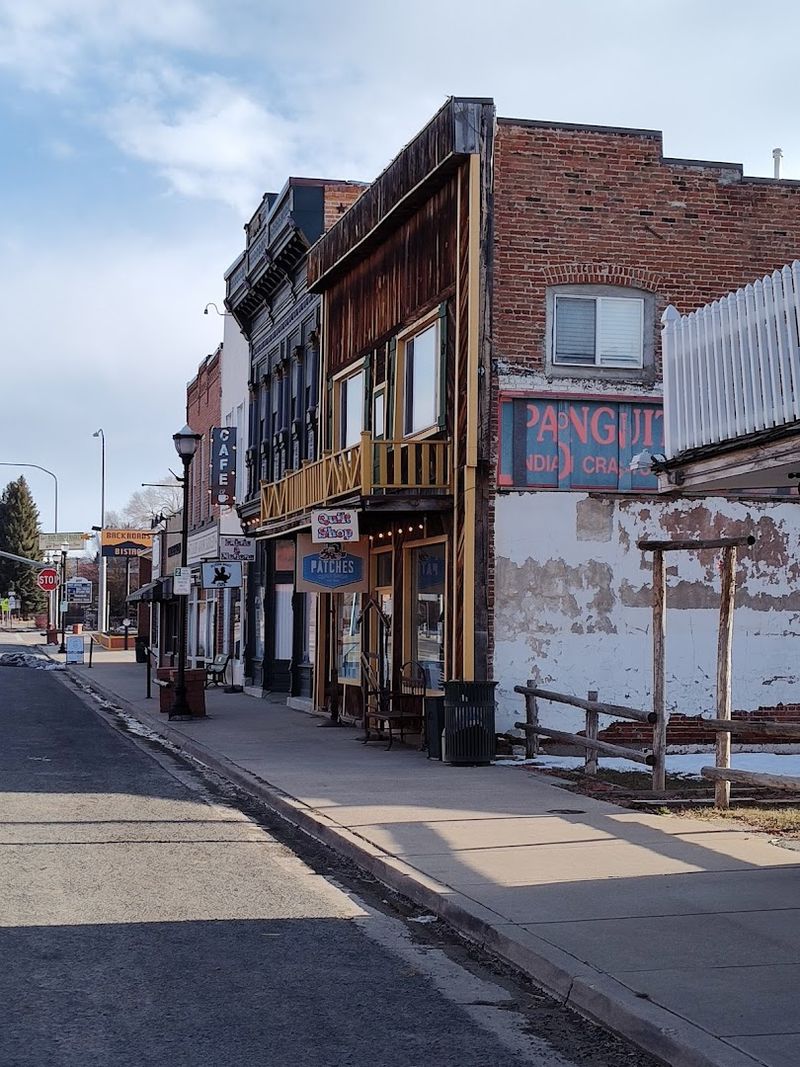
Panguitch is tiny, and it knows it. The population sits around 1,500, the main street can be walked end to end in about ten minutes, and the nearest large city requires a significant commitment behind the wheel.
But here is the thing about Panguitch that the real estate market hasn’t fully caught up with yet: it is surrounded by some of the most dramatic scenery in the American Southwest, and it remains genuinely affordable.
Bryce Canyon National Park is 24 miles away. Red Canyon, with its vivid hoodoos and paved cycling paths, is even closer.
Garfield County as a whole sits below national cost-of-living averages, and Panguitch housing prices reflect that reality in ways that red-rock-adjacent towns like Kanab and Moab no longer can. For retirees who want the visual drama of southern Utah without the inflated price tag, Panguitch is the answer hiding in plain sight.
The town has a quiet, self-sufficient character shaped by ranching and seasonal tourism. Winters are cold at 6,600 feet, which thins the crowd considerably and rewards retirees who don’t mind layering up.
Summer brings visitors passing through to Bryce, and the town handles the traffic without losing its personality. My view: Panguitch is for retirees who trust their own judgment over a travel magazine’s recommendation.