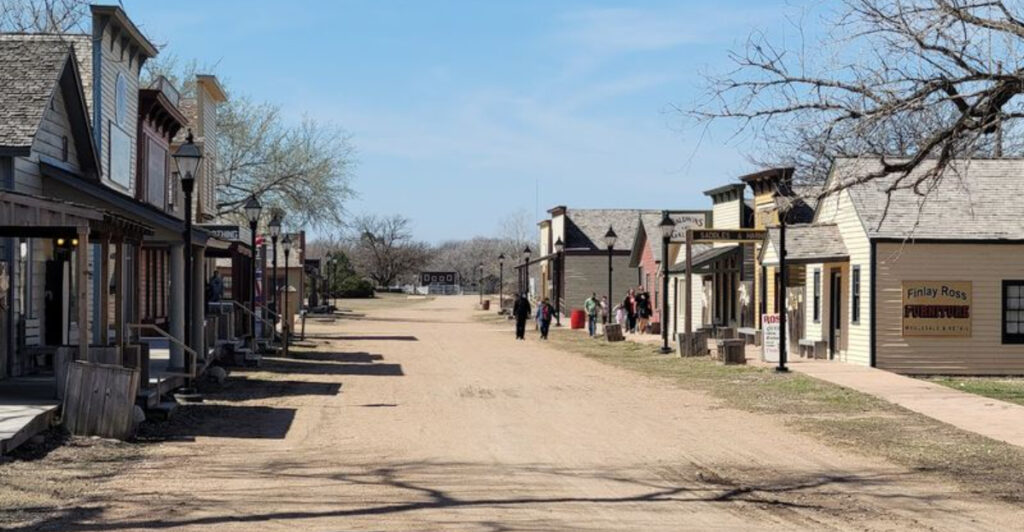
History feels different when it is not trapped behind glass. At this Kansas outdoor museum, the past gets room to move, making a visit feel more like stepping into a story than reading a timeline.
That is the fun of a place built for wandering. You can follow your curiosity, take your time, and let the setting do what good history does best: make another era feel surprisingly close.
It is easy to see why history lovers would want this one on their radar, but the appeal reaches beyond serious buffs. A place like this gives a regular afternoon a little frontier spirit and a lot more personality.
My favorite history stops are the ones that make me forget I am learning, and this sounds like the kind of museum where curiosity takes over before you even realize it.
More Than 50 Historic Buildings Tell Their Own Stories
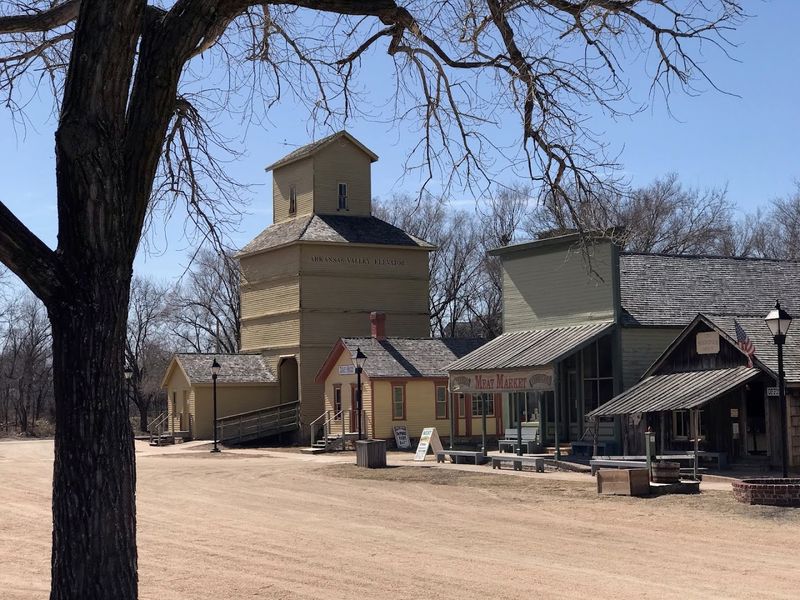
One of the most jaw-dropping facts about Old Cowtown Museum is the sheer number of structures on the property.
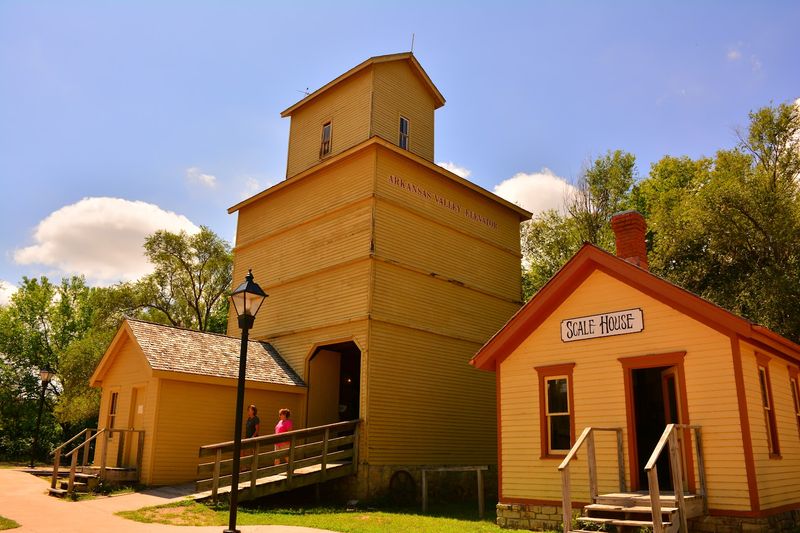
Over 50 historic and recreated buildings have been carefully assembled here, and each one tells a distinct chapter of frontier life in Kansas.
Many of the original buildings were physically relocated from various sites around the state and restored to reflect their original period.
Walk through a furnished homestead, peek into a functioning blacksmith shop, or step inside a one-room schoolhouse frozen in the 1870s. Every doorway leads somewhere genuinely interesting.
Visitors frequently mention that even after three or four hours, they still had not explored every corner.
Old Cowtown Museum rewards the curious visitor who takes time to read every posted sign and linger in every room.
A Living, Breathing Slice Of 1865 To 1880 Wichita
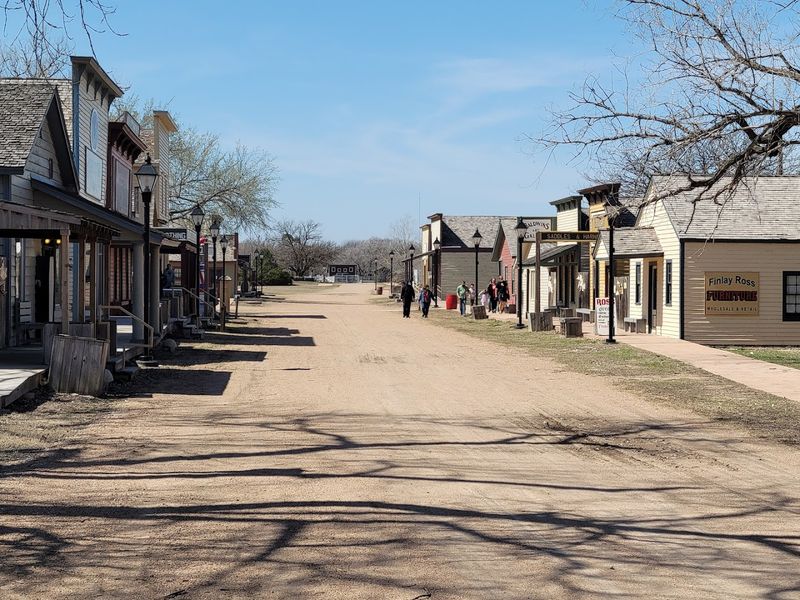
Step onto the grounds of Old Cowtown Museum and the modern world quietly disappears behind you. The museum is not a collection of glass cases and velvet ropes.
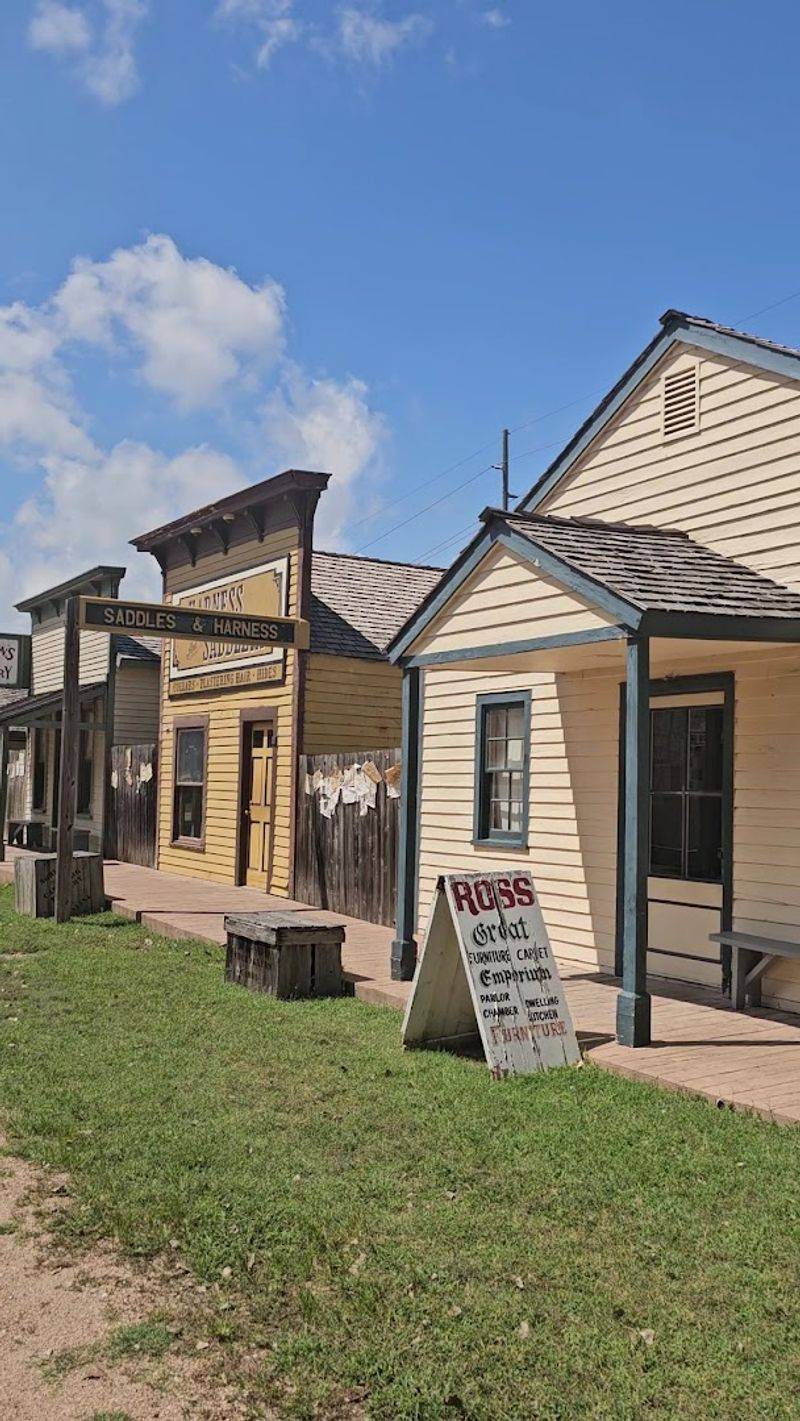
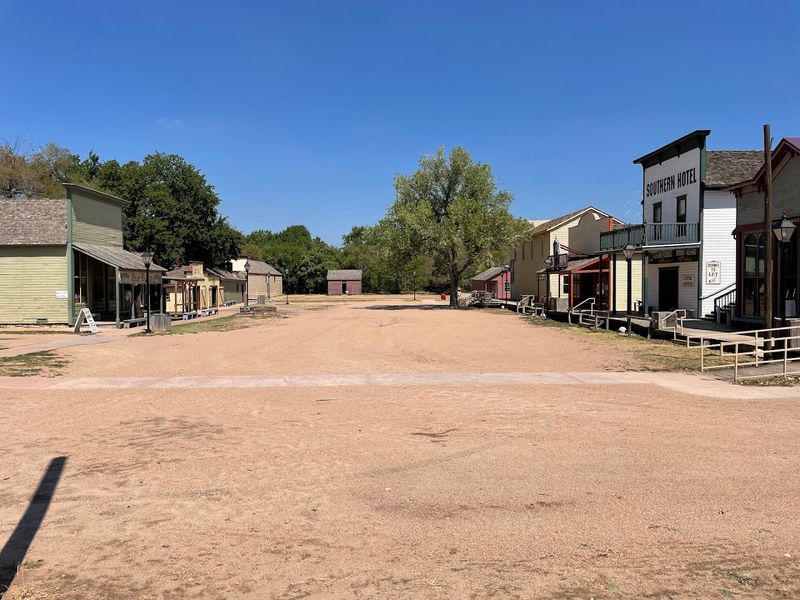
It is a fully realized, open-air recreation of Wichita, Kansas, as it existed between 1865 and 1880, the era when cattle drives shaped the city’s identity and frontier life was anything but predictable.
The 23-acre site sits along the Arkansas River at 1865 Museum Blvd, Wichita, KS 67203, and its layout mirrors an actual frontier town, complete with dirt roads, wooden boardwalks, and period-appropriate sounds filling the air.
The museum holds a 4.7-star rating from over 2,292 reviews, which speaks loudly about the quality of what Old Cowtown Museum delivers.
Costumed Interpreters Make History Feel Personal
History books can describe the past, but nothing compares to a conversation with someone fully dressed and in character as a frontier-era Kansan.
Old Cowtown Museum staffs its grounds with costumed interpreters who bring each building and trade to life in ways that feel genuinely engaging rather than performative.
The blacksmith is a particular crowd favorite. Visitors consistently describe watching him forge metal objects from start to finish as one of the most memorable parts of their visit.
The print shop operator, the pharmacist, and the schoolhouse teacher each bring the same level of knowledge and enthusiasm to their roles.
These interactions are especially powerful for younger visitors, who often learn details about frontier craftsmanship that standard school curricula never cover.
Old Cowtown Museum turns passive observation into active, memorable learning.
The Staged Gunfights Are A Crowd-Pleasing Highlight
If there is one event that gets visitors talking long after they leave, it is the staged gunfight performance held during busier programming days.
Performed by knowledgeable staff and volunteers in full period attire, these dramatic reenactments capture the rough-and-tumble spirit of Wichita during its cattle-drive years with theatrical flair and historical grounding.
The performances are schedule-dependent, so checking ahead gives visitors a chance to plan their route around the day’s programming.
Children absolutely love the spectacle, when available, and adults appreciate the storytelling woven into each scene.
It is entertaining without being cartoonish, which is a balance that is genuinely hard to strike.
Old Cowtown Museum knows how to put on a show that stays true to the history it celebrates.
The Devore Farm Brings Rural Frontier Life Into Focus
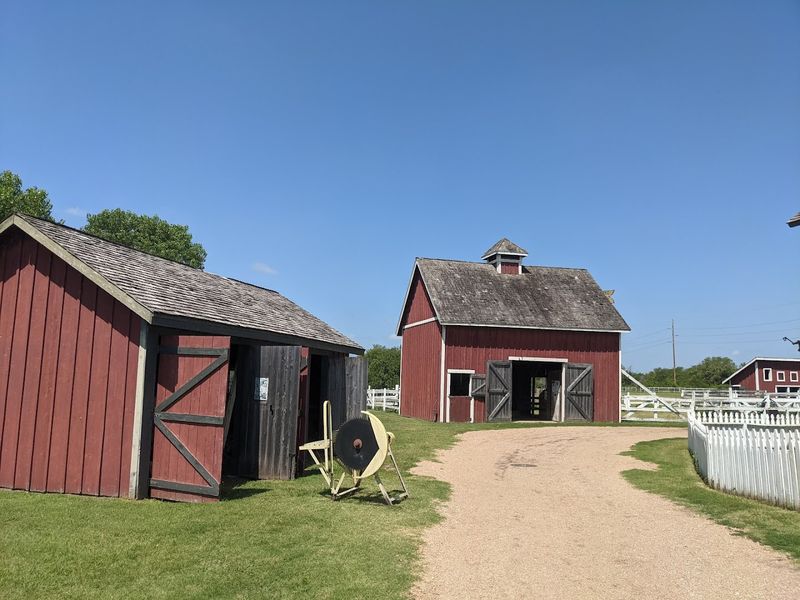
Beyond the storefronts and saloon performances, Old Cowtown Museum extends into a working farmstead area that offers a completely different perspective on 1800s Kansas life.
The Devore Farm section recreates what rural agricultural existence looked like for the families who built the region’s food supply during the frontier era.
Farm animals roam the area, and hands-on activities like pumping water and roping a calf give younger visitors a tactile connection to the daily routines of pioneer families.
On some visits, groups such as scout troops can be found on the farm learning period cooking techniques, including baking pies in authentic style.
The farmstead adds meaningful context to the rest of the museum experience, showing that frontier Wichita was not just cattle drives and commerce but also quiet, labor-intensive rural life.
Visitors who skip the farm section often say afterward they wish they had made time for it. Old Cowtown Museum rewards those who explore every corner.
Sunday Admission Has A Pay-What-You-Can Policy
Here is a fact that budget-conscious travelers genuinely appreciate: during part of the year, Old Cowtown Museum operates a pay-what-you-can admission policy on Sundays.
For families or solo travelers watching their spending, this makes an already affordable destination even more accessible without reducing the quality of the experience by a single step.
Regular admission is around ten dollars, which most visitors describe as a remarkable value given the scale and depth of the site.
The Sunday policy has drawn visitors who might otherwise have passed on a paid attraction, and many of them end up returning multiple times once they realize how much the museum offers.
Family memberships are also available and provide free entry throughout the year for two adults and all children in a household.
For anyone planning multiple visits or traveling with kids, the membership pays for itself quickly. Old Cowtown Museum makes a genuine effort to stay welcoming to everyone.
The Museum Is Open Wednesday Through Sunday Each Week
Planning a visit to Old Cowtown Museum requires a quick check of the schedule, because hours change by season. From Wednesday through Saturday, doors open at 10 AM and close at 5 PM.
From April through October, Sundays run from noon until 5 PM. Winter hours differ, with Tuesday through Saturday openings and Sunday closures.
For those who prefer a quieter, more personal experience, weekday mornings are the sweet spot.
Several reviewers specifically mention arriving right at opening time to enjoy the grounds before the midday crowds arrive.
One visitor even had the entire property to themselves on a rainy off-season Thursday and described it as a uniquely powerful experience.
Summer weekends bring the most activity, with more costumed interpreters on site and special programming running throughout the day.
A Print Shop, Carpentry Workshop, And Pharmacy Round Out The Experience
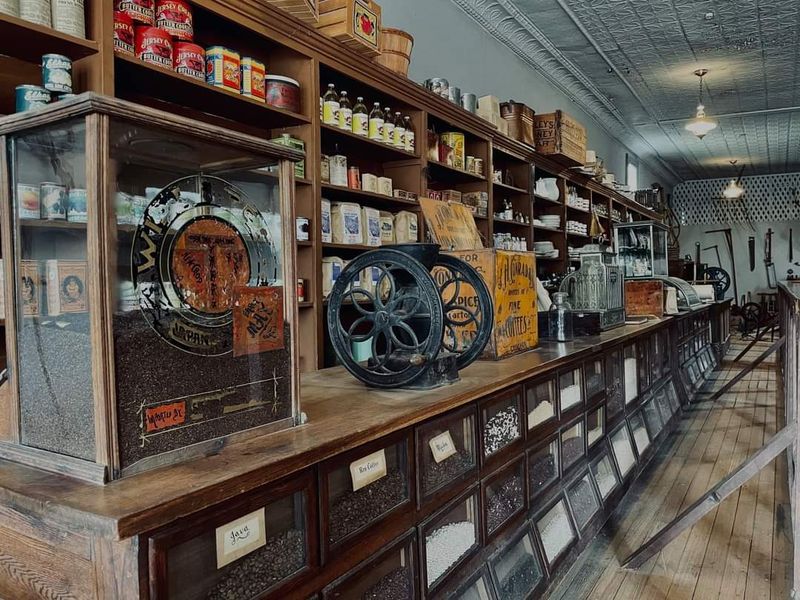
Beyond the big-ticket attractions like the blacksmith and the gunfight performances, Old Cowtown Museum is filled with smaller stops that quietly become the most memorable parts of a visit.
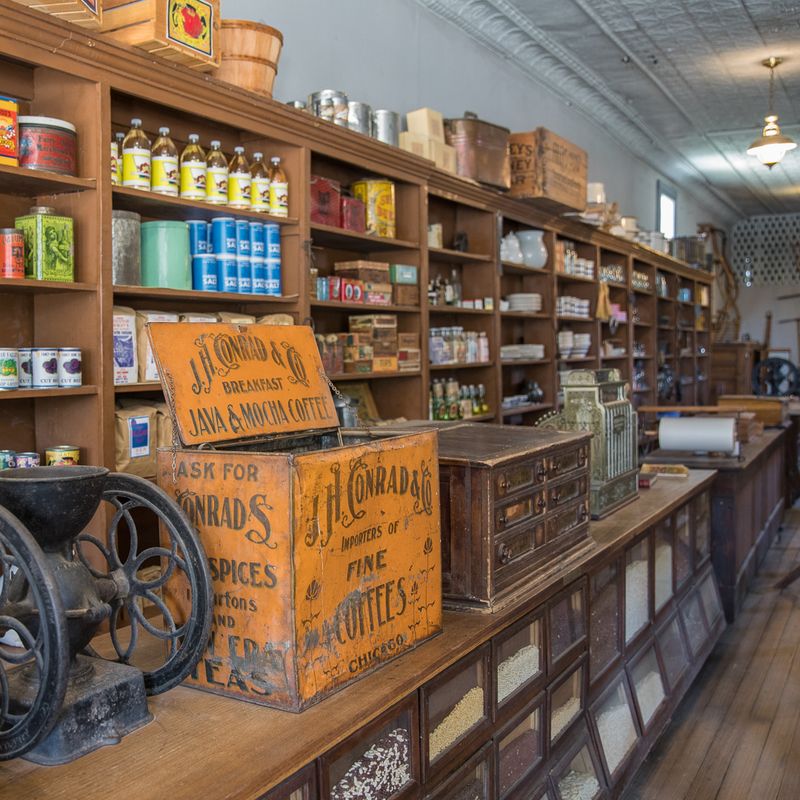
The print shop, for example, gives visitors the chance to operate an old-fashioned printing press and walk away with a souvenir they actually made themselves.
The carpentry workshop demonstrates the extraordinary skill required to craft moldings and furniture using only hand tools from the 1800s.
Watching a craftsperson explain each tool and its purpose puts modern manufacturing into sharp perspective.
The period pharmacy is equally engaging, with a knowledgeable interpreter who fields questions about 19th-century medicine with patience and enthusiasm.
Old Cowtown Museum builds these interactions into the fabric of the entire site.
The Site Is Best Explored Over A Full Day
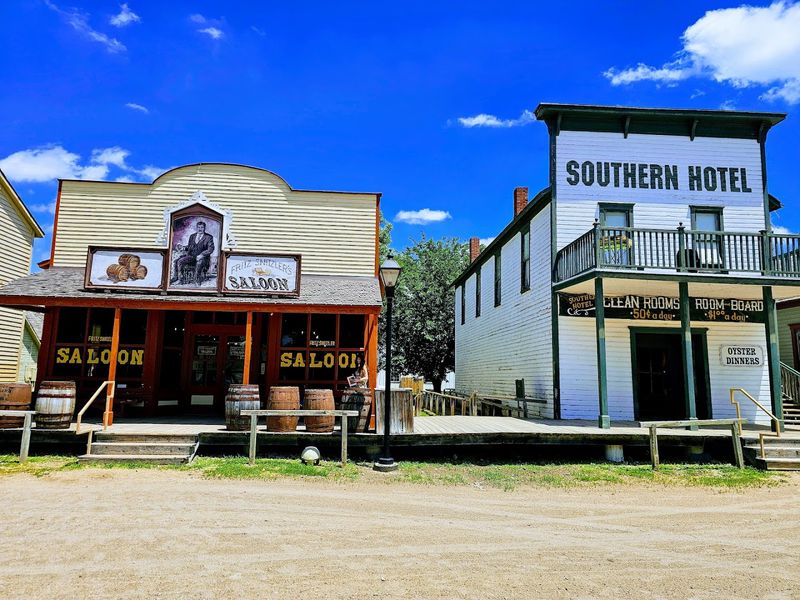
The official FAQ for Old Cowtown Museum suggests budgeting one and a half to two hours for a visit, but that estimate underestimates how engaging the site actually is.
Many visitors end up spending four hours or more, and some return for a second visit specifically to cover the areas they ran out of time for on their first trip.
The depth of the experience depends largely on how much a visitor wants to read, explore, and interact. Families with children who ask questions at every stop will naturally spend more time.
History enthusiasts who want to read every interpretive panel and document archive will need even longer.
Bringing a picnic is a practical move, since the museum offers picnic benches both near the visitor center porch and throughout the town area.
A full-day approach transforms Old Cowtown Museum from a quick stop into a genuinely immersive journey through frontier Kansas that lingers in the memory long after the drive home.
Special Events And Seasonal Programming Add New Reasons To Return
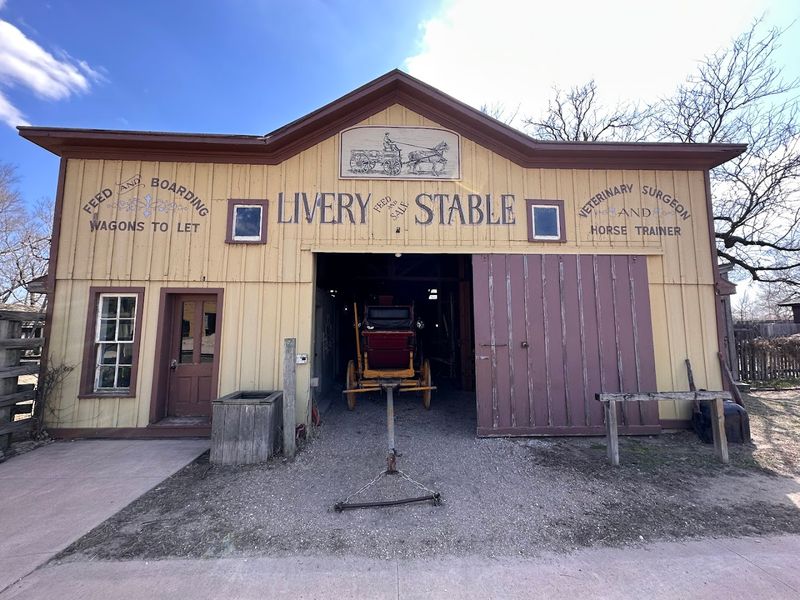
One visit to Old Cowtown Museum is rarely enough, partly because the site itself is so large, and partly because the museum hosts a rotating calendar of special events and seasonal programming throughout the year.
From Girl Scout camp sessions on the Devore Farm to evening holiday events in December, the programming keeps the experience fresh across multiple visits.
Reenactments tied to specific historical events bring extra layers of storytelling to the grounds, and seasonal changes in staffing mean that different interpreters are available depending on when a visitor arrives.
Some guests who came during quieter periods noted that even a reduced-staff visit felt worthwhile thanks to the richness of the buildings and artifacts.
Old Cowtown Museum treats its returning visitors as well as its first-timers, which is a quality that keeps its reputation strong year after year.