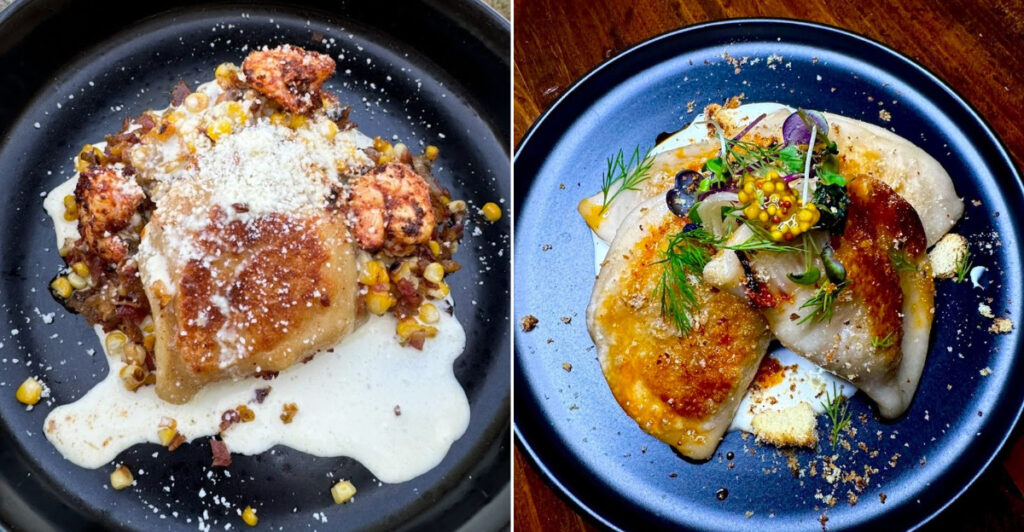
Why does this place keep coming up in conversations across the state among so many other dining spots?
Because some places don’t need promotion to stay in circulation. They stay in people’s memory instead.
People love and crave tradition.
Here, a stretch of everyday storefronts hides a food tradition that has never faded. It’s a place you hear about from that one friend who is a self-proclaimed local guide.
And you know what? They’re right about this.
Along the way, the pierogies become more than just a meal stop. They reflect heritage built on careful dough, slow-cooked fillings, and recipes that never rushed the process.
All the trendy spots have meals that started with some kind of heritage, but this spot has learned something through the time it has existed. There is no need to change a classic.
It is called that for a reason.
A Dough Tradition Rooted In Cleveland’s Eastern European Immigration Wave
Cleveland absorbed one of the largest Polish immigrant populations in the United States during the late 19th and early 20th centuries.
By 1910, the city’s Slavic Village neighborhood housed tens of thousands of Eastern European families, each carrying food traditions that would outlast the industrial era that brought them there. Pierogi arrived with those families.
The dish, a boiled or pan-fried dumpling stuffed with potato, cheese, sauerkraut, or meat, became a staple across Cleveland’s south side. Bazaars have sold them by the dozen every weekend for decades.
That cultural momentum did not vanish when the steel mills slowed down. Cleveland, which today holds one of the highest concentrations of Polish-Americans in any American suburb, kept the tradition alive through family kitchens and small local spots.
The pierogi became Cleveland’s unofficial food symbol long before any restaurant claimed the title.
What makes the dish technically demanding is the dough. Too thick and it turns gummy.
Too thin and it tears during boiling.
Experienced cooks describe the ideal thickness as just under three millimeters, thin enough to feel the filling but sturdy enough to hold a pan-fry without splitting.
That precision separates a forgettable pierogi from one worth driving across town to eat. How many places in Ohio actually nail that ratio every single time?
Finding The Spot On State Road In Cleveland
This spot runs through a stretch of Ohio that looks ordinary from a car window. Gas stations, strip malls, and flat-roofed buildings line the route heading south from Cleveland proper.
Nothing about the visual landscape signals that a pierogi destination sits among them.
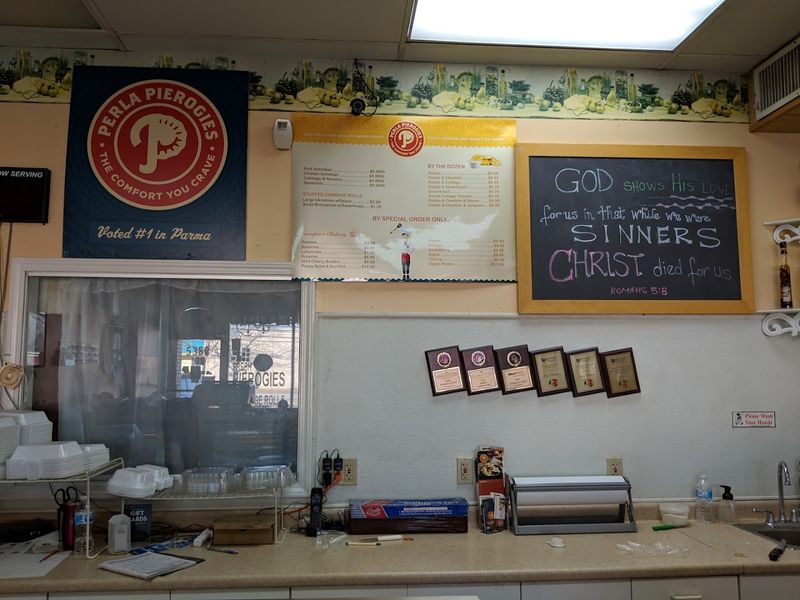
The Perla Pierogies at 5380 State Rd, Cleveland, Ohio, places this spot squarely in the residential and commercial mix that defines Cleveland’s character.
Locals who grew up in the area describe State Road as the kind of street where you know where things are because someone told you, not because a sign caught your eye.
A location on State Road means the customer base is almost entirely made up of people who live within a few miles. Those are the toughest critics in any food market.
They eat the same dish repeatedly, and they notice immediately when quality drops even slightly. Surviving that scrutiny for years without a major location upgrade says something concrete about consistency.
Ready to see what actually lands on the plate?
Potato And Cheese Filling That Follows A Specific Regional Formula
Potato and cheese pierogi sound simple until you realize how many variables exist inside that description. The type of potato matters.
Russet potatoes produce a drier, fluffier mash that holds its shape inside dough without turning watery during cooking. Yukon Golds bring a creamier texture but require more careful moisture control.
The cheese component varies by region across Poland and Ukraine. In the Cleveland tradition, sharp cheddar or farmer’s cheese blends with the mashed potato rather than sitting as a separate layer.
That mixing technique creates a uniform filling with a slightly tangy bite that balances the neutral dough.
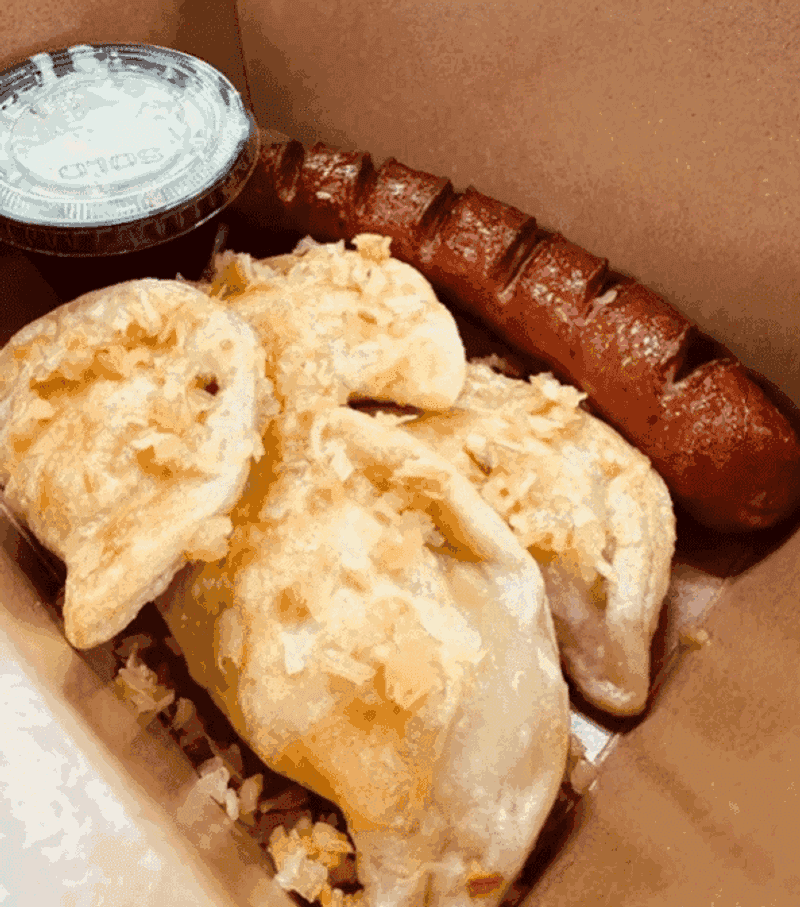
Caramelized onions appear on top as a standard accompaniment in Cleveland-style preparation. The onions cook low and slow until their natural sugars develop a golden color, which takes a minimum of 25 to 30 minutes done correctly.
Shortcuts produce a different flavor entirely, and experienced pierogi eaters recognize the difference immediately.
Sour cream on the side completes the traditional plate. The acidity cuts through the starchy filling and adds a cool contrast to the pan-fried exterior, which develops a light golden crust when done right.
That crust is the detail that separates a boiled-only pierogi from one that gets a finishing sear in butter.
Regional food historians note that the Cleveland preparation leans more toward the Ukrainian varenyky style than the strictly Polish version, reflecting the mixed immigrant heritage of the city’s south side.
Does that distinction actually show up in the taste? Absolutely.
Pan-Frying Technique That Creates The Signature Golden Crust
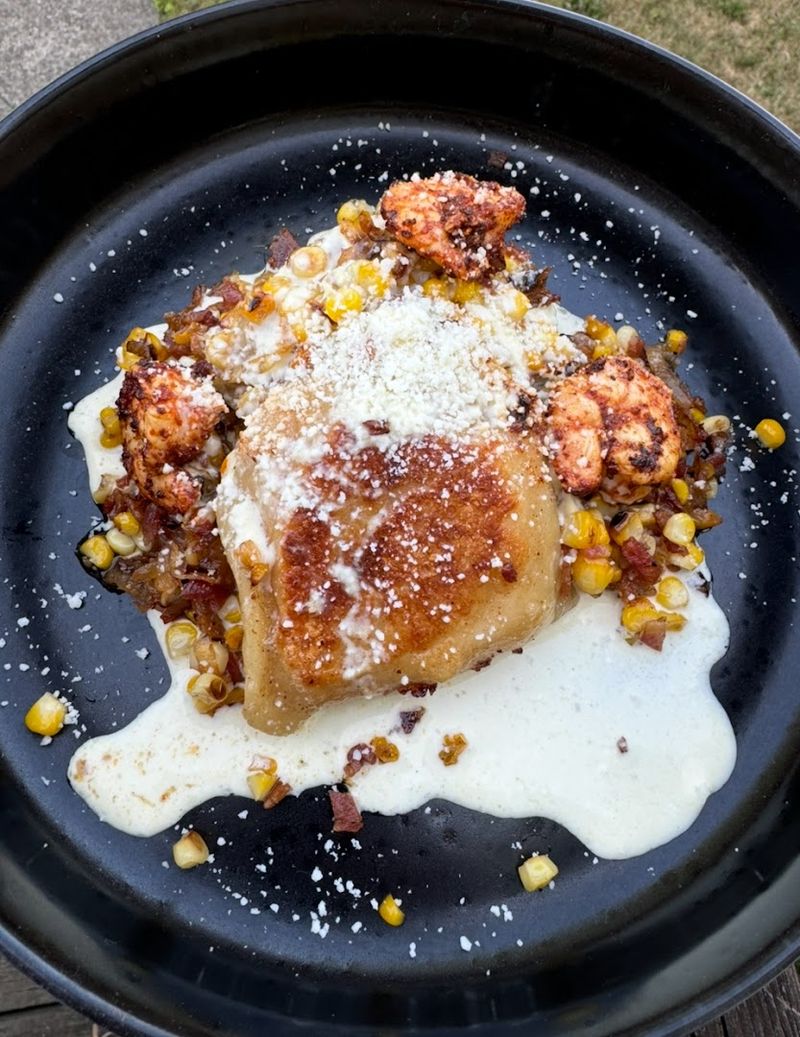
Pan-frying pierogi after boiling is not universal. In some Polish regions, boiling alone is the standard, and the dumpling arrives soft and yielding on the plate.
The Cleveland approach adds a second cooking step that changes the texture entirely. Butter is the standard fat for the pan-fry stage.
It browns faster than oil and contributes a nutty flavor to the exterior crust that oil cannot replicate. The pan needs to reach medium-high heat before the pierogi go in, and crowding the pan drops the temperature and produces steaming rather than searing.
Each side gets approximately two to three minutes of contact time with the hot butter. The result is a golden-brown surface with slight crispness that contrasts against the soft dough interior.
That textural contrast is the point of the entire second cooking step.
Cast iron skillets appear in most traditional pierogi kitchens because they hold heat evenly across the surface. Thin stainless pans develop hot spots that burn some edges while leaving others pale.
The choice of cookware directly affects the final product in a measurable way. Food science explains the browning as the Maillard reaction, a chemical process that begins around 280 degrees Fahrenheit when amino acids and sugars in the dough interact under heat.
That reaction produces over 100 distinct flavor compounds that do not exist in a boiled-only pierogi. The pan-fried version is chemically a different eating experience.
Try eating just one after understanding that and see how far that plan gets you.
Why Pierogi Spots In Greater Cleveland Outlast Trend-Driven Restaurants
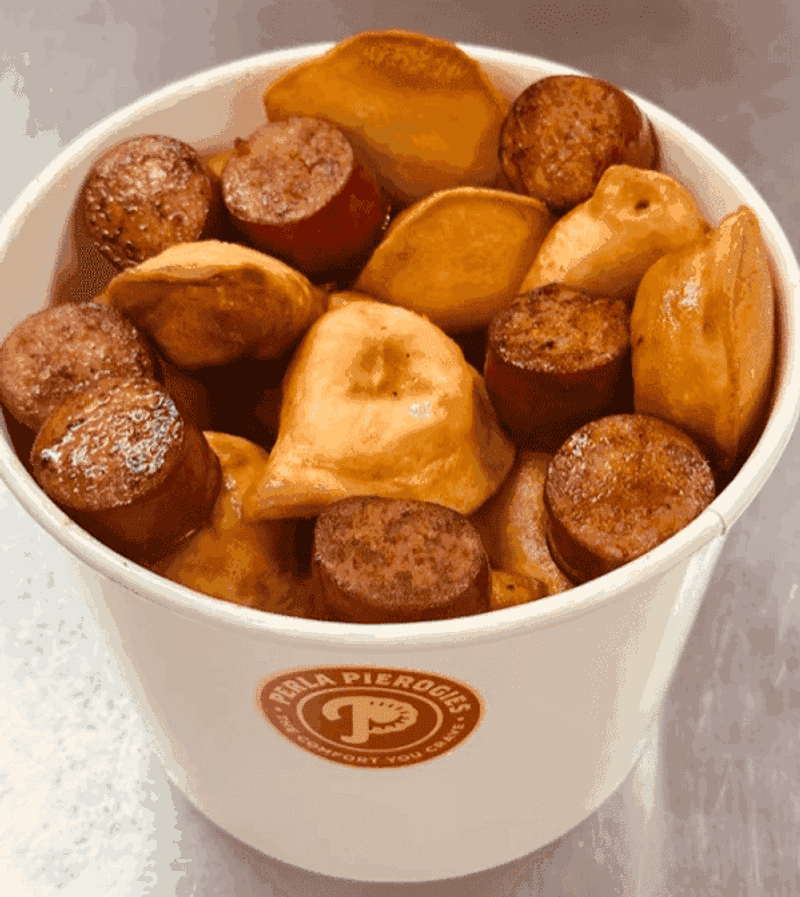
Cleveland’s restaurant landscape has cycled through dozens of trend-driven concepts over the past two decades. Gastropubs, fast-casual bowls, and artisan sandwich concepts opened and closed in patterns that food industry analysts describe as consistent with national market saturation.
Perla Pierogies did not follow that pattern.
The reason is structural. A pierogi restaurant serves a dish with deep community ownership.
The customer base does not evaluate it as a trend.
They evaluate it against a memory, usually their grandmother’s version or a bazaar plate from childhood. That emotional benchmark creates loyalty that novelty-based restaurants cannot access.
Food economists point to comfort food categories as recession-resistant in a way that upscale or experimental dining is not. During economic downturns, spending on accessible, filling, culturally familiar food holds steadier than spending on experiential dining.
Greater Cleveland’s industrial employment history made its population particularly attuned to value and familiarity in food choices.
The price point for pierogi also contributes to longevity. A dozen pierogi costs a few dollars depending on filling and preparation.
Each batch is shaped and cooked the same way it has been for years, reinforcing a rhythm that regulars recognize immediately. That repetition is part of what turns a simple dish into a local standard rather than a passing option.
The product does the marketing. Next time you drive down State Road, you already know where to go.
The Butter And Caramelized Onion Topping That Completes Every Order
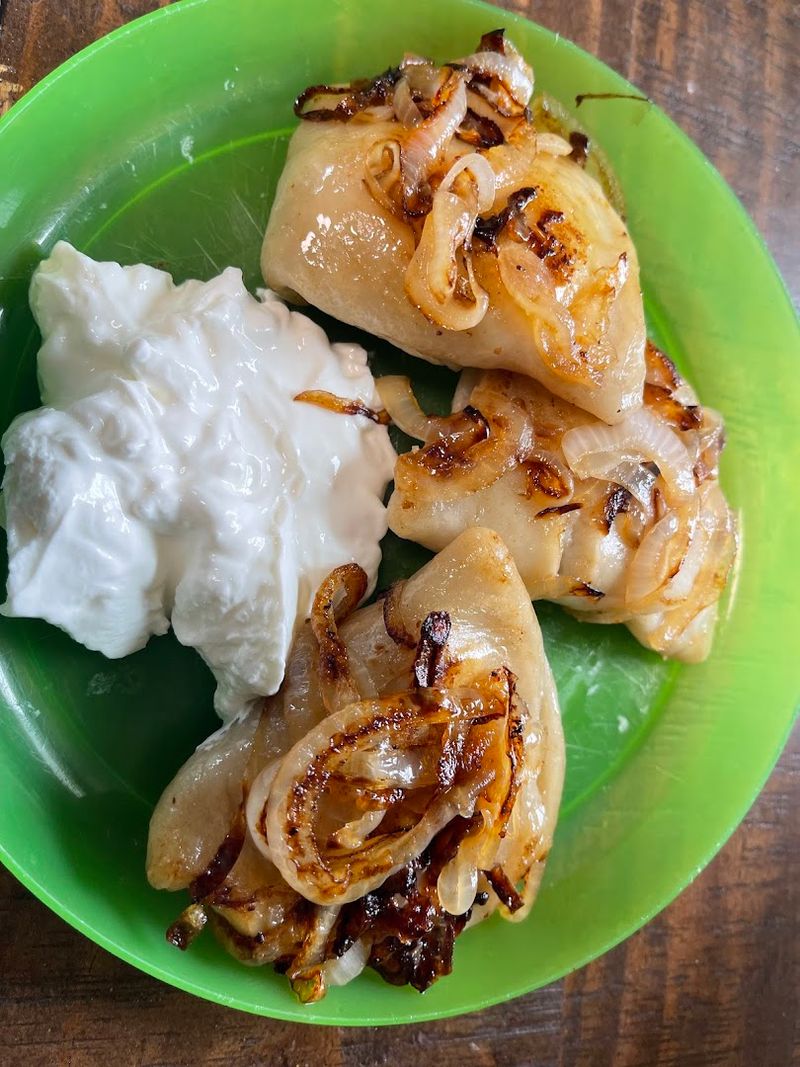
No pierogi plate leaves the kitchen without a generous spoonful of caramelized onions cooked low and slow in real butter. That finishing layer has been part of Cleveland-area pierogi tradition for generations, and regulars treat it less like an option and more like an expectation.
The onions are given time over steady heat until they reach a deep amber color, drawing out a natural sweetness that balances the savory richness of the filling inside. Nothing about the process is rushed, and that restraint shows in the final flavor.
Butter plays its own supporting role, adding a quiet richness that blends into the onions rather than overpowering them or the dough. The result is a combination that feels simple on paper but carefully built in practice.
For many who grew up with pierogies made this way, it becomes the standard everything else is measured against. It is a small detail, but it often defines whether the plate is remembered or simply finished.