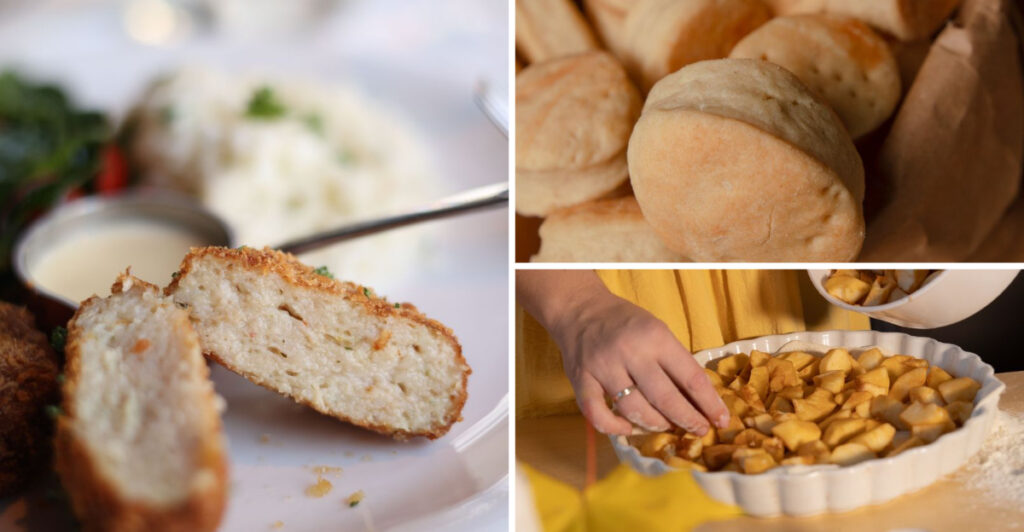
Some recipes are more than just food. In Virginia, some dishes feel claimed by the regions that love them most.
They have been passed down for generations, and everyone at the table has a strong opinion about how they should taste.
A stew can be too thin, a biscuit can be too soft, an oyster can be fried one minute too long, and suddenly the room has opinions. The arguments usually start before the plate even lands.
These recipes still spark debates at family reunions, Sunday dinners, holidays, and ordinary weeknights. That is part of the charm.
These dishes carry family memory, local pride, handwritten recipe cards, and the kind of gentle stubbornness that makes Virginia food feel personal across kitchens that know exactly what they like.
Pull up a chair, because things are about to get deliciously complicated.
1. Country Ham Biscuits
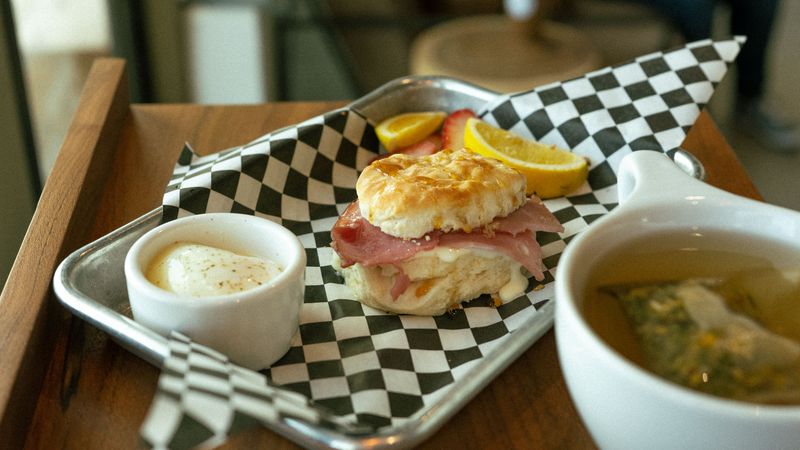
Nobody in Virginia agrees on biscuit thickness, and that argument has probably ended more than one holiday dinner early.
Country ham biscuits sit at the absolute center of every family food debate the Commonwealth has ever produced.
The biscuit must be flaky but sturdy. The ham must be salty, paper-thin, and preferably from a smokehouse that your grandmother trusted. Some families swear by mustard.
Others consider that borderline offensive. The ratio of ham to biscuit is another flashpoint entirely. Too much bread and you have lost the plot.
Too much ham and your blood pressure gets the memo before your taste buds do. What everyone does agree on is that store-bought versions are simply not the same.
Making these from scratch, with lard in the dough and real cured ham, is the only approach worth defending at the table.
2. Brunswick Stew
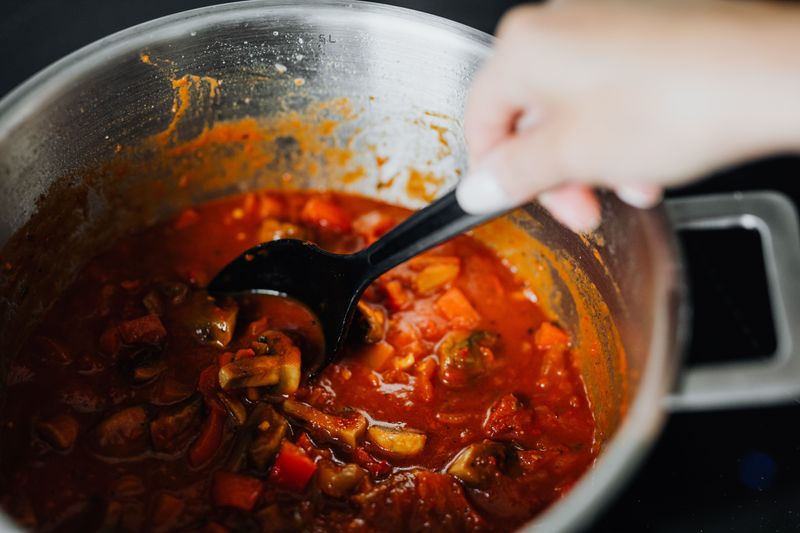
The first argument about Brunswick stew starts before the pot even hits the stove: is the original recipe from Brunswick County, Virginia, or Brunswick, Georgia?
Virginians will not budge on this point, and they have an 1828 cast-iron pot in the Brunswick County Courthouse to prove it.
Beyond the origin debate, the ingredient list is its own battlefield. Squirrel was the traditional protein, and some old-timers still insist that chicken is a modern compromise that waters down the soul of the dish.
Tomatoes, corn, lima beans, and potatoes are expected. Okra is optional but divisive. The stew must be thick enough that a wooden spoon stands upright in the center. If it pours like soup, you have made a mistake.
Low and slow is the only method, and skipping that step is something your aunt will mention every Thanksgiving for the next decade.
3. Virginia Peanut Soup
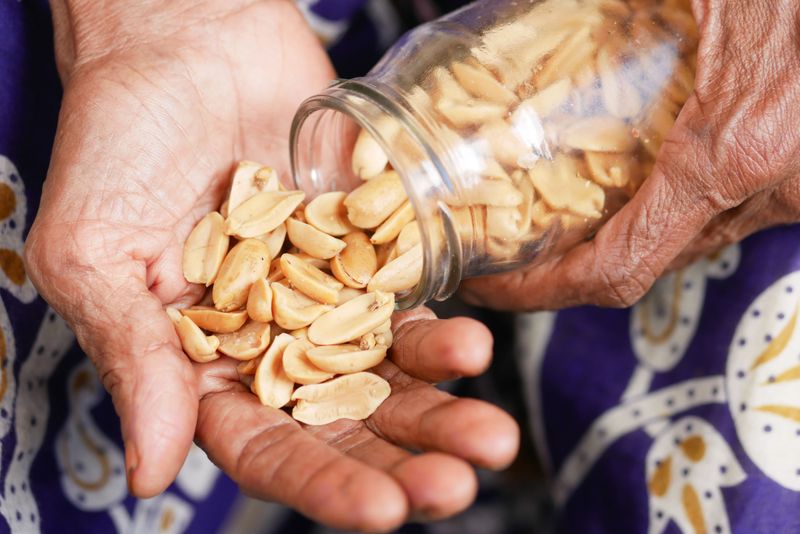
Virginia peanut soup sounds like something a curious tourist ordered once as a dare. On the other hand, locals know it is one of the most quietly sophisticated dishes the state produces.
Virginia’s peanut story took commercial root in the 1840s around Sussex County near Waverly, and cooks across the region have turned peanuts into rich, comforting soup for generations.
The base is a smooth, roasted peanut puree thinned with chicken broth and finished with cream. It is rich without being heavy, and savory with a faint sweetness that sneaks up on you.
Colonial Williamsburg restaurants have served versions of it for decades, which means tourists and locals debate whose recipe is more authentic daily.
The real family argument centers on texture. Silky smooth or slightly chunky with whole peanuts on top?
Both sides are passionate, both are correct in their own kitchens, and neither will ever fully convince the other.
4. Tidewater Oyster Stew
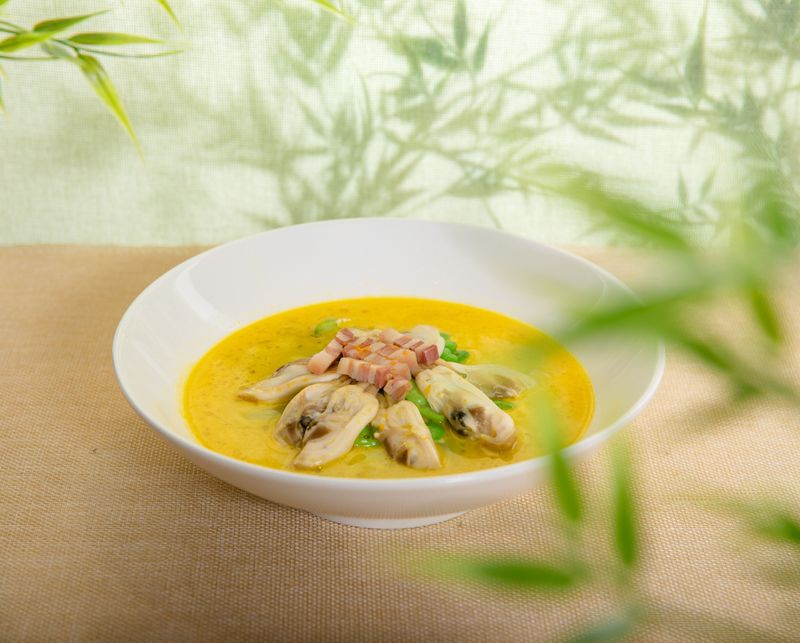
Chesapeake Bay oysters have shaped Virginia cooking for centuries, and oyster stew is the dish that makes that history personal.
Long before English colonists arrived, Indigenous communities relied on Virginia oysters, and later, Tidewater watermen helped turn those waters into a lasting seafood tradition.
The oyster stew that came from that history is deceptively simple in the best possible way. Butter, cream, shucked oysters, and patience. That is the foundation.
The oysters go in last and cook just until their edges begin to curl. Overcooking them is a culinary mistake that older Virginians will describe with genuine grief in their voices.
Every family has a secret addition. Old Bay seasoning is common but not universal. Some add a splash of hot sauce, while others insist on celery salt.
The argument about which version is correct is usually settled by whoever made it. That settlement lasts only until the next family gathering rolls around.
5. Fried Chesapeake Oysters
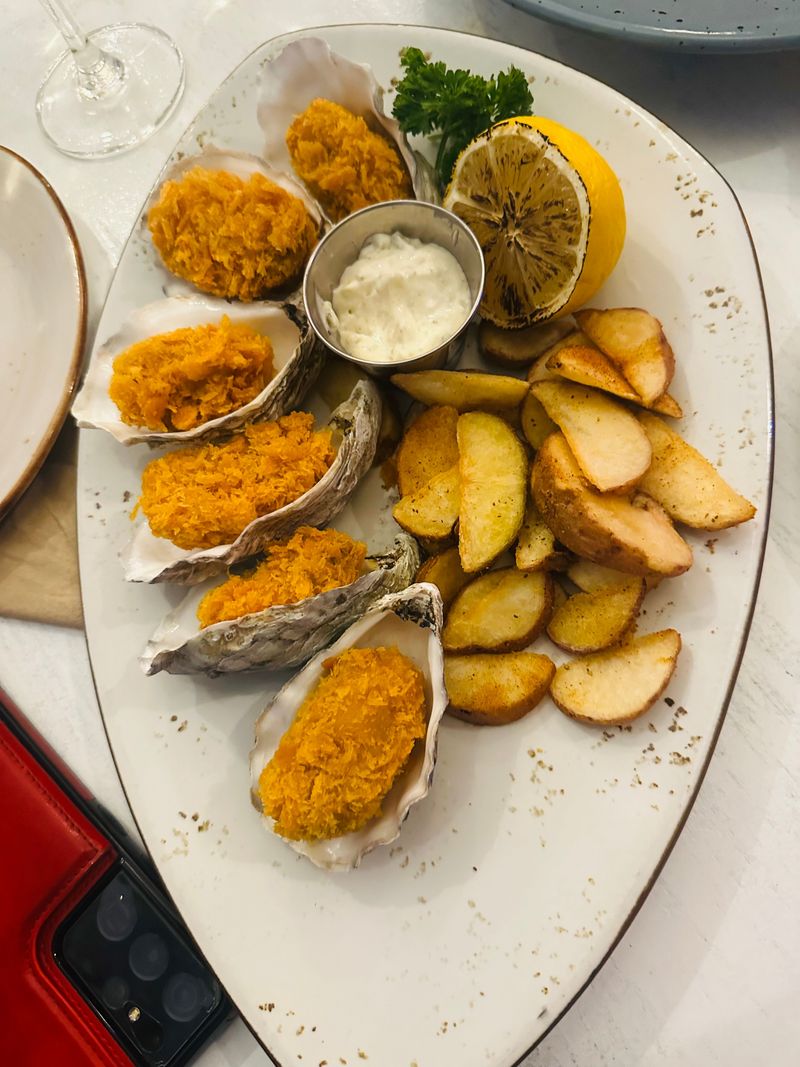
Frying a Chesapeake oyster correctly is considered a skill in Virginia, not just a cooking step. The coating debate alone could fill an entire afternoon.
Cornmeal gives a crunchier, more rustic crust. Flour produces something lighter and more delicate. Some families use a combination, and they guard that ratio like a family heirloom.
Oil temperature is the next argument. Too low and the oyster steams instead of fries, turning the inside rubbery. Too high and the crust burns before the center warms through.
Getting it right requires attention and confidence, which are two things family cooks develop after years of being criticized at the stove.
The dipping sauce situation is its own chapter. Tartar sauce is expected, and cocktail sauce is accepted. Lately, remoulade is gaining ground.
Eating them plain, still hot from the skillet with just a squeeze of lemon, is a move that earns quiet respect from everyone at the table.
6. Chesapeake Blue Crab Cakes
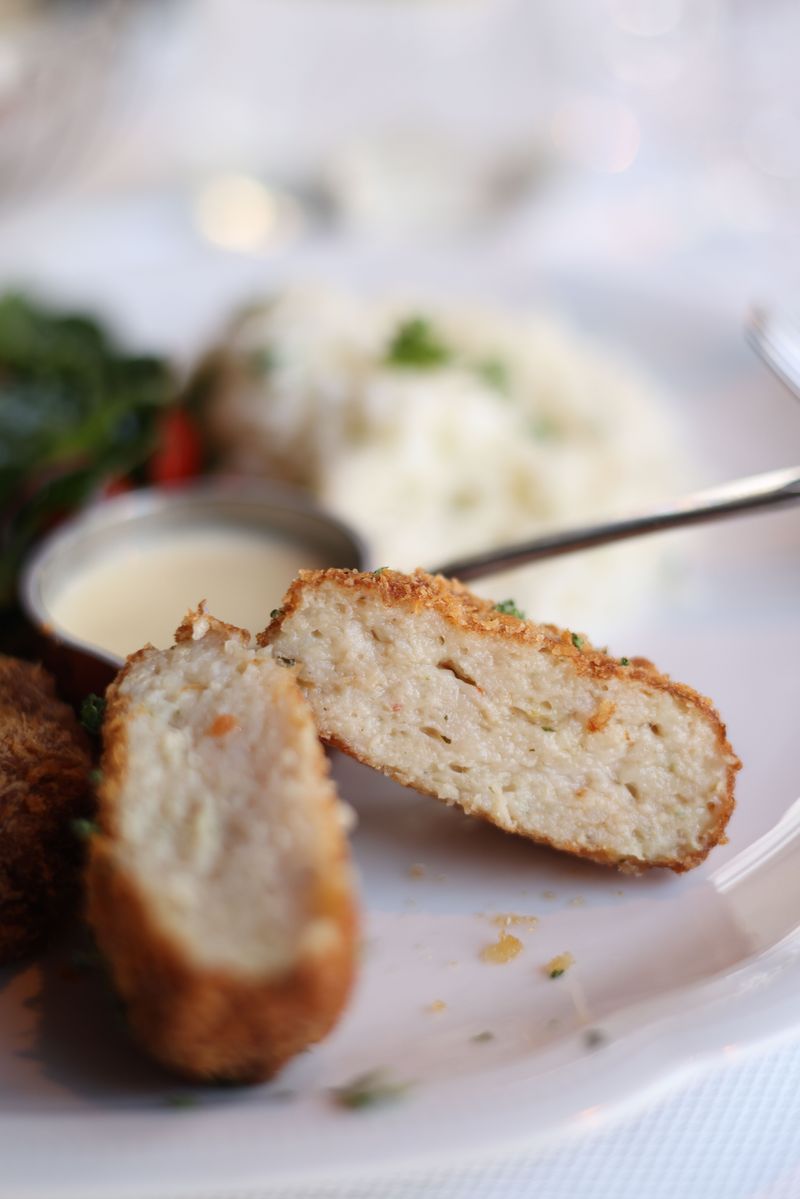
Ask any Marylander and any Virginian about crab cakes in the same room, and you have created a nightmare. Both sides claim the Chesapeake, and both sides believe their version of the crab cake is the definitive one.
Virginia cooks tend to let the crab speak for itself, using minimal filler and maximum lump meat. The binder debate is fierce. Old Bay is non-negotiable.
Beyond that, families split between mayonnaise, mustard, egg, or some combination that has never been written down. Breadcrumbs are controversial. Too many and you have made a bread cake with crab flavoring, which is an insult nobody forgets quickly.
Pan-searing versus baking is the final front. A proper sear creates a golden crust that holds everything together while keeping the inside tender and moist.
Baking is considered acceptable by some, a shortcut by others, and a personal failing by at least one uncle at every family gathering.
7. Crab Imperial
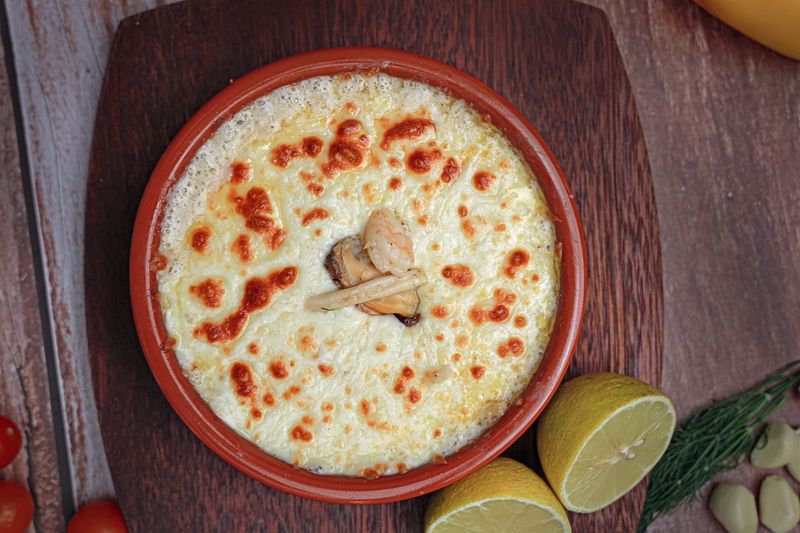
Crab Imperial has the kind of old-school elegance that makes it feel like it belongs on a white-tablecloth menu, yet it has been a fixture of Virginia home cooking for well over a century.
The dish is lump crab bound in a creamy, seasoned sauce and baked until golden. It sounds simple, but executing it correctly is another matter entirely.
The sauce composition is where families part ways. Mayonnaise is the most common base. Some cooks add a touch of Worcestershire.
Others insist on a splash of lemon juice to cut through the richness. Pimentos show up in traditional versions and are either celebrated or quietly picked out, depending on who is at the table.
Serving it in individual scallop shells is the classic presentation and a point of pride for cooks who grew up watching their parents do the same. Switching to a casserole dish is practical but earns a look from the older generation every single time.
8. Spoonbread
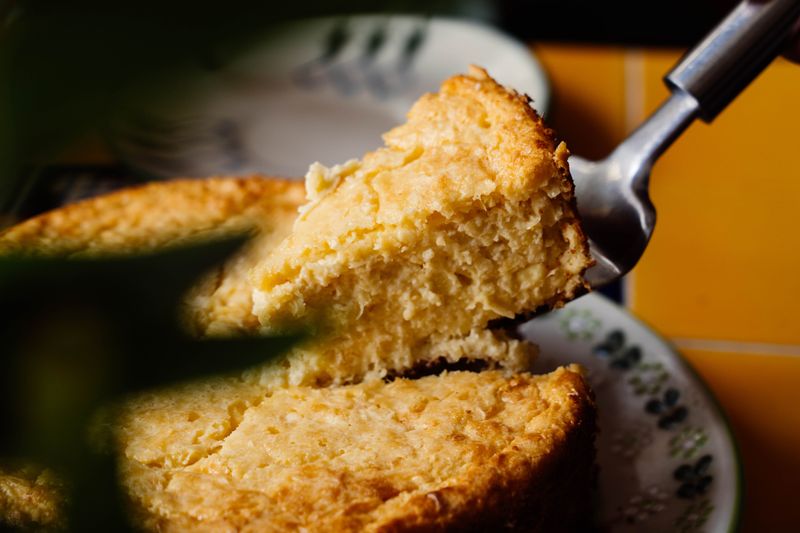
Spoonbread occupies a unique and slightly confusing place in Virginia cooking because it is not quite bread and not quite pudding.
It is a baked cornmeal dish with a soft, custard-like center that you scoop rather than slice. The name is accurate. The texture surprises almost everyone the first time.
Families in the Shenandoah Valley and across central Virginia have been making versions of it since colonial times, and the recipe variations reflect that long history. Some use white cornmeal exclusively. Others use yellow.
The egg count matters enormously. More eggs produce a lighter, soufflé-style result. Fewer eggs give you something denser and more filling.
The real argument is whether spoonbread is a side dish or a main event. Serve it alongside roasted chicken, and it becomes a supporting player.
Serve it with just a pat of butter and a drizzle of sorghum, and suddenly it is the entire reason you sat down.
9. Beaten Biscuits
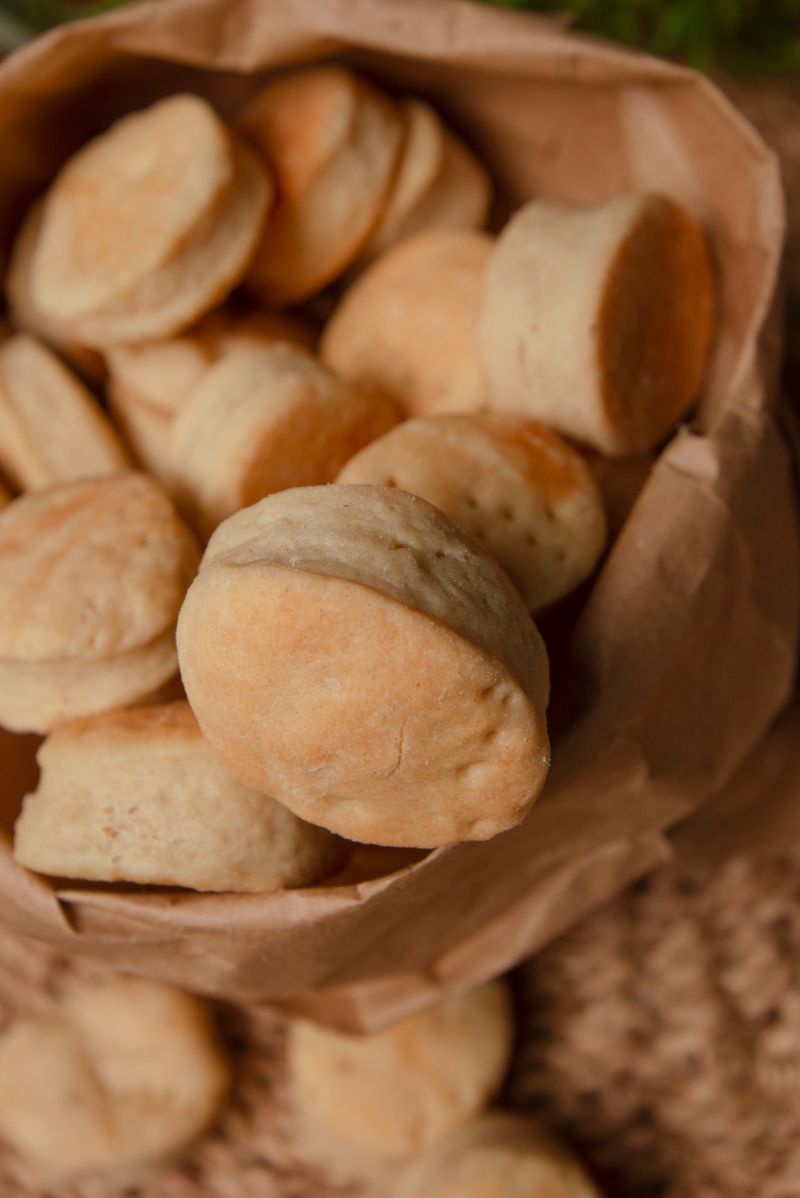
Beaten biscuits are the most intensive things on this list and possibly the most polarizing. Before baking powder became widely available, Southern cooks made these biscuits by literally beating the dough with a mallet or rolling pin for up to thirty minutes.
The process develops the gluten in a way that produces a dense, crisp, almost cracker-like result with a hollow interior.
Modern Virginians either revere this process as a connection to culinary heritage or quietly wonder why anyone would do this when regular biscuits exist. Both positions are understandable.
The texture is genuinely unlike anything else, and once you have had a beaten biscuit with a thin slice of country ham tucked inside, the effort starts to make more sense.
Old Virginia cookbooks treat beaten biscuits with deep seriousness. The number of beats required, the resting time, the thickness of each cut, all of it is documented with a precision that borders on reverence.
10. Sweet Potato Biscuits With Country Ham
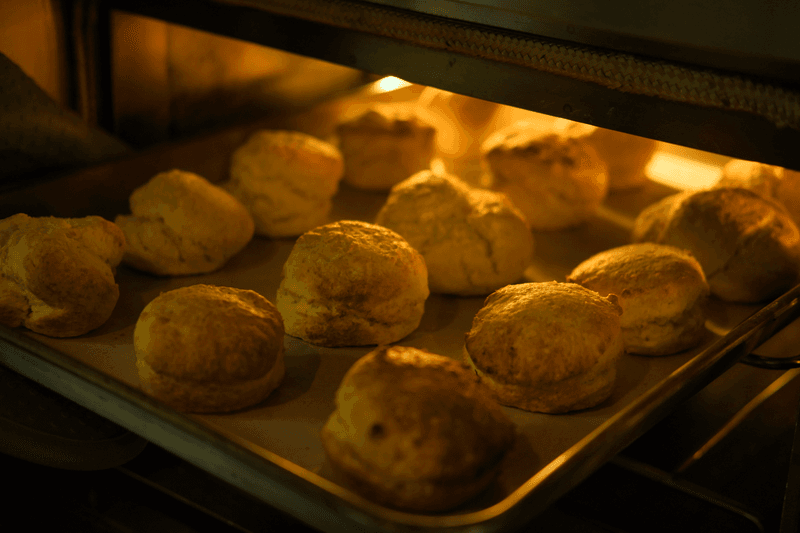
Sweet potato biscuits are the kind of recipe that sounds like a creative twist until you realize Virginia cooks have been making them for generations.
The sweet potato adds a natural moisture and a faint earthiness that keeps the biscuit soft for hours longer than a standard version. Paired with country ham, the sweet-salty contrast is genuinely hard to argue with, though people try.
The debate usually centers on the sweetness level. Some families add a spoonful of brown sugar to the dough. Others rely entirely on the potato’s natural sugars.
The ham brings enough salt to balance either approach, but the ratio of sweet to savory on each bite is a personal preference that nobody agrees on at the table.
A drizzle of local honey on top is the move that either delights or horrifies depending on who you ask. It is the kind of small addition that splits a family cleanly down the middle every single time.
11. Shenandoah Apple Butter
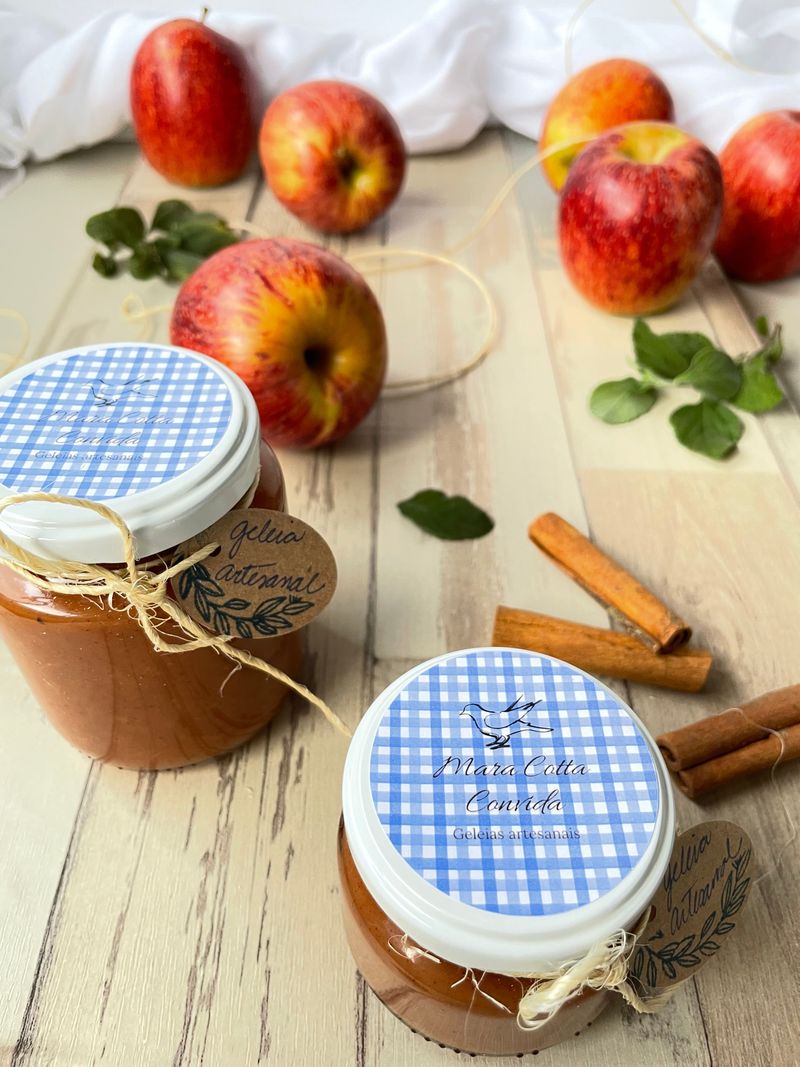
Apple butter making in the Shenandoah Valley is a fall tradition that doubles as a social event and, inevitably, a source of strong opinions.
The Valley’s apple orchards have been producing fruit since the 1700s, and the practice of cooking apples down into a thick, spiced spread has been part of that culture ever since.
The spice blend is where families divide. Cinnamon is universal. Allspice is common, and cloves are a point of genuine contention.
Some households add nutmeg, and others consider it an overreach. The sweetener debate runs parallel, with white sugar, brown sugar, and apple cider all competing for legitimacy.
Traditional apple butter requires hours of slow cooking in a large copper kettle, stirred constantly with a long wooden paddle.
Modern slow cooker versions produce a similar result with far less effort, which the traditionalists acknowledge with a tight smile that says everything without saying anything at all.
12. Virginia Apple Cobbler
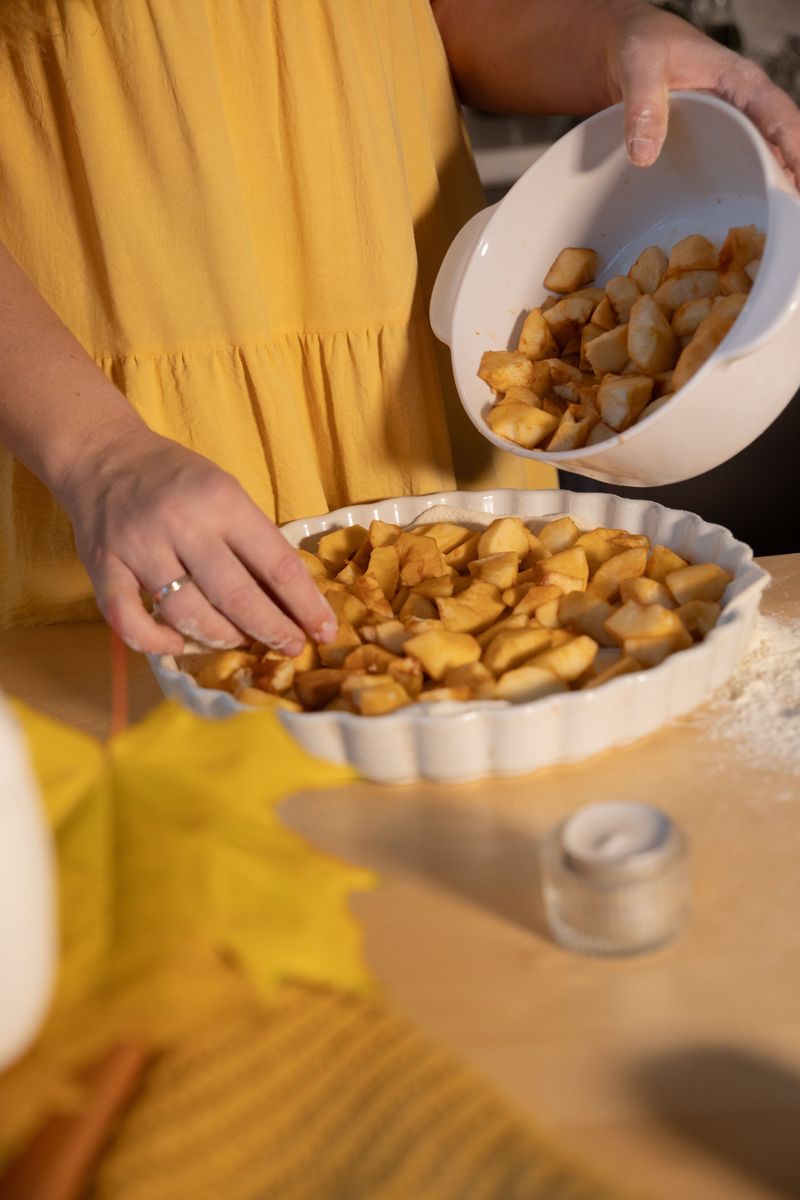
Virginia apple cobbler sounds like a simple dessert until someone mentions their grandmother’s version, and then suddenly everyone at the table has a grandmother with a better version.
The Shenandoah Valley produces some of the finest apples on the East Coast, and cobblers made from those apples in October have a depth of flavor that is genuinely difficult to replicate with fruit from anywhere else.
The topping is the battleground. A biscuit-style topping is traditional in Virginia. A crumble-style topping is gaining popularity.
Using pie crust is considered cheating by at least one person at every family gathering, and that person will say so.
The apple variety matters too. Stayman Winesap and York Imperial are regional favorites that hold their shape and balance tartness with sweetness beautifully.
Serving it warm with a scoop of vanilla ice cream is the obvious move. Serving it with sharp cheddar on the side is the unexpected move that always generates a conversation nobody expected to have.
13. Cornmeal-Crusted Mountain Trout
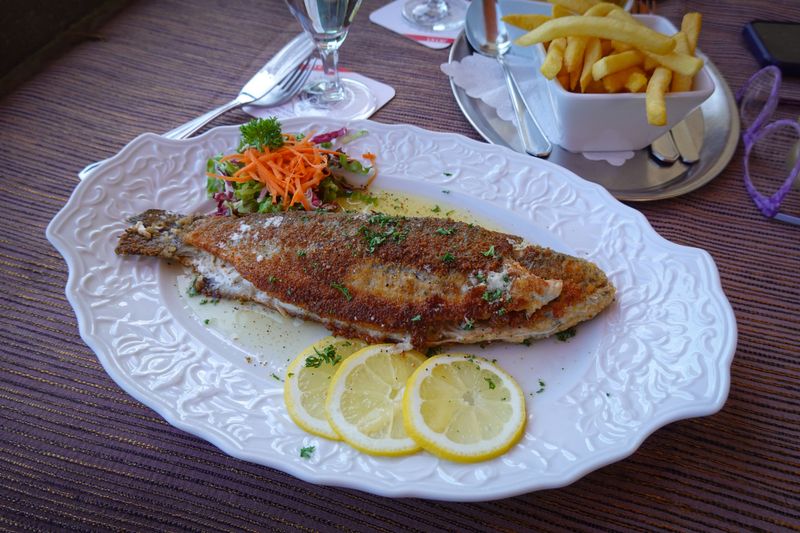
The Blue Ridge and Allegheny mountains of Virginia are laced with cold, fast-moving streams that produce excellent trout. Mountain communities have been frying them in cornmeal since before Virginia was a state.
The preparation is honest and straightforward, which is exactly why people argue about it so passionately.
Coarse cornmeal versus fine cornmeal produces noticeably different crusts, and both camps defend their preference with the kind of certainty usually reserved for more important matters.
Seasoning the cornmeal with salt, pepper, and garlic powder is standard. Adding cayenne is a regional preference. Keeping the coating plain and letting the fish do the work is considered the most authentic approach.
Cooking in a cast-iron skillet with enough oil to shallow-fry is the correct method, and almost everyone agrees on that part. What nobody agrees on is how long to cook it.
Trout is forgiving but not infinitely so, and overcooking it is a mistake that gets remembered longer than it should be.
14. Colonial Sweet Potato Pudding
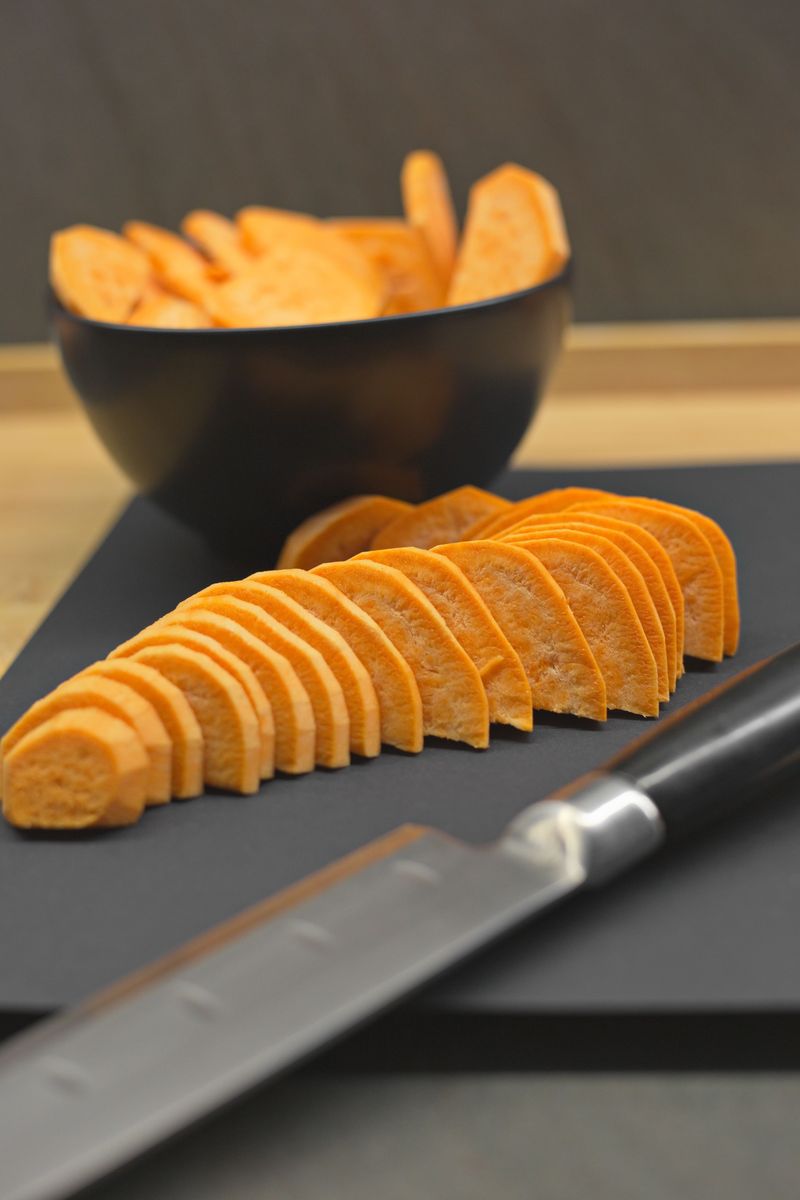
Colonial sweet potato pudding is one of those dishes that connects modern Virginia kitchens directly to the 18th century, and that history gives it a weight that most desserts simply do not carry.
Early Virginia colonists, drawing on both European pudding traditions and the agricultural knowledge of enslaved African cooks, created a dish that became a staple of plantation cooking and eventually of everyday Virginia households.
The base is mashed sweet potato, eggs, cream, and spices, baked slowly until it sets into something between a pie filling and a custard. The spice combination varies by family and by region. Cinnamon and nutmeg are expected, and ginger appears in older recipes.
Some families add a splash of vanilla. Others consider vanilla a modern intrusion on an old recipe.
Served warm or at room temperature, it is a dish that rewards patience. Rushing the baking time produces a watery pudding. Serving that kind of pudding texture is the thing people will bring up for years.
15. Williamsburg Gingerbread Cakes
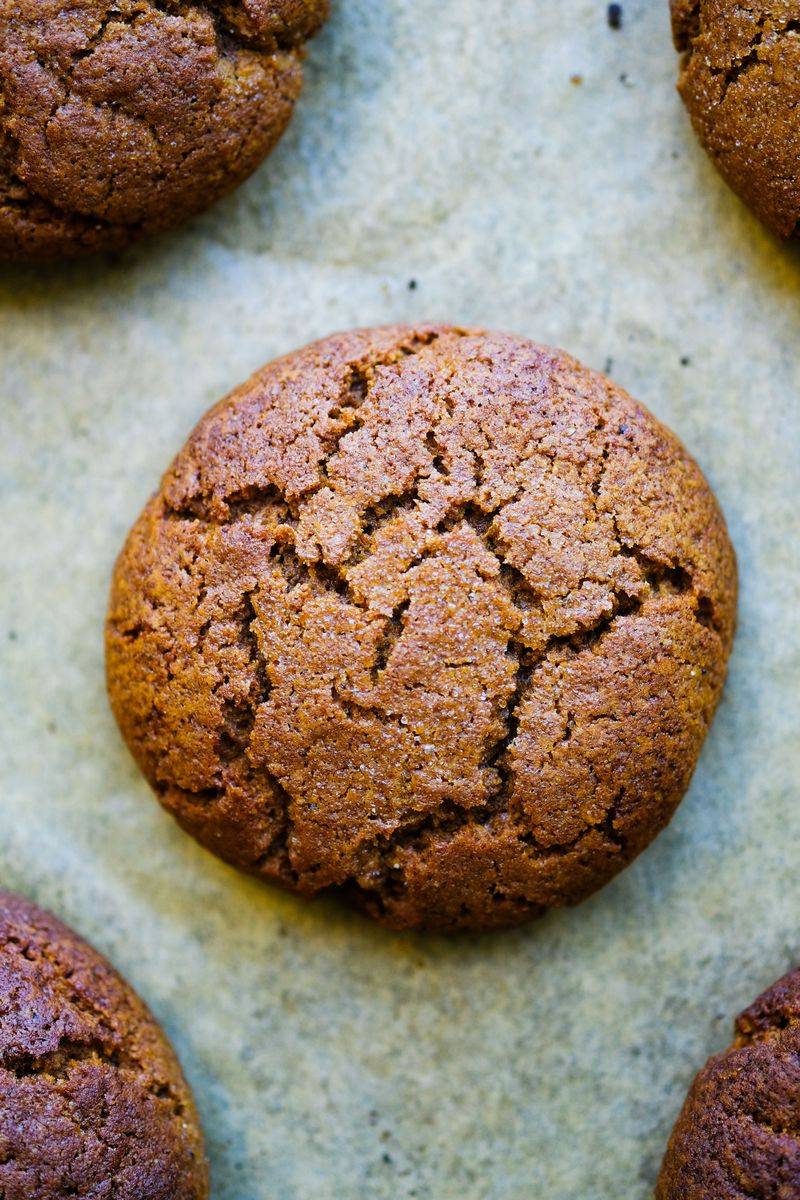
Colonial Williamsburg has been baking gingerbread since the 18th century, and the recipes documented from that era are surprisingly sophisticated.
Molasses, ginger, cinnamon, and black pepper combine in proportions that produce something spicy, dark, and deeply aromatic.
These are not the mild, supermarket gingerbread cookies most people grew up with. The texture debate is real. Some families bake them thick and cake-like, with a soft crumb and a moist center.
Others roll the dough thin and bake it until crisp, producing something closer to a traditional European spiced biscuit.
Both versions trace their lineage to the same colonial kitchens, which makes the argument historically circular and entirely unresolvable.
Powdered sugar on top is the classic finish. A lemon glaze appears in some old Williamsburg recipes and produces a bright, unexpected contrast to all that warm spice.
Whichever version lands on your table, the smell alone will bring everyone into the kitchen before you even serve them.