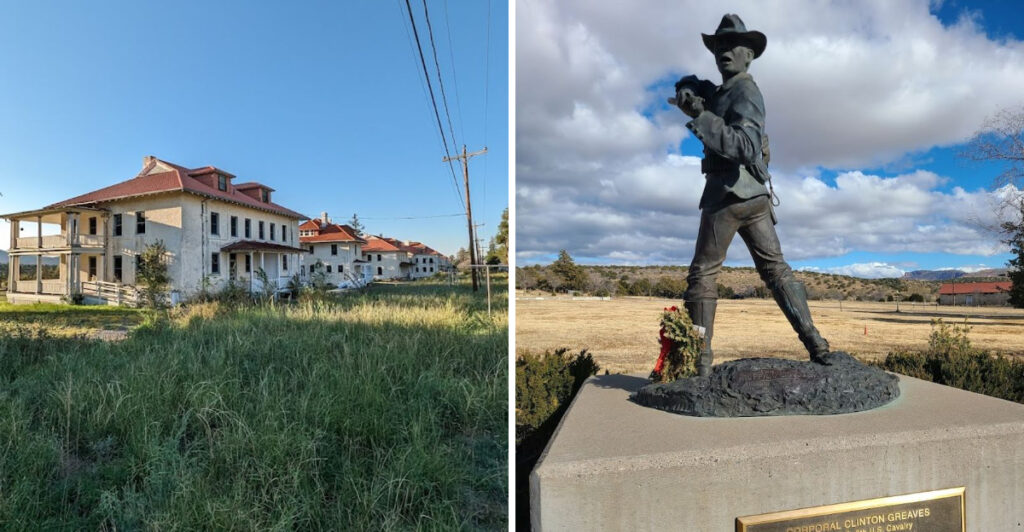
A quiet historic place has a way of making people lower their voices without being told. The grounds stretch across southwestern New Mexico with old buildings, open paths, and mountain views that give the whole place a slow, watchful feeling.
It is easy to arrive expecting a simple historic stop, then realize there is much more sitting in front of you. Buffalo Soldiers served here.
Patients came here for treatment. Officers, doctors, families, and workers all left pieces of their stories behind in the landscape.
The site does not need flashy displays to make an impression. A weathered wall, a shaded path, or a view across the grounds can do that on its own.
The entire setting feels like a place still holding its breath after more than a century of change. Spend a little time here, and the silence starts telling you exactly why it matters long after you leave.
Weathered Grounds With A Quiet Past
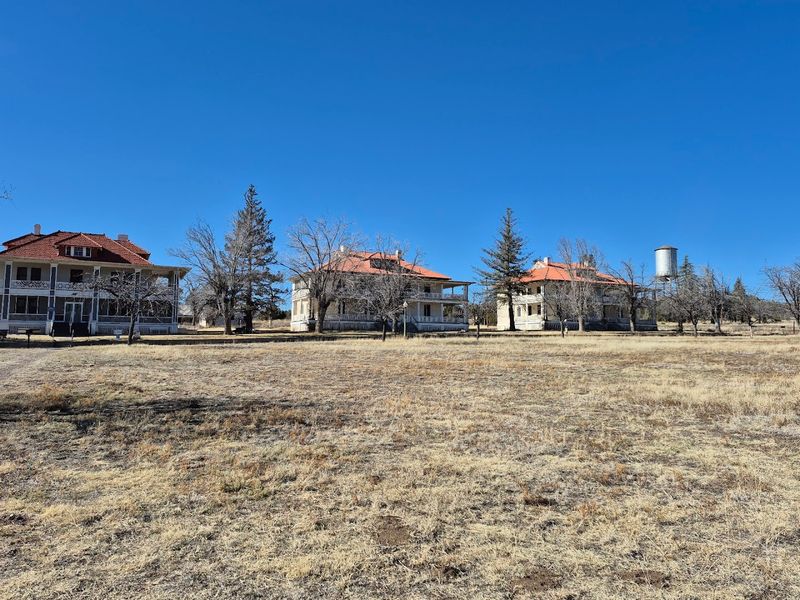
Before I even stepped out of my car, the grounds told me this place had lived many lives.
Fort Bayard was established on August 21, 1866, created to protect miners, ranchers, and travelers moving through New Mexico during a period of intense conflict with Apache communities in the region.
It was the fifth fort built in the area for protective purposes since 1803, which means this land had been considered strategically important for decades before the permanent post took shape.
Walking across those grounds, you get a real sense of how isolated and exposed life must have felt for everyone stationed here.
The dry desert air and the wide-open sky overhead give the site a kind of stripped-down honesty that polished tourist spots rarely manage to achieve.
The fort was named in honor of Brigadier General George Dashiell Bayard, who was mortally wounded at the Battle of Fredericksburg during the Civil War in 1862, adding a layer of somber remembrance to every corner of the property.
You can find all of this history waiting for you at Fort Bayard Historic Site and Interpretative Center near Santa Clara, just east of Silver City, New Mexico.
Historic Buildings Beneath Open Sky
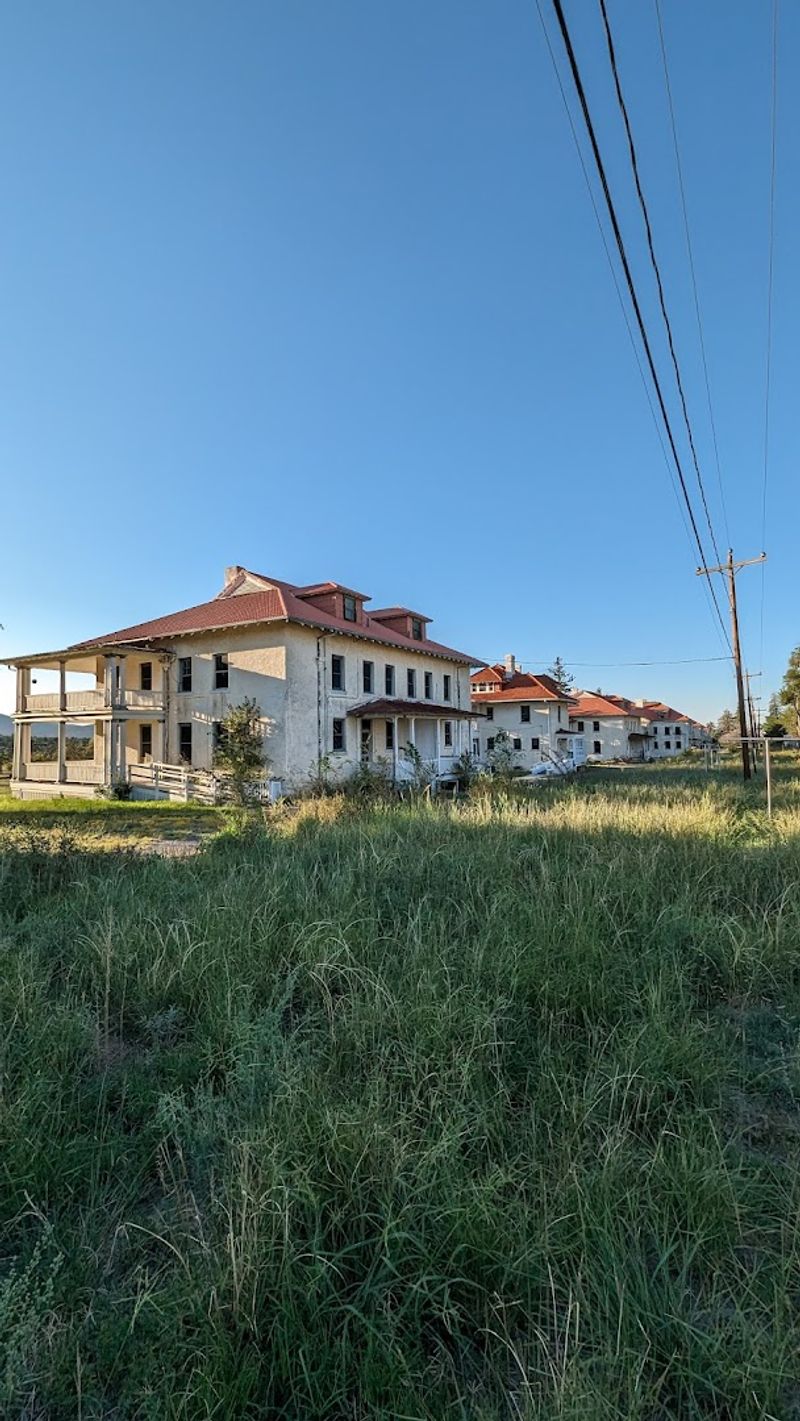
A good number of old forts across the American West have been reduced to plaques and empty fields, so arriving at Fort Bayard and seeing standing structures feels genuinely remarkable.
Several original buildings remain on the property, their brick facades carrying the marks of more than a century of desert heat, wind, and rain in a way that no replica could ever replicate.
The historical society maintains a museum on the property and operates a visitor center in the former Santa Clara Armory, giving visitors useful context before or after exploring the site’s layered past.
One building that draws particular attention is the general’s house, which has been carefully restored and gives a clear picture of how officers lived during the fort’s active military years.
Interpretive panels placed throughout the grounds fill in the gaps between buildings, connecting the dots from the frontier military era through the site’s remarkable transformation into a tuberculosis hospital in 1899.
Each structure you pass feels like a chapter in a book that keeps getting more interesting the further you read.
A Fort Site With Desert Stillness
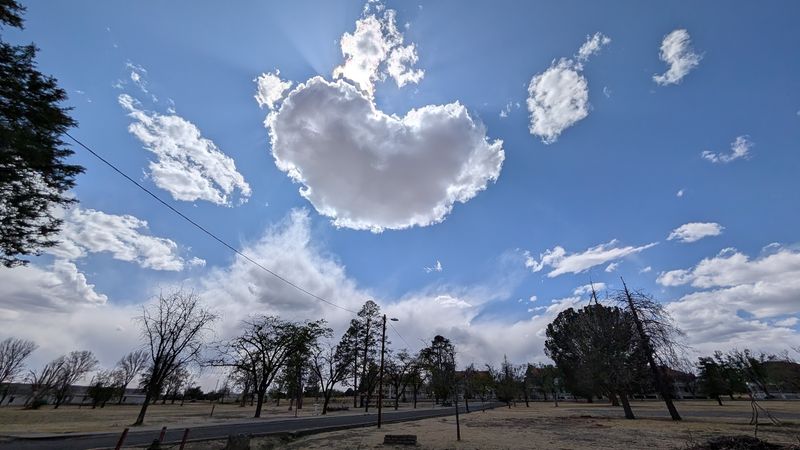
Few places I have visited carry quiet the way Fort Bayard does on a weekday morning.
The surrounding high desert landscape of southwestern New Mexico adds a natural hush to the site, with mountain views stretching out in the distance and dry air that seems to slow everything down just enough to let you breathe and think.
The Kneeling Nun rock formation is visible from parts of the grounds, a distinctive silhouette on the horizon that locals know well and that adds an unexpected visual anchor to the experience.
This stillness is not emptiness, though, because the land itself has absorbed an enormous amount of history, from cavalry patrols to medical wards, and that weight is something you feel rather than see.
After the fort ceased being an active military post in 1899, it was converted into the first U.S. Army Tuberculosis Hospital, chosen specifically because the dry, arid climate was considered ideal for treatment at the time.
Standing in that quiet today, it is easy to understand why the landscape itself was once considered a form of medicine.
Tree-Lined Paths Through Another Time
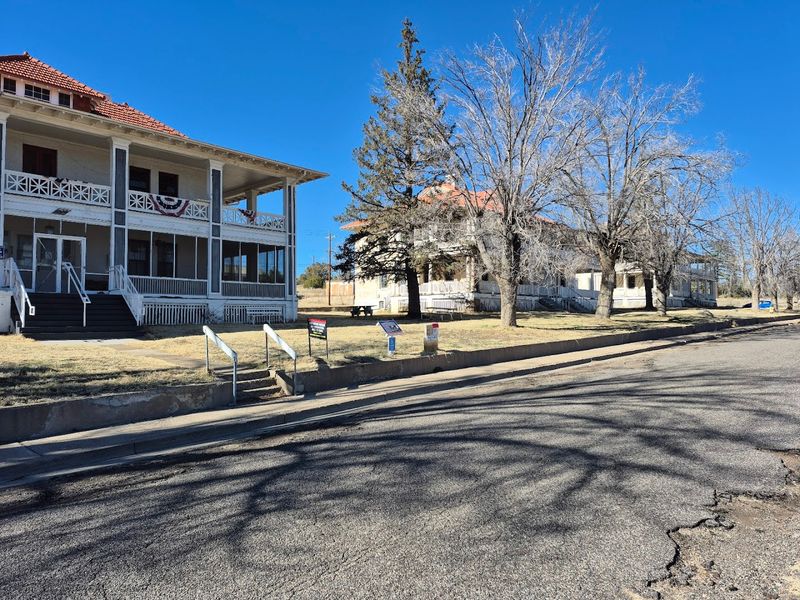
Not every historic site doubles as a genuinely pleasant place to take a long, unhurried walk, but Fort Bayard manages both with ease.
Mature trees shade stretches of the grounds, creating a canopy that feels surprisingly lush against the surrounding desert terrain and makes the walking paths comfortable even on warmer days.
Visitors have described the experience as peaceful and exploratory, with enough space to wander freely without feeling crowded or rushed at any point during the visit.
A self-guided tour option lets you move at your own pace, pausing at interpretive panels that cover everything from the Buffalo Soldiers who garrisoned the fort to the medical pioneers who transformed it into a landmark hospital complex capable of housing up to 1,200 patients.
The grounds are open to dogs on leashes, and a disc golf course has been set up in certain areas, which gives the site a welcoming, community-friendly energy that keeps it from feeling like a roped-off museum exhibit.
Every path here leads somewhere worth pausing, whether for history, scenery, or simply a moment of unhurried calm.
A Preserved Corner Of Frontier History
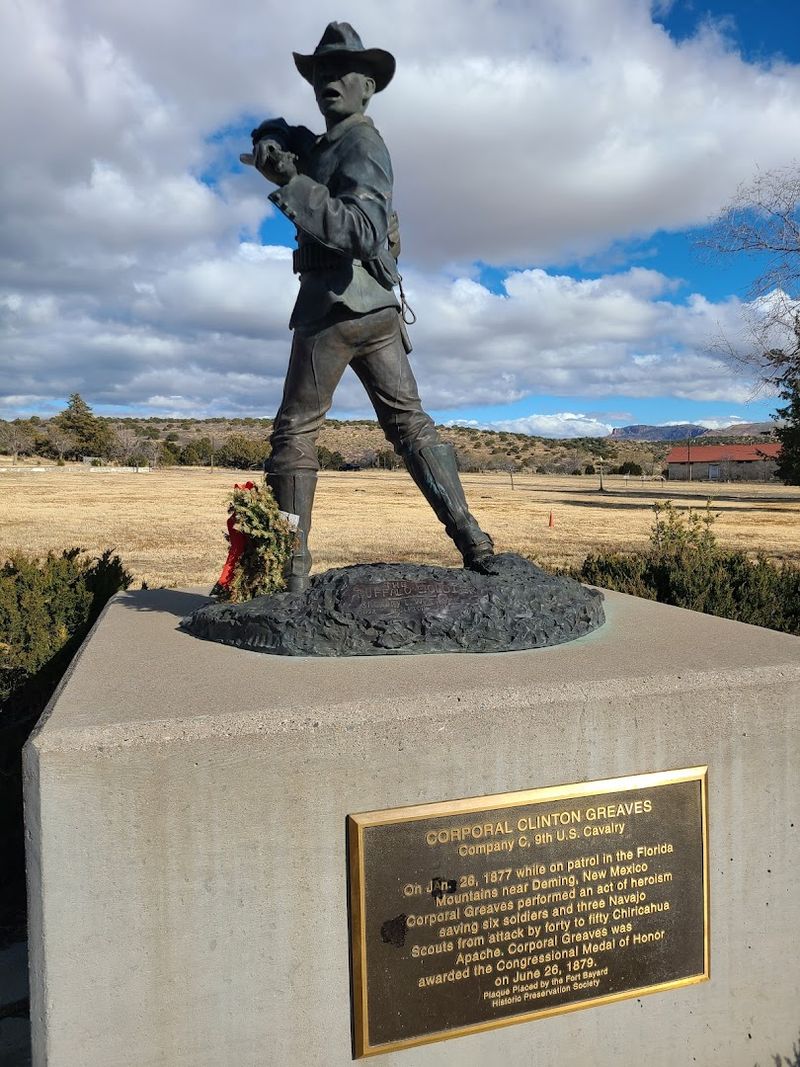
The story of Fort Bayard is one of the more layered and unexpected chapters in the history of the American Southwest.
The fort was predominantly garrisoned by African-American Buffalo Soldiers, including Company B of the 125th U.S. Colored Infantry Regiment and troops from the 9th Cavalry Regiment, whose service in this remote post deserves far more recognition than it typically receives in popular history.
A monument honoring the Buffalo Soldiers was erected on the grounds in 1992, and it stands as one of the most meaningful markers at the entire site.
William Cathay, also known as Cathay Williams and recognized as the only known female Buffalo Soldier, was also associated with Fort Bayard, adding another remarkable thread to an already remarkable story.
Notable military figures connected to the fort include then-Second Lieutenant John J. Pershing, who was stationed here in 1886, and General George Crook, who was known for his unconventional use of Apache scouts during campaigns in the region.
History this specific and this human-scaled is exactly the kind that stays with you long after the drive home.
Wide Views Around The Historic Grounds
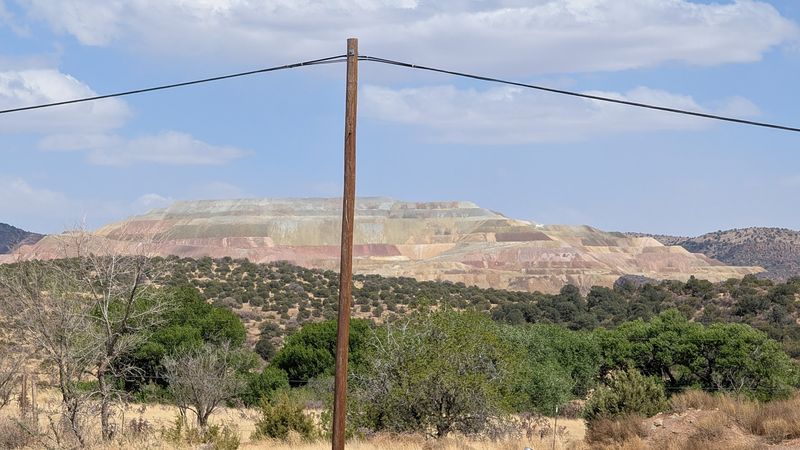
One detail that consistently surprises first-time visitors is how good the views are from the Fort Bayard grounds.
The site sits at an elevation that opens up sight lines toward the surrounding mountain ranges, and on a clear day the landscape stretches out in a way that makes the whole setting feel cinematic without trying to be.
Photographers tend to linger here longer than they planned, and it is easy to understand why, because the combination of aging architecture and dramatic natural backdrops gives every frame something interesting to work with.
The open layout of the grounds also means you are never hemmed in, and that sense of space reinforces the feeling that you have genuinely stepped away from the ordinary rhythms of modern life for a few hours.
Fort Bayard was designated a National Historic Landmark District in 2004, a recognition that underscores just how significant this place is within the broader story of American military and medical history.
Wide as the sky above it, the site rewards anyone willing to slow down and actually look around at what surrounds them.
Aging Structures With Faded Character
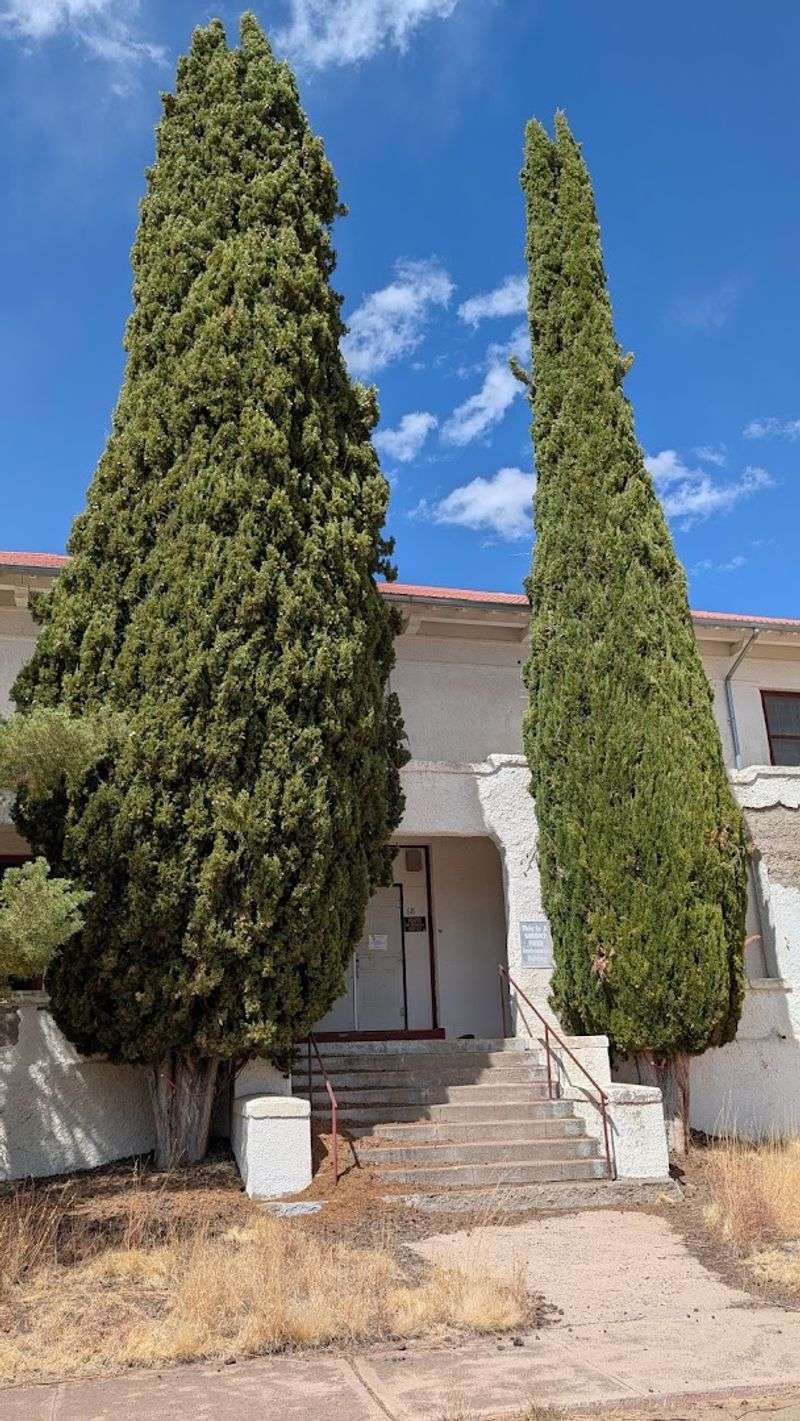
There is a particular kind of beauty that only comes from age, and Fort Bayard has it in abundance.
Many of the structures on the grounds are in varying states of preservation, with some buildings showing significant wear while others have benefited from ongoing restoration efforts supported by the local historical society and the village of Santa Clara, which acquired the property.
In 1965, the fort and most of its buildings were sold to the State of New Mexico for the remarkable sum of one dollar, beginning a new chapter as a long-term care facility before eventually becoming the historic site visitors walk through today.
The imperfections in the architecture, the faded paint, the weathered brick, and the slightly overgrown edges around certain structures, all contribute to an atmosphere that feels authentic rather than curated.
Restoration work is ongoing, and the visible contrast between repaired sections and untouched ones actually makes the place more interesting to explore, because you can see the effort being made to hold onto something genuinely worth saving.
Faded does not mean forgotten here, and that distinction matters more than it might seem.
A Peaceful Walk Through New Mexico History
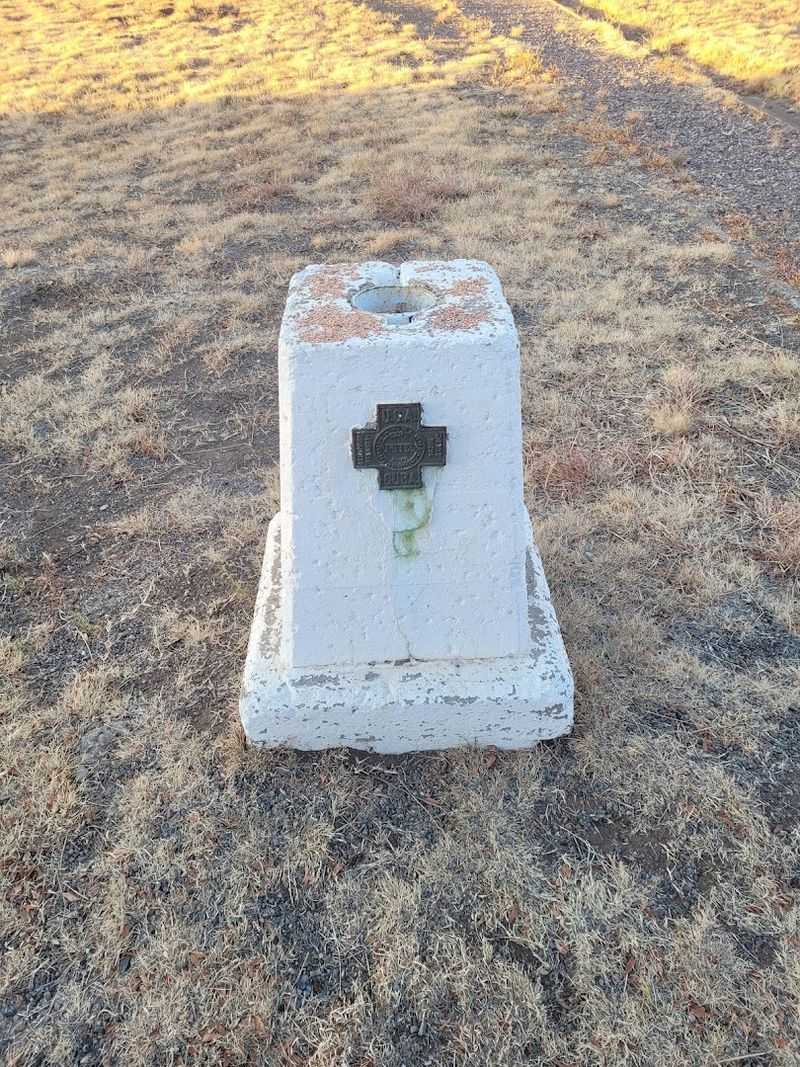
My last walk through the grounds at Fort Bayard felt less like sightseeing and more like reading a long letter from the past.
The site is free to visit, which makes it one of the most accessible and underappreciated historical destinations in the entire region, and the lack of an admission fee somehow makes the experience feel even more generous.
New Mexico has no shortage of historic sites, but Fort Bayard holds a specific combination of military history, medical innovation, and cultural significance that sets it apart from most places on a travel itinerary.
The Fort Bayard National Cemetery was established in 1866, the same year as the permanent post, became part of the National Cemetery system in 1973, and was listed on the National Register of Historic Places in 2002, giving the site an additional layer of historical gravity.
Rock hounding enthusiasts have even reported finding raw opal in the surrounding area, which adds an unexpected bonus for visitors who want to make a full day of the trip.
A walk here does not just pass through history, it settles into it at a pace that feels exactly right.